 Penelope Hailey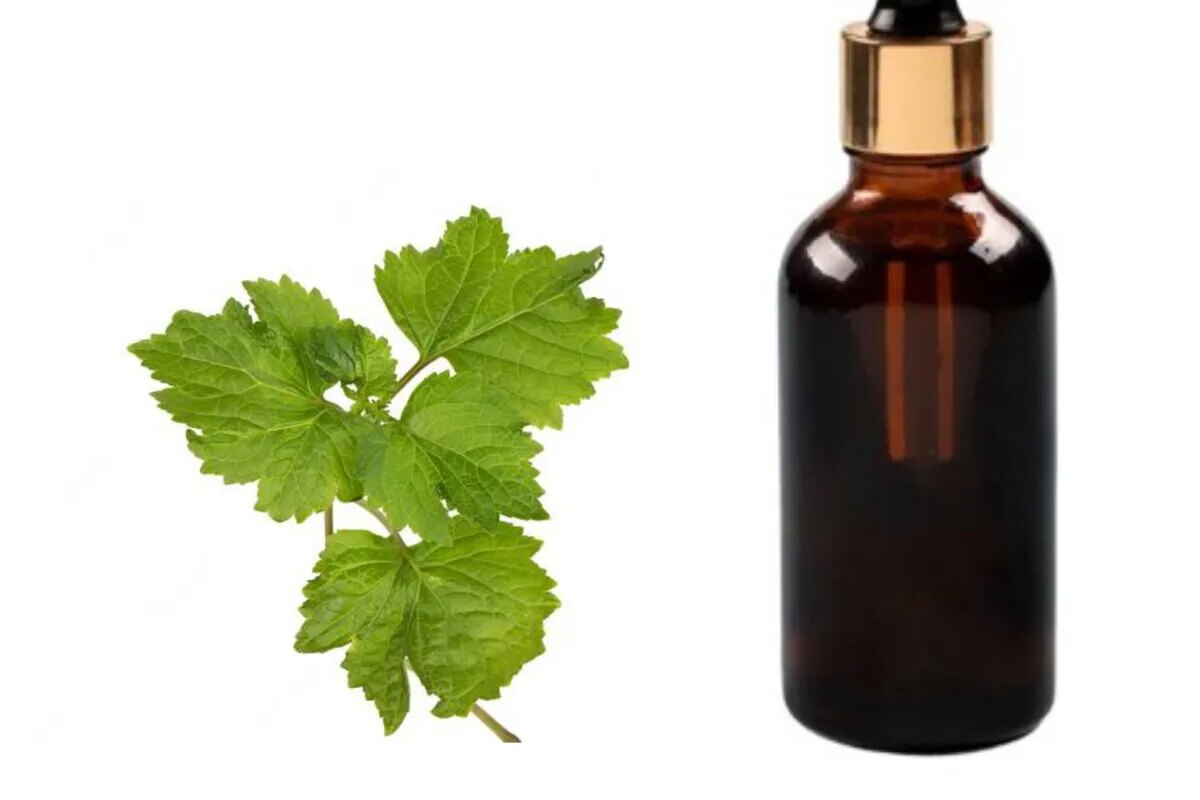
Patchouli oil is not just a fragrant essential oil; it carries with it a rich tapestry of history and significance across various cultures. From its use in traditional medicine to its incorporation in rituals, patchouli oil has been revered for centuries. As we explore its multifaceted role in society, we uncover a story of healing, aromatic allure, and environmental consciousness.
This exploration takes us through the processes of distillation, the unique aromatic profile, therapeutic benefits in aromatherapy, and even its applications in skincare and household cleaning. By understanding how patchouli oil has woven itself into the fabric of daily life, we can appreciate its resurgence in modern wellness trends and its sustainability challenges.
The Historical Significance of Patchouli Oil in Different Cultures
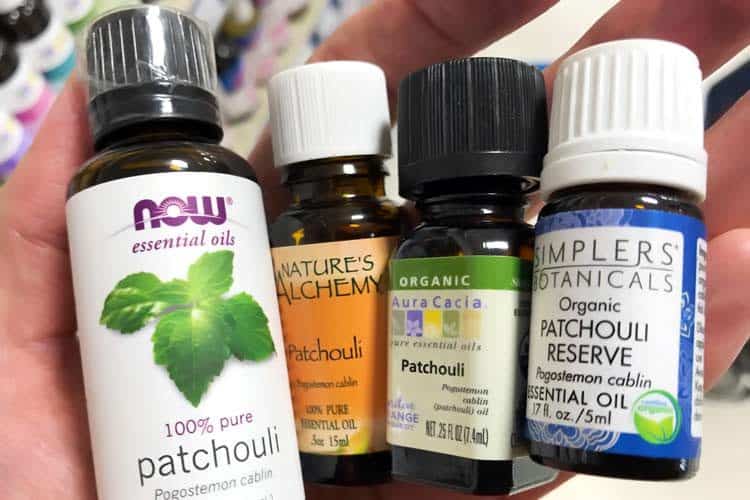
Patchouli oil, extracted from the leaves of the patchouli plant, has a rich history that spans centuries and cultures. Known for its distinct earthy aroma, this essential oil has been revered for its therapeutic properties, cultural significance, and role in trade. As we delve into its historical journey, we uncover how diverse societies have integrated patchouli into their daily lives and rituals, showcasing its multifaceted nature.
Throughout history, patchouli oil has played an important role in traditional medicine and rituals across various regions. Originating in Southeast Asia, it gained prominence in countries like India, Indonesia, and the Philippines, where it was used not only in perfumes but also in healing practices. In Ayurvedic medicine, for instance, patchouli oil is believed to possess anti-inflammatory and antiseptic properties, making it a valuable remedy for various ailments. Moreover, in Indonesia, the oil was utilized in traditional ceremonies, where it was often burned as an offering to spirits, reflecting its spiritual and cultural importance.
Patchouli Oil in Traditional Medicine
Patchouli oil has been extensively utilized in traditional healing practices around the world. Its therapeutic applications have been documented in various cultures, highlighting its significance in promoting health and wellness. The following are notable examples of its medicinal use:
- Ayurvedic Medicine: In Ayurveda, patchouli oil is recognized for its ability to balance the doshas, particularly in treating respiratory ailments and skin disorders. It is commonly blended with carrier oils for massage therapies aimed at alleviating stress and anxiety.
- Traditional Chinese Medicine: Patchouli, known as “Huo Xiang” in Chinese, is employed to treat digestive issues, such as nausea and loss of appetite. It is often brewed into teas or tinctures to harness its healing properties.
- Folk Remedies in Southeast Asia: In regions like Malaysia and Indonesia, patchouli leaves are used in poultices for treating infections and skin irritations. The oil is also applied topically to reduce inflammation and promote healing.
“In many cultures, the aroma of patchouli is not just about fragrance; it symbolizes healing and connection to the earth.”
Across the globe, patchouli oil has been intertwined with cultural practices, rituals, and even global trade routes. Its distinct scent became synonymous with the bohemian lifestyle of the 1960s and 70s, further enriching its narrative in modern culture. Today, as we appreciate the historical journeys of patchouli oil, we recognize its enduring legacy that continues to influence various aspects of life, from perfumery to holistic wellness.
The Distillation Process of Patchouli Oil
The extraction of patchouli oil, renowned for its earthy and musky scent, is achieved through a meticulous distillation process. This method not only ensures the preservation of the plant’s aromatic compounds but also maximizes the yield of the essential oil. Understanding this process sheds light on how aromatic plants are transformed into valuable oils used widely in perfumery and aromatherapy.
The distillation of patchouli oil primarily involves steam distillation, a method favored for its ability to gently extract essential oils without degrading their quality. This process harnesses the power of steam to separate volatile aromatic compounds from the plant material, resulting in pure oil. The principles of distillation are rooted in the differences in boiling points of various substances, allowing for the selective extraction of desired components.
Steam Distillation Process
The steam distillation process requires specific equipment and follows distinct steps to ensure optimal extraction of patchouli oil. Below is a detailed guide to this scientific process.
1. Equipment Needed:
– Distillation apparatus (including a distillation flask and condenser)
– Heat source (such as a boiler or heating mantle)
– Water supply for generating steam
– Collection flask for the distilled oil
– Separator funnel to separate oil from water
2. Step-by-Step Guide:
– Preparation of Plant Material: Begin by gathering fresh or dried patchouli leaves. The leaves should be chopped to increase the surface area, enhancing oil extraction.
– Setting Up the Apparatus: Connect the distillation flask to the condenser. Ensure the condenser is positioned correctly for efficient cooling and condensation of steam.
– Adding Water: Fill the distillation flask with water and add the prepared patchouli leaves. The ratio of water to plant material is critical; it should be sufficient to generate steam without overwhelming the mixture.
– Heating the Mixture: Apply heat to the distillation flask. The water will start to boil, creating steam that passes through the plant material, extracting the essential oil as it rises.
– Condensation of Steam: The steam, now laden with essential oil, moves into the condenser where it cools and condenses back into liquid form.
– Collection of Distillate: The liquid mixture of water and patchouli oil flows into the collection flask. Due to differences in density, the oil will float on top of the water.
– Separation: Once the distillation is complete, use a separator funnel to carefully siphon off the patchouli oil from the water, ensuring minimal loss of the precious oil.
– Storage: Store the extracted patchouli oil in a dark, airtight container to preserve its fragrance and properties.
The steam distillation process is essential for maintaining the integrity and quality of patchouli oil, allowing for the extraction of its characteristic aroma.
This method illustrates how scientific principles can be effectively applied to produce high-quality essential oils, highlighting the connection between nature and human innovation in the field of aromatics.
The Aromatic Profile of Patchouli Oil and Its Uses in Perfume Making
Patchouli oil, derived from the leaves of the Pogostemon cablin plant, boasts a distinctive and complex aromatic profile that has captured the attention of perfumers worldwide. Its rich, earthy scent, often described as musky, sweet, and slightly spicy, evokes a sense of warmth and depth. Patchouli’s unique fragrance is cherished not only for its standalone qualities but also for its ability to act as a base note, harmonizing beautifully with other essential oils and fragrances.
The aromatic characteristics of patchouli oil are largely attributed to its chemical composition, which includes components such as patchoulol, alpha-bulnesene, and beta-patchoulene. These compounds contribute to its signature scent, making it a popular choice in the perfume industry. Patchouli oil serves as a stabilizing agent for other fragrances, enhancing and prolonging their scent while adding an earthy richness that evokes feelings of nostalgia and grounding. Its versatility allows it to blend seamlessly with a variety of other notes, including florals, woods, and spices.
Blending Patchouli Oil in Perfumery
When it comes to crafting fragrances, blending patchouli oil requires an understanding of its compatibility with other scents. Its deep and robust profile pairs well with:
- Citrus Scents: Patchouli provides a warm contrast to the bright and fresh notes of bergamot, lemon, and orange, creating a balanced scent profile.
- Floral Notes: It enhances floral fragrances, such as rose and jasmine, adding depth and a touch of earthiness that enriches the overall aroma.
- Woodsy Aromas: Combining patchouli with cedarwood or sandalwood produces a complex and sophisticated scent that resonates with nature.
- Spicy Elements: Spices like clove and cinnamon can meld with patchouli to create an exotic and intriguing fragrance experience.
Understanding these combinations is crucial for perfumers aiming to create a harmonious scent that resonates with wearers.
Creating a Simple Perfume with Patchouli Oil
Crafting a simple perfume using patchouli oil can be a rewarding experience. The following steps provide a detailed process for creating a basic patchouli-based fragrance.
1. Gather Ingredients:
– 30 ml of carrier oil (such as jojoba or sweet almond oil)
– 10-15 drops of patchouli essential oil
– 5 drops of a complementary essential oil (e.g., bergamot for brightness or lavender for floral notes)
– A small glass perfume bottle or rollerball container
2. Mix the Oils:
– In your glass container, add the carrier oil as the base. This oil acts as a neutral base that dilutes the essential oils, making them safe for skin application.
– Next, carefully add the patchouli oil. Its strong scent will dominate, so begin with fewer drops and increase based on personal preference.
– Add your chosen complementary oil. This step can vary depending on the desired fragrance profile.
3. Blend and Age:
– After adding all ingredients, cap the bottle and gently shake to mix. Allow the perfume to sit in a cool, dark place for at least 48 hours, or up to several weeks. Aging helps the scents meld, resulting in a more balanced fragrance.
4. Test and Adjust:
– After aging, test the scent on your skin. Adjust with additional drops of patchouli or complementary oils if necessary. Remember that the scent can change slightly once it interacts with your skin chemistry.
5. Final Touches:
– Once satisfied with the scent, label your perfume bottle and store it away from direct sunlight.
This simple process allows for personalization and creativity, making patchouli oil a delightful ingredient in your perfume-making endeavors.
The Therapeutic Benefits of Patchouli Oil in Aromatherapy
Patchouli oil, derived from the leaves of the patchouli plant, has been a staple in aromatherapy for its rich, earthy scent and numerous therapeutic benefits. Often associated with grounding and calming properties, this essential oil is known for its ability to promote emotional well-being and physical health. Incorporating patchouli oil into your routine can enhance relaxation and create a soothing atmosphere.
Aside from its distinctive fragrance, patchouli oil boasts a variety of health benefits that make it a valuable addition to aromatherapy practices. It is known for its anti-inflammatory, antiseptic, and antifungal properties, which can help alleviate various ailments. Moreover, the oil has been traditionally used to enhance digestion, reduce anxiety, and improve skin conditions.
Health Benefits Associated with Patchouli Oil
The use of patchouli oil in aromatherapy offers numerous health benefits that can support both physical and mental wellness. Below are some notable advantages:
- Reduces Anxiety: Patchouli oil is highly regarded for its calming effects, helping to alleviate feelings of stress and anxiety. Its soothing aroma can create a sense of tranquility and promote relaxation.
- Improves Mood: The uplifting scent of patchouli oil can enhance mood and emotional balance. It is often used to combat feelings of sadness and depression, contributing to overall positive mental states.
- Enhances Sleep Quality: Incorporating patchouli oil into nighttime routines can improve sleep quality. Its calming properties help reduce restlessness, making it easier to fall and stay asleep.
- Supports Skin Health: Thanks to its antiseptic and anti-inflammatory properties, patchouli oil can benefit skin health by addressing issues such as acne, eczema, and other skin irritations.
- Boosts Immune System: The oil’s antifungal and antibacterial properties may help strengthen the immune system, making it a great addition to wellness routines.
Psychological Effects of Patchouli Oil on Mood and Stress Relief
Patchouli oil is particularly effective in promoting mental health and emotional stability. The scent is often described as grounding, which can help individuals feel more centered and balanced. When inhaled, patchouli oil can stimulate the limbic system, the part of the brain that controls emotions, leading to various psychological benefits.
“Patchouli oil can create an aura of serenity, making it an ideal choice for stress relief in high-pressure environments.”
The use of patchouli oil in aromatherapy can significantly impact mood through its ability to diffuse emotional tension. Users often report an increased sense of calm and a decrease in negative thoughts. In addition, the oil can spark feelings of sensuality and confidence, making it a popular choice for enhancing intimate spaces.
Methods for Incorporating Patchouli Oil into Relaxation Routines
Integrating patchouli oil into your relaxation routine can be simple and enjoyable. Here are effective methods to maximize its benefits:
- Diffusion: Using a diffuser, add a few drops of patchouli oil to water and let the scent fill your space. This method enhances the atmosphere, promoting relaxation and stress relief.
- Massage: Combine patchouli oil with a carrier oil, such as coconut or jojoba, for a soothing massage. The aromatic properties will enhance the physical benefits of the massage, helping to relieve muscle tension.
- Bathing: Add a few drops of patchouli oil to a warm bath. The steam will carry the scent while the oil works on the skin, providing a multi-sensory relaxation experience.
- Inhalation: For a quick boost of calmness, place a few drops of patchouli oil on a tissue or cotton ball and inhale deeply. This method provides immediate relief from anxiety or stress.
- Yoga and Meditation: Incorporate patchouli oil into your yoga or meditation practice by applying it to pulse points or diffusing it in the room. This can enhance focus and deepen your relaxation during these activities.
The Role of Patchouli Oil in Natural Skincare Products
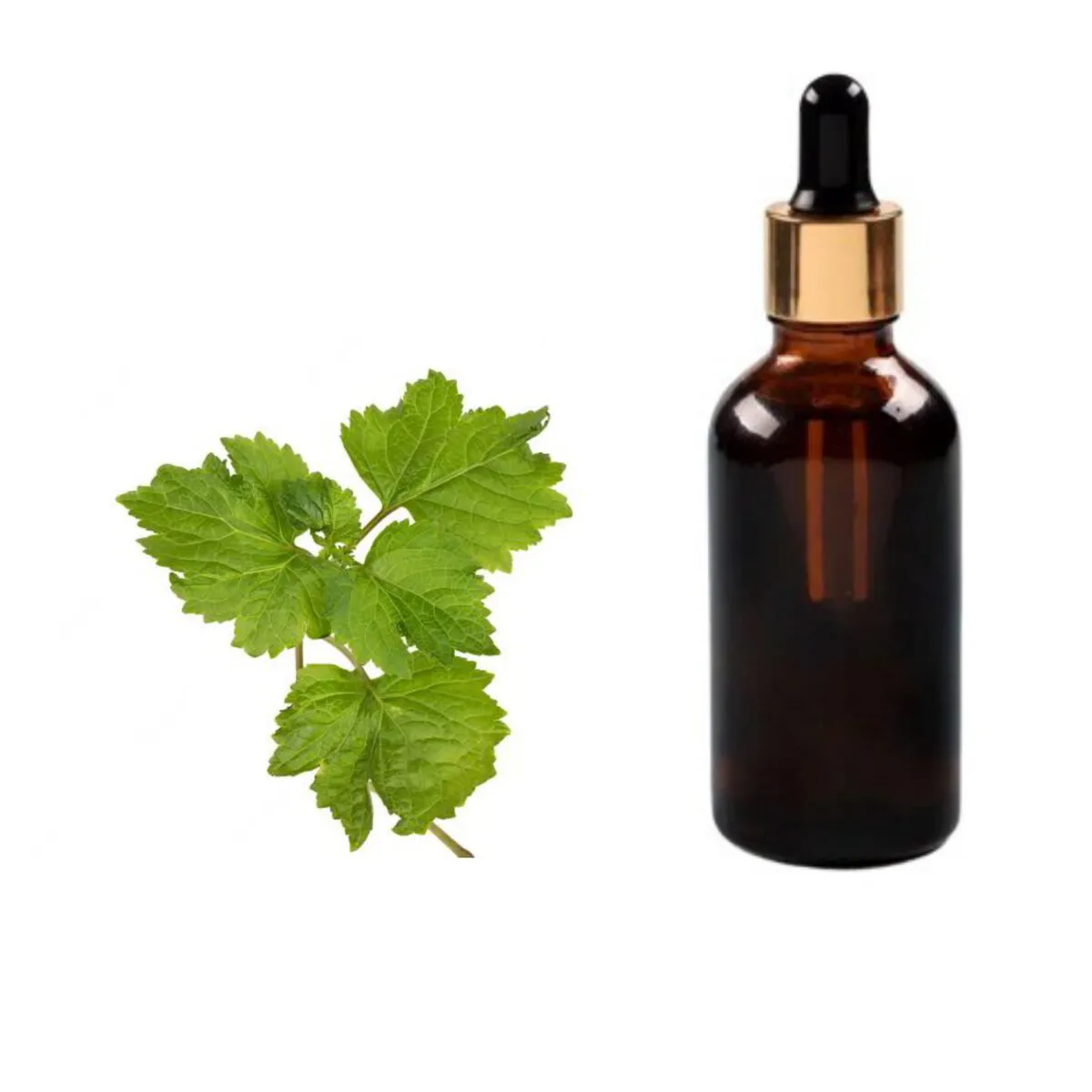
Patchouli oil, derived from the leaves of the Pogostemon cablin plant, has been cherished in skincare for its diverse benefits. With its unique earthy aroma and potent qualities, it serves as a versatile ingredient in various natural skincare formulations. From promoting skin health to enhancing the overall efficacy of products, patchouli oil stands out as a valuable addition to both DIY recipes and commercial skincare lines.
The oil is known for its anti-inflammatory, antiseptic, and moisturizing properties, making it an excellent choice for various skin types. It helps combat issues such as acne, eczema, and dermatitis while also promoting the healing of scars and blemishes. Additionally, patchouli oil’s ability to regulate oil production makes it suitable for oily and combination skin types. Its natural scent also provides aromatherapy benefits, promoting relaxation and reducing stress, which can contribute positively to skin health.
Benefits of Patchouli Oil for Skin Health
Patchouli oil offers numerous benefits that contribute to overall skin health. These include:
- Anti-inflammatory properties: This helps reduce redness and swelling associated with various skin conditions.
- Antiseptic qualities: Patchouli oil can help prevent infections and promote wound healing.
- Moisturizing effects: It hydrates the skin, making it ideal for dry or flaky patches.
- Scar healing: The oil can aid in reducing the appearance of scars and blemishes over time.
- Astringent properties: It tightens the skin and reduces excessive oiliness, making it beneficial for those with acne-prone skin.
Incorporating patchouli oil into DIY skincare products can enhance their effectiveness and provide a natural alternative to commercial formulations. The following are examples of simple yet beneficial DIY skincare recipes featuring patchouli oil.
DIY Skincare Formulations Using Patchouli Oil
Creating your own skincare products with patchouli oil is straightforward and allows for customization to suit your skin’s specific needs. Here are some effective formulations:
1. Patchouli Oil Face Serum
Combine 2 tablespoons of jojoba oil with 5 drops of patchouli oil. This serum can help hydrate the skin and reduce the appearance of fine lines.
2. Patchouli Oil Moisturizing Cream
Mix 1 cup of shea butter, 2 tablespoons of coconut oil, and 10 drops of patchouli oil. Whip them together until smooth, and apply as a rich moisturizer to soothe dry skin.
3. Patchouli and Lavender Body Scrub
Mix ½ cup of brown sugar, ¼ cup of olive oil, and 5 drops of patchouli oil with 5 drops of lavender oil. This scrub exfoliates the skin while providing relaxing aromatherapy benefits.
4. Patchouli Oil Acne Treatment
In a small bowl, combine 2 teaspoons of tea tree oil with 3 drops of patchouli oil. Apply directly to blemishes to promote healing and reduce inflammation.
Commercial Skincare Products Featuring Patchouli Oil
Many commercial skincare lines have recognized the benefits of patchouli oil and incorporated it into their formulations. Some notable examples include:
– Lush’s “Dream Cream”: This body lotion utilizes patchouli oil to provide soothing relief for dry skin while its luxurious texture ensures deep hydration.
– Rituals’ “The Ritual of Dao” Body Cream: Combining patchouli with other beneficial ingredients, this cream promotes relaxation and nourishes the skin.
– Aveda’s “Stress-Fix Body Lotion”: This product harnesses the calming properties of patchouli oil, blended with lavender and clary sage, to create an overall calming skincare experience.
Patchouli oil is not only a fragrant addition but also a powerhouse ingredient in skincare. Its versatile applications in DIY formulations and popularity in commercial products make it an essential component for anyone looking to enhance their natural skincare routine.
Patchouli Oil in Household Cleaning Solutions
Patchouli oil is not only revered for its aromatic properties but also serves as a powerful natural cleaning agent. Its antibacterial and antifungal characteristics make it an ideal component in homemade cleaning solutions, significantly contributing to a cleaner and healthier home environment. Embracing natural alternatives like patchouli oil allows for effective cleaning without the harmful effects associated with synthetic chemicals.
The effectiveness of patchouli oil as a cleaning agent stems from its natural compounds that help eliminate germs and odors. When used in household cleaning solutions, it not only disinfects surfaces but also leaves a refreshing scent that synthetic cleaners often lack. Its versatility allows it to be incorporated into various cleaning recipes, ranging from surface sprays to laundry detergents.
Homemade Cleaning Solutions with Patchouli Oil
Creating your own cleaning solutions with patchouli oil can be simple and rewarding. Below are a few effective recipes for natural cleaning solutions:
1. All-Purpose Cleaner: Combine 1 cup of white vinegar, 1 cup of water, and 20 drops of patchouli oil in a spray bottle. This solution can effectively clean countertops, sinks, and other surfaces.
2. Bathroom Mold Remover: Mix 2 cups of water, ½ cup of baking soda, and 15 drops of patchouli oil in a spray bottle. Spray onto affected areas and let it sit for 15 minutes before wiping clean.
3. Laundry Freshener: Add 10 drops of patchouli oil to a cup of baking soda and use it in your laundry as a natural fabric freshener. It helps eliminate odors while providing a pleasant scent.
4. Floor Cleaner: In a bucket, mix 1 gallon of warm water with 1 cup of vinegar and 20 drops of patchouli oil. This solution can effectively clean and deodorize hardwood and tile floors.
Using patchouli oil in these cleaning solutions not only enhances their effectiveness but also offers an eco-friendly alternative to traditional cleaning products.
Benefits of Patchouli Oil vs. Synthetic Cleaners
Opting for patchouli oil over synthetic cleaners brings several advantages. One of the most significant benefits is the reduced exposure to harsh chemicals, which can aggravate allergies and respiratory issues. Patchouli oil’s natural origin means it’s less likely to contain harmful additives typically found in commercial cleaners.
Additionally, patchouli oil has a unique scent that creates a calming atmosphere, unlike many synthetic cleaners that can emit harsh or artificial fragrances. Moreover, using patchouli oil is cost-effective, as a little goes a long way in homemade recipes, making it a sustainable choice for those looking to save money while cleaning effectively.
Natural cleaning solutions, including patchouli oil, contribute to a healthier home environment without the risks associated with synthetic chemicals.
In summary, incorporating patchouli oil into household cleaning solutions not only improves cleaning efficacy but also promotes a healthier living space. Its versatility and natural properties make it an excellent choice for those seeking environmentally-friendly alternatives.
The Environmental Impact of Patchouli Oil Production
The production of patchouli oil, a highly valued essential oil used in perfumes, cosmetics, and aromatherapy, carries significant implications for the environment. Sourcing this oil sustainably is crucial, given the ecological challenges posed by large-scale cultivation practices. Understanding the environmental footprint of patchouli oil production involves examining various aspects, from farming techniques to the socio-economic factors impacting farmers.
Sustainability of Patchouli Oil Sourcing
The ecological footprint of patchouli oil production can be considerable, especially when unsustainable farming practices are employed. Traditional patchouli cultivation often involves land clearing, which can lead to deforestation and loss of biodiversity. Monoculture farming, where only patchouli is grown, further exacerbates soil degradation and pest proliferation. Sustainable sourcing focuses on maintaining biodiversity, preventing soil erosion, and reducing chemical usage.
Many farmers are shifting towards organic farming methods, which not only improve soil health but also enhance the quality of the oil produced. According to recent studies, organic patchouli oil can fetch a higher market price, providing economic incentives for farmers to adopt more sustainable practices.
Challenges Faced by Farmers in Cultivating Patchouli
Farmers growing patchouli face numerous challenges that affect their livelihoods and the environment. Key issues include:
- Climate Variability: Unpredictable weather patterns can lead to reduced yields and increased pest activity.
- Market Volatility: Fluctuations in oil prices can impact farmers’ income, making it difficult to invest in sustainable practices.
- Pest Management: The reliance on chemical pesticides can harm the environment and farmer health.
- Access to Resources: Limited access to sustainable agricultural techniques and financial resources hampers the ability to transition to eco-friendly practices.
Farmers often work under conditions where immediate economic needs overshadow long-term sustainability goals. As a result, many continue using traditional methods that may be detrimental to the ecosystem.
Initiatives Promoting Sustainable Practices
Various initiatives aim to promote sustainable patchouli oil production, emphasizing both environmental stewardship and economic viability. These initiatives include:
- Certification Programs: Organizations such as the Rainforest Alliance and Fair Trade certify farms that adhere to sustainable practices, ensuring better environmental and social standards.
- Training Programs: Workshops and training sessions are conducted to educate farmers about organic farming techniques, pest management, and soil health.
- Community Cooperatives: Farmers are encouraged to form cooperatives that pool resources and share knowledge, helping them to achieve better market access and negotiate fair prices.
- Research and Development: Funding is provided for research into sustainable farming methods and the development of pest-resistant patchouli varieties.
These initiatives not only address the ecological impact of patchouli oil production but also empower farmers to improve their economic stability while contributing to environmental conservation efforts.
“Transitioning to sustainable patchouli oil production is not just essential for the environment—it also presents an opportunity for farmers to secure better livelihoods in the long run.”
The Popularity of Patchouli Oil in Modern Wellness Trends
In recent years, patchouli oil has experienced a significant revival within the wellness community, becoming a staple in various holistic practices. This resurgence can be attributed to a growing interest in natural remedies and aromatherapy, as people seek alternatives to synthetic products. Patchouli oil, known for its rich, earthy scent, is not only cherished for its fragrance but also for its purported therapeutic benefits, making it a popular choice among wellness enthusiasts.
The marketing of patchouli oil in wellness circles has evolved, emphasizing its versatility and connection to a natural lifestyle. Companies promote it as a powerful tool for stress relief, emotional balance, and skin care, tapping into the holistic health movement. This focus on natural ingredients resonates with consumers who are increasingly aware of the potential risks associated with chemical-based products. The appeal lies not only in its aromatic properties but also in its historical use in traditional medicine, enhancing its credibility in modern applications.
Wellness Products Featuring Patchouli Oil
Patchouli oil is incorporated into a variety of wellness products that cater to diverse preferences and needs. These products highlight the oil’s calming effects and its ability to enhance overall well-being. Below are examples of popular products that have successfully integrated patchouli oil:
- Aromatherapy Diffusers: Many brands offer essential oil blends specifically designed for diffusers, featuring patchouli oil for its grounding effects, making it a favorite for meditation and relaxation sessions.
- Skin Care Items: Patchouli oil is included in creams, lotions, and serums, known for its anti-inflammatory and antifungal properties, which can aid in various skin conditions such as acne and eczema.
- Natural Perfumes: With its distinctive scent, patchouli oil is a key ingredient in many natural perfumes, often marketed as eco-friendly alternatives to conventional fragrances.
- Massage Oils: Patchouli-infused massage oils are popular for their relaxing qualities, often used in spa settings to enhance the experience of stress relief and relaxation.
“Patchouli oil serves as a bridge between ancient wisdom and modern wellness, embodying the essence of holistic healing.”
As awareness of the benefits of patchouli oil continues to grow, so does its presence in wellness trends, solidifying its place as a beloved element in the pursuit of natural health and well-being.
Final Summary
In conclusion, patchouli oil is much more than a scent; it’s a symbol of cultural history, ecological awareness, and holistic wellness. Its diverse applications not only enhance our lives but also call for responsible sourcing and practices. As we embrace the benefits of patchouli oil, let us also remain mindful of its origins and the impact of our choices on the planet.
Answers to Common Questions
What is patchouli oil used for?
Patchouli oil is commonly used in aromatherapy, perfumery, skincare, and natural cleaning solutions due to its unique scent and therapeutic properties.
Is patchouli oil safe for skin use?
Generally, patchouli oil is safe for skin use when properly diluted, but it’s always wise to perform a patch test to avoid sensitivities.
How can I use patchouli oil in my home?
You can use patchouli oil in diffusers, homemade cleaning solutions, or as a natural air freshener by blending it with water and essential oils.
Does patchouli oil have any side effects?
While patchouli oil is safe for most people, some may experience skin irritation or allergic reactions. Always use it with caution and consult a healthcare professional if needed.
How can I tell if my patchouli oil is pure?
Look for oils that have a clear label indicating 100% pure patchouli oil, and consider checking for certification from reputable sources or brands.