
 Penelope Hailey
Ginger oil, a fragrant and versatile essential oil, has captivated cultures for centuries with its remarkable healing properties and culinary uses. Extracted from the root of the ginger plant, this oil not only adds a zing to dishes but also serves as a powerful remedy in traditional medicine. As we explore ginger oil, you’ll discover its rich history, extraction methods, therapeutic benefits, and much more.
This essential oil is steeped in tradition, having been utilized by various cultures for its medicinal qualities and ability to enhance well-being. From ancient remedies to modern applications, ginger oil has proven its worth in aromatherapy, skincare, and even cooking. Join us as we delve into the fascinating world of ginger oil.
The Historical Significance of Ginger Oil in Traditional Medicine
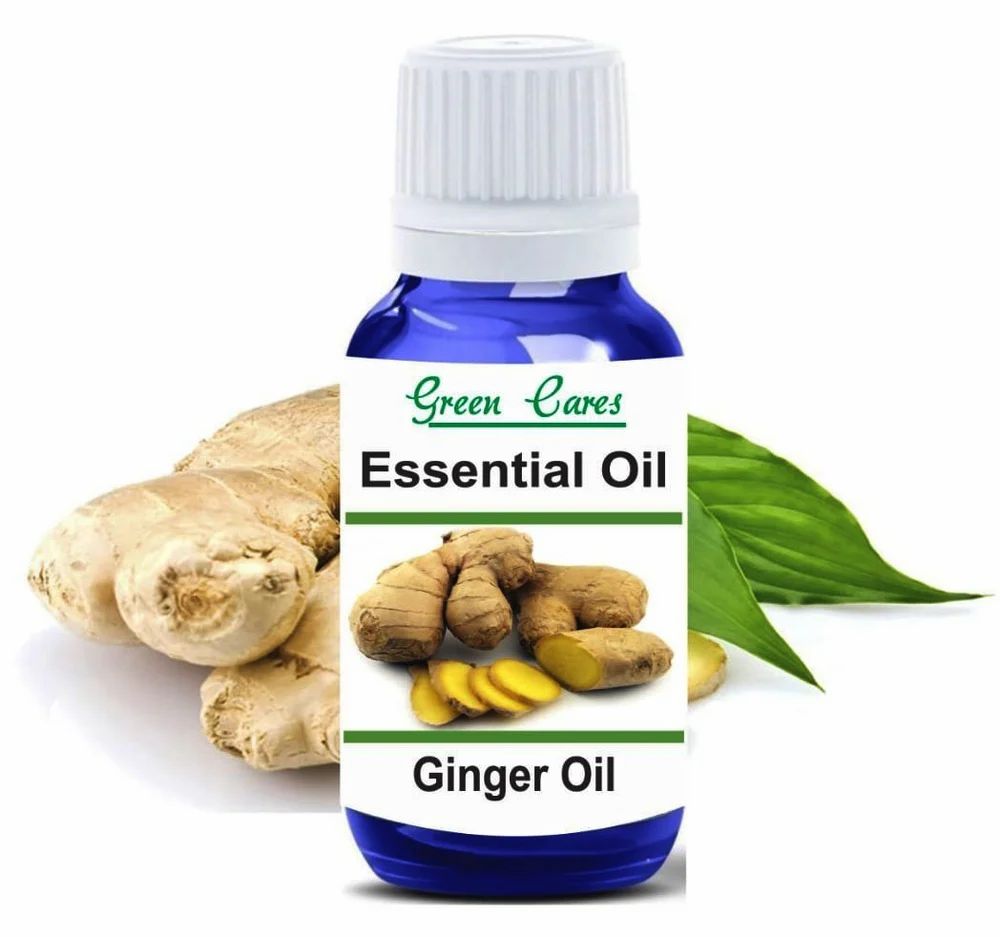
Ginger oil has been revered for centuries across numerous cultures for its medicinal properties. Its rich history reveals a deep-rooted significance that transcends time, showcasing its integral role in traditional healing practices. From ancient civilizations to contemporary wellness trends, ginger oil has been a staple in holistic health, embodying a treasure trove of remedies and applications that have stood the test of time.
The utilization of ginger oil in ancient remedies can be traced back to civilizations such as the Chinese, Indians, and Greeks. In traditional Chinese medicine, ginger was frequently used to treat ailments related to digestion and respiratory issues. Medical texts dating back to the Han Dynasty (206 BCE–220 CE) documented its warming properties, promoting circulation and alleviating symptoms of colds and flu. Similarly, Ayurvedic medicine in India praised ginger for its ability to balance the body’s doshas—Vata, Pitta, and Kapha—especially in treating nausea, digestive disorders, and inflammation.
Moreover, the Greeks, particularly Hippocrates, recognized the therapeutic value of ginger. It was often prescribed as a remedy for gastrointestinal distress and used as a warming agent in various concoctions. Ginger oil was not just a remedy; it was a key ingredient in the daily lives of these cultures, used in foods, infusions, and therapeutic treatments.
As society progressed, the transition from these traditional practices to modern applications of ginger oil became evident. The scientific community began to explore and validate the claims surrounding ginger’s therapeutic benefits. Studies have demonstrated that ginger oil possesses anti-inflammatory, antimicrobial, and antioxidant properties. Today, it is commonly used in aromatherapy and alternative medicine to alleviate stress, promote digestion, and support immune function.
Modern formulations of ginger oil have also been integrated into various wellness products, including essential oil blends, dietary supplements, and topical applications, making it accessible to a broader audience. The enduring legacy of ginger oil reflects its remarkable versatility and efficacy, bridging ancient wisdom with contemporary health practices.
The Extraction Methods of Ginger Oil and Their Impact on Quality
The extraction methods of ginger oil play a crucial role in determining its quality, potency, and overall characteristics. As with many essential oils, the technique used can significantly influence the oil’s chemical composition, aroma, and therapeutic benefits. This discussion will delve into the various extraction methods employed for ginger oil, such as steam distillation and cold pressing, and how these techniques affect the quality of the oil produced.
Extraction Methods of Ginger Oil
There are primarily two widely used methods for extracting ginger oil, each with its own advantages and limitations. Understanding these methods is essential for evaluating the quality and potency of the oil.
- Steam Distillation: This is the most common method for extracting essential oils, including ginger oil. In this process, steam is passed through the plant material, causing the oil to evaporate. Once the steam cools, the oil is condensed back into liquid form. This method preserves many of the delicate compounds found in ginger, producing a high-quality oil rich in aroma and therapeutic properties. However, it may also lead to some loss of certain volatile components due to the heat involved.
- Cold Pressing: Although more common for citrus oils, cold pressing can also be used for ginger oil extraction. This method involves mechanically pressing the ginger rhizomes to release their essential oils without the use of heat. The result is an oil that retains a more robust flavor and aroma profile. Cold pressing may yield a lower quantity of oil compared to steam distillation, but the quality is often perceived as superior due to the preservation of more delicate compounds.
The extraction techniques significantly influence the chemical composition of ginger oil. For instance, steam distillation tends to concentrate specific compounds such as gingerol, the primary bioactive component known for its anti-inflammatory and antioxidant properties. In contrast, cold pressing may yield a broader spectrum of compounds, including more of the flavor-related constituents, providing a stronger taste and scent profile.
“The quality of ginger oil is not only determined by the extraction method but also by the careful handling and processing of the raw material.”
Moreover, the choice of extraction method affects the solubility and stability of the oil. Oils extracted through steam distillation often have a longer shelf life, while those obtained via cold pressing may require more careful storage to maintain their quality. Ultimately, the extraction method chosen can have profound effects on the oil’s applications in aromatherapy, culinary uses, and medicinal properties.
The Therapeutic Benefits of Ginger Oil in Aromatherapy
Ginger oil, extracted from the root of the ginger plant, has been cherished for its aromatic and therapeutic properties. In aromatherapy, this oil is recognized for its uplifting and calming effects on the mind and body. Its warm, spicy scent not only invigorates the senses but also plays a crucial role in promoting mental health, making it a valuable addition to any wellness routine.
The unique composition of ginger oil, rich in compounds like zingiberene and beta-caryophyllene, contributes to its therapeutic properties. When inhaled or absorbed through the skin, ginger oil interacts with the limbic system, the part of the brain responsible for emotions. This interaction can lead to a reduction in feelings of stress and anxiety. The oil is often used in diffusers, massage oils, or baths, providing a soothing atmosphere that encourages relaxation and emotional balance.
Effects of Ginger Oil on Stress and Anxiety
Ginger oil’s ability to alleviate stress and anxiety stems from its warming and stimulating characteristics, which can counteract lethargy and promote mental clarity. It aids in enhancing mood by uplifting spirits and reducing feelings of fatigue. Consistent use of ginger oil can lead to a serene state of mind, making it a preferred choice for many seeking natural remedies for anxiety.
Here are some specific ways ginger oil helps in managing stress and anxiety:
- Stress Reduction: The inhalation of ginger oil can lower cortisol levels, the hormone responsible for stress, thus creating a sense of calm.
- Emotional Stability: By regulating neurotransmitters such as serotonin, ginger oil can enhance emotional stability, reducing symptoms of anxiety and depression.
- Enhanced Focus: The stimulating properties of ginger oil can improve concentration and clarity, helping to break the cycle of anxious thoughts.
The mechanisms through which ginger oil promotes relaxation and emotional well-being are rooted in its biochemical effects on the body. Ginger oil has anti-inflammatory and antioxidant properties that help combat physical symptoms associated with stress and anxiety, such as muscle tension and fatigue. Furthermore, the simple act of using ginger oil in a daily self-care routine can create a ritual that encourages mindfulness, allowing individuals to take a moment for themselves and reconnect with their emotions.
In spaces where ginger oil is diffused, its warm aroma can evoke pleasant memories and feelings of comfort, contributing to a more positive mental state. Regular use in massages can also improve blood circulation, relieve tension in the body, and promote an overall sense of well-being. This holistic approach makes ginger oil not just a scent, but a therapeutic tool in supporting mental health.
The Role of Ginger Oil in Skin Care Regimens
Ginger oil, extracted from the rhizome of the ginger plant, has gained popularity in skin care due to its numerous beneficial properties. Rich in antioxidants and anti-inflammatory compounds, ginger oil can effectively improve skin health and enhance the overall appearance of the skin. Incorporating ginger oil into your skincare routine can yield significant advantages, making it a valuable addition to both daily regimens and specific treatments for various skin conditions.
Benefits of Ginger Oil in Skin Care
Integrating ginger oil into skincare routines offers a variety of benefits. Here are some of the key advantages:
- Anti-inflammatory properties: Ginger oil can reduce redness and swelling, making it ideal for sensitive skin.
- Acne treatment: Due to its antibacterial properties, ginger oil can help combat acne-causing bacteria, preventing breakouts.
- Brightening effects: The oil promotes even skin tone and brightness, helping to fade dark spots and hyperpigmentation.
- Moisturizing benefits: Ginger oil can hydrate dry skin, leaving it soft and supple.
The application of ginger oil can also aid in treating specific skin conditions, such as acne and eczema. Its antibacterial agents help eliminate bacteria that cause acne flare-ups, while its anti-inflammatory properties soothe irritated skin. For eczema, ginger oil can alleviate itchiness and redness, providing relief to those suffering from this condition.
Proper Methods for Diluting and Applying Ginger Oil
To safely incorporate ginger oil into your skincare routine, proper dilution and application are crucial. Here’s a detailed guide on how to use ginger oil effectively:
1. Dilution: Always dilute ginger oil with a carrier oil before applying it to the skin. Common carrier oils include jojoba oil, coconut oil, or sweet almond oil. A general guideline is to mix three to five drops of ginger oil with one tablespoon of carrier oil. This helps minimize the risk of skin irritation.
2. Patch Test: Before full application, perform a patch test. Apply a small diluted amount to a small area of skin, such as the inner forearm, and wait for 24 hours to check for any adverse reactions.
3. Application: Once diluted and tested, gently massage the mixture onto clean skin. For targeted treatments, apply a small amount directly to areas affected by acne or eczema.
4. Frequency: Use ginger oil once or twice a day, depending on skin sensitivity and the nature of the skin condition.
5. Storage: Keep ginger oil in a cool, dark place, and ensure the bottle is tightly sealed to preserve its integrity.
By following these methods, ginger oil can be effectively and safely incorporated into skincare regimens, enhancing skin health and addressing specific concerns.
Culinary Uses of Ginger Oil and Its Health Benefits
Ginger oil is not just a fragrant spice; it is a culinary powerhouse that can enhance the flavor profile of various dishes while also providing numerous health benefits. This essential oil, extracted from the rhizome of the ginger plant, brings a warm, spicy, and slightly sweet flavor that can elevate both savory and sweet recipes.
When incorporated into cooking, ginger oil not only enriches the taste of meals but also contributes to their nutritional value. The oil is rich in bioactive compounds such as gingerol and shogaol that are known for their anti-inflammatory and antioxidant properties. These compounds can help reduce nausea, improve digestion, and may even aid in the relief of muscle pain and soreness.
Flavor Enhancement in Various Dishes
Ginger oil can be an exciting addition to a variety of culinary creations. Its concentrated flavor means that only a few drops can significantly impact the taste, making it an efficient choice for flavoring. Here are some popular ways to utilize ginger oil in cooking:
– Soups and Stews: A few drops of ginger oil can brighten up the flavors of hearty soups and stews, adding warmth and depth.
– Marinades: Incorporate ginger oil into marinades for meats and vegetables to impart a zesty kick that complements grilling or roasting.
– Baked Goods: Use ginger oil in baking for cookies, cakes, or breads for a subtle spice that enhances sweetness.
– Salad Dressings: Mix ginger oil with olive oil, vinegar, and honey for a refreshing dressing that pairs well with greens.
– Smoothies: A drop of ginger oil can elevate fruit smoothies, offering a spicy contrast that works beautifully with tropical fruits.
Recipes Incorporating Ginger Oil
Several recipes leverage the unique flavor and health properties of ginger oil effectively. A simple yet delightful recipe is Ginger Lemonade. Combine fresh lemon juice, water, honey, and a few drops of ginger oil for a refreshing drink that aids digestion and boosts immunity.
Another great option is a Ginger Garlic Stir-Fry. Use fresh vegetables and your choice of protein, sautéing them in a pan with ginger oil, garlic, and soy sauce for a quick, healthy meal that packs a flavor punch without added calories.
Nutritional Aspects of Ginger Oil in Cooking
When used in cooking, ginger oil offers an array of nutritional benefits. It is primarily known for its anti-inflammatory properties, which can help reduce oxidative stress in the body. Gingerol, the primary bioactive compound, is effective in combatting nausea and vomiting, making ginger oil a go-to for those experiencing motion sickness or morning sickness.
In terms of calories, ginger oil is low in calories, providing a flavorful alternative to higher-calorie flavor enhancers like butter or cream. Typically, a drop or two is sufficient to infuse dishes with flavor without contributing significant calories. Furthermore, it may aid in metabolism, making it a favorable inclusion for those looking to maintain a healthy weight.
Additionally, ginger oil has been linked to improved digestion, reducing bloating and discomfort after meals. It may also have cardiovascular benefits, potentially lowering blood pressure and cholesterol levels. These properties make ginger oil not only a delightful culinary ingredient but also a valuable addition to a health-conscious diet.
Ginger Oil as a Natural Remedy for Common Ailments
Ginger oil, extracted from the rhizome of the ginger plant, has gained significant recognition for its potential health benefits. This essential oil is known for its warming properties and is often utilized in aromatherapy and traditional medicine. Its therapeutic qualities make it a popular choice for alleviating various common ailments, particularly nausea and digestive issues. Understanding how to harness ginger oil effectively can enhance one’s well-being and provide natural relief.
Ginger oil interacts with the body primarily through its active compounds, such as gingerol and shogaol. These compounds exhibit anti-inflammatory, antioxidant, and antimicrobial properties, contributing to ginger oil’s effectiveness against various health concerns. When ingested or applied topically, ginger oil can stimulate circulation and promote digestion, which is particularly beneficial for those experiencing nausea or gastrointestinal discomfort.
Common Ailments Alleviated by Ginger Oil
Ginger oil has been shown to help with numerous ailments. The following points highlight some of the conditions that can be alleviated using ginger oil, along with methods of application:
- Nausea: Ginger oil is effective in reducing nausea related to motion sickness, morning sickness during pregnancy, or chemotherapy. It can be inhaled through aromatherapy or diluted and consumed in beverages. A common dosage is 1-2 drops in a glass of water or tea.
- Digestive Issues: Conditions like bloating, indigestion, and gas can benefit from ginger oil’s digestive properties. A few drops can be mixed with a carrier oil and massaged onto the abdomen, or added to warm water or herbal tea for oral consumption.
- Pain Relief: The anti-inflammatory properties of ginger oil can help alleviate muscle pain and soreness. It can be blended with a carrier oil and applied topically to the affected area for relief.
- Respiratory Issues: Ginger oil can aid in relieving respiratory conditions like colds and sinusitis. Inhaling diffused ginger oil can help clear congestion and promote respiratory health.
“Ginger oil contains powerful compounds that can help soothe nausea and promote digestive health effectively.”
When using ginger oil, it is crucial to remember that essential oils are potent and should be used with care. Always perform a patch test before applying topically and consult a healthcare provider if you are pregnant, nursing, or have existing health conditions. These practices ensure safety and enhance the effectiveness of ginger oil as a natural remedy for common ailments.
The Safety and Precautions of Using Ginger Oil
Ginger oil, known for its therapeutic properties and invigorating scent, can offer various benefits when incorporated into daily routines. However, understanding the safety measures and precautions associated with its use is crucial to prevent adverse reactions and ensure a positive experience.
It’s essential to recognize that while ginger oil is generally considered safe for many, it may have potential side effects and contraindications. Some individuals may experience skin irritation, allergic reactions, or gastrointestinal discomfort when using ginger oil, particularly if applied in high concentrations. Pregnant or nursing women, as well as individuals with specific health conditions such as gallbladder disease or those on anticoagulant medication, should consult a healthcare professional before use.
Importance of Patch Testing and Dilution
Before incorporating ginger oil into personal care or wellness routines, performing a patch test is highly recommended. This simple test helps identify any possible skin sensitivity to the oil. To conduct a patch test, dilute a small amount of ginger oil with a carrier oil, like coconut or jojoba oil, and apply it to a discreet area of skin. Wait 24 hours to monitor for any signs of irritation or allergic reaction.
Dilution plays a vital role in safely using ginger oil, as essential oils are highly concentrated and can cause skin irritation if used undiluted. A common guideline is to mix 1-2 drops of ginger oil with a tablespoon of carrier oil for topical application. This not only minimizes the risk of irritation but also enhances absorption.
To safely incorporate ginger oil into daily routines, consider the following methods:
- Topical Application: Mix diluted ginger oil with a carrier oil for massages or to relieve muscle tension. Ensure to apply it to small areas at first to gauge skin tolerance.
- Aromatherapy: Add a few drops of ginger oil to a diffuser. This method allows you to enjoy the invigorating scent while benefiting from its uplifting properties.
- Bath Soak: Combine ginger oil with Epsom salts and add it to a warm bath. This relaxes muscles and promotes a soothing experience.
- Inhalation: Inhale the aroma directly from the bottle or add drops to a tissue for immediate relief when feeling nauseous.
“Ginger oil’s effectiveness can be amplified when used thoughtfully and safely.”
By following these safety measures and methods of incorporation, individuals can enjoy the myriad benefits of ginger oil without compromising their well-being.
Last Recap
In conclusion, ginger oil stands out as a remarkable essential oil with an impressive array of benefits that span historical, therapeutic, and culinary realms. Its ability to promote health and well-being while adding flavor to meals makes it a valuable addition to any household. Whether you’re using it for relaxation, skincare, or cooking, ginger oil continues to shine as a natural remedy, bridging the gap between ancient practices and contemporary wellness strategies.
Essential FAQs
What is ginger oil made from?
Ginger oil is derived from the fresh or dried rhizome of the ginger plant, through processes like steam distillation or cold pressing.
Can ginger oil be ingested?
Yes, ginger oil can be ingested in small amounts, but it’s essential to ensure it is food-grade and consult a health professional beforehand.
Is ginger oil safe for all skin types?
Ginger oil may not be suitable for everyone; it’s advisable to conduct a patch test first and dilute it before applying to the skin.
Can ginger oil help with nausea?
Yes, ginger oil is often used to alleviate nausea, especially motion sickness and morning sickness when inhaled or diluted and consumed appropriately.
How should I store ginger oil?
Ginger oil should be stored in a cool, dark place in a tightly sealed container to maintain its potency and prevent degradation.