
 Penelope Hailey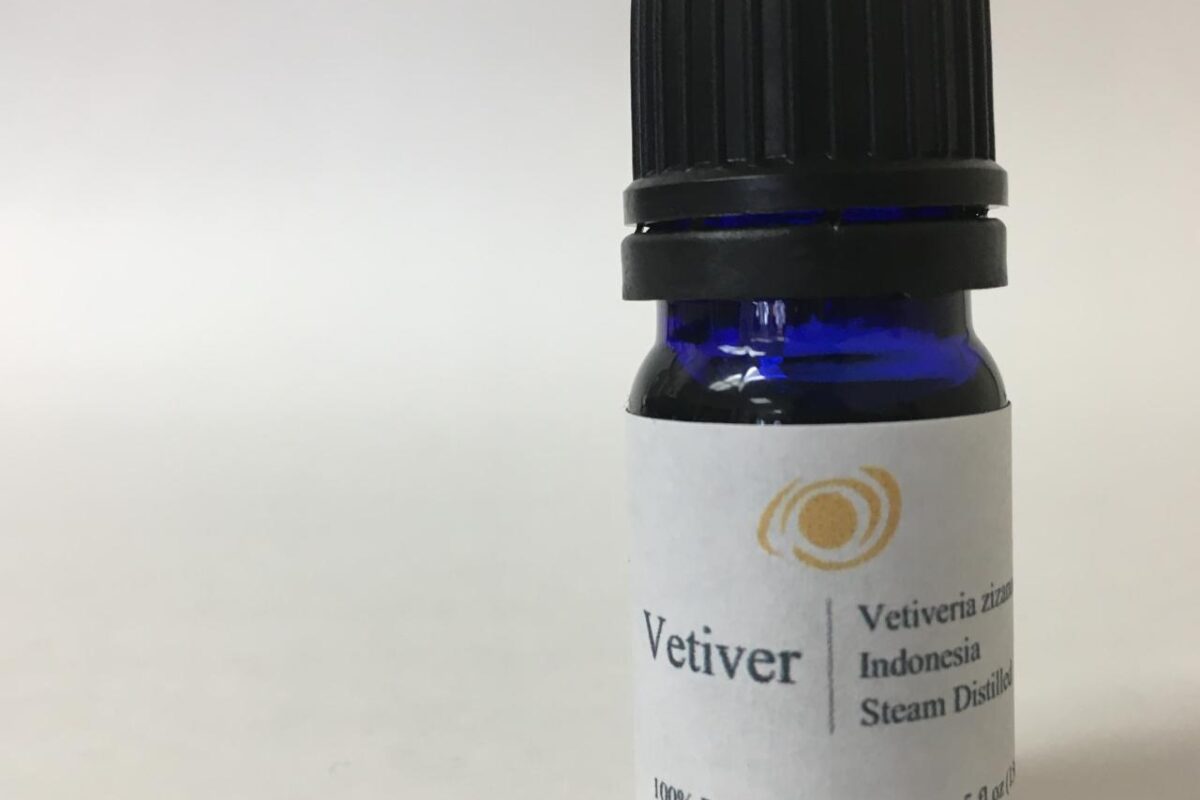
Vetiver oil, derived from the roots of the vetiver grass, has a rich history that spans across various cultures, renowned not just for its captivating fragrance but also for its myriad therapeutic benefits. This essential oil has been utilized for centuries, offering everything from mental clarity to skin care solutions, all while contributing to the environmental sustainability of its cultivation. As we delve deeper into the world of vetiver oil, we will explore its origins, chemical composition, and the numerous ways it can enhance our well-being.
From its extraction methods to the benefits it brings in aromatherapy and skincare, vetiver oil stands out as a remarkable natural product. The versatility it offers in perfumery and its significant economic and environmental impacts further highlight why this oil deserves a prominent place in our lives. Prepare to uncover the unique qualities of vetiver oil and how it can elevate your daily routine.
The Origin and Extraction Process of Vetiver Oil
Vetiver oil, derived from the roots of the vetiver grass (Vetiveria zizanoides), has a rich history and significance in various cultures. Historically, its aromatic and therapeutic properties have made it a staple in traditional medicine, perfumery, and spiritual practices across the globe. Its unique scent is often associated with grounding and calming effects, which have led to its use in practices such as aromatherapy and incense.
The extraction of vetiver oil primarily involves the process of steam distillation, where steam is passed through the roots to vaporize the essential oils. The vapor is then condensed back into liquid, separating the oil from water. The age of the plant plays a crucial role in the oil’s quality; typically, older roots are preferred as they yield a more complex and richer aroma. Freshly harvested roots can often produce a lighter and less fragrant oil; hence, allowing the plant to mature enhances the overall quality.
Geographic Cultivation and Quality Variation
The cultivation of vetiver is widespread, with significant production occurring in regions such as India, Haiti, and Indonesia. Each geographic area imparts distinct characteristics to the oil due to variations in soil composition, climate, and farming practices. The differences in the growing environments influence the chemical profile of the oil, affecting its scent, color, and therapeutic properties.
The following points Artikel how geography impacts the quality of vetiver oil:
- India: Known for producing high-quality vetiver oil, the Indian variant is characterized by its deep, earthy aroma and is commonly used in perfumery and traditional medicine.
- Haiti: Haitian vetiver oil has a lighter, more floral scent. It is often preferred in high-end fragrances and is distinguished by its smooth texture.
- Indonesia: The oil from Indonesian vetiver is noted for its sweet and woody notes, making it suitable for various applications in aromatherapy and cosmetic formulations.
The method of cultivation and the processing techniques also play a vital role. In regions where sustainable practices are emphasized, the oil tends to be of higher quality. Additionally, the local traditions and expertise in handling the roots contribute to the final product’s aroma and efficacy.
In summary, the origin and extraction process of vetiver oil encapsulate a blend of tradition, agricultural practices, and environmental factors that collectively define its unique fragrance and therapeutic benefits.
The Chemical Composition of Vetiver Oil
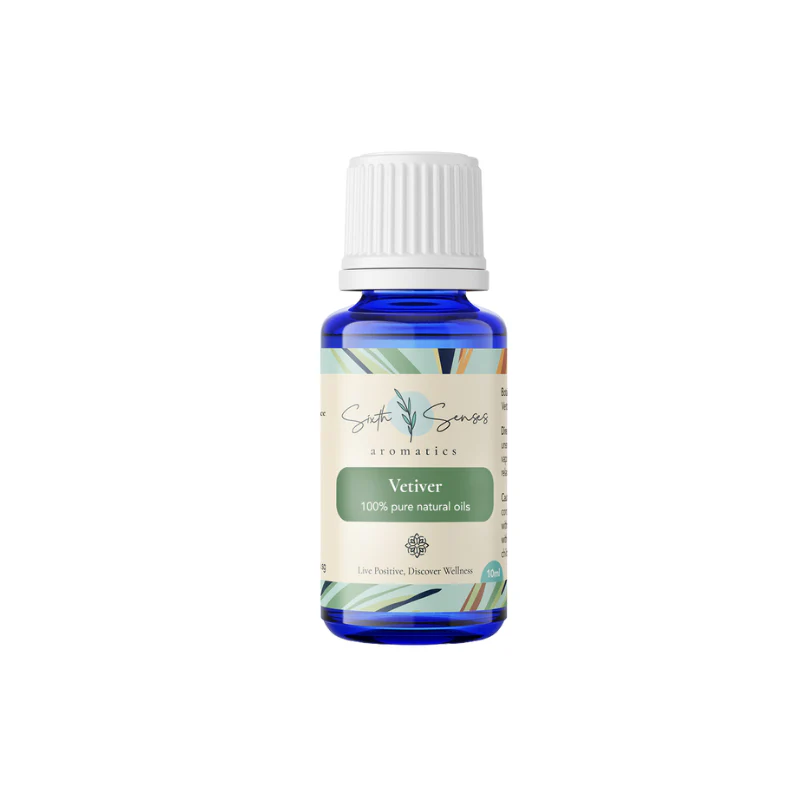
Vetiver oil, derived from the roots of the Vetiveria zizanoides plant, is highly valued for its complex aroma and therapeutic properties. The oil’s unique scent and benefits come from its rich chemical composition, primarily characterized by a variety of sesquiterpenes. Understanding these constituents is essential for appreciating the oil’s various applications in aromatherapy and perfumery.
The major chemical constituents found in vetiver oil include vetiverol, khusimol, and vetivenes. These compounds are primarily sesquiterpenes, which play a crucial role in defining the oil’s fragrance profile and therapeutic effects. For instance, vetiverol is known for its calming and grounding properties, making it a popular choice in stress relief formulations. Similarly, khusimol contributes to the oil’s earthy aroma and enhances its effectiveness as an anti-inflammatory agent. The balance and concentration of these constituents directly influence the oil’s applications in both wellness and fragrance industries.
Role of Sesquiterpenes in Vetiver Oil
Sesquiterpenes are a class of chemical compounds that consist of three isoprene units, making them larger and more complex than monoterpenes. They are abundant in vetiver oil, significantly impacting its aroma and therapeutic benefits. The presence of sesquiterpenes in vetiver oil not only contributes to its distinct scent but also enhances its efficacy in various applications.
The therapeutic properties of sesquiterpenes in vetiver oil include:
-
Anti-anxiety effects: Sesquiterpenes like vetiverol have been shown to reduce anxiety and promote relaxation, making vetiver oil an excellent choice for calming blends.
-
Anti-inflammatory properties: Compounds such as khusimol can help mitigate inflammation, making the oil beneficial for skin conditions and muscle aches.
-
Antioxidant activity: The sesquiterpenes present in vetiver oil contribute to its ability to combat oxidative stress, supporting overall wellness.
Moreover, the unique fragrance profile created by sesquiterpenes allows vetiver oil to serve as a base note in perfumery. Its deep, woody scent provides a rich foundation that complements and enhances other fragrance notes, creating complex and appealing blends. The longevity of sesquiterpenes also ensures that the scent lingers, making it a favored choice among perfumers.
The chemical composition of vetiver oil is a testament to its versatility in aromatherapy and perfumery. The intricate balance of sesquiterpenes not only shapes its aromatic signature but also underpins its wide array of health benefits. As a result, vetiver oil is frequently utilized in massage oils, diffusers, and high-end fragrances, attesting to its enduring popularity in holistic and cosmetic applications.
Therapeutic Benefits of Vetiver Oil in Aromatherapy
Vetiver oil, derived from the roots of the Vetiveria zizanoides plant, is renowned for its rich, earthy aroma and numerous therapeutic benefits. In the realm of aromatherapy, vetiver oil is celebrated not only for its calming effects on the mind but also for its potential to enhance physical well-being. This unique oil has gained popularity among practitioners and enthusiasts alike, making it a staple in many holistic wellness practices.
The therapeutic properties of vetiver oil extend to both mental and physical health, making it a versatile addition to any aromatherapy routine. Its calming scent is believed to help reduce stress, promote relaxation, and even alleviate symptoms of anxiety. Additionally, vetiver oil can aid in grounding emotions, allowing individuals to find balance in their day-to-day lives. Its usage can be particularly beneficial when incorporated into essential oil blends designed for relaxation and stress relief.
Incorporation of Vetiver Oil for Relaxation and Stress Relief
Incorporating vetiver oil into essential oil blends can create a soothing atmosphere that promotes relaxation. Here are several examples of how vetiver oil can be utilized alongside other essential oils to enhance its calming effects:
- Vetiver and Lavender Blend: A combination of vetiver and lavender creates a tranquil blend that is perfect for winding down after a hectic day. Lavender is known for its soothing properties, while vetiver adds depth and warmth.
- Vetiver and Bergamot Mix: Pairing vetiver with bergamot can uplift the mood while still providing a grounding effect. This blend is great for reducing anxiety and promoting feelings of happiness.
- Vetiver and Frankincense Combination: This duo is excellent for meditation practices. Frankincense is known for its ability to deepen spiritual experiences, while vetiver helps maintain focus and calm.
Using these blends in a diffuser or adding them to a warm bath can enhance the overall aromatherapy experience, allowing for deeper relaxation and stress relief.
Effects of Vetiver Oil on Sleep Quality and Anxiety Reduction
Vetiver oil has shown promise in improving sleep quality and reducing anxiety. Its sedative properties can help quiet the mind, making it easier to drift into a restful sleep. Research indicates that inhaling vetiver oil before bedtime can lead to decreased restlessness and a more profound sense of relaxation.
“Vetiver oil’s ability to calm the nervous system promotes a peaceful sleep environment, essential for those struggling with insomnia or nighttime anxiety.”
The potential for vetiver oil to assist in anxiety reduction is also noteworthy. Its grounding aroma can help ease racing thoughts and restore a sense of calm during stressful situations. Many individuals find that using vetiver oil in their evening routine not only aids sleep but also provides a comforting presence that alleviates anxiety.
Overall, the incorporation of vetiver oil in aromatherapy can significantly enhance mental and physical well-being. Its versatility and effectiveness make it a valuable addition to any wellness regimen.
The Role of Vetiver Oil in Skin Care Solutions
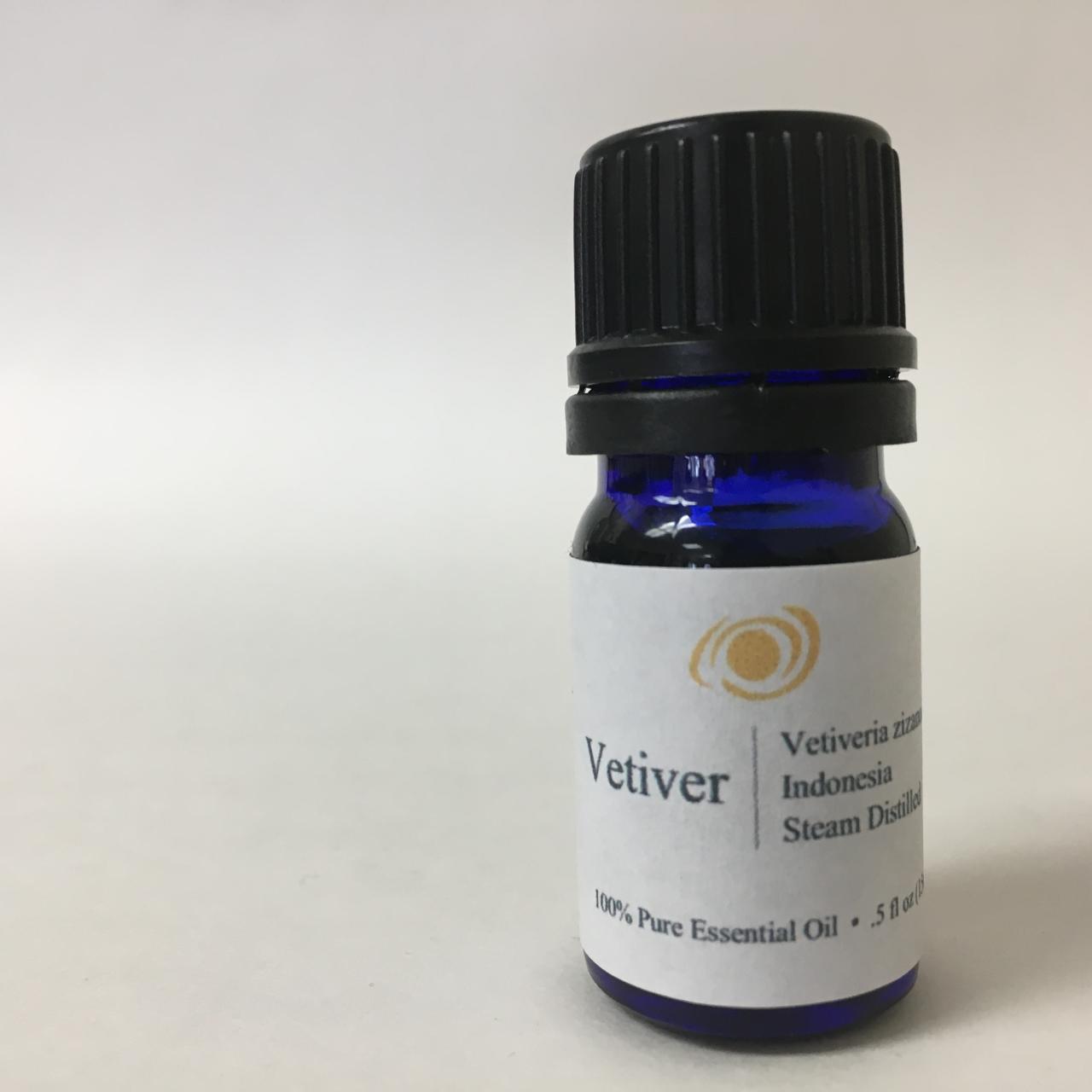
Vetiver oil, derived from the roots of the Vetiveria zizanoides plant, has been celebrated for its delightful aroma and numerous therapeutic properties. In skincare, vetiver oil is particularly valued for its ability to nourish, heal, and rejuvenate various skin types while addressing a range of skin conditions. Its natural properties make it an essential addition to any skincare routine, offering unique advantages over other popular essential oils.
Vetiver oil is beneficial for a variety of skin types, including oily, dry, and sensitive skin. It has anti-inflammatory and antibacterial properties, making it effective in treating acne and reducing blemishes. For dry skin, vetiver oil acts as a powerful moisturizer, promoting hydration and elasticity. Its soothing qualities also help alleviate irritation and redness, making it suitable for sensitive skin conditions like eczema or psoriasis. The oil’s grounding aroma can also provide a calming effect, enhancing overall wellness while caring for the skin.
Incorporating Vetiver Oil into Skincare Routines
Integrating vetiver oil into your skincare routine can be done easily and effectively with proper dilution. Here are some of the best methods to incorporate this essential oil:
1. Dilution Guidelines: Always dilute vetiver oil before applying it to the skin. A safe dilution ratio is typically 1-2 drops of vetiver oil per teaspoon of carrier oil, such as jojoba or coconut oil. For facial applications, it’s advisable to use a lower concentration, around 0.5% to 1%, especially for sensitive skin.
2. Facial Serums: Create a nourishing facial serum by combining vetiver oil with a carrier oil and other beneficial essential oils like lavender or tea tree. This blend can help balance oil production and promote clearer skin.
3. Moisturizers: Add a few drops of vetiver oil to your regular moisturizer or lotion to enhance its hydrating properties. This is particularly beneficial during dry seasons or for those with dehydrated skin.
4. Bath Soaks: Incorporate vetiver oil into your bath routine for a luxurious, skin-soothing experience. Mix a few drops with a carrier oil and add it to your bathwater to enjoy its calming effects while moisturizing your skin.
5. Spot Treatment: For targeted treatment of blemishes, mix vetiver oil with a carrier oil and apply it directly to the affected areas. Its antibacterial properties can help reduce inflammation and speed up healing.
When using vetiver oil, always conduct a patch test to ensure there are no allergic reactions. This is especially important for those with sensitive skin or allergies.
Comparison with Other Essential Oils
Vetiver oil stands out compared to other essential oils commonly used in skincare, such as tea tree oil, lavender oil, and frankincense. Each of these oils has its strengths, but vetiver offers unique benefits:
– Anti-inflammatory Properties: While tea tree oil is renowned for its antibacterial effects, vetiver oil excels in reducing inflammation and promoting skin healing without the potential for irritation.
– Moisturizing Qualities: Unlike lavender oil, which is primarily soothing, vetiver oil provides deep hydration, making it ideal for dry or aging skin.
– Calming Aroma: Vetiver oil’s grounding scent not only enhances skin health but also promotes relaxation. This is a distinct advantage over other oils, such as peppermint, which can be invigorating and may not be suitable for nighttime use.
In summary, vetiver oil’s multifaceted benefits make it a versatile addition to skincare routines, providing hydration, healing, and a calming aroma that enhances overall skin health. Its unique properties position it as a valuable alternative to other essential oils, catering to a wide spectrum of skin needs.
Vetiver Oil in Perfumery and Fragrance Creation
Vetiver oil holds a crucial position in the fragrance industry, revered for its rich and complex scent profile. Widely recognized as a key ingredient in the creation of base notes, it provides depth and lasting power to various perfumes. Its earthy, woody aroma not only anchors a fragrance but also enhances the overall olfactory experience, making it a staple for perfumers worldwide.
The significance of vetiver oil in the fragrance industry extends beyond its scent; it acts harmoniously with a multitude of other essential oils and fragrance ingredients. This ability to blend seamlessly allows perfumers to craft captivating compositions that reflect both modern trends and timeless elegance. In particular, vetiver pairs beautifully with citrus oils, florals, and spices, creating balanced and sophisticated fragrances that can evoke a range of emotions.
Blending Characteristics of Vetiver Oil
Vetiver oil’s unique characteristics allow it to blend effectively with various other essential oils, creating harmonious and multi-dimensional fragrances. Here are some notable combinations that highlight its versatility:
- Citrus Oils: Vetiver complements bright citrus notes like bergamot and lemon, adding depth and warmth to fresh fragrances.
- Floral Notes: Its earthy undertones meld beautifully with floral scents, such as jasmine and rose, enhancing their complexity without overwhelming them.
- Spices: When mixed with spicy notes like cardamom or cinnamon, vetiver adds a grounding element, creating rich and exotic blends.
- Woodsy Elements: Vetiver pairs naturally with other wood notes such as sandalwood and cedar, reinforcing the earthy quality and adding layers of richness.
The history of vetiver oil in perfumery illustrates its long-standing significance. Historically, vetiver has been used in various cultures, particularly in India, where it has served ceremonial purposes and was valued for its cooling properties. Its introduction to Western perfumery began in the 19th century, quickly becoming a favorite among perfumers. Notable fragrances that feature vetiver include iconic scents like Guerlain’s “Vetiver” and Chanel’s “Sycomore,” which showcase the oil’s ability to create sophisticated and memorable olfactory experiences.
“Vetiver oil is the anchor of a fragrance, providing stability and depth that enhances the overall scent profile.”
The evolution of vetiver in perfumery continues to inspire modern creations, proving its timeless appeal and essential role in the realm of fragrance artistry.
Environmental and Economic Impact of Vetiver Cultivation
Cultivating vetiver offers a wide range of environmental benefits, primarily focusing on soil conservation and enhancing biodiversity. This resilient grass can significantly affect both ecological health and the livelihoods of farmers. By understanding these impacts, we can appreciate the role of vetiver in sustainable agriculture and community development.
The cultivation of vetiver plays a crucial role in preventing soil erosion, especially in regions prone to heavy rainfall. The deep root systems of vetiver grass stabilize the soil, reducing runoff and protecting against landslides. Furthermore, vetiver enhances biodiversity by providing habitat and food for various organisms, contributing positively to the local ecosystem.
Environmental Benefits of Vetiver Cultivation
Vetiver cultivation contributes significantly to environmental preservation, which is particularly important in agricultural regions. The following points highlight the key benefits:
- Soil Erosion Prevention: The extensive root system of vetiver helps anchor the soil, minimizing erosion and maintaining soil structure.
- Water Management: Vetiver acts as a natural filter, improving water quality by reducing sediment and pollutants in runoff.
- Biodiversity Enhancement: The grass provides habitat for beneficial insects and wildlife, promoting a balanced ecosystem.
- Carbon Sequestration: Vetiver absorbs carbon dioxide, aiding in climate change mitigation by storing carbon in its biomass and soil.
The economic implications for farmers growing vetiver are also notable. The demand for vetiver oil, a sought-after essential oil, has opened up new markets, allowing farmers to diversify their income sources. The sustainability of vetiver oil production is evident as it involves minimal inputs compared to other crops.
Economic Implications for Farmers
Farmers engaged in vetiver cultivation experience various economic benefits. The following points illustrate how vetiver farming can be economically advantageous:
- Income Generation: Vetiver oil is highly valuable in the essential oil market, providing farmers with a lucrative income stream.
- Low Input Costs: Vetiver requires less water and fertilizer compared to traditional crops, reducing overall production costs.
- Diversification of Crops: Incorporating vetiver into farming practices helps spread risk and stabilize income for farmers.
- Job Creation: The cultivation and processing of vetiver create employment opportunities within local communities.
Several communities have witnessed significant economic transformation through vetiver farming initiatives. For instance, in regions like Madagascar, local farmers have successfully integrated vetiver into their agricultural practices, leading to improved soil health and increased income from the sale of vetiver oil.
Community Benefits from Vetiver Farming Initiatives
The positive impact of vetiver cultivation extends beyond individual farmers to entire communities. The following examples show how communities have benefited:
- Madagascar: Farmers have turned to vetiver cultivation to combat erosion and sell oil, resulting in increased community wealth.
- India: Various NGOs have promoted vetiver cultivation to improve livelihoods and protect the environment, leading to sustainable farming practices.
- Haiti: Vetiver farming has been used to restore degraded lands, providing economic opportunities while enhancing soil health.
In summary, vetiver cultivation offers both environmental and economic advantages, supporting sustainable agricultural practices while enriching the lives of farming communities. Its role in soil conservation, income diversification, and community development underscores the importance of promoting vetiver as a valuable crop worldwide.
Safety and Precautions When Using Vetiver Oil
Using vetiver oil can offer numerous benefits, but it’s essential to approach its application with caution. Understanding the safety guidelines helps prevent adverse reactions and enhances your overall experience with this aromatic oil. Following proper precautions ensures both efficacy and safety in your usage.
Skin Sensitivities and Allergies
Before applying vetiver oil, it is crucial to be aware of potential skin sensitivities. Some individuals may experience allergic reactions or skin irritations when using essential oils. Conducting a patch test is recommended to check for any adverse reactions. Apply a diluted drop of vetiver oil to a small area of skin, such as the inner forearm, and wait 24 hours to observe any signs of irritation.
Contraindications for Specific Health Conditions
Certain health conditions may contraindicate the use of vetiver oil. Individuals suffering from skin conditions, such as eczema or psoriasis, should consult with a healthcare professional before use. Pregnant women are also advised to avoid vetiver oil, as it may stimulate menstruation or affect hormone levels. Always discuss with a doctor if you have underlying health issues or are on medication.
Recommended Dosages and Application Methods
To ensure safe use of vetiver oil, adhering to recommended dosages and application methods is essential. Generally, a few drops of diluted vetiver oil can be used in aromatherapy diffusers or bath oils, but it’s best to follow specific guidelines based on individual needs.
- For topical application, dilute vetiver oil with a carrier oil like coconut or jojoba oil at a ratio of 1:3 to minimize skin irritation.
- In aromatherapy, add 3-5 drops of vetiver oil to a diffuser for a calming atmosphere.
- For bath use, blend 5-10 drops of diluted oil into bath water for relaxation.
“Always prioritize safety and consult with healthcare providers when unsure about using essential oils.”
When using vetiver oil, remember that individual tolerance may vary. Keeping track of your body’s reactions and adjusting usage accordingly will help maximize the benefits while maintaining safety.
Final Conclusion
In summary, vetiver oil is more than just a fragrant addition to our lives; it’s a powerhouse of benefits that spans historical, therapeutic, and ecological realms. By incorporating vetiver oil into your practices, whether in aromatherapy, skincare, or fragrance, you not only embrace its exquisite scent but also support sustainable agricultural practices. As you explore this oil’s potential, remember the ancient wisdom and contemporary science that affirm its place as a treasured natural resource.
FAQ Compilation
What are the main uses of vetiver oil?
Vetiver oil is primarily used in aromatherapy for relaxation, in skincare for its soothing properties, and in perfumery as a base note in many fragrances.
Is vetiver oil safe for children?
While vetiver oil is generally considered safe, it’s advisable to consult a healthcare professional before using it on children.
Can vetiver oil be used in cooking?
Vetiver oil is not typically used in cooking and should be avoided for internal consumption due to its potency and concentration.
How should vetiver oil be stored?
Vetiver oil should be stored in a cool, dark place away from direct sunlight to maintain its quality and potency.
Does vetiver oil have any side effects?
Some individuals may experience skin sensitivities or allergic reactions; it’s recommended to perform a patch test before full application.