
 Penelope Hailey
As Clove oil takes center stage, this essential oil is more than just a fragrant addition to your pantry; it boasts a rich history rooted in traditional medicine. Known for its potent therapeutic properties, clove oil has been utilized across cultures for centuries, providing remedies that cater to a variety of ailments. From its origins in ancient practices to its modern-day applications, clove oil serves as a bridge between tradition and contemporary wellness.
Delving into its chemical composition reveals a treasure trove of therapeutic benefits, making clove oil a staple in holistic health practices today. Whether you’re looking for natural solutions in skincare, culinary enhancements, or mental wellness, clove oil’s versatility makes it a fascinating subject worth exploring.
Clove oil and its origins in traditional medicine
Clove oil has a rich history rooted in various cultures, primarily celebrated for its medicinal properties. Its utilization dates back centuries, with ancient texts revealing its significance in traditional healing practices. Across different regions, clove oil has been cherished not only for its aromatic qualities but also for its therapeutic applications, making it a staple in traditional medicine.
Clove oil is derived from the flower buds of the clove tree, scientifically known as Syzygium aromaticum, native to the Maluku Islands in Indonesia. This essential oil has been used in diverse cultures for a range of purposes, including dental care, digestive health, and as an antiseptic. The oil contains eugenol, a powerful compound recognized for its analgesic and anti-inflammatory properties. Historical records indicate that ancient Egyptians used clove oil for embalming and as a preservative, while traditional Chinese medicine incorporated it to alleviate various ailments.
Historical use in various cultures
The historical significance of clove oil is evident in several ancient cultures where it was used as a remedy for various ailments.
- In ancient Egypt, clove oil was valued for its antiseptic properties and was utilized in embalming practices.
- Traditional Chinese medicine has utilized clove oil for centuries to treat digestive issues and to aid in pain relief, particularly for toothaches.
- In Indian Ayurvedic practices, clove oil has been employed to stimulate appetite and improve circulation, highlighting its versatility in holistic healing.
- The 16th-century spice trade brought clove oil to Europe, where it became popular for its warming properties and use in treating respiratory conditions.
Utilization in traditional remedies
Clove oil has been a key ingredient in various traditional remedies across cultures, showing its adaptability and effectiveness in addressing health concerns.
- It is commonly used as a topical analgesic for toothaches, applied directly to the affected area to alleviate pain.
- In aromatherapy, clove oil is diffused to help relieve stress and promote mental clarity, demonstrating its impact on emotional well-being.
- Clove oil is also incorporated into natural remedies for digestive problems, where it aids in reducing gas and bloating.
- In some cultures, clove oil is used as a natural insect repellent, showcasing its versatility beyond medicinal uses.
Geographical significance and sourcing
Clove oil is primarily sourced from several tropical regions, with Indonesia being the largest producer. The geographical significance of clove oil extends beyond its cultivation; it plays a crucial role in local economies and cultural traditions.
- Indonesia, particularly the Maluku Islands, is renowned for producing high-quality clove oil, where local farmers engage in sustainable harvesting practices.
- Madagascar and Sri Lanka also contribute to the clove oil market, adding to the diversity of flavors and qualities available.
- The cultivation of clove trees is deeply embedded in the cultural practices of these regions, often celebrated through local festivals and traditions.
- Clove oil’s significance in these areas is not only economic but also cultural, with traditional uses passed down through generations, emphasizing the importance of preserving this heritage.
The chemical composition of clove oil and its therapeutic properties
Clove oil, derived from the buds of the Syzygium aromaticum tree, is renowned for its strong aroma and diverse therapeutic applications. The oil contains a complex mixture of chemical constituents that contribute to its unique healing properties. Understanding the chemical composition of clove oil is essential for appreciating its health benefits and medicinal uses.
The primary chemical constituents of clove oil include eugenol, beta-caryophyllene, and acetyl eugenol. These compounds play significant roles in the oil’s effectiveness as a natural remedy.
Primary Chemical Constituents
The following key components of clove oil are pivotal to its therapeutic effects:
- Eugenol: This is the most abundant compound, making up about 70-90% of clove oil. Eugenol is celebrated for its analgesic, antiseptic, and anti-inflammatory properties, making it particularly effective in dental care.
- Beta-caryophyllene: Accounting for approximately 5-15% of clove oil, this terpene has anti-inflammatory and analgesic effects, which can help in pain management.
- Acetyl eugenol: Present in smaller amounts, acetyl eugenol contributes to the oil’s aromatic properties and also exhibits antibacterial effects.
The health benefits associated with these compounds are substantial. For instance, eugenol’s analgesic property makes it valuable in treating dental pain and providing relief from headaches. Its antimicrobial abilities help combat infections and promote overall oral health. Beta-caryophyllene has been researched for its potential role in reducing inflammation, which is beneficial for conditions like arthritis. Acetyl eugenol enhances the oil’s antiseptic qualities, further supporting its use in skin care and wound healing.
The chemical makeup of clove oil directly influences its medicinal applications. The synergistic effects of eugenol and other constituents create a powerful natural remedy that can be utilized in various forms, including topical applications, aromatherapy, and oral health products. Furthermore, the anti-inflammatory and antioxidant properties of these compounds contribute to their effectiveness in managing chronic diseases, highlighting the importance of clove oil in holistic health practices.
In summary, the intricate chemical composition of clove oil underlines its therapeutic properties and diverse medicinal applications, making it a valuable addition to natural health remedies.
Clove oil applications in modern holistic practices
Clove oil, derived from the flower buds of the clove tree, has long been valued for its numerous therapeutic properties. In modern holistic practices, this essential oil finds itself seamlessly integrated into various wellness modalities, enhancing both physical and emotional well-being. Its rich profile of natural compounds contributes to its diverse applications in aromatherapy, massage therapy, and skincare routines.
Aromatherapy Integration
In aromatherapy sessions, clove oil is often used for its stimulating and invigorating properties. The oil’s warm, spicy scent is believed to promote clarity, enhance focus, and uplift mood. Practitioners commonly diffuse clove oil in combination with other essential oils to create a balanced environment conducive to relaxation and mindfulness. For instance, pairing clove oil with citrus oils like orange or lemon can create a refreshing atmosphere that alleviates stress and anxiety while promoting mental alertness.
Massage Therapy Applications
Clove oil serves as a beneficial addition to massage therapy due to its analgesic and anti-inflammatory properties. When diluted with a carrier oil such as coconut or sweet almond oil, clove oil can be massaged into sore muscles to provide relief from tension and discomfort. Moreover, its warming effect enhances circulation, making it particularly effective for athletes or those recovering from physical exertion. Therapists may incorporate clove oil into their practice by blending it with other essential oils like lavender or rosemary, creating a soothing yet energizing massage experience.
Natural Skincare Formulations
In natural skincare routines, clove oil is praised for its antibacterial and antioxidant properties, making it an excellent choice for treating acne and promoting overall skin health. Its ability to combat harmful bacteria while soothing inflammation allows it to be effectively integrated into facial oils, serums, and masks. For instance, a DIY acne-fighting face mask can be created with a base of honey and tea tree oil, with a few drops of clove oil added to enhance its effectiveness. Additionally, clove oil can be diluted in a carrier oil and applied to minor cuts or blemishes, promoting faster healing and reducing the risk of infection.
“Clove oil’s diverse applications in holistic practices highlight its versatility as a natural remedy for physical and emotional wellness.”
Safe usage and potential side effects of clove oil
Clove oil, derived from the buds of the clove tree, is well-known for its versatile applications in aromatherapy, dentistry, and natural remedies. However, to harness its benefits safely, understanding the recommended dosages, potential side effects, and necessary precautions is crucial.
Recommended dosages for various uses of clove oil
When using clove oil, it’s essential to adhere to recommended dosages to avoid adverse effects. The following guidelines Artikel safe usage for different applications:
- Aromatherapy: Typically, 3-5 drops of clove oil can be added to a diffuser filled with water. This allows for the beneficial properties to be dispersed in the air.
- Topical application: When diluted with a carrier oil (like coconut or olive oil), a concentration of 1-2% (approximately 1-2 drops of clove oil per teaspoon of carrier oil) is advisable for direct skin application.
- Oral health: For dental applications, a single drop on a cotton swab can be applied to the affected area, but it should not be ingested directly. It’s recommended to mix with a carrier oil or mouthwash.
Common adverse reactions or sensitivities to clove oil
While clove oil is generally safe, some individuals may experience adverse reactions. Recognizing these sensitivities can help prevent discomfort:
- Skin irritation: Direct application of undiluted clove oil can cause burning or irritation, especially for those with sensitive skin.
- Allergic reactions: Symptoms such as rash, itching, or swelling may occur in individuals allergic to clove or similar spices.
- Respiratory issues: Inhaling concentrated clove oil might cause respiratory distress in sensitive individuals, particularly those with asthma or other respiratory conditions.
Precautions for specific demographics
Certain groups should exercise additional caution when using clove oil due to their unique health needs. The following considerations are essential:
- Pregnant and breastfeeding women: Clove oil may stimulate uterine contractions and is best avoided during pregnancy. Consult a healthcare provider before use while breastfeeding.
- Children: Clove oil should be used sparingly and only under the guidance of a healthcare professional for children, due to the risk of toxicity.
- Individuals with liver conditions: High doses of clove oil can impact liver function and may exacerbate pre-existing liver issues, necessitating caution.
Always consult with a healthcare professional before starting any new treatment, especially if you have underlying health conditions or are pregnant.
Clove oil in culinary practices and its flavor profile
Clove oil, derived from the dried flower buds of the clove tree, is a potent ingredient in culinary practices. Its rich, warm, and slightly sweet flavor can elevate a variety of dishes, enriching both savory and sweet recipes. While it offers a unique aromatic profile that can enhance the taste of many foods and beverages, it’s essential to understand how to use it effectively within the kitchen.
Clove oil can be a delightful addition to a range of culinary creations. Its concentrated flavor makes it a fantastic choice for spicing up dishes like stews, marinades, and baked goods, as well as for crafting flavorful beverages like teas and mulled wines. The oil can impart a depth of flavor that whole cloves or ground spices may not achieve due to its potency. However, moderation is crucial; just a few drops can transform a dish, while too much can overwhelm the palate and create an unpleasant taste experience.
Flavor concentration of clove oil compared to whole cloves and other spices
Understanding the flavor concentration of clove oil in comparison to whole cloves and other spices is vital for effective culinary application. When using clove oil, it’s important to recognize how it measures up in terms of intensity and usage.
– Clove oil is significantly more concentrated than whole cloves. A single drop of clove oil can equal several cloves, making it a highly efficient ingredient.
– Whole cloves provide a gradual release of flavor when cooked, imparting their essence over a longer period, whereas clove oil delivers an immediate burst of flavor.
– Compared to other spices, clove oil stands out due to its unique warm and slightly sweet flavor, which can complement other spices like cinnamon and nutmeg while also contrasting with the heat of spices like chili.
The following points highlight important considerations when incorporating clove oil into cooking:
-
Use sparingly; a little goes a long way, and overuse can lead to bitterness.
- Pair it with complementary flavors like citrus or vanilla to enhance its aromatic profile.
- In baking, consider substituting ground cloves with clove oil, ensuring to adjust the quantity to maintain balance.
In summary, clove oil can be a remarkable asset in culinary practices, providing a distinctive flavor that can enhance dishes and beverages. However, understanding its potency is crucial to ensure that it complements rather than overwhelms the intended flavor profiles in cooking.
The role of clove oil in oral health care
Clove oil has been treasured for its medicinal properties for centuries, particularly in the realm of oral health. Its potent natural compounds, primarily eugenol, offer a myriad of benefits that contribute to maintaining oral hygiene. From alleviating dental pain to combating oral bacteria, clove oil serves as a versatile ally in the quest for a healthier mouth.
Clove oil stands out as a natural remedy for dental pain relief and breath freshening. Many people use it to alleviate the discomfort associated with toothaches due to its analgesic and anti-inflammatory properties. A few drops of clove oil, when applied directly to the affected area, can provide immediate relief. Furthermore, its aromatic qualities help combat bad breath, making it an effective natural breath freshener.
Effectiveness against oral bacteria and cavities
The antibacterial properties of clove oil play a significant role in preventing cavities and promoting overall oral health. Numerous studies have shown that clove oil can effectively inhibit the growth of various oral bacteria, including Streptococcus mutans, a primary contributor to tooth decay.
The following points highlight the significant benefits of clove oil in combating oral bacteria:
- Clove oil has been shown to reduce the count of harmful bacteria in the mouth, helping to minimize plaque formation.
- Research indicates that eugenol, the active compound in clove oil, exhibits potent antimicrobial activity against oral pathogens.
- Clove oil can aid in reducing gingivitis by minimizing the inflammation and bacterial load associated with gum disease.
Incorporating clove oil into oral hygiene products enhances their effectiveness. Many natural toothpaste brands now include clove oil as a key ingredient due to its beneficial properties.
Incorporation into oral hygiene products
Clove oil can be seamlessly integrated into various oral hygiene products, offering an innovative approach to dental care. Its inclusion not only boosts the efficacy of these products but also provides a natural alternative to synthetic additives.
Examples of how clove oil can be utilized in oral care products include:
- Toothpastes: Many formulations incorporate clove oil for its antibacterial properties, providing users with an effective way to fight cavities and freshen breath.
- Mouthwashes: Clove oil can be added to homemade or commercial mouth rinses, offering a natural solution for oral hygiene while promoting gum health.
- Dental floss: Some brands are now infusing dental floss with clove oil, allowing for a more comprehensive oral care experience by targeting bacteria between teeth.
In summary, the potent properties of clove oil make it a valuable asset in oral health care. Its effectiveness against dental pain, bacteria, and incorporation into hygiene products underscores its role as a natural solution for maintaining oral health.
Clove oil’s impact on mental health and emotional well-being

Clove oil, derived from the buds of the Syzygium aromaticum tree, is not only renowned for its culinary and medicinal properties but also for its positive influence on mental health and emotional well-being. The oil is rich in eugenol, a compound known for its therapeutic effects, which can enhance mood and reduce stress. Understanding these benefits can empower individuals to incorporate clove oil into their daily routines for improved mental clarity and emotional stability.
Research indicates that clove oil can play a significant role in mood enhancement and stress relief. The aroma of clove oil is often used in aromatherapy to create a calming atmosphere, which can alleviate feelings of anxiety and promote relaxation. Anecdotal evidence suggests that inhaling clove oil can result in an uplifting effect on mood and an increase in overall emotional health. Here are some methods for leveraging clove oil’s properties for mental clarity and focus:
Methods for Using Clove Oil
Incorporating clove oil into your wellness routine can be achieved through various methods. Each method harnesses the oil’s aromatic properties to foster mental clarity and alleviate stress. The following techniques are effective ways to utilize clove oil:
- Diffusion: Adding a few drops of clove oil to a diffuser can infuse your space with its warm, spicy aroma. This method not only enhances the ambiance but also promotes mental clarity and reduces tension.
- Inhalation: Directly inhaling clove oil from the bottle or a tissue can provide immediate stress relief. The inhaled aroma stimulates the olfactory senses and can evoke a sense of calm and focus.
- Massage: Diluting clove oil in a carrier oil and using it for massage can help relieve muscle tension and improve mood. This approach combines the benefits of aromatherapy with the physical relief of massage.
- Bath Soak: Adding a few drops of clove oil to bathwater can create a soothing environment, allowing for both relaxation and mental rejuvenation.
Supporting the benefits of clove oil are various studies and anecdotal accounts that highlight its positive effects on mental health. Research has shown that eugenol, the primary component of clove oil, exhibits anti-inflammatory and antioxidant properties which can contribute to improved cognitive function and emotional balance. Furthermore, individuals who incorporate clove oil into their daily routines often report enhanced focus, reduced stress levels, and an overall sense of well-being.
“The use of clove oil in aromatherapy has been linked to lower anxiety levels and increased feelings of happiness.”
The applications of clove oil in promoting mental health are diverse and beneficial. As research continues to explore its effects, many individuals find value in its natural ability to support emotional and psychological well-being through simple, daily practices.
The environmental impact of clove oil production
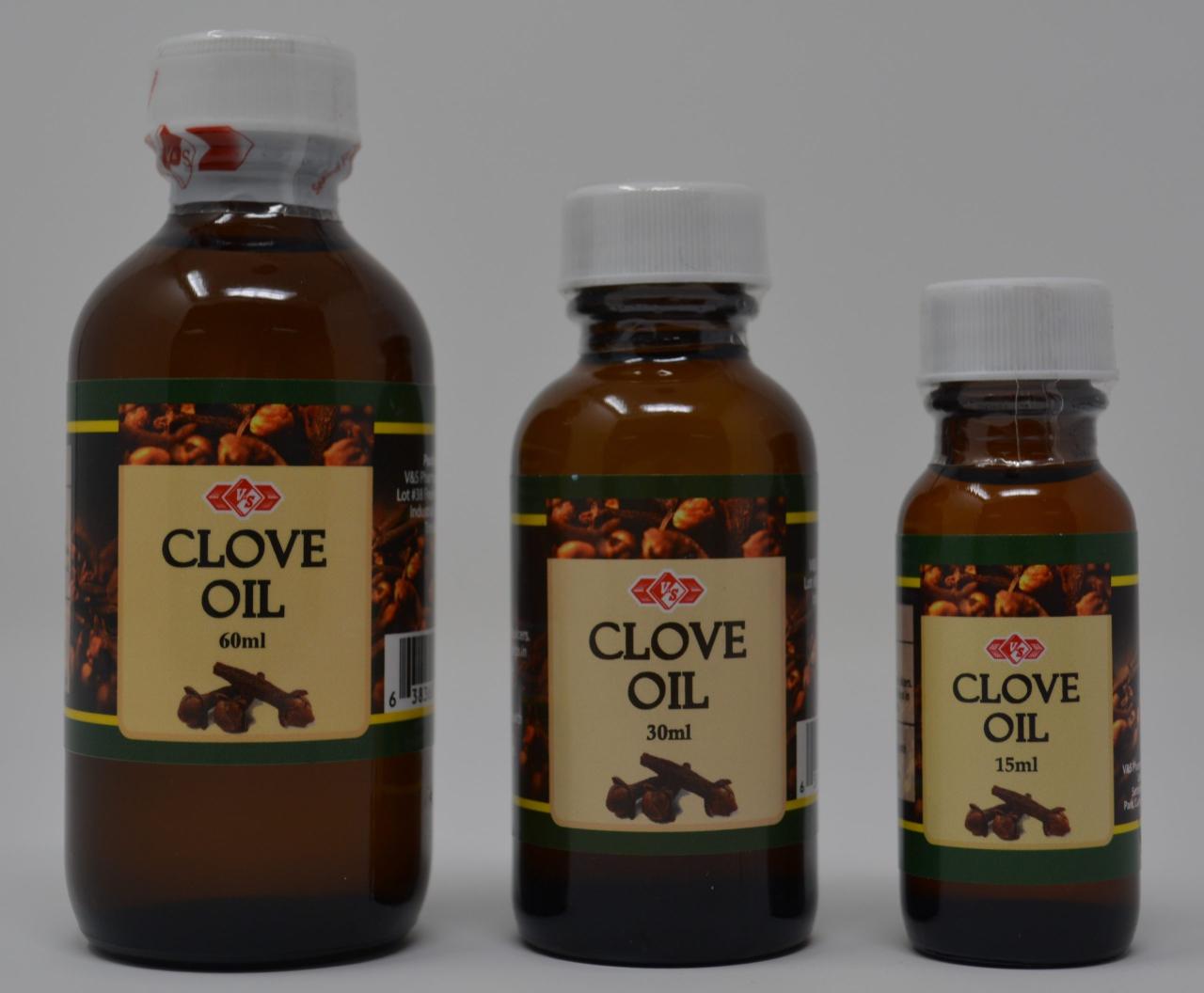
Clove oil production has significant implications for the environment due to the unique ecological requirements and harvesting methods associated with cloves. Understanding these impacts is crucial for promoting sustainable practices and minimizing the ecological footprint of this popular essential oil.
Ecological considerations in harvesting cloves
The harvesting of cloves, primarily from the Syzygium aromaticum tree, involves specific ecological considerations that can affect local environments. Clove trees thrive in tropical climates and typically require rich, well-drained soils and ample rainfall. The following factors are critical:
- Deforestation: As demand for clove oil increases, forests may be cleared to make way for clove plantations, leading to habitat loss for various species and contributing to biodiversity decline.
- Soil Degradation: Continuous planting of clove trees without proper crop rotation can deplete soil nutrients, leading to erosion and reduced soil fertility over time.
- Pesticide Use: Conventional farming often employs pesticides and fertilizers that can contaminate local water sources and harm surrounding ecosystems.
Sustainable practices in clove oil sourcing
Adopting sustainable practices in clove oil sourcing can mitigate negative environmental impacts. These practices not only protect ecosystems but can also enhance the quality of the oil produced. Key sustainable approaches include:
- Agroforestry: Integrating clove cultivation with other crops and trees can enhance biodiversity and improve soil health, while also providing additional income for farmers.
- Organic Farming: Using organic methods reduces reliance on harmful chemicals, promoting a healthier ecosystem and producing cleaner, safer oil.
- Certification Programs: Engaging in programs like Fair Trade or Rainforest Alliance can ensure sustainable sourcing practices and help protect the rights of workers.
Environmental footprint comparison with other essential oils
When comparing the environmental footprint of clove oil to other essential oils, several factors come into play, including land use, water consumption, and carbon emissions. Clove oil production is notably less intensive than some other essential oils, such as those derived from citruses or mint.
- Land Use: Clove trees require less land per kilogram of oil produced compared to oil from crops like lavender or peppermint, making clove oil sourcing potentially more land-efficient.
- Water Usage: Clove oil production typically relies on rainfall, reducing the need for irrigation when compared to water-intensive crops.
- Carbon Emissions: The emissions involved in clove oil production are lower than those for oils that require extensive processing and transportation, thus having a smaller carbon footprint.
Sustainable clove oil production not only preserves biodiversity but also supports local economies and encourages the adoption of eco-friendly farming practices.
Last Recap
In summary, clove oil stands out as a remarkable natural remedy that has transcended time and geography. Its myriad benefits—from aiding in oral health to enhancing emotional well-being—coupled with its unique flavor profile and safe usage practices make it a valuable addition to anyone’s wellness toolbox. As we continue to embrace holistic practices, clove oil remains a testament to nature’s ability to heal and enrich our lives, inviting us to explore its many facets.
Key Questions Answered
What is clove oil made from?
Clove oil is extracted from the buds, leaves, and stems of the clove tree, Syzygium aromaticum.
Can clove oil be used internally?
While some people use clove oil internally in small amounts, it’s best to consult a healthcare professional before doing so.
Is clove oil safe for children?
Clove oil should be used with caution in children; always consult a doctor for appropriate usage and dosages.
Does clove oil have any interactions with medications?
Yes, clove oil may interact with certain medications, particularly blood thinners, so it’s advisable to check with a healthcare provider.
How should clove oil be stored?
Clove oil should be stored in a cool, dark place, tightly sealed to maintain its potency and aroma.