 Penelope Hailey
Essential oil benefits have captivated humans for centuries, intertwining nature’s potent extracts with our quest for wellness. From ancient civilizations relying on aromatic plants for healing to modern applications in holistic health, essential oils have proven their value across cultures and time. These oils, derived from various parts of plants, offer a diverse range of therapeutic properties that can enhance our physical and mental well-being.
As we explore the intricate relationship between essential oils and our health, we’ll uncover their historical significance, the science behind their effectiveness, and practical ways to incorporate them into our lives. With a wealth of knowledge surrounding their uses, essential oils can be a wonderful addition to our wellness routines, blending tradition with contemporary practices.
The historical significance of essential oils in traditional medicine
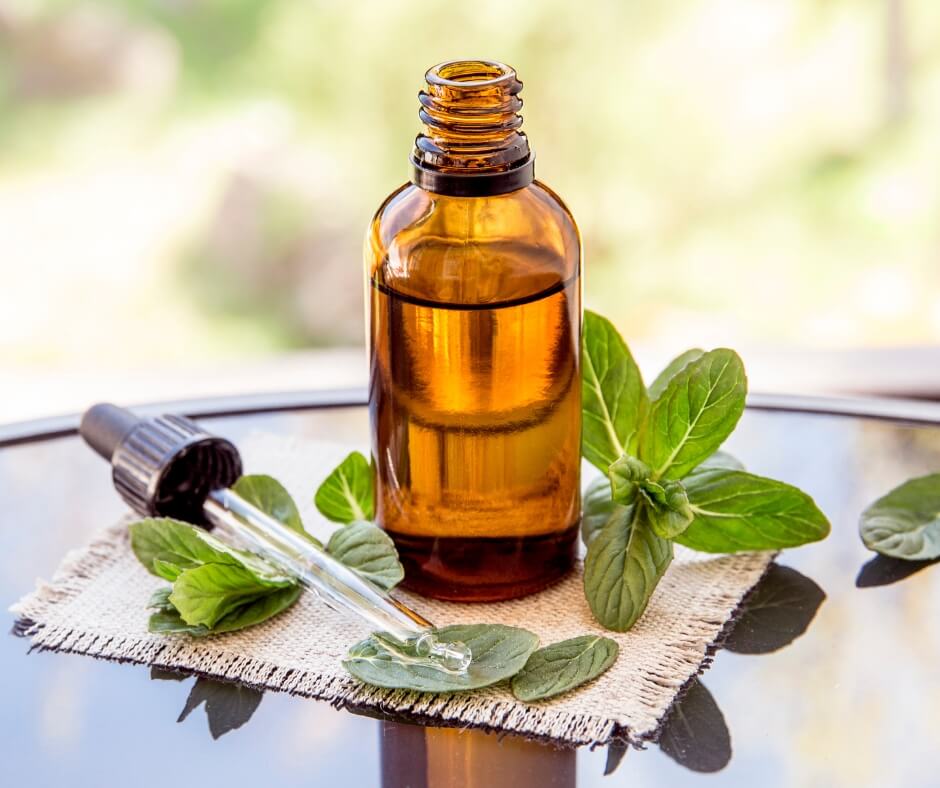
Throughout history, essential oils have played a crucial role in the healing practices of various cultures. Ancient civilizations recognized the therapeutic properties of aromatic plants, using them as both remedies and spiritual aids. From the sacred temples of Egypt to the herbal traditions of China, essential oils have been integral to health and wellness practices, showcasing humanity’s enduring relationship with nature’s gifts.
The use of essential oils in traditional medicine can be traced back thousands of years. In ancient Egypt, oils such as frankincense and myrrh were highly prized for their healing properties and spiritual significance. These oils were not only used for medicinal purposes but also played a key role in mummification rituals, highlighting their importance in both health and the afterlife. The Egyptians would apply essential oils topically or incorporate them into their baths, believing in their ability to purify and heal the body.
In China, traditional medicine has utilized essential oils for centuries, with practices steeped in holistic concepts. Oils such as lavender and eucalyptus were used in herbal remedies to treat ailments ranging from headaches to respiratory issues. Similarly, in India, the practice of Ayurveda employs essential oils derived from plants like neem and sandalwood, recognizing their therapeutic effects on the body and mind.
The historical practices of these civilizations have profoundly influenced modern uses of essential oils. Today, aromatherapy embraces the wisdom of ancient traditions, applying essential oils for stress relief, emotional well-being, and physical health. Many contemporary practitioners draw from traditional formulations, using oils like peppermint for digestive health or tea tree for its antiseptic qualities, which were recognized by ancient healers.
Essential oils have also become a staple in modern holistic practices, blending ancient knowledge with contemporary science. Research has validated many traditional uses, confirming the efficacy of oils like chamomile for anxiety and lavender for sleep disturbances. The resurgence of interest in natural remedies has sparked a revival of essential oil use, encouraging people to explore the rich heritage of these natural substances.
Examples of specific essential oils and their traditional uses
Understanding the historical applications of essential oils provides valuable insight into their benefits today. Various cultures employed specific oils for unique purposes, often influenced by local flora and cultural beliefs. The following examples highlight some notable essential oils and their traditional uses:
- Frankincense: Used by the Egyptians for mummification and as an antiseptic, frankincense continues to be favored for its calming effects and ability to enhance meditation.
- Tea Tree: Indigenous Australians utilized tea tree oil for its antibacterial and antifungal properties, a practice that modern science supports for skin irritations and infections.
- Lavender: Valued in ancient Rome for its soothing aroma, lavender oil is now widely recognized for its ability to promote relaxation and improve sleep quality.
- Myrrh: Used in ancient Egypt for healing wounds and as an anti-inflammatory, myrrh remains popular in contemporary natural health practices.
- Eucalyptus: Ancient Aborigines used eucalyptus leaves for respiratory issues. Today, eucalyptus oil is commonly used in cough remedies and respiratory treatments.
These historical applications underscore the deep-rooted significance of essential oils in various cultures, revealing how ancient wisdom continues to influence modern therapeutic practices. The enduring legacy of these natural remedies serves as a reminder of our connection to the healing properties of the earth.
The science behind essential oils and their therapeutic properties
Essential oils have garnered significant attention for their therapeutic benefits, bringing the intersection of nature and science into focus. These concentrated extracts, derived from various parts of plants, contain volatile compounds that exhibit a range of biological activities. The exploration of these chemical compounds reveals not just the essence of the plants but also their potential impact on human health.
The therapeutic properties of essential oils stem from their complex chemical makeup, which typically includes a mixture of terpenes, alcohols, phenols, esters, and aldehydes. Each type of essential oil has a unique composition that contributes to its distinct aroma and therapeutic effects. For instance, lavender oil is rich in linalool and linalyl acetate, compounds known for their calming and sedative properties. Conversely, peppermint oil contains menthol, which provides a cooling sensation and is often used for its analgesic effects.
Chemical Compounds and Their Effects
The understanding of essential oils goes beyond their pleasant scents; it delves into how these chemical compounds interact with the human body. Research has shown that when inhaled, the aromatic compounds can stimulate the limbic system, the part of the brain that influences emotions and memory. This interaction can lead to various physiological responses, such as reduced stress, improved concentration, and enhanced mood.
The therapeutic efficacy of essential oils is often attributed to specific compounds within them. For example:
- Limonene: Found in citrus oils, limonene is noted for its uplifting properties and potential antioxidant effects.
- Thymol: Present in thyme oil, thymol exhibits antimicrobial properties, making it beneficial for immune support.
- Geraniol: Found in rose and citronella oils, geraniol has anti-inflammatory effects and may aid in skin health.
The extraction process significantly influences the quality and therapeutic properties of essential oils. Common methods include steam distillation, cold pressing, and solvent extraction. Each method has distinct implications for the chemical integrity of the oil.
Steam distillation, the most prevalent method, involves passing steam through plant material, which vaporizes the essential oil. The vapor is then cooled, condensing it back into liquid form. This method generally preserves the integrity of the oil’s chemical compounds, ensuring a high-quality product that retains its therapeutic properties.
Cold pressing, primarily used for citrus oils, involves mechanically pressing the peels to release the oils. This method captures the fresh aroma and benefits of the citrus fruits but can lead to oxidation if not handled properly.
Solvent extraction uses chemicals to dissolve the essential oils from plant materials, resulting in a more concentrated product, often referred to as absolute. However, this method may leave residues that could affect the oil’s purity and safety.
In summary, the science behind essential oils illustrates a fascinating blend of chemistry and biology. The specific compounds within these oils contribute to their therapeutic effects, while the method of extraction plays a crucial role in determining their quality and efficacy. The intricate relationship between these elements highlights the importance of understanding essential oils not just as fragrances, but as powerful agents of wellness.
Common essential oils and their specific benefits
Essential oils have gained immense popularity for their therapeutic benefits and versatility. Derived from plants through processes such as steam distillation or cold pressing, each essential oil contains unique compounds that contribute to its effects on both physical and mental well-being. This section will delve into five commonly used essential oils, shedding light on their distinctive benefits and practical applications.
Lavender Essential Oil
Lavender essential oil is renowned for its calming and relaxing properties. Frequently used in aromatherapy, it can help reduce anxiety and promote better sleep. Studies indicate that inhaling lavender oil may positively influence mood and emotional well-being, making it a favorite among those experiencing stress.
Real-life testimonials often highlight lavender’s effectiveness. For instance, after a long week at work, one user reported a significant improvement in sleep quality after diffusing lavender oil in their bedroom. Additionally, many people use lavender-infused products in their nightly routines, which has contributed to a more peaceful atmosphere.
Peppermint Essential Oil
Peppermint essential oil is celebrated for its invigorating aroma and refreshing qualities. It is commonly used to alleviate headaches, digestive issues, and muscle pain. The menthol component in peppermint can provide a cooling sensation, making it ideal for topical applications.
A common scenario involves someone struggling with a tension headache. By applying diluted peppermint oil to their temples, they often experience a noticeable reduction in pain within minutes. This quick relief makes peppermint a go-to remedy for many, with users frequently sharing their positive experiences in online wellness communities.
Tea Tree Essential Oil
Tea tree essential oil is primarily known for its antibacterial and antifungal properties. It is frequently incorporated into skincare routines to tackle acne, dandruff, and various skin infections. The oil’s potency makes it a valuable addition to natural cleaning products, providing a chemical-free solution for disinfecting surfaces.
People battling acne have reported that incorporating tea tree oil into their skincare regimen led to clearer skin within weeks. Applying a diluted solution directly to blemishes has become a popular method, with many sharing before-and-after photos to document their journeys toward clearer skin.
Eucalyptus Essential Oil
Eucalyptus essential oil is often associated with respiratory health. Its invigorating scent can help clear nasal passages and ease breathing, making it a staple during cold and flu season. Additionally, eucalyptus oil is known for its anti-inflammatory properties, beneficial for muscle relief when used in massage.
During flu season, many individuals turn to eucalyptus oil in their diffusers to alleviate congestion. Testimonials frequently mention the soothing experience of inhaling its aroma, which helps create a more comfortable environment during sickness.
Lemon Essential Oil
Lemon essential oil has a bright, uplifting aroma and is celebrated for its mood-enhancing properties. It is often used in cleaning and skincare products due to its natural antibacterial qualities. Additionally, lemon oil is known for its ability to support digestion and boost the immune system.
A popular use of lemon essential oil involves adding a few drops to water, creating a refreshing drink that aids digestion and detoxification. Users appreciate the energizing scent, which serves to uplift their spirits throughout the day.
| Essential Oil | Benefits | Uses | Safety Precautions |
|---|---|---|---|
| Lavender | Calming, sleep aid | Aromatherapy, skincare | May cause skin irritation; dilute before use |
| Peppermint | Headache relief, digestive aid | Topical application, inhalation | Not recommended for young children; dilute well |
| Tea Tree | Antibacterial, antifungal | Skincare, cleaning solutions | Use cautiously on sensitive skin; may cause irritation |
| Eucalyptus | Respiratory support, anti-inflammatory | Inhalation, massage oil | Avoid contact with eyes; may irritate skin |
| Lemon | Mood booster, detoxification | Cleaning, ingestion in water | Photosensitive; avoid sunlight after applying topically |
The role of essential oils in mental health and emotional well-being
Essential oils have emerged as a powerful tool in enhancing mental health and emotional well-being, featuring prominently in practices aimed at relieving stress, anxiety, and depression. Their potent aromas can influence mood and mental states, making them a natural alternative or complement to traditional therapeutic methods. With their diverse array of benefits, essential oils can play a crucial role in our daily self-care regimens, promoting emotional balance and mental clarity.
The use of essential oils can significantly aid in managing everyday mental health challenges. Stress and anxiety often manifest physically and emotionally, creating a cycle that can be hard to break. Essential oils, through their aromatic compounds, can trigger responses in the brain that promote relaxation and calmness. For instance, lavender oil is widely recognized for its soothing properties, helping to reduce anxiety and improve sleep quality. Similarly, bergamot oil has been found to lower stress levels and enhance mood, making it a valuable ally for those grappling with anxious feelings.
Incorporating essential oils into daily routines
Integrating essential oils into daily routines can foster emotional balance and enhance mental clarity. The versatility of essential oils allows for numerous methods of application, making them easy to include in various aspects of life. Here are some effective methods to consider:
1. Diffusion: Using an essential oil diffuser fills your space with therapeutic aromas, promoting a sense of calm. Choose oils like chamomile or frankincense for stress relief during work or meditation sessions.
2. Topical application: Diluting essential oils with a carrier oil and applying them to pulse points can provide immediate emotional support. Oils like peppermint can invigorate the mind, while ylang-ylang can help alleviate feelings of sadness.
3. Bath rituals: Adding a few drops of essential oils, such as eucalyptus or lavender, to a warm bath creates a serene environment to unwind and destress.
4. Inhalation: Simply inhaling essential oils directly from the bottle or from a cotton ball allows for quick relief from anxiety. Oils like rosemary can help clear the mind and improve focus.
5. Aromatherapy jewelry: Wearing diffusing necklaces or bracelets infused with essential oils keeps the benefits close at hand throughout the day.
To enhance mood and mental clarity, certain essential oil blends can be particularly effective. Crafting personalized blends allows for an individualized approach to emotional well-being. Below are some examples:
– Calming Blend: Combine 3 drops of lavender, 2 drops of chamomile, and 1 drop of frankincense for a soothing effect that helps reduce anxiety and promote restful sleep.
– Uplifting Blend: Mix 2 drops of bergamot, 2 drops of sweet orange, and 1 drop of lemongrass to invigorate the spirit and uplift mood.
– Focus Blend: Create a blend using 2 drops of rosemary, 2 drops of peppermint, and 1 drop of lemon to enhance concentration and mental clarity, perfect for study sessions or work tasks.
Incorporating essential oils into your lifestyle can be a simple yet effective strategy for managing mental health and promoting emotional wellbeing.
Safe practices and precautions for using essential oils
Using essential oils can be a delightful addition to wellness routines, yet it’s vital to approach their use with care. Proper knowledge and understanding of safety practices ensure that the benefits of these natural extracts are enjoyed without adverse reactions. Misuse or improper application of essential oils can lead to skin irritations, allergic reactions, and other health complications. Therefore, educating oneself about the importance of dilution and safe application methods is crucial for a positive experience with these potent substances.
Dilution is the process of mixing essential oils with a carrier oil or another medium to reduce their potency and minimize the risk of irritation or adverse reactions. Undiluted essential oils, known as “neat” oils, can be too strong for direct application on the skin and may lead to burns or allergic responses. Carrier oils such as coconut, jojoba, or almond oil not only help dilute essential oils but also enhance their absorption into the skin. A general guideline for safe dilution is to mix one drop of essential oil with at least four drops of carrier oil for topical use, although this can vary depending on the specific oil and the individual’s skin sensitivity.
Common allergic reactions and adverse effects
It’s essential to be aware of potential allergic reactions and adverse effects when using essential oils. Knowing the signs can aid in prompt action if a reaction occurs. Here are some common reactions to observe:
- Skin irritation: Redness, itching, or rash upon application.
- Headaches: Some oils, especially strong scents, can trigger headaches.
- Nausea: Certain oils may cause digestive issues or nausea when inhaled or ingested.
- Respiratory issues: Problems may arise from inhalation, especially for asthmatics.
- Phototoxicity: Oils like citrus can increase sensitivity to sunlight, causing burns.
Understanding these potential reactions can empower users to enjoy essential oils responsibly.
Guidelines for using essential oils with children and pets
Using essential oils around children and pets requires extra caution due to their sensitive systems. It is essential to follow guidelines to ensure safety for all family members.
When using essential oils with children:
– Always dilute oils to 1% or less for topical application.
– Avoid using essential oils on newborns or infants under three months.
– Opt for gentle oils such as lavender or chamomile, known for their calming properties.
– Consult a healthcare professional before using any oils on children, especially those with underlying health conditions.
For pets, it’s critical to avoid certain oils entirely, as many can be toxic to animals. Here are some safety considerations:
– Never use essential oils containing tea tree, eucalyptus, or citrus oils around pets.
– Always provide ample ventilation when diffusing oils in a pet’s environment.
– Monitor pets for any signs of distress or allergic reactions when using oils nearby.
By adhering to these precautions and guidelines, one can safely enjoy the myriad benefits that essential oils have to offer without compromising health and safety.
Creative ways to incorporate essential oils into daily life
Essential oils are not just for diffusing; they can enhance various aspects of your everyday routine, making them a versatile addition to your home. By exploring innovative uses for essential oils, you can improve your environment, personal care, and even your well-being in creative ways. This section will dive into some unique methods to incorporate essential oils beyond traditional aromatherapy, including DIY projects that add a personalized touch to your lifestyle.
Innovative uses of essential oils
Essential oils can be added to numerous daily products, providing not just fragrance but also beneficial properties. Here are some creative ways to incorporate them into your life:
- Homemade Cleaning Supplies: By blending essential oils with natural cleaning ingredients, you can create effective, non-toxic cleaning solutions. For example, mix 1 cup of white vinegar, 1 cup of water, and 10-15 drops of tea tree oil to create an antibacterial cleaner.
- Personal Care Items: Essential oils can enhance lotions, shampoos, and body scrubs. Add a few drops of lavender oil to your unscented lotion to promote relaxation and hydration.
- Freshening Your Space: Combine essential oils in a spray bottle filled with water to create a room spray. A blend of lemon and eucalyptus oils can invigorate your home with a fresh, clean scent.
- DIY Bath Products: Create soothing bath bombs using baking soda, citric acid, and essential oils like chamomile or ylang-ylang for relaxation. Simply mix dry ingredients, add the oils, and mold them into shapes.
- Pillow Spray: A few drops of lavender essential oil mixed with water in a spray bottle can create a calming pillow mist for a restful night’s sleep. Spray lightly before bedtime for the best results.
Creating your own essential oil blends
Formulating your own essential oil blends can be a fun and rewarding process. Here’s a simple recipe for a relaxation blend:
Relaxation Essential Oil Blend: Combine 5 drops of lavender oil, 3 drops of chamomile oil, and 2 drops of sandalwood oil. Mix these in a carrier oil like jojoba or sweet almond oil for a calming massage oil or diluted for diffusion.
For an energy-boosting blend, consider this invigorating formula:
Energy Boost Essential Oil Blend: Mix 4 drops of peppermint oil, 3 drops of citrus oil (like orange or lemon), and 3 drops of rosemary oil. This blend can be added to your diffuser or diluted in a carrier oil for an energizing massage.
These blends not only enhance your mood but also allow for personalized self-care practices tailored to your preferences. By incorporating essential oils creatively into your daily routine, you can enjoy their benefits in a multitude of refreshing and practical ways.
The future of essential oils in holistic health practices
As the realm of holistic health continues to evolve, essential oils are increasingly being recognized for their diverse therapeutic benefits. Emerging trends suggest a growing integration of these natural extracts into modern healthcare practices, as more practitioners and patients seek alternatives to conventional treatments. This shift reflects an increasing demand for holistic approaches that complement traditional medical practices, particularly in mental health, pain management, and wellness support.
Research has demonstrated the efficacy of essential oils in a variety of applications, prompting a surge of interest among healthcare providers. A study published in the *Journal of Alternative and Complementary Medicine* found that aromatherapy significantly reduced anxiety and improved mood in patients undergoing surgical procedures. Similarly, a 2018 study from *Frontiers in Public Health* highlighted the potential of essential oils like lavender and peppermint in alleviating pain and reducing stress, reinforcing their role as valuable adjuncts to treatment regimens.
Emerging trends in essential oil applications
The integration of essential oils into holistic health practices is not limited to aromatherapy. The expanding body of research supports innovative uses in various health applications. Recent trends indicate a more systematic approach to essential oils, combining them with other therapies for enhanced benefits. For instance, essential oils are being integrated into massage therapy, where their natural properties can enhance relaxation and muscle relief. Moreover, hospitals are beginning to adopt essential oils in patient care settings, using scents like lavender to create calming environments that facilitate recovery.
The following areas illustrate some significant trends in the application of essential oils in healthcare:
- Mental Health Support: Evidence suggests that essential oils can reduce symptoms associated with depression and anxiety. Oils such as bergamot and chamomile are now being used in clinical settings to improve patient outcomes.
- Pain Management: Research indicates that certain essential oils possess analgesic properties. Oils like ginger and clary sage have been shown to alleviate chronic pain conditions, offering a natural alternative to pharmaceutical interventions.
- Immune System Support: Emerging studies have linked essential oils with immune-boosting effects. For example, eucalyptus and tea tree oil demonstrate antimicrobial and antiviral properties, which are increasingly relevant in current healthcare paradigms.
- Enhanced Patient Experience: The sensory experience elicited by essential oils can significantly improve patient satisfaction and comfort in healthcare settings, making them a valuable tool for practitioners seeking to enhance holistic care.
Research continues to expand our understanding of essential oils’ therapeutic benefits. A systematic review published in *Evidence-Based Complementary and Alternative Medicine* emphasized the need for further exploration of essential oils in new health applications. While current studies demonstrate promising results, further investigation could unveil additional uses, particularly in chronic disease management and preventive care.
Potential areas for further research include personalized aromatherapy regimens tailored to individual patient needs, examining the synergistic effects of combining various essential oils, and exploring the long-term effects of essential oil usage in clinical practice. In particular, the intersection of essential oils with biotechnology and genomics might lead to groundbreaking advancements, optimizing their therapeutic effects based on individual genetic profiles.
Overall, the future of essential oils in holistic health looks promising, with the potential to reshape the landscape of modern healthcare. Their incorporation into clinical practice not only reflects a shift toward a more integrative health model but also highlights the enduring relevance of nature’s remedies in promoting well-being and healing.
Last Point
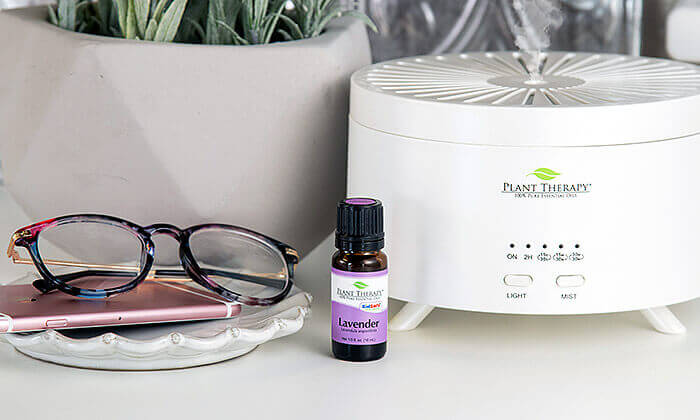
In summary, the exploration of essential oil benefits reveals a rich tapestry of history, science, and practical application that can enhance both physical health and emotional well-being. By understanding how to use these oils safely and effectively, we can harness their power in daily life. As interest grows in holistic health practices, the potential for essential oils to play a pivotal role in our overall wellness journey is more promising than ever.
General Inquiries
Can essential oils be ingested?
While some essential oils are safe for ingestion, it is crucial to consult with a healthcare professional before doing so, as many oils can be toxic when taken internally.
Are there any essential oils safe for children?
Yes, some essential oils are considered safe for children when properly diluted. Lavender and chamomile are commonly used, but always check with a pediatrician first.
How long do essential oils last?
Essential oils can last from one to several years, depending on the oil and storage conditions. Always store them in a cool, dark place to prolong their shelf life.
Can essential oils help with sleep issues?
Yes, certain essential oils like lavender and bergamot are known for their calming properties and can help improve sleep quality when used in a diffuser or applied topically with proper dilution.
What is the best way to dilute essential oils?
The best way to dilute essential oils is to mix them with a carrier oil, such as coconut or jojoba oil, typically at a ratio of 1-3 drops of essential oil per teaspoon of carrier oil.