 Penelope Hailey
Essential oil blends have captivated humanity for centuries, weaving their way through cultures and traditions, offering not just fragrance but a profound connection to health and well-being. These aromatic concoctions, crafted from nature’s own botanicals, serve various purposes—from promoting relaxation to enhancing focus and even enriching our living environments.
As we explore the world of essential oil blends, we uncover their historical significance, scientific principles, and practical applications, all while celebrating the diverse cultural traditions that have shaped these practices over time. Whether you’re a seasoned user or a curious newcomer, understanding the art and science behind essential oil blending opens the door to a fragrant journey of discovery.
The Science Behind Essential Oil Blending Techniques
Understanding the science behind essential oil blending is crucial for creating effective and harmonious blends. Essential oils are complex mixtures containing numerous chemical compounds, each contributing to their unique aromatic and therapeutic properties. By exploring the chemical components and principles of synergy, one can master the art of blending oils for optimal therapeutic effects.
Chemical components in essential oils play a significant role in how they interact with one another. Each essential oil consists of various compounds such as terpenes, esters, aldehydes, ketones, and phenols. These compounds influence not just the scent, but also the therapeutic properties of the oils. For example, terpenes tend to have uplifting and invigorating effects, while esters are often calming and relaxing.
Chemical Composition and Their Effects
The chemical composition of essential oils dictates their behavior in blends. Understanding these components allows for informed decisions when creating blends aimed at specific therapeutic goals. Here are some key chemical components and their effects:
- Terpenes: These are responsible for the fresh, citrusy scents found in oils like lemon and orange. They are known for their uplifting properties and can stimulate mental clarity.
- Esters: Commonly found in oils such as lavender and bergamot, esters are associated with calming and soothing effects, making them ideal for relaxation blends.
- Phenols: Present in oils like thyme and oregano, phenols have strong antiseptic properties and are often used for their cleansing abilities.
- Aldehydes: Found in oils such as citronella, aldehydes can have both soothing and uplifting effects, depending on their concentration.
- Ketones: These compounds are often found in oils like rosemary and can promote mental stimulation and focus.
Principles of Synergy in Essential Oil Blends
Synergy in essential oils refers to how the combination of different oils can enhance their individual effects, creating a more powerful outcome than when used alone. This principle is rooted in the understanding that certain compounds can work together harmoniously to amplify therapeutic benefits.
The key considerations for achieving synergy include:
- Complementary Properties: Blending oils with similar therapeutic properties can enhance effects. For instance, combining stress-relieving oils like lavender and chamomile can lead to a more profound calming experience.
- Balancing Scents: Oils with contrasting scents can create a more complex and appealing aroma. For example, a blend of floral oils with earthier oils like patchouli can provide a rounded and balanced scent profile.
- Layering Effects: Some oils may target different aspects of a condition. For example, while eucalyptus can promote respiratory health, lavender can provide comfort and relaxation.
Methods for Blending Oils
To achieve optimal therapeutic effects from essential oil blends, various methods can be employed. The approach taken can influence the final product’s effectiveness and aroma. Here are some common blending techniques:
- Dilution: Essential oils are potent and should often be diluted with carrier oils to ensure safe application. Common carrier oils include jojoba, almond, and coconut oil.
- Layering: This technique involves adding one oil at a time to a blend, allowing the mixer to assess the aroma and effects before introducing additional oils.
- Batch Testing: Creating small test batches can help in evaluating how oils interact with one another before committing to larger quantities.
- Cold Blending: This method refers to blending oils without heat, preserving their chemical integrity and therapeutic properties.
In summary, understanding the scientific aspects of essential oil blending is essential for crafting effective blends. By considering the chemical components, principles of synergy, and methods of blending, one can create unique and powerful essential oil blends that deliver desired therapeutic effects.
Crafting Your Own Essential Oil Blends for Different Purposes
Creating personalized essential oil blends can be a rewarding experience, enhancing your environment and well-being. Whether you seek relaxation, energy, or focus, the right combination of oils can make all the difference. This guide will equip you with the steps to formulate your own blends tailored to your needs.
Step-by-Step Guide to Formulating Blends for Relaxation
Formulating a relaxation blend requires careful selection of calming essential oils. Consider the following steps to create a soothing blend:
1. Choose Your Base Oil: Start with a carrier oil, such as jojoba or sweet almond oil, to dilute the essential oils. A good ratio is typically 10-15% essential oil to 85-90% carrier oil.
2. Select Calming Essential Oils: Popular options include lavender for its soothing properties, chamomile for its calming effects, and ylang-ylang for emotional balance.
3. Blend Ingredients: Measure out your essential oils using a dropper. A suggested blend might include:
– 5 drops of lavender
– 3 drops of chamomile
– 2 drops of ylang-ylang
4. Mix Thoroughly: Combine the oils in a glass container and gently swirl to mix.
5. Let it Rest: Allow your blend to sit for at least 24 hours before use, as this helps the scents to meld together.
6. Storage: Store your blend in a dark glass bottle to preserve the oils.
Ingredients Needed for a Blend That Boosts Energy and Focus
To create a blend that invigorates the mind and enhances concentration, gather the following essential oils known for their energizing properties:
– Peppermint: Refreshing and stimulating, it can enhance alertness.
– Lemon: Its bright, uplifting scent is known to improve mood and cognitive function.
– Rosemary: This oil is renowned for boosting memory and mental clarity.
These ingredients are typically combined in varying ratios based on preference. A suggested energizing blend could include:
– 4 drops of peppermint
– 3 drops of lemon
– 3 drops of rosemary
Mix with a carrier oil at a 10-15% concentration as noted earlier.
Blending Ratios and Common Blends for Aromatherapy Practices
Understanding blending ratios is crucial for effective aromatherapy. The following ratios can guide you in creating balanced blends that cater to specific needs:
– Top Note (30-50%): Offers the first impression; often citrus or herbal oils (e.g., lemon, bergamot).
– Middle Note (30-50%): Provides body to the blend; floral or spice oils (e.g., lavender, chamomile).
– Base Note (20-30%): Adds depth and lasting power; typically warm oils (e.g., sandalwood, cedarwood).
Here’s a common blend for relaxation:
– Top Note: 5 drops of bergamot
– Middle Note: 4 drops of lavender
– Base Note: 3 drops of sandalwood
“A harmonious blend not only soothes the spirit but can revitalize the mind.”
This structure allows for versatility in your oil blends, adapting them to personal preferences and desired outcomes. Experimenting within these guidelines can lead to delightful discoveries in your aromatic journey.
Essential Oil Blends for Home and Lifestyle Enhancements
Creating a soothing and inviting atmosphere at home can be easily achieved with essential oil blends. These natural aromas not only enhance the ambiance of any living space but can also contribute to a healthier lifestyle. From cleaning products to daily routines, incorporating essential oils into everyday life has never been easier or more beneficial.
Using Essential Oil Blends in Household Cleaning Products
Essential oils can serve as powerful, natural cleaning agents that are effective against germs and bacteria. Blending essential oils into your cleaning routine not only reduces the reliance on harsh chemicals but also leaves your home smelling fresh. Consider the following essential oil blends for various cleaning applications:
- Lemon and Tea Tree Blend: This refreshing combination is excellent for disinfecting surfaces. The antibacterial properties of tea tree oil paired with the degreasing power of lemon create a potent cleanser.
- Lavender and Eucalyptus Blend: This blend works wonders for linen sprays and air fresheners, combining the calming scent of lavender with the invigorating aroma of eucalyptus.
- Peppermint and Rosemary Blend: A perfect choice for kitchen cleaners, this blend not only cleans but also adds a fresh scent that can help to energize the space.
Enhancing the Ambiance of Living Spaces
Essential oil blends can dramatically change the environment of your home. Different scents can evoke specific feelings, making your space feel more relaxing, energizing, or even romantic. Here are some blends that can enhance your living spaces:
- Cozy Comfort Blend: A mix of cinnamon, clove, and orange creates a warm, inviting atmosphere, perfect for family gatherings or quiet evenings.
- Uplifting Citrus Blend: Combining bergamot, grapefruit, and lemon can energize the mood and stimulate creativity in workspaces or playrooms.
- Relaxing Spa Blend: A soothing combination of lavender, chamomile, and ylang-ylang can transform a bathroom into a tranquil spa-like retreat.
Incorporating Blends into Daily Routines for Improved Well-being
Incorporating essential oil blends into your daily routine can enhance overall well-being. Whether it’s through aromatherapy, personal care products, or mood-setting rituals, these blends can play a significant role in promoting a healthier lifestyle. Here are some effective ways to integrate them into your life:
- Morning Motivation Blend: Start your day with a blend of citrus oils such as lemon and orange to boost mood and energy levels.
- Midday Calm Blend: Diffusing lavender and chamomile in the afternoon can help reduce stress and improve focus during work hours.
- Evening Wind-Down Blend: A blend of cedarwood, bergamot, and sandalwood can prepare the mind for restful sleep, helping you to unwind after a long day.
Safety Practices When Using Essential Oil Blends
When it comes to the world of essential oils, safety should always be a priority. While these natural extracts can provide numerous benefits, improper use can lead to adverse effects. Understanding common safety practices is essential for anyone looking to enjoy the therapeutic properties of essential oil blends. This section will Artikel safety precautions to consider, potential allergic reactions, and the importance of proper dilution.
Common Safety Precautions
Implementing safety precautions is crucial when blending and using essential oils to prevent adverse reactions and ensure a positive experience. Here are some vital practices to keep in mind:
- Always perform a patch test before using a new essential oil. Apply a diluted drop to a small area of skin to check for any adverse reactions.
- Keep essential oils away from sensitive areas, including the eyes, mucous membranes, and broken skin, as they can cause irritation.
- Store essential oils in a cool, dark place, away from children and pets, to maintain their integrity and prevent accidental ingestion.
- Use essential oils in well-ventilated areas to avoid overwhelming scents that could cause headaches or respiratory issues.
Potential Allergic Reactions
Allergic reactions to essential oils can vary from mild to severe and can manifest in several ways. Awareness of these reactions and how to mitigate them is essential for safe use.
Common allergic symptoms include skin irritation, rashes, or respiratory issues. To reduce the risk of allergic reactions, consider the following strategies:
- Research the oils you plan to use, as some, like peppermint and tea tree oil, are known allergens for certain individuals.
- Consult with a healthcare provider if you have known allergies, especially to plants or fragrances, prior to using essential oils.
- In case of a reaction, discontinue use immediately and apply a carrier oil to the affected area to dilute the essential oil.
Importance of Proper Dilution
Proper dilution is critical in ensuring the safe application of essential oils. Undiluted oils can cause skin irritation and other adverse effects. Knowing how to dilute essential oils correctly can help maximize benefits while minimizing risks.
To calculate dilution effectively, follow these guidelines:
General dilution ratio: 2% dilution for topical applications (which equals approximately 12 drops of essential oil per 1 ounce of carrier oil).
- For children or sensitive skin, consider a lower dilution ratio of 1% (about 6 drops per ounce of carrier oil).
- For specific conditions, consult a certified aromatherapist to determine the right dilution ratio based on individual needs.
- Always confirm the specific oil’s recommended dilution guidelines, as some oils may require more stringent precautions.
Proper knowledge and practices are essential for anyone using essential oil blends. By prioritizing safety, users can fully enjoy the therapeutic benefits of these natural wonders without compromising their health.
Exploring the Therapeutic Benefits of Specific Essential Oil Blends
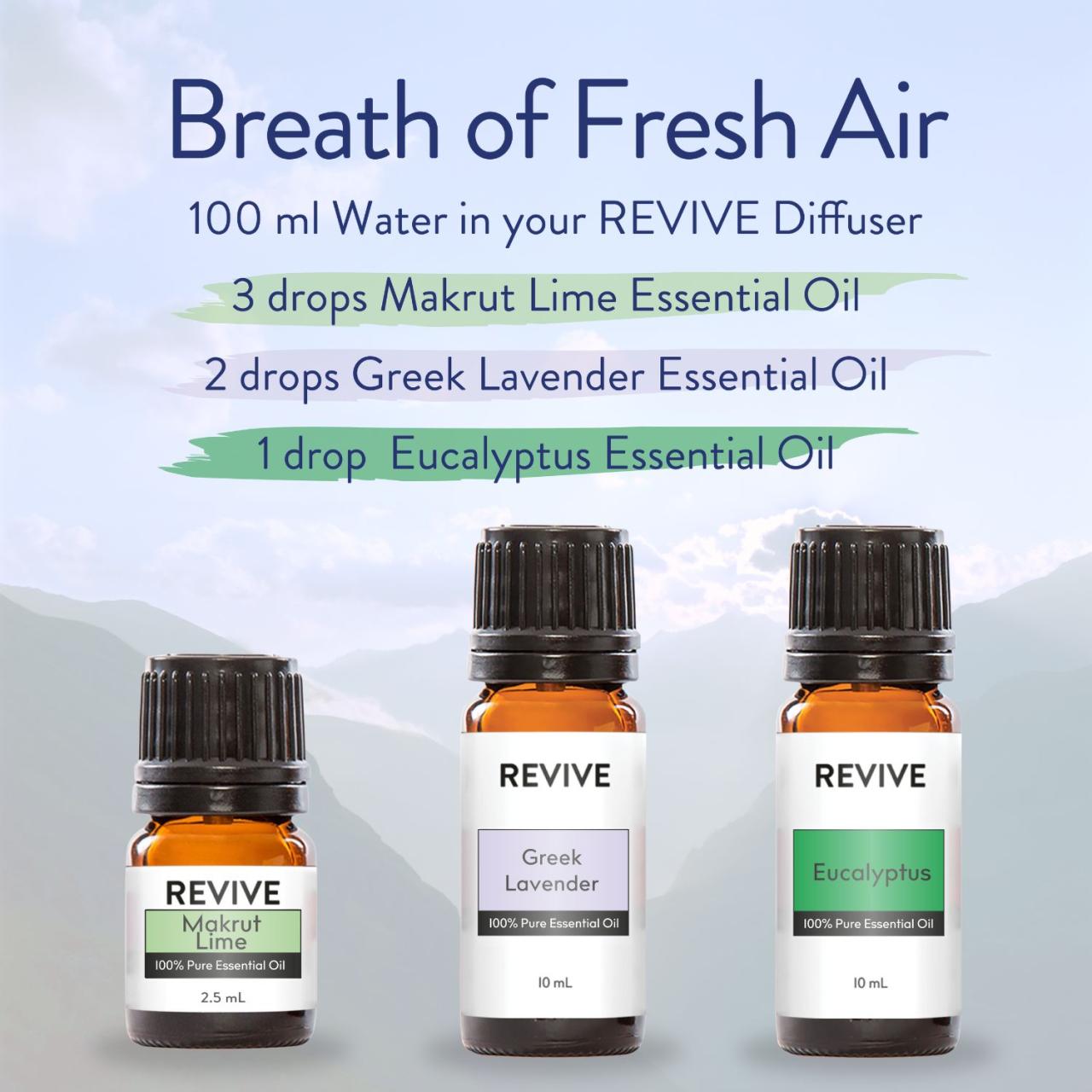
The use of essential oil blends has gained popularity not only for their pleasant aromas but also for their therapeutic advantages. These blends are often crafted to address specific emotional and physical health concerns, making them a versatile addition to wellness routines. By understanding the benefits of various blends, individuals can select those that best meet their needs, enhancing both their mental and physical well-being.
Emotional Benefits of Essential Oil Blends for Stress Relief
Essential oil blends designed for stress relief tap into the power of aromatherapy to create a calming atmosphere. The right combination of oils can help alleviate anxiety and promote relaxation. Notably, blends containing lavender, chamomile, and bergamot are renowned for their soothing properties.
- Lavender: Known for its calming effects, lavender helps reduce anxiety and improve sleep quality.
- Chamomile: This oil is often used to promote relaxation and alleviate feelings of stress and agitation.
- Bergamot: Typically utilized to uplift mood, bergamot can help mitigate feelings of stress and tension.
Many users have reported experiencing significant emotional relief after incorporating these blends into their daily routines. A common testimony includes feeling a sense of tranquility wash over them after diffusing a lavender and bergamot blend during stressful days.
Physical Health Benefits of Essential Oil Blends for Respiratory Support
Respiratory support blends often feature oils with decongestant and anti-inflammatory properties. Common oils such as eucalyptus, peppermint, and tea tree are popular choices for those seeking relief from respiratory issues.
- Eucalyptus: Recognized for its ability to open airways, eucalyptus oil can provide relief from congestion.
- Peppermint: This oil has a cooling effect and can help soothe irritation in the respiratory tract.
- Tea Tree: Known for its antiseptic qualities, tea tree oil may assist in combating respiratory infections.
Users often share their experiences of using these blends during cold seasons, reporting that inhaling the aroma helps ease breathing difficulties and promotes a clearer chest. For instance, a user might note, “After using eucalyptus and peppermint in my diffuser, I felt my sinuses clear up, making it easier to breathe.”
User Insights on Specific Oil Blends
User experiences often provide the most authentic insights into the benefits of essential oil blends. Many individuals have shared how specific combinations have helped them overcome various challenges.
“After struggling with anxiety for years, I found comfort in a blend of lavender and chamomile. Just a few drops in my diffuser before bed have changed my nights completely.” – Sarah, 34
Similarly, testimonials related to respiratory support highlight how users feel empowered to manage their health with natural remedies.
“Using a blend of eucalyptus and tea tree oil during the flu season made all the difference. I felt much less congested and was able to sleep more soundly.” – Mike, 42
These personal accounts not only reinforce the therapeutic benefits of essential oil blends but also highlight the growing community of individuals seeking natural solutions for their emotional and physical health needs.
The Role of Essential Oil Blends in Holistic Healing Practices
Essential oil blends play a significant role in holistic healing practices, serving as powerful adjuncts to various therapies aimed at enhancing overall well-being. They not only promote relaxation and emotional balance but also help in the physical healing process. By integrating essential oils with other holistic therapies, practitioners can create a more comprehensive approach to health that addresses the mind, body, and spirit.
The integration of essential oils into holistic practices can elevate the experience for practitioners and clients alike. These aromatic compounds can enhance the effects of modalities such as yoga and meditation, deepening the connection to self and the surrounding environment. When used intentionally, essential oils can facilitate a more profound state of relaxation and mindfulness, helping individuals achieve their wellness goals.
Integration of Essential Oils in Yoga and Meditation
In yoga and meditation, essential oils serve to enhance focus, calm the mind, and uplift the spirit. The practice of diffusing essential oils or applying them topically can help create an environment conducive to relaxation and introspection. For example, the gentle aroma of lavender or frankincense can promote serenity during a meditation session, while invigorating citrus oils may energize the atmosphere in a more dynamic yoga practice.
Essential oils can also be incorporated into specific techniques such as breathing exercises, where inhaling deeply with the aid of an oil can enhance the experience of grounding and centering. Using essential oils in conjunction with the physical postures of yoga can help to release tension stored in both the body and mind, ultimately leading to a more holistic healing experience.
Recommended Essential Oil Blends for Holistic Health Practitioners
For those practicing holistic health, certain essential oil blends are particularly beneficial. These carefully curated combinations can support various health aspects, from emotional balance to physical relaxation.
Here are some recommended essential oil blends:
- Relaxation Blend: Lavender, Bergamot, and Cedarwood – This blend promotes deep relaxation and stress relief, perfect for creating a calming environment.
- Grounding Blend: Frankincense, Sandalwood, and Vetiver – Ideal for meditation and grounding practices, this blend helps center the mind.
- Energy Boost Blend: Peppermint, Lemon, and Eucalyptus – This invigorating blend is great for enhancing energy levels during yoga sessions.
- Uplifting Blend: Sweet Orange, Grapefruit, and Ylang Ylang – A delightful mix that can elevate mood and foster a positive mindset.
- Focus Blend: Rosemary, Basil, and Lemon – Excellent for enhancing concentration and mental clarity, especially beneficial for long meditation sessions.
Incorporating these essential oil blends into holistic practices not only amplifies the therapeutic effects but also enriches the overall experience, allowing for deeper emotional and physical healing. By choosing the right blend, practitioners can tailor their approach to meet the specific needs of their clients, further enhancing the journey towards wellness.
Cultural Perspectives on Essential Oil Blends Worldwide
Essential oils have found their place in various cultures around the globe, each with its own unique traditions and practices regarding blending. The significance of these oils extends beyond mere fragrance; they play a vital role in spiritual rituals, healing practices, and even day-to-day life. Understanding the cultural perspectives on essential oil blends offers insight into their diverse uses and the meanings attached to them across different societies.
Unique Essential Oil Blending Traditions
Around the world, different cultures possess distinctive traditions surrounding essential oil blending, often influenced by their historical and geographical contexts. For example, in India, the practice of Ayurveda incorporates essential oils into holistic health routines, emphasizing the balance of mind, body, and spirit. The aromatic properties of oils such as sandalwood and jasmine are cherished for their calming effects and spiritual significance.
In the Middle East, essential oils are deeply rooted in the culture, particularly in countries like Oman and Saudi Arabia. Traditional practices involve the use of frankincense and myrrh, which are not only prized for their scents but also for their historical value in religious ceremonies. These oils are often blended with carrier oils for use in rituals, massage, and aromatherapy, reflecting a holistic approach to wellness.
In contrast, the Indigenous cultures of North America utilize essential oils derived from local plants for both medicinal and spiritual purposes. For instance, sage and cedarwood are frequently used in smudging rituals, believed to cleanse spaces and promote positive energy. The blending of oils in these contexts often symbolizes a connection to the earth and ancestral traditions.
Significance of Essential Oils in Spiritual Practices
Essential oils hold significant importance in various spiritual practices across different religions, serving as tools for enhancement of meditation and prayer. In Christianity, for example, essential oils like myrrh and frankincense have been used for centuries in liturgical contexts, symbolizing purification and divine presence. The aromatic nature of these oils is considered to elevate the spiritual atmosphere during worship.
Similarly, in Buddhism, essential oils are employed in rituals to promote mindfulness and meditation. Oils such as sandalwood are favored for their calming properties, aiding practitioners in deepening their focus and spiritual connection. The act of blending, in this case, allows for personalized experiences, where individuals can create mixtures that resonate with their spiritual intentions.
In Islamic traditions, the use of oud (agarwood) is prevalent, often associated with prayer and contemplation. The rich, woody aroma is believed to invoke tranquility and enhance spiritual experiences. Blending oud with other oils can create unique fragrances that reflect personal or communal worship practices.
Globalization of Essential Oil Blending and Its Impact
The globalization of essential oil blending has led to a fascinating interplay between traditional practices and modern influences. As essential oils gained popularity in Western wellness and beauty industries, the unique characteristics of regional blends have been adapted to suit contemporary tastes, often leading to the commercialization of indigenous practices.
This globalization, while providing greater access to diverse oils, poses challenges to local traditions. For instance, essential oils that were once exclusively used in specific cultural contexts are now widely available in markets, sometimes stripping them of their original meanings. As a result, the authenticity of traditional practices may be diluted as they adapt to meet global demand.
However, the exchange of knowledge and practices can also be seen as a positive outcome of globalization. Cross-cultural collaborations have emerged, allowing for the sharing of techniques and blends that enrich both local and global practices. For example, the integration of traditional aromatherapy with modern scientific approaches has led to innovative products that honor both heritage and contemporary needs.
In summary, the cultural perspectives on essential oil blends reveal a rich tapestry of traditions influenced by history, spirituality, and the phenomenon of globalization. Each culture contributes unique insights and practices that enhance the understanding and appreciation of essential oils as more than mere fragrances but as integral elements of life and well-being.
The Historical Significance of Essential Oil Blends
Essential oil blends have a rich history, deeply rooted in the practices of ancient cultures worldwide. These blends were not merely a product of perfumery but served profound purposes in health, spirituality, and daily living. The wisdom of our ancestors in harnessing the power of plants has laid the groundwork for contemporary practices and the burgeoning wellness industry we see today.
The origins of essential oil blending can be traced back thousands of years to civilizations such as the Egyptians, Greeks, and Chinese. These cultures recognized the therapeutic properties of various plants and began to distill their essences for various applications. Ancient texts and artifacts reveal that essential oils were not only used for medicinal purposes but also played a significant role in religious and ceremonial practices.
Utilization of Essential Oil Blends in Ancient Civilizations
Different civilizations employed essential oil blends in diverse ways, illustrating their multifunctional benefits. The ancient Egyptians, for instance, used these blends in the process of embalming, believing that certain oils could preserve the body and assist in the afterlife. Additionally, they integrated fragrant oils into their daily routines for hygiene, beauty, and even as offerings to their gods.
In Greece, philosophers like Hippocrates and Galen advocated for the medicinal use of essential oils, promoting them as natural remedies for various ailments. The Greeks would blend oils such as lavender and rosemary for therapeutic baths, acknowledging the connection between physical wellness and aromatic experiences.
The Chinese civilization also embraced these natural extracts, utilizing them in traditional medicine. They believed that blends like eucalyptus and peppermint could align the body’s energy and promote healing.
Transition of Essential Oil Blending Practices Through History
The practice of essential oil blending has evolved significantly over centuries. Initially, the art was passed down through generations, with knowledge often confined to healers and priests. However, with the rise of herbalism during the Middle Ages and the Renaissance, this knowledge became more widespread. The introduction of distillation methods enhanced the purity and potency of oils, leading to more sophisticated blends.
In the 19th century, the modern era of essential oils began, marked by scientific research and clinical studies. This period saw the formal recognition of the therapeutic properties of essential oils, as they were integrated into holistic and alternative medicine practices. Today, essential oil blends are celebrated not only for their aromas but also for their benefits in promoting emotional and physical well-being.
The journey of essential oil blends reflects a rich tapestry of cultural significance and practical application. As we continue to explore these potent mixtures today, we honor the legacy of those who first recognized the incredible potential of nature’s gifts.
The Historical Significance of Essential Oil Blends
Essential oil blends hold a unique place in the annals of human history, weaving through the practices of ancient civilizations and their approaches to health and wellness. From the aromatic gardens of Egypt to the holistic practices of traditional Chinese medicine, these blends have been an integral aspect of cultural rituals and medicinal applications for thousands of years.
Various ancient cultures employed essential oil blends not only for therapeutic properties but also for spiritual rituals and personal care. Ancient Egyptians, renowned for their sophisticated understanding of botany and medicine, utilized essential oils in embalming processes and daily rituals. These oils were believed to connect the physical and spiritual worlds, enhancing the individual’s well-being and life force.
Origins of Essential Oil Blends in Ancient Civilizations
The practice of blending essential oils can be traced back to various civilizations, each contributing to the evolution of their use in health and wellness. Here are key historical insights into these practices:
- Egyptians: They were pioneers in the use of aromatic oils, employing them in religious ceremonies, cosmetics, and medicine. Oils like myrrh and frankincense were particularly favored for their preservative and healing properties.
- Greeks: The Greeks expanded upon Egyptian practices, integrating essential oils into their medical systems. Hippocrates, known as the father of medicine, recommended aromatherapy for the treatment of various ailments, underlining the importance of balance and harmony.
- Chinese: In traditional Chinese medicine, essential oils were blended to create remedies aimed at restoring Qi, the vital life force. Herbal blends were used to enhance physical health and emotional well-being.
- Indigenous Cultures: Native American tribes and other indigenous cultures utilized plant extracts for spiritual cleansing, ritualistic purposes, and healing. Each blend was crafted with specific intentions, often passed down through generations.
- Middle Ages: During this period, the use of essential oils was often linked to the fight against diseases like the plague. Aromatic herbs were believed to purify the air and protect against infections, leading to the development of early distillation techniques.
The transition of essential oil blending practices through history reflects the changing understanding of health, nature, and spirituality. As knowledge of plants and their properties spread across continents, the blending of essential oils became more sophisticated, merging traditional wisdom with emerging scientific insights. This journey from ancient rituals to modern holistic practices highlights the enduring significance of essential oil blends in human culture and well-being.
Last Word
In conclusion, essential oil blends are more than just pleasant scents; they are powerful tools for enhancing our well-being and enriching our lives. As we’ve seen throughout this discussion, from their historical roots to their therapeutic benefits, these blends offer a unique way to connect with both ourselves and the world around us. So, whether you’re crafting your own blends or incorporating them into your daily routine, embrace the aromatic adventure that essential oil blends bring.
Detailed FAQs
What are essential oil blends?
Essential oil blends are mixtures of two or more essential oils combined to enhance their therapeutic effects and aromas.
How do I store essential oil blends?
Store essential oil blends in dark glass bottles in a cool, dry place to protect them from light and heat.
Can I use essential oil blends on my skin?
Yes, but ensure they are properly diluted with a carrier oil to prevent skin irritation.
Are essential oil blends safe for children?
Some essential oil blends are safe for children, but always consult a healthcare professional before use.
How long do essential oil blends last?
When stored properly, essential oil blends can last for several months to a few years, depending on the oils used.