
 Penelope Hailey
Diffuser blends bring a delightful synergy of scents that can uplift your mood and foster a sense of well-being. By combining various essential oils, these blends not only create an inviting atmosphere but also carry therapeutic properties that can positively impact mental and emotional health. Whether you’re seeking relaxation after a long day or a burst of energy to kickstart your morning, there’s a diffuser blend tailored just for you.
From the calming effects of lavender to the invigorating aroma of citrus, each essential oil adds its unique character to the blend, enhancing both the air quality and the overall ambiance of your space. Understanding how to create and utilize these blends can transform your environment into a sanctuary of peace and positivity.
Understanding the Benefits of Diffuser Blends
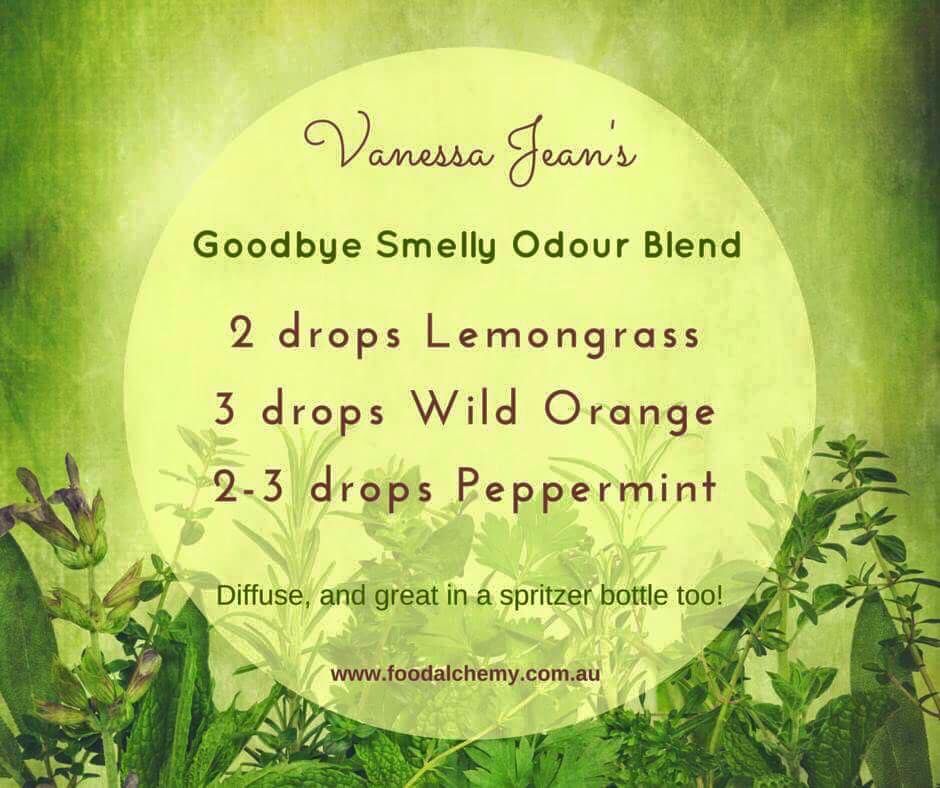
Diffuser blends have gained popularity for their ability to transform our living spaces into soothing sanctuaries. By harnessing the power of essential oils, these blends not only enhance the fragrance of a room but also promote emotional and physical well-being. The use of diffuser blends can significantly impact mood, reduce stress levels, and create a more inviting atmosphere in any environment.
A key aspect of diffuser blends is their ability to influence mood and enhance well-being through aromatherapy. Different essential oils possess unique therapeutic properties that can uplift spirits, calm anxieties, and enhance focus. For instance, citrus oils like lemon and orange are known for their energizing and uplifting qualities. Similarly, oils such as lavender and chamomile are celebrated for their calming effects, often used to alleviate stress and promote relaxation. When these oils are combined in a diffuser blend, they create a harmonious synergy that can positively affect mental and emotional states. The inhalation of these aromatic compounds sends signals to the brain, triggering responses that can help manage mood swings and improve overall mental health.
Therapeutic Properties of Essential Oils
Understanding the specific healing qualities of essential oils used in diffuser blends is crucial for maximizing their benefits. Each oil has its own unique characteristics that contribute to overall wellness. Here are some notable essential oils and their therapeutic properties:
- Lavender: Renowned for its calming effects, lavender can help reduce anxiety and improve sleep quality.
- Peppermint: This invigorating oil is great for enhancing concentration and mental clarity, making it ideal for study or work environments.
- Eucalyptus: Known for its cleansing properties, eucalyptus can help purify the air and support respiratory health.
- Tea Tree: With its antibacterial properties, tea tree oil can purify the air, enhancing the atmosphere in a space.
- Sweet Orange: This cheerful scent promotes feelings of happiness and positivity, helping to lift mood.
The use of specific diffuser blends can also greatly improve air quality and create a pleasant atmosphere. Essential oils possess natural antibacterial and antiviral properties that can purify the air, making it fresher and healthier. For example, blends containing lemon and tea tree oils can reduce airborne pathogens, while eucalyptus and peppermint oils can clear congestion and support respiratory health. Using these oils in a diffuser not only eliminates unpleasant odors but also creates an inviting and serene space that enhances relaxation and comfort.
“The right diffuser blend can transform your environment, making it a sanctuary of peace and well-being.”
How to Create Personalized Diffuser Blends
Creating personalized diffuser blends is a delightful way to enhance your living space with unique scents that tailor to your mood and needs. By mixing different essential oils, you can craft a fragrance that not only smells wonderful but also offers various therapeutic benefits. This guide will walk you through the steps to create your own custom blends, highlighting essential oils and how to modify ratios for the perfect aroma.
Step-by-Step Guide for Combining Essential Oils
Crafting your own diffuser blend is a straightforward process. Follow these steps to create a blend suited to your preferences:
1. Choose Your Base Note: Start with a base note oil, which holds the blend together and lasts the longest. Common base notes include sandalwood, cedarwood, and vanilla.
2. Select a Middle Note: Next, add a middle note that provides balance. This could be lavender, geranium, or chamomile, which help create a fuller scent profile.
3. Add Top Notes: Finally, incorporate one or two top notes that provide freshness and uplift. Citrus oils like lemon, lime, or bergamot work well here.
4. Combine and Adjust Ratios: Mix your chosen oils in a glass container. A typical ratio could be 3 parts base, 2 parts middle, and 1 part top note. Adjust these ratios based on your scent preference.
5. Test the Blend: Add a few drops of your blend to the diffuser and test the scent. If it’s too strong, dilute with a carrier oil; if too weak, add more essential oils gradually until satisfied.
Common Essential Oils and Their Properties
Understanding the properties of essential oils can significantly elevate your blending experience. Here’s a look at some popular essential oils and their characteristics:
- Lavender: Known for its calming properties, it’s perfect for relaxation and sleep.
- Peppermint: Invigorating and refreshing, it can enhance focus and boost energy.
- Tea Tree: Antimicrobial properties make it ideal for purifying the air.
- Lemon: Bright and uplifting, it can help to enhance mood and clear negativity.
- Ylang Ylang: Floral and sweet, it promotes emotional balance and is often used for stress relief.
Adjusting Ratios for Desired Scent Intensity and Effects
The intensity of your blend can be easily altered by changing the ratios of the essential oils you use. Here are tips to modify your blends effectively:
– Stronger Scent: To enhance the fragrance, increase the number of drops for top and middle notes while maintaining the base note’s proportion.
– Subdued Aroma: For a lighter scent, reduce the amount of base note oil, or increase the amount of carrier oil if you choose to dilute your blend.
– Therapeutic Effects: Focus on the properties of the oils you select. For instance, if you desire a calming blend, prioritize oils like lavender or chamomile and adjust their ratios accordingly.
Experimentation is key. Each blend can be unique, so take notes on your mixtures for future reference.
Creating personalized diffuser blends can be a joyful process, allowing you to explore various scents and their effects. The art of blending oils opens up endless possibilities for enhancing your environment and promoting well-being.
Popular Diffuser Blends for Different Occasions
Essential oils have become increasingly popular for their ability to enhance moods and create specific atmospheres. By combining various oils, you can create unique diffuser blends that cater to your specific needs. Whether you’re looking to unwind after a long day, energize your morning, or boost your productivity at work, there’s a perfect blend for every occasion.
Diffuser Blends for Relaxation
During stressful times, it’s vital to create an environment that promotes relaxation and calmness. The right blend of essential oils can help you unwind and release tension. Here are some popular diffuser blends that are particularly effective for relaxation:
- Lavender & Chamomile: This classic blend promotes tranquility and is perfect for unwinding before bedtime.
- Frankincense & Myrrh: Known for their grounding properties, these oils help soothe the mind and enhance spiritual awareness.
- Ylang Ylang & Bergamot: This uplifting combination alleviates stress and promotes feelings of happiness.
- Sandalwood & Sweet Orange: A warm and inviting blend that creates a calming environment while uplifting the spirit.
Combining relaxing oils with grounding scents can create a peaceful atmosphere during stressful times.
Energizing Diffuser Blends
Starting your day with an energizing essential oil blend can set a positive tone for the hours ahead. Using invigorating scents can enhance your morning routine or provide the motivation needed for a workout. Consider these energizing blends:
- Grapefruit & Peppermint: This refreshing duo is excellent for waking up the senses and increasing energy levels.
- Lemon & Rosemary: A zesty blend that stimulates the mind and promotes alertness, making it perfect for morning use.
- Sweet Orange & Ginger: A cheerful combination that boosts mood and invigorates the body, ideal for pre-workout sessions.
- Eucalyptus & Tea Tree: This blend not only refreshes the air but also revitalizes the mind, perfect for energizing your space.
Energizing blends can transform your morning routine and make workouts more enjoyable.
Diffuser Blends for Focus and Productivity
Creating a productive workspace often requires a conducive environment filled with scents that enhance focus and clarity. Here are some effective diffuser blends specifically designed to boost productivity:
- Lemon & Basil: This invigorating combination helps clear the mind, enhancing concentration and focus on tasks.
- Pine & Cedarwood: Grounding yet uplifting, these woods stimulate mental clarity and promote a productive atmosphere.
- Rosemary & Peppermint: A stimulating blend that sharpens the mind and enhances memory retention, ideal for studying or working.
- Lavender & Lemongrass: Balancing calming properties with a refreshing scent, this mix creates a serene yet focused workspace.
Blending essential oils that promote focus can significantly enhance your productivity levels.
The Role of Carrier Oils in Diffuser Blends
Carrier oils play a vital role in enhancing the effectiveness of diffuser blends by acting as a medium to dilute essential oils. While essential oils possess remarkable aromatic and therapeutic properties, they are potent substances that require careful handling. By combining essential oils with carrier oils, users can achieve a safer and more balanced experience, allowing the aromatic benefits to be more accessible and enjoyable.
Carrier oils not only dilute the concentrated essential oils but also contribute their unique properties to the blend. Each carrier oil has distinct fatty acid profiles, scents, and absorption rates that can enhance the overall experience of the diffuser blend. The following section compares various carrier oils commonly used in diffuser blends, showcasing their unique properties and benefits.
Comparison of Carrier Oils
When selecting a carrier oil for diffuser blends, it’s essential to consider their properties and benefits. Below are some of the most popular carrier oils along with their notable characteristics:
- Sweet Almond Oil: Rich in vitamin E and known for its light texture, sweet almond oil is excellent for moisturizing and soothing the skin. Its mild scent pairs well with many essential oils, making it a versatile choice.
- Coconut Oil: With its tropical aroma and moisturizing properties, coconut oil is a favorite among many users. It has a solid structure at room temperature but melts easily, allowing for quick mixing with essential oils.
- Jojoba Oil: Known for its similarity to the skin’s natural sebum, jojoba oil is perfect for those with sensitive skin. It has antioxidant properties and absorbs quickly, leaving no greasy residue.
- Grapeseed Oil: A lightweight oil that is rich in linoleic acid, grapeseed oil is ideal for oily or acne-prone skin. It has a neutral scent and blends well with a variety of essential oils.
- Avocado Oil: Thick and nutrient-rich, avocado oil is excellent for dry skin types. Its fatty acids and vitamins can help nourish and heal the skin while providing a smooth base for essential oils.
Proper dilution of essential oils with carrier oils is crucial for safe and effective use. Essential oils should generally be diluted before use in diffusers or skin applications, as this minimizes the risk of irritation and enhances the oils’ application. A common guideline for dilution is to use a ratio of 1 to 2 drops of essential oil per teaspoon of carrier oil for topical applications. This ensures an effective blend that maintains the efficacy of the essential oils without overwhelming the senses or causing skin reactions.
For diffuser blends, a general guideline is to mix 5 to 10 drops of essential oil with a tablespoon of carrier oil before adding it to the diffuser.
In summary, understanding the role of carrier oils in diffuser blends not only improves the safety of using essential oils but also maximizes their aromatic and therapeutic benefits. Selecting the right carrier oil and diluting essential oils appropriately can enhance the overall experience and effectiveness of your diffuser blends.
Safety Precautions When Using Diffuser Blends
Safety is paramount when using diffuser blends, especially in households with children and pets. Essential oils, while natural, can pose risks if not used correctly. Understanding these risks and implementing proper safety measures can enhance your aromatherapy experience while keeping your loved ones safe.
Essential Safety Guidelines for Children and Pets
When using diffuser blends around children and pets, it is crucial to adhere to specific safety guidelines to prevent any adverse reactions. Essential oils can be potent, and their effects on smaller bodies can be significantly different from adults. Consider the following points:
- Ensure proper ventilation in the area where the diffuser is used. This helps to disperse the oils and reduce the concentration in the air.
- Keep diffusers out of reach of children and pets to prevent accidental spills or ingestion of oils.
- Avoid using oils that are known to be toxic to pets, such as tea tree, eucalyptus, and citrus oils. Always research the safety of specific oils before use.
- Limit the duration of diffusion. Short bursts of aroma are often sufficient and less likely to cause irritation or discomfort.
Potential Allergic Reactions and Testing Essential Oils
Allergic reactions to essential oils are a real possibility, which makes testing oils before full use essential. Each individual can react differently to specific oils, making a patch test a critical step. Here’s how to proceed with testing:
- Dilute a small amount of the essential oil with a carrier oil, such as coconut or jojoba oil, before applying it to a small area of skin, like the inner forearm.
- Observe the area for 24 hours for any signs of redness, itching, or irritation. If any adverse reaction occurs, discontinue use immediately.
- Keep in mind that some individuals may experience respiratory irritation or headaches from certain oils when diffused. It’s essential to note any symptoms and adjust usage accordingly.
Precautions When Blending Oils
Certain essential oils can cause skin irritation or negative reactions when blended improperly. It’s important to take precautions to ensure a safe and pleasant experience. Consider the following guidelines:
- Research each oil’s properties and potential interactions before blending. Some oils may enhance or negate the effects of others.
- Be cautious with phototoxic oils, like bergamot and lime, as they can cause skin reactions when exposed to sunlight after application.
- Always use the correct dilution ratios when blending oils for diffusion. A general rule is to mix 3-5 drops of essential oil per 100ml of water in the diffuser.
- Store oils properly in dark glass bottles to protect them from light and heat, which can degrade their quality and potency.
“Proper safety measures ensure a beneficial experience with diffuser blends, protecting the health of both children and pets.”
Seasonal Diffuser Blends for Year-Round Enjoyment
The changing of seasons brings along a wonderful opportunity to refresh our surroundings with seasonal scents. By incorporating various essential oils into diffuser blends, we can create inviting atmospheres that resonate with the essence of each time of year. These seasonal blends not only uplift our spirits but also enhance our emotional and physical well-being by evoking the feelings that each season represents.
Creating seasonal diffuser blends involves combining essential oils that reflect the scents of each season. This practice can transform any space into a cozy retreat or a refreshing oasis, depending on the time of year. The right blend can invigorate your senses, calm your mind, and even inspire festive celebrations as the seasons change.
Seasonal Diffuser Blends
Here is a list of seasonal diffuser blends that capture the essence of each season, including the aromatic oils that define them:
- Spring Blend: Combine 3 drops of Lavender, 2 drops of Lemon, and 2 drops of Peppermint. This blend embodies the freshness of blooming flowers and the rejuvenation of nature.
- Summer Blend: Mix 4 drops of Sweet Orange, 2 drops of Eucalyptus, and 1 drop of Geranium. This vibrant combination evokes warmth and sunshine, perfect for lively gatherings.
- Autumn Blend: Use 3 drops of Cinnamon, 3 drops of Clove, and 2 drops of Orange. This aromatic mix brings warmth and comfort, reminiscent of cozy evenings and festive celebrations.
- Winter Blend: Blend 4 drops of Pine, 2 drops of Cedarwood, and 2 drops of Frankincense. This earthy fragrance captures the essence of winter forests and adds a sense of tranquility to your space.
Incorporating seasonal scents into diffuser blends not only enhances your environment but also creates a festive atmosphere year-round. For special occasions, you can adjust these blends slightly—for instance, adding a touch of peppermint during the winter holidays or a splash of grapefruit in the summer for a refreshing twist.
Additionally, using seasonal blends can evoke specific feelings associated with each time of year, enhancing your overall mood and well-being. For example, the invigorating scents of spring can inspire energy and creativity, while the warm aromas of autumn can promote feelings of comfort and nostalgia. By adapting your diffuser blends to reflect the seasons, you can create an ambiance that aligns with both your emotional state and the natural changes around you.
“Scents have a powerful ability to evoke memories and feelings, making seasonal blends a delightful way to experience the essence of each season.”
Exploring DIY Diffuser Blend Recipes
Creating your own diffuser blends at home can be a fun and rewarding experience. Not only do you get to customize scents according to your unique preferences, but you also have the opportunity to experiment with various essential oils to craft blends that promote relaxation, energy, or focus. This section offers a variety of DIY diffuser blend recipes, helpful tips on scent experimentation, and guidance on labeling and storing your homemade creations.
Experimenting with different scents is key to discovering unique combinations that resonate with your mood and environment. Essential oils each carry distinct properties, and blending them can yield surprising and delightful results. Make it a practice to note down your experiences with different combinations to refine your recipes over time.
DIY Diffuser Blend Recipes
Here are some delightful diffuser blend recipes that you can easily make at home. Each blend includes a list of essential oils and their beneficial properties.
- Calming Lavender Blend
- 3 drops of Lavender essential oil
- 2 drops of Bergamot essential oil
- 1 drop of Frankincense essential oil
This blend is perfect for creating a serene atmosphere, ideal for relaxation and winding down after a long day.
- Invigorating Citrus Blend
- 4 drops of Sweet Orange essential oil
- 3 drops of Lemon essential oil
- 2 drops of Grapefruit essential oil
Use this blend to uplift your mood and energize your space, great for morning routines or during work hours.
- Soothing Earthy Blend
- 3 drops of Cedarwood essential oil
- 2 drops of Patchouli essential oil
- 2 drops of Sandalwood essential oil
This blend promotes grounding and calm, making it an excellent choice for meditation or yoga sessions.
- Floral Serenity Blend
- 3 drops of Ylang Ylang essential oil
- 2 drops of Geranium essential oil
- 2 drops of Rose essential oil
This floral combination is perfect for creating a romantic ambiance or for moments of self-care.
Labeling and storing your homemade diffuser blends properly can help maintain their potency and ensure easy access when you need them. Use small glass bottles or roller bottles to store your blends, as they prevent light exposure and degradation of the oils. It’s a good practice to label each bottle with the blend name and date, along with a small description of its intended use. Consider using a color-coded system for different scent profiles or moods.
By taking the time to explore these DIY recipes and understanding the properties of different essential oils, you can create a personalized aromatic experience that enhances your well-being and elevates your space.
Closing Summary
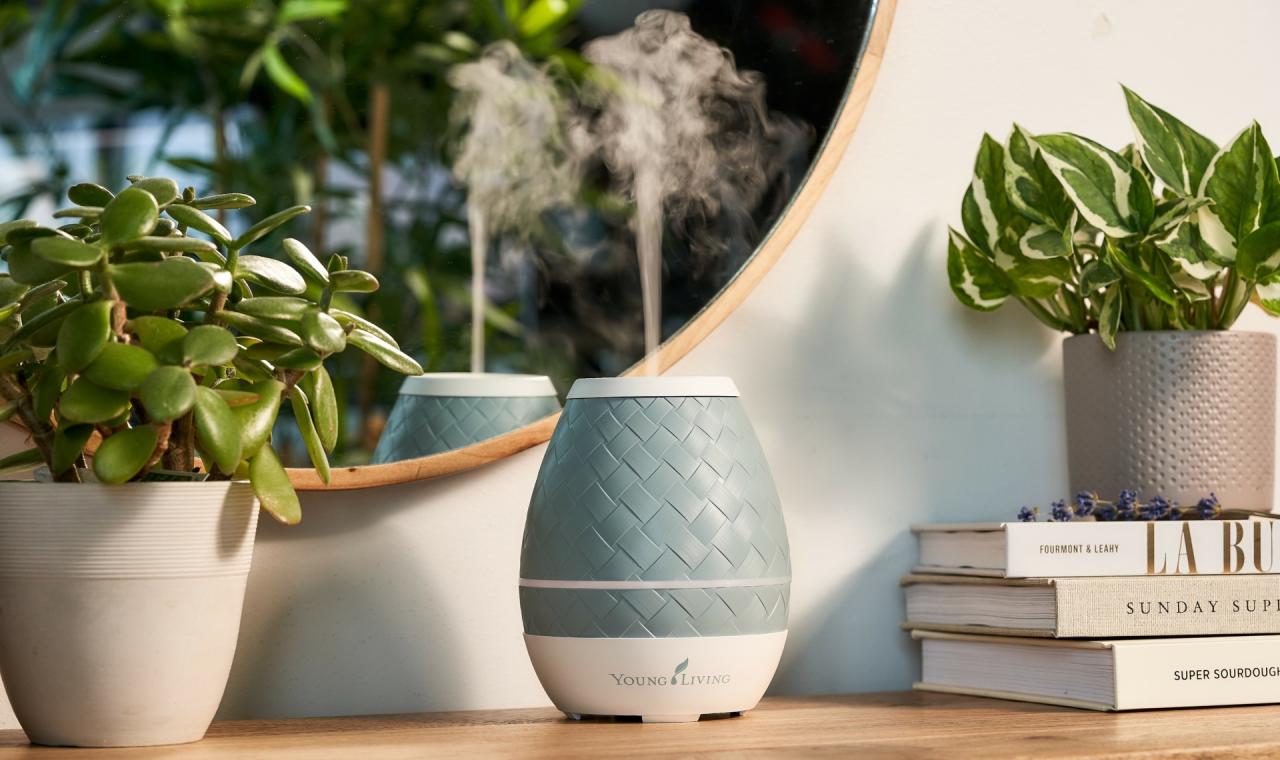
In summary, diffuser blends offer a wonderful way to enhance your daily life, creating a sensory experience that promotes well-being and tranquility. By exploring various blends, experimenting with DIY recipes, and incorporating seasonal scents, you can personalize your space and elevate your mood. So go ahead, embrace the power of diffuser blends, and let them enrich your moments with joy and serenity.
Detailed FAQs
What are diffuser blends made of?
Diffuser blends typically consist of a combination of essential oils that are chosen for their aromatic properties and therapeutic benefits.
Can diffuser blends help with sleep?
Yes, blends containing calming oils like lavender and chamomile can promote relaxation and improve sleep quality.
How long do diffuser blends last?
The duration of a diffuser blend’s aroma can vary, but generally, they last anywhere from 4 to 8 hours depending on the oil concentration and diffuser type.
Are there diffuser blends safe for pets?
Some blends can be safe for pets, but it’s crucial to research specific oils as many essential oils can be harmful to animals.
How often should I change the water in my diffuser?
It’s recommended to change the water and clean your diffuser after each use or at least once a week to maintain optimal performance and hygiene.