
 Penelope Hailey
Cinnamon oil, derived from the bark of the cinnamon tree, has been cherished throughout history for its rich aroma and myriad uses. From ancient Egyptian embalming practices to traditional Chinese medicine, this aromatic oil has played a vital role in various cultures around the globe. Its unique properties have made it a staple in both culinary and medicinal applications, leading to a fascinating legacy that continues to influence our lives today.
As we dive deeper into the world of cinnamon oil, we will explore its historical significance, the extraction processes involved, chemical compositions, and the health benefits it offers. Discovering how this ancient oil has evolved and its relevance in contemporary settings will surely ignite your curiosity about its many facets.
The Historical Significance of Cinnamon Oil
Cinnamon oil, derived from the bark of the cinnamon tree, has captivated civilizations for thousands of years. This aromatic oil has not only been used for culinary purposes but also held tremendous cultural and medicinal significance across various societies. Ancient records and artifacts illustrate its extensive use, showcasing how it has woven itself into the fabric of history.
In ancient Egypt, cinnamon was highly valued as a sacred herb, often included in embalming mixtures. The Ebers Papyrus, a medical papyrus dating back to around 1550 BCE, contains references to cinnamon as an essential ingredient in various remedies and perfumes. Moreover, it was used in religious rituals and offerings, reinforcing its importance in both daily life and spiritual practices. This practice highlights the enduring belief in the healing properties of cinnamon oil, a perception that has persisted into modern times.
Additionally, in traditional Chinese medicine, which dates back over 2,000 years, cinnamon oil was recognized for its warming properties, believed to aid in circulation and digestion. The ancient text, “Shennong Bencao Jing,” a classic Chinese herbal medicine book, documents the oil’s therapeutic benefits, establishing its role in holistic health practices.
Cinnamon’s trade history is equally fascinating. The spice was once more valuable than gold, sought after by traders from various parts of the world, including the Mediterranean and Asia. Ancient texts, such as “The Periplus of the Erythraean Sea,” describe the bustling trade routes connecting these regions, where cinnamon oil was a prized commodity.
The historical applications of cinnamon oil have influenced modern usage significantly. Today, its antimicrobial properties are recognized in the fields of aromatherapy and natural health remedies. The warm, spicy scent is utilized in diffusers and candles, promoting mental clarity and well-being. Furthermore, its culinary applications remain popular, from flavoring to preservation, reinforcing cinnamon oil’s enduring legacy as a beloved and versatile ingredient.
The Extraction Process of Cinnamon Oil
Cinnamon oil is prized for its aromatic properties and potential health benefits, making its extraction an important topic for enthusiasts and producers alike. Understanding the extraction methods can illuminate the nuances of flavor and quality that different processes yield, and help individuals choose the best approach for their needs.
Steam distillation and solvent extraction are the two primary methods used to obtain cinnamon oil, each with its unique advantages and drawbacks. The choice of extraction method can significantly influence the quality, purity, and cost of the final product.
Steam Distillation Method
Steam distillation is the most widely used method for extracting essential oils, including cinnamon oil. This process involves passing steam through cinnamon bark, which releases the oil. The steam and oil vapors are then cooled and condensed back into liquid form, separating the oil from the water.
The pros of steam distillation include:
- Produces high-quality oil with a more complex aroma profile.
- Maintains the integrity of the oil’s chemical components.
- Environmentally friendly, as it does not require the use of harmful solvents.
However, there are also cons to consider:
- Requires specialized equipment, which can be expensive.
- Time-consuming process compared to other methods.
- May not extract all components of the oil, leading to lower yields.
Solvent Extraction Method
Solvent extraction uses chemical solvents to dissolve the essential oils from the cinnamon bark. After soaking the bark in a solvent such as hexane or ethanol, the mixture is filtered, and the solvent is evaporated, leaving behind the oil.
The advantages of solvent extraction include:
- Can extract a broader range of compounds, offering a more complete oil profile.
- Generally results in higher yields compared to steam distillation.
- Less expensive and more accessible for small-scale producers.
Conversely, there are notable downsides:
- Potential residual solvents may compromise the oil’s purity and safety.
- Less favored for therapeutic uses due to chemical contamination risks.
- Can alter the natural aroma and flavor profile of cinnamon oil.
Home Extraction Guide
Extracting cinnamon oil at home can be a delightful and rewarding process. Here’s a simple method using steam distillation that you can follow safely.
1. Gather Materials: You will need fresh cinnamon bark (or dried), a pot with a lid, a heat source, a bowl for condensation, and ice.
2. Prepare the Setup: Place the cinnamon bark in the pot and add enough water to cover it. Set the bowl in the pot to catch the oil and place ice on top of the lid to facilitate condensation.
3. Heat the Mixture: Turn on the heat and bring the water to a gentle boil. The steam will rise, carrying the cinnamon oil with it.
4. Condense the Vapors: As the steam hits the cold lid, it will condense and drop into the bowl. This liquid will contain both water and cinnamon oil.
5. Separate the Oil: After cooling, carefully separate the oil from the water, which may float on top.
6. Store Safely: Transfer the extracted cinnamon oil to a dark glass bottle and store it in a cool, dark place to preserve its quality.
With careful attention to detail and safety, home extraction of cinnamon oil can yield a fragrant and potentially beneficial product.
The Chemical Composition of Cinnamon Oil
Cinnamon oil is a fragrant essential oil extracted from the bark or leaves of the cinnamon tree. The oil is known for its distinctive sweet and warm aroma, as well as its numerous health benefits. Understanding its chemical composition is vital for appreciating its properties and applications in aromatherapy, culinary uses, and traditional medicine.
The principal compounds found in cinnamon oil contribute not only to its distinctive scent and flavor but also to its therapeutic properties. The primary constituents include cinnamaldehyde, eugenol, and linalool, among others. These compounds play a crucial role in defining the oil’s character and functionality.
Primary Chemical Compounds
The following are the key chemical constituents of cinnamon oil, highlighting their significance in aroma, flavor, and health benefits:
- Cinnamaldehyde: This compound is the most abundant in cinnamon oil, accounting for about 50-70% of its composition. It imparts the characteristic sweet and spicy aroma and is known for its antimicrobial and anti-inflammatory properties. Cinnamaldehyde has been studied for its potential to regulate blood sugar levels and improve insulin sensitivity.
- Eugenol: Present in smaller quantities, eugenol contributes to the warm, clove-like scent of cinnamon oil. It possesses analgesic and antiseptic properties, making it useful in dental care. Eugenol also enhances the flavor profile of cinnamon oil, providing a unique depth to culinary applications.
- Linalool: Found in various essential oils, linalool gives cinnamon oil a floral undertone. Its calming effects are recognized in aromatherapy, where it is used to reduce stress and anxiety. Additionally, linalool exhibits anti-inflammatory and antioxidant characteristics.
- Camphor: Although present in smaller amounts, camphor adds a fresh, penetrating note to cinnamon oil. It is known for its stimulating and invigorating properties and is often used in respiratory therapies.
The following table compares the chemical composition of different types of cinnamon oil, emphasizing their varying compositions and properties:
| Type of Cinnamon Oil | Main Compounds | Typical Composition (%) | Aroma Profile | Health Benefits |
|---|---|---|---|---|
| Ceylon Cinnamon Oil | Cinnamaldehyde, Eugenol, Linalool | 60-80% Cinnamaldehyde, 2-5% Eugenol | Sweeter and milder | Antimicrobial, antioxidant |
| Cassia Cinnamon Oil | Cinnamaldehyde, Coumarin | 70-90% Cinnamaldehyde, 5% Coumarin | Stronger and spicier | Blood sugar regulation |
| Saigon Cinnamon Oil | Cinnamaldehyde, Eugenol | 85% Cinnamaldehyde, 5-10% Eugenol | Rich and intense | Anti-inflammatory, pain relief |
In summary, the rich chemical composition of cinnamon oil not only contributes to its delightful aroma and flavor but also offers a variety of health benefits that have been recognized throughout history. Each compound plays a unique role in enhancing the oil’s overall efficacy and versatility in both culinary and medicinal contexts.
Health Benefits Attributed to Cinnamon Oil
Cinnamon oil, derived from the bark of the cinnamon tree, is renowned not only for its aromatic qualities but also for its numerous health benefits. Used in traditional medicine for centuries, it has gained attention in modern wellness circles for its potential therapeutic properties. Various studies have explored the implications of cinnamon oil in promoting health and wellness.
Antioxidant Properties
Cinnamon oil is rich in antioxidants, which play a crucial role in protecting the body from oxidative stress and free radical damage. Antioxidants help mitigate the risk of chronic diseases and support overall health. Research published in the journal *Food Chemistry* highlights that cinnamon oil contains high levels of polyphenols, which are potent antioxidants that can help neutralize harmful free radicals in the body.
Anti-Inflammatory Effects
The anti-inflammatory properties of cinnamon oil are significant, aiding in the reduction of inflammation in the body. A study in the *Journal of Inflammation* found that cinnamon oil could inhibit the production of inflammatory markers, making it beneficial for conditions like arthritis and other inflammatory diseases. The presence of compounds such as cinnamaldehyde contributes to this effect, providing relief from swelling and pain.
Antimicrobial Activity
Cinnamon oil has demonstrated strong antimicrobial properties, effective against a variety of pathogens including bacteria and fungi. Research published in the *International Journal of Antimicrobial Agents* shows that cinnamon oil exhibits activity against strains such as E. coli and Staphylococcus aureus. This makes it a valuable addition to natural remedies for fighting infections and promoting oral health.
Blood Sugar Regulation
Another noteworthy benefit of cinnamon oil is its potential role in regulating blood sugar levels. A study in the *Journal of Diabetes Science and Technology* revealed that cinnamon oil can improve insulin sensitivity and lower blood sugar levels in individuals with type 2 diabetes. This effect is attributed to its ability to enhance glucose metabolism, making it a supportive measure for those managing diabetes.
Potential Side Effects and Contraindications
While cinnamon oil offers numerous health benefits, it is essential to be aware of potential side effects and contraindications. Some individuals may experience allergic reactions or skin irritation when using cinnamon oil topically. Ingesting high doses can lead to nausea, vomiting, or liver damage due to high levels of coumarin found in some cinnamon varieties. Pregnant and breastfeeding women, as well as individuals on certain medications, should consult a healthcare professional before using cinnamon oil to avoid adverse interactions or side effects.
The Role of Cinnamon Oil in Aromatherapy
Cinnamon oil, derived from the bark or leaves of the cinnamon tree, has been cherished for centuries not only for its delightful aroma but also for its therapeutic properties. Within the realm of aromatherapy, it serves as a powerful tool to enhance emotional well-being and promote a soothing atmosphere.
Cinnamon oil plays a significant role in aromatherapy by acting as a mood enhancer and a stress reliever. Its warm, spicy scent is known to evoke feelings of comfort and warmth, helping to alleviate anxiety and depression. The oil can stimulate the release of serotonin, a chemical that contributes to feelings of happiness and relaxation. This makes it a great option for those seeking to uplift their spirits or foster a tranquil environment.
Incorporating Cinnamon Oil into Diffusers and Massage Oils
Using cinnamon oil in various applications can enhance its benefits. Here are some effective methods to incorporate this essential oil into your daily routine:
To start, using a diffuser is one of the simplest ways to enjoy the calming effects of cinnamon oil. A few drops can create a cozy atmosphere. Here’s how to blend it effectively:
– Fill the diffuser with water according to the manufacturer’s instructions.
– Add 3-5 drops of cinnamon oil to the water.
– Turn on the diffuser and let the aroma fill the space.
For those interested in massage, cinnamon oil can be combined with carrier oils to enhance relaxation. Follow these steps to make a soothing massage oil:
– Choose a carrier oil such as coconut or sweet almond oil.
– Mix 2-3 drops of cinnamon oil with 1 tablespoon of your chosen carrier oil.
– Apply to the skin using gentle, circular motions for a calming massage experience.
“I started using cinnamon oil in my diffuser during stressful work hours, and the warmth of its scent instantly calms my mind and boosts my productivity.” – A satisfied user
In summary, cinnamon oil enriches aromatherapy practices by promoting a positive mood and creating a peaceful environment. Its versatility in applications, such as diffusing and massage, enhances its effectiveness and provides various health benefits.
Culinary Uses of Cinnamon Oil
Cinnamon oil is a versatile ingredient that transcends cultural boundaries, enhancing flavors in a variety of dishes across the globe. Its aromatic profile and warm, spicy flavor make it a favorite in both sweet and savory cuisines, providing depth and complexity to recipes. Understanding its culinary applications can inspire home cooks and chefs alike, encouraging them to experiment with this unique oil.
Cinnamon oil is used in an array of traditional dishes, particularly in regions where cinnamon is a staple spice. Its concentrated flavor means that only a few drops can impart significant taste, making it an efficient choice for flavoring. In addition to its use in cooking, cinnamon oil is also celebrated for its potential health benefits, such as anti-inflammatory properties, which further enhances its appeal in culinary practices.
Cinnamon Oil in Various Cuisines
Cinnamon oil finds its way into numerous culinary traditions worldwide. Below is a table showcasing different cuisines and their uses of cinnamon oil, illustrating the diverse applications of this aromatic oil.
| Cuisine | Uses of Cinnamon Oil |
|---|---|
| Indian | Incorporated into curries, biryanis, and chai for warmth and depth. |
| Middle Eastern | Enhances rice dishes, stews, and desserts such as baklava. |
| Mexican | Used in mole sauces and traditional hot chocolate for a hint of spice. |
| Western | Flavoring in baked goods like cookies, cakes, and breakfast dishes such as oatmeal. |
| Chinese | Added to savory dishes like braised meats and stir-fries, contributing to complex flavors. |
Cinnamon oil can be seamlessly integrated into various recipes, enhancing both flavor and aroma. Here are a couple of recipes that effectively showcase the use of cinnamon oil:
1. Cinnamon Oil Infused Hot Chocolate
– Ingredients:
– 2 cups milk (or milk alternative)
– 2 tablespoons cocoa powder
– 1 tablespoon sweetener (sugar or honey)
– 2-3 drops of cinnamon oil
– Instructions:
– In a saucepan, heat the milk over medium heat.
– Whisk in cocoa powder and sweetener until fully combined.
– Add cinnamon oil, stir thoroughly, and serve warm.
2. Cinnamon Oil Spiced Apple Crisp
– Ingredients:
– 4 cups sliced apples
– 1 cup oats
– 1/2 cup brown sugar
– 2-3 drops of cinnamon oil
– 1/4 cup melted butter
– Instructions:
– Preheat the oven to 350°F (175°C).
– Toss apple slices with cinnamon oil and place in a baking dish.
– Mix oats, brown sugar, and melted butter, then sprinkle over apples.
– Bake for 30-35 minutes until golden and bubbly.
In these recipes, the use of cinnamon oil not only enhances the flavors but also adds a unique aromatic quality that elevates the dining experience. By incorporating cinnamon oil into your culinary repertoire, you can explore a new dimension of flavor in your cooking.
The Environmental Impact of Cinnamon Oil Production

Cinnamon oil production carries significant implications for the environment, particularly regarding sustainability practices and the ecological footprint of cultivation methods. This exploration delves into how cinnamon is sourced, the areas affected by large-scale farming, and how consumers can make informed choices to support sustainable practices in the cinnamon oil industry.
Sustainability Practices in Cinnamon Cultivation
Sustainable practices in cinnamon cultivation focus on minimizing environmental impact while ensuring the socioeconomic benefits for local communities. Farming methods that promote the health of the ecosystem can include agroforestry, organic farming, and the use of integrated pest management. These methods aim to conserve soil health, promote biodiversity, and reduce chemical inputs.
“Agroforestry combines agriculture with forestry, creating a more resilient ecosystem.”
Some sustainable practices include:
- Utilizing organic fertilizers and pest control methods that do not harm the environment.
- Implementing crop rotation to preserve soil nutrients and prevent erosion.
- Maintaining shade-grown cinnamon trees, which support biodiversity and prevent deforestation.
Environmental Implications of Large-Scale Cinnamon Farming
Large-scale cinnamon farming can lead to deforestation, loss of biodiversity, and disruptions in local ecosystems. When forests are cleared for monoculture plantations, the habitat for numerous species is lost, causing a decline in flora and fauna diversity. Additionally, chemical runoff from fertilizers and pesticides can contaminate nearby water sources, affecting both wildlife and local communities.
“Deforestation for cinnamon plantations not only threatens biodiversity but also contributes to climate change.”
The consequences of these practices are profound, including:
- Increased soil erosion due to the lack of tree cover.
- Contribution to greenhouse gas emissions from land-use changes.
- Decreased availability of clean water due to pollution and altered water cycles.
Choosing Sustainably Sourced Cinnamon Oil
Consumers play a crucial role in promoting sustainable practices through their purchasing decisions. When selecting cinnamon oil, look for certifications that indicate sustainable sourcing. Labels such as Fair Trade, Rainforest Alliance, or USDA Organic can guide consumers to products that adhere to environmentally friendly practices.
“Supporting certified products helps ensure that cinnamon oil is sourced responsibly.”
Additionally, consider the following when purchasing cinnamon oil:
- Research brands that prioritize ethical sourcing and environmental stewardship.
- Seek out local suppliers who promote small-scale farming and sustainable practices.
- Engage with companies that transparently share their sourcing and production methods.
Cinnamon Oil in Skin Care and Beauty Products
Cinnamon oil has gained popularity in the skincare and beauty industry due to its remarkable properties that can benefit various skin types. Known for its warming and stimulating abilities, cinnamon oil promotes better circulation and can contribute to healthier skin. Its natural antimicrobial properties also make it an excellent choice for those seeking to enhance their skincare routines.
Cinnamon oil can be particularly beneficial in addressing issues such as acne, uneven skin tone, and signs of aging. Its antioxidant-rich composition combats free radicals, promoting a youthful appearance. Additionally, its anti-inflammatory properties can soothe irritated skin, making it suitable for sensitive skin types when properly diluted. However, it is essential to understand how to incorporate it effectively into your beauty regimen.
Uses of Cinnamon Oil in Skin Care Routines
Cinnamon oil can be used in various ways within skincare routines, and its applications can enhance the efficacy of homemade beauty products. Here are some common uses and benefits:
- Acne Treatment: Cinnamon oil’s antimicrobial properties help reduce acne-causing bacteria and can aid in healing existing blemishes.
- Exfoliation: When combined with natural exfoliants, it can assist in removing dead skin cells, revealing brighter skin underneath.
- Moisturizing: Its warming effect can stimulate blood flow, which may enhance the absorption of moisturizers when used in facial oils or creams.
- Skin Brightening: Cinnamon oil can help to even out skin tone and reduce dark spots, making it a popular choice in serums.
Guide for Creating Homemade Beauty Products with Cinnamon Oil
Making your own beauty products with cinnamon oil is not only easy but also allows for customization based on your skin’s needs. Here’s a simple guide to create a few effective products:
1. Cinnamon Oil Face Mask:
– Combine 1 tablespoon of honey with 2 drops of cinnamon oil and apply to clean skin. Leave it on for 10-15 minutes and rinse with warm water.
– Benefits: Nourishes the skin while the cinnamon oil helps reduce inflammation.
2. Cinnamon Oil Scrub:
– Mix 1 cup of brown sugar, 1/2 cup of coconut oil, and 5 drops of cinnamon oil. Use it as a body scrub in the shower.
– Benefits: Exfoliates dead skin and helps with circulation.
3. Cinnamon Oil Infused Facial Oil:
– Combine 2 tablespoons of jojoba oil with 3 drops of cinnamon oil and apply to the face as a moisturizer.
– Benefits: Hydrates the skin while promoting a healthy glow.
Comparison of Commercial Products with Cinnamon Oil
Several commercial beauty products leverage the benefits of cinnamon oil. Here is a comparison of a few notable options highlighting their attributes:
| Product Name | Type | Key Benefits |
|---|---|---|
| Cinnamon & Honey Face Mask by XYZ Brand | Face Mask | Deep hydration and acne-fighting properties. |
| Exfoliating Scrub with Cinnamon by ABC Company | Body Scrub | Removes dead skin cells and enhances circulation. |
| Cinnamon Infused Facial Oil by DEF Skincare | Facial Oil | Promotes a radiant complexion and reduces dryness. |
These products effectively incorporate cinnamon oil’s benefits, providing consumers with options that can suit various skincare needs. When selecting commercial products, it’s beneficial to consider your skin type and specific concerns to make the best choice.
Myths and Misconceptions Surrounding Cinnamon Oil
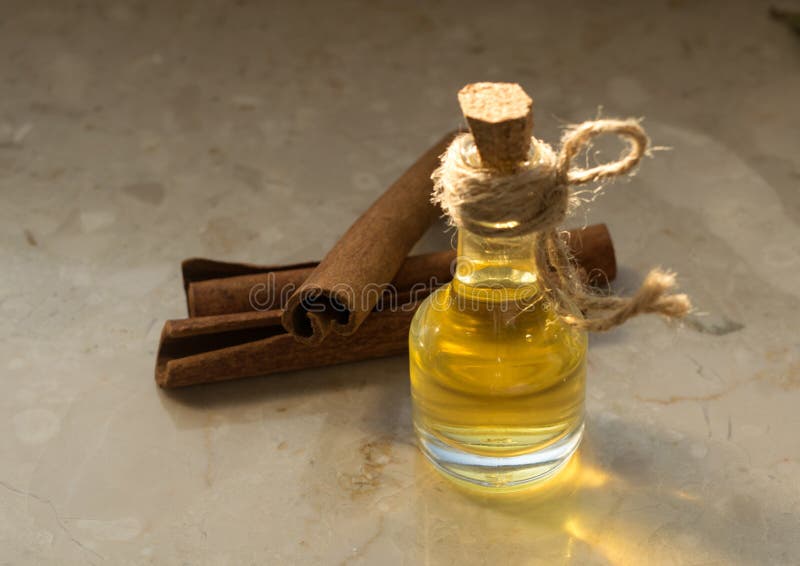
Cinnamon oil has gained popularity for its numerous health benefits, but with that popularity comes a host of myths and misconceptions that can mislead consumers. Understanding these myths is crucial to appreciating the true value of cinnamon oil and harnessing its potential effectively. Here, we explore some of the most common misunderstandings about cinnamon oil, their origins, and the facts that debunk them.
Common Myths About Cinnamon Oil
Despite its many uses, several myths have emerged around cinnamon oil, often stemming from misinformation or misinterpretations of its properties. It’s important to clarify these misconceptions so that individuals can make informed choices about its usage.
- Myth: Cinnamon oil is only good for flavoring food. This belief diminishes the medicinal qualities of cinnamon oil, which include anti-inflammatory, anti-fungal, and anti-bacterial properties. Traditional medicine has utilized cinnamon for centuries beyond culinary purposes.
- Myth: All cinnamon oil is the same. There are different types of cinnamon oil, primarily Ceylon and Cassia. Ceylon cinnamon oil is considered superior due to its lower coumarin content, which can be harmful in large doses. Misunderstanding this distinction can lead to misinformed purchases.
- Myth: Cinnamon oil can cure serious health conditions. While cinnamon oil has various health benefits, it should not replace conventional medical treatments. Anecdotal stories might suggest miraculous cures, but they often lack scientific backing.
- Myth: Cinnamon oil has no side effects. Like any essential oil, cinnamon oil can cause skin irritation or allergic reactions in some individuals. It’s essential to use it with caution and perform patch tests before applying it topically.
The origins of these myths can often be traced back to anecdotal evidence or oversimplified interpretations of research. For example, the misconception that cinnamon oil can cure diseases may arise from personal testimonies that overlook the complexity of health conditions and treatments.
“Understanding the truth about cinnamon oil is essential for maximizing its benefits while minimizing risks.”
Anecdotal evidence can often be compelling; for example, a story circulated about a woman who claimed cinnamon oil helped her manage her diabetes more effectively. While such accounts can inspire others, they should not be seen as substitutes for scientific studies or medical advice. It is crucial to differentiate between personal experiences and clinically validated facts.
In conclusion, educating oneself about the actual properties of cinnamon oil can help dispel myths and lead to more effective and safer usage.
Future Trends in Cinnamon Oil Usage
The landscape of cinnamon oil usage is rapidly evolving, driven by emerging research, consumer preferences, and innovative production methods. As awareness about essential oils and their benefits continues to grow, cinnamon oil is poised to find new applications across various sectors. This segment explores potential future trends that may shape the market and applications of cinnamon oil.
Innovations in cinnamon oil production and its applications are increasingly evident as industries strive for efficiency and sustainability. With advancements in extraction technologies and a push towards organic farming, the quality and accessibility of cinnamon oil are expected to improve. Additionally, the health and wellness sectors are beginning to incorporate cinnamon oil into products ranging from dietary supplements to skincare, reflecting a broader trend towards natural remedies.
Emerging Applications of Cinnamon Oil
The anticipated applications of cinnamon oil are diverse and indicative of its versatility. Below is a summary of potential future applications based on current trends:
| Sector | Potential Applications |
|---|---|
| Health |
|
| Food and Beverage |
|
| Wellness |
|
“Cinnamon oil’s application extends beyond flavoring; its potential as a natural remedy is garnering attention in multiple industries.”
Ultimate Conclusion
In conclusion, cinnamon oil stands as a testament to the enduring power of nature in our modern lifestyle. From its historical roots to its contemporary applications in health and wellness, this aromatic oil has proven to be both versatile and beneficial. As new trends emerge, the wisdom of past uses continues to inspire innovative ways to integrate cinnamon oil into our daily routines. Embrace the enchanting world of cinnamon oil and let its rich heritage enhance your life.
Top FAQs
What are the main uses of cinnamon oil?
Cinnamon oil is commonly used in aromatherapy, cooking, skincare, and as a natural remedy for various ailments.
Can cinnamon oil be ingested?
Yes, but it should be used sparingly and preferably under the guidance of a healthcare professional to avoid potential side effects.
Is cinnamon oil safe for all skin types?
While generally safe, cinnamon oil can cause irritation for those with sensitive skin; a patch test is recommended before use.
How should cinnamon oil be stored?
Store cinnamon oil in a cool, dark place, away from direct sunlight, to maintain its potency and shelf life.
Can cinnamon oil be used for hair care?
Yes, it can aid in promoting a healthy scalp and may help with dandruff when diluted properly in carrier oils.