
 Penelope Hailey
Tea tree oil is more than just an essential oil; it’s a remarkable natural remedy known for its numerous benefits. Extracted from the leaves of the Melaleuca alternifolia plant, this oil has been utilized for centuries, particularly by Indigenous Australians, for its healing properties. Today, it has gained popularity in modern skincare and holistic health practices, making it a staple in many households.
From its rich historical background to its chemical composition that boasts powerful antimicrobial and anti-inflammatory properties, tea tree oil continues to capture the interest of health enthusiasts and skincare aficionados alike. With its incorporation in various products and DIY home remedies, understanding how to use tea tree oil safely and effectively is essential for reaping its benefits.
The origins and historical uses of tea tree oil
Tea tree oil, derived from the leaves of the Melaleuca alternifolia plant, boasts a rich history and cultural significance, especially among Indigenous Australians. This extraordinary oil has been utilized for centuries, celebrated for its remarkable therapeutic properties and traditional uses in healing practices.
The extraction of tea tree oil involves a meticulous steam distillation process, which ensures the preservation of its potent compounds. The leaves of the Melaleuca alternifolia are harvested and subjected to steam, which releases the essential oil. The vapor then condenses and is collected, yielding a clear to pale yellow liquid that contains various beneficial constituents such as terpinen-4-ol, which is primarily responsible for its antibacterial and antifungal properties.
Traditional uses in Indigenous Australian medicine and folklore
Indigenous Australians have utilized tea tree oil for thousands of years, recognizing its medicinal qualities long before it gained popularity in Western culture. The oil was traditionally used for a variety of ailments, showcasing its versatility and importance in their healing practices. Below are some of the notable applications:
- Wound healing: Indigenous healers applied crushed tea tree leaves to cuts and infections, harnessing its antimicrobial properties to promote healing and prevent infection.
- Respiratory issues: The inhalation of the steam from boiling tea tree leaves was a common remedy for colds, coughs, and other respiratory ailments, believed to help clear congestion.
- Skin conditions: Tea tree oil was used to treat skin irritations, rashes, and insect bites, providing soothing relief and aiding in the recovery of various skin ailments.
This oil has also found its place in folklore, where it was often associated with spiritual cleansing and protection. The profound respect for the Melaleuca alternifolia plant in Indigenous culture reflects a deep connection to nature and the belief in its healing powers, a sentiment that continues to resonate in modern herbal medicine practices.
The chemical composition of tea tree oil and its therapeutic properties
Tea tree oil, derived from the leaves of the Melaleuca alternifolia plant, is renowned for its diverse therapeutic applications, particularly in skincare and holistic health. This essential oil is celebrated not only for its distinct aroma but also for its powerful healing properties, attributed to its unique chemical composition. Understanding these active compounds sheds light on the oil’s effectiveness against a variety of ailments.
The primary active compounds in tea tree oil include terpinen-4-ol, α-terpineol, 1,8-cineole, and γ-terpinene. Each of these components plays a crucial role in the oil’s overall therapeutic efficacy. Terpinen-4-ol is recognized as the most significant compound, responsible for the majority of its antimicrobial properties. This compound exhibits strong activity against various bacteria, fungi, and viruses, making it particularly useful in treating infections and skin conditions such as acne and dermatitis.
Active Compounds and Their Properties
The therapeutic properties of tea tree oil can largely be attributed to its chemical constituents. Here’s a closer look at some of the key compounds and their roles:
- Terpinen-4-ol: This compound has demonstrated significant antimicrobial activity against a range of pathogens, including Staphylococcus aureus and E. coli. Its anti-inflammatory properties also help in reducing redness and swelling associated with skin irritations.
- α-Terpineol: Known for its antioxidant properties, α-terpineol supports skin healing and enhances the skin’s barrier function, promoting overall skin health.
- 1,8-Cineole: This compound provides anti-inflammatory effects and has been shown to alleviate symptoms of respiratory conditions by acting as a decongestant.
- γ-Terpinene: While less researched than terpinen-4-ol, γ-terpinene has been found to possess antioxidant and antimicrobial activities, contributing to the overall effectiveness of tea tree oil.
Scientific studies support the therapeutic claims of tea tree oil. For example, a study published in the *Journal of Antimicrobial Chemotherapy* confirmed that terpinen-4-ol exhibits significant antimicrobial activity against a variety of bacterial strains. Additionally, a review in *Phytotherapy Research* highlighted the oil’s potential as an effective treatment for acne, showcasing its ability to reduce inflammation and inhibit bacteria associated with the condition.
In summary, the unique blend of active compounds in tea tree oil not only contributes to its antimicrobial and anti-inflammatory properties but also positions it as a valuable natural remedy for various skin conditions. Its efficacy is backed by scientific research, making it a trusted choice in both conventional and alternative health practices.
The various applications of tea tree oil in modern skincare routines
Tea tree oil, known for its potent antibacterial and anti-inflammatory properties, has become a staple in contemporary skincare routines. Its versatility allows it to be incorporated in various forms, catering to different skin types and concerns. As more individuals seek natural solutions for their skincare needs, tea tree oil stands out for its efficacy and ease of use.
In daily skincare practices, tea tree oil can be used in several ways to promote healthier skin. It is commonly found in cleansers, toners, serums, and spot treatments, making it accessible for a variety of applications. Additionally, it can be diluted with carrier oils for a more personalized skincare approach. Below are some of the most effective ways to integrate tea tree oil into your routine:
Incorporation into Skincare Products
Tea tree oil is a popular ingredient in numerous skincare products designed to tackle specific skin issues. The following categories highlight its presence in everyday skincare items:
- Facial Cleansers: Many brands incorporate tea tree oil into their formulations to help cleanse the skin while combating acne-causing bacteria. Products like Neutrogena’s Oil-Free Acne Wash harness its power for clearer skin.
- Spot Treatments: Tea tree oil is frequently used as a spot treatment due to its ability to reduce inflammation and speed up healing. For instance, The Body Shop’s Tea Tree Oil is designed explicitly for direct application to blemishes.
- Toners: Incorporating tea tree oil in toners can help tighten the pores and balance the skin’s oil production. Thayers Witch Hazel Toner with tea tree oil is a well-known example.
- Moisturizers: Some moisturizers, such as those formulated by Paula’s Choice, combine tea tree oil with hydrating ingredients to provide a dual action against dryness and acne.
Tea tree oil is particularly effective in treating various skin conditions such as acne and eczema. Its anti-inflammatory properties help to soothe irritated skin, while its antibacterial effects reduce the risk of further breakouts. Studies have shown that tea tree oil can be as effective as benzoyl peroxide in treating mild to moderate acne, making it a viable alternative for those wary of synthetic ingredients.
For individuals suffering from eczema, tea tree oil can alleviate symptoms such as redness and itching. When diluted properly with a carrier oil, it can be applied to affected areas, promoting healing without the harsh side effects often associated with traditional treatments.
“The skin-soothing properties of tea tree oil make it a powerful ally in the fight against various skin ailments.”
In conclusion, tea tree oil’s diverse applications in skincare routines make it an invaluable ingredient for maintaining healthy skin. Its presence in multiple product types allows users to select the best methods for their unique needs, ensuring that everyone can benefit from this remarkable natural oil.
Safety precautions and potential side effects associated with tea tree oil
Tea tree oil, while beneficial for many, comes with its own set of safety precautions and potential side effects that users should be aware of. Understanding these factors is essential for safe and effective use of the oil, ensuring you can enjoy its properties without adverse effects.
Common side effects associated with tea tree oil can vary among individuals, but some frequently reported reactions include skin irritation, rashes, and allergic reactions. It’s important to note that these side effects can be influenced by the concentration of tea tree oil used and the method of application. Below are points that highlight some of the side effects users may encounter:
Common side effects
When using tea tree oil, users might experience the following side effects:
- Skin irritation: This can manifest as redness, itching, or a burning sensation, particularly in those with sensitive skin.
- Allergic reactions: Some individuals may develop hives or swelling, signaling a need to discontinue use immediately.
- Dryness: Due to its potent astringent properties, tea tree oil can lead to excessive dryness in some cases.
- Photosensitivity: There is a potential for increased sensitivity to sunlight, making users more prone to sunburns.
Proper dilution practices are crucial when using tea tree oil to minimize the risk of adverse effects. Because pure tea tree oil is highly concentrated, it is recommended to dilute it before topical application. A common dilution ratio involves mixing one part tea tree oil with at least three parts carrier oil, such as jojoba or coconut oil.
Proper dilution and patch testing
Before applying tea tree oil more broadly, conducting a patch test is advisable. This helps determine your skin’s reaction to the oil. Here’s how to perform a patch test:
1. Mix a small amount of diluted tea tree oil with a carrier oil.
2. Apply a small amount to a discreet area of skin, such as the inside of your wrist or behind your ear.
3. Wait 24 hours to observe for any adverse reactions, such as redness, itching, or swelling.
If no reaction occurs after 24 hours, it is generally safe to use tea tree oil on larger areas of your skin, always ensuring it remains diluted.
Tea tree oil should be avoided in certain contraindications and specific situations to prevent unintended side effects or interactions.
Contraindications for tea tree oil
There are several important considerations regarding when to avoid using tea tree oil:
- Pregnancy and breastfeeding: Women who are pregnant or nursing should consult a healthcare provider before using tea tree oil due to potential hormonal effects.
- Children under 2 years: Safety in very young children is not well established, hence tea tree oil should be used cautiously.
- Ocular exposure: Tea tree oil should never be applied near the eyes as it can cause severe irritation and damage.
- Prior allergies: Individuals with a history of allergies to plants in the Myrtaceae family should exercise caution.
“Always conduct a patch test before applying tea tree oil more broadly to your skin to ensure no adverse reactions occur.”
The role of tea tree oil in holistic and natural health practices
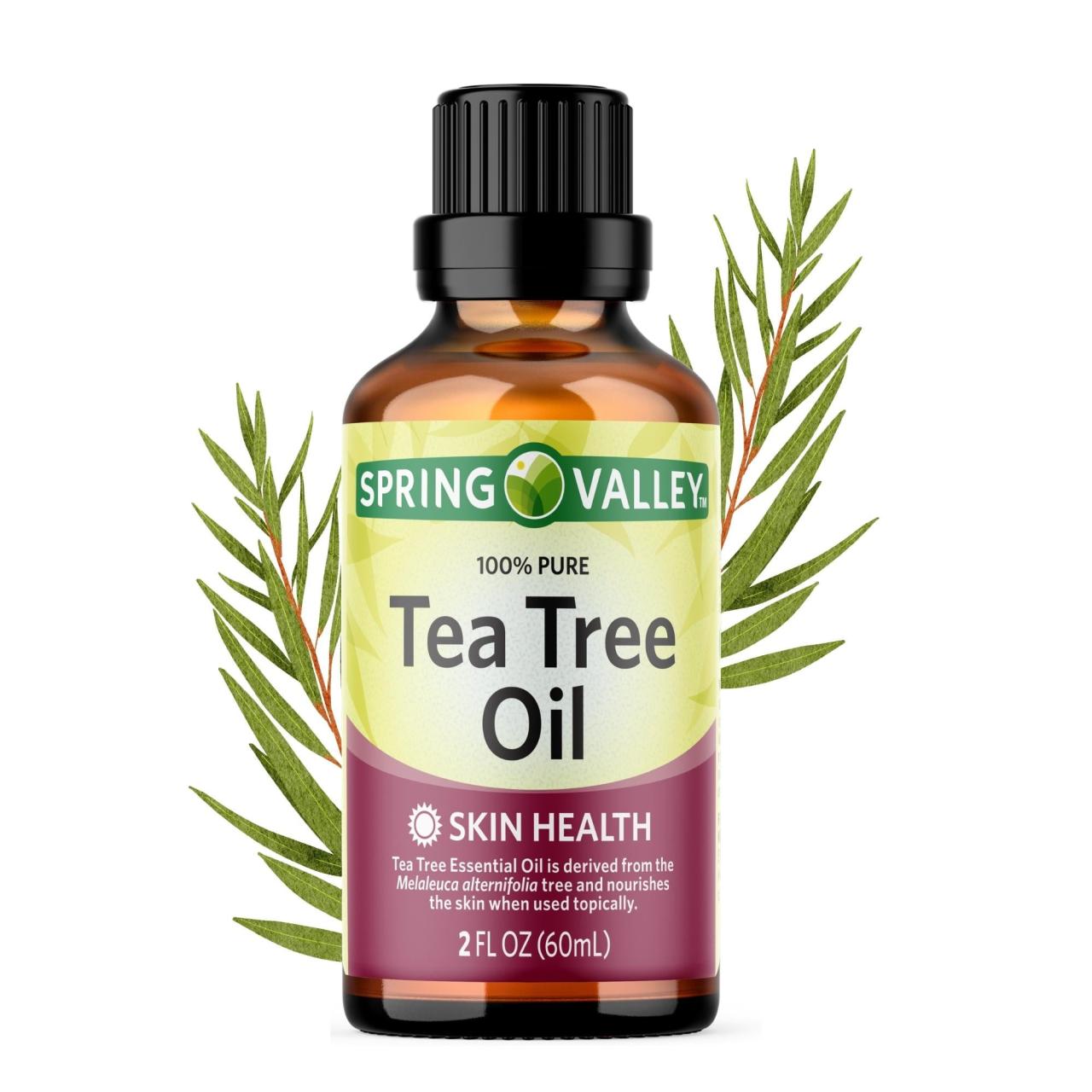
Tea tree oil, derived from the leaves of the Melaleuca alternifolia tree, has long been celebrated in holistic health circles for its remarkable therapeutic properties. This essential oil is more than just a popular ingredient in personal care products; it serves as a cornerstone in many natural health practices, offering a range of benefits that align with holistic approaches to well-being. By integrating tea tree oil into holistic health routines, individuals often find themselves embracing more natural and balanced lifestyles.
Tea tree oil fits seamlessly into holistic approaches to health because it addresses both physical and emotional well-being. This essential oil is known for its antimicrobial and anti-inflammatory properties, making it a popular choice for treating minor skin ailments, respiratory issues, and even emotional stress. In holistic health, the focus is on the whole person, considering physical, emotional, and spiritual aspects. Tea tree oil, with its versatile application, embodies this philosophy by being useful in various areas of health.
Aromatherapy and Natural Remedies
Aromatherapy is a vital component of holistic health practices, and tea tree oil plays a significant role in this field. The invigorating scent of tea tree oil can promote mental clarity and uplift mood, making it a valuable addition to any aromatherapy session. When diffused into the air, tea tree oil can create a calming atmosphere, reducing anxiety and stress levels.
The oil is also utilized as a natural remedy for various ailments due to its potent therapeutic properties. Individuals often turn to tea tree oil for:
- Skin conditions such as acne, eczema, and psoriasis, where its anti-inflammatory properties help soothe irritation and reduce redness.
- Fungal infections like athlete’s foot and nail fungus, as tea tree oil’s antifungal qualities effectively combat these issues.
- Respiratory ailments, where inhaling its vapors can provide relief from congestion and promote clearer breathing.
- Minor cuts and scrapes, where its antiseptic properties can aid in preventing infections and speeding up the healing process.
The experiences of individuals who have incorporated tea tree oil into their holistic practices speak volumes about its effectiveness. Many users report positive outcomes, such as significant improvements in skin health and enhanced emotional well-being. For instance, one individual shared how they experienced a dramatic reduction in acne flare-ups after using tea tree oil as part of their skincare regimen. Another user expressed how diffusing tea tree oil during meditation helped them achieve a deeper state of relaxation.
“Tea tree oil has transformed my daily routine; it’s not just about treating my skin but also about enhancing my overall mood and wellness.” – A satisfied user
Tea tree oil’s role in holistic and natural health practices is multifaceted, making it a valuable resource for anyone looking to support their well-being in a natural way. Its applications in aromatherapy and as a remedy for a variety of ailments underscore its importance in a holistic lifestyle.
The environmental impact of tea tree oil production and sustainable practices
The production of tea tree oil has garnered significant attention in recent years, not only for its myriad benefits but also for its environmental repercussions. As consumer demand continues to rise, understanding the sustainability of tea tree oil production becomes crucial. Implementing sustainable harvesting methods is essential to ensure that this valuable resource does not come at the expense of ecological balance.
Sustainable harvesting methods for tea tree oil are vital for preserving the environment and ensuring the longevity of tea tree plantations. These practices involve careful management of the natural ecosystems where tea trees grow, ensuring that the extraction of oil does not lead to degradation of the land. Techniques such as selective harvesting, which focuses on taking only the mature leaves while leaving younger shoots intact, help maintain the health of the plants and promote regeneration. Additionally, minimizing the use of harmful pesticides and fertilizers not only protects the tea trees but also safeguards the surrounding flora and fauna.
Ecological implications of large-scale tea tree oil cultivation
The proliferation of large-scale tea tree oil cultivation presents several ecological challenges that need to be addressed. Expanding plantations can lead to deforestation, loss of biodiversity, and soil degradation. When natural habitats are cleared for extensive farming, the delicate balance of local ecosystems is disrupted, impacting not only the tea trees but also various species that rely on these habitats.
– Deforestation: Large areas of native vegetation may be cleared, resulting in habitat loss for numerous species.
– Biodiversity loss: Monoculture practices can diminish the variety of plant and animal life in the area, making ecosystems more vulnerable to disease and climate change.
– Soil degradation: Continuous planting of tea trees without proper soil management can lead to nutrient depletion and erosion, further harming the land’s productive capacity.
Implementing agroforestry systems, where tea trees are grown alongside other plants, can help mitigate these ecological implications by promoting biodiversity and improving soil health.
Initiatives and certifications for sustainable tea tree oil production
Several initiatives and certifications have emerged to promote sustainable tea tree oil production, encouraging growers to adopt environmentally friendly practices. These programs often set standards for sustainable agriculture, ensuring that products are harvested responsibly.
– The Rainforest Alliance Certification focuses on conserving biodiversity and ensuring sustainable livelihoods by promoting practices that protect ecosystems.
– Fair Trade certification emphasizes equitable trading conditions for farmers while encouraging environmentally sustainable practices.
– The Organic Certification ensures that tea tree oil is produced without synthetic fertilizers and pesticides, thereby supporting both environmental health and consumer safety.
Such certifications not only inform consumers about the sustainability of their purchases but also encourage producers to embrace methods that safeguard environmental integrity. By supporting certified products, consumers play a pivotal role in promoting sustainable tea tree oil production and preserving our planet for future generations.
DIY recipes utilizing tea tree oil for home remedies and cleaning solutions
Tea tree oil is a versatile essential oil renowned for its antimicrobial properties. It can be effectively incorporated into various DIY home remedies and cleaning solutions, making it a staple in natural health and household care. Whether you’re seeking to address skin issues or looking for eco-friendly cleaning alternatives, tea tree oil offers a wealth of possibilities.
The effectiveness of tea tree oil as a natural cleaning agent is attributed to its ability to combat bacteria, fungi, and viruses. It serves as an excellent additive in homemade cleaning solutions, providing both cleansing power and a refreshing scent. When used properly, tea tree oil can enhance the efficacy of your cleaning routine while promoting a healthier environment.
Homemade tea tree oil remedies and cleaning solutions
Creating your own tea tree oil remedies and cleaning solutions is not only fun but also allows you to ensure that your products are free from harmful chemicals. Here are some straightforward recipes you can use at home:
- Tea Tree Oil Acne Treatment
Combine 2-3 drops of tea tree oil with a teaspoon of carrier oil, like jojoba or coconut oil. Apply this mixture directly to the affected areas using a cotton swab. This remedy is known for its ability to reduce inflammation and kill acne-causing bacteria. - Tea Tree Oil All-Purpose Cleaner
In a spray bottle, mix 1 cup of water, 1 cup of white vinegar, and 10-15 drops of tea tree oil. Shake well and use it to clean surfaces in your home. This solution is effective for disinfecting countertops and kitchen areas while leaving a pleasant aroma. - Tea Tree Oil Mold and Mildew Cleaner
Mix 1 cup of water with 2 teaspoons of tea tree oil in a spray bottle. Spray directly onto moldy areas and let it sit for at least an hour before wiping with a clean cloth. This solution helps to eliminate mold spores and prevent further growth. - Tea Tree Oil Foot Soak
Add 5-10 drops of tea tree oil to a basin of warm water. Soak your feet for 15-20 minutes to help combat athlete’s foot and other fungal infections. The oil’s antifungal properties provide relief and promote foot health.
Storing and using these homemade tea tree oil concoctions safely is essential for maintaining their effectiveness.
Always keep tea tree oil products away from direct sunlight and store them in dark, glass containers to preserve their potency.
Additionally, label each container with the contents and date of preparation for easy identification. When using these remedies, perform a patch test on your skin to ensure there are no adverse reactions, especially for those with sensitive skin. Tea tree oil should be used in moderation, as excessive application can lead to irritation.
By incorporating these DIY recipes into your daily routine, you can harness the power of tea tree oil for both personal health and home hygiene, making it a true multitasker in your natural remedy arsenal.
Final Conclusion
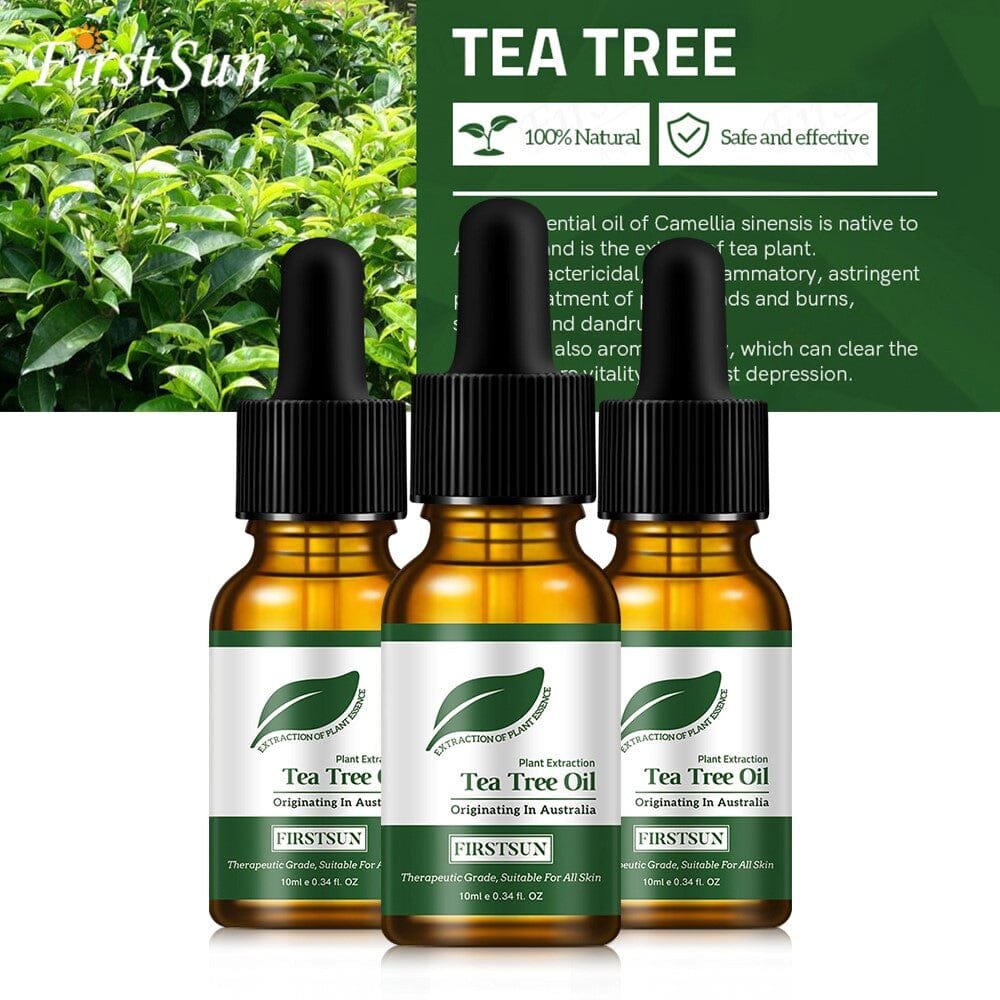
In conclusion, tea tree oil stands out as a multifaceted natural remedy that has adapted to contemporary needs while retaining its traditional roots. Whether used in skincare, holistic health, or eco-friendly cleaning solutions, its versatility is undeniable. As we continue to explore and harness the power of tea tree oil, awareness of its origins, applications, and safe usage will empower us to make informed choices and integrate this remarkable oil into our daily lives.
Popular Questions
What is tea tree oil used for?
Tea tree oil is commonly used for its antimicrobial and anti-inflammatory properties, making it effective against acne, skin irritations, and fungal infections.
Can tea tree oil be applied directly to the skin?
It is recommended to dilute tea tree oil with a carrier oil before applying it directly to avoid skin irritation.
Is tea tree oil safe for all skin types?
While many people can use tea tree oil safely, those with sensitive skin should conduct a patch test first to check for any adverse reactions.
How should tea tree oil be stored?
Tea tree oil should be stored in a cool, dark place in a tightly sealed container to preserve its potency and effectiveness.
Can tea tree oil be ingested?
No, tea tree oil is not safe for ingestion and should only be used topically or in aromatherapy.