 Penelope Hailey
With Lavender oil at the forefront, this aromatic essence has enchanted cultures around the globe for centuries, weaving its way into the fabric of traditional medicine, wellness practices, and even culinary delights. Its soothing fragrance and myriad benefits have made it a staple in personal care products and a favorite among aromatherapy enthusiasts. Whether you’re looking for a natural remedy for stress or a unique flavor enhancer in your cooking, lavender oil is more than just a pretty scent—it’s a versatile powerhouse waiting to be explored.
From ancient civilizations that revered its healing properties to modern techniques of extraction and sustainability practices, the journey of lavender oil is as fascinating as its uses. Its chemical composition and therapeutic properties have been the subject of countless studies, revealing insights into how this simple oil can transform mental health and overall well-being. Join us as we delve deep into the world of lavender oil, uncovering its historical significance, extraction methods, and practical applications in everyday life.
The Historical Significance of Lavender Oil in Traditional Medicine
Lavender oil, extracted from the flowers of the lavender plant (Lavandula angustifolia), has a rich history that dates back thousands of years. Its use spans various cultures and civilizations, highlighting its importance in traditional medicine. Ancient Egyptians valued lavender for its aromatic properties and used it in mummification processes, while Roman soldiers are said to have bathed in lavender-infused water to soothe muscle pain and enhance relaxation. The versatility of lavender oil has made it a staple in herbal medicine across different geographical regions.
Throughout history, lavender oil has been integrated into various traditional practices aimed at treating a myriad of ailments. In medieval Europe, it was commonly used to ward off infections and as a remedy for the plague. Lavender’s antiseptic properties were recognized, and it was often added to poultices for wounds to promote healing. Additionally, in traditional Chinese medicine, lavender was utilized to relieve stress and anxiety, reflecting its calming properties that continue to be appreciated today. The oil’s soothing scent was believed to enhance mental clarity and emotional well-being, making it a popular choice in herbal therapies.
Traditional Practices Incorporating Lavender Oil
Lavender oil has been employed in various traditional medicinal practices worldwide. Here are some notable examples of its applications:
- Inhalation Therapy: Ancient cultures, including the Greeks and Romans, often used lavender oil in steam inhalations. This practice aimed to alleviate respiratory conditions such as coughs and colds, capitalizing on lavender’s soothing and anti-inflammatory qualities.
- Topical Applications: Lavender oil has been used in poultices and salves for its antiseptic and healing properties. It was commonly applied to cuts, burns, and insect bites to promote healing and prevent infection.
- Aromatherapy: The calming effects of lavender oil have been recognized for centuries. Traditionally, it was utilized in sachets and baths to relieve stress and improve sleep quality. Many cultures associated the soothing aroma of lavender with peace and tranquility.
- Digestive Aid: In some folk remedies, lavender oil was recommended for digestive issues. It was believed to alleviate symptoms of indigestion and bloating, making it a common ingredient in herbal teas and tinctures.
“Historically, lavender oil has served as more than just a fragrance; it has been a crucial element in the healing practices of various cultures.”
The enduring legacy of lavender oil in traditional medicine showcases its multifaceted benefits and the wisdom of ancient practices that still resonate in modern herbalism.
The Process of Extracting Lavender Oil
Lavender oil, renowned for its soothing aroma and therapeutic qualities, is derived through several extraction methods, each varying in efficiency and purity. Understanding these techniques is essential for those interested in aromatherapy, cosmetics, or natural remedies, as the method of extraction significantly impacts the quality of the oil.
There are primarily three common methods used for extracting lavender oil: steam distillation, solvent extraction, and CO2 extraction. Each technique has its unique advantages and disadvantages related to yield, purity, and quality.
Steam Distillation Method
Steam distillation is the most widely used technique for extracting lavender oil. This method involves passing steam through the lavender flowers, causing the essential oils to evaporate. The vapor is then condensed back into liquid, where the oil separates from the water.
The efficiency of steam distillation is quite high, typically yielding around 0.5-3% lavender oil from the flowers. This method is favored for its ability to produce a pure, high-quality oil without residual solvents.
“Steam distillation preserves the delicate aroma and therapeutic properties of lavender.”
Solvent Extraction Method
Solvent extraction involves using a solvent, such as hexane or ethanol, to dissolve the essential oils. After the extraction process, the solvent is evaporated, leaving behind the concentrated oil.
While this method can yield a higher amount of oil, often around 5-10%, it carries the risk of residual solvents, which can compromise purity and safety. Solvent-extracted oils are often used in perfumery rather than therapeutic applications due to potential impurities.
CO2 Extraction Method
CO2 extraction, utilizing carbon dioxide under high pressure, is a modern technique that gently extracts essential oils. This method allows for the extraction of oil without the use of harmful solvents and can produce a high-quality product with a full aromatic profile.
CO2 extraction is known for providing the purest essential oil, maintaining the plant’s original scent and therapeutic properties. The efficiency can vary based on pressure and temperature settings, but it generally yields a high-quality product.
In summary, the choice of extraction method directly influences the efficiency, purity, and overall quality of lavender oil. Steam distillation remains the most popular for its purity, while CO2 extraction offers a modern alternative with excellent results. Solvent extraction, while less pure, may be used in applications where higher yields are prioritized over purity.
The Chemical Composition of Lavender Oil and Its Therapeutic Properties
Lavender oil, derived from the flowers of the Lavandula angustifolia plant, is renowned for its soothing aroma and numerous health benefits. The therapeutic properties of lavender oil stem largely from its rich chemical composition, which includes several key compounds that interact harmoniously with the human body. Understanding these components allows us to appreciate the various ways lavender oil can promote our well-being.
The primary chemical compounds found in lavender oil are linalool, linalyl acetate, camphor, and 1,8-cineole. Each of these compounds plays a unique role in contributing to the oil’s therapeutic effects.
Key Chemical Compounds and Their Benefits
The following list Artikels the main chemical constituents of lavender oil and their associated health benefits:
- Linalool: Known for its calming and relaxing properties, linalool has been shown to reduce anxiety and improve sleep quality. Its sedative effects can help relieve stress and promote a sense of tranquility.
- Linalyl Acetate: This compound is celebrated for its anti-inflammatory and analgesic properties. It can help alleviate pain and discomfort, making lavender oil effective for muscle soreness and headaches.
- Camphor: Although present in smaller quantities, camphor acts as a stimulant and can enhance mental clarity. It is also known for its ability to improve circulation and relieve respiratory issues when inhaled.
- 1,8-Cineole: This compound contributes to the oil’s refreshing aroma and has antiseptic properties. It can aid in respiratory health by helping to clear nasal passages and reduce congestion.
When these compounds interact with the body, they can influence various physiological processes. For instance, the calming properties of linalool and linalyl acetate may enhance the production of neurotransmitters like serotonin, which is crucial for mood regulation. In addition, these compounds are thought to affect the hypothalamus, the brain’s center for controlling stress responses, thereby promoting relaxation.
The therapeutic properties of lavender oil extend beyond mere aromatherapy. Studies have demonstrated that inhalation of lavender oil can lead to measurable reductions in cortisol levels, which is the hormone associated with stress. This reduction can result in improved immune function and overall health, showcasing how the chemical composition of lavender oil can lead to meaningful physiological changes.
In summary, the unique blend of chemical compounds in lavender oil not only provides delightful fragrance but also offers a range of therapeutic benefits that can support mental, emotional, and physical well-being.
The Role of Lavender Oil in Aromatherapy Practices
Aromatherapy, a holistic healing practice that utilizes essential oils for therapeutic benefits, places a significant emphasis on the natural properties of various oils. Among these, lavender oil stands out due to its calming and soothing qualities, making it a staple in many aromatherapy applications. Used for centuries, lavender oil is extracted from the flowers of the Lavandula plant, and its gentle fragrance is known for promoting relaxation and emotional balance.
Within the realm of aromatherapy, lavender oil is utilized in various ways, including diffusion, topical application, and bath soaks. The principles of aromatherapy revolve around the idea that these essential oils can influence both the mind and body through inhalation or skin absorption. Lavender oil is particularly valued for its ability to reduce anxiety, improve sleep quality, and alleviate stress. When inhaled, the aroma signals the brain to release hormones that promote relaxation.
Aromatherapy Blends Featuring Lavender Oil
Lavender oil can be blended with other essential oils to enhance its therapeutic effects. These combinations are crafted with specific intentions, targeting various emotional and physical states. Here are a few examples of popular aromatherapy blends that feature lavender oil:
- Calming Blend: This blend combines lavender oil with chamomile and bergamot. Together, these oils create a soothing aroma that can help reduce feelings of anxiety and promote tranquility. This blend is often used in bedtime routines to enhance sleep quality.
- Stress Relief Blend: Lavender oil mixed with ylang-ylang and frankincense can yield a powerful stress-relieving blend. The floral notes of lavender and ylang-ylang complement each other, while frankincense adds an earthy undertone, grounding the blend and making it perfect for moments of high tension.
- Uplifting Blend: Combining lavender oil with citrus oils such as lemon and sweet orange can create an invigorating atmosphere. This blend is ideal for promoting positivity and stimulating the mind, making it great for daytime use in work environments.
Lavender oil’s versatility allows it to be effectively incorporated into various aromatherapy practices. Its calming properties make it a go-to oil for those seeking relief from stress and anxiety. Additionally, it can enhance the effectiveness of other oils when blended, creating a broader range of therapeutic benefits. The use of lavender oil in aromatherapy not only highlights its historical significance but also emphasizes its ongoing relevance in holistic health practices today.
“The gentle aroma of lavender oil not only soothes the mind but also revitalizes the spirit, making it a cherished ingredient in aromatherapy.”
Lavender Oil and Its Impact on Mental Health
Lavender oil has gained a reputation for its soothing properties, particularly in relation to mental health. Many individuals seeking natural remedies for anxiety and stress have turned to lavender oil, discovering its potential benefits for emotional well-being. By examining the effects of lavender oil on mental health, we can better appreciate its role in promoting relaxation and improving overall mood.
Research indicates that lavender oil can significantly reduce anxiety and stress levels. A study published in the Journal of Alternative and Complementary Medicine found that inhaling lavender essential oil reduced stress levels in participants by approximately 20%. Furthermore, a systematic review in the Journal of Clinical Psychiatry highlighted that lavender oil may be effective for treating generalized anxiety disorder (GAD). Participants who incorporated lavender oil into their daily routine reported decreased anxiety symptoms and improved quality of life.
Effects on Anxiety and Stress Relief
The efficacy of lavender oil in alleviating anxiety and stress is supported by various studies and anecdotal evidence. The calming aroma of lavender is believed to influence the body’s physiological response to stress, leading to improved emotional states. The following points illustrate the impact of lavender oil on mental wellness:
-
Lavender oil can lower cortisol levels, a hormone associated with stress.
- Studies have shown that lavender oil can improve sleep quality, which is essential for mental health.
- The soothing scent of lavender has been shown to decrease the heart rate, promoting a sense of calm.
- A pilot study indicated that patients undergoing dental procedures experienced significantly less anxiety when exposed to lavender oil.
The mechanisms behind lavender’s anxiolytic effects are thought to stem from its interaction with the limbic system, the part of the brain that controls emotions. The aroma may promote the release of neurotransmitters such as serotonin and dopamine, which play crucial roles in mood regulation. Additionally, lavender’s anti-inflammatory properties can contribute to a sense of well-being.
In clinical settings, the use of lavender oil is becoming more common, providing an accessible option for individuals seeking relief from anxiety and stress without the side effects often associated with pharmaceutical treatments. By integrating lavender oil into daily routines, many find they can achieve a more balanced and peaceful state of mind.
Practical Applications of Lavender Oil in Everyday Life
Lavender oil is renowned for its versatility and numerous beneficial properties, making it a staple in many households. This essential oil is not only cherished for its calming aroma, but it also offers a range of practical applications in home remedies and self-care routines. Incorporating lavender oil into daily life can enhance well-being, promote relaxation, and even provide solutions for common ailments.
Lavender oil can be effectively used in a variety of ways, and it is essential to understand its applications thoroughly. Here are some practical uses of lavender oil in everyday life:
Home Remedies and Self-Care Applications
Understanding the practical applications of lavender oil can enhance your health and wellness routines significantly. Below are some noteworthy uses along with safety precautions to consider when using lavender oil:
- Relaxation and Sleep Aid: Diffusing lavender oil in your bedroom before sleep can create a calming atmosphere that aids in relaxation and promotes better sleep quality.
- Soothing Skin Irritations: Lavender oil can be diluted in a carrier oil and applied to minor burns, cuts, or insect bites, providing soothing relief due to its anti-inflammatory properties.
- Natural Hair Care: Adding a few drops of lavender oil to your shampoo or conditioner can promote a healthy scalp and reduce dandruff.
- Stress Relief: Inhaling lavender oil or using it in a massage oil can help alleviate anxiety and stress, providing an instant mood boost.
- Homemade Cleaning Products: Lavender oil can be included in DIY cleaning solutions, offering antibacterial properties and leaving a pleasant fragrance in the home.
When using lavender oil, certain safety precautions are necessary to ensure its effective and safe application. Consider the following:
- Dilution is Key: Always dilute lavender oil with a carrier oil (like coconut or jojoba oil) before applying it directly to the skin to prevent irritation.
- Patch Test: Conduct a patch test on a small area of skin before full application to check for allergic reactions.
- Avoid Excessive Use: While lavender oil is generally safe, excessive use can lead to adverse effects. Stick to recommended dosages.
- Consultation with Healthcare Professionals: Pregnant or nursing women and individuals with specific health conditions should consult a doctor before using lavender oil.
“Lavender oil is a powerful ally in creating a peaceful environment, but it’s essential to use it wisely and responsibly.”
Embracing lavender oil in your daily rituals can elevate your self-care practices and contribute to a healthier, more serene lifestyle. Its diverse applications make it a must-have in every home.
The Popularity of Lavender Oil in Personal Care Products
Lavender oil has become a beloved ingredient in personal care products, celebrated for its soothing aroma and skin-benefiting properties. As consumers increasingly seek natural ingredients in their beauty routines, the popularity of lavender oil continues to rise, making it a staple in various personal care formulations.
The demand for lavender oil in the beauty and skincare industry is largely driven by its versatility and effectiveness. It is widely used in an array of products, each designed to leverage its calming and therapeutic qualities. Some of the most common personal care products featuring lavender oil include:
- Moisturizers: Many brands incorporate lavender oil in their face and body creams, capitalizing on its hydrating and soothing properties to promote healthy, glowing skin.
- Soaps: Lavender-infused soaps are popular for their pleasant fragrance and skin-nourishing benefits, appealing to consumers looking for a gentle cleansing experience.
- Shampoos and Conditioners: Lavender oil is often found in hair care products for its ability to soothe the scalp while promoting shiny, healthy hair.
- Bath Products: Bath bombs and salts with lavender oil create a relaxing spa-like experience at home, making them a favorite among those seeking to unwind.
- Body Lotions and Balms: These products frequently feature lavender oil to provide calming effects, ideal for post-shower applications.
Consumer trends indicate a significant shift toward clean beauty, with many preferring products that feature natural ingredients over synthetic alternatives. Lavender oil, often associated with relaxation and stress relief, aligns perfectly with this trend. Its inclusion in personal care products appeals to consumers looking for holistic wellness solutions in their beauty routines.
As the market continues to evolve, brands are innovating by creating new formulations that highlight lavender oil’s benefits. For instance, companies are now offering lavender-infused serums and face masks that not only nourish the skin but also provide an aromatic experience.
The rise of lavender oil in personal care reflects a growing consumer preference for natural, effective ingredients that enhance well-being.
Additionally, the popularity of aromatherapy has further propelled the inclusion of lavender oil in beauty products. Consumers are now more aware of the psychological benefits of scents, and lavender is widely recognized for its calming effects, making it a top choice for enhancing the sensory experience of personal care items.
Environmental Considerations and the Sustainability of Lavender Oil Production
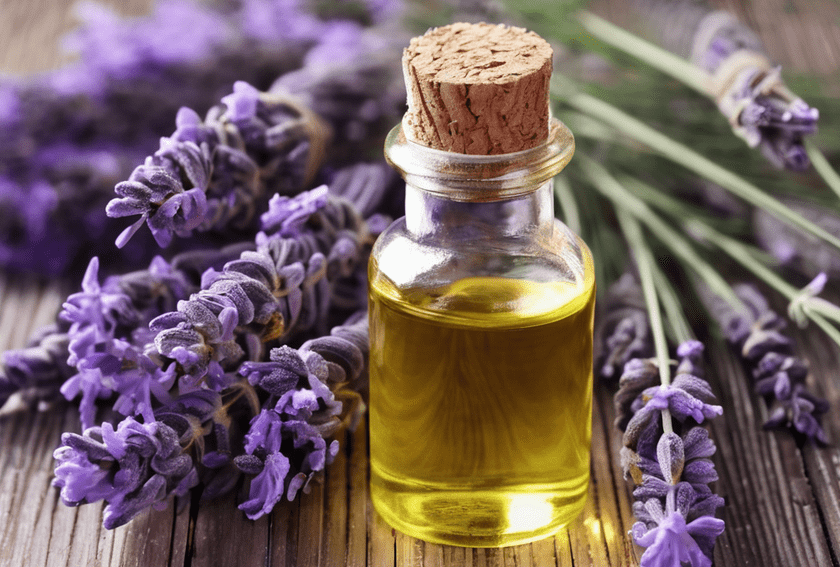
Lavender oil production not only contributes to various industries such as aromatherapy and cosmetics but also raises significant environmental concerns. As the demand for this essential oil increases, so does the need for sustainable practices that minimize ecological footprints while ensuring the longevity of lavender farming. The impacts of lavender farming can vary widely, affecting soil health, biodiversity, and local ecosystems.
The environmental footprint of lavender cultivation is influenced by factors such as land use, water consumption, and pesticide application. Traditional farming methods often involve the use of chemical fertilizers and pesticides, which can lead to soil degradation and water pollution. Over time, monoculture practices can diminish biodiversity, making ecosystems less resilient and more susceptible to pests and diseases. Consequently, sustainable lavender farming is essential to mitigate these negative impacts while supporting the growth of the industry.
Sustainable Practices in Lavender Cultivation
Adopting sustainable practices in lavender cultivation not only benefits the environment but also enhances the quality of the oil produced. Various strategies can be implemented to ensure that lavender farming is eco-friendly and resource-efficient. These practices include:
- Organic Farming: Utilizing organic farming methods eliminates the need for synthetic pesticides and fertilizers, promoting healthier soil and biodiversity. Organic lavender fields can support beneficial insects and maintain the natural ecosystem.
- Water Conservation: Implementing drip irrigation systems reduces water waste and ensures that lavender plants receive the precise amount of moisture they need. This technique not only conserves water but also promotes deeper root growth.
- Diverse Planting: Practicing polyculture by intercropping lavender with other plants can enhance soil health and control pests naturally. This dispersal of plants can create a more balanced ecosystem, minimizing the risks associated with monoculture.
- Soil Health Management: Regularly rotating lavender crops and incorporating cover crops can maintain soil fertility and prevent erosion. Techniques such as composting also enrich the soil with nutrients and improve its structure.
- Integrated Pest Management: Using natural predators and organic solutions for pest control reduces reliance on chemicals, minimizing harm to the environment and surrounding flora and fauna.
Through these sustainable practices, lavender oil production can be aligned with environmental stewardship, ensuring that future generations can continue to benefit from this beloved plant.
Exploring Lavender Oil in Culinary Applications
Lavender oil, with its distinct floral notes and calming aroma, is not just a staple in aromatherapy but also finds a unique place in the culinary world. Its versatility allows it to enhance a broad range of dishes and beverages, infusing them with a sophisticated, aromatic twist. When used correctly, lavender oil can transform ordinary recipes into extraordinary culinary experiences.
Incorporating lavender oil into your cooking can bring a delightful flavor enhancement, as it pairs well with both sweet and savory dishes. The oil’s aromatic properties can elevate your meals, offering a unique taste that intrigues the palate. However, it’s important to use lavender oil sparingly due to its potent flavor. Here are some delicious ways to embrace lavender oil in your culinary endeavors:
Lavender Oil Recipe Ideas
Understanding how to integrate lavender oil into your meals can elevate your cooking. Here’s a selection of recipes that will highlight the unique flavor profile of lavender oil:
- Lavender Lemonade: Combine freshly squeezed lemon juice, water, and lavender oil for a refreshing drink. A few drops of lavender oil can enhance the traditional lemonade, providing a floral twist that complements the tartness of the lemons.
- Lavender-Infused Honey: Create a delightful lavender-infused honey by mixing honey with a drop or two of lavender oil. This can be used as a sweetener for tea, drizzled over desserts, or as a topping for toast.
- Lavender Shortbread Cookies: Incorporate lavender oil into your shortbread cookie dough for a fragrant and flavorful treat. The combination of butter and lavender oil creates a delicate balance, resulting in melt-in-your-mouth cookies.
- Grilled Chicken with Lavender and Honey Glaze: Mix lavender oil with honey, olive oil, and your favorite herbs for a marinade that works beautifully with grilled chicken. The floral notes from the lavender oil add a gourmet touch to the dish.
When using lavender oil in cooking, it’s crucial to choose high-quality culinary-grade oil to ensure safety and flavor integrity. As a herbal ingredient, lavender oil can also be used sparingly in salad dressings or sauces, imparting a gentle floral undertone that can make a simple dish feel more refined. Remember, the key is moderation; a little goes a long way in achieving that perfect balance of flavors.
“Lavender oil can elevate your culinary creations from ordinary to extraordinary with just a few drops.”
The Future of Lavender Oil

As the demand for natural and organic products continues to rise, the lavender oil market finds itself at the forefront of a wave of new trends and innovations. With its myriad of applications ranging from aromatherapy to skincare, lavender oil is quickly becoming a staple in various industries. Understanding the emerging trends and innovations in lavender oil production offers insights into how this beloved essential oil is poised to evolve in the coming years.
One prominent trend in the lavender oil market is the increasing preference for sustainably sourced and ethically produced oils. Consumers are becoming more conscious of the environmental impact of their purchases, leading to a demand for transparency in the sourcing and production processes. This shift has encouraged lavender farmers to adopt eco-friendly agricultural practices, including organic farming methods and renewable energy sources for distillation. Additionally, brands that prioritize sustainability in their supply chains are gaining favor among consumers who value ethical consumption.
Innovations in Lavender Oil Production
Innovations in lavender oil production are set to redefine the industry landscape. Advanced extraction techniques, such as supercritical CO2 extraction, are emerging as efficient alternatives to traditional steam distillation. This method not only enhances the purity and quality of the oil but also minimizes waste and maximizes yield. Furthermore, the integration of technology in lavender cultivation, including the use of drones for monitoring crop health and precision farming techniques, is streamlining operations and boosting productivity.
The utilization of lavender oil in new applications is also on the rise. Beyond traditional uses in aromatherapy, lavender oil is increasingly being incorporated into personal care products, household cleaning solutions, and even food and beverages. For instance, innovative companies are tapping into the culinary scene by developing lavender-infused beverages and gourmet foods, appealing to consumers’ desire for unique flavors and experiences.
The potential for lavender oil extends into the wellness industry as well. Studies highlighting its calming properties are paving the way for new therapeutic applications, such as in stress-relief products and sleep aids. This growing body of research not only validates the benefits of lavender oil but also opens doors for new product development that targets specific health and wellness needs.
As these trends and innovations unfold, the lavender oil market is positioned for significant growth, driven by consumer preferences for quality, sustainability, and novel applications. The combination of traditional qualities and modern advancements ensures that lavender oil remains a relevant and cherished commodity in various sectors.
Outcome Summary
In conclusion, lavender oil stands out not only for its rich history and cultural significance but also for its remarkable versatility and benefits. From enhancing mental wellness to being a popular ingredient in personal care and culinary applications, its appeal continues to flourish. As we move towards sustainable practices in lavender cultivation, the future of this cherished oil looks promising. So whether you’re a long-time fan or a curious newcomer, embracing lavender oil in your life is sure to offer delightful and soothing experiences.
Essential FAQs
What are the potential side effects of using lavender oil?
Some potential side effects include skin irritation or allergic reactions, especially for those with sensitive skin. It’s advisable to perform a patch test before widespread use.
Can lavender oil be used during pregnancy?
While some women use lavender oil during pregnancy for relaxation, it’s best to consult a healthcare provider to ensure safety.
Is lavender oil safe for children?
Lavender oil is generally considered safe for children when used appropriately, but it’s important to dilute it with a carrier oil and consult a pediatrician.
How can lavender oil be used for sleep improvement?
Lavender oil can be used in a diffuser, added to a warm bath, or applied to pillows to promote relaxation and improve sleep quality.
What is the best way to store lavender oil?
To maintain its quality, lavender oil should be stored in a cool, dark place in a tightly sealed container, away from direct sunlight.