
 Penelope Hailey
Rosemary oil, an aromatic extract celebrated for its multifaceted properties, has woven itself through the fabric of history, culture, and cuisine. From ancient medicinal practices to modern wellness trends, this potent oil offers a plethora of benefits that intrigue both enthusiasts and skeptics alike. Its distinctive aroma not only enhances culinary dishes but also serves as a key component in aromatherapy, promoting emotional well-being and relaxation.
This exploration delves into the historical significance of rosemary oil, its chemical composition, extraction methods, and its vital role in health and beauty regimens. Additionally, it sheds light on its environmental impact and the sustainable practices within the industry, ensuring that as we embrace its benefits, we do so with mindful consideration of our planet.
The Historical Significance of Rosemary Oil in Ancient Cultures
Rosemary oil, derived from the leaves of the Rosmarinus officinalis plant, has been used for centuries, revered not only for its aromatic qualities but also for its medicinal properties. In ancient cultures, rosemary was seen as a sacred herb, intertwined with rituals, healing practices, and everyday life. The oil extracted from its leaves became a staple in various civilizations, showcasing its multifaceted role in cultural and medicinal applications.
In ancient Egypt, rosemary was used in the mummification process, believed to help preserve the body for the afterlife. It was often found in tombs, symbolizing fidelity and remembrance. The oil was also used in perfumes and cosmetics, highlighting its significance in beauty rituals. Ancient Greeks and Romans held rosemary in high esteem, associating it with memory and mental clarity. It was common for scholars to wear rosemary crowns while studying, as they believed it enhanced their cognitive abilities. This tradition found its way into wedding ceremonies, where rosemary was used to symbolize love and loyalty.
Cultural and Medicinal Roles in Ancient Civilizations
The cultural significance of rosemary oil extended across various ancient civilizations, each attributing unique properties to this herb. Its aromatic qualities made it popular in religious ceremonies, where it was burned as incense to purify spaces and invite divine blessings.
The medicinal applications of rosemary oil were equally profound. It was thought to have antiseptic and anti-inflammatory properties, making it a common remedy for ailments. The oil was often diluted and used in massages to relieve muscle pain or applied topically to soothe skin irritations. Additionally, it was utilized in teas to aid digestion and improve circulation, reflecting the holistic approach to health in ancient societies.
Historical figures closely associated with rosemary include the famed philosopher and naturalist, Pliny the Elder, who documented its uses in his works, emphasizing its importance in herbal medicine. Furthermore, rosemary oil has been linked to significant events, such as the plague in Europe, where it was used in various concoctions as a protective measure against disease.
The enduring legacy of rosemary oil in these ancient cultures not only illustrates its widespread use but also its deep-rooted significance as a symbol of remembrance, healing, and fidelity, echoing through the ages into modern applications today.
The Chemical Composition of Rosemary Oil and Its Benefits
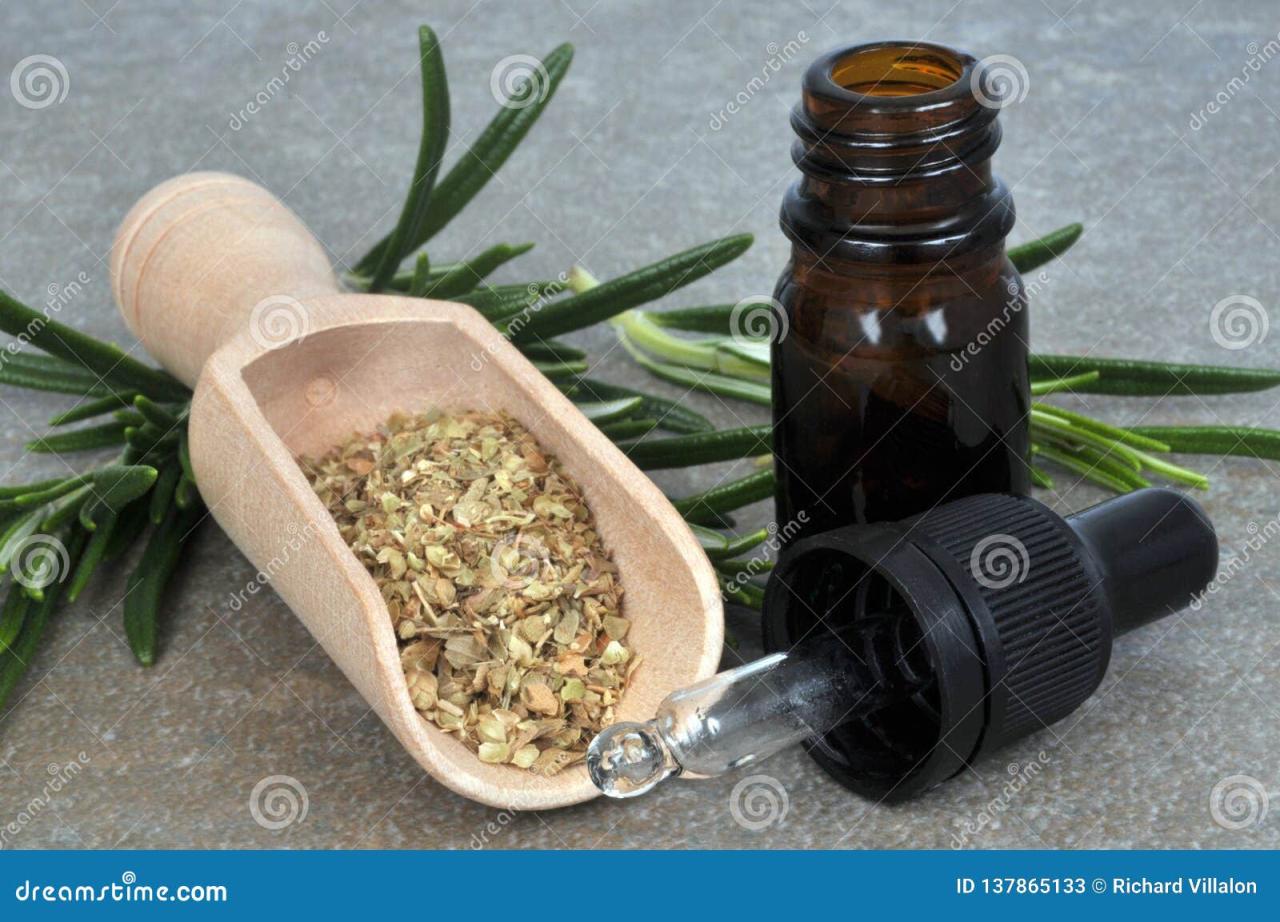
Rosemary oil, derived from the leaves of the Rosmarinus officinalis plant, is well-known for its aromatic properties and myriad health benefits. Its distinctive scent comes from a blend of potent chemical compounds that contribute not only to its fragrance but also to its therapeutic effects. Understanding these compounds helps to appreciate the oil’s versatility in various applications, from culinary uses to natural remedies.
The primary chemical constituents of rosemary oil include 1,8-cineole, camphor, alpha-pinene, and rosmarinic acid. Each of these compounds plays a significant role in promoting health and wellness. For instance, 1,8-cineole is recognized for its anti-inflammatory and analgesic properties, making it beneficial for respiratory issues such as congestion or allergies. Additionally, camphor provides a warming sensation that can help alleviate muscle pain and improve circulation.
Alpha-pinene, another major component, has been studied for its potential neuroprotective effects. It is known to enhance cognitive function and memory, which is particularly relevant in today’s fast-paced world where mental clarity is often compromised. Meanwhile, rosmarinic acid possesses powerful antioxidant properties, which combat oxidative stress and may reduce the risk of chronic diseases such as heart disease and cancer.
The benefits of rosemary oil extend beyond its pleasant aroma and include its uses in promoting hair growth and improving digestion. The stimulating properties of the oil can enhance blood circulation to the scalp, potentially leading to improved hair health and growth. Furthermore, its digestive benefits are attributed to its ability to relieve bloating and gas.
However, while rosemary oil is generally safe for most individuals, there are potential side effects and contraindications associated with its compounds. For instance, high concentrations of camphor can be toxic if ingested and may cause seizures in sensitive individuals. Pregnant women and individuals with certain medical conditions, such as epilepsy or high blood pressure, should exercise caution and consult a healthcare professional before using rosemary oil.
Rosemary oil’s rich chemical composition not only enhances its aromatic quality but also supports various health benefits, making it a valuable addition to natural wellness practices.
The Process of Extracting Rosemary Oil
Rosemary oil is a popular essential oil known for its aromatic properties and potential health benefits. The extraction of rosemary oil is a crucial step in preserving its unique compounds. Various methods have been developed over the years, ranging from traditional techniques to modern innovations, each with its own set of advantages and disadvantages. Understanding these methods can help in appreciating the quality and properties of the oil produced.
Traditional and Modern Methods of Extraction
The two main categories of methods for extracting rosemary oil include traditional techniques and modern methods. Traditional techniques primarily encompass steam distillation and cold pressing, while modern methods include solvent extraction and supercritical CO2 extraction. Each method has its own specific process and outcomes.
Steam distillation is the most widely used traditional method for extracting rosemary oil. In this process, steam is passed through the rosemary leaves, causing the essential oil to evaporate. The steam is then cooled, allowing the oil to condense and separate from the water. This method is known for producing high-quality oil but requires significant energy and time to process.
Cold pressing is another traditional technique, primarily used for citrus oils but also applicable to rosemary. This method involves mechanically pressing the plant material to release the essential oil. Although it preserves the integrity of the oil, it is less common for rosemary due to the plant’s structure, which makes oil extraction less efficient.
Modern methods, such as solvent extraction, involve using chemical solvents to dissolve the essential oils from the plant material. This method can produce oil more quickly and efficiently, but it may leave behind trace amounts of solvents that can affect the oil’s purity and aroma. The advantage of solvent extraction is that it can extract a broader range of compounds, potentially enhancing the oil’s therapeutic properties.
Supercritical CO2 extraction is a contemporary method gaining popularity in the industry. This technique uses carbon dioxide at high pressure and temperature to extract essential oils. The supercritical state of CO2 allows it to act both as a gas and a liquid, effectively dissolving the oil without leaving any residual solvents. This method produces a high-quality oil with a more complete profile of the plant’s chemical constituents, although the equipment required can be costly.
When assessing these methods, it is essential to weigh the pros and cons:
- Steam Distillation:
- Pros: High oil quality, traditional method with a long history, preserves natural aroma.
- Cons: Time-consuming and energy-intensive, may not capture all volatile compounds.
- Cold Pressing:
- Pros: Preserves delicate flavors and aromas, minimal processing.
- Cons: Less efficient for rosemary, limited extraction volume.
- Solvent Extraction:
- Pros: High yield and efficiency, can extract a wide range of compounds.
- Cons: Risk of solvent residue, potential compromise of aroma.
- Supercritical CO2 Extraction:
- Pros: Produces pure and high-quality oil, captures a complete range of compounds.
- Cons: High initial investment for equipment, requires technical expertise.
Innovative techniques such as ultrasonic extraction are also being explored in the industry. This method utilizes sound waves to enhance solvent extraction, resulting in a more efficient process with potentially higher yields and better quality oils. As the demand for high-quality essential oils continues to rise, research into these innovative methods is likely to expand, leading to further improvements in the extraction of rosemary oil and other essential oils.
The Role of Rosemary Oil in Aromatherapy and Emotional Health
Rosemary oil is not just a culinary delight; its aromatic properties also play a significant role in enhancing mental well-being and emotional balance. This essential oil has been celebrated for its invigorating scent, which can stimulate the mind and promote a sense of clarity and focus. The therapeutic benefits of rosemary oil extend to emotional support, assisting individuals in managing stress, anxiety, and even mild depression. By incorporating rosemary oil into daily routines, one can harness its uplifting qualities to foster a more balanced emotional state.
The mechanism through which scents affect emotions primarily revolves around the brain’s olfactory system. When we inhale a fragrance, molecules enter the nasal cavity and bind to olfactory receptors, which send signals directly to the olfactory bulb—a part of the brain closely linked to the limbic system, responsible for emotional processing. Studies have shown that certain scents, including rosemary, can influence neurotransmitter activity, enhancing mood and cognitive functions. For example, rosemary oil has been found to increase levels of 1,8 cineole, a compound associated with improved memory and alertness. Furthermore, inhalation of rosemary oil has been linked to reduced levels of cortisol, the stress hormone, thus promoting relaxation. This interplay between scent and emotion illustrates how essential oils can serve as potent tools for emotional health.
Techniques for Incorporating Rosemary Oil into Daily Practices
Integrating rosemary oil into your daily routine can be simple and rewarding. Below are several techniques that can enhance your aromatherapy experience and emotional well-being:
- Diffusion: Use an essential oil diffuser to disperse rosemary oil into the air, creating an uplifting atmosphere. This method not only enhances mental clarity but also purifies the space.
- Inhalation: Directly inhale rosemary oil from the bottle or place a few drops on a cotton ball and breathe deeply. This can provide immediate relief during stressful moments.
- Massage: Mix rosemary oil with a carrier oil, such as coconut or jojoba oil, and use it for a calming massage. This not only relaxes the body but also invigorates the mind.
- Bath: Add a few drops of rosemary oil to a warm bath for a rejuvenating soak. The combination of heat and scent can work wonders for emotional relaxation.
- Personal Inhalers: Create a personal inhaler using rosemary oil, which can be kept handy for moments when you need a quick emotional boost throughout the day.
By adopting these methods, you can enjoy the myriad benefits of rosemary oil, not just for its fragrance but as a vital part of your emotional health toolkit.
Using Rosemary Oil in Culinary Applications
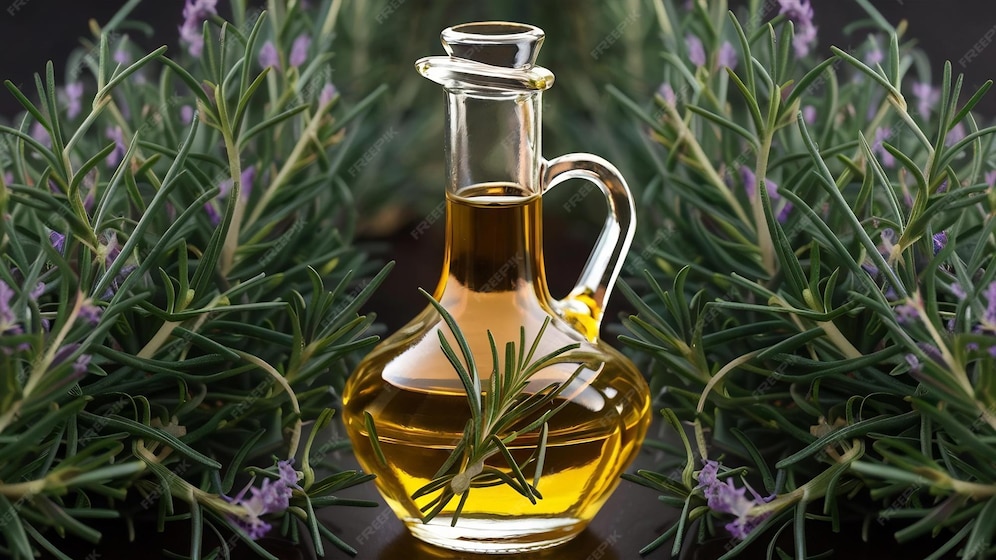
Rosemary oil, derived from the aromatic herb Rosmarinus officinalis, is a versatile ingredient that brings a distinct flavor profile to culinary dishes. Known for its woodsy, slightly peppery taste, rosemary oil can elevate the flavor of both savory and sweet dishes. Its health benefits, including antioxidant properties and potential digestive aid, make it an appealing addition to various recipes beyond its flavor enhancement.
Incorporating rosemary oil into meal preparation can significantly enhance the overall taste and aroma of dishes. Just a few drops can transform a simple dish into something extraordinary. Its robust flavor complements roasted meats, particularly lamb and chicken, while also pairing beautifully with vegetables, grains, and even bread. For instance, adding rosemary oil to roasted potatoes can create a fragrant and flavorful side dish that tantalizes the senses. Additionally, the oil can be used in marinades, dressings, and dips, allowing for creative culinary exploration. With its concentrated nature, it’s important to use rosemary oil sparingly, as its potency can easily overpower other ingredients.
Recipes Incorporating Rosemary Oil
Exploring recipes that effectively incorporate rosemary oil can inspire creativity in the kitchen. Here are some delicious options to consider:
- Rosemary Garlic Chicken: Marinate chicken breast in a mixture of rosemary oil, garlic, lemon juice, and herbs before grilling or roasting for a juicy and flavorful meal.
- Herbed Roasted Vegetables: Toss seasonal vegetables with rosemary oil, salt, and pepper, then roast until tender and caramelized for a delightful side dish.
- Rosemary Infused Olive Oil: Combine rosemary oil with high-quality olive oil and use it as a dip for crusty bread or drizzle it over salads.
- Rosemary Lemonade: Add a few drops of rosemary oil to freshly squeezed lemonade for a unique twist on a classic summer beverage.
- Rosemary and Olive Bread: Incorporate rosemary oil into the dough for a fragrant, savory bread that pairs perfectly with soups and salads.
Incorporating rosemary oil into your cooking not only enhances flavors but also brings a touch of sophistication to everyday meals. The vibrant essence of rosemary can make simple dishes feel gourmet, providing both taste and a delightful aroma that fills the kitchen.
The Potential of Rosemary Oil in Hair and Skin Care Regimens
Rosemary oil has garnered significant attention in the realm of beauty, particularly for its remarkable benefits for hair and skin health. Known for its stimulating properties, this essential oil is derived from the leaves of the rosemary plant, offering a variety of advantages that can enhance your beauty routine. From promoting hair growth to improving skin elasticity, rosemary oil has the potential to be a game-changer in your personal care regimen.
Integrating rosemary oil into your beauty routine is not only straightforward but also highly beneficial. To begin with, it’s essential to dilute rosemary oil with a carrier oil, such as coconut or jojoba oil, before applying it to the skin or hair. This dilution prevents skin irritation and allows for better absorption of the oil’s properties. A common ratio is to mix 2-3 drops of rosemary oil with 1 tablespoon of a carrier oil. For hair care, this mixture can be massaged into the scalp to improve circulation and stimulate hair follicles, ultimately promoting hair growth. Allow it to sit for at least 30 minutes before washing it out with a mild shampoo for optimal results.
For skincare, rosemary oil can be incorporated into your daily moisturizer or used as a part of targeted treatments. A few drops can be added to facial creams or serums to boost their effectiveness, particularly for those with oily or acne-prone skin, thanks to its antibacterial properties. It’s advised to conduct a patch test before applying it to larger areas, ensuring that your skin responds well to the oil. Regular use can lead to improved skin texture, reduced blemishes, and a more radiant complexion.
DIY Recipes for Hair and Skin Treatments Using Rosemary Oil
Creating your own natural beauty treatments with rosemary oil can be fun and rewarding. Here are some simple yet effective DIY recipes to incorporate into your hair and skincare routine:
1. Rosemary Oil Hair Mask:
– Mix 2 tablespoons of olive oil with 5 drops of rosemary oil.
– Apply to dry hair, focusing on the roots and ends.
– Leave on for 30-60 minutes, then wash with shampoo. This mask nourishes and strengthens hair while promoting growth.
2. Rosemary Infused Face Mist:
– Boil 1 cup of distilled water and add a few fresh rosemary sprigs.
– Let it steep until it cools, then strain and pour into a spray bottle.
– Use this mist throughout the day to refresh your skin and improve its texture.
3. Rosemary Oil Acne Treatment:
– Combine 1 tablespoon of witch hazel with 2 drops of rosemary oil.
– Apply directly to blemishes with a cotton swab.
– This treatment harnesses the antibacterial properties of rosemary oil to help clear acne.
4. Rosemary Sugar Scrub:
– Mix 1 cup of sugar with ½ cup of coconut oil and 5 drops of rosemary oil.
– Use this scrub in the shower for exfoliating your skin, leaving it smooth and rejuvenated.
These DIY recipes highlight the versatility of rosemary oil in enhancing both hair and skin health, allowing you to harness natural ingredients for your beauty needs.
Rosemary Oil as a Natural Remedy
Rosemary oil, derived from the aromatic herb Rosmarinus officinalis, has been used for centuries in traditional medicine and cooking. Its versatility and numerous health benefits have made it a popular choice among natural remedies. This essential oil is known for its potential to alleviate various ailments, ranging from digestive issues to respiratory problems.
Research indicates that rosemary oil may be effective in treating a variety of common health issues. These include:
1. Muscle Pain and Inflammation: Rosemary oil possesses anti-inflammatory properties that can help reduce muscle soreness and joint pain. Topical application can promote blood circulation and ease discomfort after exercise or injury.
2. Cognitive Function and Memory: Compounds found in rosemary oil, such as 1,8-cineole, have been linked to improved cognitive performance and memory retention. Inhalation of rosemary oil may enhance alertness and concentration.
3. Digestive Disorders: Rosemary oil can aid digestion by stimulating bile production and alleviating symptoms of indigestion. It is also known to help relieve bloating and gas.
4. Respiratory Issues: The oil has expectorant properties that can assist in easing coughs and clearing mucus from the respiratory tract, making it beneficial for conditions like asthma and bronchitis.
5. Anxiety and Stress Relief: The aroma of rosemary oil is believed to have calming effects, which can help reduce stress and anxiety levels. Its use in aromatherapy has been shown to improve mood and promote relaxation.
The scientific basis for these effects largely stems from the phytochemicals present in rosemary oil, particularly its terpenes and rosmarinic acid. These compounds have been shown in studies to possess anti-inflammatory, antioxidant, and antimicrobial properties. For example, research published in the Journal of Medicinal Food highlighted how rosmarinic acid can inhibit certain inflammatory pathways, suggesting its role in reducing inflammation-related pain.
When compared to traditional treatments, rosemary oil often presents a more natural alternative with fewer side effects. For instance, while over-the-counter pain relievers can provide quick relief for muscle pain, they may also lead to gastrointestinal issues or dependence if used excessively. On the other hand, rosemary oil can be applied topically or inhaled without such risks, making it an appealing option for many.
In the case of cognitive enhancement, traditional stimulants or nootropics might offer immediate results but often come with adverse effects like jitters or anxiety. In contrast, the use of rosemary oil as a cognitive enhancer can provide a more balanced increase in alertness and focus without those drawbacks.
In summary, rosemary oil serves as a multifaceted natural remedy that addresses several common ailments effectively. Its scientific backing and comparative safety highlight its value in holistic health approaches.
The Environmental Impact of Rosemary Oil Production
The cultivation and production of rosemary oil not only serve the wellness and beauty industries but also have significant implications for the environment. Increasing awareness of sustainability has led many producers to adopt eco-friendly practices, which have a positive impact on ecosystems.
Sustainable practices in rosemary oil cultivation often include organic farming methods that avoid synthetic pesticides and fertilizers. This not only protects the soil and water sources from harmful chemicals but also fosters biodiversity in the surrounding environment. For instance, when rosemary is grown alongside other flowering plants, it attracts beneficial insects such as bees and butterflies, which are vital for pollination. Additionally, these mixed-crop systems can reduce pests naturally, thereby minimizing the need for chemical intervention.
Moreover, many producers are implementing water conservation techniques, especially in regions where water scarcity is a concern. Techniques such as drip irrigation and rainwater harvesting help ensure efficient water use, reducing the ecological footprint of rosemary cultivation. The use of cover crops can also enhance soil fertility and prevent erosion, further sustaining the land used for growing rosemary.
Brands Prioritizing Eco-Friendly Methods
Several brands stand out for their commitment to sustainable rosemary oil production. For example, DoTerra utilizes a sourcing model that supports local farmers and their communities, ensuring that their production methods are both environmentally responsible and socially beneficial. Another notable brand, Plant Therapy, emphasizes organic and sustainable sourcing, providing products that not only promote health but also support ecological balance.
The commitment to sustainability in rosemary oil production reflects a growing trend in the essential oils industry towards practices that respect both the environment and the communities involved in cultivation. By choosing brands that prioritize these eco-friendly methods, consumers can contribute to a healthier planet while enjoying the benefits of rosemary oil.
Closure
In conclusion, rosemary oil stands as a testament to the harmonious blend of nature and culture, demonstrating its relevance across various domains, from health to gastronomy. Whether you’re seeking to enhance your emotional health through aromatherapy, explore its culinary versatility, or integrate it into your beauty routine, rosemary oil offers a rich tapestry of benefits that cater to modern needs while honoring its ancient roots.
FAQ Summary
What are the main uses of rosemary oil?
Rosemary oil is primarily used in aromatherapy, culinary applications, hair and skin care, and as a natural remedy for various health ailments.
Can rosemary oil be applied directly to the skin?
It is generally recommended to dilute rosemary oil with a carrier oil before applying it directly to the skin to avoid irritation.
Is rosemary oil safe for pregnant women?
Pregnant women should consult a healthcare professional before using rosemary oil, as it may have contraindications during pregnancy.
How can I use rosemary oil for hair care?
Rosemary oil can be added to shampoos or used in scalp massages to promote hair growth and improve scalp health.
What are the potential side effects of rosemary oil?
Potential side effects include skin irritation, allergic reactions, and digestive issues if ingested in excessive amounts.