
 Penelope Hailey
Lemongrass oil is a fascinating essential oil derived from the vibrant lemongrass plant, celebrated for its aromatic qualities and versatile applications. This oil, known for its refreshing citrusy scent, is not only an aromatic delight but also boasts numerous health and culinary benefits. From enhancing your cooking to elevating your wellness routines, lemongrass oil has carved a niche in the domains of aromatherapy, skincare, and natural remedies.
As we delve deeper into the world of lemongrass oil, we will explore its origins, extraction processes, chemical composition, and various uses, offering a thorough understanding of why this essential oil deserves a spot in your home and routine.
Understanding the Origin and Extraction Process of Lemongrass Oil
Lemongrass oil, known for its refreshing fragrance and numerous applications, originates from a tropical plant native to various geographical regions. This oil has gained significance in aromatherapy, culinary arts, and natural remedies, establishing itself as an essential oil with diverse uses.
The primary regions for lemongrass cultivation include Southeast Asia, particularly countries like India, Sri Lanka, Thailand, and Vietnam. These regions offer the ideal climate and soil conditions that promote the growth of high-quality lemongrass. The significance of lemongrass extends beyond its geographic origin; it plays a crucial role in local economies, providing livelihoods for farmers and contributing to the production of natural health and wellness products.
Methods of Extraction for Lemongrass Oil
The extraction of lemongrass oil is predominantly achieved through steam distillation, a method that preserves the oil’s integrity and aromatic properties. During this process, steam passes through the plant material, facilitating the separation of oil from the plant cells. This method is preferred because it yields a purer extract and minimizes the thermal degradation of sensitive components.
In addition to steam distillation, other methods such as cold pressing and solvent extraction are also employed, though they are less common for lemongrass oil. Cold pressing utilizes mechanical pressure to extract oil from the plant, while solvent extraction involves using chemical solvents to isolate the oil, which can affect the oil’s properties.
| Extraction Method | Characteristics |
|---|---|
| Steam Distillation | High purity, preserves aroma, most common method |
| Cold Pressing | Less common for lemongrass, mechanical extraction |
| Solvent Extraction | Use of chemicals, potential alteration of oil properties |
Grades of Lemongrass Oil Produced During Extraction
The extraction process yields various grades of lemongrass oil, which can vary in quality and composition based on several factors including the specific species of lemongrass, the part of the plant used, and the extraction method. The primary grades include:
– Essential Oil Grade: This is the highest quality oil, typically derived from fresh leaves and subjected to steam distillation. It retains the full spectrum of aromatic compounds and is ideal for therapeutic and cosmetic applications.
– Perfume Grade: A slightly lesser quality than essential oil grade, this oil may be blended with other fragrances and is used predominantly in the perfume industry.
– Food Grade: This oil is processed and diluted to meet safety standards for culinary use. It is used to enhance flavor in various dishes.
“High-quality lemongrass oil is a blend of aromatic compounds that provide both therapeutic benefits and unique scents.”
The grade of lemongrass oil not only impacts its market value but also determines its appropriate uses, whether in aromatherapy, cosmetics, or culinary applications. Understanding these differences is crucial for consumers and businesses alike to ensure they select the right product for their needs.
Exploring the Chemical Composition of Lemongrass Oil
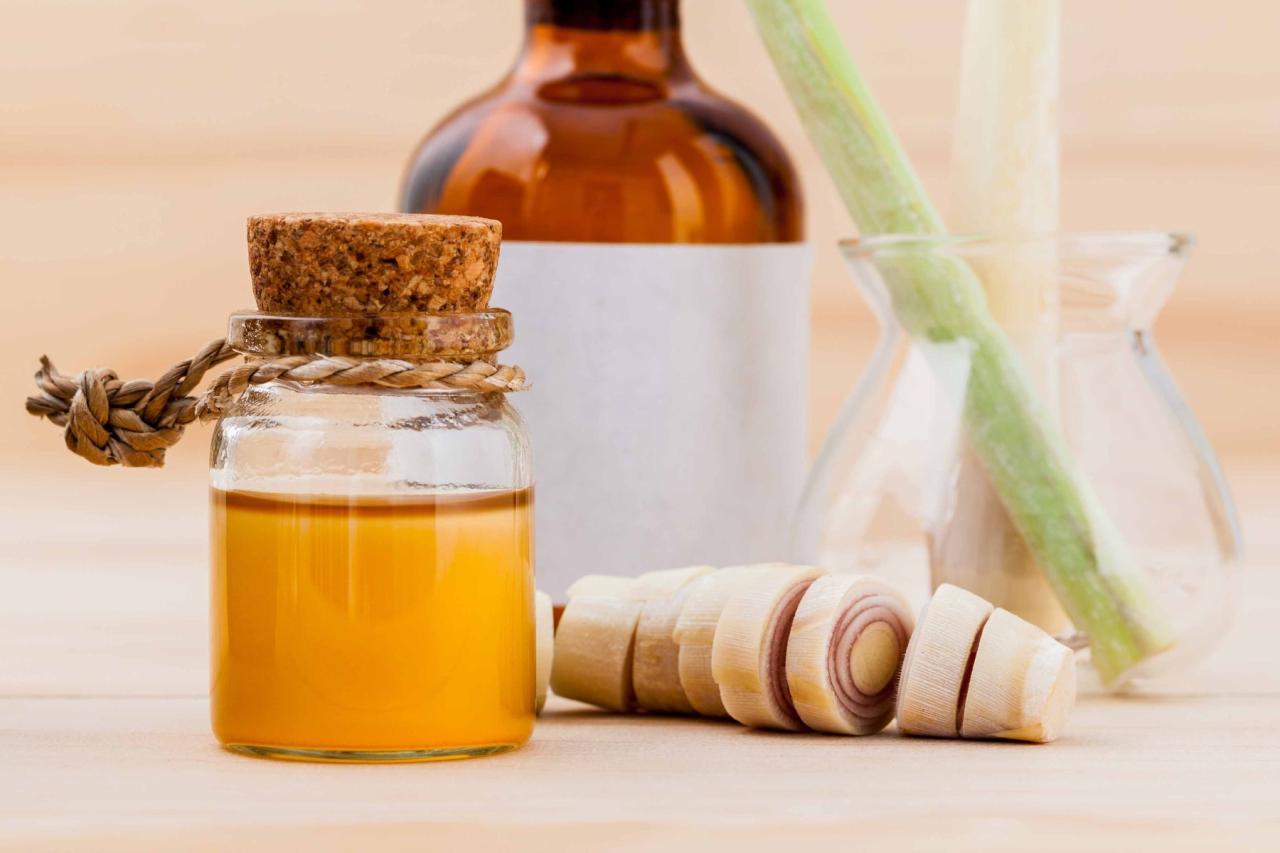
Lemongrass oil, extracted from the leaves and stems of the lemongrass plant, is renowned for its refreshing scent and numerous therapeutic benefits. Central to its efficacy are the various chemical constituents that contribute to its unique properties. Understanding these components not only enhances our appreciation for lemongrass oil but also provides insight into its diverse applications in aromatherapy, skincare, and wellness.
The primary chemical constituents of lemongrass oil include citral, myrcene, geraniol, and limonene. Each of these compounds plays a significant role in the oil’s aroma, flavor, and health benefits.
Chemical Constituents and Their Roles
The following are the key constituents found in lemongrass oil, along with their respective roles:
- Citral: This compound accounts for about 70% of lemongrass oil and is responsible for its characteristic lemon fragrance. Citral possesses potent antimicrobial and anti-inflammatory properties, making it useful in treating skin infections and reducing inflammation.
- Myrcene: Comprising around 20% of the oil, myrcene contributes to the oil’s earthy aroma. It is known for its sedative effects and may aid in promoting relaxation and reducing anxiety.
- Geraniol: Present in smaller quantities, geraniol has antioxidant properties that help protect against cellular damage. It is often used in cosmetics for its pleasant scent and skin-benefiting qualities.
- Limonene: This compound adds a citrus note to the aroma and is recognized for its mood-enhancing effects. Limonene is also known to support digestive health and may have potential anti-cancer properties.
Variations in the composition of lemongrass oil can arise from several factors, including the extraction method and the specific species of the lemongrass plant used. The two common extraction methods are steam distillation and cold pressing.
Impact of Extraction Method and Plant Source
The method of extraction significantly influences the yield and composition of lemongrass oil, as each method can affect the volatility of different chemical compounds.
- Steam Distillation: This method is the most widely used for extracting essential oils. It preserves the delicate aromatic compounds effectively, resulting in a high-quality oil rich in citral and other beneficial constituents.
- Cold Pressing: Primarily used for citrus oils, this method can yield oils with a different profile, often resulting in a milder scent and variations in therapeutic benefits due to the preservation of different volatile components.
Moreover, different species of lemongrass, such as Cymbopogon citratus and Cymbopogon flexuosus, exhibit varying chemical profiles. For instance, Cymbopogon citratus has a higher citral content compared to Cymbopogon flexuosus, which may offer a more complex aroma and diverse therapeutic effects.
The composition of lemongrass oil is influenced not only by extraction methods but also by environmental factors such as soil quality, climate, and harvesting techniques.
This chemical complexity highlights the importance of sourcing high-quality lemongrass oil and understanding its constituents for optimal use in health and wellness applications.
The Health Benefits of Lemongrass Oil in Aromatherapy
Lemongrass oil, derived from the leaves and stalks of the lemongrass plant, has been used for centuries in various cultures for its therapeutic properties. In aromatherapy, this essential oil is celebrated not only for its invigorating scent but also for a wide range of health benefits that can enhance both psychological and physiological well-being.
The psychological benefits of lemongrass oil in aromatherapy are numerous. Its refreshing aroma is known to promote mental clarity, reduce anxiety, and uplift mood. The scent has an invigorating quality that can help combat feelings of fatigue and stress while enhancing concentration and focus. On a physiological level, lemongrass oil possesses anti-inflammatory and antibacterial properties that can contribute to overall health. When inhaled or applied through various aromatherapy techniques, it may help alleviate symptoms of respiratory issues, as well as promote better digestion.
Psychological and Physiological Benefits
The benefits of lemongrass oil can be categorized into psychological effects that enhance mental well-being, and physiological effects that contribute to physical health. Understanding these benefits can help individuals incorporate this essential oil effectively into their wellness routines.
- Stress Relief: Inhaling lemongrass oil can help lower stress levels and promote relaxation. The oil’s soothing properties can ease tension headaches and reduce symptoms of anxiety.
- Improved Mood: The invigorating scent of lemongrass is known to enhance mood and promote a sense of happiness, making it an excellent choice for use in diffusers or during meditation sessions.
- Enhanced Focus: Lemongrass oil can help clear the mind and improve concentration, making it beneficial for those needing to focus on work or study tasks.
- Respiratory Health: The oil’s antiseptic properties can help relieve nasal congestion and other respiratory ailments, making it useful in treating colds and allergies.
- Digestive Aid: Lemongrass oil can stimulate digestion, providing relief from bloating and digestive discomfort when used in massage blends on the abdomen.
Incorporating lemongrass oil into aromatherapy practices can enhance its benefits. Here are some practical methods for using this essential oil to maximize its therapeutic effects:
- Diffusion: Using an essential oil diffuser, add a few drops of lemongrass oil to water and let the soothing scent fill your space, promoting a calming environment.
- Topical Application: Dilute lemongrass oil with a carrier oil like coconut or jojoba oil and apply it to areas of tension, such as the neck or shoulders, for relief.
- Inhalation: Place a few drops of lemongrass oil on a tissue or cotton ball and inhale deeply for a quick mental boost.
- Bath Soak: Add several drops of lemongrass oil to a warm bath to relax the body and mind while enjoying its refreshing scent.
Lemongrass oil is particularly beneficial for addressing specific health conditions. For instance, individuals dealing with chronic stress or mild anxiety can find relief through its calming properties. Furthermore, those suffering from digestive issues such as bloating or indigestion may experience improvements by incorporating it into their massage routines. Additionally, people with respiratory challenges, such as asthma or bronchitis, can benefit from the oil’s ability to open airways and support easier breathing.
“Lemongrass oil is a powerhouse of psychological and physiological benefits, making it an essential addition to any aromatherapy practice.”
Culinary Uses of Lemongrass Oil in Cooking
Lemongrass oil is a versatile ingredient that brings a refreshing, citrusy flavor to a variety of culinary dishes. Its unique taste profile makes it a favorite among chefs and home cooks alike. Incorporating lemongrass oil into your meals can elevate the flavor while also adding potential health benefits, making it a must-try in your cooking repertoire.
The use of lemongrass oil in the kitchen can enhance many dishes, from marinades and dressings to soups and stir-fries. Because of its strong flavor, it’s important to use it wisely. When cooking, it’s generally recommended to use lemongrass oil sparingly, as a little goes a long way. This oil can also serve as a fantastic substitute for fresh lemongrass when it’s not available.
Utilization in Culinary Dishes
Lemongrass oil can be seamlessly integrated into various culinary creations. Here are some popular methods of using it in your cooking:
- Marinades: Lemongrass oil adds a zesty kick to marinades for meats and fish. Combine it with soy sauce, ginger, and garlic for a delicious infusion.
- Soups: A few drops of lemongrass oil can enhance the flavor of broths and soups like tom yum or coconut soup. It complements coconut milk beautifully, adding depth to the dish.
- Stir-fries: When preparing vegetable or protein stir-fries, a dash of lemongrass oil can brighten up the flavors. Add it towards the end of cooking to retain its fragrant properties.
- Desserts: Lemongrass oil can even be used in desserts, such as sorbets or cakes, to provide a unique twist. Pair it with coconut or other tropical flavors for a refreshing treat.
Guidelines for Safe Incorporation
To enjoy the benefits of lemongrass oil while ensuring safety in cooking, follow these guidelines:
- Use in moderation: Due to its concentrated nature, start with one or two drops and adjust according to taste.
- Mix with a carrier oil: When using in dressings or marinades, mix lemongrass oil with a carrier oil (like olive or grapeseed) to help distribute the flavor evenly.
- Cooking temperature: Avoid high-heat cooking methods that may alter the oil’s flavor. Instead, add it to dishes at the end of cooking.
- Storage: Keep lemongrass oil in a dark, cool place, tightly sealed to preserve its aromatic properties.
Flavor Profile Comparison
When comparing the flavor profile of lemongrass oil to fresh lemongrass and other common herbs, distinct differences become apparent.
“Lemongrass oil delivers a potent and concentrated citrus flavor, while fresh lemongrass offers a milder, more herbaceous taste with a fibrous texture.”
Fresh lemongrass has a sweeter and grassier taste, which makes it ideal for dishes that require a subtle infusion of flavor. In contrast, lemongrass oil provides a sharper, more intense citrus burst that can easily overpower delicately flavored dishes.
When compared to other common herbs such as basil or cilantro, lemongrass oil is less earthy and more zesty, bringing a unique brightness to culinary compositions. This makes it a fantastic addition to Asian cuisine, particularly in Thai and Vietnamese dishes, where the balance of flavors is key to achieving authentic tastes.
The Role of Lemongrass Oil in Natural Skincare Products
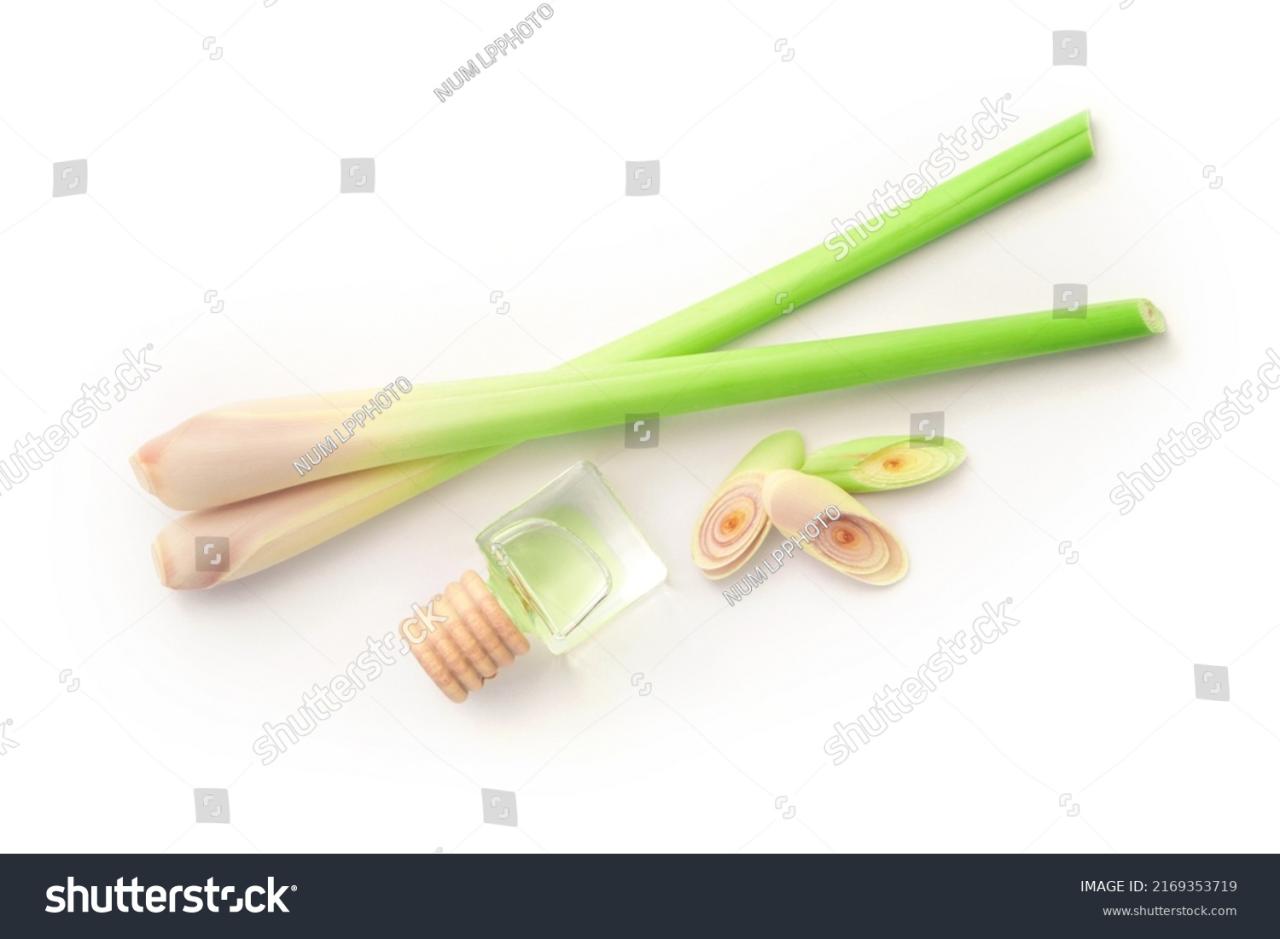
Lemongrass oil, derived from the leaves of the Cymbopogon citratus plant, has gained popularity in natural skincare formulations due to its distinct properties and numerous benefits. This essential oil is known for its refreshing citrus scent and its ability to enhance the efficacy of various skincare products. Its antibacterial, antifungal, and anti-inflammatory properties make it an excellent addition to any natural skincare routine, catering to a wide range of skin types and concerns.
The properties of lemongrass oil that make it particularly suitable for skincare formulations include its antimicrobial activity, which helps in combating acne-causing bacteria, and its astringent qualities that can tighten pores and reduce oiliness. Furthermore, its rich composition of vitamins A and C supports skin health by promoting a youthful appearance and protecting against environmental stressors.
DIY Skincare Recipes with Lemongrass Oil
Creating your own skincare products allows you to customize formulas to suit your needs while harnessing the benefits of lemongrass oil. Here are a couple of simple recipes you can try at home:
1. Lemongrass Facial Toner:
– Ingredients:
– 1 cup of distilled water
– 5 drops of lemongrass oil
– 1 tablespoon of witch hazel
– Instructions: Combine all ingredients in a spray bottle. Shake well before each use. Spray onto the face after cleansing for a refreshing and toning effect.
2. Lemongrass Scrub:
– Ingredients:
– 1 cup of sugar or salt
– 1/2 cup of coconut oil
– 10 drops of lemongrass oil
– Instructions: Mix the ingredients in a bowl until well combined. Apply to damp skin in circular motions and rinse off for a rejuvenating exfoliation.
These recipes not only incorporate the benefits of lemongrass oil but also provide a delightful sensory experience.
Precautions When Using Lemongrass Oil on the Skin
While lemongrass oil offers numerous benefits, it’s essential to exercise caution when incorporating it into your skincare routine. Here are some important considerations:
– Patch Test: Always perform a patch test before applying lemongrass oil to larger areas of the skin. This helps to ensure you do not have an allergic reaction.
– Dilution: Lemongrass oil should be diluted with a carrier oil, such as coconut or jojoba oil, before topical application to prevent skin irritation.
– Sensitivity: Individuals with sensitive skin or conditions such as eczema or psoriasis should consult with a dermatologist before using lemongrass oil.
– Sun Sensitivity: Like many essential oils, lemongrass oil can make your skin more sensitive to sunlight. It is advisable to avoid sun exposure after application or to use it in the evening.
Using lemongrass oil in moderation and with the right precautions can enhance your skincare regimen while minimizing the risk of adverse reactions.
Investigating the Antimicrobial Properties of Lemongrass Oil
Lemongrass oil, derived from the leaves of the Cymbopogon citratus plant, has gained significant attention for its antimicrobial properties. Research in recent years has highlighted its efficacy against a variety of pathogens, positioning it as a potential natural alternative in both healthcare and food preservation. This discussion delves into the scientific studies that have examined lemongrass oil’s antimicrobial effects, its applications as a natural preservative, and how it compares to other essential oils.
Scientific Studies on Antimicrobial Effects
Numerous studies have investigated the antimicrobial properties of lemongrass oil, showcasing its effectiveness against a wide range of microorganisms, including bacteria, fungi, and viruses. For example, a study published in the Journal of Essential Oil Research demonstrated that lemongrass oil exhibited significant antibacterial activity against Staphylococcus aureus, a common pathogen responsible for various infections. The study revealed that the oil’s high concentration of citral, its primary active compound, plays a crucial role in disrupting the cellular membranes of bacteria.
Another research effort published in the International Journal of Food Microbiology found that lemongrass oil effectively inhibited the growth of foodborne pathogens like Escherichia coli and Salmonella enterica, suggesting its potential application in food safety. The researchers noted that the oil could be particularly beneficial in controlling microbial growth in perishable food items, thereby extending their shelf life.
Applications as a Natural Preservative in Food Products
The potential of lemongrass oil as a natural preservative in food products is both promising and practical. Its antimicrobial properties can be harnessed to enhance food safety and reduce reliance on synthetic preservatives. Here are some key points regarding its applications:
– Natural Antimicrobial Agent: Lemongrass oil’s ability to inhibit microbial growth makes it a valuable ingredient in various food products, such as sauces, marinades, and dressings, where spoilage is a concern.
– Flavor Enhancement: Besides its preservative qualities, lemongrass oil adds a unique flavor profile to food, making it an appealing choice for culinary applications.
– Shelf Life Extension: Studies have shown that incorporating lemongrass oil into food products can significantly prolong their shelf life while maintaining quality, thus providing a dual benefit.
Comparison with Other Essential Oils
When evaluating the effectiveness of lemongrass oil in microbial activity, it is useful to compare it with other prominent essential oils. Several essential oils, including tea tree, oregano, and eucalyptus oil, also possess antimicrobial properties, but lemongrass oil stands out due to its specific characteristics.
– Tea Tree Oil: Known for its potent antibacterial and antifungal properties, tea tree oil is often used in personal care products. However, its strong odor may limit its application in food.
– Oregano Oil: Oregano oil is recognized for its high antioxidant activity and its effectiveness against bacteria and fungi. While it is powerful, the flavor may not be suitable for all food products as lemongrass oil.
– Eucalyptus Oil: This oil is effective against specific pathogens but less versatile in culinary applications compared to lemongrass oil, which complements various dishes.
Overall, the antimicrobial properties of lemongrass oil make it a compelling option in both food preservation and health-related applications. Its unique combination of effectiveness and pleasant aroma positions it favorably among essential oils in the pursuit of natural alternatives.
The Environmental Impact of Lemongrass Oil Production
Lemongrass oil production not only provides numerous benefits for aromatherapy and wellness but also has significant environmental implications. Understanding sustainable practices in lemongrass cultivation, its economic importance to local communities, and the challenges faced in its production can shed light on its overall impact.
Sustainable Farming Practices Used in Lemongrass Cultivation
Sustainable farming practices are essential in lemongrass cultivation to minimize environmental impact while maximizing productivity. These practices ensure that the cultivation of lemongrass maintains ecological balance and supports biodiversity.
- Organic Farming: Many farmers use organic techniques, avoiding synthetic pesticides and fertilizers, which helps protect soil health and local ecosystems.
- Crop Rotation: Implementing crop rotation prevents soil depletion and reduces the risk of disease and pest infestations, promoting a more sustainable harvest.
- Water Management: Efficient irrigation methods, such as drip irrigation, minimize water wastage and ensure that water resources are used wisely.
- Agroforestry: Integrating lemongrass cultivation with tree planting enhances biodiversity, provides shade, and improves soil quality.
Economic Importance of Lemongrass Oil Production to Local Communities
Lemongrass oil production plays a pivotal role in the economy of local communities, offering both direct and indirect benefits. It provides jobs and fosters local entrepreneurship, contributing to community development.
- Employment Opportunities: The cultivation and processing of lemongrass oil create numerous jobs in farming, harvesting, and production, supporting local livelihoods.
- Income Generation: Farmers often see increased income from lemongrass oil, which can provide financial stability and improve living conditions.
- Market Access: Lemongrass oil is in high demand globally, providing farmers with access to international markets and fair trade opportunities.
Challenges Faced in the Production of Lemongrass Oil and Solutions Being Implemented
Despite its benefits, the production of lemongrass oil encounters several challenges that can hinder sustainability and profitability. Addressing these issues is crucial for the long-term viability of the industry.
- Pest and Disease Management: Farmers face challenges with pests and diseases affecting lemongrass. Integrated Pest Management (IPM) practices, such as using natural predators and organic solutions, are being implemented to tackle this issue responsibly.
- Market Fluctuations: Price volatility can impact farmers’ earnings. Establishing cooperatives helps farmers stabilize prices through collective bargaining and reduces individual market risks.
- Climate Change Effects: Changes in climate patterns can affect lemongrass yield. Resilient farming techniques, such as selecting drought-resistant varieties, are becoming increasingly important for adaptation.
Crafting Blends with Lemongrass Oil for Personal Use
Lemongrass oil is a versatile essential oil known for its refreshing aroma and various therapeutic benefits. It can enhance mood, relieve stress, and promote relaxation, making it an excellent base for creating custom blends. By mixing lemongrass oil with other essential oils, you can tailor your blends to meet specific health and wellness goals, whether for aromatherapy, skincare, or even household cleaning.
Combining lemongrass oil with other essential oils allows you to harness the unique properties of each oil to create beneficial synergies. For example, pairing it with lavender can enhance relaxation, while blending it with tea tree oil can boost its antimicrobial properties. Below are some recommended blends tailored for different applications.
Recommended Blends for Various Applications
Creating custom blends can be both an enjoyable and therapeutic experience. Here are some suggested blends that highlight the potential of lemongrass oil:
- Relaxation Blend:
Mix 3 drops of lemongrass oil, 2 drops of lavender oil, and 2 drops of bergamot oil. This combination is perfect for diffusing during meditation or relaxation practices. - Uplifting Mood Blend:
Combine 4 drops of lemongrass oil, 3 drops of sweet orange oil, and 2 drops of frankincense oil. This blend can help create a bright and cheerful atmosphere, ideal for use in the morning. - Antimicrobial Cleaning Blend:
Mix 5 drops of lemongrass oil, 5 drops of tea tree oil, and 10 drops of eucalyptus oil. This blend is effective for homemade cleaning solutions and can help disinfect surfaces naturally. - Soothing Skin Blend:
Combine 3 drops of lemongrass oil, 3 drops of tea tree oil, and 2 teaspoons of coconut oil. This blend can be used to soothe minor skin irritations and acne.
Storing your custom blends properly is essential to maintain their efficacy and longevity. Essential oils should be stored in dark, glass bottles to protect them from light and heat, which can degrade their potency. It’s also advisable to keep them in a cool, dry place away from direct sunlight.
When using your blends, always perform a patch test on a small area of skin to ensure there is no allergic reaction, especially when incorporating oils like lemongrass that can be potent. Remember, the key to creating successful blends is to experiment gradually and to enjoy the process of finding combinations that resonate with your personal wellness goals.
“Crafting your own blends allows for a personalized approach to aromatherapy, making each experience uniquely beneficial.”
Final Thoughts
In conclusion, lemongrass oil is more than just a fragrant oil; it embodies a rich tapestry of benefits ranging from culinary enhancements to therapeutic applications. With its antimicrobial properties and skin-friendly attributes, it’s clear that lemongrass oil holds significant value in various aspects of health and wellness. As you consider incorporating this versatile oil into your life, remember the importance of understanding its uses and benefits to maximize your experience.
Answers to Common Questions
What is lemongrass oil used for?
Lemongrass oil is used for aromatherapy, cooking, skincare, and as a natural preservative due to its antimicrobial properties.
Is lemongrass oil safe for topical use?
Yes, but it should be diluted with a carrier oil to avoid skin irritation.
Can I ingest lemongrass oil?
While it can be used in cooking, ingestion should be approached with caution; always use food-grade quality and consult a professional.
How should I store lemongrass oil?
Store lemongrass oil in a cool, dark place, away from direct sunlight, to maintain its potency.
Can lemongrass oil help with stress relief?
Yes, lemongrass oil is known for its calming properties and can help alleviate stress when used in aromatherapy.