
 Penelope Hailey
Jojoba oil has emerged as a highly sought-after ingredient in the world of beauty and wellness, renowned for its numerous benefits and versatile applications. With roots deeply embedded in indigenous traditions, this remarkable oil boasts a rich history that stretches from ancient cultures to modern cosmetic formulations. As we explore the origins, chemical properties, and myriad benefits of jojoba oil, you’ll discover why it has become an essential staple for skincare and haircare enthusiasts alike.
From its sustainable harvesting practices to its unique ability to mimic human sebum, jojoba oil offers a wealth of advantages. This oil is not just a beauty product; it’s a sustainable resource that supports both skin health and the environment. Join us as we delve into the fascinating world of jojoba oil and uncover its secrets!
The Origins of Jojoba Oil Detailing the historical significance of jojoba oil in indigenous cultures and its journey to modern use.
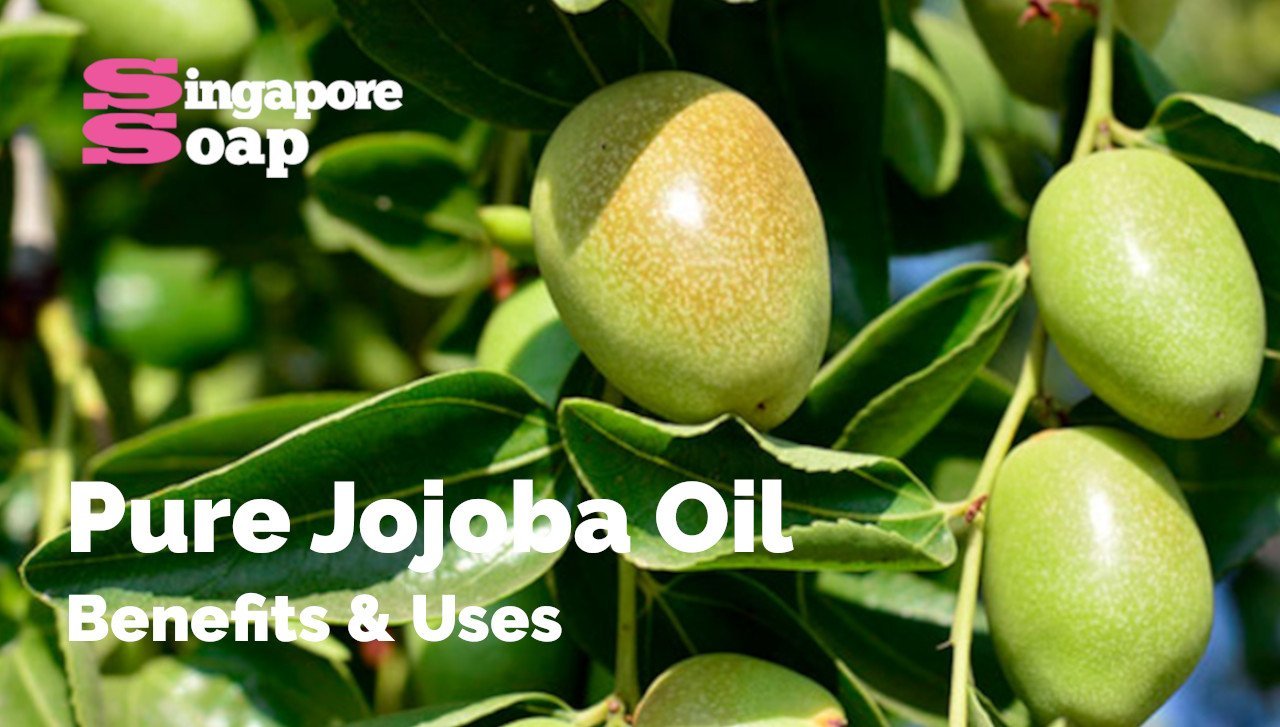
Jojoba oil, derived from the seeds of the jojoba plant (Simmondsia chinensis), has a rich history that intertwines with the cultures of Native American tribes. Traditionally, the oil was not only a practical resource but also held cultural significance, making it an essential part of their daily lives. The discovery and subsequent popularity of jojoba oil in the modern beauty industry highlight its versatility and sustainability.
Native American tribes, particularly those in the Southwestern United States, have utilized jojoba oil for centuries. The indigenous peoples recognized the oil’s moisturizing properties, extracting it by pressing the seeds of the jojoba plant. This oil was used as a skin moisturizer, serving to hydrate and protect the skin against the harsh, arid climate. Additionally, it held medicinal value; for instance, tribes applied it to treat minor wounds and skin ailments, leveraging its natural antimicrobial properties. The versatility of jojoba oil extended to hair care as well, where it was used to maintain scalp health and add shine to hair. Its nourishing qualities made jojoba oil a staple in traditional healing and beauty practices long before it entered the global marketplace.
The introduction of jojoba oil to the beauty industry began in the 1970s when researchers recognized its unique structure, which closely resembles human sebum. This discovery paved the way for its incorporation into various cosmetic formulations. The oil’s ability to moisturize without clogging pores made it a popular ingredient in skincare and haircare products. As the demand for natural ingredients in cosmetics grew, jojoba oil stood out for its biocompatibility and sustainable sourcing. Unlike many oils, jojoba is harvested from a drought-resistant shrub, making it an environmentally friendly choice.
Sustainable harvesting practices have become integral to the jojoba industry. The jojoba plant thrives in arid environments, and as such, its cultivation requires minimal water. Farmers are increasingly engaging in practices that protect the desert ecosystem while ensuring high-quality oil production. These environmentally conscious methods not only contribute to the conservation of natural habitats but also support the livelihoods of local communities involved in jojoba farming.
The Chemical Composition of Jojoba Oil Elaborating on the unique properties that make jojoba oil a valuable ingredient in skincare and haircare products.
Jojoba oil is not just a popular moisturizing agent; its unique chemical composition sets it apart as a powerhouse in both skincare and haircare. Extracted from the seeds of the Simmondsia chinensis plant, jojoba oil is acclaimed for its close resemblance to human sebum, making it a perfect match for maintaining skin and hair health. Understanding its chemical makeup reveals why it is so beneficial.
Key Fatty Acids and Vitamins in Jojoba Oil
Jojoba oil contains a rich blend of fatty acids and vitamins, contributing to its effectiveness in skincare and haircare formulations. The main components include:
- Monounsaturated fatty acids: Such as eicosenoic acid and docosenoic acid, which help to keep skin hydrated and supple.
- Vitamins: Jojoba oil is a powerhouse of vitamins E and B-complex, both known for their antioxidant properties and ability to promote skin cell regeneration.
- Linoleic acid: This fatty acid is crucial for skin barrier function and helps in reducing inflammation, making it beneficial for sensitive skin types.
The combination of these fatty acids and vitamins helps to soothe and nourish the skin, while also providing protective benefits. Jojoba oil’s emollient properties allow for deep moisturization without clogging pores.
Texture and Absorption Comparison with Other Oils
When comparing jojoba oil with other common oils used in cosmetic formulations, its texture and absorption rates are distinctive. Jojoba oil is liquid at room temperature and has a light, non-greasy feel, which makes it easily absorbed by the skin.
In contrast, oils like coconut oil may leave a heavier residue, while olive oil can be thicker and slower to absorb. This unique texture of jojoba oil allows it to provide effective hydration without feeling greasy, making it suitable for various skin types, including oily and acne-prone skin.
Significance of Wax Esters in Jojoba Oil
A defining feature of jojoba oil is its high concentration of wax esters, which constitute about 97% of its composition. These wax esters are significant because they closely mimic human sebum, the natural oil produced by our skin. This resemblance has several implications:
- Seamless absorption: The similarity allows jojoba oil to penetrate the skin effectively, promoting moisture retention without the heavy feel associated with other oils.
- Balancing oil production: By mimicking sebum, jojoba oil can help regulate oil production in the skin, making it ideal for those with oily or combination skin types.
- Stability: Wax esters contribute to the oil’s stability, giving jojoba oil a long shelf life without rancidity.
This unique characteristic of jojoba oil not only enhances its performance in skincare but also makes it a versatile ingredient in haircare, where it nourishes the scalp and strengthens hair without weighing it down.
The Benefits of Using Jojoba Oil in Skincare Discussing the myriad ways jojoba oil can enhance skin health and beauty.
Jojoba oil, derived from the seeds of the jojoba plant, is a versatile and beneficial addition to any skincare routine. Its unique composition closely resembles the natural oils produced by our skin, making it an excellent moisturizer and treatment for various skin conditions. This oil not only nourishes but also promotes overall skin health, making it a favorite among skincare enthusiasts.
One of the standout properties of jojoba oil is its ability to alleviate several skin conditions. Here are five notable skin concerns where jojoba oil has shown remarkable efficacy:
Skin Conditions Alleviated by Jojoba Oil
Jojoba oil provides relief from various skin issues, thanks to its anti-inflammatory and moisturizing properties. Below are some common conditions that can benefit from its application:
- Acne: Jojoba oil helps regulate sebum production, preventing clogged pores while its anti-inflammatory properties soothe redness and irritation.
- Dry Skin: The oil acts as an effective emollient, providing deep hydration and preventing moisture loss, making it ideal for dry, flaky skin.
- Eczema: Its soothing nature reduces itching and inflammation associated with eczema, facilitating healing and promoting skin barrier function.
- Psoriasis: Jojoba oil’s moisturizing properties can alleviate the dryness and scaling of psoriasis, helping to restore skin suppleness.
- Sunburn: The anti-inflammatory effects of jojoba oil can soothe sunburns, while its rich texture aids in hydration and aids the skin’s recovery.
Jojoba oil’s moisturizing properties are one of its most celebrated features. Its unique composition allows it to closely mimic human sebum, making it an excellent natural moisturizer that penetrates deeply without leaving a greasy residue. This quality not only hydrates the skin but also creates a protective barrier that locks in moisture, safeguarding against environmental stressors.
Supporting Evidence for Jojoba Oil’s Efficacy in Skincare
Numerous studies and testimonials support the effectiveness of jojoba oil in enhancing skincare routines. Below are some noteworthy findings:
“Jojoba oil is found to be an effective treatment for acne due to its ability to mimic the skin’s own sebum and help balance oil levels.”
“Clinical studies have demonstrated that jojoba oil significantly improves skin hydration and elasticity, especially in individuals with dry skin conditions.”
“User testimonials consistently report reduced inflammation, improved skin texture, and overall satisfaction with the use of jojoba oil in their daily skincare regimen.”
Together, these benefits make jojoba oil a powerful ally for anyone seeking to improve their skin health and beauty. By incorporating this natural oil into your routine, you can address various skin concerns while nourishing and hydrating your skin effectively.
The Applications of Jojoba Oil in Haircare Outlining the advantages of incorporating jojoba oil into haircare routines for various hair types.
Jojoba oil is a versatile and nourishing oil that has gained popularity in the world of haircare. Its unique composition closely resembles the natural oils produced by our scalp, making it an excellent choice for various hair types. Adding jojoba oil to your haircare routine can lead to improved scalp health, enhanced moisture retention, and overall better hair condition.
Incorporating jojoba oil into haircare routines can significantly improve scalp health and combat conditions such as dandruff. Since jojoba oil has antifungal and antibacterial properties, it can help maintain a healthy scalp environment by preventing the growth of fungi that can lead to dandruff. Additionally, it acts as a natural moisturizer, which can alleviate dryness and reduce the itchiness often associated with scalp issues.
Improving Scalp Health and Dandruff Treatment
Jojoba oil is particularly beneficial for individuals struggling with dandruff and dry scalp conditions. The oil penetrates the scalp and delivers deep hydration, while its anti-inflammatory properties soothe irritation. Regular application can lead to a healthier scalp and reduced flakiness.
To effectively use jojoba oil for scalp health, consider the following methods:
- Warm a small amount of jojoba oil and gently massage it into your scalp. This boosts circulation and helps with absorption.
- Allow the oil to sit for at least 30 minutes to ensure maximum effectiveness, and then wash your hair as usual.
- For persistent dandruff, mix jojoba oil with essential oils like tea tree or lavender for added antifungal benefits.
DIY Hair Masks with Jojoba Oil
Creating DIY hair masks with jojoba oil is simple and allows for customization based on specific hair needs. Here’s a step-by-step guide to making a nourishing hair mask:
1. Basic Jojoba Oil Hair Mask
– Combine 2 tablespoons of jojoba oil with 1 ripe avocado (mashed) for a moisturizing treatment.
– Mix thoroughly until smooth, then apply evenly to damp hair and scalp.
– Leave the mask on for 30 minutes, then rinse and shampoo as usual.
2. Jojoba Oil and Honey Mask
– Mix 2 tablespoons of jojoba oil with 1 tablespoon of honey for added shine and moisture.
– Apply to dry or damp hair, focusing on the ends, and leave for 20 minutes before rinsing.
3. Jojoba Oil and Yogurt Mask
– Combine 2 tablespoons of jojoba oil with 1/2 cup of plain yogurt for a protein-packed treatment.
– Apply to the scalp and hair, leave for 30 minutes, and then wash out.
These masks not only enhance moisture but also promote shine and manageability.
Benefits of Jojoba Oil for Different Hair Textures and Conditions
Jojoba oil is suitable for a variety of hair textures and conditions, making it an adaptable choice for many. Here’s how it benefits different hair types:
- Curly Hair: Provides deep hydration and helps define curls without weighing them down.
- Straight Hair: Adds shine and reduces frizz while maintaining a lightweight feel.
- Coarse or Thick Hair: Serves as a natural detangler, making it easier to manage.
- Fine Hair: Helps add moisture without making hair greasy, ensuring a clean and healthy look.
- Damaged Hair: Aids in repairing split ends and restoring vitality to dry, brittle strands.
In essence, jojoba oil is a fantastic addition to any haircare routine, offering localized solutions for common hair issues while enhancing the overall appearance and health of hair.
The Role of Jojoba Oil in Aromatherapy Illustrating how jojoba oil can be used as a carrier oil in aromatherapy blends.
Jojoba oil has gained considerable popularity in the realm of aromatherapy, primarily serving as an effective carrier oil. Its unique composition closely resembles the natural oils of the skin, making it not only an excellent moisturizer but also a preferred choice for blending essential oils. This versatility makes jojoba oil an essential component in creating aromatic blends that provide therapeutic benefits.
Carrier oils play a crucial role in aromatherapy, serving as a base for diluting essential oils before application. They help to safely deliver the concentrated benefits of essential oils to the skin, ensuring that the highly potent extracts are applied in a safe manner. Jojoba oil, specifically, is celebrated for its stability, long shelf life, and skin compatibility. Unlike many other oils, jojoba does not become rancid easily, making it ideal for creating blends that can be stored for longer durations. Additionally, its non-comedogenic properties mean it will not clog pores, making it suitable for all skin types, including oily and acne-prone skin.
Creating Essential Oil Blends with Jojoba Oil for Therapeutic Uses
When creating essential oil blends with jojoba oil, the process is straightforward yet rewarding. Start by measuring out the appropriate amount of jojoba oil, typically about 1 tablespoon for a small batch. Choose your essential oils based on the desired therapeutic effects, keeping in mind the recommended dilution ratios, usually 1% to 3% for topical applications.
For instance, a calming blend might include a few drops of lavender essential oil, known for its relaxing properties, combined with jojoba oil. Similarly, for an uplifting aroma, consider pairing jojoba with sweet orange essential oil, which is often used to elevate mood. Here’s a simple example:
1. Calming Blend:
– 1 tablespoon jojoba oil
– 3 drops lavender essential oil
– 2 drops chamomile essential oil
2. Invigorating Blend:
– 1 tablespoon jojoba oil
– 5 drops sweet orange essential oil
– 2 drops peppermint essential oil
These combinations not only enhance the aroma but also provide numerous benefits for emotional and physical well-being.
Essential oils that pair exceptionally well with jojoba oil include:
– Lavender: Calming and soothing, promotes relaxation.
– Tea Tree: Antimicrobial properties, beneficial for skin issues.
– Sweet Orange: Uplifting and refreshing, enhances mood.
– Peppermint: Stimulating and invigorating, aids in mental clarity.
By utilizing jojoba oil as a carrier, these essential oils can be effectively blended to unlock their full potential, providing a delightful and therapeutic experience in aromatherapy practices.
The Environmental Impact of Jojoba Oil Production Analyzing the sustainability of jojoba oil cultivation and its effects on the environment.
Jojoba oil production presents a unique opportunity to explore sustainable agricultural practices that benefit both the economy and the environment. As demand for natural oils grows, understanding the ecological implications of jojoba cultivation is crucial in promoting environmentally friendly practices. This discussion will highlight the various advantages of jojoba plants, the challenges faced by farmers, and the standards in place that support sustainable production.
Ecological Advantages of Jojoba Cultivation
Jojoba plants offer several ecological benefits compared to traditional oil crops. They are well-adapted to arid climates, which means they can thrive in environments that are unsuitable for many other agricultural products. This adaptability leads to a reduction in the need for irrigation, conserving precious water resources. Moreover, jojoba cultivation requires significantly fewer pesticides and fertilizers due to the plant’s natural resistance to pests.
The following are key ecological advantages of jojoba oil production:
- Minimal water usage: Jojoba uses less water than many other oil crops, making it ideal for arid regions.
- Soil preservation: Jojoba plants help maintain soil structure and prevent erosion, contributing to healthier ecosystems.
- Diversity promotion: Cultivating jojoba can enhance biodiversity in agricultural systems, providing habitats for various species.
Challenges Faced by Jojoba Farmers
Despite its advantages, jojoba farming is not without challenges. Climate change poses a significant threat to jojoba production, as rising temperatures and altered precipitation patterns can affect plant growth and oil yields. Additionally, market fluctuations can make it difficult for farmers to secure fair prices for their crops, challenging the economic viability of jojoba farming.
Key challenges include:
- Climate variability: Changes in weather patterns can impact the health and productivity of jojoba crops.
- Pest pressures: While jojoba is generally resistant to pests, changing climates can introduce new pest species.
- Market instability: Fluctuating oil prices can affect farmers’ income and investments in sustainable practices.
Certifications and Standards for Sustainable Jojoba Production
To promote sustainable jojoba oil production, various certifications and standards have been established. These initiatives aim to encourage environmentally friendly practices while ensuring fair labor conditions for farmers. Certifications such as Organic, Fair Trade, and Rainforest Alliance provide frameworks that guide farmers towards more sustainable practices.
The following certifications play a critical role in ensuring the sustainability of jojoba oil production:
- Organic Certification: Ensures that jojoba is grown without synthetic pesticides or fertilizers, promoting biodiversity and health.
- Fair Trade Certification: Guarantees fair wages for farmers and fosters community development, supporting ethical production.
- Rainforest Alliance Certification: Focuses on biodiversity conservation and sustainable farming practices, helping to protect ecosystems.
The Future of Jojoba Oil in Cosmetic Industry Predicting trends and innovations regarding the use of jojoba oil in beauty products.
The cosmetic industry is continually evolving, and jojoba oil stands at the forefront of this transformation. Recognized for its versatility and compatibility with various skin types, jojoba oil is predicted to play a significant role in future cosmetic innovations. As consumer preferences lean towards natural ingredients, the demand for jojoba oil is expected to surge, fueled by emerging research and the historical usage patterns that highlight its benefits.
Emerging research indicates that jojoba oil may be incorporated into new formulations that address specific skin concerns, including anti-aging, hydration, and sensitivity. Recent studies have shown its potential as a carrier oil, enhancing the efficacy of other active ingredients in cosmetic products. This adaptability presents numerous opportunities for product development. For example, jojoba oil can be blended with botanical extracts to create serums that offer targeted benefits, such as reducing inflammation or promoting skin elasticity.
Current Market Trends and Historical Usage
The historical usage of jojoba oil dates back to indigenous cultures that valued it for its moisturizing properties. In recent years, the market has seen a resurgence in natural and organic beauty products. By comparing current market trends with historical applications, several growth areas for jojoba oil products can be identified:
- Natural Skincare Products: The rise in demand for clean beauty has led to increased formulations featuring jojoba oil, recognized for its non-comedogenic properties and skin compatibility.
- Hair Care Innovations: Jojoba oil is being increasingly utilized in hair care lines, particularly for dry and damaged hair, owing to its ability to mimic the natural oils produced by the scalp.
- Personal Care Items: From lip balms to body lotions, jojoba oil’s moisturizing benefits have made it a popular ingredient in various personal care products.
- Makeup Applications: The oil’s lightweight texture is making its way into makeup formulations, providing hydration while delivering a smooth finish.
As consumers shift towards products that are both effective and sustainable, jojoba oil’s eco-friendly profile aligns perfectly with this trend. Its cultivation is generally considered environmentally friendly, which appeals to the growing demographic of eco-conscious consumers.
“Consumer preference is shifting towards natural ingredients, making jojoba oil one of the most sought-after components in beauty formulations.”
The demand for natural ingredients is significantly impacting the cosmetic industry, with consumers increasingly scrutinizing product labels. Jojoba oil stands out due to its multi-functional properties and skin benefits, making it highly desirable. As more brands commit to transparency and sustainability, the presence of jojoba oil in their formulations is likely to increase.
In conclusion, the future of jojoba oil in the cosmetic industry looks promising. With continuous research and a growing market for natural products, jojoba oil is set to become a staple ingredient in beauty formulations. As brands innovate and develop unique products around jojoba oil, consumers will benefit from enhanced skincare options that align with their preferences for clean and effective beauty solutions.
Last Point
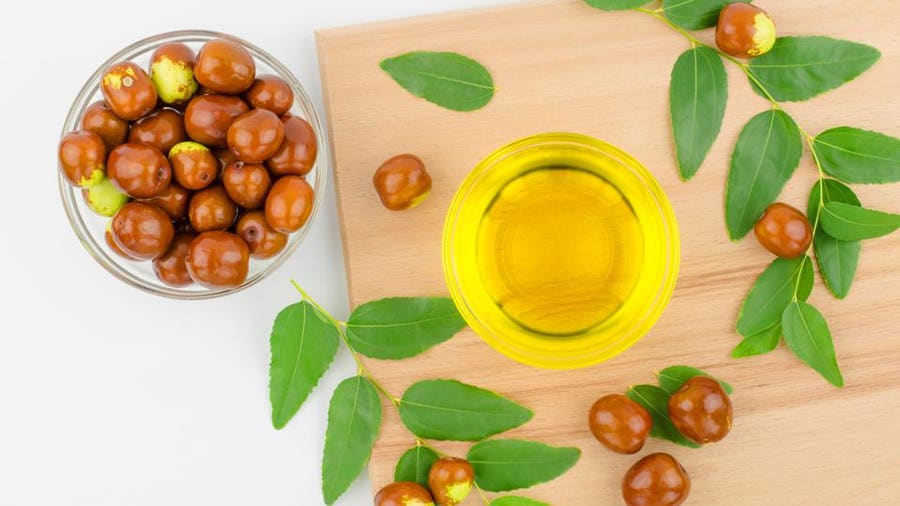
In conclusion, jojoba oil stands out not only for its remarkable properties and benefits for skin and hair but also for its sustainable origins and future potential in the cosmetic industry. As awareness about natural and eco-friendly products grows, jojoba oil is poised to remain at the forefront of beauty innovations. Whether you’re incorporating it into your skincare routine or using it as a carrier oil in aromatherapy, jojoba oil is a versatile elixir that nurtures both you and the planet.
Clarifying Questions
What skin types can benefit from jojoba oil?
Jojoba oil is suitable for all skin types, including oily, dry, and combination skin, due to its ability to balance oil production.
Can jojoba oil help with acne?
Yes, jojoba oil can help reduce acne by regulating sebum production and has anti-inflammatory properties that soothe the skin.
Is jojoba oil safe for sensitive skin?
Absolutely, jojoba oil is gentle and non-irritating, making it a great choice for sensitive skin.
How should I store jojoba oil?
Store jojoba oil in a cool, dark place to maintain its quality and prolong its shelf life.
Can jojoba oil be used on hair?
Yes, jojoba oil is excellent for hair care as it moisturizes the scalp, helps with dandruff, and enhances overall hair health.