
 Penelope Hailey
Coconut oil has emerged as a versatile and multifaceted product that captivates health enthusiasts and beauty aficionados alike. Derived from the flesh of coconuts, this oil boasts a unique nutritional profile, rich in medium-chain fatty acids, which many claim contribute to various health benefits. With its rising popularity, coconut oil is not only a staple in kitchens around the world but also a beloved ingredient in skincare and haircare routines, showcasing its incredible adaptability across different realms of daily life.
As we delve deeper into the world of coconut oil, we’ll explore its distinctive nutritional elements, its role in beauty applications, culinary versatility, health implications, environmental concerns, cultural significance, and the latest trends shaping its future. Through this exploration, it becomes clear why coconut oil has secured its place in both traditional practices and modern innovations.
The unique nutritional profile of coconut oil
Coconut oil is increasingly recognized for its unique blend of nutrients and health benefits that set it apart from other cooking oils. The oil’s composition primarily consists of saturated fats, which account for about 90% of its fat content. Unlike many other oils that are predominantly made up of polyunsaturated fats, coconut oil boasts medium-chain triglycerides (MCTs), which offer distinct advantages for health and wellness.
The specific nutrients found in coconut oil include lauric acid, myristic acid, and caprylic acid, among others. Lauric acid makes up approximately 50% of coconut oil’s fatty acid content. Upon digestion, lauric acid is converted into monolaurin, a compound that possesses antimicrobial properties. This means that coconut oil can help in fighting off harmful bacteria, viruses, and fungi, potentially boosting the immune system. Myristic and caprylic acids also contribute to coconut oil’s anti-inflammatory and antibacterial properties, supporting overall health.
Nutritional comparisons with other cooking oils
Comparative analysis of coconut oil and other cooking oils reveals notable differences in their nutritional profiles. For instance, olive oil, which is rich in monounsaturated fats, is often praised for its heart-healthy benefits. However, it does not contain the same concentration of MCTs as coconut oil. While both oils can be beneficial, their health effects can vary significantly based on how they are used in cooking and their respective fatty acid compositions.
– Olive Oil: Contains high levels of oleic acid, which is beneficial for heart health.
– Vegetable Oils (e.g., canola, soybean): Typically high in omega-6 fatty acids, which may promote inflammation when consumed in excess.
– Butter: Offers vitamins A, D, E, and K, but contains a higher percentage of long-chain saturated fats, which may impact heart health differently than MCTs.
Coconut oil’s MCTs are rapidly absorbed and utilized for quick energy, making it a favorable option for those engaging in high-intensity workouts or needing rapid fuel. This efficient metabolism of MCTs can also promote weight loss by increasing energy expenditure, making coconut oil a potential ally in weight management.
In terms of practical applications, the nutritional components of coconut oil have made it a popular choice among those looking to enhance their diets. For instance, incorporating coconut oil into smoothies can provide a quick energy boost, while using it in baking can add a unique flavor and contribute to a moist texture in goods ranging from muffins to cakes. The presence of medium-chain fatty acids not only supports energy production but may also enhance brain function and cognitive performance, which is particularly relevant for those concerned about neurodegenerative diseases.
Overall, coconut oil offers a distinctive nutritional profile that can complement a healthy lifestyle while providing various health benefits, setting it apart from traditional cooking oils.
Coconut oil in skincare and beauty routines
Coconut oil has gained immense popularity in skincare and beauty routines due to its versatile properties and natural benefits. This organic oil is rich in fatty acids, antioxidants, and vitamins, making it suitable for various applications in beauty care. With its moisturizing qualities and skin-repairing abilities, coconut oil serves as a natural alternative to many commercial products that may contain harmful additives.
Incorporating coconut oil into beauty routines is simple and can be done in multiple ways. Many individuals use it as a moisturizer, applying it directly to the skin after cleansing to lock in hydration. This oil can also serve as an effective makeup remover; a small amount massaged onto the skin breaks down makeup, allowing for easy removal without harsh chemicals. For hair care, coconut oil can be used as a deep conditioning treatment. Applying it to the hair and scalp not only nourishes but also helps reduce frizz and split ends, enhancing overall hair texture and shine.
Advantages of coconut oil compared to commercial beauty products
The advantages of using coconut oil over commercial beauty products are significant. Unlike many synthetic options, coconut oil is a natural product that lacks harmful chemicals, making it gentler on the skin and hair. Additionally, coconut oil is often more cost-effective. It can serve multiple purposes, reducing the need to purchase various specialized products.
Some benefits of coconut oil include:
- Natural moisturizer: It effectively hydrates the skin without clogging pores.
- Antimicrobial properties: Its lauric acid content helps combat bacteria and fungi.
- Anti-aging benefits: Antioxidants in coconut oil protect skin from free radicals, promoting a youthful appearance.
- Improved skin barrier: Regular use can enhance the skin’s protective barrier, preventing moisture loss.
DIY beauty treatments using coconut oil
Creating DIY beauty treatments with coconut oil is both fun and rewarding. Here are several simple recipes that utilize coconut oil’s beneficial properties:
1. Coconut Oil Body Scrub: Combine equal parts coconut oil and sugar or sea salt. This scrub exfoliates dead skin cells, leaving the skin smooth and moisturized.
2. Coconut Oil Hair Mask: Mix coconut oil with honey for a nourishing hair mask. Apply it to dry hair, leave it on for 30 minutes, then wash it out for healthier strands.
3. Lip Balm: Melt coconut oil and mix with a bit of beeswax for a natural lip balm. This keeps lips soft and protected from dryness.
4. Face Moisturizer: Blend coconut oil with a few drops of essential oil, like lavender or tea tree, for a customized facial moisturizer.
By embracing these simple DIY treatments, you can effectively incorporate coconut oil into your regular beauty regimen, enhancing your skincare and haircare routines naturally.
The role of coconut oil in culinary practices
Coconut oil has become a popular choice in kitchens around the world, known for its unique flavor and impressive versatility in culinary applications. From frying and baking to sautéing and drizzling, the oil has a range of uses across various cuisines. Its distinct taste and nutritional benefits have made it a staple in both traditional and modern cooking practices.
Coconut oil is particularly favored for its high smoke point, which typically ranges between 350°F (177°C) and 400°F (204°C), making it suitable for high-heat cooking methods. Unlike many other oils, coconut oil retains its beneficial properties even when heated, which enhances its appeal for health-conscious cooks. Its semi-solid state at room temperature offers a unique texture and allows for easy incorporation into recipes. The rich, slightly sweet flavor of coconut oil complements a variety of dishes, from tropical-inspired meals to baked goods.
Comparison of coconut oil with other cooking oils
When evaluating the culinary properties of coconut oil, it’s essential to compare it with other common cooking oils like olive oil and vegetable oil. Each oil has distinct characteristics that influence flavor and cooking performance.
– Flavor Profile: Coconut oil has a subtle sweetness and a mild coconut flavor, which can enhance the taste of dishes, particularly in tropical and Asian cuisines. Olive oil, on the other hand, offers a robust and fruity flavor that can elevate Mediterranean dishes, while vegetable oil is often neutral in taste, making it less impactful on flavor.
– Nutritional Aspects: Coconut oil is high in saturated fats, primarily medium-chain triglycerides (MCTs), which may aid in energy production and metabolism. Olive oil is rich in monounsaturated fats, known for their heart-health benefits. Vegetable oils typically contain a blend of polyunsaturated fats, which are considered healthy but can vary in composition.
– Cooking Properties: Coconut oil’s high smoke point makes it ideal for frying and sautéing, whereas olive oil can smoke at lower temperatures, depending on its quality. This makes coconut oil a versatile option for a range of cooking techniques.
Coconut oil has inspired numerous popular recipes, showcasing its versatility as a primary ingredient. Here are some examples:
– Coconut Oil Fried Rice: A delightful twist on a classic dish where the oil adds a rich flavor, paired with vegetables and protein of choice.
– Coconut Oil Chocolate Chip Cookies: These cookies benefit from the oil’s moisture, resulting in chewy, flavorful treats that are sure to please any sweet tooth.
– Thai Coconut Curry: Coconut oil serves as a base for this aromatic dish, enhancing the creamy texture of the coconut milk and the spices used.
The versatility of coconut oil makes it an excellent addition to various recipes, allowing cooks to explore its unique flavors and health benefits while enjoying a diverse culinary experience.
Health implications and controversies related to coconut oil
Coconut oil has garnered significant attention in recent years, especially regarding its health implications. While some advocate for its benefits, others raise concerns about its potential risks. This dichotomy has created a lively debate within the nutrition and health communities, with various studies and expert opinions contributing to the ongoing discussion.
Scientific studies on coconut oil and heart health
Research on coconut oil’s impact on heart health reveals a complex picture. Studies indicate that coconut oil is rich in saturated fats, primarily medium-chain triglycerides (MCTs), which may influence cholesterol levels. Some research suggests that MCTs can increase HDL cholesterol, often referred to as “good” cholesterol. For instance, a study published in the *American Journal of Clinical Nutrition* found that MCTs can raise HDL levels and improve lipid profiles.
However, other studies express caution regarding the high saturated fat content of coconut oil. The American Heart Association recommends limiting saturated fat intake due to its association with increased LDL cholesterol (“bad” cholesterol), which is a risk factor for heart disease. A review published in the *Journal of the American College of Cardiology* stated that substituting saturated fats with unsaturated fats could lower the risk of cardiovascular diseases. This conflicting evidence leads to uncertainties surrounding coconut oil’s role in heart health.
Additionally, a meta-analysis in the *British Medical Journal* highlighted that while coconut oil may raise HDL levels, it also raises LDL cholesterol, suggesting a potential negative impact on heart health over time. The ongoing debate is fueled by varying interpretations of existing research, leading to mixed recommendations from health professionals.
Perspectives of nutritionists and health experts
The perspectives of nutritionists and health experts on coconut oil consumption vary widely. Some nutritionists advocate for its use, suggesting that coconut oil can be part of a balanced diet, particularly when replaced for less healthy fats, such as trans fats. Proponents highlight its antimicrobial properties and potential benefits for skin health.
In contrast, many health experts caution against excessive coconut oil consumption. They emphasize the importance of moderation and recommend focusing on oils rich in unsaturated fats, like olive oil and canola oil, which are widely supported by research for heart health benefits. The consensus among many health professionals is that while coconut oil can be enjoyed in moderation, individuals should prioritize a varied diet that includes a range of healthy fats.
In summary, the health implications and controversies surrounding coconut oil highlight the need for careful consideration and further research. While there are potential benefits, the risks associated with high saturated fat intake cannot be overlooked, making it essential for consumers to stay informed and consult with health professionals regarding their dietary choices.
Environmental impacts of coconut oil production
The production of coconut oil raises significant environmental concerns that are increasingly coming under scrutiny. As demand for coconut oil surges, the sustainability of its farming practices is called into question, particularly regarding deforestation, biodiversity loss, and the carbon footprint associated with harvesting and processing coconuts. Understanding these impacts is essential for consumers and producers alike.
One major issue linked to coconut oil farming is deforestation. In many tropical countries, large areas of rainforest are cleared to make way for coconut plantations. This not only contributes to habitat destruction for countless species but also disrupts local ecosystems. The loss of trees exacerbates climate change by releasing carbon dioxide stored in trees, further contributing to global warming. Additionally, monoculture practices—growing a single crop—can lead to soil degradation and diminished fertility over time, making the land less productive and increasing the need for chemical fertilizers and pesticides. The reliance on these chemicals can lead to water pollution and harm local wildlife, creating a cycle of environmental degradation.
Differences between fair trade coconut oil and conventional coconut oil
Fair trade coconut oil presents a more sustainable approach compared to conventional coconut oil. Fair trade practices focus on promoting environmentally friendly farming methods and providing equitable compensation to farmers. This ensures that coconut farming does not come at the cost of the environment.
Key differences affecting environmental impact include:
- Sustainable farming practices: Fair trade coconut oil is often sourced from farms that prioritize organic farming methods, reducing the use of harmful pesticides and fertilizers.
- Biodiversity conservation: Fair trade farms encourage biodiversity by allowing mixed cropping and supporting local ecosystems, unlike conventional farms that typically focus solely on coconut production.
- Carbon footprint reduction: Fair trade practices often involve localized production and processing, which minimizes transportation emissions, whereas conventional coconut oil may be shipped long distances, increasing its carbon footprint.
Consumers looking for environmentally responsible coconut oil should prioritize products that are certified fair trade or organic. Certifications indicate that the oil has been produced under certain standards that protect both the environment and the rights of workers. Labels may also provide insights into sustainable sourcing practices, such as reforestation initiatives or support for local communities. Additionally, investigating the brand’s transparency regarding sourcing and production methods can help consumers make informed choices that align with environmental sustainability goals.
Coconut oil and its traditional uses in different cultures
Coconut oil has long been a staple in various cultures around the world, celebrated not only for its culinary uses but also for its medicinal properties. Its significance transcends geographical boundaries, showcasing how different societies have integrated this versatile oil into their daily lives. From India to the Philippines and beyond, coconut oil plays a pivotal role in health and wellness traditions that have been passed down through generations.
Historically, coconut oil has been a fundamental part of the cultural fabric in many tropical regions. In India, for example, it has been used for centuries for both cooking and therapeutic applications. Ayurvedic practices often include coconut oil in massages, believed to promote skin health and deliver nourishing benefits. In the Philippines, coconut oil is revered as “the miracle oil,” employed in everything from cooking to skin care, reflecting the deep-rooted belief in its healing properties.
Traditional health and wellness practices
Coconut oil’s traditional applications are fascinating and varied, reflecting the unique cultural practices of the societies that cherish it. Here are some noteworthy examples of how coconut oil has been historically utilized for health and wellness:
- Hair Care in Indian Ayurveda: In Indian Ayurvedic practices, coconut oil is often used for oil pulling and scalp massages. This tradition is believed to strengthen hair, prevent dandruff, and promote overall scalp health.
- Skin Moisturizer in Pacific Islands: In many Pacific Island cultures, coconut oil serves as a natural moisturizer. Islanders apply it to their skin to protect against sunburn and keep skin hydrated and supple.
- Digestive Aid in Southeast Asia: In countries such as Indonesia and Malaysia, coconut oil is commonly used in cooking and is thought to support digestive health. Its medium-chain triglycerides are believed to boost metabolism and improve gut function.
- Medicinal Uses in Traditional Medicine: Across various cultures, coconut oil is often utilized in folk medicine for treating ailments like eczema, wounds, and infections, showcasing its antibacterial and anti-inflammatory properties.
Traditional uses of coconut oil have significantly influenced modern applications, as its benefits are increasingly recognized in contemporary health and wellness trends. Today, coconut oil is widely available as a health supplement, ingredient in skincare products, and a favored cooking oil, thanks to its versatile properties and the growing understanding of its health benefits.
Innovations and emerging trends in coconut oil products
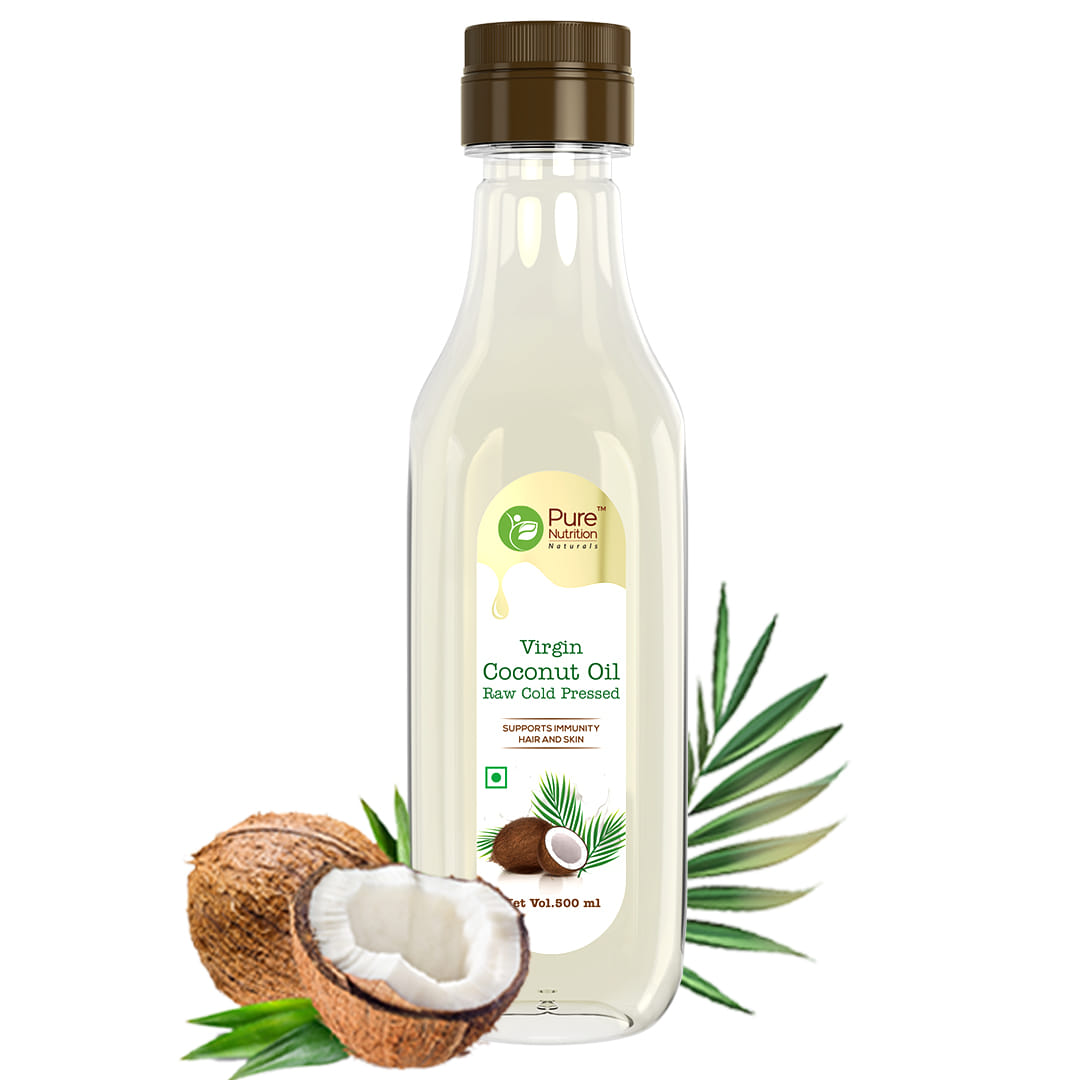
Coconut oil has undergone a significant transformation in recent years, evolving from a traditional cooking ingredient to a versatile wellness and beauty product. As consumers increasingly seek natural and health-conscious alternatives, innovations in coconut oil products are emerging across various industries, particularly in food and beauty. This shift is not just a passing trend but a reflection of changing consumer preferences toward holistic health and sustainable living.
Emerging trends in the coconut oil market highlight its versatility and the creative ways brands are incorporating it into new products. For instance, food companies are infusing coconut oil into snacks, beverages, and even ready-to-eat meals, creating flavorful and health-conscious options. Notably, coconut oil is now being blended with superfoods, such as turmeric and spirulina, to enhance nutritional benefits. Additionally, the rise of plant-based diets has spurred the development of coconut oil-based dairy alternatives, including yogurt and cheese, catering to vegan and lactose-intolerant consumers.
New markets and demographics interested in coconut oil-based products
As coconut oil continues to gain popularity, several new markets and demographics are emerging. The health-conscious millennials and Gen Z consumers are particularly driving this trend, seeking out clean-label products that align with their values of sustainability and health. In addition to these younger demographics, there is a growing interest among fitness enthusiasts and athletes who recognize the performance benefits of incorporating coconut oil into their diets for its medium-chain triglycerides (MCTs), which are known for providing quick energy.
Furthermore, traditional markets in Asia and the Pacific Islands are seeing a revival of coconut oil use, not just locally but also for export. The organic coconut oil segment is expanding, catering to an eco-conscious audience that values organic farming practices. Retailers are also focusing on online platforms to reach broader audiences, making coconut oil products more accessible than ever.
Future predictions for coconut oil in the food and beauty industries
Looking ahead, the future of coconut oil in both food and beauty industries appears promising. In the food sector, innovations like coconut oil-infused meal kits and plant-based cooking oils are expected to flourish as health trends continue to evolve. Companies may also explore functional foods that combine coconut oil with probiotics or adaptogens, aligning with the trend of enhancing everyday wellness through nutrition.
In the beauty industry, coconut oil’s hydrating properties are leading to innovative formulations in skincare and haircare products. Predictions indicate a rise in coconut oil-based cosmetics that emphasize clean beauty and sustainability. Brands are likely to focus on transparent sourcing practices and eco-friendly packaging, appealing to environmentally conscious consumers. As awareness of the benefits of coconut oil grows, alongside the demand for ethical products, the coconut oil market will likely see further expansion and diversification in offerings.
The versatility of coconut oil, from culinary applications to beauty essentials, positions it as a cornerstone for health-conscious consumers.
Epilogue
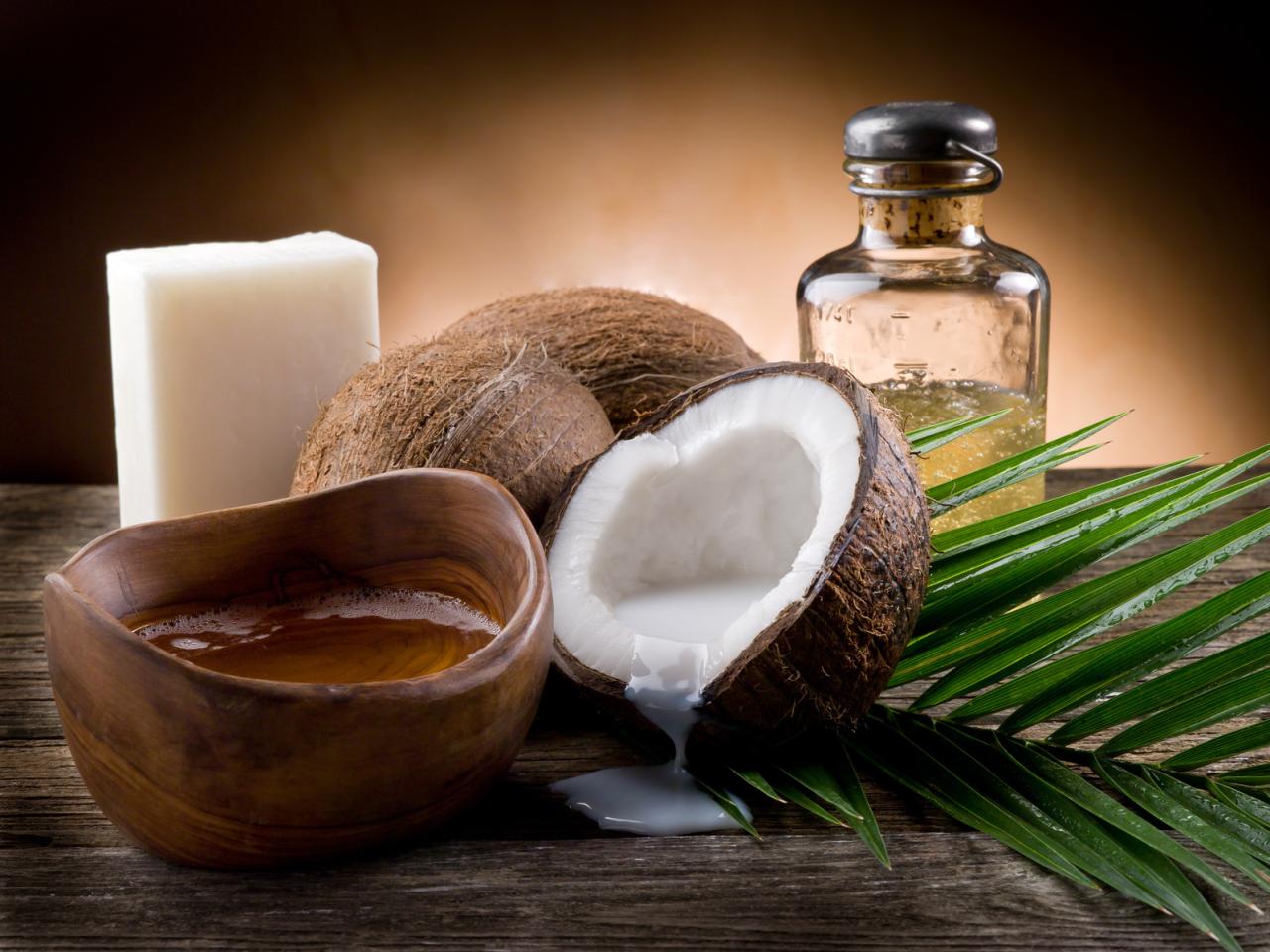
In summary, coconut oil stands out for its rich history, diverse uses, and ongoing innovations that continue to captivate consumers. From its nutritional benefits to its cultural significance and growing presence in the beauty and culinary industries, coconut oil offers a wealth of possibilities. As we become more aware of sustainability and ethical sourcing, understanding coconut oil’s impact will help us make informed choices that align with our values while enjoying the myriad benefits it provides.
Query Resolution
What are the health benefits of coconut oil?
Coconut oil is known for promoting heart health, improving digestion, and providing antimicrobial effects, thanks to its medium-chain fatty acids.
Can coconut oil be used for hair care?
Yes, coconut oil can moisturize hair, reduce protein loss, and enhance shine, making it a popular choice for hair treatment products.
Is coconut oil suitable for high-heat cooking?
Absolutely! Coconut oil has a high smoke point, making it suitable for frying and baking without losing its beneficial properties.
How does coconut oil compare to olive oil for health?
While both oils have health benefits, coconut oil contains more saturated fat, which is debated in terms of heart health compared to olive oil’s monounsaturated fats.
Are there any risks associated with consuming coconut oil?
Some health experts caution against excessive consumption due to its high saturated fat content, which may raise cholesterol levels in certain individuals.
How can I ensure I’m purchasing sustainable coconut oil?
Look for certifications like fair trade and organic, which indicate responsible sourcing and better environmental practices.