 Penelope Hailey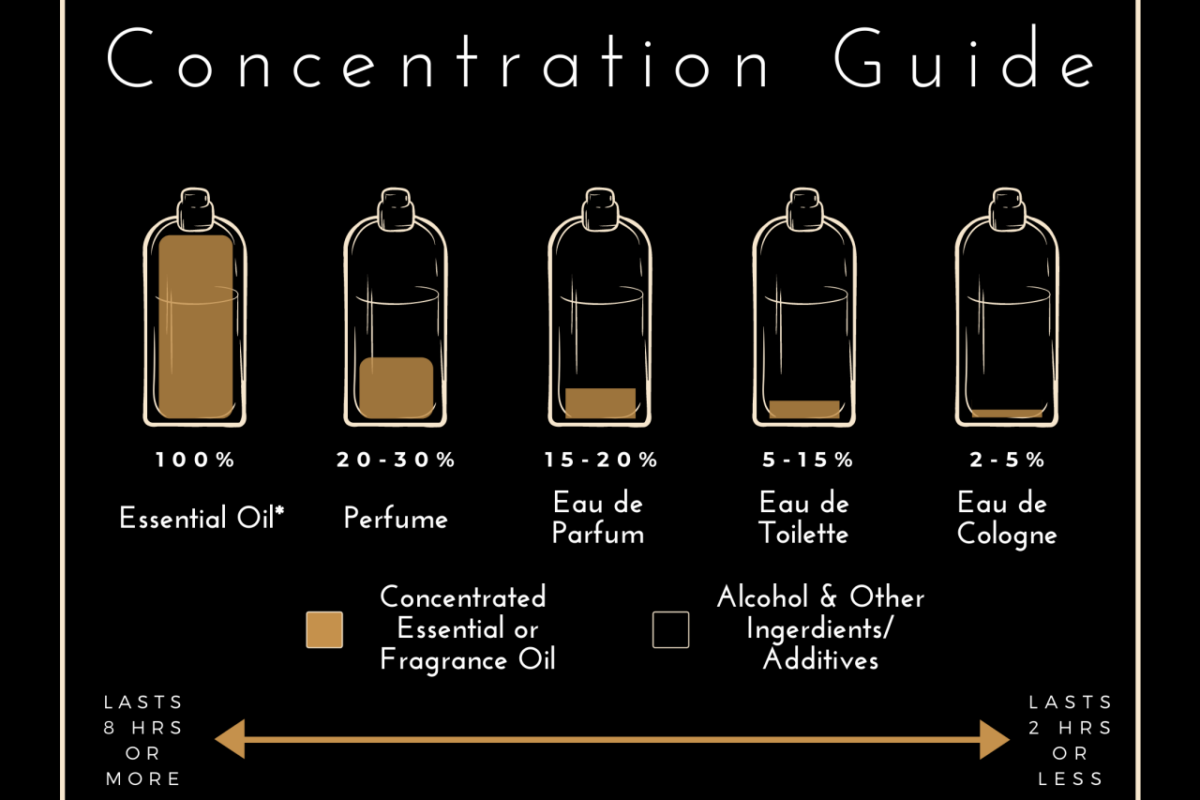
How long does eau de parfum last is a common query for fragrance enthusiasts and casual users alike. Understanding the longevity of this popular scent type can enhance your fragrance experience, making it more enjoyable and effective. It’s not just about the perfume itself; various factors come into play that affect how long that delightful aroma lingers on your skin and in the air.
The longevity of eau de parfum is influenced by a mix of its concentration, your skin type, and even the environment around you. Each person’s unique chemistry can alter how a fragrance behaves, leading to different experiences. From warmer climates that may amplify scents to dry skin that might absorb them faster, the nuances are fascinating. Additionally, fragrance families, such as floral or woody, can have their own longevity characteristics, adding another layer of complexity to the question of how long eau de parfum lasts.
The factors that influence the longevity of eau de parfum
Eau de parfum is a popular fragrance choice, known for its rich scent and lasting power. However, the duration of its fragrance can vary significantly from one person to another. Understanding the factors that influence the longevity of eau de parfum can help fragrance enthusiasts make informed choices about their scent selection and application.
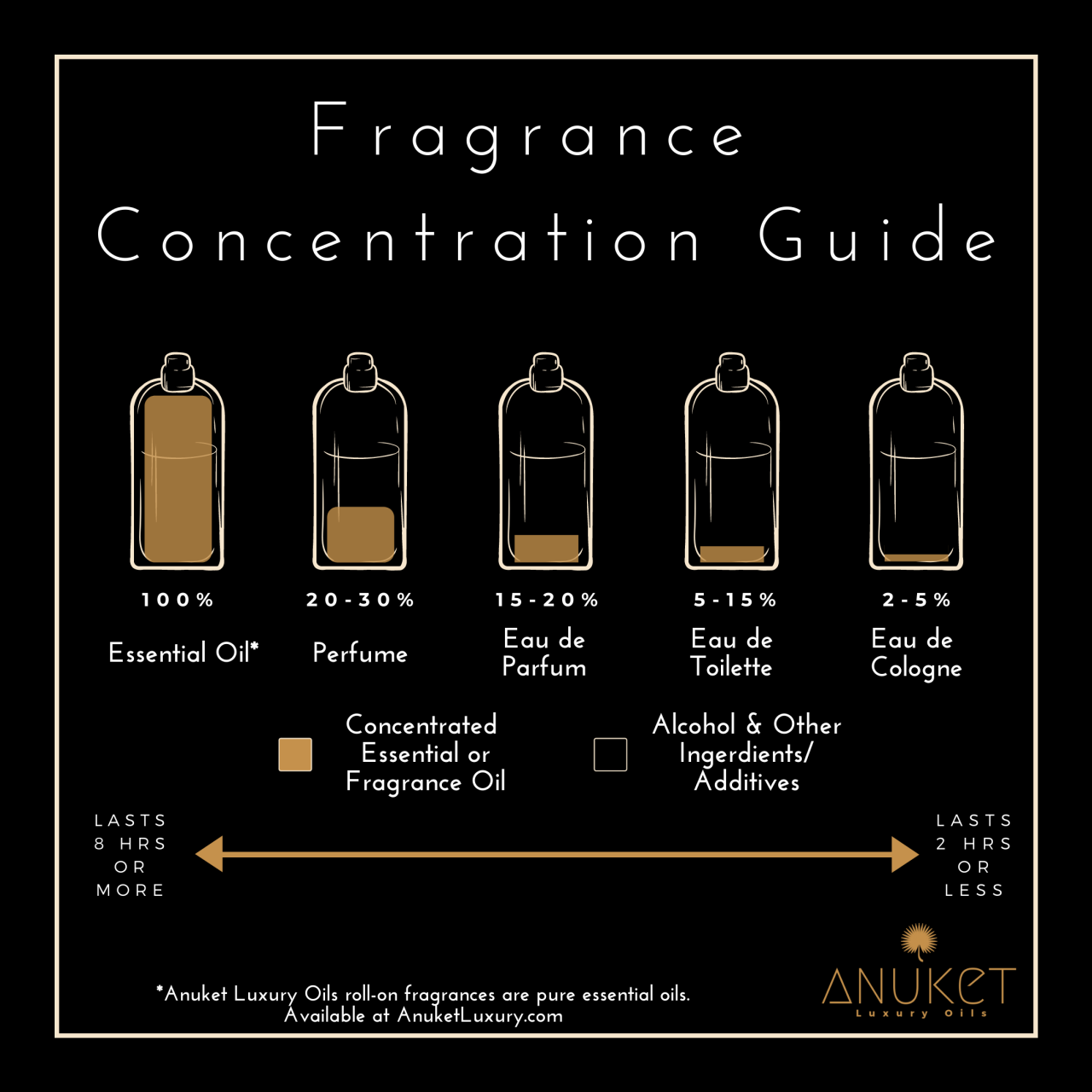
Several key elements affect how long eau de parfum lasts on the skin. The most prominent factor is the concentration of fragrance oils in the formula, which typically ranges from 15% to 20% in eau de parfum. Higher concentrations generally result in longer-lasting scents. Additionally, skin type plays a crucial role; individuals with oily skin often find that fragrances last longer as the oils in their skin can hold onto the scent more effectively. In contrast, those with dry skin may notice the fragrance dissipating more quickly. Environmental factors, such as temperature and humidity, also influence longevity. For example, warmer climates can enhance the diffusion of scent, often leading to a more intense experience but potentially reducing longevity as the scent evaporates faster.
- Concentration: The percentage of fragrance oils directly correlates with longevity. Eau de parfum has a higher concentration than eau de toilette, making it more enduring.
- Skin Type: Oily skin tends to hold fragrances better than dry skin. This difference can significantly impact how long the scent lasts throughout the day.
- Environmental Factors: Humidity and temperature can affect the diffusion and retention of fragrance on the skin. Heat may enhance the scent but can also lead to a quicker evaporation rate.
Different fragrance families also exhibit varying longevity profiles. For instance, oriental and gourmand scents, characterized by their sweet and spicy notes, often last longer due to their heavier base notes. In contrast, fresh and citrus fragrances tend to be lighter and may not linger as long after application. For example, a warm amber or vanilla-based eau de parfum might last well into the evening, while a zesty lemon or green tea scent could fade within a few hours.
“Understanding your skin type and the environmental conditions can help you select the perfect fragrance for lasting enjoyment.”
Ultimately, individual preferences and experiences will dictate how long eau de parfum lasts. Factors like personal body chemistry, frequency of reapplication, and even the way the fragrance is applied—whether directly onto the skin or onto clothing—can result in varied experiences. Recognizing these influences allows fragrance lovers to optimize their scent experience, ensuring they enjoy their favorite fragrances for as long as possible.
The distinction between eau de parfum and other fragrance types
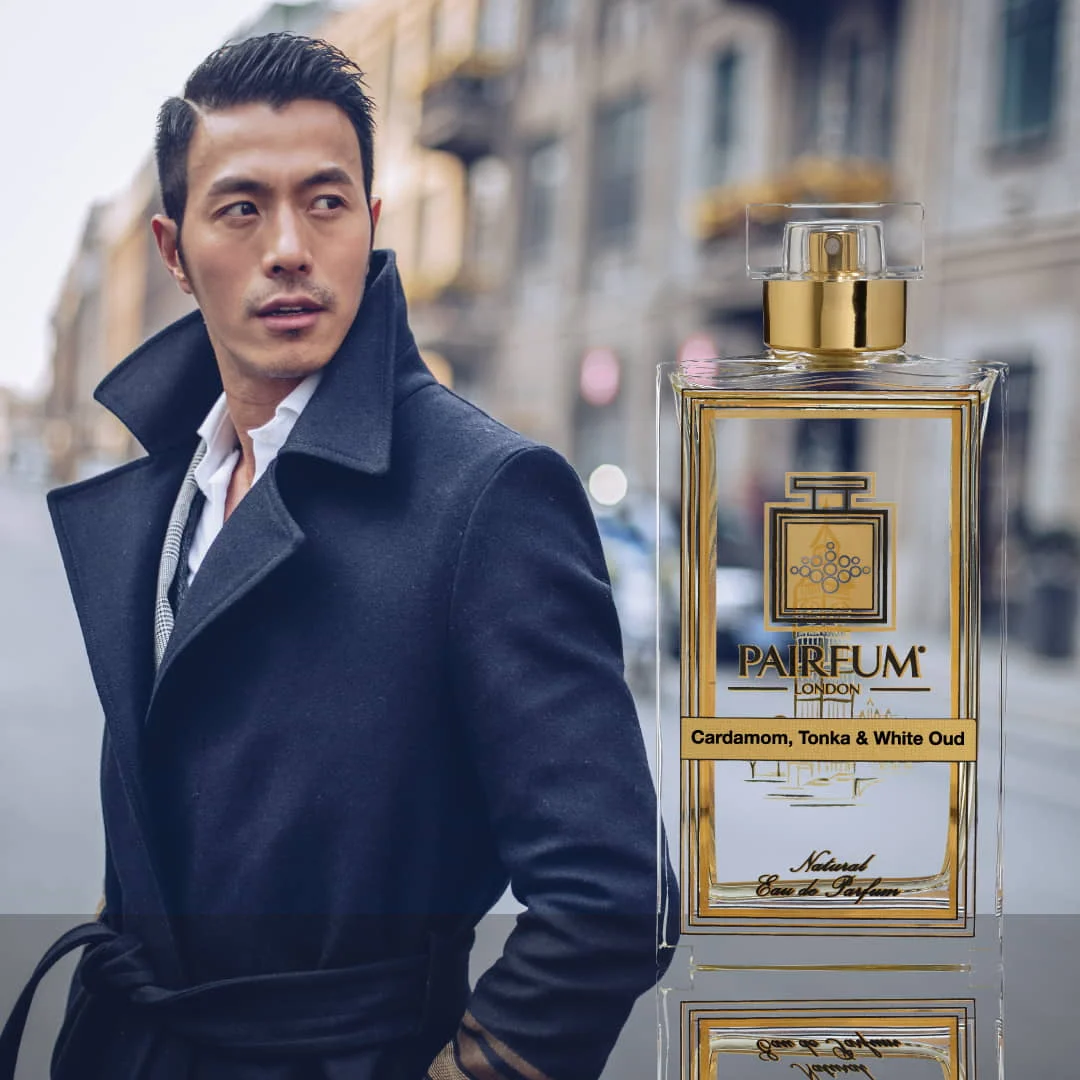
Eau de parfum is a popular choice among fragrance enthusiasts, known for its rich scent and longer-lasting power. However, it is important to understand how it compares to other fragrance types such as eau de toilette, eau de cologne, and parfum. Each of these variations offers different concentrations and scent profiles that cater to various preferences and situations.
Eau de parfum typically contains a higher concentration of fragrance oils compared to eau de toilette and eau de cologne, making it a favored option for those seeking a more intense fragrance experience. The concentration of fragrance oils directly impacts the longevity and sillage of the scent, influencing how long a fragrance will last on the skin or in the air. To better understand the distinctions between these types, let’s explore their concentrations, longevity, and ideal usage scenarios.
Fragrance Concentrations and Longevity
The following table illustrates the typical concentrations of fragrance oils in different types of perfumes, along with their expected longevity on the skin:
| Fragrance Type | Concentration of Fragrance Oils | Expected Longevity |
|---|---|---|
| Eau de Parfum | 15-20% | 4-8 hours |
| Eau de Toilette | 5-15% | 3-5 hours |
| Eau de Cologne | 2-5% | 2-4 hours |
| Parfum (Extrait) | 20-40% | 6-12 hours |
The table clearly highlights the differences in concentration and longevity among the various fragrance types. Eau de parfum, with its 15-20% concentration, is perfect for evening events or special occasions, where a more pronounced fragrance is desired. Parfum, or extrait, is even more concentrated, making it suitable for occasions where a long-lasting scent is essential, such as weddings or formal gatherings.
On the other hand, eau de toilette is lighter and more refreshing, making it ideal for daytime wear or casual outings. It works well in warmer climates or for those who prefer a subtler scent throughout the day. Eau de cologne, with the lowest concentration, is often used as a refreshing splash throughout the day, perfect for an invigorating pick-me-up or post-shower routine.
In summary, the choice between eau de parfum, eau de toilette, eau de cologne, and parfum comes down to personal preference, the occasion, and the desired longevity. Understanding these distinctions allows individuals to select the fragrance type that best aligns with their lifestyle and scent preferences.
Tips for maximizing the duration of eau de parfum on the skin
Eau de parfum is cherished not only for its captivating scents but also for its ability to linger throughout the day. However, getting the most out of your fragrance requires thoughtful application and care. By understanding a few key practices, you can enhance the longevity of your eau de parfum, ensuring that its delightful notes remain vibrant and present.
Skin preparation plays a pivotal role in fragrance longevity. When the skin is well-moisturized and free of any barriers, it can absorb and retain fragrance more effectively. Start by applying a fragrance-free moisturizer or lotion to your skin before spritzing your eau de parfum. This creates a hydrated base that can hold the scent better than dry skin. Moreover, areas of the body that generate heat, such as pulse points, are ideal for application since warmth can help diffuse the fragrance. These points include the wrists, behind the ears, and the base of the throat.
Common mistakes affecting perfume longevity
It’s essential to recognize common missteps that can undermine your fragrance’s staying power. One prevalent mistake is over-applying the perfume. Many people believe that more is better; however, this can lead to overpowering the senses and may actually diminish the perfume’s longevity as it can evaporate more quickly. Additionally, applying fragrance after showering when the skin is still damp can dilute the scent, making it harder for the essence to cling to the skin. Another mistake is rubbing the wrists together after application, which can alter the fragrance and reduce its longevity. Instead, allow the perfume to dry naturally.
Layering scents and moisturizers
Layering is a fantastic strategy to amplify the longevity of your eau de parfum. Utilizing matching scented body products, like lotions and shower gels, can create a more profound scent experience. When these products share similar fragrance notes, they complement and enhance the perfume, allowing it to last longer on the skin. For instance, if your eau de parfum has base notes of vanilla and floral hints, using a vanilla-scented lotion can bolster its staying power.
Incorporating fragrance oils or unscented lotions before applying the eau de parfum can also help. Oils often have a longer-lasting nature compared to regular lotions, enabling the fragrance to cling and develop over time.
Layering your fragrance with compatible scents not only enhances its longevity but also enriches the overall aroma, creating a more sophisticated olfactory experience.
This meticulous approach to fragrance application and layering can significantly enhance the performance of your eau de parfum, allowing you to enjoy its delightful notes for much longer.
How environmental conditions affect the lasting power of eau de parfum
The lasting power of eau de parfum is significantly influenced by environmental conditions. Factors such as temperature, humidity, and altitude can all play a crucial role in how a fragrance performs on the skin and in the air. Understanding these variables can help you make informed choices about when and how to wear your favorite scents, ensuring they last longer and smell their best.
Temperature is one of the most important factors affecting the longevity of eau de parfum. In warmer climates, fragrances tend to evaporate more quickly due to the heat, which can cause the scent to dissipate faster than in cooler temperatures. This evaporation is often exacerbated by direct sunlight, which can break down the fragrance components, leading to a shorter lifespan. For instance, wearing a heavy, spicy scent on a hot summer day may result in a fragrance that fades away before you know it. Conversely, in colder climates, scents can be more pronounced and last longer, as the cool air holds the fragrance molecules better. It’s advisable to apply fragrances more liberally in hot weather and opt for lighter scents, while richer fragrances can be more suitable for colder months.
Humidity also affects how eau de parfum lasts. High humidity can actually enhance the diffusion of fragrance, making it more noticeable but also leading to quicker evaporation. On the other hand, low humidity can cause fragrances to become heavier and stay closer to the skin, making them seem less potent. In areas with high humidity, you might want to choose fresher, citrus-based scents that won’t overwhelm the senses while still providing a refreshing aroma. In contrast, in dry climates, richer, more concentrated fragrances can thrive.
Altitude can further complicate the performance of eau de parfum. At higher altitudes, the lower air pressure can affect how scent molecules are released into the air, potentially diminishing the fragrance’s impact. If you’re in a high-altitude location, it might be beneficial to reapply your scent more frequently throughout the day, as it may not project as strongly.
To maintain the quality and longevity of your perfumes, proper storage is essential. Keep your fragrances in a cool, dark place away from direct sunlight and heat sources, as exposure to these elements can degrade the scent over time. Avoid storing them in bathrooms where humidity levels can fluctuate dramatically. A stable environment, such as a drawer or a cabinet, is ideal. Always ensure that the bottle is tightly closed to prevent oxidation, which can alter the fragrance’s composition.
In summary, understanding how environmental conditions affect eau de parfum can help you make smart choices about your fragrance usage. By adapting your scent choices based on temperature, humidity, and altitude, as well as ensuring proper storage, you can enhance the longevity and overall experience of your favorite fragrances.
The role of personal body chemistry in the longevity of eau de parfum
Personal body chemistry significantly influences how eau de parfum is experienced, including its longevity on the skin. Each person’s skin has a unique combination of pH levels, moisture, and oil content, all of which can alter how a fragrance is perceived over time. For instance, a scent that lasts for hours on one person may fade quickly on another due to these chemical interactions. Understanding this concept is essential for anyone looking to maximize the longevity of their favorite fragrances, ensuring they not only smell great but also enjoy lasting effects.
The individual characteristics of skin chemistry play a critical role in the way fragrances develop and fade. Factors such as skin type, body temperature, and even individual health can affect how long a scent lasts. For example, the oils in the skin can either enhance or diminish the scent’s top, middle, and base notes. A fragrance typically lasts longer on skin that is well-hydrated and has natural oils, while dry skin can absorb the fragrance more quickly, resulting in a shorter wear time. In essence, the unique nature of personal skin chemistry can create a distinct olfactory signature, making the same fragrance smell different on different individuals.
Differences between dry skin and oily skin and their impact on fragrance longevity
The impact of skin type on the longevity of eau de parfum is quite pronounced. Dry skin tends to absorb fragrances more quickly, which can lead to a diminished scent duration. People with dry skin may find that the notes of their perfume dissipate rapidly, often within just a few hours. In contrast, oily skin tends to hold onto fragrances longer. This is because the oils create a barrier that prevents the scent molecules from evaporating as quickly.
For those with dry skin, here are some strategies to enhance fragrance longevity:
- Moisturize: Applying an unscented lotion before spraying perfume can help create a more favorable surface for the scent to adhere to.
- Layering scents: Using matching scented body products can reinforce the fragrance and promote its lasting power.
- Application technique: Spraying on pulse points such as wrists and behind the ears can help the scent radiate more effectively.
Individuals with oily skin can benefit from the natural longevity of scents but should be cautious about overapplication, as it can lead to overpowering fragrance intensity.
Influence of diet and hormonal changes on scent perception and duration
Diet and hormonal fluctuations can also significantly influence how fragrances are perceived and their lasting effects on the skin. Certain foods, such as spicy dishes and garlic, can alter body odor and, consequently, how a fragrance interacts with an individual’s skin. For instance, a diet rich in fruits and vegetables can contribute to a more pleasant body odor, enhancing the overall effect of the perfume.
Hormonal changes, especially those related to stress, menstruation, or pregnancy, can change the skin’s chemistry and moisture levels, affecting how fragrances last. For example, during menstruation, some women may notice that their favorite perfumes smell different or don’t last as long due to hormonal shifts.
In summary, personal body chemistry—including skin type, diet, and hormonal changes—plays a vital role in the longevity of eau de parfum. Understanding these factors can help fragrance enthusiasts make informed choices tailored to their unique body chemistry, ensuring they enjoy their favorite scents for as long as possible.
Cultural and historical perspectives on fragrance longevity
Throughout history, the perception of fragrance longevity has varied across cultures, rooted in the individual traditions and beliefs surrounding scent. In many societies, fragrances have been intimately linked with rituals, identity, and social status, leading to a deep appreciation for how long a scent lingers on the skin or in the air. Eau de parfum, known for its concentrated formulation, has often been viewed as a luxurious item, reflecting the societal values of the time. This enduring allure of fragrance longevity underscores the importance of scent in human experience, shaping personal and communal identities, as well as influencing social interactions.
The evolution of fragrance formulation has significantly impacted the lasting power of scents. Historically, natural ingredients such as oils, resins, and botanicals were used to create perfumes. These early fragrances were often short-lived, as they relied heavily on volatile compounds that evaporated quickly. With advancements in chemistry and the introduction of synthetic materials in the 19th century, perfumers gained the ability to create scents that not only lasted longer but also offered a wider range of aromas. This shift allowed for the development of eau de parfum, which typically contains a higher concentration of fragrance oils compared to eau de toilette, resulting in a longer-lasting scent profile.
Historical significance of scent longevity in various cultures
Fragrance has played a crucial role in many cultures throughout history, often associated with specific meanings and practices. The following examples illustrate the importance of scent longevity in different cultural contexts:
- Ancient Egypt: Egyptians used perfumes extensively, not only for personal adornment but also in religious ceremonies. They believed that a scent that lingered was a sign of divine presence, enhancing the sacred atmosphere during rituals. The use of oils and resins, such as myrrh and frankincense, was common, with the expectation that these fragrances would endure throughout the day.
- Middle Ages in Europe: During this era, fragrances were often employed to mask unpleasant odors in urban settings. The longevity of these scents became crucial, as the quality of life was significantly tied to cleanliness and pleasant aromas. Perfumers began developing intricate recipes that emphasized lasting power, with the wealthy investing in long-lasting perfumes to project status and refinement.
- Traditional Chinese Medicine: In ancient China, certain fragrances were believed to have healing properties, and their longevity was considered essential for therapeutic effects. Scents such as sandalwood and jasmine were used in practices to promote balance and harmony, emphasizing that a lasting scent would enhance the benefits of the treatment.
- Modern Fragrance Culture: In contemporary society, the emphasis on fragrance longevity remains strong. High-end brands market their eau de parfum as sophisticated and enduring, appealing to consumers’ desires for lasting impressions. This reflects a cultural understanding that a scent can evoke memories and emotions, becoming an integral part of one’s identity.
The interplay of fragrance longevity and cultural significance reveals how deeply scents influence human experiences, transcending mere aesthetics to embody social and spiritual values.
Last Recap
In summary, understanding how long eau de parfum lasts involves recognizing various factors from personal body chemistry to environmental conditions. With the right application techniques and awareness of how different elements interact, you can enjoy a more lasting fragrance experience. Whether you’re selecting a new scent or trying to maximize the wear of your favorite, knowing the ins and outs can make all the difference.
Essential FAQs
What is the average duration of eau de parfum?
Generally, eau de parfum lasts between 4 to 8 hours, but this can vary widely based on several factors.
Can I make my eau de parfum last longer?
Yes, applying it to moisturized skin and using layering techniques can enhance its longevity.
Does skin type affect fragrance longevity?
Absolutely, oily skin tends to hold fragrance longer than dry skin, which can absorb more scent quickly.
Should I store my eau de parfum in the fridge?
Storing it in a cool, dark place is ideal, but the fridge is not necessary unless you live in a particularly warm climate.
Does the season affect how long eau de parfum lasts?
Yes, warmer weather can enhance scent diffusion, while colder temperatures may cause fragrances to linger longer.