 Penelope Hailey
Difference between EDP EDT Parfum sets the stage for this enthralling narrative, offering readers a glimpse into a story that is rich in detail and brimming with originality from the outset. Understanding the distinctions among these fragrance types not only enhances our appreciation of scents but also guides us in making informed choices based on occasion and personal preferences.
Each fragrance type—EDP (Eau de Parfum), EDT (Eau de Toilette), and Parfum—holds its unique identity shaped by chemical compositions and concentration levels of fragrance oils. This impacts not just the longevity of the scent but also the overall sensory experience, as the base, middle, and top notes play distinct roles in how a fragrance unfolds over time. Join us as we delve deeper into these nuances, exploring their historical context, skin chemistry interactions, and the appropriate settings for each.
The essential distinctions between EDP, EDT, and Parfum need to be highlighted.
When diving into the world of fragrances, understanding the differences between EDP (Eau de Parfum), EDT (Eau de Toilette), and Parfum (pure perfume) is fundamental. Each type boasts unique characteristics that cater to specific preferences and occasions, making it crucial to grasp their distinctions. The differences can be primarily attributed to their chemical compositions, fragrance oil concentrations, and how their scent profiles evolve over time.
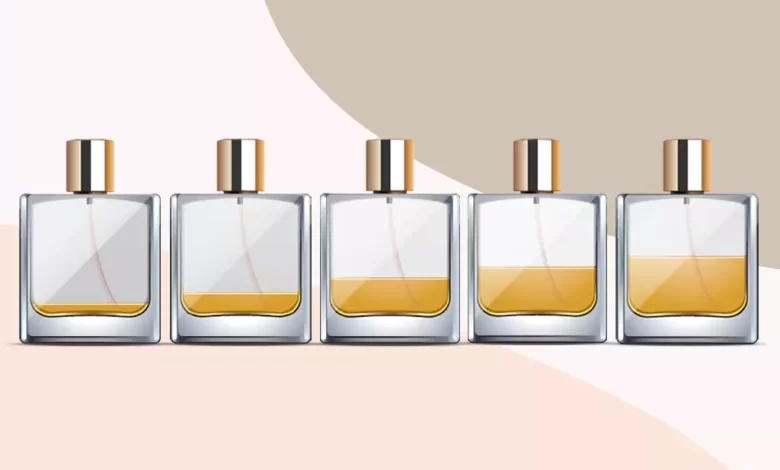
The chemical compositions of EDP, EDT, and Parfum play a significant role in their scent intensity and longevity. Parfum has the highest concentration of fragrance oils, typically ranging from 20% to 40%. This results in a rich and potent scent that can last all day, making it ideal for evening wear or special occasions. EDP, on the other hand, contains about 15% to 20% fragrance oils, providing a balanced scent that lasts around 4 to 8 hours. EDT, with the lowest concentration at about 5% to 15%, offers a lighter and fresher aroma, suitable for casual wear and warmer climates, usually lasting around 3 to 5 hours.
Concentration levels directly affect scent longevity and intensity, shaping the overall fragrance experience. A higher concentration means a more robust scent, while a lower concentration results in a softer, more ephemeral fragrance.
Scent Profile and Note Structure
The way scents are structured in EDP, EDT, and Parfum varies significantly, especially in terms of their top, middle, and base notes. Top notes are the initial impression of a fragrance, typically light and volatile. Middle notes, or heart notes, emerge after the top notes fade, providing the fragrance’s core character, while base notes develop last, providing depth and longevity.
- EDP: With its balanced formula, EDP often features a complex interplay of notes. The top notes can include citrus or fruity scents, while the middle notes may consist of floral or spicy aspects. The base notes usually comprise deeper elements like woods or musks, providing a lasting impression.
- EDT: EDT generally emphasizes fresher, more vibrant top notes to create an immediate impact. Citrus and herbs are common in its opening, with lighter floral heart notes. Base notes remain subtle, often focusing on light woods or light musks.
- Parfum: Parfum’s rich, concentrated nature allows it to develop layers more intensely. Its top notes may be bold and extravagant, while the heart notes are often lush and sophisticated. The base notes are deep and long-lasting, creating a profound and memorable scent experience.
The distinct chemical compositions and oil concentrations contribute to the overall experience and suitable occasions for each fragrance type, allowing individuals to choose what aligns best with their personal style and needs.
The historical context and evolution of EDP, EDT, and Parfum
Fragrance categorization has a rich history shaped by cultural preferences, technological advancements, and evolving artistic expressions in the perfume industry. Understanding the origins and development of Eau de Parfum (EDP), Eau de Toilette (EDT), and Parfum reveals how these fragrances have found their places in our lives and the market.
The differentiation of fragrance types began in the 18th century when the concept of perfume as we know it today started to take shape. Early perfumes were unrefined, often made from natural materials such as flowers, herbs, and spices. With the invention of alcohol distillation techniques, the production of scented oils became more sophisticated, allowing for the creation of varied concentration levels. The introduction of synthetic ingredients in the 19th century further revolutionized the industry, making perfumes more accessible and diverse.
Significant milestones in the perfume industry
The evolution of EDP, EDT, and Parfum can be traced through key events that have defined the perfume landscape:
- 18th Century: The Rise of Modern Perfumery – The emergence of distilled alcohol allowed for clearer and more potent fragrance blends, laying the groundwork for modern perfumes.
- 19th Century: Introduction of Synthetic Accords – The development of synthetic compounds enabled perfumers to create scents that were previously impossible with natural ingredients alone.
- 1921: Launch of Chanel No. 5 – This iconic perfume was one of the first to showcase the concept of EDP, blending floral and aldehydic notes to create a complex scent profile.
- 1970s-1980s: Globalization of Fragrance – The perfume industry expanded globally, introducing a variety of scent preferences influenced by regional cultures.
- 1990s: Rise of Celebrity Perfumes – The trend of celebrity-branded fragrances introduced a new marketing dynamic, appealing to fans and the general public alike.
Cultural influences have played a significant role in the popularity of EDP, EDT, and Parfum. In France, for instance, the tradition of luxury perfumes established a standard for refinement and quality. Meanwhile, in the Middle East, attars and concentrated oils have been favored for their richness and intensity, reflecting the cultural values placed on personal scent.
“The art of perfumery is a reflection of individual expression and cultural heritage, making each fragrance a unique story.”
The impact of skin chemistry and environmental factors on the performance of EDP, EDT, and Parfum needs to be assessed.
Understanding the performance of fragrances like Eau de Parfum (EDP), Eau de Toilette (EDT), and Parfum goes beyond their composition and concentration. Individual skin chemistry plays a significant role in how a scent develops and lasts over time. This variability can lead to differing experiences even when the same fragrance is applied. Environmental factors, including humidity and temperature, further influence the scent’s diffusion and longevity, making it essential to consider these elements when choosing a fragrance.
Skin chemistry varies greatly among individuals due to factors such as pH levels, skin type (oily, dry, or combination), and even diet and hormonal changes. For instance, oily skin tends to hold onto fragrances longer and may amplify certain notes, whereas dry skin may cause a scent to fade more quickly. Additionally, personal hygiene products, such as lotions or deodorants, can interact with fragrances, leading to unexpected variations in scent perception.
Influence of Skin Type on Fragrance Longevity
The skin type plays a pivotal role in how a fragrance is perceived and its lasting power. The interaction between the scent and the skin’s natural oils can alter the fragrance’s character. Below are some key points illustrating this relationship:
- Oily Skin: Fragrances often last longer and project more prominently on oily skin. The natural oils can blend with the fragrance, creating a richer scent profile. For example, someone with oily skin might find that a floral scent becomes more vibrant and lasts throughout the day.
- Dry Skin: Fragrances tend to evaporate more quickly on dry skin, often leading to a weaker scent projection. A person with dry skin may notice that a citrus fragrance fades rapidly, requiring more frequent reapplication.
- Combination Skin: This type may experience a mix of effects, with certain areas enhancing scent longevity while others may lead to faster evaporation. A fragrance that lasts well on the wrist may dissipate quickly on the neck.
Environmental Conditions Affecting Fragrance Performance
Environmental factors such as temperature and humidity are crucial in determining how a fragrance behaves once applied. These conditions can significantly impact scent diffusion and longevity. Here are some insights into their effects:
- Humidity: High humidity levels can intensify fragrance diffusion, causing scents to project more strongly. This is particularly evident in warmer climates where tropical fragrances can be overwhelming without careful application.
- Temperature: Warmer temperatures can enhance the evaporation rate of lighter notes in a fragrance, often leading to a more fleeting scent experience. Conversely, cooler temperatures can ground heavier scents, allowing them to last longer. An example is wearing a spicy fragrance in winter, where the scent tends to linger longer compared to a hot summer day.
- Altitude: Higher elevations can also impact how scents are perceived due to lower oxygen levels, affecting the olfactory receptors. This can result in a fragrance smelling different at a mountain retreat compared to sea level.
The interplay of skin chemistry and environmental factors makes fragrance a highly personal experience, highlighting the importance of testing scents in various settings before making a choice.
Real-life anecdotes often highlight these variations. For example, a friend of mine swears by her favorite EDP during summer vacations, claiming it projects beautifully in the humid beach air, whereas in winter, the same fragrance becomes too heavy, leading her to switch to a lighter EDT. Such personal experiences underscore the need to consider both skin type and environmental conditions when selecting fragrances for specific occasions.
The suitable occasions for wearing EDP, EDT, and Parfum must be examined.
Choosing the right fragrance can significantly enhance your overall experience, whether at work, during leisure activities, or at social gatherings. Each fragrance type—EDP (Eau de Parfum), EDT (Eau de Toilette), and Parfum—has unique characteristics that make it more suitable for specific occasions. Understanding these distinctions can help you select the perfect scent that aligns with the time of day, the season, and the social setting.
Time of Day and Events
When considering when to wear EDP, EDT, or Parfum, it’s essential to factor in the time of day and the event you plan to attend. Each fragrance type has its own intensity and longevity, which influence its appropriateness for various moments.
- EDP: Best worn during evening events or formal occasions. Its rich concentration provides a lasting impression, making it perfect for dinner parties, romantic dates, or evening galas.
- EDT: Ideal for daytime wear, especially in casual or professional settings. It’s light and refreshing, making it suitable for office environments, brunches, or casual outings.
- Parfum: Best reserved for special occasions due to its intense scent profile. Use it during significant events like weddings, anniversaries, or high-profile parties, where you want to make a memorable impact.
Seasonal Appropriateness
The season can greatly influence your fragrance choice. Different scents resonate differently based on temperature and ambiance.
- EDP: Works well in fall and winter. The deeper, warmer notes can combat the cooler climate and add a cozy feel to your outfit.
- EDT: Excellent for spring and summer. Its lighter and airy nature complements the warmer weather, offering a refreshing scent that feels invigorating.
- Parfum: Versatile but often favored in cooler months. Its intensity can be overpowering in hot weather, so it’s best suited for autumn or winter events.
Social Settings Comparison
Choosing the right scent also depends on the type of social interaction you will have. Different fragrances can evoke various moods and expectations in different environments.
| Fragrance Type | Best Social Settings |
|---|---|
| EDP | Formal gatherings, evening events, date nights |
| EDT | Casual outings, daily office wear, brunches |
| Parfum | Special occasions, high-profile events, intimate gatherings |
Choosing the right fragrance type enhances your experience and ensures you make the right impression in every situation.
The pricing differences and market positioning of EDP, EDT, and Parfum should be clarified.
The world of fragrances presents a diverse array of options, each with its own unique characteristics, including EDP (Eau de Parfum), EDT (Eau de Toilette), and Parfum. Understanding the pricing differences and market positioning of these fragrance types is crucial for consumers and brands alike. The concentration of fragrance oils significantly impacts retail pricing, while target demographics and branding strategies further delineate their market presence.
Influence of fragrance oil concentration on retail pricing
The concentration of fragrance oils in EDP, EDT, and Parfum plays a pivotal role in determining their retail prices. Generally, Parfum has the highest concentration of fragrance oils, ranging from 20% to 40%, resulting in a richer scent that lasts longer. This high concentration typically places Parfum at the higher end of the price spectrum. In contrast, EDT contains a lower concentration of fragrance oils, usually between 5% to 15%, making it more affordable. EDP falls in the middle, with a concentration of 15% to 20%, thus positioning it as a balanced option for consumers seeking quality without the higher price tag of Parfum.
-
Higher fragrance oil concentration correlates with increased production costs, as the raw materials are generally more expensive.
- The lasting power of higher concentrations often leads consumers to perceive them as more valuable, justifying the higher price point.
- Luxury brands tend to enforce premium pricing strategies for their Parfum offerings, enhancing brand prestige and exclusivity.
Target demographics and branding strategies
Each fragrance type attracts distinct target demographics, shaped by branding strategies that influence consumer perceptions. Parfum is often marketed towards affluent consumers seeking luxury and exclusivity. These fragrances are typically presented in elegant packaging, with advertising that emphasizes sophistication and allure. EDP appeals to consumers who desire a powerful scent that can last throughout the day without breaking the bank. Its branding often highlights versatility and elegance, making it suitable for various occasions. EDT is frequently targeted at younger consumers or those new to fragrance, with marketing that emphasizes freshness and everyday use. This type typically features vibrant packaging and accessible pricing, appealing to a broader audience.
- Parfum branding often uses sophisticated imagery and luxurious advertising channels.
- EDP marketing focuses on versatility, showcasing its suitability for both day and night wear.
- EDT strategies highlight affordability and freshness, often utilizing vibrant colors and casual themes.
Luxury market versus mass-market offerings
The fragrance market is distinctly divided between luxury and mass-market offerings, with EDP, EDT, and Parfum occupying different niches. Luxury brands, such as Chanel and Dior, typically position their Parfum lines as premium products, often priced considerably higher than their mass-market counterparts. These brands invest heavily in marketing and packaging to create an aura of exclusivity and desirability. On the other hand, mass-market brands like Coty or Revlon offer EDT and EDP options at significantly lower prices, targeting budget-conscious consumers looking for quality scents without the luxury price tag.
- Luxury fragrances often have limited editions, enhancing their exclusivity and allure.
- Mass-market offerings frequently capitalize on popular trends, creating accessible fragrances that appeal to the general public.
- The price disparity between luxury and mass-market options often reflects not just fragrance quality but also the brand’s reputation and marketing strategies.
The sensory experiences that EDP, EDT, and Parfum evoke need to be described.
Fragrance is not just an accessory to our daily lives; it is an intricate tapestry woven from emotions, memories, and personal identity. Understanding the distinct characteristics of Eau de Parfum (EDP), Eau de Toilette (EDT), and Parfum can illuminate how each fragrance type evokes unique sensory experiences that resonate with our moods and emotional states. Whether it’s the vibrant freshness of an EDT or the deep, rich intensity of a Parfum, each scent tells a story.
Each fragrance type serves a different purpose and impacts our sensory experiences variedly. EDPs typically contain a higher concentration of fragrance oils, resulting in a more robust scent that can evoke deep emotions and powerful memories. The lighter composition of EDTs makes them refreshing and uplifting, often associated with a sense of vitality and energy. Parfums, being the most potent, tend to create a lasting impression, often linked to intimate moments and personal significance. The way these fragrances interact with our skin and the environment can influence our moods and the memories they evoke.
Emotional and Mood Associations
To grasp how EDP, EDT, and Parfum resonate with our emotions, let’s explore the sensory experiences associated with each fragrance type.
- Eau de Parfum (EDP): Typically rich and complex, EDPs often evoke feelings of warmth and sophistication. For example, scents with notes of vanilla, amber, or sandalwood can create a sense of comfort and intimacy, making them ideal for romantic evenings or personal reflection.
- Eau de Toilette (EDT): Light and vibrant, EDTs are known for their refreshing qualities. Citrus notes like lemon or bergamot can uplift spirits and energize the wearer, perfect for casual outings or a busy day at work.
- Parfum: The most intense of the three, Parfums evoke deep emotional connections, often tied to significant life moments. Scents like jasmine or rose can evoke nostalgia, reminding one of a cherished loved one or a memorable event, making them ideal for special occasions.
A person’s identity can often be intertwined with their choice of fragrance. For instance, a signature scent can evoke memories of a family gathering or a pivotal moment in life, reinforcing one’s sense of self and belonging. The smell of a loved one’s perfume can instantly transport you back to special moments shared together, illustrating how powerful and evocative fragrance can be.
Sensory Chart of Scents and Feelings
To better understand the emotional landscape that each fragrance type can evoke, here’s a sensory chart categorizing typical scents and their associated feelings.
| Fragrance Type | Common Scents | Associated Feelings |
|---|---|---|
| Eau de Parfum (EDP) | Vanilla, Amber, Sandalwood | Comfort, Sophistication, Intimacy |
| Eau de Toilette (EDT) | Citrus, Green Tea, Light Floral | Refreshment, Energy, Vitality |
| Parfum | Jasmine, Rose, Musk | Nostalgia, Depth, Passion |
“The fragrance of a moment can linger long after the moment itself has passed, tying our memories to scents we love.”
The interplay of fragrance and memory serves as a powerful reminder of how scents can shape our experiences and perceptions. Each fragrance type brings its own emotional palette, allowing us to communicate feelings and memories without uttering a single word.
The recommended application techniques for EDP, EDT, and Parfum should be d.
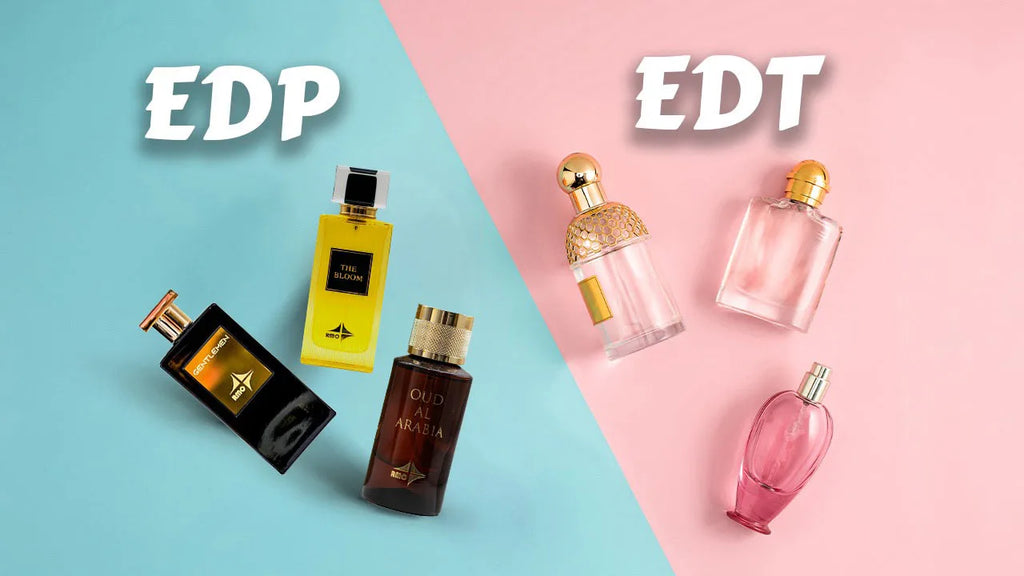
When it comes to fragrance, application techniques can significantly influence how a scent develops and lasts throughout the day. Understanding how to effectively apply EDP, EDT, and Parfum is essential for getting the most out of your fragrance. Each type has unique characteristics in terms of concentration and longevity, which should guide your application methods for the best results.
The recommended techniques for applying fragrances depend largely on their concentration. EDP (Eau de Parfum) typically has a higher oil concentration, leading to a richer scent profile and longer wear. EDT (Eau de Toilette), while lighter, is ideal for day-to-day wear and may require more frequent reapplication. Parfum, being the most concentrated, provides the most intense scent and requires careful application to avoid overwhelming the senses. Proper techniques not only ensure optimal scent longevity but also enhance the overall fragrance experience.
Application Techniques for Each Fragrance Type
The application of EDP, EDT, and Parfum can be optimized by following specific techniques tailored to each type. Here are detailed methods for applying each fragrance for the best results:
EDP Application:
1. Choose your pulse points such as wrists, neck, and behind the ears.
2. Hold the bottle at a distance of about 4-6 inches from your skin.
3. Spray lightly on your pulse points; this helps the scent to warm up and diffuse.
4. Avoid rubbing your wrists together, as this can break down the fragrance molecules.
EDT Application:
1. Apply to a variety of pulse points, including your collarbone and the inside of your elbows.
2. Spray from a distance of around 3-4 inches.
3. Consider misting the air above your head and walking into it for a light overall scent.
4. Reapply every few hours as needed to maintain the fragrance’s presence.
Parfum Application:
1. Use sparingly, applying to pulse points like the wrists, neck, and heart area.
2. Apply with a dab method using your finger or the bottle’s applicator to control the amount.
3. Focus on areas that generate warmth, as this will enhance the scent’s projection.
4. Avoid over-applying; a small amount is powerful enough for long-lasting wear.
To maximize the effectiveness of each fragrance when worn, consider the following tips:
When applying fragrances, understanding where to apply them can significantly enhance the scent experience. The following tips detail effective practices to ensure the best performance from EDP, EDT, and Parfum:
-
Apply to clean, moisturized skin for better absorption.
- Layer with unscented lotion to help retain the fragrance longer.
- Avoid applying on clothing, as it can alter the scent and stain fabrics.
- Store fragrances in a cool, dark place to preserve their integrity.
- Experiment with different application points to find what works best for you.
Final Summary
In conclusion, understanding the Difference between EDP EDT Parfum enriches our daily encounters with fragrance, allowing us to select the perfect scent for any occasion. As we navigate through the intricacies of each type, we realize how personal and cultural influences meld together to form our unique olfactory experiences. Whether you prefer the intensity of Parfum, the freshness of EDT, or the balanced allure of EDP, each fragrance type offers something special to the art of scent.
Questions and Answers
What is the main difference in concentration?
EDP typically contains 15-20% fragrance oils, EDT about 5-15%, and Parfum can go up to 40%, affecting longevity and intensity.
Can skin type affect fragrance longevity?
Yes, factors like skin type and pH can influence how a fragrance develops and lasts on your skin.
Are there specific seasons for each fragrance type?
Generally, EDTs are preferred in warmer months for their lightness, whereas EDPs and Parfums are often chosen for cooler seasons due to their richness.
How should I apply EDP, EDT, and Parfum?
Apply EDP and Parfum on pulse points for longevity, while EDT can be spritzed all over for a refreshing effect.
What are the price differences among these types?
Parfums are usually the most expensive due to higher oil concentrations, while EDTs are more affordable, catering to a broader market.