
 Penelope Hailey
Essential oils for mood have gained popularity as natural remedies for emotional well-being, drawing on ancient traditions and modern science alike. These aromatic compounds not only uplift our spirits but also provide a sensory experience that connects deeply with our emotional centers.
From the soothing properties of lavender to the invigorating scent of citrus, essential oils have been used for centuries to enhance mood and promote relaxation. Understanding the science behind these oils and how they interact with our brains can empower us to incorporate them effectively into our daily lives.
Understanding the Concept of Essential Oils and Their Connection to Mood
Essential oils have been utilized for centuries across various cultures, heralded for their therapeutic properties and ability to enhance emotional well-being. The roots of essential oil usage can be traced back to ancient civilizations such as Egypt, Greece, and China, where they were integrated into religious practices, healing rituals, and daily life for their mood-altering effects.
The science behind essential oils and mood enhancement lies in their intricate interaction with the brain’s emotional centers. When inhaled, essential oil molecules travel through the olfactory system to the limbic system, which is responsible for emotions, memories, and behavior. This connection explains why certain scents can evoke specific feelings or memories, significantly influencing mood and emotional state.
Common Essential Oils for Mood Support
Numerous essential oils are recognized for their uplifting or calming properties, making them useful allies in mood enhancement. Understanding the unique characteristics of these oils helps individuals select the right ones for their specific emotional needs.
- Lavender: Known for its calming effects, lavender oil is often used to reduce anxiety and promote relaxation. Its soothing aroma can help ease stress and encourage restful sleep.
- Sweet Orange: This oil is celebrated for its uplifting and energizing properties. The bright, citrus scent of sweet orange can elevate mood, reduce feelings of sadness, and promote a sense of joy.
- Peppermint: Peppermint oil serves as a refreshing stimulant that can invigorate the mind and reduce feelings of fatigue. Its cooling sensation is often associated with increased focus and mental clarity.
- Bergamot: Extracted from the peel of bergamot oranges, this oil is known for its ability to relieve stress and anxiety. Its fresh, floral scent can help uplift mood and promote feelings of happiness.
- Frankincense: With a rich, earthy aroma, frankincense is often used in meditation practices. It is believed to deepen spiritual connection and promote emotional balance, making it beneficial for stress relief.
Incorporating these essential oils into daily routines can create an atmosphere conducive to emotional well-being. Whether through diffusion, topical application, or inhalation, these oils offer a natural way to support mood enhancement and emotional health.
The Role of Aromatherapy in Mood Improvement
Aromatherapy is a holistic healing practice that utilizes the fragrant properties of essential oils extracted from plants to enhance emotional and physical well-being. It has gained popularity for its potential to alleviate stress, boost mood, and promote relaxation. By harnessing the natural essence of various botanicals, aromatherapy aims to create a soothing atmosphere that can significantly influence one’s emotional state.
The application of essential oils in aromatherapy can be achieved through several methods, each offering unique benefits. These methods include the use of diffusers, inhalation techniques, and topical applications. Understanding the various methods can help individuals select the best approach for their mood enhancement needs.
Aromatherapy Application Methods
The effectiveness of aromatherapy largely depends on the method of application. Each technique varies in how it disperses the essential oils and how quickly they can influence mood and stress levels. Below are the key methods of aromatherapy application:
- Diffusers: These devices disperse essential oils into the air, allowing for a gradual diffusion of fragrance throughout a room. This method is ideal for creating a calming environment, especially in spaces where people gather. For example, using a lavender or chamomile diffuser in a living room can contribute to a relaxed atmosphere, promoting social interaction and reducing tension.
- Inhalation: Direct inhalation involves placing a few drops of essential oil on a tissue or in the palms and inhaling deeply. This method offers immediate benefits, as the oils travel directly to the limbic system, which governs emotions. For instance, citrus oils like bergamot or sweet orange can uplift mood quickly, making this option effective during stressful moments.
- Topical Use: Essential oils can be diluted with a carrier oil and applied to the skin. This method allows for absorption and can provide lasting effects. For example, a blend of frankincense and jojoba oil massaged into the neck and shoulders can help alleviate tension and promote relaxation, making it a great choice after a long day.
Understanding how each method works is crucial for maximizing the benefits of aromatherapy. While diffusion provides a broader ambient experience, inhalation offers a quick mood boost, and topical application allows for targeted relief. The choice of method can significantly impact how quickly and effectively one can manage their emotional state through aromatherapy.
Aromatherapy can transform a simple space into a sanctuary for emotional well-being.
Specific Essential Oils and Their Mood-Enhancing Properties
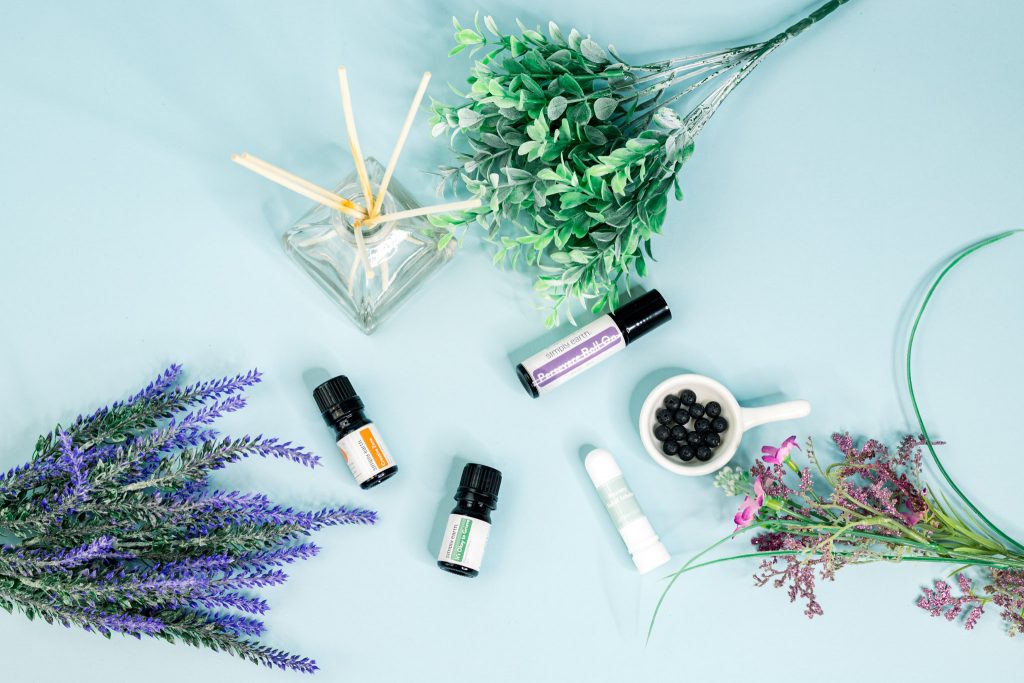
Essential oils have been celebrated for their therapeutic benefits, particularly in enhancing mood and emotional well-being. Certain essential oils possess unique properties that can either calm the mind or uplift the spirit. Understanding these oils and their effects on mood can empower individuals to incorporate them effectively into their daily routines.
The mechanisms by which essential oils influence mood are largely attributed to their aromatic compounds, which interact with the brain’s limbic system, a region that plays a crucial role in emotion regulation. Research has shown that inhaling these aromatic compounds can lead to neurochemical changes, enhancing the release of mood-boosting neurotransmitters such as serotonin and dopamine. For instance, a study published in the Journal of Alternative and Complementary Medicine highlighted how lavender oil significantly reduced anxiety levels and improved mood among participants.
Calming Essential Oils
Certain essential oils are particularly effective for promoting relaxation and alleviating stress. These oils can help calm the nervous system, making them ideal for those experiencing anxiety or tension.
- Lavender: Known for its soothing scent, lavender has been extensively studied for its calming effects. It can lower heart rate and blood pressure, facilitating a sense of tranquility.
- Chamomile: Chamomile oil is often used for its gentle sedative properties, making it an excellent choice for reducing stress and aiding sleep.
- Bergamot: This citrus oil has been shown to decrease anxiety and improve mood, likely due to its ability to affect cortisol levels.
Uplifting Essential Oils
On the other hand, some essential oils are renowned for their ability to uplift spirits and stimulate feelings of joy and positivity. These oils can act as natural mood enhancers, providing an energizing boost.
- Sweet Orange: The bright, cheerful scent of sweet orange oil is known to promote feelings of happiness and reduce feelings of stress.
- Lemon: With its refreshing aroma, lemon oil has been linked to improved mood and increased energy levels, making it a great addition to morning routines.
- Rosemary: Beyond its culinary uses, rosemary oil has been associated with enhanced concentration and mental clarity, effectively lifting one’s spirits.
Incorporating these essential oils into your daily life can transform your mood and enhance your overall well-being.
Personal anecdotes further illustrate the impact of essential oils on mood. For example, a friend shared how diffusing lavender oil in her bedroom transformed her sleep quality, allowing her to wake up feeling refreshed and less anxious. Another individual reported that using sweet orange oil during a particularly stressful workday helped shift their perspective, making tasks seem more manageable and enjoyable. Such testimonials reinforce the powerful connection between scent and emotional state, showcasing the potential of essential oils as accessible tools for mood enhancement.
Crafting Personalized Essential Oil Blends for Mood Support
Creating personalized essential oil blends can significantly enhance your emotional well-being by addressing specific mood states. Each person’s emotional landscape is unique, and blending essential oils allows you to tailor the aromas to your individual needs, promoting relaxation, happiness, or focus as required. This guide will take you through the steps of crafting your own blends, ensuring that your creations resonate with your emotional needs.
Selecting the right essential oils is key to creating an effective blend. Essential oils are typically categorized into three fragrance notes: base notes, middle notes, and top notes. Each plays a role in the overall aroma and therapeutic effect of the blend. Base notes are heavy and settle at the bottom, middle notes add body and character, while top notes provide an initial burst of fragrance. By understanding these categories, you can create a harmonious blend that supports your emotional state.
Choosing the Right Oils for Your Blend
When crafting your personalized blend, it’s essential to carefully select oils that resonate with your emotional needs. Below are some effective oils categorized by mood support:
– Base Notes (Grounding and calming)
– Sandalwood: Known for its calming and grounding properties, sandalwood can help reduce anxiety and promote tranquility.
– Patchouli: Often used for its earthy scent, patchouli can help balance emotions and soothe feelings of anger or frustration.
– Middle Notes (Balancing and uplifting)
– Lavender: Renowned for its relaxing effects, lavender can ease stress and create a sense of calm.
– Geranium: This oil is uplifting and balancing, making it ideal for mood swings and emotional stability.
– Top Notes (Energizing and refreshing)
– Lemon: Bright and invigorating, lemon oil can elevate mood and clear mental fog.
– Peppermint: Known for its refreshing scent, peppermint can boost energy and promote alertness.
To create a balanced blend, it’s recommended to follow this guideline for proportions:
– 30% Base Notes
– 50% Middle Notes
– 20% Top Notes
Suggested Blends for Varying Moods
The following are suggested blends for specific mood enhancements, along with a step-by-step mixing procedure to help you create your own blends effectively.
Blend for Relaxation
– Ingredients:
– 3 drops of Lavender (Middle Note)
– 2 drops of Sandalwood (Base Note)
– 1 drop of Lemon (Top Note)
Mixing Procedure:
1. Gather your essential oils and a clean glass dropper bottle.
2. Start by adding the base note (Sandalwood) into the bottle.
3. Follow with the middle note (Lavender).
4. Finally, add the top note (Lemon).
5. Secure the lid and gently shake the bottle to combine the oils.
Blend for Energy Boost
– Ingredients:
– 2 drops of Peppermint (Top Note)
– 3 drops of Geranium (Middle Note)
– 2 drops of Patchouli (Base Note)
Mixing Procedure:
1. Prepare your materials as before, using a clean glass dropper bottle.
2. Begin with the base note (Patchouli).
3. Add the middle note (Geranium) next.
4. Conclude with the top note (Peppermint).
5. Cap the bottle and shake gently to blend.
These blends serve as a foundation; feel free to adjust the ratios to suit your preferences or experiment with other oils to create a blend that truly resonates with you. The beauty of crafting these personalized blends lies in the ability to explore and discover what works best for your mood.
Safety Considerations and Best Practices when Using Essential Oils
Using essential oils can enhance mood and promote well-being, but safety must always be a priority. Understanding potential risks associated with their use—such as allergies, sensitivities, and contraindications—is crucial for a beneficial experience. By following best practices, users can maximize the positive effects of essential oils while minimizing possible adverse reactions.
Importance of Safety and Potential Risks
When incorporating essential oils into daily routines, it is vital to recognize that not all oils are safe for everyone, especially those with pre-existing medical conditions, pregnant individuals, or young children. Certain essential oils can cause allergic reactions or skin irritations, leading to discomfort or more severe health issues.
Essential oils are potent substances, and improper use can lead to unintended side effects.
Common contraindications include:
- Citrus oils, which can increase photosensitivity, leading to skin reactions when exposed to sunlight.
- Oils like eucalyptus and peppermint may not be suitable for young children due to respiratory concerns.
- Individuals with epilepsy should avoid certain oils, such as rosemary and sage, as they may trigger seizures.
Best Practices for Dilution and Application
To ensure safe usage of essential oils, proper dilution is essential before topical application. Pure essential oils are highly concentrated and can cause skin irritation if applied directly. Therefore, it is recommended to dilute them with carrier oils such as coconut oil, jojoba oil, or sweet almond oil.
Typically, a safe dilution ratio is 1-2 drops of essential oil per teaspoon of carrier oil.
The main application methods include:
- Topical Application: Always perform a patch test by applying a diluted oil to a small area of skin to check for reactions.
- Aromatherapy: Using a diffuser can help disperse essential oils into the air, allowing for inhalation without direct skin contact.
- Baths: Adding a few drops of essential oil to a warm bath with Epsom salts can provide relaxation and mood enhancement. Ensure oils are diluted properly with the salts to prevent skin irritation.
Common Misconceptions about Essential Oils and Mood Effects
There are prevailing myths surrounding the use of essential oils, particularly regarding their effectiveness for mood enhancement. While certain oils may help alleviate stress or uplift mood, they are not a substitute for professional mental health treatment.
Essential oils can be beneficial for mood support, but they are complementary tools rather than cures.
Clarifying these misconceptions helps set realistic expectations:
- Essential oils should not replace medications or therapies prescribed for mental health conditions.
- Not all essential oils work the same way for everyone; individual responses can vary significantly.
- Using larger quantities of essential oils does not equate to greater effectiveness and can lead to adverse reactions.
Understanding safety considerations and adhering to best practices ensures that the use of essential oils is both enjoyable and effective, promoting a positive impact on mood without compromising health.
Incorporating Essential Oils into Daily Routines for Consistent Mood Boosts
Integrating essential oils into daily life can significantly enhance emotional wellness, creating a calming or uplifting environment to navigate daily challenges. By strategically employing these aromatic compounds at specific times, individuals can foster a consistent mood boost throughout their day.
Creating a routine that includes essential oils involves not only when to apply them but also understanding how to create an environment that amplifies their effects. The following strategies illustrate how to weave essential oils into everyday activities for optimal mood enhancement.
Daily Schedule for Essential Oil Application
Establishing a daily schedule allows for systematic incorporation of essential oils, ensuring that mood boosts are consistent. Here’s a suggested routine that highlights specific times for application or inhalation:
- Morning (7:00 AM): Start the day by diffusing citrus oils like bergamot or lemon in your kitchen. The refreshing scent stimulates the mind and enhances alertness.
- Mid-Morning (10:00 AM): Apply a blend of lavender and peppermint to pulse points. This helps maintain focus and reduces stress during busy work hours.
- Lunch Break (12:30 PM): Use a rollerball with eucalyptus oil for inhalation. This revitalizes energy and sharpens concentration for the afternoon ahead.
- Afternoon (3:00 PM): Diffuse calming oils, such as chamomile, while taking a short break. This promotes relaxation and prepares you for the remainder of the day.
- Evening (6:00 PM): Create a serene atmosphere by adding frankincense to your evening bath or diffuser. It aids in winding down and reflects on the day.
- Before Bed (9:30 PM): Apply a few drops of cedarwood on your pillow or use a calming sleep blend in your diffuser to promote restful sleep.
Establishing this routine not only helps in memory formation related to emotional states but also initiates positive associations with specific times of the day.
Environmental Factors Impacting Essential Oil Effectiveness
The environment plays a crucial role in the effectiveness of essential oils on mood regulation. A well-curated space can amplify the benefits, making the experience more enjoyable and impactful. Consider the following environmental factors to optimize your essential oil use:
- Ambiance: Soft lighting, soothing colors, and minimal clutter can create a calming atmosphere that enhances the effects of essential oils.
- Air Quality: Using a diffuser to disperse oils throughout a room not only freshens the air but also ensures the aroma is evenly distributed, maximizing inhalation benefits.
- Personal Space: Designate a specific area in your home for relaxation or meditation where you can regularly apply or diffuse oils. Having a personal sanctuary can enhance the positive impact of the oils.
- Incorporating Nature: Adding plants or natural elements to your space can complement the use of essential oils, creating a more holistic ambiance that promotes overall well-being.
Incorporating these strategies into daily routines can lead to sustained emotional wellness, making the benefits of essential oils a part of everyday life.
Exploring Cultural Perspectives on Essential Oils and Mood
Throughout history, various cultures around the world have harnessed the power of essential oils to promote emotional and mental well-being. These fragrant oils are not just regarded as mere tools for relaxation or beauty; they are deeply embedded in cultural practices and traditions that aim to enhance mood and foster a sense of balance. This exploration highlights how different societies utilize essential oils in unique ways, blending traditional knowledge with modern scientific understanding.
Global Practices and Rituals Involving Essential Oils
Essential oils have been used in rituals and practices across cultures, each with its distinct approach to enhancing mood and emotional health. The following examples illustrate how essential oils are integrated into the daily lives and spiritual practices of various societies:
- Aromatherapy in Western Cultures: Aromatherapy has gained popularity in Western societies as a holistic approach to mental health. Practitioners blend essential oils such as lavender and bergamot to create calming environments, often using diffusers or topical applications during meditation or yoga sessions.
- Ayurveda in India: In Ayurvedic medicine, essential oils are used to balance the body’s doshas—Vata, Pitta, and Kapha. Oils like sandalwood and jasmine are combined with massage techniques to promote emotional stability and clarity of mind.
- Traditional Chinese Medicine (TCM): In TCM, essential oils are viewed through the lens of energy and balance. Oils such as eucalyptus and peppermint may be used to stimulate energy flow and alleviate feelings of stress or anxiety, often combined with acupuncture or herbal remedies.
- Indigenous Practices: Many Indigenous cultures utilize essential oils derived from local plants as part of their healing rituals. For example, Native American tribes employ sage and cedar oils in smudging ceremonies to cleanse spaces and uplift spirits, integrating the oils’ aromatic qualities into cultural traditions.
- Japanese Aromatherapy: Known as “Aroma Therapy”, Japanese practices often emphasize the connection between nature and well-being. Essential oils such as ylang-ylang and grapefruit are used in wellness centers to create serene atmospheres that promote mental clarity and joy.
Essential oils not only serve as aromatic agents but also as integral components of cultural identity and healing practices. These traditions often reflect an understanding of the emotional impacts of scent, showcasing how various societies have cultivated their own methods to utilize these oils effectively.
“The essence of essential oils transcends mere fragrance; they embody a cultural heritage of healing and emotional balance.”
Comparing Traditional Knowledge and Modern Science
The integration of traditional knowledge regarding essential oils with modern scientific approaches offers a comprehensive understanding of their effects on mood. While ancient practices often rely on anecdotal evidence and spiritual beliefs, modern research employs rigorous scientific methodologies to explore the physiological and psychological benefits of essential oils.
Studies have demonstrated that certain essential oils can significantly affect brain chemistry and emotional responses. For instance, research indicates that lavender oil can help reduce anxiety and promote relaxation by influencing the limbic system, which regulates emotions. This modern validation aligns with traditional practices that have long recognized the calming properties of lavender.
Additionally, the concept of “olfactory memory”—the idea that scents can evoke powerful memories and emotional states—is supported by both traditional knowledge and contemporary studies. This shared understanding between cultural practices and scientific research underscores the value of essential oils in mood enhancement across different contexts.
“Integrating ancient wisdom with modern science enriches our understanding of essential oils and their profound impact on mood and mental health.”
Summary
In conclusion, essential oils for mood can significantly enhance our emotional health when used mindfully. By exploring their various applications and understanding individual preferences, we can create personalized routines that not only uplift our spirits but also contribute to our overall well-being.
Query Resolution
What are essential oils?
Essential oils are concentrated plant extracts that capture the natural fragrance and therapeutic properties of the plant.
How do essential oils affect mood?
Essential oils can influence mood by interacting with the brain’s emotional centers, often promoting relaxation or invigoration.
Can I use essential oils if I have allergies?
It’s important to consult with a healthcare professional if you have allergies, as some essential oils may trigger reactions.
How should I store essential oils?
Essential oils should be stored in a cool, dark place, away from direct sunlight to preserve their potency.
Are there any essential oils to avoid during pregnancy?
Yes, some essential oils are not recommended during pregnancy, so it’s best to consult a healthcare provider.