 Penelope Hailey
Aromatherapy mood boost invites you into the fragrant world of essential oils and their remarkable ability to elevate our spirits. From ancient civilizations to modern wellness practices, this holistic approach harnesses the power of scent to enhance emotional well-being. Discover how various cultures have utilized aromatic compounds to soothe the mind and uplift the heart, paving the way for contemporary methods that continue to thrive.
As we delve deeper, we’ll explore the scientific basis behind these aromatic wonders, the best oils for immediate mood lifts, and practical ways to incorporate them into your daily routine for optimum stress relief. Whether you’re seeking personal enhancement or a holistic mental health approach, aromatherapy offers a wealth of possibilities to enrich your emotional landscape.
The Historical Background of Aromatherapy in Mood Enhancement
Aromatherapy, a practice that utilizes essential oils and fragrant compounds to enhance emotional well-being, has origins that trace back thousands of years. Ancient civilizations recognized the therapeutic properties of plants and their extracts, using them not only for physical healing but also to improve mood and emotional states. Various cultures developed unique methods of incorporating these fragrant essences into rituals and daily life to promote mental clarity, relaxation, and happiness.
Throughout history, essential oils have played a vital role in the emotional and spiritual practices of many cultures. For instance, the Egyptians were among the first to document the use of aromatic oils for both medicinal and cosmetic purposes. They utilized oils such as frankincense and myrrh, which were believed to not only enhance physical health but also elevate the spirit. The Greeks and Romans later adopted these practices, integrating aromatherapy into their daily routines and wellness rituals. Important historical figures, such as the famous physician Hippocrates, emphasized the significance of scents and their effects on mood, advocating for aromatherapy as a means to promote health and emotional balance.
An Overview of Cultural Applications of Aromatherapy
Different cultures around the world have utilized aromatherapy in various ways to enhance mood and emotional well-being. The following points highlight some notable practices and beliefs:
- Ancient Egypt: Egyptians used aromatic oils in religious ceremonies and for personal care. They believed that scents could connect them to the divine and enhance their spiritual experiences.
- Chinese Medicine: In traditional Chinese medicine, the use of essential oils was integral to practices aimed at balancing the body’s energy. Scents such as sandalwood and lavender were used to calm the mind and promote a sense of peace.
- Indian Ayurveda: Ayurveda, the ancient Indian healing system, employs essential oils to harmonize body and mind. Oils like jasmine and rose are valued for their uplifting properties and are often used in meditation practices.
- Greco-Roman Traditions: The Greeks and Romans embraced aromatherapy in baths and massage. The philosopher and naturalist Pliny the Elder noted the calming effects of scented oils, highlighting their importance in maintaining emotional balance.
“Aromatherapy is a bridge between the physical and emotional realms, where the healing properties of nature meet the needs of the spirit.” – Ancient Healing Wisdom
Historical figures such as the Spanish physician and botanist, Nicolas Monardes, wrote extensively about the benefits of aromatic plants in the 16th century. His work laid the groundwork for future studies in herbal medicine and aromatherapy, reflecting a growing understanding of the connection between scent and mood enhancement. The enduring legacy of aromatherapy in various cultures highlights its significance not only in health but also in the pursuit of emotional and spiritual well-being throughout the ages.
The Science Behind Aromatherapy and Its Effects on Mood
Aromatherapy harnesses the power of essential oils to enhance emotional well-being, rooted in both ancient practices and modern scientific exploration. Understanding how these scents interact with our physiology can illuminate their profound impact on mood and stress relief.
The physiological mechanisms through which scents influence the brain are primarily related to the olfactory system. When essential oils are inhaled, they interact with the olfactory receptors in the nose, which send signals directly to the limbic system, the part of the brain that controls emotions. This immediate connection allows certain scents to trigger emotional responses and physiological changes, such as reduced heart rate and lower levels of cortisol, the stress hormone.
Supporting Studies on Aromatherapy and Mood Enhancement
Numerous studies have established a link between aromatherapy and positive mood changes. Notably, a study published in the Journal of Alternative and Complementary Medicine found that inhaling lavender oil significantly decreased anxiety levels in participants. Similarly, a systematic review in the Journal of Clinical Psychology analyzed various studies and concluded that aromatherapy is effective for reducing stress and enhancing mood, particularly in individuals suffering from anxiety and depression.
Essential Oils and Their Specific Mood-Enhancing Properties
Different essential oils possess unique properties that can influence mood in diverse ways. The following table highlights some popular essential oils, their effects, and the scientific backing of their benefits.
| Essential Oil | Mood-Enhancing Properties | Supporting Evidence |
|---|---|---|
| Lavender | Calming, reduces anxiety | Study in Journal of Alternative and Complementary Medicine |
| Peppermint | Increases alertness, reduces fatigue | Research in the International Journal of Neuroscience |
| Citrus Oils (e.g., Orange, Lemon) | Uplifting, can enhance mood | Study in the Journal of Clinical Psychology |
| Geranium | Reduces stress, balances emotions | Research in the Journal of Ethnopharmacology |
| Frankincense | Promotes feelings of peace and relaxation | Study in the Journal of Alternative and Complementary Medicine |
The efficacy of these essential oils in uplifting mood is not merely anecdotal; scientific research provides a solid foundation that supports their use. For instance, citrus scents have been shown to influence serotonin levels, often referred to as the “feel-good” hormone, thereby enhancing overall mood.
“Essential oils, when utilized properly, can act as powerful tools for emotional and psychological support.”
Understanding the science behind aromatherapy highlights its potential as a natural and effective means to elevate mood and reduce stress. By choosing the right oils, individuals can personalize their aromatherapy experience to suit their emotional needs.
The Best Essential Oils for an Immediate Mood Lift
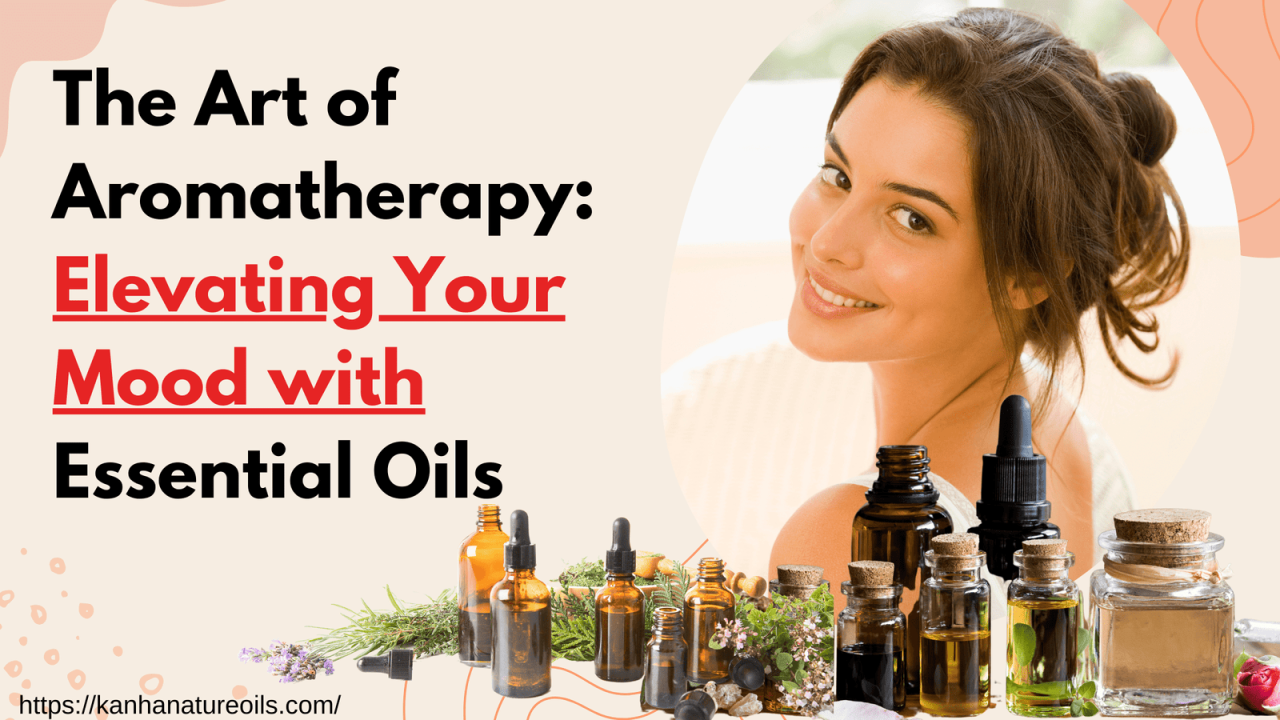
Essential oils offer a natural and effective way to enhance mood and promote emotional well-being. Their uplifting properties can be harnessed through various methods of application, making them versatile tools for mood enhancement. Here, we explore a selection of essential oils renowned for their ability to elevate spirits and provide detailed instructions on how to use them effectively.
Essential Oils for Mood Enhancement
Several essential oils are celebrated for their mood-boosting effects. Below is a list of some of the best options, along with their unique benefits.
- Lavender: Known for its calming properties, lavender oil can help reduce anxiety and create a sense of peace. Use it in a diffuser or as a calming addition to a warm bath.
- Citrus Oils (like Lemon and Orange): These oils are energizing and uplifting, perfect for a quick mood boost. Diffusing citrus oils or adding a drop to your water can invigorate your spirits.
- Peppermint: The refreshing scent of peppermint can help stimulate the mind and increase alertness. Inhalation of peppermint oil directly from the bottle or through a diffuser can provide immediate energy.
- Bergamot: Often used in aromatherapy to alleviate stress, bergamot oil offers a sweet, citrusy scent that can enhance mood. Apply it topically with a carrier oil or diffuse it in your space for a cheerful ambiance.
- Ylang Ylang: This floral oil is known to reduce tension and promote a sense of well-being. It can be blended with a carrier oil for massage or diffused to create a tranquil environment.
The application methods of these essential oils can greatly influence their effectiveness. Below are recommended ways to use these oils for optimal mood enhancement.
Methods of Application
Understanding how to apply essential oils is crucial for maximizing their benefits. Here are several effective methods:
- Diffusion: Using an essential oil diffuser, add a few drops of your chosen oil to water and let the aroma fill your space. This method not only enhances mood but also purifies the air.
- Topical Application: Mix essential oils with a carrier oil (like coconut or jojoba) before applying to the skin. This method is ideal for oils like lavender and bergamot, which can be massaged onto pulse points.
- Inhalation: For a quick boost, place a drop of essential oil on a cotton ball or your palms, rub them together, and inhale deeply. This method is effective for oils like peppermint and citrus oils.
- Bathing: Add several drops of essential oil to a warm bath for a soothing experience. Lavender and ylang ylang are particularly effective for relaxation in this setting.
“Essential oils can transform your mood in an instant; it’s all about how you choose to use them.”
Incorporating these mood-enhancing essential oils into your daily routine can create a positive atmosphere and promote emotional well-being. By understanding their benefits and methods of application, you can easily lift your spirits and enhance your overall mood.
Personalizing Your Aromatherapy Experience for Optimal Mood Enhancement
Creating a personalized aromatherapy experience can significantly enhance your mood and overall well-being. As each individual has unique preferences and emotional needs, tailoring your aromatherapy routine can result in a more effective and enjoyable experience. By understanding your specific emotional states and desired outcomes, you can select essential oils that resonate with you, ultimately boosting your mood in a meaningful way.
Individual preferences play a crucial role in shaping an effective aromatherapy routine. Factors such as personal experiences, scent preferences, and lifestyle can influence how essential oils affect you. For instance, while lavender may promote relaxation for some individuals, others may find it too overpowering and instead prefer the warmth of sandalwood. Recognizing and catering to your unique tastes allows you to create a blend that truly enhances your mood.
Guide for Selecting Essential Oils Based on Emotional States
Choosing essential oils that align with your emotional states and desired outcomes is essential for achieving the best results. Below is a guide that highlights various emotional states and corresponding essential oils that can help uplift your mood:
- Anxiety and Stress Relief: Consider using oils like chamomile, bergamot, or ylang-ylang. These oils have calming properties that can soothe feelings of anxiety.
- Boosting Energy and Motivation: Citrus oils such as lemon, grapefruit, and orange are known for their invigorating effects, helping to enhance energy levels and motivation.
- Enhancing Focus and Clarity: Rosemary and peppermint are excellent choices for improving concentration and mental clarity, making them ideal for study or work environments.
- Promoting Relaxation: Lavender and frankincense are well-regarded for their ability to promote a sense of calm and relaxation, perfect for winding down at the end of the day.
- Uplifting Mood: Oils like jasmine, geranium, and patchouli can help uplift spirits and promote feelings of happiness and positivity.
Customizing your essential oil blends is a key component in achieving a tailored mood-boosting experience. This not only allows you to utilize your favorite scents but also ensures that the blend effectively addresses your specific emotional needs.
“A well-balanced blend can amplify the positive effects of each individual oil, creating a harmonious synergy that resonates with your unique emotional landscape.”
Experimenting with different ratios and combinations can lead to delightful and personalized results. Start by selecting a base oil that you enjoy and then gradually incorporate other oils that align with your mood goals. Keep a journal to track your blends and their effects, which can help you refine your routine over time.
In conclusion, personalizing your aromatherapy experience is a straightforward yet powerful way to enhance your emotional well-being. By understanding your preferences and selecting essential oils that resonate with your emotional states, you can create a mood-boosting routine that is uniquely yours.
Incorporating Aromatherapy into Daily Routines for Stress Relief
Integrating aromatherapy into your daily routine can significantly enhance your mood and provide stress relief. By consciously incorporating essential oils, you can create a soothing atmosphere that promotes relaxation and mental clarity throughout your day. This guide provides practical ways to seamlessly blend aromatherapy with your regular activities, ensuring you reap the benefits of this holistic practice.
Creating a daily schedule that includes aromatherapy practices can help maintain a positive mood throughout the day. Here’s a sample routine that can be adapted to fit individual lifestyles:
Daily Schedule for Aromatherapy Practices
Incorporating aromatherapy into specific times of your day can enhance your overall well-being. Consider the following structured routine:
- Morning Routine: Start your day with invigorating essential oils like peppermint or citrus. Add a few drops to your diffuser while preparing breakfast to boost energy levels and mental clarity.
- Midday Break: During lunch or a work break, use lavender or chamomile by inhaling directly from the bottle or applying diluted oil on pulse points. This helps combat the midday slump and reduces stress.
- Evening Wind Down: Create a calming atmosphere before bed by using oils like bergamot or ylang-ylang in a diffuser. This practice aids relaxation and prepares your mind for restful sleep.
Environmental factors play a crucial role in the effectiveness of aromatherapy. The right setting can amplify the benefits of essential oils.
Creating a Conducive Space for Aromatherapy
An optimal environment enhances the experience of aromatherapy. Important factors to consider include:
- Lighting: Soft, warm lighting can help create a calming atmosphere. Consider using lamps or candles that emit gentle light.
- Ventilation: Ensure the room is well-ventilated. Fresh air combined with essential oils helps in dispersing the aroma more effectively.
- Cleanliness: A tidy space contributes to a more peaceful mind. Regularly cleaning your aromatherapy tools and workspace maintains a pleasant environment.
Combining aromatherapy with other self-care practices can amplify its benefits, creating a holistic approach to stress relief.
Combining Aromatherapy with Self-Care Practices
Integrating aromatherapy into self-care routines enhances overall well-being. Here are some practices to consider:
- Meditation or Yoga: Use calming essential oils during meditation or yoga sessions to deepen relaxation and focus. Oils like frankincense or sandalwood can enhance spiritual practice.
- Bathing Rituals: Add a few drops of essential oils to your bath for a soothing experience. Eucalyptus and lavender are great choices for a relaxing soak.
- Massage Therapy: Incorporate essential oils into your massage routine. Blending oils like sweet almond oil with lavender can create a calming massage experience.
“Incorporating aromatherapy into your daily life can lead to a significant reduction in stress and an improvement in overall mood.”
Common Misconceptions About Aromatherapy and Mood Improvement
Aromatherapy has gained popularity in recent years, yet it remains shrouded in myths that often deter individuals from embracing its potential benefits for mood enhancement. Understanding these misconceptions is crucial for those seeking alternative methods for emotional wellness. By debunking these myths, we can appreciate the true power of aromatherapy in improving mood and overall well-being.
One prevalent misconception is that aromatherapy is simply a placebo effect, where individuals feel better merely because they believe they will. While the mind’s influence on perception is significant, numerous studies have shown that the chemical compounds in essential oils interact with the body’s systems, producing tangible benefits. For instance, lavender oil has been scientifically proven to reduce anxiety levels, supporting the effectiveness of aromatherapy beyond mere suggestion.
Misunderstandings About Essential Oil Efficacy
There exists a widespread belief that essential oils are ineffective in comparison to pharmaceutical treatments for mood disorders. This misconception can undermine the potential of aromatherapy as a complementary approach to emotional health. It’s essential to recognize that while essential oils are not a substitute for medication, they can play a supportive role in enhancing mood and reducing stress.
Key points regarding the efficacy of essential oils include:
- Research has demonstrated that essential oils such as bergamot and chamomile can lead to significant reductions in stress and anxiety levels.
- Essential oils work through olfactory stimulation, which directly affects the limbic system, the part of the brain that regulates emotions.
- Many individuals report experiencing improved mood and relaxation after using essential oils consistently, showcasing their potential as an effective mood booster.
“The integration of essential oils into a wellness routine can provide a holistic approach to managing mood and emotional health.”
Expert opinions also highlight the valuable role of aromatherapy. Dr. Aromatherapy, a renowned expert in the field, emphasizes that aromatherapy should be viewed as a complementary therapy, not a replacement for conventional treatments. She states, “When used in conjunction with therapy or medication, aromatherapy can enhance emotional resilience and overall well-being.”
Beliefs regarding the safety and accessibility of essential oils must also be clarified. Some think that essential oils are only for the wealthy or that they are harmful when not used correctly. In reality, many essential oils are affordable and can be safely used with proper guidance. Simple practices like diffusing, topical application, or even incorporating oils into daily routines can make aromatherapy accessible to everyone.
In conclusion, dispelling these common misconceptions can encourage a broader acceptance of aromatherapy in mainstream wellness practices. By recognizing the legitimate benefits and understanding how to incorporate essential oils safely, individuals can harness the power of aromatherapy for mood improvement.
The Role of Aromatherapy in Holistic Mental Health Practices

Aromatherapy is a captivating practice that integrates the use of essential oils to promote mental well-being and emotional balance. As part of a holistic approach to mental health, it emphasizes the connection between mind, body, and spirit. This method supports various therapeutic activities while enhancing the overall quality of life.
Aromatherapy complements traditional therapies and lifestyle changes by providing a natural and soothing avenue to relieve stress, anxiety, and depression. When combined with techniques such as cognitive-behavioral therapy or mindfulness, aromatherapy can amplify emotional healing and resilience. Essential oils, such as lavender for relaxation or citrus oils for uplifting the spirit, can create an environment conducive to healing and self-discovery.
Integrative Practices Combining Aromatherapy
Integrative practices that incorporate aromatherapy can enhance mood and emotional well-being through various methods. These practices not only utilize essential oils but also emphasize the importance of a balanced lifestyle. Here are a few examples of such integrative approaches:
- Meditation and Aromatherapy: Using calming essential oils like sandalwood or chamomile during meditation sessions can deepen relaxation and focus the mind, creating a more profound meditative experience.
- Yoga with Essential Oils: Incorporating aromatherapy in yoga classes enriches the practice. For instance, diffusing eucalyptus during a session can enhance breathing and vitality, elevating the overall yoga experience.
- Aromatherapy Massage: Combining essential oils with massage not only relaxes muscles but also stimulates emotional release and mental clarity, promoting a sense of well-being and connection.
- Daily Rituals: Incorporating essential oils into daily routines, like using uplifting citrus oil in the shower, can set a positive tone for the day and contribute to emotional stability.
- Sleep Hygiene Practices: Utilizing lavender or bergamot oils in a bedtime routine can significantly improve sleep quality, which is crucial for maintaining mental health.
By integrating aromatherapy with these holistic practices, individuals can cultivate a balanced approach to their mental health, enhancing emotional resilience and promoting a state of well-being.
DIY Aromatherapy Blends for Mood Enhancement
Creating your own aromatherapy blends at home is an exciting way to enhance your mood naturally. With just a few essential oils, you can craft unique combinations tailored to uplift your spirits, relax your mind, or energize your body. This section provides a straightforward guide to making personalized blends that resonate with your emotional needs.
When blending essential oils, it’s essential to understand the properties of each oil and how they interact. By experimenting and adjusting ratios, you can find the perfect combination that speaks to your mood. Here’s a step-by-step guide to help you create your own aromatherapy blends safely and effectively.
Steps for Creating Personalized Aromatherapy Blends
Start by familiarizing yourself with the essential oils that correspond to your desired mood improvement. Below are the steps to create your custom blend:
- Choose Your Base Oil: Select a carrier oil. Common options are sweet almond oil, jojoba oil, or fractionated coconut oil. This ensures the essential oils are diluted and safe for skin application.
- Select Essential Oils: Pick 2-4 essential oils based on their mood-enhancing properties. For example, lavender promotes relaxation, while citrus oils like lemon and orange boost energy.
- Measure Your Oils: Using a dropper or pipette, add the essential oils to a small glass bottle. A common ratio is 3-5 drops of each oil, but this can be adjusted based on personal preference.
- Blend and Test: Cap the bottle and gently shake to mix the oils. Allow the blend to sit for at least 24 hours before testing to let the scents meld together.
- Patch Test: Always perform a patch test on a small area of skin to check for any allergic reactions before using your blend more widely.
Tips for Sourcing High-Quality Ingredients
Using high-quality essential oils and carrier oils enhances the effectiveness of your aromatherapy experience. Here are some tips for sourcing premium ingredients:
- Opt for oils that are 100% pure and labeled as therapeutic-grade. Avoid synthetic fragrances or diluted oils.
- Research reputable brands and read reviews. Companies that provide transparency about their sourcing and testing practices are often more reliable.
- Check for certifications, such as organic or non-GMO, to ensure the oils are produced sustainably and ethically.
- Purchase from specialty health stores or trusted online retailers that specialize in essential oils.
Importance of Experimentation in Discovering Effective Blends
Creating personalized blends involves a degree of experimentation, which can lead to discovering unique combinations that cater specifically to your mood.
“Experimentation allows individuals to tap into their preferences and create blends that resonate deeply with their emotional states.”
Start by keeping a journal of your blends, noting the oils used and how each blend affects your mood. Over time, you’ll begin to identify which combinations work best for you. Don’t hesitate to adjust your blends based on personal experiences, as scent is highly subjective. Embrace the journey of exploration as you refine your aromatherapy practices.
Epilogue
In summary, aromatherapy serves as a powerful ally in our quest for emotional upliftment and stress relief. By understanding its historical roots, scientific backing, and practical applications, we can seamlessly integrate these fragrant experiences into our lives. Embrace the essence of aromatherapy, and unlock its potential to transform your daily routine into a refreshing journey towards enhanced mental wellness.
Answers to Common Questions
How quickly can I expect to feel the effects of aromatherapy?
Many people experience immediate effects, often within minutes, as scents directly influence the brain’s emotional centers.
Can I use aromatherapy if I have allergies?
It’s best to consult with a healthcare provider, but many find certain oils suitable, while others may need to avoid specific scents.
Are essential oils safe for children?
Some essential oils are safe for children, but it’s crucial to dilute them properly and consult with a pediatrician beforehand.
How should I store my essential oils?
Store essential oils in a cool, dark place, away from direct sunlight, to preserve their potency and effectiveness.
Can I combine different oils for a customized effect?
Absolutely! Blending oils can enhance their benefits; just ensure you research the compatibility of the scents you choose.