 Penelope Hailey
Essential oils have captured the fascination of many, combining ancient wisdom with modern wellness practices. These concentrated plant extracts, laden with aromatic compounds, not only uplift our spirits but also hold numerous therapeutic benefits.
The rich history of essential oils reveals their importance across various cultures, showcasing how they have been utilized for millennia in healing, rituals, and daily life. From the meticulous extraction techniques of ancient civilizations to the scientific understanding of their chemical properties today, essential oils continue to play a vital role in enhancing our well-being.
Understanding the Origins of Essential Oils
Essential oils have been utilized for thousands of years across various cultures, valued for their aromatic properties and therapeutic benefits. These natural extracts, derived from plants, have not only served practical purposes but have also held significant cultural and spiritual meanings throughout history. From ancient Egypt’s embalming practices to the aromatic rituals of traditional Chinese medicine, the historical background of essential oils is rich and diverse.
The extraction of essential oils has been an art form practiced since antiquity. Different civilizations developed their own unique methods to obtain these potent substances, reflecting their environmental resources and technological advancements. Ancient texts from cultures such as the Egyptians, Greeks, and Indians reveal the sophisticated understanding and applications of essential oils.
Historical Background and Cultural Significance
The cultural significance of essential oils is showcased through their applications in various historical practices. Many ancient civilizations recognized the powerful influence of plant-derived substances on health and wellness. The following examples highlight the rich tapestry of essential oil use throughout history:
- Ancient Egypt: The Egyptians used essential oils like myrrh and frankincense in rituals and for embalming, as documented in hieroglyphic texts. These oils were believed to connect the physical and spiritual worlds, enhancing the afterlife experience.
- Greco-Roman World: Greek physician Hippocrates emphasized the therapeutic uses of herbs and oils, advocating for their incorporation into healing practices. The Romans adopted these practices, using lavender and rosemary for both health and fragrance.
- Traditional Chinese Medicine: In China, essential oils were integrated into holistic healing systems. Ancient texts from around 500 BCE mention the use of aromatic herbs for maintaining balance in body and mind.
- Ayurveda in India: Indian texts like the Vedas include references to aromatherapy and the use of essential oils for spiritual cleansing and physical healing.
Extraction Methods in Various Cultures
The extraction methods employed by different cultures have evolved, yet many traditional techniques remain in use today. Each method reflects the unique characteristics of the plants and the intended uses of the oils. Below are notable extraction methods along with their cultural contexts:
- Steam Distillation: Widely used in Europe, this method involves passing steam through plant material, causing the essential oils to evaporate. The steam is then condensed back into liquid, separating the oil from water.
- Cold Press Extraction: Commonly used for citrus oils, this technique involves mechanically pressing the rinds to release the oils. It preserves the fragrance and integrity of the oil, making it popular in perfumery.
- Solvent Extraction: Employed in cases where delicate flowers cannot withstand heat, solvents like ethanol are used to extract oils without damaging their properties, often seen in French perfumery.
- CO2 Extraction: A modern technique that uses carbon dioxide under high pressure to extract essential oils, this method preserves the full aromatic profile and is gaining popularity for high-quality oils.
“The extraction of essential oils is not merely a scientific process; it embodies the history and culture of the civilizations that perfected it, revealing a deep connection between nature and human experience.”
The Science Behind Essential Oils and Their Chemical Components
Essential oils, the concentrated extracts from plants, are not only fragrant but also rich in various chemical compounds that contribute to their therapeutic properties. Understanding these compounds helps us appreciate how essential oils can positively influence human health. The study of essential oils encompasses the identification of their chemical constituents and the effects these have on bodily functions and overall well-being.
The primary chemical compounds found in essential oils include terpenes, esters, aldehydes, ketones, phenols, and alcohols. Each of these constituents possesses unique properties that can impact health in different ways. For instance, terpenes are known for their aromatic qualities and are believed to have anti-inflammatory and antimicrobial effects. Esters, often responsible for fruity scents, are recognized for their calming properties and potential to relieve stress. Understanding these compounds not only enhances our usage of essential oils but also opens up avenues for further research and application in healthcare.
Types of Essential Oil Constituents and Their Properties
The specific components of essential oils play a crucial role in determining their effects on health. Below are some key types of constituents along with their properties and benefits:
-
Terpenes:
These compounds are responsible for the characteristic scents of many plants. Terpenes like limonene and pinene have been shown to exhibit anti-inflammatory and antioxidant properties. They may enhance mood and cognitive function. -
Esters:
Commonly found in oils such as lavender and bergamot, esters are known for their calming effects. They can reduce anxiety and promote relaxation, making them popular in aromatherapy. -
Aldehydes:
Found in oils like lemon and cinnamon, aldehydes possess antibacterial properties. They can help in reducing infections and have been studied for their potential in treating respiratory issues. -
Phenols:
These compounds, present in oils like clove and thyme, exhibit strong antimicrobial properties. Research suggests that phenols can effectively combat bacterial growth and support the immune system. -
Alcohols:
Compounds such as linalool, found in lavender, have been shown to have anti-anxiety effects and can enhance sleep quality. They are often favored for their soothing and restorative qualities.
Numerous research studies support the beneficial effects of specific essential oils. For example, a study published in the Journal of Medicinal Food found that inhalation of lavender oil can significantly reduce anxiety levels. Another research published in the journal Evidence-Based Complementary and Alternative Medicine demonstrated that tea tree oil possesses potent antibacterial properties, making it effective in treating skin infections. These studies highlight the potential of essential oils in both preventive and therapeutic health care, validating their usage in various holistic practices.
“The unique chemical makeup of essential oils is what gives them their distinctive therapeutic characteristics, making them a valuable resource in natural health.”
The Multitude of Benefits Associated with Essential Oils
Essential oils have garnered significant attention in recent years due to their wide range of therapeutic benefits. These concentrated plant extracts not only provide delightful aromas but also offer numerous health advantages. From enhancing physical health to promoting emotional well-being, essential oils have become a staple in holistic health practices, particularly in aromatherapy and topical applications.
The versatility of essential oils makes them suitable for various therapeutic uses. Aromatherapy involves inhaling the fragrant compounds released by essential oils, which can influence the brain’s limbic system, responsible for emotions and memory. Topical applications allow for direct absorption into the skin, often combined with carrier oils for additional benefits. Here are some key therapeutic uses:
Aromatherapy and Topical Applications
Aromatherapy has been shown to provide a calming effect, alleviate stress, and promote relaxation. By using essential oils diffused in a room or added to bathwater, individuals can experience mood enhancement and mental clarity. In contrast, topical applications can help treat specific ailments such as skin irritations, muscle pain, or inflammation. This dual application highlights the necessity of knowing which oils suit particular needs.
- Lavender Oil: Known for its calming properties, lavender oil is often used to reduce anxiety and improve sleep quality.
- Peppermint Oil: This invigorating oil can help relieve headaches and boost energy levels when inhaled or applied to the temples.
- Tea Tree Oil: Renowned for its antibacterial and antifungal properties, tea tree oil is effective in treating acne and skin infections.
- Eucalyptus Oil: Used for respiratory issues, eucalyptus oil can help clear airways and alleviate symptoms of colds and allergies.
Essential oils also play a significant role in improving mental health and emotional well-being. Studies suggest that certain oils can positively impact mood and cognitive function, offering support for those experiencing stress, anxiety, or depression. For instance, citrus oils like lemon and orange are uplifting and energizing, which can help combat feelings of sadness or lethargy.
“Essential oils can be a powerful ally in enhancing mood and reducing stress, creating a soothing environment for emotional healing.”
Specific Essential Oils and Their Physical Health Benefits
When it comes to physical health, essential oils offer various benefits that can support overall wellness. Certain oils possess anti-inflammatory, analgesic, and antimicrobial properties, making them useful for treating common ailments and promoting recovery.
Here are some notable essential oils with their respective health benefits:
- Frankincense: Known for its anti-inflammatory properties, it can help reduce pain associated with arthritis and improve respiratory health.
- Ginger Oil: Often used to relieve nausea and digestive issues, ginger oil can also aid in reducing muscle soreness post-exercise.
- Oregano Oil: With strong antimicrobial effects, oregano oil is effective against bacteria and can boost the immune system.
- Chamomile Oil: Renowned for its calming effects, chamomile oil can also support digestion and alleviate menstrual discomfort.
In summary, essential oils provide a multitude of benefits that extend across physical, mental, and emotional health. Their therapeutic uses in aromatherapy and topical applications underscore the value of incorporating these natural remedies into everyday wellness routines.
Essential Oils in Everyday Household Uses

Essential oils have become increasingly popular for their versatility and natural benefits, making them an excellent choice for various applications in the household. From cleaning to personal care, these concentrated plant extracts offer a healthier alternative to synthetic products. By incorporating essential oils into everyday use, families can create a more inviting and less toxic living environment.
In this section, we will explore practical applications for essential oils in cleaning and personal care products, propose ways to replace synthetic alternatives, and highlight essential safety precautions when using these oils at home.
Practical Applications for Essential Oils in Cleaning and Personal Care Products
Essential oils not only add pleasant scents but also possess antimicrobial properties that can enhance cleaning products. Here are some practical applications for using essential oils in household cleaning and personal care:
- All-Purpose Cleaner: Mix vinegar, water, and a few drops of tea tree or lemon essential oil for an effective and natural cleaning solution.
- Disinfectant Spray: Combine water, witch hazel, and a blend of eucalyptus and lavender oils to create a natural disinfectant that can be used on surfaces.
- Air Freshener: Use a diffuser or a simple mixture of water and essential oils like orange or peppermint to freshen up rooms.
- Laundry Freshener: Add a few drops of essential oils like lavender or eucalyptus to laundry during the rinse cycle for a fragrant boost.
- Personal Care Products: Incorporate essential oils into homemade lotions, soaps, or shampoos for added scent and skin benefits.
Replacing Synthetic Products with Essential Oils
Transitioning to essential oils allows households to reduce exposure to harmful chemicals commonly found in synthetic products. Here are some ways to easily swap out conventional items:
- Cleaning Products: Replace chemical-laden detergents with homemade alternatives using essential oils to achieve the same cleaning power without toxins.
- Air Fresheners: Ditch spray air fresheners that contain artificial fragrances and opt for a diffuser with essential oils for a natural scent.
- Personal Care: Create DIY face masks, scrubs, and moisturizers using essential oils for skin health rather than store-bought versions.
- Bug Repellent: Use essential oils like citronella or peppermint in a spray to deter insects instead of chemical sprays.
Safety Precautions When Using Essential Oils
While essential oils are generally safe when used correctly, some precautions should be taken to ensure safe usage in the home:
- Dilution: Always dilute essential oils with a carrier oil before applying them to the skin to prevent irritation.
- Patch Test: Conduct a patch test before using a new essential oil to check for allergies or skin sensitivity.
- Storage: Keep essential oils out of reach of children and pets, and store them in a cool, dark place to maintain their potency.
- Inhalation: Use essential oils in well-ventilated areas, as some oils can be overpowering or cause respiratory issues when inhaled excessively.
- Consultation: If pregnant, nursing, or suffering from certain medical conditions, consult a healthcare professional before using essential oils.
Exploring the Popularity of Essential Oils in Modern Wellness Trends
Essential oils have gained significant traction in the wellness communities and holistic health practices over recent years. Their versatile applications, ranging from aromatherapy to personal care products, have captivated a diverse demographic looking to improve their overall well-being. The rise of essential oils reflects a broader trend toward natural and holistic living, fostering an environment where these oils are increasingly viewed as essential tools for health.
The market for essential oils and related products has experienced exponential growth, driven by a surge in consumer interest in wellness and self-care routines. This trend aligns with a shift toward more natural and sustainable lifestyle choices, as consumers seek alternatives to synthetic products. The global essential oils market was valued at approximately $18 billion in 2021 and is projected to expand significantly in the coming years, showcasing the accelerating demand. As more people turn to essential oils for therapeutic benefits, the variety of products available has also broadened, including diffusers, personal care items, and blends tailored for specific health needs.
Influencers and Organizations Contributing to Popularity
Recognizing the influences shaping the popularity of essential oils provides insight into their widespread acceptance and integration into daily life. Various influencers, wellness advocates, and organizations have played pivotal roles in promoting these oils. Their efforts have contributed to a growing awareness and appreciation for natural remedies, as well as the effective use of essential oils in holistic health practices.
Key contributors to this trend include:
- Health and wellness bloggers: Many bloggers focus on natural health and holistic living, sharing personal experiences and insights into using essential oils for various wellness goals.
- Social media influencers: Platforms like Instagram and TikTok have birthed a new generation of influencers who create engaging content surrounding essential oils, demonstrating their uses and benefits to vast audiences.
- Wellness organizations: Groups such as the National Association for Holistic Aromatherapy (NAHA) provide education and resources that validate the use of essential oils, enhancing consumer trust.
- Traditional medicine practitioners: Practitioners of alternative medicine, including acupuncturists and naturopaths, often incorporate essential oils into their treatments, further legitimizing their use.
The combined efforts of these influencers and organizations have not only elevated the profile of essential oils but have also created a community where shared knowledge thrives. Social media platforms serve as vibrant hubs for discussions about oil combinations, DIY recipes, and personal testimonials, all of which help demystify essential oils and make them more accessible to the average consumer.
The rise of essential oils is a testament to a collective shift towards natural healing practices, reflecting a desire for holistic approaches in modern wellness.
DIY Recipes Utilizing Essential Oils for Natural Living
Creating your own products with essential oils not only promotes a natural lifestyle but also allows you to customize scents and formulas to suit your preferences. With the right recipes, you can harness the benefits of essential oils for skincare, cleaning, and relaxation, all while ensuring that what you use is free from synthetic chemicals. Below are some easy yet effective DIY recipes that will enhance your natural living experience.
Skincare Recipes
Natural skincare can be easily achieved with essential oils, which offer various benefits for the skin. Here’s how to make a soothing face serum and a nourishing body scrub.
Face Serum:
Ingredients: 1 oz carrier oil (like jojoba or sweet almond oil), 5 drops of lavender essential oil, and 5 drops of tea tree essential oil.
Steps:
- In a small glass dropper bottle, pour in the carrier oil.
- Add the lavender and tea tree essential oils.
- Cap the bottle and shake gently to mix the oils.
- Apply a few drops to clean skin daily.
Body Scrub:
Ingredients: 1 cup sugar, ½ cup coconut oil, 10 drops of lemon essential oil.
Steps:
- In a bowl, combine the sugar and coconut oil until well mixed.
- Add the lemon essential oil and mix again.
- Transfer the mixture to a jar for storage.
- Use in the shower to exfoliate and moisturize your skin.
Cleaning Recipes
Essential oils can effectively replace chemical-laden cleaning products, making your home both clean and aromatic. Below are two simple recipes for an all-purpose cleaner and a disinfectant spray.
All-Purpose Cleaner:
Ingredients: 2 cups water, 1 cup white vinegar, 10 drops of tea tree essential oil.
Steps:
- In a spray bottle, combine water and vinegar.
- Add the tea tree essential oil and shake well to combine.
- Spray on surfaces and wipe clean with a cloth.
Disinfectant Spray:
Ingredients: 1 cup water, ½ cup rubbing alcohol, 15 drops of eucalyptus essential oil.
Steps:
- In a spray bottle, mix water and rubbing alcohol.
- Add the eucalyptus essential oil and shake to combine.
- Spray on surfaces and let it air dry for disinfecting properties.
Relaxation Recipes
Using essential oils for relaxation can transform your space into a serene sanctuary. Here’s how to make a calming room spray and a relaxing bath soak.
Calming Room Spray:
Ingredients: 1 cup water, ¼ cup witch hazel, 10 drops of chamomile essential oil.
Steps:
- In a spray bottle, combine the water and witch hazel.
- Add the chamomile essential oil and shake well.
- Spritz in the air or on fabrics for a calming aroma.
Relaxing Bath Soak:
Ingredients: 1 cup Epsom salt, 10 drops of lavender essential oil, ½ cup baking soda.
Steps:
- Combine the Epsom salt and baking soda in a bowl.
- Add the lavender essential oil and mix until evenly distributed.
- Add to your bathwater for a soothing soak.
Safety Tips and Storage Methods
When creating your essential oil products, safety is paramount to ensure effective and safe usage. Here are some important considerations to keep in mind.
Always perform a patch test before using any new essential oil on your skin to avoid allergic reactions. Store your homemade products in dark glass containers to protect them from light and prolong their shelf life. Keep essential oils out of reach of children and pets, as some oils can be toxic if ingested. Label your creations clearly with the date and ingredients, and try to use them within six months to ensure the best quality.
Essential Oils and Aromatherapy
Aromatherapy harnesses the power of essential oils to enhance physical and emotional well-being. By utilizing various methods of application, individuals can tailor their experiences to meet specific health needs. This section explores effective techniques for using essential oils and highlights the importance of personalization in aromatherapy practices.
Methods of Using Essential Oils
There are several effective methods for utilizing essential oils in aromatherapy, each offering unique benefits. Understanding these methods allows individuals to choose the best approach for their specific needs.
- Diffusion: This method disperses essential oils into the air, allowing for easy inhalation. Diffusers can be electric or passive, with options ranging from nebulizers to ultrasonic diffusers. A few drops of essential oil can transform the atmosphere of a room, promoting relaxation or energization.
- Inhalation: Direct inhalation involves placing a few drops of essential oil on a tissue or your palm and taking deep breaths. This technique provides immediate benefits, especially for emotional support or respiratory health.
- Topical Application: Essential oils can be diluted with carrier oils and applied directly to the skin. This method can target specific areas for relief, such as muscle pain or skin irritations. Always conduct a patch test to ensure skin compatibility.
- Bathing: Adding essential oils to a warm bath can create a soothing experience, enhancing relaxation and easing tension. It is best to mix oils with a dispersant, like milk or a bath gel, to ensure even distribution in water.
Creating Personalized Aromatherapy Blends
Personalizing essential oil blends is vital for addressing individual needs and preferences. A thoughtful approach to blending can enhance the therapeutic effects of the oils.
To create a customized blend, consider the following steps:
- Identify your needs: Assess your emotional or physical concerns, such as stress relief, energy boost, or sleep support.
- Select essential oils: Choose oils that correspond with your needs. For example, lavender is renowned for its calming effects, while citrus oils can uplift mood.
- Blend in a carrier oil: Combine essential oils with a carrier oil at a ratio of 2-3 drops of essential oil per teaspoon of carrier oil for safe topical use.
- Test the blend: Conduct a patch test to ensure there are no adverse reactions and adjust the blend based on scent preferences.
Understanding Individual Responses
Recognizing that each person may respond differently to essential oils is crucial in aromatherapy practices. Various factors, including individual sensitivities, preferences, and health conditions, can influence how one reacts to specific scents.
“Everyone’s chemistry is unique, leading to varied responses to essential oils.”
To ensure effective use of essential oils, consider these aspects:
- Personal preferences: Some individuals may find certain scents soothing while others may find them overwhelming or irritating.
- Health conditions: Pre-existing medical conditions or allergies can affect how essential oils are perceived or tolerated. Consulting with a healthcare professional can provide guidance.
- Emotional connection: Past experiences can shape how someone responds to specific aromas, making it important to choose oils that resonate positively.
By emphasizing individual responses and personalizing blends, aromatherapy can be a highly effective tool for enhancing well-being.
The Role of Essential Oils in Holistic Health Practices
Essential oils have gained recognition as a valuable component in holistic health practices, serving as complementary agents to traditional medicine and alternative therapies. Their natural origins and therapeutic properties make them attractive options for individuals seeking a more integrated approach to their health and well-being. This section explores how essential oils enhance holistic health practices, focusing on real-life applications and their effectiveness compared to other holistic methods.
Complementing Traditional Medicine and Holistic Therapies
Essential oils can effectively support and enhance various traditional medical treatments and holistic therapies. They are often used to alleviate symptoms and improve overall wellness in ways that align with the principles of holistic health. The following points illustrate the significance of essential oils in this context:
- Natural Remedies: Essential oils like lavender and peppermint can provide relief from stress, headaches, and digestive issues without the side effects associated with pharmaceuticals.
- Integrated Approaches: Many practitioners of acupuncture and massage therapy incorporate essential oils to promote relaxation and enhance the therapeutic benefits of their treatments.
- Patient Empowerment: Essential oils allow individuals to take an active role in their health, encouraging self-care practices that can lead to improved mental and physical well-being.
“Integrating essential oils into my routine has transformed my approach to health. They complement my yoga practice and deepen my relaxation.” – Sarah, holistic health advocate.
Case Studies and Testimonials
Numerous individuals have reported positive outcomes from incorporating essential oils into their healthcare routines. Here are a few case studies that highlight their effectiveness:
- Case Study 1: A 35-year-old woman suffering from chronic anxiety found relief after using a blend of bergamot and chamomile essential oils in her evening routine. She reported improved sleep quality and reduced anxiety levels.
- Case Study 2: An athlete recovering from a sports injury utilized eucalyptus oil for its anti-inflammatory properties, resulting in quicker recovery times and enhanced muscle relaxation post-training.
- Case Study 3: A mother integrated tea tree oil into her skincare regimen for her teenage son, significantly reducing acne flare-ups and promoting clearer skin.
“Essential oils have been game-changers for my wellness. They work in harmony with my traditional treatments.” – John, chronic pain management patient.
Effectiveness Compared to Other Holistic Approaches
Essential oils hold a unique position within the broader spectrum of holistic health practices. Their effectiveness can be advantageous when evaluated against various alternative therapies:
- Aromatherapy: While aromatherapy utilizes essential oils for emotional and physical benefits, they offer a direct impact on mood and well-being that other holistic methods, such as meditation or herbal remedies, might not provide as immediately.
- Herbal Medicine: Essential oils are often more concentrated than herbal preparations, allowing for quicker absorption and efficacy in treating acute conditions.
- Mind-Body Techniques: The incorporation of essential oils into practices like yoga and tai chi can enhance the sensory experience, deepening mindfulness and relaxation.
The integration of essential oils into holistic health practices showcases their potential to enhance overall well-being, providing natural solutions that align with both traditional medicine and holistic therapies. The increasing number of testimonials and studies affirming their benefits underscores the role of essential oils as valuable allies in the pursuit of health and balance.
Potential Risks and Misconceptions About Essential Oils
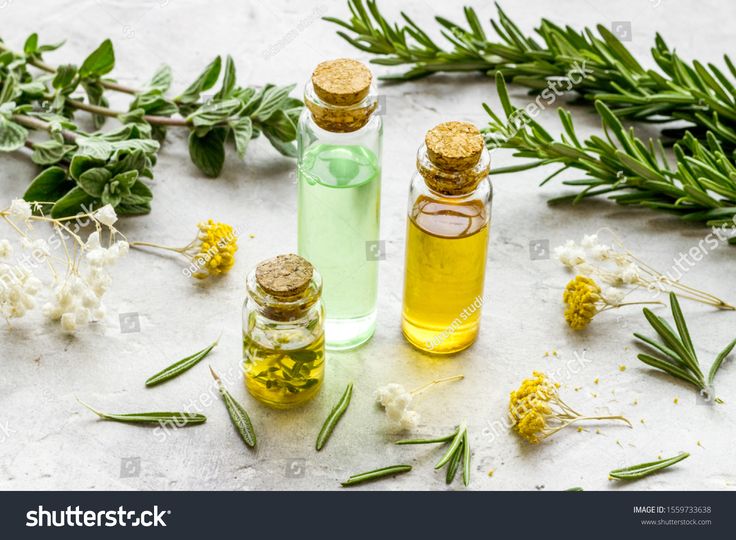
Many people turn to essential oils for their myriad benefits, yet there are several misconceptions regarding their safety and use. Understanding the potential risks and side effects associated with essential oils is crucial to ensuring their safe application, especially among vulnerable populations such as children and pregnant women. This section aims to clarify common myths while providing guidance on appropriate usage.
Common Misconceptions Surrounding Essential Oils
Despite their growing popularity, several misconceptions can lead to unsafe practices when using essential oils. Some of these include the belief that essential oils are completely safe and that they can be used in any way without consequence. It is essential to recognize that while many essential oils have therapeutic properties, they can also pose risks if misused.
- Essential oils are natural, hence always safe: Many people equate “natural” with “safe,” which can be misleading. Natural substances can still cause allergic reactions or have toxic properties.
- All essential oils can be ingested: Not all essential oils are meant for internal use. Some can be toxic if ingested, making it essential to verify the safety of each oil.
- Essential oils can replace medical treatment: While they can complement certain therapies, essential oils should not replace conventional medical treatments without proper consultation with a healthcare provider.
Potential Side Effects and Interactions
Essential oils can have side effects and may interact with medications, which underscores the importance of informed use. Individuals using essential oils should be aware of the potential effects that can arise, particularly with sensitive populations.
- Skin irritation: Direct application of essential oils, especially undiluted, can lead to skin irritations or allergic reactions.
- Respiratory issues: Inhalation of certain oils in poorly ventilated spaces may aggravate asthma or other respiratory conditions.
- Drug interactions: Some essential oils may interact with medications, altering their effectiveness. For example, oils like grapefruit can interfere with the metabolism of various drugs, increasing the risk of side effects.
Safe Use of Essential Oils for Sensitive Populations
When using essential oils for sensitive groups, such as children and pregnant women, caution is essential. Here are some guidelines to ensure safety:
- Consult a healthcare provider: Always seek guidance from a healthcare professional before using essential oils, especially during pregnancy or for children’s use.
- Dilute properly: For topical application, essential oils should be diluted with a carrier oil to minimize the risk of irritation.
- Avoid certain oils: Some oils, like rosemary and sage, may not be suitable for children or pregnant women and should be avoided.
Understanding the potential risks and dispelling common misconceptions about essential oils can significantly enhance their safe and effective use in daily life.
Epilogue
In conclusion, essential oils represent a remarkable fusion of nature and science, offering a plethora of benefits that enhance both physical and emotional health. As we embrace their potential in our daily lives, it’s essential to approach them with knowledge and care, ensuring a safe and fulfilling experience.
FAQ
What are essential oils made from?
Essential oils are made from the aromatic components of plants, extracted through methods like distillation or cold pressing.
Can essential oils be ingested?
While some essential oils can be ingested, it’s crucial to consult a healthcare professional before doing so due to potential toxicity.
How do I choose the right essential oil for me?
Choosing the right essential oil depends on your specific needs, such as relaxation, energy, or healing. Research the properties of various oils to find the best fit.
Are there any essential oils safe for children?
Yes, but caution is necessary. Always dilute essential oils and consult a pediatrician for guidance on safe options for children.
How should essential oils be stored?
Essential oils should be kept in a cool, dark place, preferably in dark glass bottles to maintain their potency and prevent degradation.