 Penelope Hailey
Aromatherapy, a harmonious blend of art and science, invites us to explore the world of essential oils and their therapeutic potential. This ancient practice has roots in various cultures, showcasing a rich history that dates back thousands of years. Today, aromatherapy is not only a popular wellness trend but also a scientifically-supported method that enhances physical and emotional well-being.
From the mesmerizing fragrances of essential oils to the calming techniques used in practice, aromatherapy offers a unique approach to healing. As we delve into its historical evolution, scientific underpinnings, and practical applications, you’ll discover how this aromatic journey can transform your daily life.
Aromatherapy’s Historical Evolution

Aromatherapy has deep roots in human history, intertwined with various cultures and traditions that have utilized the power of essential oils for therapeutic purposes. Its evolution reflects a blend of ancient practices, beliefs, and the significance attributed to scent in enhancing well-being. This holistic approach to health has transcended time, shaping wellness rituals across civilizations.
The origins of aromatherapy can be traced back to ancient civilizations, where the use of fragrant plants and essential oils was woven into ritualistic practices and medicinal applications. Cultures such as the Egyptians, Greeks, and Chinese recognized the potent effects of various aromatic substances. For instance, Egyptians used essential oils in their embalming processes, believing that these substances would preserve the body for the afterlife. The significance of scents in religious ceremonies and personal care further emphasized the value of aromatherapy throughout history.
Traditional Practices in Ancient Civilizations
Throughout history, numerous civilizations have engaged in practices associated with aromatherapy, rooting their medicinal and spiritual applications in the aromatic properties of herbs and oils. These practices were not only for healing but also played an essential role in daily life and rituals. Some notable examples include:
- Egyptians: They were pioneers in the use of aromatic oils, employing them in daily life for both health and cosmetic purposes. Essential oils like myrrh and frankincense were prevalent in their embalming rites and religious offerings, showcasing their belief in the spiritual significance of scent.
- Greeks: The Greeks adopted aromatic practices from the Egyptians and further advanced them. Hippocrates, often referred to as the “Father of Medicine,” utilized various essential oils in his treatments, highlighting the medicinal potential of these natural substances.
- Chinese: In Traditional Chinese Medicine (TCM), the use of aromatic plants dates back thousands of years. Essential oils were employed in acupuncture and herbal remedies, illustrating the connection between scent and balance within the body.
- Indigenous Cultures: Various indigenous cultures globally utilized aromatic plants in rituals and healing, incorporating incense and oils into shamanistic practices. This connection to the spiritual realm demonstrates the universal appreciation of scent as a means of communication with the divine.
Ancient texts and artifacts provide profound insights into the historical significance of aromatherapy. For example, the Ebers Papyrus, dating back to around 1550 BCE, contains recipes for various essential oils and their uses in medicinal applications. Additionally, the writings of Avicenna in the 10th century detail the distillation of rose oil, marking a significant advancement in the extraction of essential oils. Such historical references emphasize the enduring legacy of aromatherapy and its holistic approach to health and well-being across cultures and time.
The Science Behind Aromatherapy
Aromatherapy is not just a relaxation technique; it is deeply rooted in science. By harnessing the power of essential oils, aromatherapy taps into the biochemical mechanisms of the body and mind, promoting various therapeutic effects. Understanding these scientific principles sheds light on how scents influence our physical and mental states, enhancing wellness and healing.
The biochemical effects of essential oils on the human body are profound. When inhaled, aroma molecules enter the olfactory system, which is closely linked to the limbic system, the part of the brain that controls emotions and memory. Essential oils contain active compounds that interact with neurotransmitters and hormones, thus leading to changes in mood and physiological responses. For instance, studies have shown that Linalool, a compound found in lavender, can reduce cortisol levels, the stress hormone, while uplifting mood and inducing a sense of calm.
Influence of Aromatherapy on Mood and Mental Well-Being
Aromatherapy has a significant impact on mood and mental well-being, primarily through its effects on the brain’s chemistry and neurobiology. The inhalation of essential oils can trigger the release of neurotransmitters such as serotonin and dopamine, which play crucial roles in regulating mood and emotional balance.
For instance, citrus oils like orange and lemon have been shown to enhance mood and increase feelings of happiness. Research indicates that participants in studies who were exposed to citrus scents reported lower levels of stress and greater overall well-being.
- Lavender: Known for its calming properties, lavender oil has been shown to reduce anxiety and improve sleep quality.
- Rosemary: This essential oil can enhance memory and cognitive performance, making it beneficial for study or work environments.
- Ylang Ylang: Often used for its uplifting properties, Ylang Ylang can help reduce feelings of sadness and promote relaxation.
The effectiveness of these oils varies based on individual preferences and biological factors. For example, some individuals may find eucalyptus invigorating, while others might prefer the soothing effects of chamomile.
Comparative Effects of Essential Oils
Scientific studies provide a comprehensive view of how various essential oils affect physiological and psychological states. A comparative analysis reveals that different oils can have distinct, overlapping, or complementary effects.
Research highlights the following comparisons between some commonly used essential oils:
| Essential Oil | Primary Effects | Notable Compounds |
|---|---|---|
| Lavender | Calming, anxiety-reducing | Linalool, Linalyl acetate |
| Peppermint | Invigorating, concentration-boosting | Menthol, Menthone |
| Tea Tree | Antimicrobial, purifying | Terpinen-4-ol, α-Terpineol |
| Frankincense | Grounding, meditative | Boswellic acid, α-Pinene |
Each essential oil brings its unique set of benefits, contributing to a tapestry of therapeutic options available through aromatherapy. The interplay of active compounds within these oils creates a rich environment for emotional and physical healing, reflecting the intricate relationship between scent, brain chemistry, and overall wellness.
“The limbic system, where emotions are processed, is directly influenced by the scents we breathe, showcasing the power of aromatherapy in enhancing mood and mental clarity.”
Aromatherapy Techniques and Methods
Aromatherapy is a holistic practice that utilizes the therapeutic properties of essential oils to enhance physical and emotional well-being. Various techniques are employed to maximize the benefits of these aromatic substances, allowing users to incorporate them seamlessly into their daily routines. Understanding different methods of application can help individuals tailor their aromatherapy experiences to meet their specific needs.
Techniques Used in Aromatherapy
Several techniques are commonly utilized in aromatherapy, each offering unique benefits and experiences. The choice of method can depend on personal preferences, desired effects, and the specific essential oils being used. Here are some prevalent techniques:
- Diffusion: This technique disperses essential oils into the air, allowing for inhalation. Diffusers can be electric, candle-based, or even simple bowls of hot water. The aroma fills the space, creating an aromatic atmosphere that can influence mood and environment.
- Massage: Essential oils can be blended with carrier oils and used in massage therapy. This method not only provides the benefits of the oils but also enhances relaxation and relieves tension in muscles.
- Inhalation: Direct inhalation of essential oils from the bottle or a cotton ball allows for immediate effects. This technique is particularly effective for alleviating stress or respiratory issues.
- Baths: Adding essential oils to a warm bath is an excellent way to indulge in aromatherapy. The oils can soothe the skin and promote relaxation as they permeate the warm water.
- Topical Application: Essential oils can be applied directly to the skin when diluted with carrier oils. This method allows for targeted treatment of specific areas, such as sore muscles or skin irritations.
Step-by-Step Guide for a Simple Aromatherapy Session at Home
Conducting an aromatherapy session at home is a straightforward process that can elevate your mood and promote relaxation. Here’s a simple guide to help you get started:
1. Choose your essential oils based on the desired effects. For relaxation, consider lavender or chamomile; for energy, citrus oils like lemon or peppermint may be ideal.
2. Select a method of application. For beginners, using a diffuser or inhalation is recommended.
3. If using a diffuser, add a few drops of your chosen essential oil to the water reservoir according to the diffuser’s instructions. If inhaling from a cotton ball or bottle, prepare it for direct inhalation.
4. Set the atmosphere. Create a calming environment with dim lighting, comfortable seating, and perhaps soft music in the background.
5. If you opt for a massage, mix your essential oil with a carrier oil (like coconut or jojoba oil) at a ratio of 2-3 drops of essential oil per teaspoon of carrier oil. Apply this mixture to the desired area using gentle strokes.
6. Allow yourself to unwind for at least 15-30 minutes, focusing on your breath and the aromatic experience surrounding you.
Safety Precautions When Using Essential Oils
While aromatherapy offers a myriad of benefits, it is essential to approach the use of essential oils with caution. Here are some important safety guidelines:
- Skin Sensitivity: Always perform a patch test before using any essential oil on the skin to check for allergic reactions.
- Pregnancy and Medical Conditions: Some essential oils are not recommended for pregnant women or those with specific medical conditions. Consult a healthcare professional before use.
- Dilution: Essential oils are highly concentrated and should be diluted with a carrier oil before topical application to avoid skin irritation.
- Quality of Oils: Use only high-quality, pure essential oils from reputable sources to ensure safety and efficacy.
- Inhalation Limits: Avoid overexposure to essential oils through inhalation; a few drops are usually sufficient for a pleasant aromatic experience.
Essential Oils and Their Therapeutic Properties
Essential oils have long been celebrated for their aromatic and therapeutic benefits, harnessing the power of nature to support health and wellness. Each essential oil is derived from specific plants, capturing their essence and offering a range of unique properties that can enhance physical and emotional wellbeing. Understanding these properties allows for informed choices when using essential oils for various ailments.
In this exploration, we will delve into popular essential oils, highlighting their specific health benefits, uses, and potential contraindications. This knowledge will empower individuals to select the right essential oil tailored to their needs, whether seeking relief from physical discomfort or emotional distress.
Popular Essential Oils and Their Benefits
Numerous essential oils possess distinct therapeutic properties that can be beneficial for both mind and body. Below is a summary of several prominent essential oils, along with their uses and potential contraindications.
| Essential Oil | Uses | Potential Contraindications |
|---|---|---|
| Lavender | Promotes relaxation, alleviates anxiety, aids sleep. | May cause skin irritation in some individuals; avoid during pregnancy. |
| Tea Tree | Antiseptic, reduces acne, boosts immune response. | Can be irritating to sensitive skin; avoid ingestion. |
| Peppermint | Relieves headaches, enhances focus, aids digestion. | May cause skin irritation; not recommended for young children. |
| Eucalyptus | Supports respiratory health, alleviates congestion. | Can be toxic if ingested in large amounts; avoid in children under 2. |
| Frankincense | Reduces stress, promotes mental clarity, supports immune system. | Generally safe but may cause allergic reactions in some. |
Selecting the appropriate essential oil requires consideration of the specific emotional or physical ailment being addressed. When targeting emotional issues such as anxiety or depression, oils like lavender and frankincense can be particularly soothing. For physical discomfort, peppermint and eucalyptus may offer effective relief through their analgesic and anti-inflammatory properties.
When choosing an essential oil, consider both the intended health benefit and any personal sensitivities or allergies.
To ensure safe and effective use, it’s advisable to perform a patch test before applying an essential oil topically and to consult with a healthcare professional if any health conditions or medications might interact with essential oils. This proactive approach will aid in optimizing the benefits of aromatherapy for overall well-being.
The Role of Aromatherapy in Modern Wellness
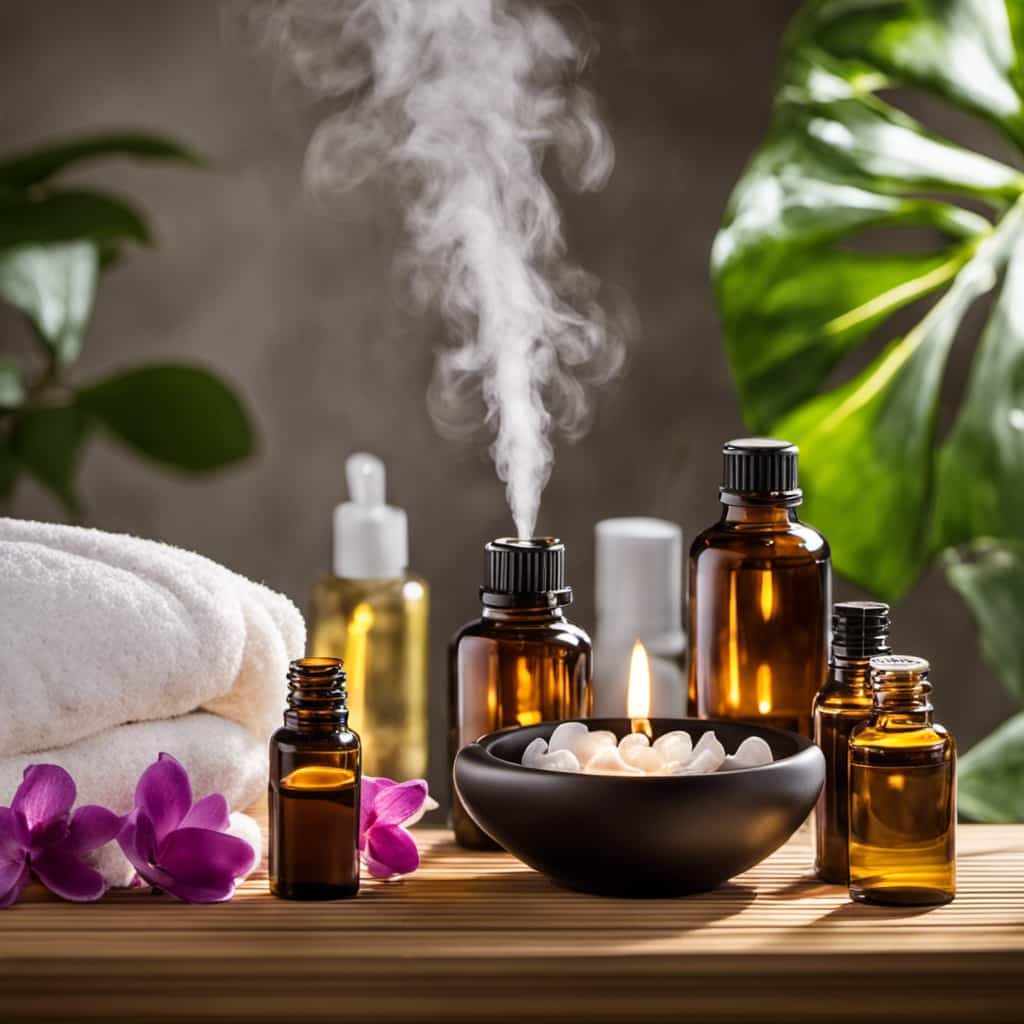
Aromatherapy has emerged as a vital component of contemporary wellness practices, blending ancient healing traditions with modern holistic approaches. This practice utilizes the therapeutic properties of essential oils to enhance mental, emotional, and physical well-being. As individuals increasingly seek natural remedies to support their health, aromatherapy has found its place alongside other wellness strategies, providing a fragrant and soothing solution to everyday stressors.
Aromatherapy complements various holistic health practices, creating a synergy that enhances the overall wellness experience. Integrating these essential oils with other therapeutic modalities like yoga and meditation promotes deeper relaxation, enhances focus, and encourages emotional balance. This multifaceted approach addresses the interconnectedness of the body, mind, and spirit, emphasizing that true wellness transcends merely treating physical symptoms.
Integration of Aromatherapy with Yoga and Meditation
Incorporating aromatherapy into yoga and meditation practices can significantly enhance the experience and benefits of both. The use of specific essential oils helps to create an atmosphere conducive to relaxation and mindfulness.
For instance, lavender oil is well-known for its calming effects, making it an excellent choice for a restorative yoga session or a meditation practice aimed at reducing anxiety. Similarly, citrus oils such as bergamot or sweet orange can uplift mood and invigorate energy, ideal for morning yoga routines.
Here are some key ways to effectively integrate aromatherapy into these practices:
- Essential Oil Diffusion: Using a diffuser to disperse essential oils into the air during yoga or meditation sessions can enhance the overall ambiance and promote a sense of peace.
- Topical Application: Diluting essential oils with a carrier oil and applying them to pulse points can provide a grounding effect throughout the practice.
- Aromatherapy Inhalation: Taking a few deep breaths of essential oils from a personal inhaler or directly from the bottle before or during practice can enhance focus and presence.
- Setting Intentions: Using specific oils that resonate with your intentions for the session can reinforce personal goals and enhance the overall experience.
Incorporating these methods not only deepens the yoga and meditation experience but also promotes a holistic approach to personal wellness that nurtures both body and mind.
Daily Incorporation of Aromatherapy for Stress Management
Integrating aromatherapy into daily routines can be a powerful tool for managing stress. Simple practices can greatly enhance one’s quality of life, offering moments of calm amidst a busy schedule. Here are practical ways to weave aromatherapy into everyday activities:
- Morning Rituals: Start your day with a few drops of uplifting essential oils like lemon or peppermint in a diffuser to energize your space and boost your mood.
- Workplace Aromatherapy: Use a personal aromatherapy inhaler or roll-on blend with calming oils, such as chamomile or frankincense, to manage stress during the workday.
- Relaxation Techniques: Create a nightly routine that includes a warm bath infused with essential oils like lavender or ylang-ylang to promote relaxation and better sleep.
- Mindful Breathing: Take short breaks throughout your day to practice mindful breathing with a few inhalations of your favorite essential oil, helping to center your thoughts and reduce anxiety.
These practices demonstrate how aromatherapy can seamlessly blend into daily life, providing accessible tools for stress relief and overall well-being. By making these small changes, individuals can cultivate a calming environment that supports their mental health and enhances their overall quality of life.
Myths and Misconceptions About Aromatherapy
Aromatherapy is often shrouded in myths and misconceptions that can cloud its true benefits and applications. Understanding what is fact and what is fiction can help individuals make informed decisions about incorporating this therapy into their wellness routines. Let’s unpack some of the common misunderstandings about aromatherapy and clarify the truths behind them.
Common Misconceptions About Aromatherapy
Aromatherapy is frequently mischaracterized, leading to confusion about its effectiveness and purpose. Here are some prevalent misconceptions along with evidence-based clarifications:
- Misconception: Aromatherapy is merely a form of fragrance therapy.
Contrary to this belief, aromatherapy involves much more than just pleasant scents. It utilizes essential oils extracted from plants for therapeutic benefits, targeting physical and emotional health. Fragrance therapy primarily focuses on the aesthetic and sensory enjoyment of scents without the therapeutic applications found in aromatherapy. - Misconception: Essential oils are always safe and can be used without caution.
While essential oils are derived from natural sources, they are potent substances and must be used with care. Some oils can cause skin irritation or adverse reactions if not diluted properly or if used inappropriately. It’s crucial to conduct a patch test and consult with a professional before using new oils. - Misconception: Aromatherapy is a cure-all for medical conditions.
Aromatherapy can complement traditional treatments but should not be viewed as a substitute for medical care. Evidence does support its benefits in reducing stress, anxiety, and improving sleep, but it does not replace the need for professional medical advice or intervention for serious health concerns. - Misconception: All essential oils are created equal.
The quality of essential oils varies significantly depending on factors like cultivation, extraction methods, and purity. Not all oils on the market are suitable for therapeutic use. It’s important to choose oils that are labeled as 100% pure and sourced from reputable companies.
“Aromatherapy harnesses the therapeutic properties of essential oils to foster emotional and physical wellbeing.”
Understanding these misconceptions helps to recognize the genuine potential of aromatherapy in enhancing overall wellness, while also emphasizing the importance of informed usage and professional guidance in its practice.
The Future of Aromatherapy in Healthcare
Aromatherapy is garnering attention as a complementary therapy in healthcare settings, with its potential to enhance patient care and overall well-being. As more healthcare professionals recognize the benefits of integrating essential oils and aromatic compounds into treatment protocols, the future of aromatherapy presents exciting possibilities for both patients and practitioners alike.
The exploration of aromatherapy within healthcare is evolving, with emerging trends that showcase its potential applications. Many hospitals and wellness centers are beginning to incorporate aromatherapy in pain management, stress relief, and as an adjunct treatment for anxiety and depression. The use of essential oils like lavender for its calming effects or peppermint for its invigorating properties highlights the shift towards holistic care. Additionally, as healthcare systems strive for more patient-centered approaches, aromatherapy offers a personalized option that aligns well with overall wellness strategies.
Research and Clinical Trials Advancing Aromatherapy
The credibility of aromatherapy in healthcare is increasingly supported by ongoing research and clinical trials. These studies provide valuable insights into the efficacy of various essential oils and their impact on specific health conditions.
Several key factors contribute to the advancement of aromatherapy through research:
- Increased funding for studies examining the physiological effects of essential oils on health.
- Collaboration between aromatherapists and medical researchers to conduct randomized controlled trials.
- Emerging evidence supporting the use of aromatherapy in various clinical settings, such as oncology and palliative care.
- Standardization of essential oil blends to ensure consistency in efficacy and safety during trials.
For instance, a recent clinical trial demonstrated that aromatherapy significantly reduced anxiety levels in patients undergoing surgery, showcasing its potential utility in hospitals. Such studies not only validate the practice but also encourage healthcare providers to consider aromatherapy as a viable option in patient care.
Challenges in Integrating Aromatherapy into Mainstream Medicine
While the future looks promising, several challenges impede the full integration of aromatherapy into mainstream medical practices. Addressing these challenges is essential for the continued growth and acceptance of aromatherapy as a complementary health intervention.
The key challenges include:
- Lack of standardized protocols for the use of essential oils in clinical settings.
- Insufficient training and education for healthcare professionals regarding aromatherapy practices.
- Regulatory hurdles surrounding the approval and use of essential oils in medical contexts.
- Need for more robust evidence from large-scale studies to support claims of efficacy and safety.
Despite these obstacles, the continued advocacy for aromatherapy by practitioners and patients alike is paving the way for its acceptance. As research provides more definitive evidence and healthcare systems adapt to holistic models of care, the future of aromatherapy in healthcare holds great potential for enhancing the quality of patient experiences and outcomes.
Outcome Summary
In summary, aromatherapy serves as a bridge between centuries-old traditions and modern wellness practices. As we uncover the myths and realities surrounding this healing art, it becomes clear that essential oils hold significant promise for our health and happiness. Embracing aromatherapy not only enriches our self-care routines but also fosters a deeper connection to our well-being.
FAQ Resource
What essential oils are safe for beginners?
Lavender, peppermint, and orange are great starter oils known for their versatility and ease of use.
Can aromatherapy help with anxiety?
Yes, certain essential oils like lavender and chamomile are well-known for their calming properties and can help reduce anxiety.
How are essential oils extracted?
Essential oils are typically extracted through methods like steam distillation, cold pressing, or solvent extraction.
Is it safe to use essential oils during pregnancy?
Some essential oils may not be safe during pregnancy; it’s best to consult with a healthcare provider before use.
Can aromatherapy replace traditional medicine?
Aromatherapy should complement, not replace, traditional medical treatments; always consult a healthcare professional for serious conditions.