 Penelope Hailey
Essential oils have captivated cultures for centuries, offering a blend of history, science, and wellness. From the aromatic rituals of ancient Egyptians to modern wellness trends, these potent plant extracts have played a vital role in both health and beauty. Their diverse applications, ranging from soothing stress to enhancing home environments, make essential oils a fascinating subject worth exploring.
This overview will delve into the rich historical significance of essential oils, the science behind their extraction methods, and the variety of therapeutic benefits they offer. We will also touch on best practices for safe use and how to create DIY blends, ensuring you find practical ways to incorporate these aromatic wonders into your daily life.
The Historical Significance of Essential Oils
Essential oils have played a crucial role in various cultures throughout history, serving not only as aromatic compounds but also as powerful therapeutic agents. Their use can be traced back thousands of years, highlighting their significance in ancient societies for medicinal, spiritual, and beautifying purposes. The knowledge and practices surrounding essential oils have been passed down through generations, reflecting their enduring importance in human health and wellness.
Origins and Uses in Ancient Cultures
Essential oils originated from the extraction of aromatic plants, a practice rooted in ancient civilizations. These oils were highly valued for their ability to enhance overall well-being and were employed in a variety of ways. For instance, in ancient Egypt, essential oils such as frankincense and myrrh were used during mummification processes, symbolizing their spiritual significance and believed to assist in the journey to the afterlife. Additionally, Egyptians utilized oils in cosmetics, like rose oil, to maintain skin health and promote beauty.
In Greece, essential oils were embraced by physicians and philosophers alike. Hippocrates, often referred to as the father of medicine, emphasized the therapeutic properties of plants and oils, using them in treatments for various ailments. Lavender and oregano oils were commonly used for their antiseptic and anti-inflammatory properties. The Greeks incorporated essential oils into their daily lives, from bathing rituals to aromatherapy practices aimed at improving mental clarity and emotional balance.
China’s rich history of herbal medicine also includes a deep-seated tradition of utilizing essential oils. Ancient Chinese healers recognized the healing properties of plant extracts and developed elaborate methodologies that integrated essential oils into their treatments. For example, peppermint oil was utilized not only for its invigorating scent but also for its ability to alleviate digestive issues and enhance respiratory function. This holistic approach to health, marrying essential oils with acupuncture and herbal remedies, laid the foundation for contemporary practices in Traditional Chinese Medicine.
Throughout history, essential oils were not merely commodities but held symbolic and ritualistic importance in many cultures. They were often used in religious ceremonies, with oils like sandalwood and cedar representing purity and divinity. The aromatic qualities of these oils contributed to the ambiance of sacred spaces, enhancing spiritual experiences for practitioners. In addition to rituals, essential oils were incorporated into daily hygiene and health regimens, such as using tea tree oil for its antiseptic properties to prevent infections. The diverse applications of essential oils reveal their multifaceted role in ancient societies, illustrating their integral connection to health, beauty, and spirituality.
The Science Behind Essential Oils and Their Extraction Methods
Essential oils are concentrated plant extracts with distinct aromas and therapeutic properties. Their popularity has surged in recent years due to increased interest in natural remedies and holistic health practices. Understanding the science behind essential oils, including their extraction methods and chemical compositions, is essential for appreciating their benefits and ensuring quality use.
Different extraction processes yield essential oils with varying qualities and characteristics. The three primary methods include steam distillation, cold pressing, and solvent extraction. Each method employs unique techniques that impact the final product, and it’s crucial to grasp how these processes influence oil quality.
Extraction Processes of Essential Oils
Steam distillation is the most common method used for extracting essential oils. This process involves passing steam through plant material, which vaporizes the volatile compounds. When the steam cools, it condenses back into liquid form, separating the essential oil from the water. This method is highly effective and preserves the aromatic properties of the oil.
Cold pressing is another widely used technique, particularly for citrus oils such as orange and lemon. This method involves mechanically pressing the peels of the fruit to release the essential oils. The cold pressing approach maintains the oil’s freshness and vibrant aroma, making it suitable for culinary and therapeutic uses.
Solvent extraction is typically employed for delicate flowers, like jasmine and rose, which cannot withstand high heat. In this method, a solvent, such as hexane or ethanol, is used to dissolve the essential oil from the plant. The solvent is then evaporated, leaving behind a highly concentrated oil known as an absolute. While this method provides fragrant oils, it may leave trace solvent residues, which can affect the purity.
Chemical Composition of Essential Oils
The therapeutic properties of essential oils are closely related to their chemical composition. Each essential oil contains a unique blend of various compounds, primarily terpenes, alcohols, esters, and phenols. For instance, lavender oil is rich in linalool and linalyl acetate, which contribute to its calming effects, while tea tree oil contains terpinen-4-ol, known for its antibacterial properties.
Understanding the chemical makeup of essential oils allows practitioners to harness specific benefits for health and wellness. The balance of these compounds can influence not only the aroma but also the effectiveness of the oil in aromatherapy, skincare, and other applications.
Factors Affecting Quality and Potency
Several factors influence the quality and potency of essential oils, including plant species, growing conditions, and extraction methods. The botanical source plays a significant role; for instance, the same species grown in different regions may yield oils with varying chemical profiles, affecting their therapeutic efficacy.
Growing conditions such as soil quality, climate, and harvesting methods can also impact oil potency. Oils derived from plants harvested at their peak maturity typically possess higher concentrations of active compounds. Additionally, the extraction method chosen can affect not only the yield but also the integrity of the oil, with methods like steam distillation generally producing higher-quality results than solvent extraction.
To ensure the highest quality essential oils, consumers should look for products that provide information on the plant’s origin, extraction methods used, and any testing conducted for purity.
“The therapeutic effects of essential oils are intricately linked to their chemical composition, which is influenced by the extraction method and plant species.”
The Therapeutic Benefits of Various Essential Oils
Essential oils have been celebrated for their diverse therapeutic properties, providing both physical and emotional benefits. Each oil comes with its unique characteristics, making them suitable for various applications in holistic health practices. From soothing anxiety to promoting physical healing, essential oils can be a valuable addition to wellness routines.
Lavender, tea tree, and eucalyptus are among the most recognized essential oils, each boasting specific therapeutic benefits that can enhance well-being. The versatility of these oils allows for their use in aromatherapy, massages, and even skincare, helping individuals address a variety of health concerns. Below are the therapeutic properties of these essential oils, along with practical applications and supporting evidence from scientific studies.
Health Benefits of Lavender, Tea Tree, and Eucalyptus Essential Oils
Understanding the unique properties of these essential oils can help individuals choose the right oil for their needs.
- Lavender Essential Oil: Known for its calming effects, lavender can significantly reduce anxiety and improve sleep quality. A study published in the Journal of Alternative and Complementary Medicine showed that inhaling lavender oil improved sleep quality and reduced symptoms of anxiety in patients undergoing surgery.
- Tea Tree Essential Oil: Renowned for its antimicrobial properties, tea tree oil is effective against various skin conditions, including acne and fungal infections. Research in the Medical Journal of Australia found that a 5% tea tree oil gel was as effective as benzoyl peroxide in treating acne, with fewer side effects.
- Eucalyptus Essential Oil: This oil is often utilized for its respiratory benefits. Eucalyptus oil can help relieve symptoms of colds and allergies. A study in the Journal of Ethnopharmacology highlighted its effectiveness in reducing mucus production and improving airflow in individuals with respiratory issues.
Each of these essential oils can be used in aromatherapy to foster both physical and emotional wellness. For example, lavender oil can be diffused in the bedroom to promote relaxation before sleep. Tea tree oil can be diluted in a carrier oil and applied to the skin to treat blemishes. Eucalyptus oil can be used in steam inhalation to relieve congestion.
“Essential oils offer a natural approach to health, providing both therapeutic and sensory benefits.”
Evidence-based studies confirm the therapeutic claims associated with these oils, affirming their effectiveness and safety when used appropriately. Lavender oil is associated with lower cortisol levels, tea tree oil shows significant antibacterial activity, and eucalyptus oil is well-documented for its ability to clear respiratory pathways. By integrating these oils into daily routines, individuals can enhance their overall health and wellness in a natural and effective manner.
Essential Oil Safety and Best Practices for Use

Essential oils offer a range of therapeutic benefits, but their safe and effective use is crucial to avoid adverse reactions. Understanding the importance of dilution, potential contraindications, and proper storage practices can enhance the experience and effectiveness of these natural remedies. This section delves into essential oil safety, ensuring that users can enjoy their benefits while minimizing risks.
Importance of Dilution and Proper Application Techniques
Dilution is key when using essential oils, as undiluted oils can cause skin irritation or other adverse reactions. Applying essential oils in a diluted form, typically mixed with a carrier oil, ensures safe application. The common carrier oils include coconut oil, jojoba oil, and sweet almond oil, which not only help in dilution but also enhance absorption and reduce irritation.
It is recommended to follow this general dilution guideline:
- For adults, a 2-3% dilution is typically safe, which translates to about 12-18 drops of essential oil per ounce of carrier oil.
- For children, a 0.5-1% dilution is advisable, equating to about 3-6 drops of essential oil per ounce of carrier oil.
- For sensitive skin or conditions, a lower dilution may be more appropriate.
Always perform a patch test before widespread application to ensure no allergic reactions occur.
Potential Contraindications and Interactions
Certain health conditions and medications can interact negatively with essential oils. Pregnant or breastfeeding women, individuals with high blood pressure, or those taking specific medications should exercise caution. Some essential oils can enhance or inhibit the action of medications, leading to unexpected effects. Key interactions include:
- Citrus oils like bergamot and grapefruit may affect how your body metabolizes medications, potentially leading to increased side effects.
- Essential oils like eucalyptus and rosemary may elevate blood pressure, which can be risky for individuals with hypertension.
- Tea tree and lavender oils may disrupt hormonal balance and should be avoided by prepubescent children.
Consult with a healthcare provider before using essential oils if you have any underlying health conditions or are on medication.
Best Practices for Storing and Handling Essential Oils
To maintain the integrity and effectiveness of essential oils, proper storage and handling are essential. Exposure to air, light, and heat can degrade oils over time. Here are best practices for storage:
- Store essential oils in dark glass bottles to protect them from light.
- Keep them in a cool, dry place, away from direct sunlight and heat sources.
- Ensure bottles are tightly sealed to prevent oxidation and evaporation.
Additionally, always label your oils with the date of purchase and any dilution mixtures to keep track of their potency. Handling essential oils with care, including using pipettes or droppers, reduces the risk of contamination and maintains their quality.
DIY Essential Oil Blends for Everyday Use
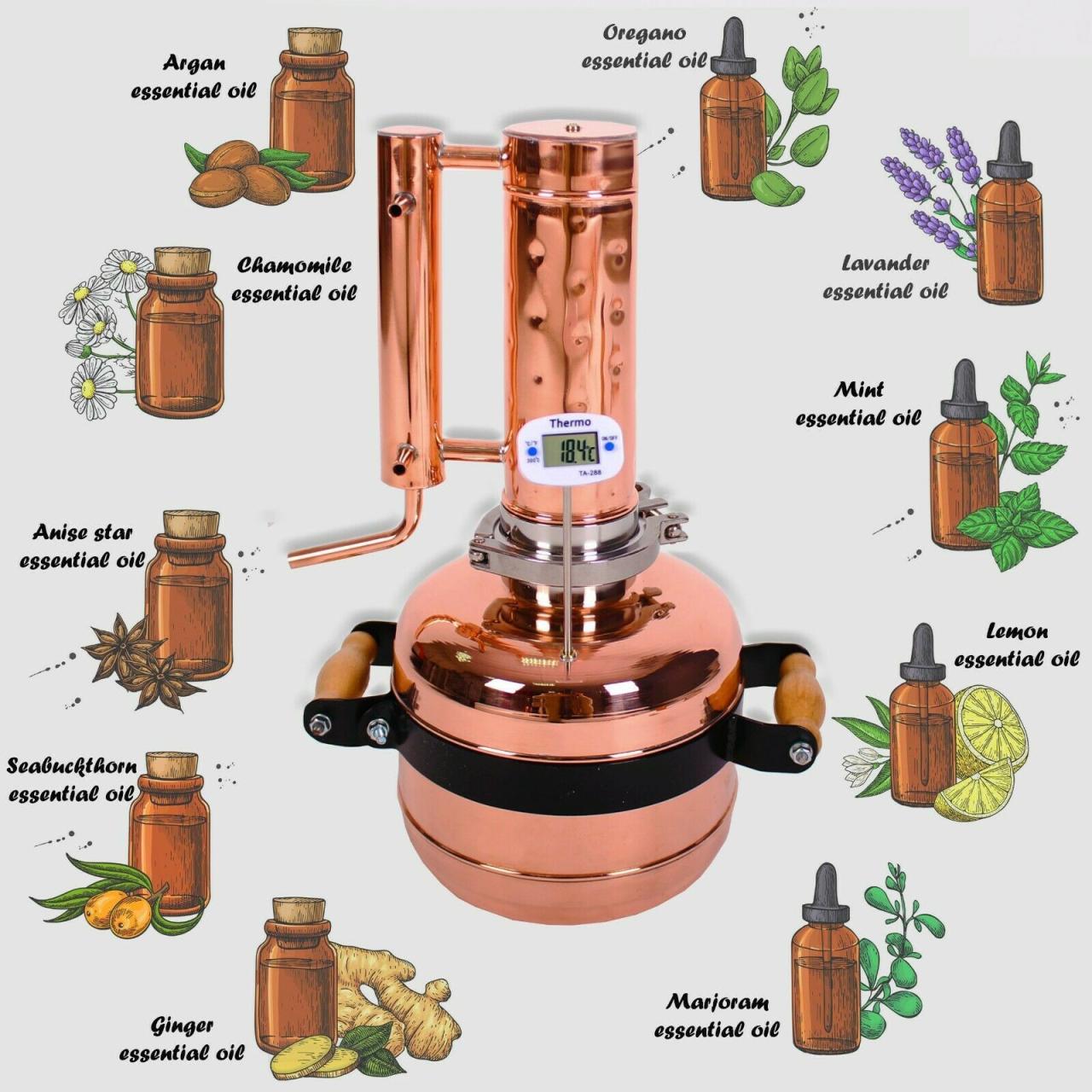
Essential oils have become a popular choice for enhancing well-being and creating a pleasant atmosphere in our daily lives. The versatility of essential oils allows for creativity in crafting unique blends that can cater to various needs, whether it be for relaxation, focus, or an energy boost. This guide provides simple recipes and tips for incorporating essential oils into your routine, making them an enjoyable addition to your everyday life.
Creating your own essential oil blends is not only satisfying but also allows for customization tailored to individual preferences. Essential oils can be mixed in different ratios to suit your specific needs. The following sections will Artikel some easy-to-make blends along with a step-by-step guide to help you craft your perfect combination of scents and benefits.
Relaxation Blends
Relaxation is key to maintaining a healthy lifestyle. Aromatherapy blends can help to soothe the mind and body, making it easier to unwind after a long day. Here are a couple of simple recipes to help you achieve a state of tranquility:
-
Lavender and Chamomile Blend:
– Combine 5 drops of Lavender essential oil and 4 drops of Chamomile essential oil.
– Mix with 2 tablespoons of a carrier oil (like jojoba or sweet almond) for massage or use in a diffuser. -
Sandalwood and Bergamot Blend:
– Mix 3 drops of Sandalwood oil with 5 drops of Bergamot oil.
– This blend can create a calming atmosphere when diffused in your living space.
Focus Blends
Staying focused can sometimes be a challenge, especially in a busy environment. Certain essential oils are known to enhance concentration and mental clarity. Here are two effective blends to help improve focus:
-
Peppermint and Lemon Blend:
– Use 4 drops of Peppermint essential oil and 3 drops of Lemon essential oil.
– This invigorating mix can be added to a diffuser or used in a roller bottle for on-the-go focus. -
Rosemary and Basil Blend:
– Combine 5 drops of Rosemary essential oil and 2 drops of Basil essential oil.
– Ideal for studying or working, this blend can be diffused or inhaled directly from the bottle.
Energy Boosting Blends
When feeling sluggish, a boost of energy can be just what you need. Essential oils can provide uplifting effects, enhancing both mood and motivation. Here are some energy-boosting recipes:
-
Grapefruit and Ginger Blend:
– Mix 4 drops of Grapefruit essential oil with 2 drops of Ginger essential oil.
– This refreshing combination can be diffused or added to a personal inhaler for a quick pick-me-up. -
Orange and Eucalyptus Blend:
– Combine 5 drops of Orange essential oil with 3 drops of Eucalyptus essential oil.
– Perfect for a morning boost, this blend can be used in a diffuser or as a body oil when mixed with a carrier oil.
Creating Custom Blends
Crafting your personalized essential oil blend involves a few simple steps. Here’s a straightforward guide to help you get started:
1. Select Your Base: Determine the primary benefits you want (relaxation, focus, energy) and choose 2-3 essential oils that align with these goals.
2. Choose a Carrier Oil: If you plan to apply your blend to the skin, select a carrier oil such as coconut, jojoba, or olive oil to dilute the essential oils.
3. Measure and Mix: Use a dropper to measure the essential oils. A good starting ratio is 2-3 drops of each oil for a total of 10-15 drops in your blend.
4. Test and Adjust: After mixing, test the aroma. Adjust the ratios if needed to find your perfect scent balance.
5. Store Properly: Use dark glass bottles to protect your blend from light. Label your blend with the contents and the date made.
Incorporating Essential Oils into Daily Routines
Incorporating essential oils into your daily life can enhance both your environment and your personal care routine. Here are effective ways to do so:
– Skincare: Add a few drops of essential oil to your moisturizer or carrier oil for a customized skincare solution. For example, tea tree oil is great for blemishes, while lavender can soothe irritated skin.
– Cleaning: Create a natural cleaning solution by mixing water, vinegar, and a few drops of essential oils like lemon or tea tree for antibacterial properties. This combination will leave your home smelling fresh without harsh chemicals.
– Home Fragrance: Use a diffuser or create a room spray with water and essential oils to keep your living space smelling delightful. Citrus oils are uplifting, while floral oils can create a calming atmosphere.
By integrating these blends and tips into your routine, you can enjoy the myriad benefits of essential oils, making them an essential part of your everyday life.
The Environmental Impact of Essential Oil Production
The production of essential oils has gained popularity as consumers increasingly seek natural and holistic alternatives for health and wellness. However, the environmental impact of producing these oils warrants careful consideration. The cultivation and harvesting of aromatic plants can significantly affect ecosystems and biodiversity. It’s crucial to understand the sustainability of these practices and how both producers and consumers can contribute to a more eco-friendly industry.
Sustainable practices in the production of essential oils are essential to protect plant species and maintain ecosystem balance. Overexploitation of certain plant species for their oils can lead to depletion and threaten their survival. In response, many producers have adopted eco-friendly methods that promote biodiversity and minimize environmental degradation.
Eco-Friendly Practices in Essential Oil Production
Producers are increasingly aware of the need for sustainable farming practices that support the environment. Here are some common methods that help ensure eco-friendly cultivation and harvesting of plants for essential oils:
- Organic Farming: Many essential oil producers use organic farming methods, avoiding synthetic pesticides and fertilizers. This approach not only protects soil health but also helps preserve surrounding ecosystems.
- Crop Rotation: Implementing crop rotation can improve soil fertility and reduce disease, thus lowering the need for chemical interventions. This practice helps maintain the health of the ecosystem where the plants are grown.
- Wild Harvesting: Some producers opt for wild harvesting, where plants are collected from their natural habitats. This method, when done responsibly, can help conserve species while reducing the need for cultivated crops.
- Agroforestry: Integrating essential oil crops with trees and other vegetation can enhance biodiversity, improve soil conditions, and create a sustainable habitat for various species. This method fosters a balanced ecosystem.
- Water Conservation: Efficient water management practices, such as drip irrigation, are employed to reduce water usage. This is particularly important in regions prone to drought, ensuring that resources are used sustainably.
Promoting sustainable production methods not only benefits the environment but also enhances the quality of the essential oils produced. Consumers play a vital role in this ecosystem by making informed choices when purchasing essential oils.
Consumer Choices Supporting Sustainable Practices
As a consumer, supporting sustainability in the essential oil industry is achievable through careful purchasing decisions. Awareness of the sourcing and production practices of essential oils is essential for making responsible choices.
- Research Brand Practices: Investigate brands that prioritize sustainability. Look for certifications such as organic, fair trade, or eco-friendly labels that indicate responsible sourcing and production.
- Support Local Producers: Purchasing from local growers can reduce the carbon footprint associated with transporting goods. Local producers often adopt sustainable practices to protect their community and resources.
- Choose Blends Wisely: Opt for blends that use a variety of sustainably sourced oils, rather than single-origin oils that may be over-exploited. Blends can also provide a more balanced aroma and therapeutic effect.
- Educate Yourself: Keeping informed about the environmental impact of essential oil production empowers consumers to make choices that align with their values regarding sustainability.
- Reduce Waste: Purchase essential oils in bulk when possible, and utilize refill programs to minimize packaging waste. This contributes to a more sustainable consumption cycle.
By being mindful of the environmental implications of essential oil production and supporting practices that promote sustainability, consumers can help protect biodiversity and ensure that these precious natural resources remain available for future generations.
The Role of Essential Oils in Modern Wellness Trends
The integration of essential oils into modern wellness practices has seen a significant surge in popularity over recent years. This trend is largely driven by an increasing awareness of holistic health approaches and the desire for natural alternatives to conventional medicine. As consumers become more attuned to their physical and mental well-being, essential oils have emerged as vital components in self-care routines, symbolizing a broader shift toward embracing natural remedies.
Essential oils are increasingly recognized for their therapeutic properties, often combined with other alternative therapies such as yoga, meditation, and acupuncture. As a holistic approach to health gains traction, essential oils play a pivotal role in enhancing emotional and physical healing, supporting mental clarity, and promoting relaxation. With their various applications, from aromatherapy to topical use, essential oils cater to a wide array of wellness needs.
Consumer Attitudes Towards Essential Oils
The growing interest in essential oils is fueled by shifting consumer attitudes that emphasize wellness and self-care. Today’s consumers are more informed than ever, seeking products that align with their values, particularly in terms of sustainability and natural ingredients. Here are some key insights into current consumer attitudes:
-
Natural Preference:
A large portion of consumers prefers natural remedies over synthetic options, viewing essential oils as safer and more effective alternatives.
-
Diverse Applications:
Essential oils are not only used for aromatherapy but are also integrated into massage therapy, skincare routines, and even household cleaning products.
-
Increased Accessibility:
The rise of e-commerce and social media has made essential oils more accessible, allowing consumers to explore various brands and products with ease.
-
Community and Education:
Online communities and workshops dedicated to essential oils foster education and sharing of experiences, which enhances consumer confidence and loyalty.
As essential oils continue to be embraced within wellness trends, they exemplify a shift towards more holistic and natural approaches to health. This reflects not only a desire for personal well-being but also a broader cultural movement that values mindfulness, sustainability, and self-care practices. With ongoing research and increasing popularity, essential oils are poised to remain integral to modern wellness landscapes.
Last Word
In summary, essential oils are more than just fragrant additions to our lives; they represent a harmonious blend of history, science, and wellness practices. As we continue to discover their therapeutic benefits and explore sustainable production, essential oils are poised to remain a vital part of modern self-care routines. Whether you are an enthusiast or a newcomer, embracing these natural wonders can enhance your well-being and enrich your daily experiences.
User Queries
What are essential oils made from?
Essential oils are concentrated extracts derived from various parts of plants, including leaves, flowers, stems, and roots.
Can essential oils be ingested?
While some essential oils are safe for ingestion, it is crucial to consult a qualified professional before consuming any essential oil.
How should essential oils be stored?
Essential oils should be stored in cool, dark places, away from direct sunlight, and tightly sealed to maintain their potency.
Are there any side effects of using essential oils?
Some individuals may experience allergic reactions or skin irritations; it’s essential to conduct a patch test before use.
How can I choose high-quality essential oils?
Look for oils that are 100% pure, free from additives, and sourced from reputable companies that provide transparency about their sourcing and production methods.