
 Penelope Hailey
Perfume oil has a rich and fascinating history that traces back to ancient civilizations, where it was cherished for both its aromatic properties and cultural significance. From the sacred rituals of ancient Egypt to modern applications in everyday life, the evolution of perfume oil reflects humanity’s enduring love affair with scent.
Throughout history, the art of crafting perfume oil has continuously transformed, influenced by advancements in production techniques and the discovery of new ingredients. Understanding the journey and intricacies of perfume oil enhances our appreciation for this delightful essence that encapsulates memories, emotions, and identities.
The history and evolution of perfume oil from ancient times to present
Perfume oil has been an integral part of human civilization for thousands of years, representing not just a means of scenting the body, but also a symbol of cultural identity, spirituality, and luxury. From the early use of natural fragrances in ancient rituals to sophisticated blends in modern perfumery, the evolution of perfume oil offers a fascinating glimpse into the values and practices of different societies.
The origins of perfume oil can be traced back to ancient civilizations such as Egypt, Mesopotamia, and the Indus Valley. In these societies, perfume was often associated with religious rituals and the divine. For the Egyptians, scents like myrrh and frankincense were essential for embalming, while they also used fragrant oils in daily life and for personal grooming. Perfumes were believed to connect the living with the gods, and sacred oils were used in ceremonies to honor deities.
The production processes of perfume oil have undergone significant transformations over the centuries. Initially, fragrance extraction involved rudimentary methods like enfleurage, where flowers were pressed into fats to absorb their scent. Over time, more advanced techniques such as steam distillation emerged, particularly in the Middle Ages. The introduction of alcohol as a solvent in the Renaissance further revolutionized the industry, allowing for the creation of lighter, more volatile scents.
Key milestones in the history of perfume oil include the establishment of the first perfume factory in Florence in the 16th century, which marked the beginning of commercial perfumery in Europe. The 19th century saw the development of synthetic fragrances, enabling perfumers to create scents previously unavailable from natural sources. This innovation led to the birth of iconic perfumes like Chanel No. 5 in the 1920s, which remains a benchmark in the fragrance world.
Today, the perfume industry is a multi-billion-dollar market, with a focus on sustainability and ethical sourcing of ingredients. The trend towards natural and organic perfume oils reflects a growing consumer awareness of health and environmental concerns. The evolution of perfume oil illustrates the dynamic relationship between culture, art, and science, continually adapting to the changing preferences and values of society.
The process of creating perfume oil and its essential components
Creating perfume oil is an intricate art that merges chemistry and creativity, resulting in a fragrant blend that captivates the senses. The process involves various ingredients, each chosen for their unique properties and ability to produce alluring scents. Understanding the core components and extraction techniques can significantly enhance one’s appreciation for this olfactory craft.
The primary ingredients used in making perfume oil can be classified into essential oils, aroma compounds, and carrier oils. Essential oils are concentrated extracts from natural sources such as flowers, leaves, and roots. Each oil possesses distinct properties that contribute to the fragrance profile. For example, lavender oil is known for its calming effects, while citrus oils like bergamot offer a refreshing and uplifting scent. Aroma compounds, both natural and synthetic, provide additional layers of complexity to the perfume. Common synthetic ingredients include vanillin and ethyl maltol, which mimic the sweet notes of vanilla and caramel, respectively. Carrier oils, such as jojoba or fractionated coconut oil, serve as a base to dilute the potent essential oils, allowing for safe application on the skin.
Main ingredients and their properties
The selection of ingredients plays a crucial role in determining the final fragrance of the perfume oil. Here are some key components and their notable properties:
- Essential Oils: Concentrated plant extracts that provide the primary scent notes. Examples include rose, sandalwood, and patchouli.
- Aroma Compounds: Synthetic or natural substances that enhance or replicate specific scents. Examples include ambroxan for a warm, musky note and linalool for a floral touch.
- Fixatives: Ingredients that help stabilize the fragrance and prolong its scent life. Common fixatives include benzoin and myrrh.
- Carrier Oils: Oils used to dilute essential oils to make them safe for skin application, such as sweet almond oil or grapeseed oil.
The extraction of fragrance oils from natural sources involves various methods, each suited for different types of plant materials. Common techniques include steam distillation, cold pressing, and solvent extraction.
Steam distillation involves passing steam through plant material, causing the essential oils to evaporate and subsequently condense back into liquid form. This method is widely used for flowers and leaves, capturing their delicate aromas effectively. Cold pressing is primarily used for citrus fruits, where the oil is extracted from the peel by mechanical means. Solvent extraction, on the other hand, is ideal for delicate flowers that cannot withstand the heat of distillation. This method uses a solvent to dissolve the essential oils, which are then separated from the solvent, yielding an absolute that retains the plant’s full aroma profile.
Differences between natural and synthetic perfume oils
Natural and synthetic perfume oils differ significantly in their composition, sourcing, and olfactory profiles. Natural perfume oils are derived from plant materials through techniques like distillation and expression. They offer a complex array of scents that can vary based on the soil, climate, and harvesting methods used. This variability often results in unique fragrances that change slightly from batch to batch, appealing to those who appreciate artisanal qualities.
In contrast, synthetic perfume oils are created in laboratories, allowing for precise replication of scents and a more consistent product. They can mimic natural scents or create entirely new ones that do not exist in nature, such as synthetic musk. While natural fragrances often come with a higher price tag due to the labor-intensive extraction processes, synthetic alternatives tend to be more affordable and can be formulated to last longer on the skin.
Additionally, synthetic oils can present a wider range of scent profiles, such as those with enhanced longevity and projection. However, some individuals prefer the nuanced, organic scents of natural oils due to their perceived authenticity and connection to nature.
In summary, the choice between natural and synthetic perfume oils often comes down to personal preference, budget, and sensitivity to certain ingredients, making both options valuable in the world of fragrance.
How to choose the right perfume oil for personal use
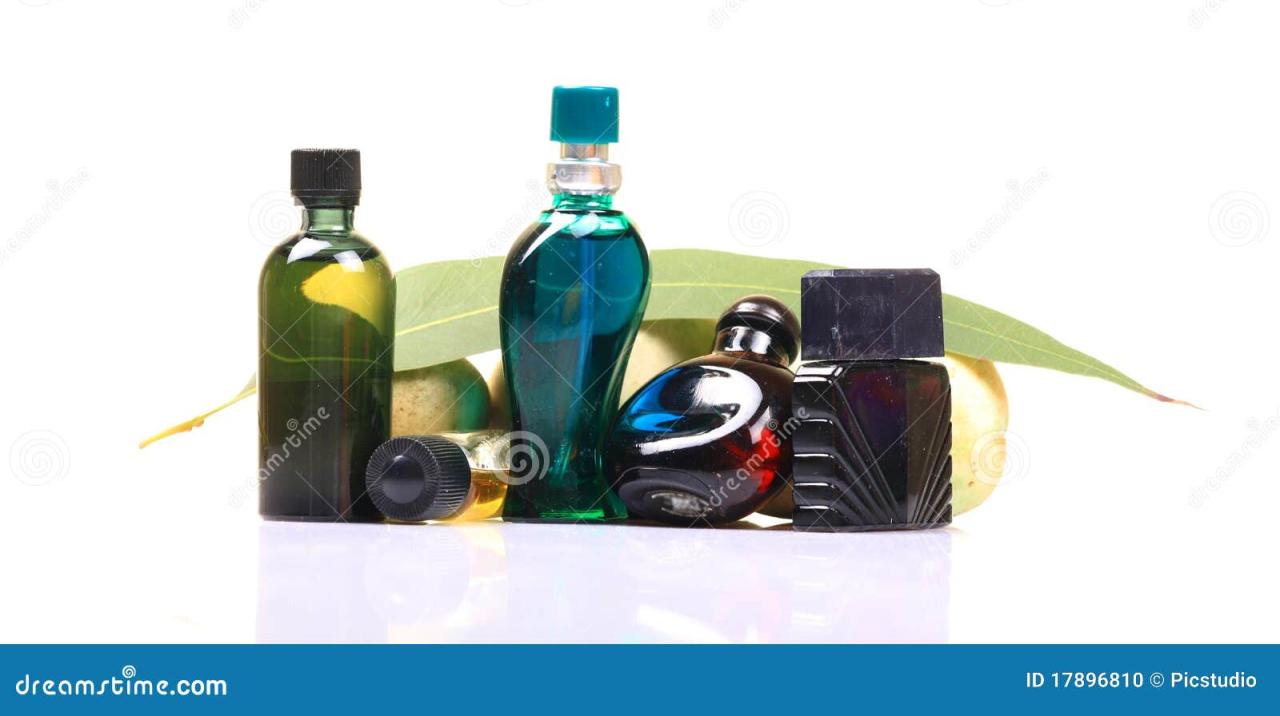
Selecting the perfect perfume oil involves understanding your personal preferences, skin type, and the various occasions you will wear the fragrance. With a plethora of options available, navigating this aromatic landscape can be challenging. This guide will help you make an informed choice that complements your individuality and lifestyle.
Choosing the right perfume oil starts with knowing your skin type, as this can significantly impact how a scent develops over time. Oily skin tends to hold fragrances longer, while dry skin may require more frequent reapplication. Additionally, personal preferences play a crucial role. Some individuals gravitate towards floral scents, while others may prefer woody or oriental undertones.
Factors to consider when selecting perfume oil
Several factors can influence your choice of perfume oil, including occasion, season, and mood. Each aspect can guide you toward finding a fragrance that resonates with your personality and the environment you inhabit.
- Occasion: Consider the setting in which you will wear the fragrance. For a formal event, sophisticated scents like jasmine or sandalwood may be appropriate. Casual settings might call for lighter, fresher notes such as citrus or green tea.
- Season: Different seasons elicit various scents. In spring and summer, floral and fruity fragrances can evoke feelings of freshness and vitality. Conversely, fall and winter often call for richer, spicier scents like vanilla or amber that provide warmth and comfort.
- Mood: Your mood can significantly influence your fragrance choice. If you’re feeling energetic, a vibrant, citrus-based perfume might energize your spirit. On a more contemplative day, deep, musky scents could offer solace and calmness.
Testing and layering different scents can also help you uncover unique combinations that are entirely your own. When testing a perfume oil, apply a small amount to your wrist and allow it to develop for a few hours to experience how it changes on your skin. Consider these tips for layering:
- Choose complementary scents. For instance, pairing a floral base with a warm, spicy top note can create depth.
- Start with a light application of your base scent; then add a hint of a contrasting fragrance to elevate the overall experience.
- Keep a journal of your scent combinations and how they make you feel to track what resonates best with you.
“Fragrance is the invisible dress of emotion that can linger long after you’ve left the room.”
With a thoughtful approach to selection, you can find perfume oils that enhance your personal style and presence, leaving a lasting impression wherever you go.
The benefits of using perfume oil over traditional perfumes
Perfume oil has gained popularity in recent years, thanks to its numerous advantages over traditional alcohol-based perfumes. This alternative offers users a unique olfactory experience that not only lasts longer but also tends to be gentler on the skin. Let’s explore the key benefits of using perfume oil.
Longevity and Concentration of Scent
One of the most significant advantages of perfume oils is their longevity. Unlike traditional perfumes, which are often diluted with alcohol, perfume oils contain a higher concentration of fragrance oils. This means that a little goes a long way, allowing the scent to last throughout the day without the need for frequent reapplication.
Due to the absence of alcohol, perfume oils evaporate more slowly, which contributes to their lasting power. Users can expect to enjoy their favorite fragrance for many hours, and in some cases, even up to 24 hours. The deep, rich aroma of perfume oil tends to settle into the skin, creating a more intimate and personal scent that evolves with wear.
“Perfume oils can last significantly longer than traditional perfumes due to their composition.”
Economical Choice
Perfume oils are often a more economical choice compared to conventional perfumes. While the initial cost may seem higher, their concentrated nature means that users need to apply less product to achieve the desired scent. A typical bottle of perfume oil can last several months, if not longer, depending on usage.
This long-lasting characteristic reduces the frequency of purchases, making perfume oils a budget-friendly option for fragrance lovers. For example, a 10ml bottle of perfume oil can sometimes be equivalent to a 50ml bottle of traditional perfume in terms of longevity and scent strength. This makes it a smart investment for those who appreciate quality fragrances.
Skin-Friendly Properties
Natural perfume oils are often derived from botanical sources, making them a skin-friendly alternative to synthetic fragrances found in many traditional perfumes. These oils typically contain nourishing ingredients that can benefit the skin. For instance, many perfume oils are infused with carrier oils such as jojoba or coconut oil, which provide moisture and hydration.
Moreover, natural perfume oils are less likely to cause allergic reactions or irritations, making them suitable for sensitive skin. Unlike alcohol-based perfumes, which can dry out the skin, perfume oils help maintain skin hydration while delivering a delightful fragrance.
In addition, the absence of synthetic additives means that users are less exposed to harmful chemicals. Transitioning to natural perfume oil can contribute to a healthier lifestyle, as it aligns with a growing demand for clean beauty products. The gentle nature of these oils can enhance the overall sensory experience, making wearing perfume a pleasure rather than a chore.
Perfume oils provide a compelling alternative to traditional perfumes, thanks to their longevity, economical benefits, and skin-friendly properties. For anyone looking to elevate their fragrance game, perfume oils are undoubtedly worth considering.
Popular trends in the perfume oil market today
The perfume oil market has undergone significant changes in recent years, revealing new trends that not only reflect consumer preferences but also highlight broader cultural shifts. As the demand for unique and personalized fragrance experiences increases, brands are adapting their strategies to cater to a more conscious and discerning audience. The current landscape showcases a blend of sustainability, individuality, and innovative marketing that is reshaping the way we perceive and purchase perfume oils.
Current trends influencing the perfume oil industry
The perfume oil industry is increasingly being shaped by several key trends. One of the most prominent is sustainability, with consumers becoming more aware of the environmental impact of their purchases. Brands are responding by developing eco-friendly packaging and sourcing ingredients responsibly. For instance, many companies are now using natural materials and organic farming practices, aligning their products with a more sustainable ethos. This shift not only attracts environmentally conscious consumers but also enhances brand loyalty as customers seek to support businesses that share their values.
Another significant trend is the rise of personalized scents. Consumers are moving away from mass-market fragrances and are increasingly looking for tailored experiences. This has led to an uptick in brands offering customization options, allowing customers to create their own unique scents. Companies like Scentbird and Jeremy Fragrance have capitalized on this trend by offering subscription services that let users try various fragrance combinations. This approach not only enhances customer engagement but also fosters a sense of ownership and connection to the product.
The emergence of niche brands is also changing consumer preferences in the perfume oil market. These brands often focus on artisanal craftsmanship and exclusive ingredients, appealing to a clientele that seeks distinctiveness over the conventional. Niche brands like Le Labo and Byredo emphasize storytelling in their marketing, creating a personal connection with consumers who are willing to invest in high-quality, unique products. This trend reflects a broader cultural shift towards individuality and self-expression in consumer choices.
Innovative marketing strategies are increasingly vital for perfume oil brands looking to stand out in a crowded market. Social media platforms play a crucial role in this landscape, with brands leveraging influencers and user-generated content to reach a wider audience. Some brands have even incorporated augmented reality (AR) experiences, allowing customers to visualize scents through immersive storytelling. Additionally, collaborations with artists and designers have become common, helping brands to stay relevant and connect with diverse consumer groups.
Overall, the perfume oil market is vibrant and evolving, driven by a combination of sustainability, personalization, and innovative marketing that reflects the changing desires of modern consumers.
The cultural significance of perfume oil across different regions
Perfume oil holds a profound significance across various cultures, serving as an emblem of identity, spirituality, and social standing. Its use transcends mere fragrance and often intertwines with rituals and daily practices, reflecting the values and beliefs of different societies. This cultural tapestry of perfume oil showcases its various roles in personal expression, sacred ceremonies, and communal traditions around the world.
Perfume oil is deeply woven into the cultural fabric of numerous regions, each assigning unique meanings and applications to this aromatic substance. In many Middle Eastern cultures, perfume oil is not just a personal adornment but a significant aspect of hospitality. Guests are often welcomed with the gift of perfume, symbolizing respect and honor. This tradition underscores the importance of scent in building social connections and expressing generosity.
Customs and traditions incorporating perfume oil
The practices surrounding perfume oil vary widely, shaped by local customs and historical contexts. Below are notable examples that highlight the diverse uses of perfume oil across different cultures:
- Middle Eastern Traditions: In countries such as Saudi Arabia and the UAE, it is customary for both men and women to wear rich, heavy perfume oils, particularly during festivals and special occasions. Traditional oil blends often include oud and musk, which are integral to the culture’s identity.
- Indian Rituals: In India, perfume oil plays a significant role in religious ceremonies and daily rituals. Attars made from natural ingredients like jasmine and sandalwood are used to purify spaces and enhance meditation practices. Additionally, these scents are applied during weddings as a symbol of love and devotion.
- Eastern Asian Practices: In countries like Japan and China, incense oils are used in spiritual practices, such as tea ceremonies and ancestral worship, where the aroma enhances the ambiance and connects individuals to their heritage.
- Western Cultural Influence: In modern Western societies, perfume oil has evolved into a fashion statement, with diverse brands offering various scents that reflect personal style. However, the growing trend of natural and artisanal perfumes is a nod to the traditional, emphasizing authenticity and individuality.
Perfume oil is more than just a scent; it is a medium of cultural identity and expression. Different cultures utilize fragrance to express emotions, status, and spirituality. In many traditions, the act of applying perfume oil can be ritualistic, representing a connection to ancestors or the divine. The choice of scent often reflects one’s personality and social standing, where specific fragrances can denote wealth or status. Through the lens of cultural practices, perfume oil becomes a powerful symbol of community, shared history, and individual expression.
DIY methods for creating your own perfume oil at home
Crafting your own perfume oil at home can be an enjoyable and aromatic experience. It allows you to explore your creativity while resulting in a personalized scent tailored to your preferences. Not only is it a fun DIY project, but it can also be a thoughtful gift for friends and family. In this guide, we will walk you through the essential steps to create your unique fragrance, ensuring that you have all the necessary tools, materials, and safety tips at your disposal.
Step-by-step Guide for Beginners
To get started with making your own perfume oil, gather the necessary materials and follow these steps:
1. Ingredients: You will need carrier oils (like jojoba oil or fractionated coconut oil), essential oils of your choice, and a small glass bottle or rollerball for storage.
2. Choose Your Scents: Select your preferred essential oils. For a balanced scent, consider using top, middle, and base notes. Top notes (like lemon or bergamot) are the first aromas you smell, middle notes (like lavender or geranium) provide body, and base notes (like sandalwood or vanilla) give lasting depth to the fragrance.
3. Mix the Oils: Start by adding the essential oils to your glass bottle. A good ratio to follow is 30% top notes, 50% middle notes, and 20% base notes. You can adjust these proportions based on your personal preference.
4. Add Carrier Oil: Once the essential oils are mixed, fill the rest of the bottle with your chosen carrier oil to dilute the mixture. This helps to soften the scent and make it safe for skin application.
5. Let It Mature: Seal the bottle and let your perfume oil sit in a cool, dark place for about 24 to 48 hours. This allows the scents to blend and mature, enhancing the overall aroma.
6. Test and Adjust: After maturation, test the scent on your skin. If you feel it needs more depth or a different aroma, add a few more drops of your favorite essential oils until the desired fragrance is achieved.
Safety Tips and Recommended Materials
Creating your own perfume oil can be a delightful process, but it’s important to prioritize safety. Here are some essential precautions and recommended materials:
– Use Quality Ingredients: Always choose high-quality essential oils and carrier oils to avoid skin irritation.
– Patch Testing: Before applying any new oils to your skin, perform a patch test to identify any allergic reactions.
– Ventilation: Work in a well-ventilated area to avoid overwhelming scents and possible headaches.
– Avoiding Irritants: Stay away from synthetic fragrances or oils that may cause irritation or allergic reactions.
Experimentation is key when creating your personal scents. Don’t hesitate to try different combinations and ratios until you find a fragrance that resonates with you.
Being creative with your perfume recipes can lead to unique and captivating scents. The beauty of DIY perfume oil lies in its adaptability—feel free to explore various combinations or even incorporate herbs and spices if you wish. Remember, there are no strict rules, and your signature scent can only emerge through your willingness to experiment and innovate. Enjoy the journey of scent exploration!
The environmental impact of perfume oil production and sustainability efforts
The perfume oil industry faces significant challenges when it comes to environmental sustainability. From sourcing raw materials to the manufacturing processes, the production of fragrance oils often involves practices that can have detrimental effects on ecosystems. Issues such as habitat destruction, overharvesting of natural resources, and the carbon footprint associated with transportation contribute to the environmental impact. However, many brands are recognizing these issues and are working diligently to adopt eco-friendly practices and innovations aimed at reducing their ecological footprint.
Challenges in Environmental Sustainability
The perfume oil industry is confronted with a variety of sustainability challenges, which include:
– Resource Depletion: Many of the natural ingredients used in perfume oils, such as sandalwood and rose, are sourced from biodiversity-rich areas. Overharvesting these plants can lead to significant declines in their populations, threatening their survival and disrupting local ecosystems.
– Chemical Use: The traditional methods of extracting essential oils often involve chemical solvents, which can be harmful to both the environment and human health. These chemicals can contaminate water supplies and affect local wildlife.
– Carbon Emissions: The process of transporting raw materials across the globe contributes to carbon emissions, adding to the industry’s overall environmental impact.
To combat these challenges, brands are implementing various eco-friendly practices and innovations.
Sustainable Practices and Innovations
Many companies are adopting sustainable practices that not only mitigate environmental damage but also promote a more ethical approach to fragrance production. Here are some examples of the methods being used:
– Sourcing Ethically: Brands like L’Occitane and The Body Shop focus on sourcing ingredients from sustainable farms that engage in fair trade practices. This not only preserves the environment but also supports local communities.
– Using Biodegradable Packaging: Eco-conscious brands are moving away from single-use plastics and are opting for biodegradable or recyclable packaging. This reduces waste and promotes a circular economy.
– Innovative Extraction Methods: Techniques such as CO2 extraction reduce the need for harmful solvents, ensuring a cleaner extraction process while maintaining the integrity of the essential oils.
Sustainable Ingredients to Look For
When selecting perfume oils, looking for sustainable ingredients is crucial. Here are some examples:
– Organic Essential Oils: These are derived from plants grown without synthetic pesticides or fertilizers, ensuring that the cultivation process is environmentally friendly.
– Sustainable Sandalwood: Some brands utilize sandalwood sourced from managed plantations that promote sustainable harvesting practices.
– Recycled Materials: Ingredients derived from by-products of other industries, such as the citrus fruit by-products used in certain fragrances, exemplify how waste can be transformed into valuable resources.
By being informed about the environmental impact of perfume oil production and the sustainable efforts being adopted, consumers can make choices that align with their values, supporting brands that prioritize both quality and environmental stewardship.
End of Discussion
In conclusion, perfume oil stands out not just for its captivating fragrances but also for its historical significance and evolving trends. Whether you are drawn to its rich past or its contemporary innovations, perfume oil remains a delightful avenue for personal expression and cultural connection.
Essential FAQs
What is the difference between perfume oil and traditional perfume?
Perfume oil typically has a higher concentration of fragrance oils compared to traditional perfumes, resulting in longer-lasting scents and often a more intense aroma.
Can perfume oil be used on all skin types?
Generally, perfume oil can be used on all skin types, but it’s advisable to test on a small area first, especially for those with sensitive skin.
How should perfume oil be stored for maximum longevity?
Perfume oil should be stored in a cool, dark place away from direct sunlight and extreme temperatures to maintain its quality and fragrance strength.
Are there any allergens in perfume oils?
Some perfume oils may contain allergens, particularly from natural sources; it’s important to read the ingredient list or consult with the manufacturer if you have sensitivities.
How long does perfume oil typically last on the skin?
Perfume oil can last anywhere from several hours to a full day depending on the oil’s concentration, your skin type, and environmental factors.