
 Penelope Hailey
Cedarwood oil has a rich history that spans cultures and centuries, making it a fascinating subject for anyone interested in natural remedies and essential oils. From its use in ancient rituals to its modern applications in skincare and aromatherapy, cedarwood oil holds a special place in the hearts of many.
This versatile oil, derived from the wood of cedar trees through various extraction methods, showcases a unique blend of therapeutic properties that have been celebrated in traditional medicine. With its warm and woodsy aroma, cedarwood oil offers not just soothing scents but also significant health benefits, making it a staple in households around the world.
Cedarwood oil’s origins and extraction methods
Cedarwood oil has a rich history, deeply rooted in various cultures around the world. Historically, it has been revered for its aromatic properties and therapeutic benefits. From ancient Egyptians using cedarwood in embalming practices to Native American tribes incorporating the oil in rituals and traditional medicine, cedarwood has played a significant role in cultural practices and medicinal applications. Its presence in religious texts and historical artifacts further highlights its long-standing significance.
The extraction of cedarwood oil is primarily done through two methods: steam distillation and solvent extraction. Each method impacts the quality and characteristics of the oil, influencing its aroma, therapeutic properties, and overall efficacy. Understanding these methods is crucial for anyone interested in the purity and uses of cedarwood oil.
Steam Distillation and Solvent Extraction Techniques
Steam distillation is the most commonly used method for extracting cedarwood oil. This technique involves passing steam through the wood, which helps release the essential oils. The steam then carries the oil vapor to a condenser, where it cools and separates from the water. This method preserves the natural scent and beneficial properties of cedarwood oil, resulting in a high-quality product. The steam distillation process also minimizes the introduction of impurities, making it preferable for therapeutic uses.
In contrast, solvent extraction utilizes chemical solvents to dissolve the essential oils from the cedarwood. This method can be more efficient, especially for larger quantities, but it often leads to residual solvents in the final product, potentially affecting its purity and safety. The oil obtained through solvent extraction may have a richer scent profile initially, but it may lack some of the therapeutic benefits associated with steam-distilled cedarwood oil.
The differences between the two extraction methods highlight the importance of choosing high-quality cedarwood oil for specific applications. Users should be aware of these extraction processes to understand the potential benefits and limitations of the oil they are purchasing or using.
“The quality of cedarwood oil is greatly influenced by the extraction method, impacting both its aroma and therapeutic benefits.”
The chemical composition of cedarwood oil and its therapeutic properties
Cedarwood oil, derived from the wood of cedar trees, is known not only for its distinctive aroma but also for its complex chemical structure that contributes to its various therapeutic benefits. The oil is extracted through steam distillation and is rich in numerous key compounds that play vital roles in its medicinal properties.
The primary constituents of cedarwood oil include alpha-cedrene, beta-cedrene, and cedrol, among others. These compounds each contribute uniquely to the oil’s therapeutic effects. Alpha-cedrene, for example, is known for its anti-inflammatory properties, making it beneficial for reducing swelling and irritation. Beta-cedrene exhibits sedative characteristics, which can help promote relaxation and ease anxiety. Cedrol, the most abundant compound, is recognized for its antiseptic and antifungal properties, making it a valuable ingredient in skin care and aromatherapy products.
Key Chemical Compounds and Their Functions
Understanding the specific roles of the key compounds in cedarwood oil helps in appreciating its wide range of therapeutic applications. Here are the notable compounds and their functions:
- Alpha-Cedrene: This compound is primarily responsible for the oil’s woody scent and contributes to its anti-inflammatory and calming effects.
- Beta-Cedrene: Known for its relaxing qualities, beta-cedrene aids in reducing stress and promoting a sense of tranquility.
- Cedrol: This compound stands out for its antiseptic and antifungal properties, making it effective in treating various skin conditions.
- Thujopsene: This compound is recognized for its potential to repel insects and can act as a natural pest deterrent.
- Fenchone: With its potential to alleviate respiratory issues, fenchone is beneficial when used in inhalation therapies.
Scientific research has validated several therapeutic benefits associated with cedarwood oil, primarily due to these compounds. Studies have demonstrated its effectiveness in promoting mental clarity, reducing stress levels, and even aiding in sleep. For instance, a study published in the “Journal of Ethnopharmacology” noted that inhalation of cedarwood oil resulted in significant reductions in anxiety levels among participants. Additionally, its antifungal properties have been highlighted in research, showing effectiveness against various fungal infections.
Comparatively, cedarwood oil shares several medicinal uses with other essential oils, yet it possesses unique qualities that set it apart. For instance, while lavender oil is often noted for its calming effects, cedarwood oil combines relaxation with grounding properties due to its woody scent and compounds. Similarly, tea tree oil, known for its antiseptic qualities, offers a different approach to skin care compared to cedarwood oil, which not only acts as an antiseptic but also provides moisturizing benefits due to its unique composition.
Overall, cedarwood oil’s multifaceted chemical composition not only enhances its aromatic profile but also solidifies its reputation as a versatile remedy in the realms of aromatherapy, skin care, and holistic wellness. Its blend of calming and restorative properties lends itself well to various applications, making it a staple in both traditional and modern practices.
Practical applications of cedarwood oil in aromatherapy
Cedarwood oil, known for its warm, woody aroma, has been a staple in aromatherapy practices for centuries. This essential oil is derived from the wood of cedar trees, and it is celebrated not only for its comforting scent but also for its numerous therapeutic properties. In the realm of aromatherapy, cedarwood oil is valued for its grounding and calming effects, making it an ideal choice for promoting relaxation and emotional balance.
The incorporation of cedarwood oil into aromatherapy practices can be done through various techniques. One popular method is diffusion, where a few drops of the oil are added to a diffuser, allowing the scent to disperse throughout a room. This technique promotes an uplifting environment and helps to alleviate feelings of anxiety and stress. Another effective method is topical application, where cedarwood oil is diluted with a carrier oil, such as jojoba or coconut oil, and applied to pulse points or areas of tension. Inhaling cedarwood oil directly from the bottle or by adding it to a warm bath can also enhance its calming effects.
Blending cedarwood oil with other essential oils
Creating blends with cedarwood oil can enhance its therapeutic properties, targeting specific ailments effectively. The following guide Artikels popular essential oils that pair well with cedarwood oil and their corresponding benefits.
For stress relief, blend cedarwood oil with lavender oil. Both oils have calming properties, and their combination can significantly reduce anxiety and promote relaxation.
For respiratory support, a blend of cedarwood oil with eucalyptus oil can be beneficial. Eucalyptus oil aids in clearing congestion, while cedarwood oil provides a soothing aroma that can help ease breathing.
To create a grounding blend, consider mixing cedarwood oil with frankincense oil. This combination is excellent for meditation practices, as both oils are known to enhance focus and promote a sense of peace.
“Essential oils are like fine wines; they deserve to be blended thoughtfully and used intentionally.”
Personal experiences highlight the effectiveness of cedarwood oil in aromatherapy. Many individuals have shared testimonials regarding its calming effects. For instance, a yoga instructor reported using cedarwood oil in her classes, noting that it helped her students achieve deeper relaxation during savasana. Another user recounted how diffusing cedarwood oil in her home reduced her family’s stress levels, creating a more peaceful atmosphere during busy weekdays.
Incorporating cedarwood oil into aromatherapy practices not only enhances physical well-being but also elevates emotional health, making it a versatile addition to any essential oil collection.
The role of cedarwood oil in skincare and cosmetics
Cedarwood oil has emerged as a remarkable ingredient in the skincare and cosmetics industry, celebrated for its diverse therapeutic properties. Extracted from the wood of cedar trees, this essential oil is not only aromatic but also boasts a variety of benefits that make it a valuable addition to everyday skincare products. Renowned for its calming and balancing effects, cedarwood oil can contribute to healthier skin while enhancing the overall sensory experience of beauty products.
Cedarwood oil is rich in compounds such as alpha-cedrene and cedrol, which provide antiseptic, anti-inflammatory, and astringent properties. These attributes allow cedarwood oil to help manage oily skin, reduce the appearance of blemishes, and soothe irritation. Its natural woody scent also adds a unique fragrance that can promote relaxation, making it a popular choice in aromatherapy when incorporated into skincare routines.
Benefits of cedarwood oil in skincare products
Using cedarwood oil in skincare can yield numerous benefits, enhancing both the health of your skin and your overall skincare experience. Below are some of the key reasons to incorporate this essential oil into your routine:
- Anti-inflammatory properties: Cedarwood oil helps calm irritated skin, reducing redness and swelling.
- Antiseptic qualities: The oil can help prevent acne and other skin infections by keeping bacteria at bay.
- Balancing oil production: Cedarwood oil regulates sebum production, making it beneficial for oily and combination skin types.
- Improved circulation: This oil can enhance blood flow, promoting a healthy glow and revitalized complexion.
- Relaxation and stress relief: The soothing aroma of cedarwood oil can create a calming atmosphere during skincare routines.
DIY skincare products using cedarwood oil
Creating your own skincare products using cedarwood oil is an enjoyable way to harness its benefits while tailoring formulations to your specific needs. Below is a simple step-by-step guide to making a cedarwood oil-infused moisturizer and a soothing facial toner.
Cedarwood Oil Moisturizer
1. Gather your ingredients:
– 1/4 cup of coconut oil
– 1/4 cup of shea butter
– 15 drops of cedarwood oil
– 10 drops of lavender essential oil (optional for fragrance)
2. In a double boiler, melt the coconut oil and shea butter together until fully combined.
3. Remove from heat and allow the mixture to cool slightly.
4. Add the cedarwood oil and lavender essential oil (if using), mixing thoroughly.
5. Pour the mixture into a clean jar and let it solidify at room temperature.
6. Once solidified, your cedarwood oil moisturizer is ready to use. Apply it to your face and body as needed.
Cedarwood Oil Facial Toner
1. Gather your ingredients:
– 1 cup of distilled water
– 1 tablespoon of apple cider vinegar
– 10 drops of cedarwood oil
2. In a clean spray bottle, combine the distilled water and apple cider vinegar.
3. Add the cedarwood oil, then shake well to mix the ingredients.
4. After cleansing your face, spray the toner onto your skin or apply it with a cotton pad for a refreshing finish.
5. Store the toner in a cool, dark place and use it within a couple of weeks.
Common misconceptions about cedarwood oil in beauty
Despite its many benefits, cedarwood oil is often misunderstood in the beauty industry. Here are some common misconceptions clarified:
- Cedarwood oil is only for oily skin: While it’s excellent for oily skin, cedarwood oil can also benefit dry and sensitive skin types due to its soothing properties.
- Essential oils are too potent for skincare: When properly diluted, essential oils like cedarwood can be highly effective and safe for topical application.
- All essential oils are the same: Quality varies widely; using pure, high-quality cedarwood oil is crucial to achieve desired results.
- Cedarwood oil causes skin irritation: Generally safe when diluted, cedarwood oil is known for its calming effects and is unlikely to irritate the skin.
- It’s only beneficial for fragrance: Cedarwood oil offers numerous therapeutic properties that go beyond its pleasant scent, contributing to healthier skin.
Cedarwood oil in household cleaning and pest control
Cedarwood oil is increasingly popular as a natural alternative for household cleaning and pest control. Its pleasant aroma and multiple benefits make it an excellent choice for those looking to maintain a clean and safe home environment without relying on harsh chemicals. Not only does it help in cleaning, but it also acts as an effective pest repellent, making it a versatile addition to your cleaning arsenal.
Cedarwood oil offers numerous advantages when used as a natural cleaning agent. It possesses antimicrobial properties, which can help eliminate bacteria and fungi, creating a healthier living space. Furthermore, its pleasant woody scent provides a refreshing aroma that can uplift the ambiance of your home. By using cedarwood oil, you contribute to a more sustainable approach to cleaning, reducing environmental impact while ensuring your home remains clean and safe.
Advantages of using cedarwood oil as a natural cleaning agent
Utilizing cedarwood oil in your cleaning routine comes with several benefits. These points highlight its advantages:
- Antimicrobial properties: Cedarwood oil effectively combats bacteria and fungi, providing a natural disinfectant option.
- Natural fragrance: The woodsy scent not only freshens your home but also gives a calming effect, enhancing overall well-being.
- Non-toxic: As a natural product, cedarwood oil is safe for family members and pets, making it a perfect choice for eco-conscious individuals.
- Versatility: It can be used on various surfaces, including countertops, floors, and bathrooms, making it a multi-functional cleaning agent.
Cedarwood oil as an effective pest repellent
Cedarwood oil is renowned for its ability to repel pests, particularly insects like moths, ants, and mosquitoes. Its natural compounds disrupt the pheromone signals that attract these pests, making your home less appealing to them.
The oil can be used in various ways to keep pests at bay. A few effective methods include:
- Diffusion: Using a diffuser, disperse cedarwood oil into the air to create a protective barrier against insects.
- DIY sprays: Combine cedarwood oil with water in a spray bottle to create a natural insect repellent for use around the home.
- Wardrobe protection: Place cotton balls soaked with cedarwood oil in closets and drawers to keep moths and other pests away from clothes.
Cleaning routine incorporating cedarwood oil
Creating a cleaning routine that incorporates cedarwood oil can enhance your home environment naturally. Here’s a simple yet effective cleaning schedule:
1. Daily Surface Wipe: Mix a few drops of cedarwood oil with water in a spray bottle. Use it to wipe down kitchen counters and dining tables daily, ensuring a clean and fragrant space.
2. Weekly Floor Cleaning: Add cedarwood oil to your mop water (1-2 teaspoons in a bucket of water). This helps disinfect hard floors while leaving a pleasant scent.
3. Bathroom Refresh: For a weekly bathroom clean, add cedarwood oil to your regular cleaning solution. It will help with mold prevention and keep the area smelling fresh.
4. Monthly Deep Clean: During a monthly deep clean, include cedarwood oil in your cleaning supplies for all surfaces. This routine helps maintain a consistently clean and pest-free environment.
By following this routine, cedarwood oil not only keeps your home clean but also promotes a healthier living space, free from synthetic chemicals and unpleasant odors.
Environmental considerations regarding cedarwood oil production
Cedarwood oil, a popular essential oil known for its therapeutic benefits, also raises important environmental considerations. As the demand for this oil continues to grow, it becomes crucial to evaluate the sustainability of its production methods, the impact on ecosystems, and potential alternatives that are less harmful to the environment.
Sustainability practices related to cedarwood oil harvesting
The sustainable harvesting of cedarwood for oil production is vital for preserving the species and the environment. Responsible practices include ensuring that trees are harvested at a rate that does not exceed their natural regeneration capacity.
The following are key sustainability practices in the industry:
- Selective logging techniques that minimize tree removal and preserve the surrounding forest.
- Reforestation efforts that involve planting new trees to replace those harvested, supporting biodiversity.
- Certification programs such as the Forest Stewardship Council (FSC), which guarantees that the cedarwood is sourced from sustainably managed forests.
Impact of cedarwood oil production on local ecosystems
The production of cedarwood oil can significantly impact local ecosystems, especially when harvesting is not managed sustainably.
Negative effects include:
- Loss of habitat for various wildlife species, particularly when large areas are cleared for harvesting.
- Disruption of soil quality and structure from logging activities, which can lead to erosion and affect plant growth.
- Alteration of water cycles and reduction of water quality due to deforestation and the use of chemicals in the extraction process.
Potential alternatives to cedarwood oil
As the environmental concerns surrounding cedarwood oil production become more prominent, exploring alternatives that are more eco-friendly is essential.
Some alternatives include:
- Plant-based oils such as sandalwood oil, which can be sourced sustainably.
- Synthetic fragrance compounds that replicate cedarwood’s scent without impacting natural resources.
- Other essential oils, like cedarleaf or juniper oil, which offer similar aromatic profiles with potentially lower environmental impacts.
“Sustainable practices not only protect the environment but also ensure that future generations can benefit from natural resources.”
Cedarwood oil in traditional medicine and folklore
Cedarwood oil has a rich history of use in traditional medicine and various cultural practices. Renowned for its therapeutic properties, it has been utilized for centuries to address a variety of ailments and enhance spiritual practices. This oil, derived from the wood of cedar trees, has become an integral part of healing traditions across different societies, often intertwined with folklore and mythological significance.
Cedarwood oil has been historically employed in traditional healing systems, particularly in regions where cedar trees are indigenous. Its antiseptic and anti-inflammatory properties made it a valuable tool in ancient medicine, often utilized to treat respiratory ailments, skin issues, and even anxiety. In many cultures, the oil was seen not just as a remedy but also as a means of purification and protection.
Historical uses in traditional healing
Various cultures have integrated cedarwood oil into their medicinal practices due to its numerous health benefits. These historical applications highlight the oil’s versatility and importance in ancient healing rituals.
– Egyptian Medicine: Cedarwood oil was highly regarded by the ancient Egyptians, who used it in embalming practices. It was believed to ward off decay and protect the spirit in the afterlife, showcasing its spiritual significance alongside physical benefits.
– Native American Practices: Indigenous tribes in North America utilized cedarwood oil for its purifying qualities. They employed it in sweat lodges and ceremonial smudging to cleanse the body and spirit, showcasing the oil’s connection to both health and spirituality.
– Traditional Chinese Medicine: In TCM, cedarwood oil is utilized for its warming and soothing properties. It is often combined with other herbs to treat conditions such as colds and to promote relaxation and peace of mind.
Folklore and myths associated with cedarwood oil
Cedarwood oil is steeped in folklore and myth across various cultures, often symbolizing strength, protection, and spirituality. These stories have contributed to its revered status in many traditions.
– Cedar in Biblical Texts: In the Bible, cedarwood is frequently mentioned as a symbol of strength and durability. Its use in constructing the Temple of Solomon highlights its esteemed position in ancient cultures, believed to carry divine protection.
– Celtic Traditions: In Celtic folklore, cedar trees were seen as a gateway between the physical and spiritual worlds. Cedarwood oil was often used in rituals aimed at connecting with ancestors and the spirit realm, emphasizing its role in spiritual journeys.
– Arabian Legends: Ancient Arabian stories often depicted cedar trees as the “tree of life,” associated with immortality and divine protection. Cedarwood oil was used in various rituals to invoke blessings and safeguard against evil spirits.
Importance in rituals and spiritual practices
Throughout history, cedarwood oil has held a crucial place in spiritual and ritualistic practices. Its aromatic properties and associations with purification have made it a staple in ceremonies aimed at healing and protection.
– Ritual Cleansing: Many cultures employ cedarwood oil in cleansing rituals, where the smoke from burning cedar is believed to purify spaces and individuals. This practice reflects its dual role in both physical and spiritual cleansing.
– Meditation and Mindfulness: In spiritual practices, cedarwood oil is often used in meditation to promote grounding and clarity. Its calming scent aids in creating a serene environment, allowing individuals to connect more deeply with their inner selves.
– Healing Ceremonies: Various indigenous cultures incorporate cedarwood oil in healing ceremonies, where it is believed to facilitate emotional and physical healing. The oil’s presence in these rituals reinforces its significance as a tool for holistic health.
“Cedarwood oil is not just a remedy; it is a bridge connecting the physical and spiritual realms, embodying the wisdom of ancient traditions.”
Cedarwood oil safety guidelines and precautions

Cedarwood oil, known for its soothing aroma and various therapeutic benefits, requires careful handling to ensure safety and effectiveness. Understanding the potential side effects, proper usage for different demographics, and essential storage and dilution practices is vital for safe application.
Potential side effects and allergic reactions
While cedarwood oil is generally safe for most individuals when used correctly, there are some potential side effects and allergic reactions to be aware of. Users may experience:
- Skin irritation or dermatitis, particularly if applied directly without dilution.
- Allergic reactions, which may manifest as rash, itching, or swelling, especially in those with sensitivities to coniferous plants.
- Headaches or nausea in sensitive individuals when inhaled in large quantities.
- Hormonal disturbances, as cedarwood oil has been noted to have estrogenic effects, particularly concerning for pregnant women or those with hormone-sensitive conditions.
Guide for safe usage across demographics
When using cedarwood oil, it’s essential to consider the specific needs of different demographics. Here’s a comprehensive guide:
- Adults: Dilute cedarwood oil with a carrier oil before applying it to the skin. A recommended ratio is 2-3 drops of cedarwood oil per teaspoon of carrier oil.
- Children: Cedarwood oil should be used with caution; it is advisable to consult a pediatrician before use. When appropriate, use a more diluted mixture, such as one drop per teaspoon of carrier oil.
- Pregnant and nursing women: Due to potential hormonal effects, it is best to avoid cedarwood oil unless directed by a healthcare professional.
- Individuals with allergies: Conduct a patch test by applying diluted oil to a small area of the skin before wider use.
Importance of proper dilution and storage
Ensuring proper dilution and storage of cedarwood oil is critical to maintaining its efficacy and safety. Improper handling can lead to adverse reactions or reduced therapeutic effects.
- Proper dilution: Always dilute cedarwood oil before topical application. A general guideline is to mix 2-3 drops of cedarwood oil with at least one teaspoon of carrier oil.
- Storage: Store cedarwood oil in a dark glass bottle in a cool, dry place away from direct sunlight. This helps preserve its potency and aroma.
- Expiration: Check the expiration date and discard any oil that has changed in color, clarity, or scent, as this may indicate degradation.
“Proper handling and awareness of cedarwood oil’s properties can enhance its benefits while minimizing risks.”
Conclusive Thoughts
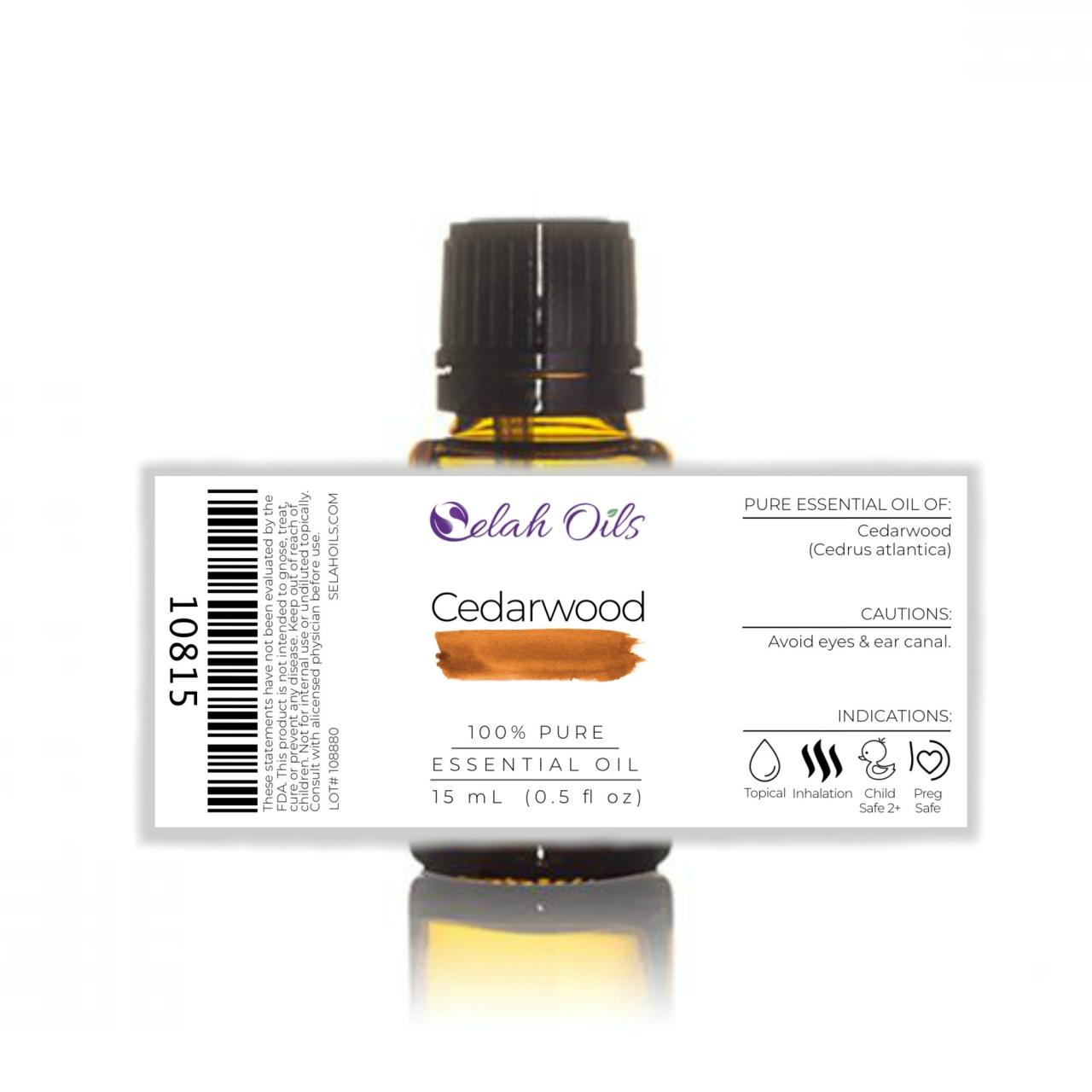
In summary, cedarwood oil is more than just a pleasant fragrance; it’s a powerful ally in promoting wellness and enhancing our daily lives. Whether used in aromatherapy, skincare, or household cleaning, its multifaceted nature allows it to shine in numerous applications. As we continue to explore this remarkable oil, we uncover its potential and appreciate its role in both historical and contemporary contexts.
FAQ Insights
What are the main uses of cedarwood oil?
Cedarwood oil is commonly used in aromatherapy, skincare, household cleaning, and pest control, thanks to its soothing properties and natural efficacy.
Can cedarwood oil be used on sensitive skin?
Yes, cedarwood oil can be used on sensitive skin, but it’s important to dilute it with a carrier oil to prevent any irritation.
Is cedarwood oil safe for pregnant women?
Pregnant women should consult with a healthcare professional before using cedarwood oil, as essential oils can have varying effects during pregnancy.
How long does cedarwood oil last?
When stored properly in a cool, dark place, cedarwood oil can last for several years, maintaining its potency and aroma.
Can cedarwood oil be ingested?
Cedarwood oil is not recommended for ingestion unless under the guidance of a qualified healthcare provider, as it can be toxic when consumed.