
 Penelope Hailey
Body oil vs lotion has become a hot topic in skincare, and understanding the nuances between the two can elevate your daily routine. Each product offers unique benefits and caters to different skin types and needs. While body oil provides deep hydration and nourishment with its rich oils and butters, lotion boasts a lighter formula often enriched with water and emulsifiers that deliver moisture efficiently. This exploration will dive into the components of both products, their advantages, and how to choose the right one for your skin.
With body oil’s luxurious feel and lotion’s practicality, deciphering the right choice can seem daunting. We’ll break down their ingredients and benefits, share application techniques, and shed light on personal preferences influenced by culture and lifestyle. Plus, we’ll touch on the environmental impacts of these products, guiding you to make informed choices that align with your values.
Understanding the Composition of Body Oil and Lotion
Both body oils and lotions serve the essential purpose of moisturizing and nourishing the skin, yet they achieve this goal through different formulations. Understanding the composition of these products allows consumers to make enlightened choices based on their skin type and specific needs. Body oils are primarily oil-based, while lotions are predominantly water-based. This fundamental difference influences not only the texture and absorption rate of each product but also their effectiveness in maintaining skin hydration.
The key ingredients of body oil typically include various oils and butters, which provide rich nourishment and enhance moisture retention. Common oils such as jojoba, almond, and coconut are popular in formulations due to their ability to mimic the skin’s natural oils, promoting seamless absorption. On the other hand, lotions generally contain a blend of water, emulsifiers, and oils, which create a lighter texture. The water content in lotions aids in quick absorption, making them an excellent choice for those with oily or combination skin types.
The composition directly affects how well these products penetrate the skin and provide lasting moisture. Oils, for instance, form a barrier that locks in hydration, making them ideal for dry skin types. In contrast, lotions can provide a weightless feel, making them suitable for warmer climates or for individuals who prefer a non-greasy finish.
Primary Ingredients and Their Benefits
The effectiveness of body oils and lotions is largely determined by their ingredients. Below are some popular components found in each type of product along with their specific benefits:
- Body Oils:
- Jojoba Oil: Mimics the skin’s natural sebum, providing deep moisturization without clogging pores.
- Argan Oil: Rich in vitamin E and fatty acids, it nourishes and softens the skin, improving elasticity.
- Coconut Oil: Known for its antibacterial properties, it hydrates and protects the skin from environmental damage.
- Lotions:
- Shea Butter: Provides intensive moisture and is ideal for dry skin, leaving it soft and supple.
- Glycerin: A humectant that draws moisture into the skin, making it perfect for hydration in lotions.
- Aloe Vera: Soothes irritation and hydrates, making it suitable for sensitive or sunburned skin.
The inclusion of these ingredients creates a tailored approach for various skin types. For instance, individuals with dry skin may benefit more from body oils due to their heavier, more emollient nature, while those with oily skin can find relief in the lighter formulations of lotions. As a result, understanding the composition of body oils and lotions is essential for selecting products that effectively meet individual skincare needs.
Analyzing the Benefits of Using Body Oil
Body oil has gained popularity as a luxurious and effective alternative to traditional lotions for skin hydration and nourishment. Its unique properties allow it to deliver essential nutrients and moisture directly to the skin, providing a range of benefits that are hard to overlook.
Body oils are primarily designed to penetrate deeply into the skin, offering lasting hydration and nourishment. Unlike lotions that often contain water as a primary ingredient, body oils are rich in fatty acids, vitamins, and antioxidants, allowing them to hydrate and soothe the skin effectively. The emollient properties of oils help in softening the skin and improving its texture, making it appear more radiant and healthy.
Enhancing Skin Barrier and Protection
The role of body oil in strengthening the skin barrier is crucial, particularly for those exposed to harsh environmental factors. When the skin barrier is compromised, it can lead to dryness, irritation, and other skin concerns. Body oils help to seal in moisture and provide a protective layer that can fend off pollutants and allergens.
The following points highlight how body oils contribute to skin barrier enhancement and protection:
-
Body oils create a lipid barrier that helps retain moisture, preventing transepidermal water loss.
- They contain antioxidants, which combat free radicals and help protect the skin from environmental damage.
- Body oils can soothe inflammation, making them perfect for sensitive or irritated skin.
- Regular use can support the skin’s natural regenerative processes, leading to improved resilience over time.
Addressing Specific Skin Concerns
Body oils can effectively target a variety of skin concerns, making them versatile additions to skincare routines. Their nourishing qualities make them suitable for several issues, such as dryness, uneven skin tone, and aging.
Here are specific skin concerns that body oils can address:
-
Dry skin:
Oils rich in ingredients like jojoba and almond oil can provide intensive hydration for extremely dry skin.
-
Uneven skin tone:
Oils infused with vitamin C or rosehip can help in brightening and evening out skin tone.
-
Signs of aging:
Anti-aging oils, such as argan oil, can improve skin elasticity and reduce the appearance of fine lines.
-
Stretch marks:
Oils containing vitamin E and essential fatty acids can improve skin’s elasticity and help minimize the appearance of stretch marks.
Evaluating the Advantages of Using Lotion
Lotion has gained immense popularity as a staple in many skincare routines, primarily due to its remarkable moisturizing properties. These products are formulated to hydrate and nourish the skin effectively, making them an ideal choice for daily use. This piece will delve into the advantages of using lotion, highlighting why it stands out in the vast array of skincare options available.
Lotion typically contains a blend of water, oils, and emulsifiers, which work together to create a lightweight, easily absorbed formula. This balance allows lotion to hydrate the skin without leaving a heavy or greasy residue, making it particularly suitable for those who prefer a more subtle approach to skincare. When applied, lotions quickly penetrate the skin’s surface, delivering moisture where it is needed most. This immediate hydration can help to alleviate dryness and improve the skin’s overall appearance, making it a go-to option for many individuals.
Moisturizing Properties of Lotion
The moisturizing properties of lotion stem from its unique formulation, which can cater to various skin types and needs. The benefits of using lotion include the following:
- Rapid Absorption: Most lotions are designed to absorb quickly, providing instant hydration without leaving a greasy feel.
- Lightweight Texture: The lightweight nature of lotion makes it ideal for daily use, especially in warmer climates where heavier products might feel uncomfortable.
- Variety of Formulations: Lotions come in a wide range of formulations tailored for different skin types, from oily to dry, allowing users to choose products that best suit their individual needs.
- Added Benefits: Many lotions include vitamins, antioxidants, and other beneficial ingredients, which can enhance the skin’s health and appearance beyond simple hydration.
Incorporating lotion into daily skincare routines is simple and efficient. Its ease of application sets it apart from body oils, which may require more time and effort to spread evenly. For those with a busy lifestyle, the quick application of lotion can be a significant advantage, ensuring that hydration is never overlooked.
Preferred Scenarios for Lotion Use
There are specific scenarios where lotion may be preferred over body oil, especially depending on individual skin types and environmental conditions. Understanding these scenarios can help in selecting the right product for maintaining healthy skin.
- Oily Skin: Individuals with oily or combination skin often benefit from lighter formulations, making lotion a suitable option.
- Warm Climates: In hotter temperatures, lotion’s lightweight texture makes it more comfortable to wear, as body oils can feel heavy and sticky.
- Daily Wear: For everyday activities, lotion’s quick-absorbing properties make it an excellent choice for those who seek hassle-free hydration.
- Layering Products: Lotion can be layered easily with other skincare products, such as serums or sunscreens, without interfering with their effectiveness.
In summary, the advantages of using lotion are multifaceted. Its moisturizing properties combined with its ease of application make it an essential component of many skincare routines, particularly for those with specific skin needs or living in varying climates.
Comparing the Application Techniques for Body Oil and Lotion
When it comes to skincare, the application techniques for body oil and lotion play a critical role in how effectively they hydrate and nourish your skin. While both products aim to provide moisture, their methods of application differ significantly, impacting their absorption and overall benefit to your skin health. Understanding the optimal techniques for each can help you achieve the best results.
Application Techniques for Body Oil
Applying body oil requires a specific approach to ensure that your skin absorbs the oil properly while maximizing its benefits. Here’s a step-by-step guide for optimal application:
- Choose the Right Time: The best time to apply body oil is immediately after a shower or bath when your skin is still slightly damp. This helps lock in moisture.
- Warm the Oil: Pour a few drops of body oil into your palms and rub them together to warm it up. This enhances absorption and spreads the oil evenly.
- Apply in Sections: Start with one body part at a time, such as your arms or legs. Use gentle, circular motions to massage the oil into your skin.
- Don’t Overdo It: A little goes a long way. Start with a small amount (about a quarter-sized dollop) and add more if needed.
- Focus on Dry Areas: Pay extra attention to extremely dry areas like elbows and knees, ensuring thorough coverage.
- Allow Absorption: Give your skin a few minutes to absorb the oil before getting dressed to avoid staining your clothes.
Applying body oil while your skin is damp enhances hydration and absorption.
Application Techniques for Lotion
Lotion application is generally more straightforward than oils, but timing and technique are still crucial for effectiveness. Here are the best practices for applying lotion:
- Optimal Timing: Similar to body oil, applying lotion right after a shower or bath can improve hydration, as your skin will still be warm and slightly moist.
- Amount Used: Use a sufficient amount; typically, a dime-sized amount is enough for smaller areas, while larger areas like legs may require more.
- Even Distribution: Apply lotion evenly over your skin using gentle strokes. Start from the feet and work your way up to help with circulation.
- Massage for Absorption: Spend extra time massaging the lotion into areas that are particularly dry to enhance absorption and improve blood flow.
- Consider Skin Type: Adjust the amount and frequency based on your skin type. Oily skin may require lighter formulas, while dry skin may benefit from thicker lotions.
Applying lotion in gentle strokes assists in proper absorption and skin health.
The differences in application techniques for body oil and lotion not only affect the way these products perform but also influence skin health. Body oils tend to provide deeper moisture due to their oily nature and the method of application focuses on allowing the oil to penetrate the skin. In contrast, lotions typically act as a barrier to lock in moisture, with their application centered on even distribution and absorption. By mastering the application techniques for both products, you can ensure your skin receives the best care possible.
Identifying Situations When to Use Body Oil vs Lotion
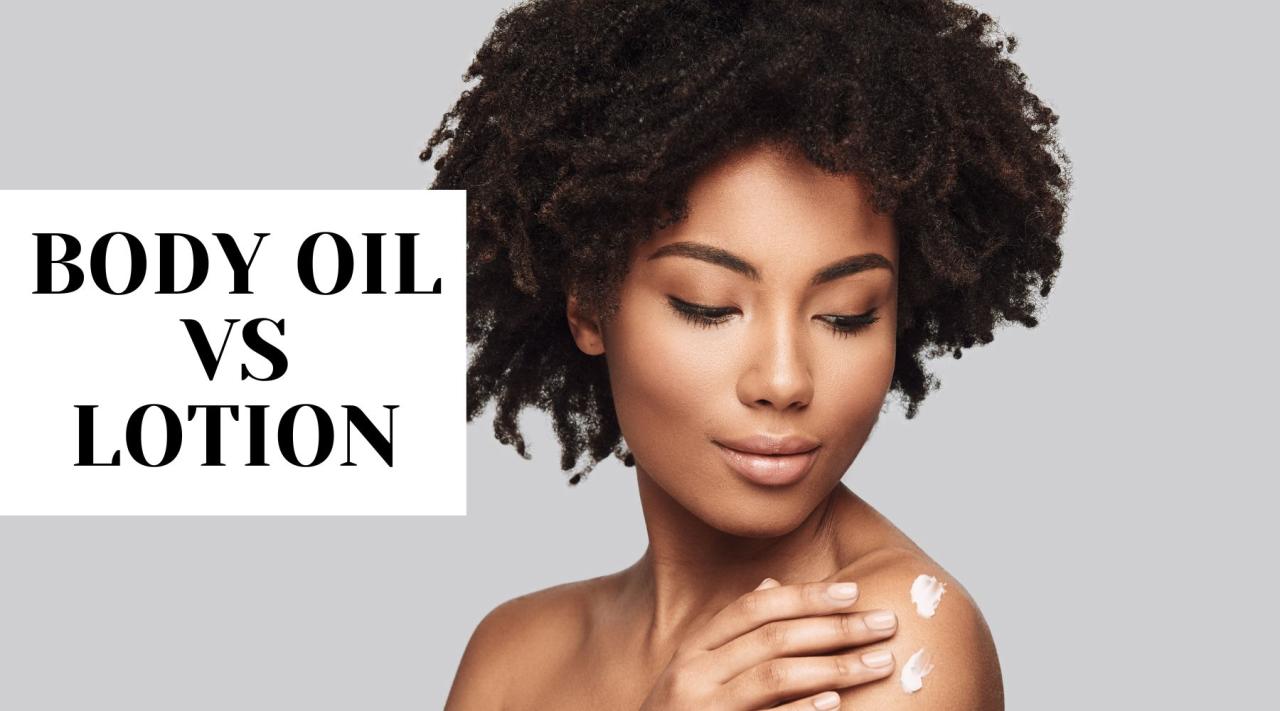
Choosing between body oil and lotion can depend on various factors, including skin type, occasion, and specific skin concerns. Each product has distinct benefits that make it suitable for different situations. Understanding these differences can help you make informed decisions tailored to your skin’s needs and lifestyle.
Body oils are generally more beneficial in certain scenarios, such as when you have extremely dry skin, after a bath to lock in moisture, or during colder, drier months. They tend to create a barrier that prevents moisture loss and provide deep nourishment. Conversely, lotions can be a better choice when you need a lighter, quick-absorbing moisturizer, particularly during hot weather or when you require a non-greasy finish.
Situations Favoring Body Oil
Body oils excel in specific conditions or situations, making them preferable in various scenarios:
- Post-Bath Moisturization: Applying body oil right after a shower helps seal in moisture and leaves your skin feeling soft and supple.
- Dry or Dehydrated Skin: Ideal for individuals with very dry skin or conditions like eczema, where deep hydration is crucial.
- Mature Skin: Body oils can improve the elasticity of aging skin, making them beneficial for those concerned about fine lines and wrinkles.
- Massage: Oils are excellent for massages due to their slip and ability to nourish the skin during the process.
- Cold Weather Use: In winter, oils can provide an extra layer of protection against harsh environmental elements.
Situations Favoring Lotion
Lotion can be the better option in various scenarios due to its lighter texture and quicker absorption. Below is a comparison chart outlining circumstances favoring lotion over body oil:
| Situation | Reason for Lotion Preference |
|---|---|
| Hot, Humid Weather | Lotion absorbs quickly without leaving a greasy residue, making it comfortable for warm climates. |
| Quick Application | Lotion spreads easily and absorbs faster, allowing for a quick moisturizing routine. |
| Daily Use for Oily Skin | Lotion provides hydration without adding excess oil, suitable for those with oily or acne-prone skin. |
| Makeup Prepping | A lightweight lotion can serve as an excellent base for makeup, ensuring skin hydration without heaviness. |
| Body Moisturization on the Go | Lotion is often more portable and mess-free, making it a convenient option for on-the-go hydration. |
Personal Preferences Based on Lifestyle
Choosing between body oil and lotion often comes down to personal preference, influenced by individual lifestyle and skin needs. For example, someone with a busy schedule might prefer lotion due to its quick absorption, while others who enjoy self-care routines may opt for body oil for its luxurious feel and nourishing properties. Additionally, lifestyle factors, such as living in a humid climate or engaging in outdoor activities, can dictate the choice between a heavier oil or a lighter lotion.
Overall, understanding the specific benefits and ideal situations for both body oil and lotion can enhance your skincare regimen and lead to healthier, more hydrated skin.
Exploring Personal Preferences and Cultural Influences on Product Choice
Personal skincare routines are deeply influenced by individual experiences and cultural backgrounds. Preferences for body oil or lotion can reveal much about a person’s lifestyle, values, and the traditions they uphold. Understanding these influences helps in grasping why some prefer the lightweight feel of oils while others swear by the hydrating properties of lotions.
Cultural attitudes play a significant role in skincare product selection. In many cultures, natural oils have long been revered for their healing properties and are often integrated into traditional beauty rituals. For instance, coconut oil is a staple in many tropical regions, celebrated for its nourishing qualities and cultural significance. On the other hand, lotions are frequently marketed in Western cultures, emphasizing convenience and a quick-absorbing formula suited to busy lifestyles.
Personal Experiences Shaping Preferences
Individuals’ choices between body oil and lotion are often shaped by their personal experiences, including skin type, lifestyle, and exposure to different beauty practices. For some, a history of dry skin may lead to a preference for the intense hydration offered by lotions. Others may have encountered body oils in their family traditions, leading to a familiarity and comfort with these products.
– Skin Type: Those with dry or sensitive skin may gravitate toward lotions that provide a barrier against moisture loss, while those with oily skin might prefer lightweight oils that absorb quickly without feeling greasy.
– Lifestyle Factors: Busy individuals may opt for lotions due to their quick application, while those who enjoy indulging in longer self-care routines might choose oils for their sensory experience and extended hydration.
– Cultural Exposure: Exposure to different cultures can introduce individuals to various skincare practices, influencing their preferences. For example, someone who has traveled to countries where oils are predominant may appreciate and adopt this practice into their own routine.
Cultural Attitudes and Traditions
Cultural influences significantly impact how people perceive and use body care products. In many cultures, specific oils, such as argan oil in Morocco or olive oil in Mediterranean countries, are not only seen as beauty products but also as integral parts of culinary traditions. Skincare rituals often reflect cultural values, emphasizing natural ingredients and holistic approaches.
– Natural Ingredients: Many cultures prioritize natural skincare, leading to a preference for oils derived from plants and herbs. This trend highlights a shift towards sustainability and a return to traditional remedies.
– Traditional Practices: In some Asian cultures, practices like oil pulling and using sesame oil for massage show the deep-rooted belief in the benefits of oils. Such traditions can significantly influence product choice, as individuals seek to align with their heritage.
Influence of Marketing and Social Media
The role of marketing and social media cannot be overlooked in the decision-making process for body oil versus lotion. Influencers and beauty brands utilize platforms to showcase product benefits and how they fit into modern lifestyles, shaping consumer perception and choices.
– Influencer Culture: The rise of beauty influencers on platforms like Instagram and TikTok has led to a surge in popularity for body oils, often promoted as luxurious and glamorous. This can sway consumers who aspire to those lifestyles.
– Brand Messaging: Many brands emphasize the unique benefits of their products, creating narratives that resonate with specific consumer demographics. For example, brands may market lotions as essential for everyday convenience, appealing to busy professionals.
– Visual Appeal: Social media platforms thrive on aesthetics, leading to a visual culture where beautifully packaged body oils can attract attention and drive purchases based on their visual appeal. This emphasizes the importance of branding in consumer choice.
In summary, the preferences for body oil or lotion are shaped by a complex interplay of personal experiences, cultural influences, and the persuasive power of marketing. Each factor contributes to the diverse landscape of skincare choices, reflecting individual identities and societal values.
Investigating the Environmental Impact of Body Oil and Lotion Production
The production of body oils and lotions not only influences personal care routines but also has broader implications for the environment. Understanding the sourcing of ingredients and the sustainability practices involved in both product categories is crucial to making environmentally conscious choices.
The sourcing of ingredients for body oils and lotions often involves a variety of natural resources, with implications for biodiversity, land use, and carbon emissions. Body oils typically use plant-derived oils, which may include coconut, almond, and jojoba oil. These oils can require significant agricultural land and water resources, especially when produced through conventional farming methods. Conversely, body lotions often contain a mix of water, emollients, and preservatives. The sourcing of synthetic ingredients and the petroleum-based components in some lotions can have a higher carbon footprint compared to their natural counterparts.
Sustainability Practices in Production
Sustainability in production has become a pivotal concern for brands producing body oils and lotions. The practices can vary significantly between products. Here are some noteworthy sustainability practices observed in the industry:
- Ethical sourcing of raw materials: Brands are increasingly investing in fair trade and organic certifications to ensure that their ingredients are sourced responsibly, reducing harm to ecosystems.
- Use of renewable energy: Some manufacturers are shifting towards renewable energy sources in their production processes, lowering their overall carbon emissions.
- Minimalist packaging: Eco-conscious brands are opting for recyclable or biodegradable packaging to minimize waste and encourage circular economy practices.
- Water conservation: Companies are implementing strategies to reduce water usage during the manufacturing phase, reflecting a commitment to conserving this vital resource.
Comparison of Eco-Friendly Brands
Several brands have gained recognition for their eco-friendly practices in producing body oils and lotions. Understanding their approaches can guide consumers toward more sustainable choices.
- RMS Beauty: This brand emphasizes organic ingredients and sustainable sourcing, ensuring that all packaging is recyclable and eco-friendly.
- 100% Pure: Focused on plant-based ingredients, this brand uses sustainable farming practices and is committed to transparency in their sourcing methods.
- Alba Botanica: Known for its commitment to cruelty-free products, Alba Botanica incorporates sustainable ingredients while maintaining a focus on eco-friendly packaging.
- Kahina Giving Beauty: This brand sources argan oil from Morocco using fair trade practices, supporting local communities while maintaining environmental integrity.
Investing in sustainable beauty products not only nourishes the skin but also fosters a healthier planet.
End of Discussion
In conclusion, the debate between body oil vs lotion ultimately boils down to personal preference and specific skin care needs. Each option has its strengths, whether it’s the intense hydration and protective barrier offered by body oil or the quick absorption and convenience of lotion. By understanding their unique properties and considering your skin type, climate, and lifestyle, you can confidently choose the best product to keep your skin healthy and radiant. So go ahead, explore both options, and discover what works best for you!
Questions and Answers
Can I use body oil and lotion together?
Yes, you can layer body oil under lotion for added hydration, especially in dry climates.
Which is better for dry skin?
Body oil is generally better for very dry skin due to its rich oils that provide deeper moisture.
Is lotion suitable for oily skin?
Yes, lightweight lotions can be beneficial for oily skin, as they hydrate without adding excess oil.
How often should I apply body oil or lotion?
It is recommended to apply body oil or lotion daily, especially after showering, to lock in moisture.
Can I make my own body oil or lotion?
Absolutely! DIY recipes using natural oils and butters can create effective and personalized products.