
 Penelope Hailey
Benefits of using body oil are numerous, inviting you to explore a world where ancient traditions meet modern skincare routines. Body oils have been celebrated across cultures for their nourishing properties, offering everything from hydration to relaxation. As we delve into the rich history and diverse applications of body oils, you’ll discover how these natural elixirs can enhance your daily rituals and promote overall well-being.
From the vibrant marketplaces of the Middle East to the tranquil spas of Southeast Asia, body oils have played a vital role in skincare for centuries. Packed with essential nutrients and unique aromatic qualities, they cater to various skin types and needs. By understanding their ingredients and applications, you can find the perfect body oil that not only aligns with your skincare goals but also enriches your self-care experience.
The Historical Significance of Body Oils Across Cultures
Body oils have a rich history that transcends time and geography, playing significant roles in various cultures around the world. From ancient rituals to modern beauty regimens, body oils have been cherished for their multifaceted uses, including skincare, religious ceremonies, and even as a form of currency in trade systems. Understanding their historical significance allows us to appreciate the depth and breadth of their applications throughout the ages.
In ancient civilizations, body oils were not just luxury items but integral to daily life and cultural practices. Early Egyptians, for example, utilized oils derived from nuts, seeds, and flowers, integrating them into their skincare routines and spiritual rituals. These oils were often infused with herbs and were believed to possess healing properties, making them essential in both beauty and medicine. The use of oils was also prominent in Roman culture, where they served not only as moisturizers but also as massage oils, contributing to the relaxation and wellness practices of the time.
Evolution of Body Oils in Different Cultures
The evolution of body oils has been significantly influenced by geographic, climatic, and cultural factors. Across different regions, unique oils have emerged, each carrying its own significance and traditional uses. Here are some examples that illustrate this diversity:
- Egypt: The ancient Egyptians were pioneers in the use of body oils, particularly in the form of scented oils made from jasmine and myrrh. These were used not only for their fragrance but also for their purported protective and healing properties. They played a vital role in burial rituals, intended to ensure the deceased’s safe passage to the afterlife.
- India: In Indian culture, the practice of Ayurvedic medicine has incorporated body oils for centuries. Oils like sesame and coconut are commonly used in practices such as Abhyanga, a traditional Ayurvedic massage that promotes circulation and detoxification while nourishing the skin.
- Japan: In Japan, camellia oil, derived from the seeds of the camellia flower, has been cherished for its moisturizing properties. Historically used by geishas to maintain beautiful skin and hair, this oil symbolizes the integration of natural beauty into cultural identity.
- Middle East: The Middle Eastern tradition of using argan oil, extracted from the nuts of the argan tree, showcases the region’s emphasis on natural skincare. Known for its hydrating qualities, it has been used for centuries both for skin and culinary purposes, symbolizing the connection between beauty and nourishment.
- Africa: In various African cultures, oils such as shea butter and baobab oil are revered for their moisturizing and healing properties. Shea butter, in particular, has been a staple in West African beauty rituals, used to protect skin from harsh weather conditions while providing nourishment.
The meanings associated with these oils often extend beyond mere aesthetics; they are intertwined with spirituality, healing, and cultural heritage. This historical context underlines the significance of body oils not only as beauty products but as essential components of cultural identity and tradition.
Understanding the Ingredients That Make Body Oils Beneficial
Body oils have gained popularity for their ability to nourish and enhance skin health. The effectiveness of these oils largely comes from their unique blend of ingredients, many of which are derived from natural sources. Understanding what goes into body oils and how they work can help individuals choose the right products for their specific skin needs.
Natural oils are packed with nutrients that offer various benefits for the skin. For example, oils like jojoba, almond, and coconut each have unique properties that can address different skin concerns. Jojoba oil closely resembles the natural oils produced by our skin, making it an excellent hydrator that helps balance oil production. Almond oil is rich in vitamins A and E, which promote skin repair and enhance elasticity. Coconut oil, known for its antimicrobial properties, helps to soothe and protect the skin from infections and irritation.
Common Natural Oils and Their Unique Properties
Understanding the specific benefits of various natural oils can empower consumers to make informed choices. The following oils are often used in body care:
- Jojoba Oil: Mimics skin’s natural oils, providing hydration without clogging pores.
- Almond Oil: Loaded with vitamins A and E, it deeply moisturizes and improves skin tone.
- Coconut Oil: Offers antibacterial properties while providing intense moisture and protection against skin irritations.
- Argan Oil: Rich in fatty acids and antioxidants, it helps hydrate and nourish the skin, often used for anti-aging benefits.
- Grapeseed Oil: Lightweight and high in linoleic acid, it can help reduce acne while moisturizing the skin.
Each of these oils is chosen not only for its individual properties but also for how they can address specific skin concerns. For instance, grapeseed oil’s lightweight texture makes it ideal for oily skin types, while argan oil’s richness provides exceptional hydration for dry or aging skin.
Comparison of Synthetic Versus Natural Oils in Body Care
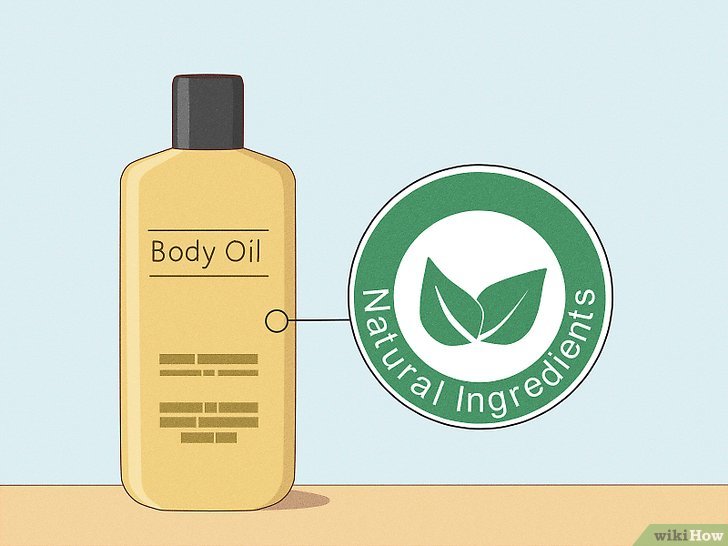
The choice between synthetic and natural oils can significantly impact skin health. Natural oils are derived from plants and typically contain beneficial vitamins, fatty acids, and antioxidants that support skin health. In contrast, synthetic oils are often formulated to mimic the properties of natural oils but may lack the full spectrum of nutrients.
Natural oils tend to be better for the skin due to their compatibility with our body’s own systems. For instance, natural oils are less likely to cause irritation or adverse reactions, as they are more easily absorbed by the skin and work harmoniously with the body’s natural processes.
Natural oils generally offer a holistic approach to skin care, while synthetic oils may include chemicals that can lead to long-term skin damage.
Synthetic oils, while often more affordable and having a longer shelf life, can sometimes contain additives or preservatives that may irritate sensitive skin. It’s important for consumers to read ingredient labels and consider the potential long-term effects of the products they use.
In summary, understanding the ingredients in body oils allows for a more tailored approach to skin care. By choosing oils that are natural and suited to specific skin concerns, individuals can enjoy the myriad benefits these products offer, leading to healthier, more radiant skin.
The Role of Body Oil in Skincare Routines
Integrating body oil into your skincare routine can elevate your skin’s hydration and nourishment levels significantly. Many people overlook body oils, but they can be a game-changer for achieving healthy, glowing skin. When used effectively, body oils serve multiple purposes, including moisturizing, sealing in hydration, and even enhancing the performance of other skincare products. By understanding how to incorporate body oils into your daily regimen, you can unlock their full potential.
One effective way to use body oil is through the layering technique. This involves applying body oil at the right moment during your skincare routine to maximize its benefits. Start your regimen with a gentle cleanser to remove impurities. Follow this with a hydrating serum while your skin is still slightly damp; this will help in better absorption. Next, apply body oil to lock in the moisture from the serum. This step is crucial, as it creates a barrier that helps prevent moisture loss throughout the day.
Benefits of Using Body Oil in Different Climates
The benefits of body oil can vary dramatically depending on the climate you live in. In humid climates, lightweight oils such as jojoba or grapeseed oil can help hydrate the skin without feeling heavy or greasy. These oils mimic the skin’s natural sebum, making them particularly effective in controlling oil production while providing moisture. The result is a balanced complexion that remains supple and radiant.
In contrast, during dry or cold climates, richer oils like avocado or olive oil can be particularly beneficial. These oils provide intense hydration and create a protective barrier against the elements, preventing moisture loss. They are ideal for areas prone to dryness, such as elbows, knees, and feet, where skin may crack or become rough due to environmental stressors.
“Body oils act as a protective layer, shielding skin from external aggressors while nurturing it with essential nutrients.”
When applying body oil in any climate, it’s essential to adjust the amount used based on your skin’s needs. For instance, in hot weather, a few drops may suffice, while in colder months, you might prefer a more generous application to combat dryness. Moreover, using body oils in the evening can help your skin recover overnight, allowing it to absorb all the hydrating benefits without the interference of makeup or pollutants.
Integrating body oils into your skincare routine can help address specific skin concerns related to climate, ensuring that your skin remains healthy, hydrated, and glowing regardless of the weather conditions.
The Psychological Benefits of Aromatherapy Body Oils
Aromatherapy body oils are not only a treat for the skin but also offer profound psychological benefits that can enhance emotional well-being. The scents crafted from these oils play a pivotal role in influencing our mood, mental clarity, and overall sense of peace. By integrating these aromatic oils into daily routines, individuals can experience significant improvements in how they feel and respond to daily stressors.
The impact of scent on mood is one of the core principles of aromatherapy. When inhaled, essential oils interact with the limbic system in the brain, which is responsible for emotions and memory. This can evoke feelings of happiness, calmness, or even motivation, depending on the oil used. Furthermore, using body oils in relaxation practices can enhance their effectiveness while promoting a holistic approach to mental wellness.
Methods for Utilizing Body Oils in Relaxation and Stress Relief
Incorporating body oils into relaxation routines can significantly amplify stress relief. It’s important to create an inviting environment that encourages tranquility. Here are some methods to consider:
- Massage Therapy: Utilize body oils during a massage to not only nourish the skin but also release tension. The combination of gentle touch and delightful scents can transport you to a state of relaxation.
- Diffusion: Adding a few drops of body oil to a diffuser allows the scent to fill the room, promoting a calming atmosphere. This method is especially effective for creating a serene space for meditation or yoga.
- Bath Soaks: Adding essential oils to bathwater can transform an ordinary bath into a soothing experience. The warmth of the water combined with the aromatic properties can help melt away stress and tension.
Essential Oils That Enhance Emotional Health
Certain essential oils are particularly renowned for their ability to improve emotional health. Here are three examples that stand out due to their unique properties:
- Lavender: Widely known for its calming effects, lavender oil is often used to alleviate anxiety and promote restful sleep. It is a staple in many aromatherapy practices and is particularly effective when used in a diffuser or during a nighttime routine.
- Sweet Orange: This uplifting citrus scent is linked to feelings of happiness and joy. It can help reduce feelings of stress and anxiety, making it a popular choice for daytime use, especially during moments of tension.
- Peppermint: Known for its invigorating properties, peppermint oil can enhance mental clarity and reduce feelings of fatigue. Its refreshing scent can help elevate mood and increase focus, making it beneficial during work or study sessions.
“The power of scent is a powerful tool in managing emotions and enhancing mental well-being.”
By understanding and utilizing the psychological benefits of aromatherapy body oils, individuals can start to create a more balanced emotional landscape. The right scents not only elevate mood but also foster a deeper connection to oneself, promoting an overall sense of peace and tranquility.
Body Oil as a Natural Alternative for Massage Therapy
Using body oil for massage therapy offers numerous benefits that enhance the experience for both the therapist and the recipient. Unlike lotions, body oils typically provide a richer, more luxurious glide that allows for smoother and longer-lasting strokes. This not only makes the massage more enjoyable but also promotes better skin hydration and absorption of nutrients, leading to healthier skin over time.
The advantages of body oils over lotions during massage sessions are significant. Body oils usually contain natural ingredients that nourish the skin and do not contain emulsifiers or preservatives found in many lotions. This means they are less likely to irritate sensitive skin. Additionally, since oils do not absorb as quickly as lotions, they allow for a prolonged massage without the need for constant reapplication. This leads to deeper relaxation and enhanced therapeutic effects.
Techniques for Applying Body Oil During a Massage
To maximize the effectiveness of body oil during a massage, various techniques can be utilized. Here are some essential practices to consider:
– Warm the Oil: Before application, warm a small amount of oil in your hands to enhance the experience. This helps in relaxing the muscles and makes the oil easier to spread.
– Use Long, Smooth Strokes: Apply the oil using long, flowing strokes, which helps in covering larger areas and promotes relaxation. This technique is particularly effective on larger muscle groups like the back and thighs.
– Incorporate Kneading Techniques: Use kneading motions to work deeper into the muscles. This method helps in breaking down tension and improving blood circulation.
– Focus on Pressure Points: Identify and gently apply pressure to key points on the body. This technique can enhance relaxation and relieve stress.
– End with Gentle Strokes: Conclude the massage with gentle, soothing strokes to calm the nervous system and leave the recipient feeling relaxed.
Recommended Body Oils for Massage Use
Choosing the right body oil is crucial for an effective massage. Here are some recommended oils specifically designed for massage therapy:
– Sweet Almond Oil: This oil is known for its lightweight texture and excellent moisturizing properties. It absorbs easily and is suitable for all skin types.
– Jojoba Oil: With its similarity to natural skin oils, jojoba oil provides hydration without clogging pores. It is particularly beneficial for dry or sensitive skin.
– Coconut Oil: Renowned for its soothing properties, coconut oil has a delightful scent and offers deep moisturization. It’s ideal for longer massage sessions due to its slower absorption.
– Grapeseed Oil: This oil is a favorite among massage therapists due to its light texture and non-greasy finish. It blends well with essential oils, making it versatile for various aromatherapy applications.
– Argan Oil: Packed with antioxidants, argan oil nourishes and rejuvenates the skin while providing a silky feel during massage.
Utilizing these oils not only enhances the massage experience but also contributes positively to skin health, making them a natural choice for anyone seeking relaxation and rejuvenation.
The Eco-Friendly Aspect of Using Body Oils
Using body oils not only enhances your skincare routine but also contributes to a more sustainable and eco-friendly lifestyle. As consumers become increasingly aware of the environmental impact of their choices, body oils emerge as a viable alternative to conventional skincare products. They often have a lower carbon footprint and utilize natural ingredients that are kinder to the planet.
The production of commercial skincare products frequently involves complex manufacturing processes and synthetic ingredients, which can be harmful to the environment. In contrast, body oils typically come from natural sources, minimizing waste and pollution. Moreover, these oils often come in minimalistic packaging, reducing plastic use and encouraging recycling. Transitioning to body oils aligns personal care with environmental consciousness.
Importance of Organic and Ethically Sourced Oils
Selecting organic and ethically sourced body oils is crucial for promoting sustainability in skincare. Organic oils are derived from plants grown without the use of synthetic pesticides, fertilizers, or genetically modified organisms. By opting for organic options, consumers support farming practices that are better for the soil, ecosystems, and water sources.
Ethically sourced oils ensure fair labor practices and sustainable harvesting methods. This means that the communities involved in the production of these oils benefit financially and socially. Here are some key reasons to prioritize organic and ethically sourced body oils:
- They contribute to biodiversity by supporting organic farming practices.
- They often have higher nutrient content, which is beneficial for skin health.
- They reduce exposure to harmful chemicals that can be detrimental to both health and the environment.
Brands Prioritizing Environmentally Friendly Practices
Several brands are leading the way in producing body oils with a focus on sustainability and eco-friendliness. These companies not only formulate products that are good for your skin but also consider their environmental impact. Some notable brands include:
- Rituals: This brand uses sustainably sourced oils and has a commitment to reducing plastic waste by using recyclable packaging.
- Herbivore Botanicals: Known for their ethical sourcing and organic ingredients, they ensure that their oils are cruelty-free and eco-friendly.
- Weleda: With a focus on biodynamic farming, Weleda produces body oils that are not only natural but also come from sustainable sources.
In conclusion, choosing body oils that are organic and produced by environmentally conscious brands can have a positive impact on both personal well-being and the planet. By supporting these practices, consumers can contribute to a more sustainable future while enjoying the numerous benefits of body oils.
Creating Personalized Body Oil Blends at Home

Crafting your own body oil blends at home is an enriching experience that allows you to tailor the scents and benefits to suit your unique skin needs. This not only enhances your skincare routine but also brings a personal touch to your self-care rituals. By using natural ingredients, you can create luxurious blends that promote hydration, nourishment, and relaxation.
Personalizing body oils can significantly boost their effectiveness. Different skin types—whether oily, dry, or sensitive—can benefit from specific oils and essential oil combinations. Custom blends can target particular concerns, such as dryness, irritation, or aging, providing a more holistic approach to skincare. By understanding your skin’s needs, you can choose ingredients that enhance your overall skin health.
Step-by-Step Guide to Creating Body Oil Blends
Creating a personalized body oil blend involves selecting the right base oils and essential oils to cater to your specific needs. Here’s a simple guide to help you get started:
1. Choose Your Base Oil: Start with a carrier oil that suits your skin type. Common options include:
– Jojoba Oil: Great for oily skin as it mimics the skin’s natural sebum.
– Coconut Oil: Excellent for dry skin due to its hydrating properties.
– Sweet Almond Oil: Known for its soothing and nourishing benefits.
2. Select Essential Oils: Choose essential oils based on their properties. For instance:
– Lavender: Known for its calming effects, ideal for relaxation.
– Tea Tree: Excellent for acne-prone skin due to its antibacterial properties.
– Rosemary: Stimulates circulation and is great for dull skin.
3. Create Your Blend: In a clean glass bottle, mix:
– 1 oz (30 ml) of your chosen base oil.
– 15-20 drops of essential oils.
– A small amount of vitamin E oil can be added for added nourishment.
4. Mix and Store: Secure the cap and shake gently to combine. Store the blend in a cool, dark place to preserve its potency.
5. Test Before Use: Always conduct a patch test on a small area of skin to check for any allergic reactions.
“Personalized body oil blends not only nurture the skin but also elevate the aromatherapy experience, creating a unique self-care ritual.”
Example Recipe: Soothing Lavender Body Oil Blend
This calming body oil blend is perfect for unwinding after a long day. It combines the moisturizing benefits of sweet almond oil with the soothing scent of lavender.
– Ingredients:
– 1 oz (30 ml) sweet almond oil
– 15 drops lavender essential oil
– 5 drops chamomile essential oil (optional, for extra calming effects)
– Instructions:
1. In a glass bottle, add the sweet almond oil.
2. Carefully drop in the lavender and chamomile oils.
3. Cap the bottle and shake gently to mix.
4. Store in a cool, dark place.
This blend is great for use after a shower or before bedtime, helping to hydrate the skin and promote relaxation for a restful night.
Last Point
In summary, the benefits of using body oil extend far beyond mere hydration; they encompass a holistic approach to skincare and emotional wellness. By incorporating body oils into your routine, you not only nourish your skin but also uplift your mood and promote relaxation. As you explore the world of body oils, consider creating personalized blends that reflect your unique preferences and needs, turning your self-care into a meaningful ritual.
Popular Questions
What types of skin can benefit from body oils?
Body oils can benefit all skin types, including dry, sensitive, and even oily skin, as they help balance moisture levels and provide essential nutrients.
Can body oil be used on the face?
Yes, certain lightweight body oils are suitable for facial use, especially those formulated with non-comedogenic ingredients that won’t clog pores.
How often should I use body oil?
You can use body oil daily, ideally after showering when your skin is still damp, to lock in moisture and enhance absorption.
Are there any allergens to watch out for in body oils?
Yes, some body oils may contain nut oils or essential oils that could cause allergic reactions, so it’s important to check the ingredients and perform a patch test first.
Can I use body oil in my hair?
Absolutely! Body oil can be used to add shine and moisture to hair, but it’s best to use it sparingly, especially on fine or oily hair types.