
 Penelope Hailey
Aroma diffusers have become a staple in many households, enchanting our spaces with delightful fragrances that not only elevate our mood but also promote well-being. These devices, which disperse essential oils into the air, hold a rich history across cultures, reflecting their importance in rituals and daily life. As we explore the fascinating world of aroma diffusers, we’ll uncover their cultural significance, the science of essential oils, various types available, and practical tips for optimal use.
From ancient practices to modern innovations, the allure of aroma diffusers lies not just in their ability to scent our environment but also in their therapeutic benefits. Discover how these devices work, the types of essential oils to consider, and how to create your own aromatic blends to tailor your ambiance. Join us on this aromatic journey and unlock the potential of scent in enhancing your living space.
The historical significance of aroma diffusers in various cultures
Aroma diffusers have been integral to various cultures throughout history, serving not only as tools for fragrance but also as essential components in rituals, medicine, and spiritual practices. Their historical significance is deeply woven into the fabric of traditional customs, reflecting the values, beliefs, and practices of different societies.
Aroma diffusers, in various forms, have been utilized across diverse cultures, each with unique preferences for scents that held particular meanings or therapeutic properties. For instance, in ancient Egypt, aromatic resins such as frankincense and myrrh were burned in temples during religious ceremonies, symbolizing purification and the connection between the earthly and divine. Similarly, in traditional Chinese medicine, essential oils derived from plants were used for their healing properties, promoting balance and harmony within the body and mind.
Examples of Cultural Practices Using Aroma Diffusion
The following examples illustrate how different cultures embraced aroma diffusion and the specific scents that played a significant role in their practices:
- Ancient Egypt: Frankincense and myrrh were central to religious rituals, believed to carry prayers to the gods and purify the air.
- Indigenous Cultures: Many Native American tribes used sage and sweetgrass for smudging ceremonies, believed to cleanse spaces and individuals.
- Chinese Culture: Essential oils like sandalwood and jasmine were commonly used in traditional medicine and during meditation, fostering tranquility.
- Medieval Europe: During the Black Plague, aromatic herbs such as lavender and rosemary were burned to ward off disease and purify the air.
These cultural practices not only highlight the significance of aromas in enhancing spiritual experiences, but they also showcase the early understanding of the therapeutic benefits of various scents. The rituals and traditions surrounding aroma diffusion have laid the foundation for modern aromatherapy practices, which continue to draw upon the historical usage of scents for emotional and physical well-being.
“Aromas possess an ability to evoke memories and feelings, transcending time and culture.”
In contemporary society, the influence of these historical practices can be seen in the resurgence of interest in natural remedies and holistic health. By embracing the wisdom of the past, modern users of aroma diffusers often seek to replicate the calming, purifying effects that these scents provided in ancient rituals, thereby continuing a legacy that honors both history and well-being.
The science behind essential oils used in aroma diffusers
Essential oils are concentrated plant extracts that possess unique chemical structures responsible for their characteristic fragrances and therapeutic properties. When diffused, these oils release tiny molecules into the air, allowing for inhalation and absorption into the body. Understanding the chemical composition of essential oils and their therapeutic benefits can enhance the experience of using aroma diffusers, making them not just a fragrant addition to your space, but also a natural wellness tool.
The chemical composition of essential oils varies significantly among different plants, comprising compounds such as terpenes, aldehydes, esters, and phenols. These compounds interact with the body’s limbic system, which is responsible for emotions and memories. For example, when inhaling lavender oil, the body may respond with relaxation and a reduction in anxiety due to the oil’s calming properties.
Chemical Composition and Body Interaction
Understanding how essential oils interact with our bodies involves examining their chemical makeup. The primary components of essential oils can influence mood, mental clarity, and physical well-being. Here are some notable interactions:
- Terpenes: These are aromatic compounds found in many essential oils. They can enhance mood and promote feelings of relaxation. For instance, limonene in citrus oils can uplift mood and increase energy.
- Esters: Common in oils like bergamot and chamomile, esters are known for their calming effects, which can help reduce stress and promote sleep.
- Phenols: Found in oils such as thyme and oregano, phenols possess potent antioxidant properties and may help boost the immune system.
Therapeutic Benefits of Common Essential Oils
Different essential oils are celebrated for their diverse therapeutic effects. Here’s a look at some commonly used oils and their benefits:
- Lavender: Known for its calming properties, lavender essential oil is effective in reducing anxiety and promoting restful sleep.
- Eucalyptus: This oil is renowned for its ability to clear respiratory pathways and is often used during cold and flu seasons.
- Peppermint: Peppermint oil can enhance focus and energy levels, making it ideal for when you need a mental boost.
- Tea Tree: With its antimicrobial properties, tea tree oil is often used to support skin health and treat minor infections.
Extraction Processes and Quality Impact
The method of extracting essential oils plays a crucial role in determining their quality and effectiveness. Common extraction methods include steam distillation, cold pressing, and solvent extraction. Each method can yield oils of varying purity and potency.
– Steam Distillation: This is the most common method, where steam passes through plant materials, releasing essential oil that is then condensed and collected. High-quality oils are typically derived from this method.
– Cold Pressing: This technique is primarily used for citrus oils, where the peel is mechanically pressed to extract the oil. The resulting oil is often vibrant and fresh but can be less concentrated.
– Solvent Extraction: This method uses chemical solvents to extract oils, which might lead to residues if not properly purified, affecting the oil’s therapeutic benefits.
The quality of essential oils is also influenced by factors such as the plant’s growing conditions, the timing of harvest, and the processing techniques used. For optimal effects, it is essential to choose pure, high-quality essential oils free from additives or synthetic compounds.
High-quality essential oils can enhance the therapeutic experience, while lower-quality oils may not provide the expected benefits.
By understanding the science behind essential oils, users can make informed decisions about their use in aroma diffusers, ultimately enhancing both their environment and well-being.
Different types of aroma diffusers and their functionalities
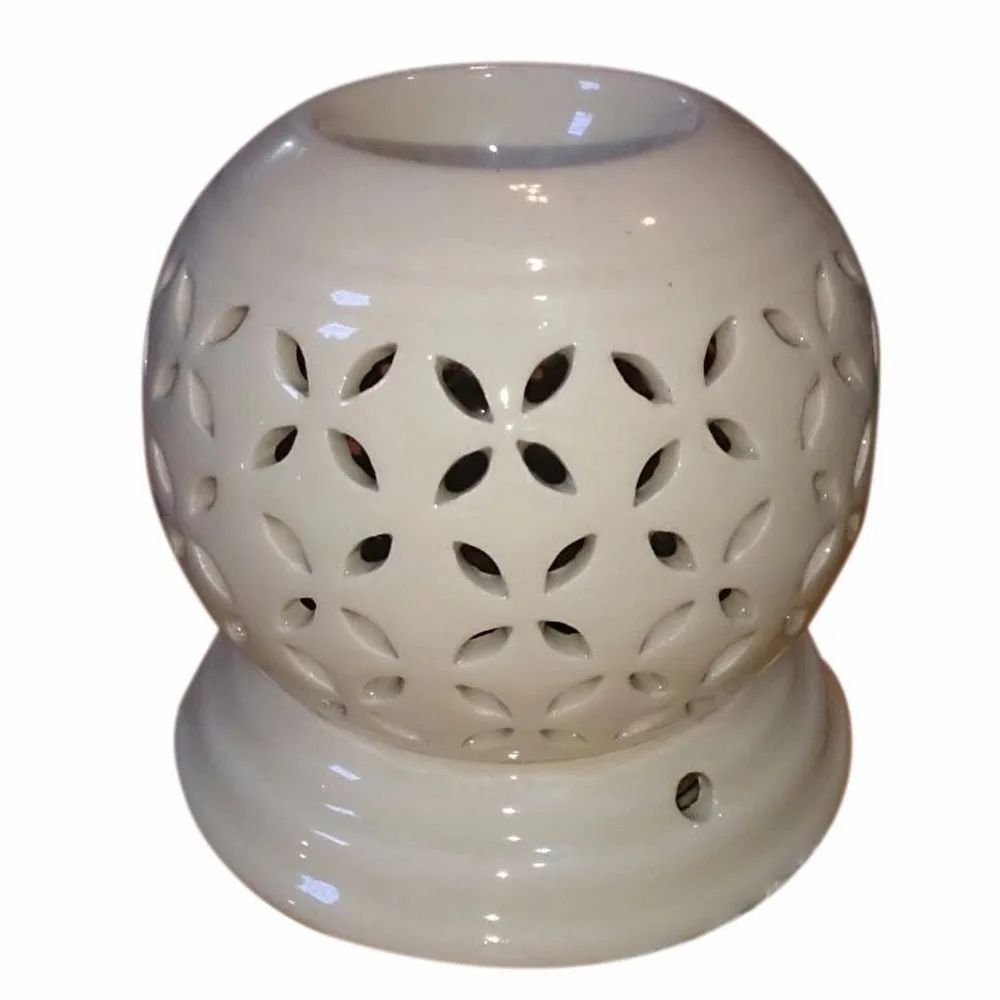
Aroma diffusers come in various types, each offering unique features and functionalities that cater to diverse preferences and needs. Understanding these differences can significantly enhance your aromatherapy experience, whether for relaxation, focus, or simply creating a pleasant atmosphere in your home or office.
There are several types of aroma diffusers available on the market today, with three of the most common being ultrasonic, nebulizing, and heat diffusers. Each type operates differently and offers distinct advantages and disadvantages in terms of efficiency and usage.
Ultrasonic Diffusers
Ultrasonic diffusers utilize high-frequency sound waves to create a fine mist of water and essential oils. They are popular due to their quiet operation and ability to maintain the therapeutic properties of essential oils without heating them. The mist generated can also add humidity to the air, making them beneficial in dry environments.
Nebulizing Diffusers
Nebulizing diffusers work by using air pressure to atomize essential oils into tiny particles without the need for water. This method provides a more concentrated aroma and is particularly effective for therapeutic use. They are often favored for their ability to deliver potent essential oils in a short time.
Heat Diffusers
Heat diffusers operate by gently heating essential oils to release their fragrance. While they are simple to use and generally more affordable, the heat can alter the chemical composition of the oils, potentially diminishing their therapeutic benefits. They are often used for creating ambient scents rather than for therapeutic purposes.
Comparison of Different Types of Diffusers
The following table summarizes the pros and cons of each type of diffuser, providing a clear overview of their functionalities and effectiveness.
| Type of Diffuser | Pros | Cons |
|---|---|---|
| Ultrasonic Diffuser |
|
|
| Nebulizing Diffuser |
|
|
| Heat Diffuser |
|
|
“Choosing the right type of diffuser can significantly enhance the benefits of aromatherapy.”
Practical tips for optimizing the use of aroma diffusers in home environments
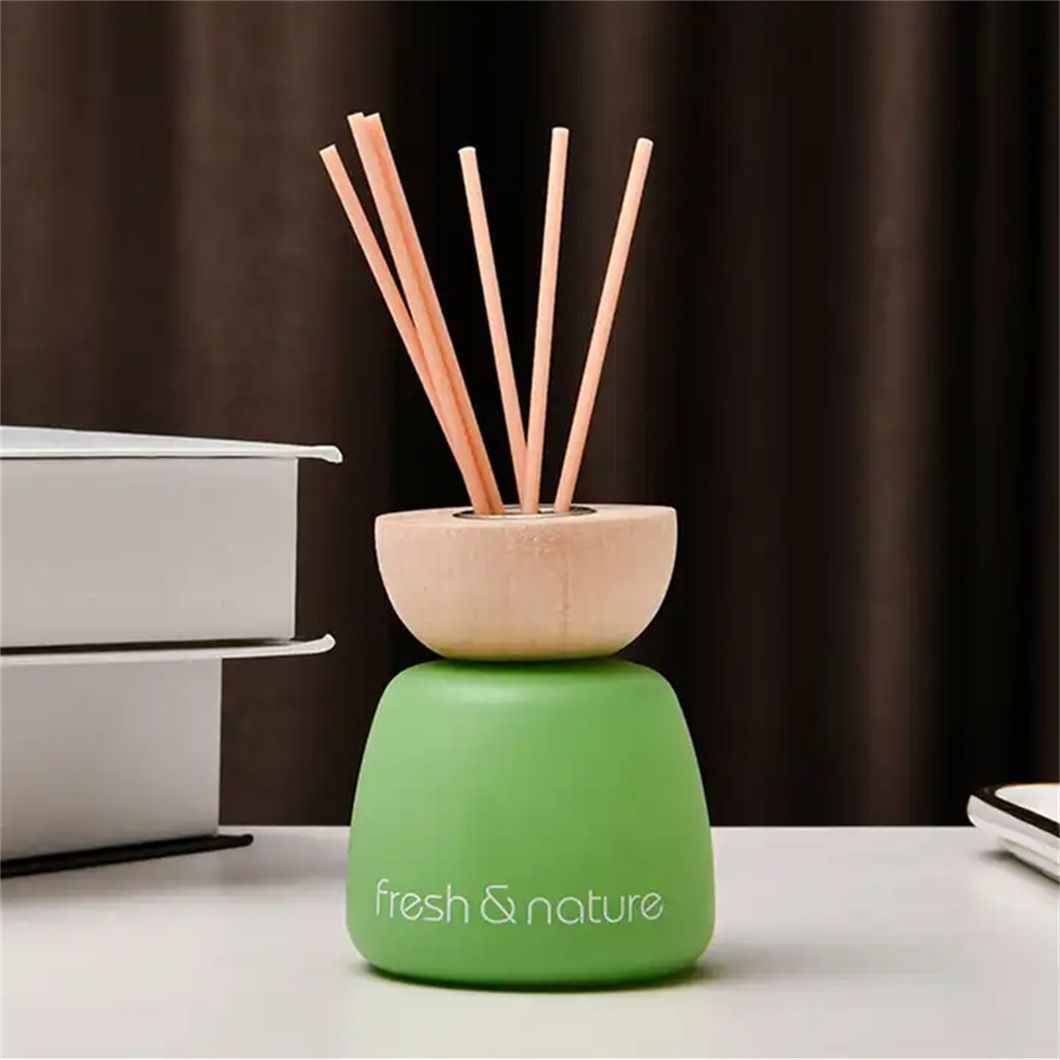
Aroma diffusers are a wonderful addition to any home, enhancing the ambiance with delightful scents while promoting relaxation and well-being. To truly maximize their effectiveness, it’s essential to consider placement, usage frequency, and safety precautions. Here are practical tips to make the most out of your aroma diffuser experience.
Optimal Placement Strategies
The placement of your aroma diffuser significantly influences its effectiveness. Proper positioning can enhance scent distribution and create a more enjoyable atmosphere. Consider the following recommendations for placing your diffusers:
- Place diffusers in open areas: Position your diffuser in a central location of the room to allow the fragrance to disperse evenly. Avoid corners, as they may hinder air circulation.
- Keep away from heat sources: Avoid placing the diffuser near heaters, air conditioners, or direct sunlight, as these can alter the essential oils and reduce their effectiveness.
- Consider room function: In areas dedicated to relaxation, such as bedrooms or meditation spaces, use soothing scents like lavender. In more active spaces, like kitchens or living rooms, opt for invigorating scents like citrus.
- Adjust for room size: Larger rooms may require multiple diffusers to ensure the scent is well-distributed, while smaller rooms may only need one.
- Elevation matters: Placing the diffuser on a higher surface can help disperse the aroma more effectively, as scents naturally rise.
Frequency and Duration of Use
For optimal benefits, the frequency and duration of aroma diffuser use are essential considerations. Regular and strategic use can enhance relaxation and improve overall well-being. Here are some guidelines:
- Daily use: Aim to use your diffuser daily for 30 to 60 minutes, especially in spaces where you spend extended periods, such as the living room or bedroom.
- Adjust according to need: Increase the frequency during stressful periods or when hosting guests, as the right scents can enhance mood and create a welcoming environment.
- Time of day: Consider using energizing scents in the morning or during work hours, and calming scents in the evening to facilitate relaxation and promote sleep.
- Monitor oil concentration: Use a few drops of essential oil for smaller rooms and increase gradually for larger spaces, ensuring the scent is pleasant and not overpowering.
Safety Tips for Using Essential Oils
While essential oils offer numerous benefits, safety should always be a priority when using them in diffusers. Here’s a checklist of essential safety tips to keep in mind:
- Choose high-quality oils: Always use pure, high-quality essential oils that are free from synthetic additives.
- Read labels: Check for any contraindications on the oil labels to avoid allergic reactions or adverse effects, especially for pets and children.
- Proper dilution: Some essential oils may require dilution with a carrier oil before use, so always refer to specific guidelines.
- Regular cleaning: Clean your diffuser regularly to prevent residue buildup, which can affect performance and might release unwanted odors.
- Maintain ventilation: Ensure that the room is well-ventilated. If anyone feels overwhelmed by the scent, turn off the diffuser and air out the space.
The role of aroma diffusers in promoting mental and emotional well-being
Aroma diffusers have gained popularity, not just for their pleasant scents but also for their remarkable impact on mental and emotional health. By dispersing essential oils into the air, these devices create an environment that can significantly influence mood and promote relaxation. The psychological effects of various scents are profound, offering opportunities for stress relief and emotional clarity in our busy lives.
Different scents have unique psychological effects that can enhance our living spaces and overall well-being. For instance, lavender is widely recognized for its calming properties, often used to alleviate anxiety and promote restful sleep. Citrus scents, such as lemon and orange, are invigorating and can enhance focus and energy, creating an uplifting atmosphere. On the other hand, scents like chamomile are known for their ability to soothe agitation and foster tranquility. Understanding these olfactory influences can help individuals curate their environments to meet their emotional needs.
Studies Supporting Aroma Diffuser Benefits
Numerous studies have investigated the impact of aromatherapy and scent diffusion on stress relief and relaxation. Research published in the *International Journal of Aromatherapy* found that inhaling lavender essential oil significantly decreased heart rates and blood pressure levels in participants, indicating a state of relaxation. Another study in the *Journal of Alternative and Complementary Medicine* demonstrated that participants exposed to citrus aromas reported decreased feelings of anxiety and increased feelings of happiness. These findings support the notion that aroma diffusers can be effective tools in managing stress and enhancing emotional well-being.
Personal experiences often illustrate the power of scent in influencing mood. Many users of aroma diffusers report transformations in their daily lives. For example, one individual shared that diffusing eucalyptus oil during study sessions helped them concentrate better and reduced feelings of overwhelm. Another person mentioned that introducing vanilla scent into their home environment created a sense of comfort and warmth, which was especially beneficial during colder months. These testimonials highlight how the right scent can not only enhance the ambiance of a space but also contribute positively to mental clarity and emotional health.
Environmental and health considerations when using aroma diffusers
Using aroma diffusers to enhance the ambiance of a space can be a delightful experience, but it is crucial to be aware of the environmental and health implications associated with essential oils. While many people enjoy the benefits of aromatherapy, certain essential oils can cause allergic reactions or other health concerns if not used with caution. Understanding these aspects can help users make informed decisions about their aroma diffusion practices.
The use of essential oils in aroma diffusers can present risks related to allergens and irritants. It’s important for users to identify potential allergens in essential oils that may affect sensitive individuals. Some common allergens and irritants include:
Common Allergens and Irritants in Essential Oils
Certain essential oils contain compounds that may trigger allergies or sensitivities in some people. The following list highlights popular essential oils that can be problematic:
- Lavender: While widely known for its calming properties, it can cause skin irritation or allergic reactions in some users.
- Eucalyptus: This oil can be irritating to the skin and mucous membranes, particularly for those with respiratory conditions.
- Peppermint: Known for its invigorating scent, it can cause headaches or allergic reactions in susceptible individuals.
- Lemon: Citrus oils can cause photosensitivity, leading to skin irritation when exposed to sunlight.
It’s essential for users to perform a patch test before extensive use of any new essential oil to gauge individual reactions.
As awareness of environmental sustainability grows, many users seek eco-friendly alternatives for aroma diffusion. There are several sustainable practices and products available that reduce environmental impact while still offering the benefits of aromatherapy.
Eco-Friendly Alternatives for Aroma Diffusion
Exploring eco-friendly options can enhance your experience without compromising environmental health. Here are some alternatives to consider:
- Organic Essential Oils: These are cultivated without pesticides or synthetic fertilizers, ensuring a lower ecological footprint.
- Natural Diffusers: Using materials like bamboo, clay, or ceramic can limit plastic usage while ensuring effective diffusion.
- Plant-Based Diffusers: Some companies offer diffusers made from sustainable materials that are biodegradable and eco-conscious.
Proper usage and ventilation are essential when using aroma diffusers to prevent adverse reactions. A well-ventilated space helps disperse strong scents and reduces the risk of respiratory discomfort or headaches.
Importance of Proper Ventilation and Usage
Maintaining good air quality is key to a positive aroma diffusion experience. Here are critical points to keep in mind:
- Ventilation: Ensure that the room is well-ventilated to prevent the accumulation of concentrated vapors that may lead to discomfort.
- Usage Guidelines: Follow recommended guidelines for essential oil concentration and duration of use to avoid overwhelming scents.
- Awareness of Symptoms: Recognize any signs of irritation or allergy and discontinue use if adverse reactions occur.
Being mindful of these environmental and health considerations can enhance the enjoyment of aroma diffusers while ensuring a safe and eco-friendly experience.
DIY recipes for creating personalized essential oil blends for aroma diffusers
Creating your own essential oil blends for aroma diffusers allows you to customize the scents to suit your mood, preferences, and needs. Whether you’re looking to unwind after a long day, boost your focus during work, or energize your spirit, crafting personalized blends can enhance your environment significantly. This guide will provide you with key steps to select and mix essential oils effectively, along with specific recipes tailored for various purposes.
When it comes to mixing essential oils, understanding their properties and how they interact is crucial. Each essential oil has its unique aroma and benefits, which can be combined to enhance their effects. The process of blending oils is both an art and a science, and knowing how to select the right oils will help you achieve the desired outcome.
Step-by-step guide to selecting and mixing essential oils
To create your own blend, follow these steps:
1. Identify Your Intentions: Determine the purpose of your blend. Are you looking for relaxation, focus, or energy? This will guide your choice of oils.
2. Choose Your Base Note: Start with a base note oil as the foundation of your blend. Base notes are often rich and heavy, providing depth. Examples include sandalwood or patchouli.
3. Select Middle Notes: Next, choose one or more middle notes to add complexity. These oils are often floral or herbal, such as lavender or chamomile.
4. Add Top Notes: Finally, incorporate top notes that are light and uplifting, like citrus oils (e.g., lemon or sweet orange) or mint. Top notes give the first impression of the blend.
5. Mixing Ratios: A common blending ratio is 30% top notes, 50% middle notes, and 20% base notes. Adjust according to your preference.
6. Dilution: Always dilute essential oils before adding them to your diffuser. A typical dilution ratio is 3-5 drops of essential oil per one tablespoon of carrier oil or water.
7. Test and Adjust: Blend in a small container, test the scent, and adjust as necessary until you achieve your desired aroma.
Recipes for relaxation, focus, and energizing
Here are some specific recipes for creating tailored blends based on your needs:
Relaxation Blend:
– Ingredients:
– 3 drops of lavender
– 2 drops of bergamot
– 1 drop of chamomile
– Purpose: This blend promotes calmness and tranquility, perfect for unwinding in the evening.
Focus Blend:
– Ingredients:
– 3 drops of peppermint
– 2 drops of rosemary
– 1 drop of lemon
– Purpose: This combination fosters concentration and mental clarity, ideal for work or study sessions.
Energizing Blend:
– Ingredients:
– 4 drops of sweet orange
– 2 drops of grapefruit
– 1 drop of eucalyptus
– Purpose: This lively blend invigorates the senses and uplifts the spirit, great for a morning boost.
Safe dilution practices and storage for homemade blends
Understanding how to dilute and store your blends ensures safety and longevity.
– Use a carrier oil or water to dilute essential oils properly before use in diffusers. A dilution of 1% (6 drops of essential oil in 1 oz of carrier) is recommended for daily use.
– Store your blends in dark glass bottles to protect them from light and heat, which can degrade the oils.
– Label your blends with the date and ingredients to keep track of freshness.
– Keep your blends out of reach of children and pets, and consult a healthcare professional if you’re pregnant, nursing, or have health concerns before using essential oils.
By following these steps and utilizing these recipes, you can create personalized essential oil blends that enhance your surroundings and cater to your emotional and physical needs.
Final Review
In conclusion, aroma diffusers serve as more than just home accessories; they are powerful tools for enhancing our mental and emotional well-being, connecting us to historical traditions, and fostering a peaceful environment. As we embrace the art of aroma diffusion, let’s remember the importance of responsible usage and the joy of creating personalized fragrances. Whether for relaxation, focus, or simply to breathe in a delightful scent, aroma diffusers can truly transform any space into a haven of tranquility.
FAQ Explained
What is an aroma diffuser?
An aroma diffuser is a device that disperses essential oils into the air to create a fragrant and soothing atmosphere.
How do I choose the right essential oil for my diffuser?
Consider your mood or desired effect; for relaxation, try lavender, and for energy, citrus scents like lemon or orange work well.
How often should I use my aroma diffuser?
It depends on personal preference, but using it for 30 minutes to an hour a few times a day is generally effective.
Are aroma diffusers safe for pets?
Some essential oils can be harmful to pets, so it’s important to research which oils are safe before use.
Can I use any essential oil in my diffuser?
Not all essential oils are suitable for diffusing; always check the oil’s compatibility with diffusers before use.
How do I clean my aroma diffuser?
Most diffusers can be cleaned with warm water and vinegar to remove residue; refer to the manufacturer’s instructions for specific guidance.