
 Penelope Hailey
Soothing scents invite us into a realm of calm and tranquility, where the power of aroma becomes a pathway to relaxation and mental clarity. These fragrances not only enhance our moods but also carry the potential to evoke cherished memories and emotional responses, thanks to their profound connection with our brain chemistry. Delving into the science behind soothing scents reveals an intricate dance between olfactory receptors and our psychological state, making it a fascinating topic for anyone seeking a more serene lifestyle.
From lavender’s soothing embrace to the warm notes of sandalwood, popular scents can transform our daily experiences and promote well-being. By understanding their historical uses and benefits, we can incorporate these aromas into our lives, creating an environment that fosters relaxation and peace.
The Science Behind Soothing Scents
Soothing scents play an essential role in our daily lives, influencing our mood and well-being. The combination of psychological and physiological effects that various aromas exert on the human brain is fascinating and profound. Utilizing scents as a therapeutic tool can lead to reduced stress, improved mental clarity, and an overall sense of tranquility.
The connection between scent and the brain is significant, as the olfactory system is directly linked to the limbic system, which is responsible for emotions and memory. When we inhale soothing scents, such as lavender or chamomile, they stimulate olfactory receptors in the nasal cavity. These receptors send signals to the brain, particularly to the amygdala and hippocampus, areas critical for emotional processing and memory formation. This process can evoke memories associated with those smells, often transporting us back to moments of comfort and safety. For instance, the scent of fresh cookies might remind someone of baking with a loved one, eliciting feelings of joy and nostalgia.
Olfactory Receptors and Emotional Responses
The role of olfactory receptors is crucial in how we perceive and respond to soothing aromas. These specialized cells are located in the nasal epithelium and respond to specific molecules found in various scents. When certain scents reach these receptors, they trigger a cascade of neural activity that impacts our emotional state.
This relationship between scent and emotional health can be understood through the following points:
- Stress Reduction: Scents like lavender have been shown to lower cortisol levels, helping to alleviate stress and promote relaxation.
- Memory Triggers: Scents can evoke strong memories due to their direct link to the limbic system, enhancing emotional recall and creating a comforting atmosphere.
- Behavioral Changes: Pleasant scents can lead to changes in behavior, such as increased calmness and improved focus, making environments more enjoyable and productive.
- Physiological Reactions: Aromas can influence heart rate and blood pressure; for example, citrus scents often invigorate and energize, while earthy scents can ground and soothe.
“The sense of smell is the most potent trigger of memories and emotions we have.”
Understanding the science behind soothing scents helps us appreciate their power in enhancing our quality of life. As research continues, the therapeutic potential of fragrances in creating harmonious environments becomes increasingly evident. The intricate relationship between olfactory receptors and emotional responses serves as a reminder of how deeply intertwined our senses are with our mental and emotional health.
Popular Soothing Scents and Their Benefits
Soothing scents have been cherished throughout history for their calming effects on the mind and body. Many individuals integrate these fragrances into their daily routines to promote relaxation, reduce stress, and enhance overall well-being. This section delves into some popular soothing scents, their unique benefits, and practical ways to incorporate them into everyday life.
Popular Soothing Scents
Understanding the various scents and their benefits can empower individuals to choose the right fragrances for their specific needs. Below is a list of some widely recognized soothing scents along with their advantages:
- Lavender: Known for its calming properties, lavender helps reduce anxiety, lower heart rates, and promote better sleep. Its floral aroma has been shown to decrease stress and improve mood.
- Chamomile: This sweet, apple-like fragrance is often used to promote relaxation and alleviate insomnia. Chamomile is also recognized for its anti-inflammatory and calming effects, making it beneficial for both the mind and body.
- Sandalwood: With its warm, woody scent, sandalwood is known to promote mental clarity and relaxation. It has been used in traditional medicine to reduce anxiety and improve emotional balance.
- Ylang Ylang: This exotic floral scent is celebrated for its ability to uplift mood and reduce feelings of stress and anxiety. Ylang Ylang is often used in aromatherapy to enhance relaxation and emotional well-being.
- Bergamot: The citrusy aroma of bergamot is particularly effective in reducing stress and improving mood. It is frequently used in aromatherapy and is known for its uplifting properties.
Methods for Using Soothing Scents
Incorporating soothing scents into daily life can significantly enhance relaxation and promote a sense of tranquility. Here are some effective methods to utilize these fragrances:
- Aromatherapy Diffusers: Using a diffuser allows for the gentle dispersal of essential oils into the air. This method can fill a room with soothing scents, creating a calming atmosphere.
- Baths: Adding a few drops of essential oil, such as lavender or chamomile, to a warm bath can transform the experience into a soothing ritual that relaxes both the body and mind.
- Massage Oils: Blending calming essential oils with carrier oils for massage can enhance relaxation. This method not only soothes muscles but also envelops the individual in comforting scents.
- Pillow Sprays: Creating a pillow spray with essential oils like lavender can promote better sleep. Spritzing this on bedding before bedtime can help signal the body to unwind.
- Incense and Candles: Burning incense or lighting scented candles infuses spaces with soothing aromas. These practices can enhance meditation or relaxation sessions.
Historical Uses of Soothing Scents
Throughout history, various cultures have utilized soothing scents for calming purposes, often intertwined with their spiritual and medicinal practices. Here are some notable examples:
- Ancient Egypt: Egyptians revered sandalwood and myrrh in their rituals, using them in incense for both spiritual practices and to promote relaxation during burial ceremonies.
- Traditional Chinese Medicine: In Chinese culture, chamomile and lavender have been used to alleviate anxiety and promote relaxation, often incorporated into herbal remedies.
- Indian Ayurvedic Tradition: Ylang Ylang and sandalwood are frequently used in Ayurvedic practices to balance emotions and promote mental clarity, often found in herbal therapies and meditation practices.
- Native American Practices: Many Indigenous tribes have utilized sage and cedar to cleanse spaces energetically and promote a sense of peace, utilizing the aromas during important rituals.
- European Herbalism: Lavender has long been celebrated in European herbal traditions as a remedy for insomnia and anxiety, often used in sachets and herbal teas.
Embracing the soothing properties of these scents can lead to a more balanced and peaceful lifestyle.
Creating a Soothing Aromatherapy Environment
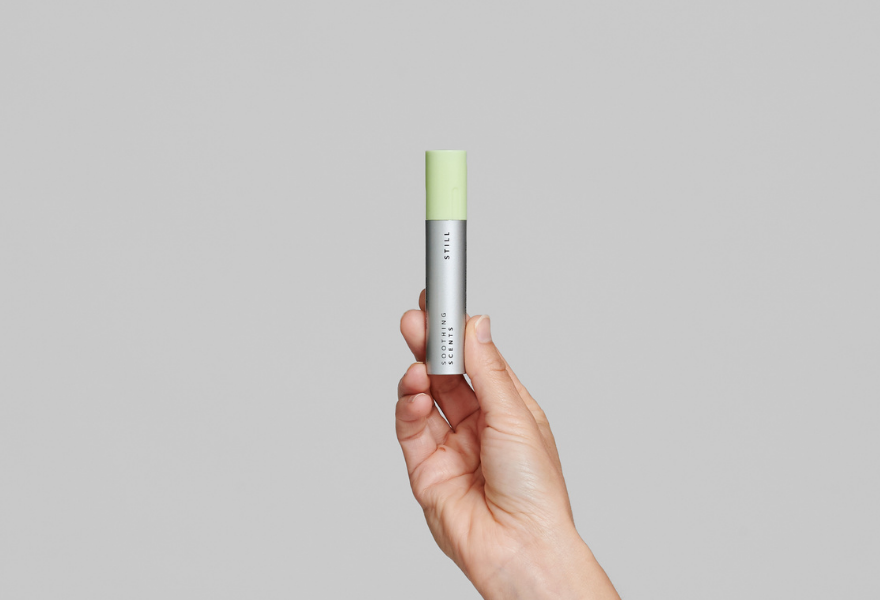
Creating a calming space in your home through aromatherapy can transform your daily experience, enhancing relaxation and well-being. A carefully curated environment, infused with soothing scents, can help reduce stress, promote better sleep, and uplift your mood. Let’s explore the essential components to craft such an oasis and the methods to disperse these delightful aromas effectively.
Essential Components for an Aromatherapy Space
To establish an effective aromatherapy space, consider the following essential components:
1. Quality Essential Oils: The foundation of aromatherapy is high-quality essential oils. Choose oils known for their calming properties, such as lavender, chamomile, and bergamot.
2. Diffuser: An essential oil diffuser is a key tool that disperses oils into the air. Options include ultrasonic, nebulizing, and heat diffusers, each having unique benefits.
3. Candles: Aromatherapy candles made from natural wax with essential oil blends can create a cozy ambiance while providing scent.
4. Relaxing Decor: Soft lighting, comfortable seating, and soothing colors contribute to a calming environment. Incorporate elements like cushions, soft blankets, and natural materials.
5. Plants: Incorporating indoor plants can enhance air quality and add to the soothing atmosphere. Consider plants like lavender or eucalyptus, which also have calming scents.
Blending Essential Oils for Calming Effects
Blending essential oils can enhance their calming effects. Here’s a simple guide for creating your own blends:
– Choosing Your Oils: Start by selecting a base note (like cedarwood), middle note (like lavender), and top note (like bergamot). Each type plays a role in the overall scent.
– Ratios: A common ratio for blending is 3:5:2 (base:middle:top). For example, if using drops, you might mix 3 drops of cedarwood, 5 drops of lavender, and 2 drops of bergamot.
– Mixing Technique: Combine the oils in a dark glass bottle to protect them from light. Gently roll the bottle between your palms to blend the oils evenly. Let the mixture sit for a day to allow the scents to meld.
“Blending essential oils opens up a world of calming possibilities, tailoring scents to your unique preferences.”
Utilizing Diffusers and Other Methods
To disperse your soothing scents effectively, different methods can be utilized:
Using a diffuser is one of the most efficient ways to enjoy essential oils. Here’s a step-by-step guide to using a diffuser:
1. Fill the Water Tank: Add water to your diffuser according to the manufacturer’s instructions, typically filling it to the indicated line.
2. Add Essential Oils: Use your pre-blended essential oils or single oils. A general guideline is to add 3-10 drops, depending on your preference for scent strength.
3. Turn on the Diffuser: Activate the diffuser and choose your desired mist setting, if applicable. Some diffusers offer ambient light settings that can enhance relaxation.
4. Create a Calm Environment: Sit back in your chosen aromatherapy space, breathe deeply, and enjoy the soothing effects of the aromas wafting through the air.
Alternatively, you can also use:
– Candles: Light an aromatherapy candle, allowing the warm flame to slowly melt the wax which releases the fragrance into the air.
– Potpourri: Create a potpourri bowl with dried flowers, herbs, and essential oils. Refresh it periodically with additional oils to maintain the scent.
– Heat Methods: Use a small bowl of water with essential oils placed on a light source (like a candle) to release the scents gradually.
“Whether through diffusers, candles, or potpourri, the goal is to envelop your space with scents that promote tranquility.”
Creating a soothing aromatherapy environment involves thoughtful selection of scents, careful blending techniques, and effective dispersal methods. By incorporating these elements, you can cultivate a serene atmosphere that enhances your overall well-being.
The Role of Soothing Scents in Meditation and Mindfulness
Soothing scents play a significant role in enhancing meditation practices and promoting a deeper sense of mindfulness. The olfactory system is closely linked to our emotions and memories, making scent a powerful tool in creating a conducive atmosphere for meditation. By integrating specific scents into meditation routines, practitioners can elevate their experience, deepen their focus, and foster a more profound state of awareness.
The selection and timing of soothing scents can greatly influence the effectiveness of meditation. Different aromas can evoke various emotional responses and psychological states, which can help practitioners achieve their meditation goals. Incorporating scents can serve as an anchor to the present moment, aiding in the cultivation of mindfulness.
Incorporating Scents into Meditation Routines
Creating a harmonious meditation environment with soothing scents can enhance the overall experience. The following guide Artikels how to effectively incorporate scents into your meditation practice, focusing on timing and selection:
1. Choosing the Right Scent for Your Objective:
– Relaxation: Scents such as lavender and chamomile are known for their calming properties, perfect for winding down and letting go of stress.
– Focus: Scents like peppermint and rosemary can stimulate mental clarity and concentration, making them ideal for enhancing focus during meditation.
2. Timing Your Scent Usage:
– Before Meditation: Light a scented candle or diffuse essential oils about 10-15 minutes before starting your session to allow the aroma to permeate the space.
– During Meditation: Use a personal inhaler or apply a drop of essential oil to your wrists to keep the scent close, helping you maintain focus throughout the practice.
– After Meditation: Consider using a refreshing scent like citrus to rejuvenate your energy and uplift your mood post-session.
3. Creating a Scented Environment:
– Diffusers: Using an essential oil diffuser can disperse the aroma evenly throughout the room, creating a calming atmosphere.
– Scented Candles: Choose natural, unscented candles that release essential oils as they burn, providing a subtle, soothing ambiance without overpowering the space.
– Herbal Sachets: Place sachets filled with dried herbs or flowers like lavender or rose in your meditation area to provide a gentle, constant fragrance.
“The right scent can transform a simple meditation session into a profound journey of self-discovery and relaxation.”
When considering different scents, it’s essential to match the aroma to your meditation objectives. For instance, using calming scents can greatly assist in reducing anxiety, while invigorating scents can enhance clarity and productivity. Developing a personalized scent palette based on individual preferences and meditation goals will ultimately lead to a more fulfilling practice. By thoughtfully integrating soothing scents, practitioners can create an environment that nurtures mindfulness and supports their meditation journey.
DIY Soothing Scent Recipes
Creating your own soothing scents at home can be a delightful and therapeutic experience. Whether you’re looking to enhance your environment with calming fragrances or want to give personalized gifts, DIY soothing scent products like candles, oils, and potpourri are the way to go. These homemade creations not only provide a sensory delight but also allow for customization to suit individual preferences and embrace personal creativity.
To embark on your DIY journey, it’s essential to gather the right materials and understand the safety precautions necessary during the creation process. Below, you’ll find detailed recipes for three different soothing scent products. Each section provides a comprehensive list of materials needed along with tips for personalizing your scents to match your unique taste.
Homemade Scented Candles
Making your own scented candles can be incredibly satisfying. Not only do they fill your space with lovely aromas, but they also add a cozy ambiance to any room.
Materials Needed:
– Soy wax or beeswax
– Candle wicks
– Fragrance oils (such as lavender, eucalyptus, or vanilla)
– Double boiler or microwave-safe container
– Thermometer
– Stirring stick
– Container or mold for the candle (glass jars work great)
Safety Precautions:
– Work in a well-ventilated area to avoid inhaling fumes.
– Use gloves when handling hot wax to prevent burns.
– Keep flammable materials away from the workspace.
To personalize your candles, consider mixing different fragrance oils to create a unique scent blend. For example, combining lavender with vanilla can provide a calming yet sweet aroma. Experimenting with color dyes can also add an aesthetic touch, making your candles visually appealing.
Essential Oil Blends
Creating your own essential oil blends provides an opportunity to tailor scents that can support relaxation and well-being.
Materials Needed:
– Essential oils (such as chamomile, bergamot, or sandalwood)
– Carrier oil (such as jojoba or sweet almond oil)
– Dark glass bottle for storage
– Dropper for precision
Safety Precautions:
– Conduct a patch test for skin sensitivity before applying any blend topically.
– Ensure oils are stored in a cool, dark place to maintain potency.
To make your essential oil blend, add approximately 15-20 drops of essential oil to 1 ounce of carrier oil. Personalize your blend by choosing oils that resonate with you. For example, a calming mix of chamomile and lavender is ideal for bedtime, while a refreshing blend of peppermint and lemon can invigorate your morning.
Potpourri Creation
Potpourri is a timeless way to infuse your home with soothing scents. It serves both decorative and aromatic purposes and can be customized to reflect seasonal themes.
Materials Needed:
– Dried flowers (like rose petals or lavender)
– Dried herbs (like rosemary or mint)
– Essential oils (for enhancing the scent)
– Fixatives (such as orris root or benzoin)
– Decorative bowl or jar
Safety Precautions:
– Keep dried ingredients away from moisture to prevent mold.
– Avoid using synthetic fragrances that may be irritating.
To create potpourri, mix your dried flowers and herbs in a bowl, then add a few drops of essential oil to enhance the fragrance. Personalization is easy; try adding seasonal elements like cinnamon sticks in the fall or dried citrus slices in the summer. Display your potpourri in a decorative bowl to enjoy its beauty and aroma.
Cultural Perspectives on Soothing Scents
Throughout history, various cultures have incorporated soothing scents into their daily lives, rituals, and health practices. From incense burning to essential oil usage, these aromas are believed to promote healing, relaxation, and spiritual growth. By examining the therapeutic and spiritual significance of scents, we can appreciate their diverse applications across different societies.
Soothing scents serve not only as pleasant fragrances but also as powerful tools for emotional and physical healing. Many cultures have established specific rituals that highlight the importance of aromas in their spiritual and medicinal practices. These practices often involve the use of herbs, flowers, and oils renowned for their calming properties.
Therapeutic and Spiritual Practices Involving Scents
Different cultures have unique approaches to integrating soothing aromas into their healing practices. These approaches reflect their values, beliefs, and understanding of the human connection to nature. The following are some notable examples:
- Aromatherapy in Western Cultures: This practice utilizes essential oils derived from plants to enhance physical and psychological well-being. Individuals may use lavender for relaxation or eucalyptus for respiratory benefits.
- Incense in Eastern Traditions: In countries like Japan and India, incense sticks made from various natural materials are burned during meditation and prayer practices. This is believed to purify the space and elevate spiritual awareness.
- Smudging in Indigenous Cultures: Many Native American tribes use sage and other herbs to create a cleansing smoke that is believed to ward off negative energies and promote healing. This ceremony is often performed during transitional life events.
- Essential Oils in Ayurveda: In Ayurvedic medicine, specific scents are prescribed to balance the doshas (body energies). For example, sandalwood is used to calm the mind and reduce anxiety.
- Flower Offerings in Hindu Rituals: The use of fragrant flowers such as jasmine and rose is common in Hindu worship. The pleasant aroma is considered an offering to deities, enhancing the spiritual atmosphere.
The significance of scent extends beyond simple enjoyment; it is intertwined with health and spirituality. The therapeutic effects of soothing scents have been acknowledged in traditional medicine systems around the world.
“The aroma of certain plants can influence mood and well-being, making them integral to healing practices globally.”
In traditional Chinese medicine, for instance, aromatherapy is combined with acupuncture and herbal treatments to create a holistic approach to health. Similarly, in African traditional medicine, the use of local aromatic plants enhances healing rituals and contributes to community health practices.
By recognizing these diverse cultural perspectives on soothing scents, we can better understand their profound impact on human experience, health, and spirituality.
The Impact of Soothing Scents on Sleep Quality

Soothing scents play a significant role in enhancing sleep quality, providing a natural and effective way to promote relaxation and restful slumber. Numerous studies have indicated that certain fragrances can positively influence our sleep patterns, allowing us to drift off more easily and enjoy deeper, uninterrupted rest. The relationship between aroma and sleep is rooted in the way our brains process scents, triggering emotional responses that can either calm or stimulate us.
Certain scents have been shown to alleviate insomnia and encourage a more peaceful sleep environment. For instance, lavender is widely recognized for its calming properties, and research has demonstrated that inhaling lavender can lead to longer sleep duration and improved sleep quality. Similarly, chamomile is famed for its mild sedative effects, making it a favorite among those who struggle with sleep disturbances.
Incorporating Soothing Scents into Bedtime Routines
Establishing a bedtime routine that includes soothing scents can significantly enhance sleep quality. Here are several effective methods for integrating these calming fragrances into your nightly rituals:
- Essential Oil Diffusers: Utilize an essential oil diffuser in your bedroom. Add a few drops of lavender or chamomile essential oils to the water and let the soothing aroma fill the space before bed.
- Pillow Sprays: Create a homemade pillow spray by mixing distilled water with a few drops of your favorite calming essential oil. Lightly mist your pillowcase before sleeping to promote relaxation.
- Aromatherapy Candles: Light an aromatherapy candle with soothing scents like sandalwood or vanilla while winding down. Just ensure to extinguish it before sleep.
- Scented Bath: Take a warm bath infused with soothing essential oils. This not only aids in relaxation but also helps signal to your body that it’s time to prepare for sleep.
- Herbal Sachets: Fill small sachets with dried herbs such as lavender or chamomile and place them under your pillow or on your nightstand for a continuous release of calming scents.
By incorporating these soothing scents into your bedtime routine, you can cultivate a tranquil sleep environment that promotes relaxation and enhances overall sleep quality.
“The right scents can transform your bedroom into a sanctuary of calm, paving the way for a restorative night’s sleep.”
Soothing Scents for Stress Relief in the Workplace
In today’s fast-paced work environments, stress management is crucial for maintaining productivity and employee satisfaction. The integration of soothing scents can play a significant role in reducing stress levels and enhancing focus. By recognizing the power of aromatherapy, organizations can foster a more calming atmosphere, leading to improved well-being among employees.
Several scents are particularly effective for alleviating stress and boosting productivity in office settings. Research has shown that certain aromas can influence mood, cognitive function, and even creativity. Below are the most effective scents that promote relaxation and enhance concentration in the workplace.
Effective Scents for Stress Relief
When selecting scents for office environments, it is essential to choose those that have been scientifically proven to reduce stress and increase focus. Here are some of the most recommended scents:
- Lavender: Known for its calming properties, lavender can significantly reduce anxiety and promote relaxation.
- Peppermint: This invigorating scent can help enhance alertness and concentration, making it ideal for counteracting fatigue during long work hours.
- Citrus (e.g., lemon or orange): The fresh and uplifting aroma of citrus can boost mood and energy, making it a great option for a lively workspace.
- Eucalyptus: This scent promotes mental clarity while helping to alleviate feelings of stress and tension.
- Rosemary: Known for improving memory and cognitive performance, rosemary can also act as a natural stress reliever.
Integrating these scents into the workplace can be achieved through various strategies. Portable options include essential oil diffusers, scent-infused personal items, and even scented hand sanitizers. The use of such products allows employees to enjoy these calming aromas throughout their day.
Strategies for Integrating Soothing Scents
Creating a stress-free workspace involves multiple strategies that can easily be implemented. Here are some practical methods for incorporating soothing scents into the office environment:
- Essential Oil Diffusers: Placing diffusers in common areas can provide a continuous release of calming scents throughout the day.
- Personal Inhalers: Employees can use portable inhalers filled with essential oils for a quick stress-relief boost whenever needed.
- Aromatherapy Candles: Using candles with soothing scents during breaks can create a relaxing atmosphere and encourage mindfulness.
- Scented Stationery: Consider using scented notepads or pens to subtly introduce pleasant aromas into daily tasks.
- Monthly Scent Days: Implementing a day each month where different scents are showcased can keep the workplace atmosphere fresh and engaging.
Many companies have successfully implemented scent therapy as part of their employee wellness initiatives. These organizations have reported improvements in employee morale, productivity, and overall job satisfaction. A notable example is a tech company that introduced aromatic zones within their office, allowing employees to take breaks in fragrant spaces designed for relaxation. This initiative not only reduced stress levels but also fostered a culture of well-being and mindfulness.
Successful Company Initiatives
The following initiatives highlight how integrating soothing scents can transform workplace environments:
- Google: Known for its innovative workspaces, Google incorporates aromatherapy in various areas, promoting a calm and focused atmosphere.
- Airbnb: This company has embraced essential oil diffusers in common areas to create a welcoming and relaxing environment for employees.
- Salesforce: Salesforce has implemented wellness rooms equipped with calming scents to help employees recharge and destress during busy workdays.
In conclusion, the use of soothing scents in the workplace not only enhances the overall ambiance but also contributes to the mental and emotional well-being of employees. By thoughtfully incorporating these elements, companies can create a more harmonious and productive working environment.
Epilogue
In conclusion, the exploration of soothing scents offers us insightful tools for enhancing our daily lives and well-being. Whether it’s through creating a calming space at home or integrating these fragrances into meditation and mindfulness routines, the benefits are profound. By embracing the art of aromatherapy, we not only cultivate a peaceful atmosphere but also honor the rich cultural practices that have utilized these scents for centuries.
Popular Questions
What are soothing scents?
Soothing scents are fragrances that promote relaxation and emotional well-being, such as lavender, chamomile, and sandalwood.
How do soothing scents affect mood?
These scents can trigger positive emotional responses, reduce stress levels, and enhance feelings of tranquility.
Can I use soothing scents in my workspace?
Yes, incorporating soothing scents in the workplace can help reduce stress and improve focus and productivity.
Are there any safety concerns with essential oils?
Yes, it’s essential to dilute essential oils properly and conduct a patch test to avoid skin irritation.
How can I personalize soothing scent recipes?
You can experiment with different essential oils and blends to find combinations that resonate with your personal preferences.