
 Penelope Hailey
With Solid perfume application taking center stage, the world of fragrance is more accessible and intriguing than ever. This versatile form of perfume not only offers a unique way to express personal identity but also enhances one’s fragrance experience with its myriad of application techniques. Whether you’re a fragrance novice or a seasoned enthusiast, understanding the ins and outs of solid perfume can elevate your scent game to new heights.
From exploring various application methods to discovering the benefits of portability and natural ingredients, solid perfume offers a refreshing alternative to traditional liquid scents. With insights into effective application spots and the role of solid perfumes in cultural expression, readers will find a wealth of information that makes solid perfumes an exciting topic to delve into.
Solid perfume application techniques are essential for achieving a long-lasting fragrance experience.
Applying solid perfume is an art that can significantly enhance your fragrance experience when done correctly. Solid perfumes, being compact and versatile, require specific application techniques to ensure the scent lasts throughout the day. Mastering these methods not only optimizes the fragrance but also elevates your overall presence.
Multiple techniques can be employed for the effective application of solid perfume. The most common methods include direct application from the container and the use of tools such as brushes or your fingers. Each method has its benefits, which can influence how the scent develops on the skin. Direct application allows for convenience and immediacy, while using a tool like a brush can provide a more refined and controlled application, allowing for precise placement of the fragrance.
Application Techniques for Solid Perfume
Understanding the various methods to apply solid perfume can help you achieve a more personalized scent experience. Here are the main techniques:
- Direct Application: Simply swipe the solid fragrance with your finger and apply it directly onto pulse points, such as wrists, neck, and behind the ears. This method allows the warmth of your skin to activate the scent.
- Using a Brush: For a more delicate application, use a small makeup brush to pick up the solid perfume. This technique is ideal for layering scents and achieving a lighter fragrance.
- Mixing with Body Lotion: Incorporate solid perfume into your unscented body lotion. This method provides a subtle fragrance that is perfect for day-to-day wear while moisturizing your skin.
Body temperature plays a crucial role in enhancing the longevity and projection of solid perfumes. As your body warms up, it helps to release the fragrance notes more effectively. The warmer your skin, the more the scent will diffuse. Areas like the wrists and neck, which tend to generate more heat, are optimal for application.
Layering Techniques with Solid Perfume
Layering solid perfume with other scents or body care products can create a unique and personal fragrance profile. To effectively layer fragrances, consider the following tips:
- Start with Unscented Products: Begin with unscented body lotions or oils to create a neutral base for your perfume. This approach allows the solid perfume to shine without competing scents.
- Use Similar Scent Families: When layering, opt for products with complementary notes, such as floral with floral or woody with woody. This helps create a harmonious and balanced scent.
- Apply in Phases: Apply lighter fragrances first, followed by the solid perfume. Lighter scents will not overpower the solid perfume, allowing the notes to unfold beautifully.
“The key to a long-lasting fragrance lies not just in the perfume itself, but in how and where it is applied.”
Mastering these techniques will not only enhance your fragrance experience but also ensure that your solid perfume lasts longer, keeping you feeling fresh and confident throughout the day.
{Understanding the benefits of solid perfume over traditional liquid perfumes is crucial for consumers.}
Solid perfumes have gained popularity as an alternative to traditional liquid fragrances, primarily due to their unique advantages. Consumers are increasingly looking for products that offer convenience, quality, and value. Solid perfumes stand out in these areas, making them an appealing choice for many.
One of the most significant benefits of solid perfumes lies in their portability and ease of use. Unlike liquid perfumes, which can spill or break easily, solid perfumes are compact and come in sturdy containers. This makes them perfect for on-the-go lifestyles, allowing individuals to carry their favorite scent in their bags or pockets without the fear of leaks or breakage. Applying solid perfume is also straightforward; a simple swipe on the skin is all it takes, eliminating the need for complicated spraying techniques. This user-friendly approach appeals to both fragrance aficionados and casual users alike.
{Portability and convenience of solid perfumes}
The convenience of solid perfumes makes them an attractive option for consumers who lead busy lives or travel frequently. Here are key points that highlight their portability:
- Compact Size: Solid perfumes are typically housed in small tins or stick applicators, making them easy to fit into any handbag or travel pouch.
- No Risk of Leaks: Unlike liquid counterparts, solid formulations are not prone to leaking, ensuring that they remain mess-free during transit.
- Easy Application: Users can apply solid perfume directly to pulse points with their fingers, making it effortless to refresh their scent throughout the day.
In addition to their practicality, solid perfumes often feature natural ingredients in their formulations. Many brands prioritize the use of skin-friendly, organic components, which can provide several benefits:
- Gentle on Skin: Solid perfumes frequently contain moisturizing ingredients like shea butter or coconut oil, which can nourish the skin while providing fragrance.
- Fewer Chemicals: With a focus on natural ingredients, solid perfumes typically avoid harsh chemicals and synthetic additives, making them suitable for those with sensitive skin.
- Eco-Friendly Options: Many solid perfumes come in recyclable or reusable packaging, appealing to environmentally conscious consumers.
{Price comparison and value for money}
When considering solid perfumes versus liquid fragrances, price point and overall value are important factors. Solid perfumes tend to be more affordable than their liquid counterparts, often providing a greater return on investment.
- Lower Cost: Solid perfumes are generally available at a lower price point, with many quality options found under $30, while designer liquid perfumes can cost significantly more.
- Long-Lasting: A small amount of solid perfume usually provides a longer-lasting scent due to its concentrated nature, meaning consumers can use less product over time.
- Versatile Uses: Many solid perfumes can double as moisturizers or balms, adding extra value by serving multiple purposes in one product.
“Solid perfumes offer a unique blend of convenience, natural ingredients, and affordability that can enhance the fragrance experience for consumers.”
Exploring the different areas of the body where solid perfume can be applied enhances its effectiveness.
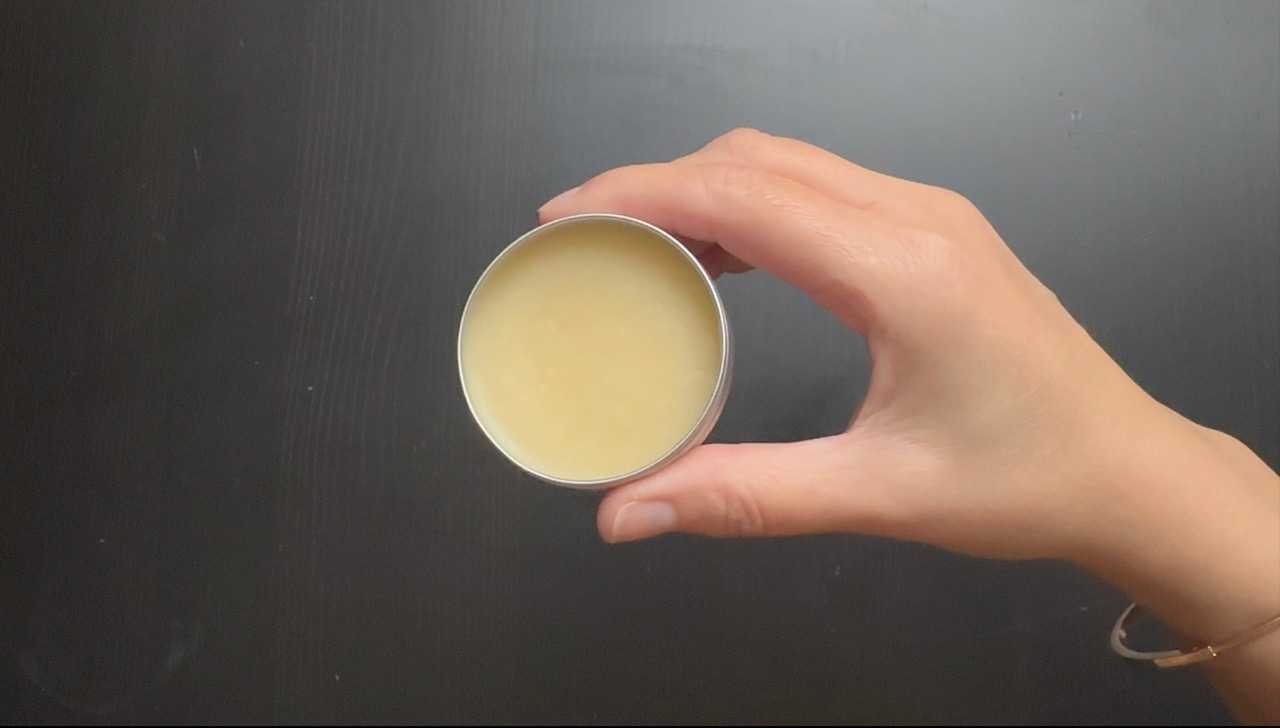
Applying solid perfume to various parts of the body can significantly amplify its scent and longevity. Understanding where and how to apply the fragrance not only enhances the overall experience but also maximizes the perfume’s impact throughout the day. By focusing on pulse points and alternative application spots, one can ensure that the fragrance is both beautifully diffused and long-lasting.
The key to effective solid perfume application lies in targeting areas that naturally emit heat, which helps to project the fragrance. These pulse points are known to increase the intensity of the scent, making it more vibrant and noticeable. Additionally, exploring alternative surfaces for application, such as hair or clothing, can further enhance scent diffusion.
Identifying Pulse Points for Enhanced Fragrance
Pulse points are areas where the blood vessels are closest to the skin’s surface, which creates warmth that helps to release the fragrance more effectively. Here are some of the main pulse points to consider for solid perfume application:
- Wrist: The warmth from the wrist helps to diffuse the fragrance throughout the day. Applying perfume here allows for easy reapplication and offers constant access to the scent.
- Behind the ears: This area can amplify the scent due to its proximity to the neck, where body heat can radiate, enhancing the fragrance’s projection.
- Inner elbows: Applying perfume here can create an enveloping scent experience, as this area is often in motion, allowing the fragrance to waft gently throughout the day.
- Base of the throat: This spot is ideal for a subtle yet effective fragrance projection, especially when wearing clothing that exposes the neck.
Alternative Application Spots and Their Impact
While pulse points are essential, there are other effective areas for solid perfume application. These alternatives can provide unique scent diffusion experiences:
- Hair: Applying solid perfume to hair can create a delightful lingering effect, as the scent is released with movement. This method is particularly popular for those looking for a more subtle fragrance experience.
- Clothing: Applying perfume to fabric allows the scent to last longer, as the fibers absorb the fragrance. This can be particularly effective for heavier scents that may overpower the skin.
- Neckline of shirts or blouses: This area captures the fragrance, providing a gentle release as you move, creating a captivating scent trail.
Skin Type and Its Influence on Scent Projection
Understanding one’s skin type is crucial in determining how a solid perfume will project. Different skin types can absorb and interact with fragrance differently, influencing how long the scent lasts and how it smells. Here are some insights:
- Oily skin: Tends to hold fragrances longer, as oil retains scent. This skin type may experience a more intense fragrance projection.
- Dry skin: May require more frequent reapplication, as it does not hold scent as well as oily skin. Those with dry skin might benefit from moisturizing prior to applying perfume.
- Sensitive skin: Individuals with sensitive skin should consider skin-friendly ingredients in solid perfumes to avoid irritation while achieving the desired fragrance impact.
- Combination skin: Depending on the balance of dry and oily areas, application may vary. Targeting pulse points on oily areas can enhance fragrance longevity.
{The role of solid perfume in personal and cultural expression is noteworthy in various societies.}
Solid perfumes have played an integral role in personal and cultural expression across various societies. Their unique formulation allows for a more intimate application, often enabling a deeper connection to the fragrances that represent personal identity and cultural heritage. The portability of solid perfumes also facilitates their use in different contexts, making them not just a scent but a significant part of personal and societal rituals.
The interplay between fragrance and personal identity is nuanced, particularly regarding how different cultures assign meaning to scents. Solid perfumes are particularly prevalent in traditions where the olfactory experience is linked to memory, emotion, and identity. For instance, in many Indigenous cultures, specific scents are used in rituals to connect with ancestors or to celebrate significant life events. These fragrances can signify purity, protection, or a personal story, enhancing the cultural identity of individuals.
{Cultural Rituals and Traditions}
Many cultures incorporate solid perfumes into their rituals, using them to evoke specific feelings or honor traditions. The following examples highlight this interesting intersection of fragrance and culture:
- Indian Festivals: In India, solid perfumes known as attars are often used during religious festivals such as Diwali. These natural perfumes, derived from flowers and herbs, are believed to purify the atmosphere and elevate spiritual experiences.
- Middle Eastern Practices: In Middle Eastern cultures, solid perfumes are commonly used in social gatherings. The act of applying perfume is often a communal ritual that enhances hospitality and signifies respect among guests.
- African Cultural Expressions: In various African communities, solid perfumes made from local flora are used in traditional ceremonies like weddings or rites of passage. They symbolize celebration and personal identity while reinforcing community bonds.
{Fragrance and Personal Identity}
Fragrance is a key component of personal identity, influencing how individuals perceive themselves and how others perceive them. Solid perfumes often carry personal significance beyond their scent, as they can represent memories or phases of life. The gender considerations associated with fragrance are also deeply rooted in cultural standards and expectations.
Many solid perfumes are marketed towards specific genders, yet the reality is that scent is a personal choice that transcends these boundaries. People increasingly embrace fragrances that resonate with their individual preferences rather than conforming strictly to societal norms. For example, floral scents may traditionally be viewed as feminine, while musky notes might be categorized as masculine. However, many individuals today select fragrances based on mood, occasion, and personal resonance rather than societal expectations.
{Self-Care and Emotional Well-being}
Solid perfumes serve as a form of self-care, enhancing emotional well-being through their intimate application and sensory engagement. The physical act of applying perfume can be a mindful ritual, promoting a sense of calm and self-connection. Moreover, specific fragrances can have psychological impacts, influencing mood, energy, and emotional state.
“Fragrances transform the ordinary into the extraordinary, linking our senses to emotional experiences.”
Incorporating solid perfumes into daily routines can foster a sense of self-care. The sensory experience of scent can uplift spirits, evoke cherished memories, and instill a sense of confidence. As individuals navigate their daily lives, these fragrances can remind them of their personal stories and cultural backgrounds, ultimately contributing to a holistic sense of well-being.
Crafting homemade solid perfumes can be a rewarding creative endeavor.

Creating your own solid perfume at home offers a delightful blend of creativity and customization. You can tailor scents to your preferences and have fun experimenting with various essential oils. This guide will walk you through the process of making a simple solid perfume, discuss scent combinations, and explore packaging options to maintain your creations’ quality.
To begin crafting your solid perfume, you’ll need a few basic ingredients, tools, and a bit of patience. The following steps Artikel a straightforward recipe to get you started:
Step-by-step guide to creating a simple solid perfume recipe
To create your solid perfume, gather the necessary ingredients and follow these easy steps:
1. Ingredients Needed:
– 2 tablespoons of beeswax pellets
– 2 tablespoons of carrier oil (like jojoba or sweet almond oil)
– 10-30 drops of essential oils (for your desired scent)
2. Tools Required:
– Double boiler or a heat-safe bowl over a pot of simmering water
– Stirring spoon
– Small container or tin for storage
– Dropper (optional, for precision with essential oils)
3. Melt the Base:
– Place the beeswax and carrier oil in the double boiler. Heat gently until melted, stirring occasionally.
4. Add Essential Oils:
– Once melted, remove the mixture from heat. Allow it to cool slightly before adding your essential oils. This prevents the heat from degrading the oils’ quality.
5. Mix and Pour:
– Stir the mixture thoroughly to ensure the essential oils are evenly distributed. Pour the liquid into your container or tin while still warm.
6. Cool and Set:
– Let the solid perfume cool completely before sealing it with a lid. It may take a few hours to set fully.
7. Enjoy Your Creation:
– Your solid perfume is now ready to use! Simply apply it to pulse points for a lasting scent.
Scent combinations and significance of essential oils in formulations
Choosing the right scent combinations is crucial for creating a solid perfume that resonates with you. Essential oils not only provide fragrance but also carry various therapeutic properties. Here’s a brief overview of popular essential oils and their characteristics:
– Lavender: Known for its calming properties; blends well with citrus oils for a refreshing scent.
– Bergamot: Offers an uplifting aroma; pairs nicely with floral or herbal oils.
– Rose: Adds a romantic touch; works well with citrus and woody scents.
– Cedarwood: Known for its grounding effects; combines beautifully with floral oils for balance.
Combining essential oils requires a bit of experimentation. Start with a base note, such as cedarwood or patchouli, followed by middle notes like lavender or geranium, and finish with top notes like bergamot or lemon. This layering technique creates a balanced and complex fragrance.
Packaging and storage options for homemade solid perfumes
Proper packaging and storage are essential to preserve the quality of your homemade solid perfumes. Consider the following options for keeping your creations fresh:
– Containers: Use small tins, glass jars, or lip balm tubes that provide easy access and protection. Choose materials that are non-reactive to avoid any chemical interaction with the perfume.
– Labeling: Clearly label your containers with the scent and date of creation. This helps in tracking freshness and prevents mix-ups.
– Storage Conditions: Store your solid perfumes in a cool, dark place away from direct sunlight and heat sources. This helps in preventing the oils from degrading and maintains their scent integrity.
– Shelf Life: Homemade solid perfumes typically last up to 6-12 months, depending on the ingredients used. Keeping them in airtight containers extends their shelf life.
By crafting solid perfumes at home, you engage in a creative process that allows you to express your individuality while enjoying the benefits of natural fragrances.
Addressing the environmental impact of solid perfumes is increasingly important.
As the beauty industry evolves, the focus on sustainability and eco-friendliness has become more prominent, especially in the realm of fragrances. Solid perfumes, often perceived as a more natural choice, can significantly reduce the environmental footprint when crafted with care. Understanding the ingredients and packaging options available can empower consumers to make choices that align with their values towards a greener planet.
The ingredients that constitute solid perfumes play a crucial role in their environmental impact. Eco-friendly ingredients such as natural waxes, plant-based oils, and essential oils are commonly used in these formulations. These components not only minimize chemical exposure but also support sustainable harvesting practices. For instance, beeswax and candelilla wax are biodegradable alternatives to synthetic bases, while jojoba oil and coconut oil serve as moisturizing carriers without the environmental toll of petroleum-based products. The use of essential oils derived from organic farming further enhances the sustainability profile, as they are often produced with minimal chemical intervention.
Eco-friendly ingredients in solid perfumes
Choosing solid perfumes can significantly contribute to a more sustainable lifestyle, beginning with the ingredients selected. The following eco-friendly ingredients are frequently included in solid perfume formulations:
- Beeswax: A natural wax that offers a protective barrier while being biodegradable.
- Candelilla Wax: A plant-based alternative to beeswax, derived from the leaves of the candelilla shrub, also biodegradable.
- Jojoba Oil: A sustainable oil extracted from the seeds of the jojoba plant, known for its moisturizing properties.
- Coconut Oil: A versatile oil sourced from coconuts, providing nourishment without environmental harm.
- Essential Oils: Plant-derived oils that add fragrance without synthetic chemicals, often sourced from organic farms.
Sustainable packaging options are equally vital in addressing the waste generated by the fragrance industry. Traditional liquid perfumes often come in glass bottles or plastic containers, which can lead to significant waste. In contrast, solid perfumes often utilize recyclable or biodegradable packaging, such as metal tins or paper-based materials. This shift not only reduces plastic consumption but also encourages a circular economy where packaging can be reused or composted. The importance of minimizing waste cannot be overstated, as the fragrance industry has been criticized for its abundance of single-use plastic and non-recyclable materials.
Sustainable packaging in solid perfumes
The impact of solid perfumes extends beyond their formulation to their packaging, which can either contribute to or mitigate environmental degradation. Consider the following sustainable packaging solutions:
- Metal Tins: Durable and recyclable, metal tins can be reused multiple times and help reduce reliance on glass.
- Paperboard Containers: Made from renewable resources, these containers are compostable and less harmful to the environment.
- Refillable Options: Many brands now offer refill programs that encourage consumers to reuse their containers, significantly cutting down on waste.
- Minimalist Design: Opting for simple, unbranded packaging further reduces waste and environmental impact.
By choosing solid perfumes, individuals can actively support a more sustainable lifestyle. These perfumes not only utilize eco-friendly ingredients and sustainable packaging but also often come in smaller, concentrated forms, leading to less waste overall. The compact nature of solid perfumes means they require less energy for transportation and are less likely to break during shipping, further contributing to sustainability efforts. Thus, switching to solid perfumes is a simple yet impactful way to make environmentally conscious choices in personal care.
“Choosing solid perfumes not only enhances your fragrance experience but also aligns your choices with a commitment to sustainability.”
The market trends and innovations in solid perfumes highlight evolving consumer preferences.
The solid perfume market is experiencing a significant transformation driven by changing consumer behaviors and preferences. As individuals become more conscious of the ingredients and sustainability of their products, solid perfumes have emerged as an appealing alternative. These compact, eco-friendly options cater to a diverse range of consumers who seek unique fragrances without the environmental impact often associated with traditional liquid perfumes.
Rise of artisanal solid perfume brands
Artisanal solid perfume brands have gained popularity in recent years, appealing to niche markets that value craftsmanship and individuality. These brands often focus on small-batch production, using high-quality natural ingredients that resonate with consumers looking for authenticity. The appeal lies not only in the unique scent profiles but also in the story behind each product, which fosters a deeper connection between the consumer and the brand.
- Customization: Many artisanal brands allow customers to tailor their fragrances by mixing scents, enhancing personal expression.
- Eco-consciousness: These brands frequently prioritize sustainable sourcing and packaging, aligning with the values of environmentally aware consumers.
- Local production: Artisanal brands often emphasize local ingredients and craftsmanship, appealing to those who support local economies.
Impact of social media on popularity and promotion
Social media platforms have played a pivotal role in elevating the visibility of solid perfumes. Influencers and brand advocates share their experiences with unique fragrance applications, thereby influencing consumer choices. The visual nature of platforms like Instagram allows brands to showcase their products aesthetically, creating a desire among viewers to explore these offerings.
- Engagement: Brands effectively engage consumers through interactive content such as polls and giveaways, fostering community building.
- Authenticity: User-generated content, like reviews and testimonials, builds trust and encourages potential customers to try new products.
- Global reach: Small brands can leverage social media to reach a broader audience, transcending geographical limitations.
Emerging technologies in solid perfume formulations
Innovations in technology are enhancing the production and formulation processes of solid perfumes. Advances in fragrance extraction techniques and ingredient sourcing are resulting in more diverse and rich scent profiles. Additionally, new formulation technologies are enabling brands to create solid perfumes that last longer and have improved scent throw.
- Cold extraction: This technique preserves the integrity of delicate fragrance notes, resulting in a more vibrant scent.
- Microencapsulation: This technology allows for controlled release of fragrance, providing longer-lasting scent experiences.
- Natural preservatives: Innovations in natural preservatives enhance product longevity without compromising on the integrity of the ingredients.
Artisanal solid perfumes represent a fusion of individuality and sustainability, resonating with an increasingly conscious consumer base.
The relationship between solid perfume and personal health should not be overlooked.
The connection between the use of solid perfumes and personal health is significant, particularly when considering the potential allergens and irritants they may contain. Understanding these aspects can lead to safer fragrance choices that complement rather than compromise health.
Identifying potential allergens and irritants in solid perfumes is crucial for anyone considering their use. Many solid perfumes contain natural and synthetic ingredients that may cause skin reactions in sensitive individuals. Common allergens include components like essential oils, synthetic fragrances, and preservatives. Knowing how to identify these is essential for avoiding adverse effects.
It is important to always check the ingredient list for common allergens and to be aware of personal sensitivities.
When examining solid perfumes, one should look for specific ingredients such as:
- Fragrance (parfum): A generic term that can hide hundreds of different chemical compounds.
- Alcohol: Often used as a solvent; it can be drying and irritating for sensitive skin.
- Essential oils: While natural, they can still cause reactions in some individuals.
- Preservatives: Ingredients like parabens or phenoxyethanol may trigger sensitivities.
Performing a skin sensitivity test before using a new fragrance product is essential. This process involves applying a small amount of the perfume to a discrete area of the skin and monitoring for any reactions over a 24-48 hour period. This simple precaution can help avoid more significant issues, such as allergic reactions or irritations.
Conducting a patch test can help ensure that a product is safe to use on larger skin areas.
For individuals with fragrance sensitivities, solid perfumes can serve as a safer alternative compared to traditional spray fragrances. Solid perfumes typically contain fewer volatile organic compounds (VOCs), which are often responsible for triggering headaches and respiratory issues. Additionally, many solid perfumes use natural ingredients, which can be less irritating for sensitive skin.
By choosing solid perfumes made from natural waxes and oils, individuals can enjoy scents without the harsh chemicals found in many liquid perfumes. This can be especially beneficial for those with asthma, allergies, or skin conditions like eczema or psoriasis, allowing them to enhance their personal scent without compromising their health.
Choosing solid perfumes allows for a more controlled and gentle application of fragrance, catering to those with sensitivities.
Final Wrap-Up
In conclusion, solid perfumes present an innovative twist on fragrance that caters to modern consumers’ needs for convenience, sustainability, and personal expression. As we embrace these aromatic gems, not only do we enhance our signature scent but also engage in a practice that reflects our values and creativity. With the insights shared, you’re now equipped to explore the delightful world of solid perfume application and make informed choices for a fragrant future.
User Queries
What are the main advantages of solid perfume?
Solid perfumes are portable, easy to use, and often made with natural ingredients, making them a convenient choice for fragrance lovers.
Can solid perfume last longer than liquid perfume?
Yes, solid perfumes can last longer due to their waxy base, which helps to lock in the scent on the skin.
Are there any allergens in solid perfumes?
Some solid perfumes may contain allergens; it’s essential to check the ingredient list and perform a patch test if you have sensitive skin.
How can I make my solid perfume last longer?
Applying solid perfume to pulse points and layering with complementary scents can enhance longevity.
Is it possible to create customized solid perfumes at home?
Absolutely! You can craft your own solid perfumes using simple ingredients and essential oils.