
 Penelope Hailey
Skincare for acne is a journey that many embark on, often filled with challenges and discoveries. Understanding the multifaceted nature of acne—its causes, treatments, and the impact it has on daily life—can empower individuals to take control of their skin health. With a wealth of knowledge available, from effective ingredients to daily routines tailored for various skin types, navigating the world of acne skincare becomes a more manageable endeavor.
As we explore the intricate relationship between acne and factors such as diet, stress, and professional treatments, we will uncover practical solutions and insights that can lead to clearer, healthier skin. This guide aims to equip you with the tools necessary to address acne effectively while debunking common myths and misconceptions along the way.
Understanding the Causes of Acne in Different Skin Types
Acne is a common skin condition that affects individuals of all ages and skin types. Understanding the underlying causes of acne is crucial for effective management and prevention. Various factors, including hormonal fluctuations, genetic predisposition, and environmental influences, play a significant role in the onset and severity of acne. Each skin type—oily, dry, and combination—reacts differently to these factors, necessitating tailored approaches for treatment.
Hormonal changes are one of the primary contributors to acne development. During puberty, for instance, an increase in androgens leads to enlarged sebaceous glands and increased oil production, making oily skin more prone to breakouts. Similarly, women may experience hormonal acne related to menstrual cycles, pregnancy, or polycystic ovary syndrome (PCOS). Genetics also plays a significant role; individuals with a family history of acne are more likely to experience similar issues. Environmental factors, such as pollution, humidity, and exposure to irritants, can exacerbate acne, particularly in those with oily or combination skin, where excess oil can trap dirt and bacteria, leading to clogged pores.
Reactions of Different Skin Types to Acne
The reaction of various skin types to acne can vary significantly based on their unique characteristics. Oily skin typically experiences more severe breakouts due to the abundance of sebum, which can mix with dead skin cells and clog pores. This type of skin often requires products that can regulate oil production without over-drying. On the other hand, individuals with dry skin may find that acne treatments exacerbate their dryness, leading to irritation and flakiness. This skin type necessitates gentle, hydrating products that do not strip the skin of essential moisture.
Combination skin, which features both oily and dry areas, presents its own challenges. Often, the T-zone (forehead, nose, and chin) may be more susceptible to breakouts, while the cheeks may experience dryness. This duality requires a balanced skincare routine that addresses oiliness in certain areas while providing hydration to others. Lifestyle choices, including diet, stress levels, and skincare habits, can further influence acne severity. For instance, a diet high in sugar and dairy has been linked to increased breakouts, particularly in individuals with oily skin. Stress can also trigger hormonal changes, leading to more significant acne flare-ups. Understanding these factors enables individuals to make informed decisions about their skincare and lifestyle choices, ultimately reducing the risk of acne across different skin types.
The Role of Ingredients in Acne Skincare Products
Acne treatment relies significantly on various active ingredients that target the root causes of breakouts. Understanding these ingredients and their functions is pivotal for choosing the right products tailored to individual skin types and concerns. Each ingredient works differently, and knowing their roles can help in developing an effective skincare routine.
Key Ingredients for Treating Acne
When it comes to acne skincare, several key ingredients have established their efficacy over time. These include salicylic acid, benzoyl peroxide, and tea tree oil, each offering unique benefits.
Salicylic acid is a beta-hydroxy acid (BHA) recognized for its ability to penetrate pores deeply and dissolve excess oil and dead skin cells. It is excellent for treating inflammatory acne, reducing redness, and preventing future breakouts. However, it can be drying or irritating for sensitive skin.
Benzoyl peroxide is another powerhouse ingredient that battles acne-causing bacteria on the skin’s surface while reducing inflammation. It is often used in various strengths, making it versatile for different skin needs. On the downside, benzoyl peroxide can bleach fabrics and may cause peeling or dryness.
Tea tree oil, a natural alternative, exhibits antimicrobial properties and is known for soothing inflammation. Many people prefer this option for its gentler nature compared to synthetic ingredients. Despite its popularity, tea tree oil may not be as effective for severe acne and can cause allergic reactions in some individuals.
Both natural and synthetic ingredients have a role in acne treatment, each with advantages and disadvantages. Natural ingredients like tea tree oil can be appealing for those seeking gentler formulations with fewer side effects, but they may lack the potency of synthetic options. Conversely, synthetic ingredients often provide quicker results but can lead to irritation or dryness for sensitive skin types.
To summarize the effectiveness and potential side effects of common active ingredients in acne products, the following table Artikels key comparisons:
| Ingredient | Effectiveness | Potential Side Effects |
|---|---|---|
| Salicylic Acid | Excellent for unclogging pores and reducing inflammation | Dryness, irritation, peeling |
| Benzoyl Peroxide | Highly effective against bacteria and reducing acne severity | Dryness, bleaching of fabrics, irritation |
| Tea Tree Oil | Effective for mild to moderate acne, anti-inflammatory | Skin irritation, allergic reactions in some cases |
Choosing the right ingredient is crucial for effective acne management.
Daily Skincare Routine for Acne-Prone Skin
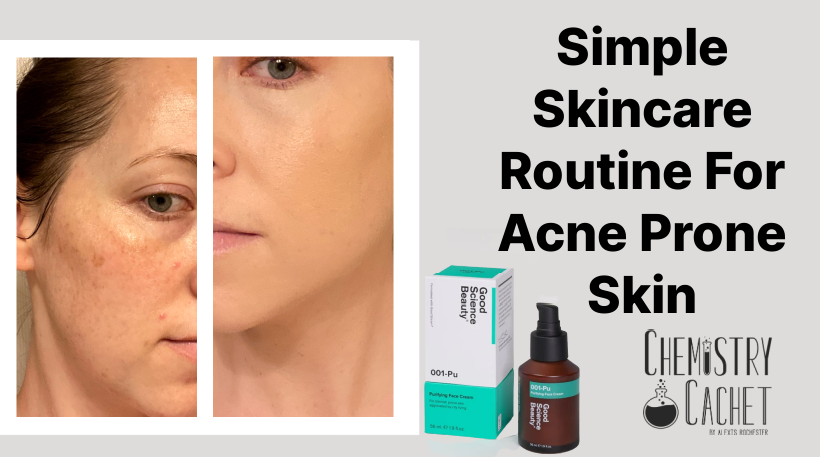
Establishing an effective daily skincare routine is crucial for individuals with acne-prone skin. A consistent approach not only helps in managing current breakouts but also aids in preventing future flare-ups. This guide Artikels a step-by-step routine tailored specifically for those dealing with acne, emphasizing the importance of each step and how to adapt based on skin reactions.
Step-by-Step Skincare Routine
A proper skincare routine for acne-prone skin typically involves several key steps. These steps work synergistically to cleanse, treat, and nourish the skin, promoting a clearer complexion. Below is a detailed Artikel of each step:
- Gentle Cleansing: Start your routine with a mild, non-comedogenic cleanser designed for acne-prone skin. Look for products containing salicylic acid or glycolic acid, which help to remove excess oil and prevent clogged pores. Use lukewarm water to avoid irritations.
- Toning: Use an alcohol-free toner post-cleansing to balance the skin’s pH levels and remove any residual impurities. Toners with witch hazel or tea tree oil can be beneficial for their antibacterial properties.
- Treatment: Apply targeted treatments containing ingredients like benzoyl peroxide or retinoids. These actives help to treat existing acne and reduce inflammation. Be cautious about the concentration and start with lower percentages to assess your skin’s tolerance.
- Moisturizing: Even acne-prone skin requires hydration. Opt for lightweight, oil-free moisturizers that won’t clog pores. Ingredients such as hyaluronic acid can hydrate without adding excess oil.
- Sun Protection: In the morning, finish your routine with a broad-spectrum sunscreen of SPF 30 or higher. This protects your skin from UV damage, which can exacerbate acne and cause hyperpigmentation.
Consistency is key in any skincare regimen, particularly for acne-prone skin. It’s important to follow this routine daily, both morning and night, to see significant results. However, pay close attention to your skin’s reactions. If you notice increased irritation or dryness, adjust your routine accordingly, perhaps by reducing the frequency of active treatments or switching to gentler products.
Incorporating exfoliation can further enhance your routine, but it’s essential to do so wisely. Opt for chemical exfoliants like AHA or BHA, which can gently slough away dead skin cells without causing physical irritation. Aim to exfoliate 1-2 times a week, depending on your skin’s tolerance.
Hydration is equally vital. Look for non-comedogenic hydrating products that contain soothing ingredients like aloe vera or chamomile. This can help maintain the skin barrier while preventing dryness that often results from acne treatments.
“Balancing exfoliation and hydration is crucial in maintaining healthy skin without aggravating acne.”
By following this structured routine and being mindful of your skin’s needs, you can foster a clearer, healthier complexion.
Myths and Misconceptions About Acne Treatments
Many individuals battling acne often encounter a plethora of information, some of which can be misleading or outright false. Understanding the myths surrounding acne treatments is essential for effective management. By debunking common misconceptions, you can make better-informed choices about your skincare routine and treatment options.
Misinformation can lead to ineffective treatments and prolonged skin issues, highlighting the necessity of relying on scientifically backed information. When selecting an acne treatment, distinguishing between myth and fact is crucial for achieving clear skin. Let’s explore common myths that may hinder your progress.
Common Myths Surrounding Acne Treatments
The following points address prevalent myths about acne treatments, clarifying what is true and what is not:
- Myth 1: Acne is caused by poor hygiene. Many believe that not washing the face enough leads to acne. In reality, acne is primarily caused by hormonal changes, genetics, and skin cell turnover. Over-washing can actually irritate the skin and worsen breakouts.
- Myth 2: Eating chocolate and greasy foods causes acne. While a healthy diet supports overall skin health, studies have shown that certain foods have minimal direct impact on acne. It’s important to focus on a well-balanced diet rich in nutrients rather than eliminating favorite foods without evidence.
- Myth 3: Sun exposure can clear up acne. While some may notice temporary improvement from sun exposure, UV rays can damage skin and lead to more breakouts over time. Additionally, many acne medications increase skin sensitivity to the sun, making protection essential.
Understanding these myths helps in choosing the correct treatment and avoids wasting time on ineffective methods.
Ignorance of factual information can lead to prolonged acne issues and ineffective treatments. Misinformation often results in selecting the wrong products, which can exacerbate skin problems instead of alleviating them. Therefore, always seek guidance from qualified dermatologists or credible sources when considering acne treatments, ensuring that your skincare journey is based on knowledge rather than hearsay.
The Impact of Diet and Nutrition on Acne
Diet and nutrition play a crucial role in skin health, specifically regarding acne development. While various factors contribute to acne, including genetics and hormones, emerging research suggests that what we eat can significantly influence the severity and frequency of breakouts. Understanding the relationship between diet and acne can empower individuals to make informed choices that may improve their skin condition.
Certain dietary habits and foods may exacerbate acne by increasing inflammation or stimulating oil production in the skin. A diet high in refined sugars and dairy products has been linked to acne flare-ups. Consuming foods with a high glycemic index, like sugary snacks and white bread, can lead to insulin spikes. These spikes can enhance sebum production and promote the growth of acne-causing bacteria. Moreover, studies show that individuals who consume large amounts of dairy, particularly skim milk, may experience more acne due to the hormones present in milk that can affect oil production.
When it comes to improving skin health, certain foods can be beneficial. Incorporating anti-inflammatory and nutrient-rich foods into the diet may help reduce acne. Here are some examples of foods that can improve or worsen acne:
Foods That May Improve Acne and Those That May Worsen It
Eating a balanced diet rich in vitamins, minerals, and healthy fats can support skin health. The following foods are known for their beneficial effects on acne:
- Fruits and Vegetables: Rich in antioxidants, vitamins C and E, and other essential nutrients, these can help combat inflammation and promote skin healing. Examples include berries, spinach, and sweet potatoes.
- Fatty Fish: Omega-3 fatty acids found in salmon and mackerel can reduce inflammation, which is beneficial for acne-prone skin.
- Nuts and Seeds: Sources of healthy fats and vitamins, almonds and flaxseeds can help manage inflammation and support skin health.
- Whole Grains: Foods like quinoa and brown rice have a lower glycemic index and can help regulate insulin levels.
Conversely, certain foods may trigger or worsen acne symptoms. It’s important to limit or avoid:
- High-sugar Foods: Candies, pastries, and sugary beverages can lead to insulin spikes and increased acne breakouts.
- Dairy Products: As mentioned, skim milk and other dairy items may exacerbate acne due to their hormonal content.
- Processed Foods: Chips, fast food, and other highly processed snacks can contribute to inflammation in the body.
- Refined Carbohydrates: White bread, pasta, and other high glycemic index foods may promote acne flare-ups.
“Diet can significantly impact skin health, and making mindful food choices can lead to clearer skin.”
In conclusion, understanding the impact of diet and nutrition on acne can empower individuals to make choices that support both their skin health and overall well-being. By opting for nutrient-rich, anti-inflammatory foods and minimizing triggers, one can embark on a journey towards healthier skin.
Stress Management Techniques for Acne Control
Managing stress is a vital component in maintaining healthy skin, particularly for those with acne-prone conditions. When the body undergoes stress, it produces higher levels of cortisol, a hormone linked to increased oil production in the skin, which can lead to breakouts. Numerous studies, including one published in the *Journal of Investigative Dermatology*, have shown a clear connection between psychological stress and acne flare-ups. Personal anecdotes from acne sufferers often reveal that periods of high stress—such as exams or significant life changes—correlate with worsening skin conditions. Understanding this connection is key to developing effective management strategies.
To effectively manage stress and minimize its impact on acne, incorporating practical techniques into daily routines can be immensely beneficial. These strategies not only promote relaxation but also contribute to overall skin health. Below are several stress management techniques tailored for individuals with acne-prone skin.
Practical Stress Management Techniques
Incorporating specific stress management techniques can significantly improve both mental well-being and skin appearance. Here are some effective methods:
- Mindfulness Meditation: Practicing mindfulness helps to ground individuals, allowing them to focus on the present moment and reduce anxiety. Regular meditation sessions can lead to lower cortisol levels.
- Physical Activity: Engaging in regular exercise releases endorphins, which act as natural stress relievers. Activities like yoga can also improve flexibility and promote relaxation.
- Breathing Exercises: Simple techniques, such as deep breathing or diaphragmatic breathing, can quickly alleviate stress and calm the mind.
- Journaling: Writing about thoughts and feelings can provide an emotional outlet, helping to process stressors and reduce anxiety.
- Aromatherapy: Essential oils like lavender and chamomile can help soothe stress when used in diffusers or added to bathwater.
- Social Support: Sharing experiences with friends or joining support groups can foster a sense of community, alleviating feelings of isolation that can accompany stress and acne.
Incorporating mindfulness and relaxation practices into daily life is not just about stress reduction; it’s also about creating a nurturing environment for the skin. The practice of mindfulness encourages a deeper connection with one’s body, promoting self-acceptance and reducing the negative self-talk often associated with acne. Simple activities such as taking a moment to breathe deeply or appreciating small moments of joy can enhance emotional resilience, leading to better skin outcomes.
“Stress management is not just about reducing anxiety; it’s about creating a holistic approach to well-being that encompasses both mind and body.”
Professional Treatments for Persistent Acne Issues
Acne can be a frustrating condition to deal with, especially when it becomes persistent and resistant to over-the-counter treatments. Fortunately, there are several professional treatments available that can help address stubborn acne effectively. Consulting with a dermatologist is crucial as they can guide you to the most appropriate treatment based on your skin type and the severity of your acne.
Chemical Peels
Chemical peels involve the application of a chemical solution to the skin, which helps to exfoliate and remove dead skin cells, promoting new skin growth. This treatment is particularly beneficial for individuals with moderate to severe acne, as it can reduce inflammation and unclog pores.
Chemical peels can be categorized into three types: superficial, medium, and deep. Superficial peels, which use mild acids, are ideal for those with sensitive skin or mild acne, while deep peels are more suitable for severe cases but may require longer recovery times.
Laser Therapy
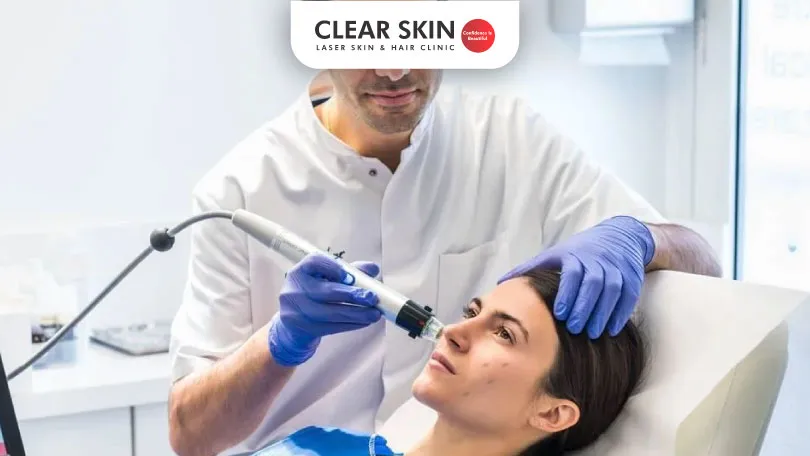
Laser therapy employs focused light to target acne lesions and reduce bacteria on the skin’s surface. This treatment can be effective for various skin types and is especially beneficial for scarring that results from severe acne. There are different types of lasers used, including pulsed dye lasers and blue light therapy, each catering to different acne types and skin sensitivities.
Patients often experience fewer side effects and quicker recovery times compared to more invasive treatments. For instance, blue light therapy has shown promising results in reducing acne in individuals with oily skin by targeting the root cause of the bacteria.
Prescription Medications
Prescription medications, including topical retinoids, antibiotics, and oral medications like isotretinoin, offer another layer of treatment for persistent acne. Topical retinoids help to prevent clogged pores, while antibiotics reduce inflammation and bacteria on the skin. Isotretinoin is often considered for severe, cystic acne that doesn’t respond to other treatments.
It’s important to recognize that the effectiveness of these treatments can vary based on individual factors, such as skin type, acne severity, and underlying hormonal issues. For example, individuals with oily skin may find that laser treatments are particularly effective, while those with dry skin might benefit more from chemical peels.
Ultimately, consulting with a dermatologist is essential before starting any of these professional treatments. They can conduct a thorough assessment and recommend a personalized treatment plan tailored to your specific needs. A structured approach not only maximizes the effectiveness of the treatment but also minimizes potential side effects, ensuring that you achieve clearer skin safely and effectively.
The Psychological Effects of Living with Acne
Living with acne can have profound psychological effects on individuals, often leading to a range of emotional challenges. For many, acne isn’t just a physical condition; it’s a source of embarrassment and anxiety that impacts self-esteem and overall mental well-being. The constant struggle with breakouts can result in feelings of inadequacy, especially during formative years, when peer acceptance is crucial. As a result, individuals may find themselves withdrawing from social activities or feeling self-conscious in public situations.
The emotional toll of acne can manifest in various ways, including heightened levels of anxiety and depression. Studies have shown that individuals suffering from acne are more likely to experience mental health issues compared to those with clear skin. The visibility of acne can trigger negative self-perception, leading to a cycle of avoidance and social isolation. In some cases, individuals may develop body dysmorphic disorder, where they obsess over perceived flaws, which can further deteriorate their mental health.
Mental Health Support for Acne Sufferers
The importance of mental health support for those grappling with acne cannot be overstated. Building a strong support network is vital for managing emotional challenges. Friends, family, or support groups can provide empathy and understanding, which is crucial for fostering a positive self-image. Engaging with mental health professionals can also be beneficial, as they can offer tailored strategies to confront feelings of anxiety or depression associated with acne.
Here are some resources and strategies to help navigate the emotional landscape of living with acne:
- Therapy and Counseling: Seeking professional help from a therapist or counselor who specializes in body image issues can be immensely helpful. They can provide coping strategies and a safe space to express feelings.
- Support Groups: Joining support groups, either in person or online, allows individuals to connect with others facing similar challenges, fostering a sense of community and understanding.
- Mindfulness and Relaxation Techniques: Practices such as yoga, meditation, or deep-breathing exercises can reduce anxiety and promote a more positive mindset.
- Education and Awareness: Learning about acne and understanding it as a common condition can help mitigate feelings of isolation and shame. Resources from dermatology associations can provide valuable information.
“Acne can affect more than just the skin; it can deeply impact one’s mental health, social life, and overall happiness.”
Final Thoughts
In conclusion, the journey to managing acne is not solely about the products you use but also about understanding your skin and the factors that affect it. By integrating effective skincare routines, making informed dietary choices, and managing stress, individuals can foster an environment conducive to skin health. Remember, every step taken towards understanding and treating acne is a step towards regaining confidence and improving overall well-being.
Top FAQs
What causes acne?
Acne can be caused by a combination of hormonal changes, genetics, and environmental factors that lead to clogged pores and inflammation.
Can diet affect acne?
Yes, certain foods, especially those high in sugar and dairy, can exacerbate acne, while others may help improve skin health.
Is it necessary to see a dermatologist for acne?
Consulting a dermatologist is recommended for persistent acne, as they can provide tailored treatment options and professional guidance.
How long does it take to see improvement in acne?
Improvements can typically be seen within a few weeks, but it may take longer depending on the severity of acne and the effectiveness of the treatment used.
Are natural remedies effective for treating acne?
Some natural remedies may help reduce acne, but their effectiveness can vary, and it’s important to consider medical advice for severe cases.