
 Penelope Hailey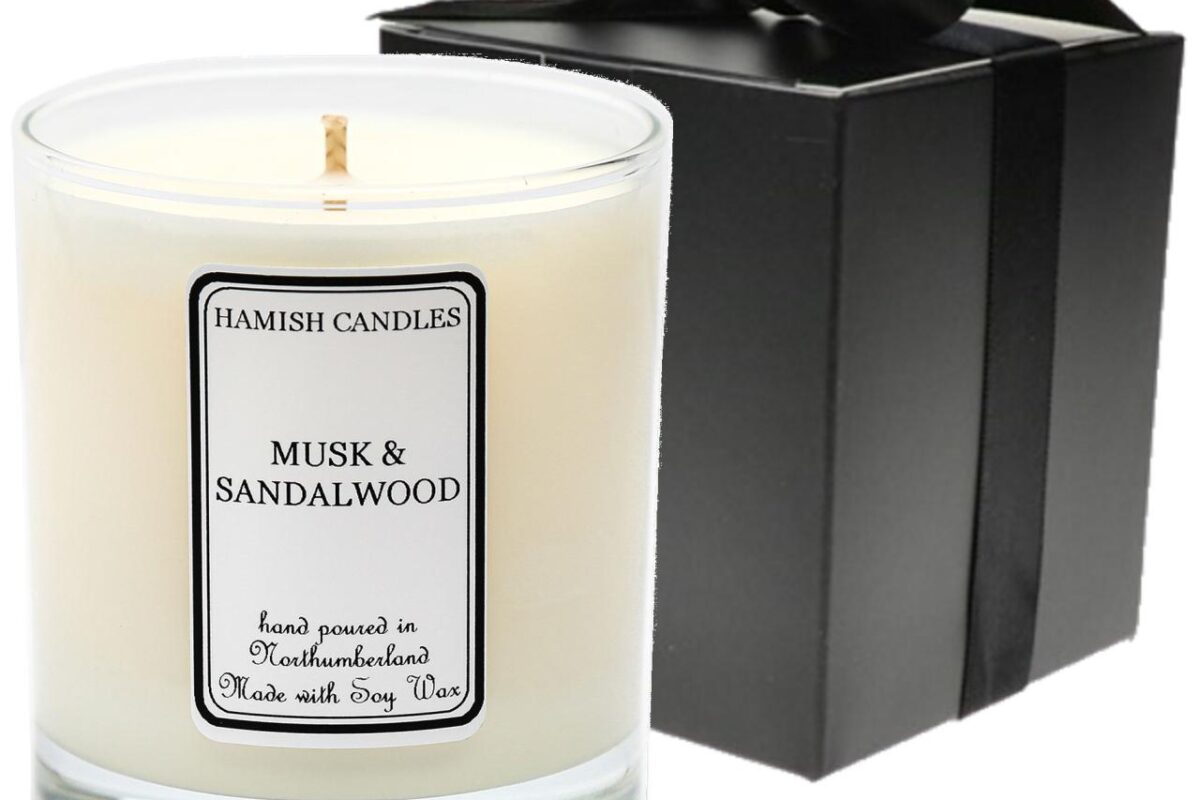
Sandalwood and musk fragrance invites us into a world rich with history, culture, and sensory delight. These two scents have transcended time and geography, playing a significant role in rituals and personal adornment across various civilizations. From ancient temples to modern-day perfumeries, sandalwood and musk continue to evoke emotions and memories, reminding us of their lasting significance.
The unique chemistry of these fragrances is fascinating, as it not only defines their distinctive aromas but also affects how they interact with individual skin chemistry, leading to personalized scent experiences. As we explore the role of sandalwood and musk in aromatherapy, fragrance blending, and sustainability, we uncover the depth of their impact on our lives and the environment.
The Historical Significance of Sandalwood and Musk Fragrance
Sandalwood and musk have been cherished for centuries, deeply woven into the cultural and spiritual fabric of numerous civilizations. These luxurious scents have not only served as personal fragrances but have also played pivotal roles in rituals, religious ceremonies, and social customs. Their historical significance transcends geographical boundaries, highlighting their widespread appeal and importance.
The historical use of sandalwood and musk can be traced back to ancient times, where they were highly valued for their aromatic properties and their perceived ability to connect the physical world with the spiritual realm. In many cultures, these fragrances were integral to sacred rituals, serving as offerings or tools for purifying spaces and enhancing meditation. For instance, sandalwood was often burned during prayers in Hindu and Buddhist traditions, symbolizing devotion and tranquility.
Ancient Rituals and Ceremonies
The incorporation of sandalwood and musk into various rituals highlights their esteemed status in different societies. Here are some notable examples of how these fragrances were utilized:
- Hindu Traditions: In Hinduism, sandalwood’s calming aroma is utilized in temples and during religious ceremonies. It is often carved into sacred idols and used in the preparation of divine offerings.
- Buddhist Practices: Sandalwood is essential in Buddhist rituals, often used in the form of incense to promote mindfulness and meditation during ceremonies.
- Ancient Egyptian Rituals: Musk has been found in ancient Egyptian tombs, used in embalming processes and as a luxurious perfume for the elite, believed to facilitate the journey to the afterlife.
- Islamic Practices: In Islamic culture, both sandalwood and musk are used in religious practices, particularly during the five daily prayers, enhancing the spiritual experience and creating a serene atmosphere.
Notable historical figures have also expressed their affinity for these fragrances, often associating them with power, luxury, and spiritual significance. For instance, Cleopatra was known to have used musk to perfume her surroundings, enhancing her allure and reinforcing her status as a powerful leader. In the East, emperors of ancient Chinese dynasties valued sandalwood for its fragrance, using it in palace ceremonies and personal adornments to symbolize wealth and refinement.
“Sandalwood is the essence of life; it invites peace and harmony into our chaotic world.”
These examples illustrate that the historical significance of sandalwood and musk extends beyond mere fragrance; they serve as cultural symbols, embodying values and beliefs that resonate through time.
The Chemistry Behind Sandalwood and Musk Scents
The enchanting aromas of sandalwood and musk have captivated the senses for centuries, leading to their prominent roles in perfumery and personal fragrances. Understanding the chemistry behind these scents unveils the complexity and beauty of their unique profiles, as well as how they interact with human skin to create personalized experiences.
The distinctive fragrances of sandalwood and musk arise from specific chemical compounds that contribute to their aromas. Sandalwood primarily contains a compound called santalol, which is responsible for its creamy, woody scent. Santalol has multiple isomers, each contributing to the overall fragrance profile. Additionally, sandalwood oil contains other compounds such as α-santalol and β-santalol, which enhance its warm, smooth characteristics. On the other hand, musk originally derived from the musk deer, contains muscone, a compound that imparts a rich, animalistic scent. Synthetic musks, widely used today, such as galaxolide and ambrettolide, replicate the warm and sweet aspects of the original musk scent while ensuring sustainability.
Extraction and Refinement Processes
The extraction and refinement of sandalwood and musk fragrances involve intricate methods that ensure the preservation of their aromatic properties.
For sandalwood, steam distillation is the most common extraction method. The heartwood of the sandalwood tree is harvested and subjected to steam, allowing the essential oils to evaporate with the steam, which is then condensed back into liquid form. This process effectively separates the aromatic compounds from the wood, resulting in high-quality sandalwood oil.
In contrast, traditional musk extraction from musk deer is now largely replaced by synthetic processes due to ethical and conservation concerns. The synthetic musks, produced through chemical reactions, mimic the natural compounds found in musk. This approach ensures a consistent supply and avoids the ethical implications of animal-derived products.
After extraction, both sandalwood and musk oils undergo refinement processes, including filtration and fractional distillation. These steps help to remove impurities and concentrate the desired aromatic compounds, enhancing the overall fragrance quality.
Interaction with Human Skin Chemistry
The interaction between sandalwood, musk, and human skin chemistry creates unique and personalized aroma experiences that vary from person to person.
Human skin is home to a complex microbiome and a variety of natural oils that can influence how fragrances develop once applied. When sandalwood or musk scents come into contact with skin, the body’s natural oils and pH levels interact with the fragrance molecules. This interaction can amplify certain notes or create entirely new ones, contributing to a scent that is uniquely tailored to the individual.
For instance, sandalwood’s creamy and woody santalol may become more pronounced on skin with higher oil content, while musk scents may take on sweeter or earthy tones depending on an individual’s skin chemistry.
It is also noteworthy that external factors, such as diet, health, and hormonal changes, can further affect how these fragrances are perceived. This dynamic nature of scent interaction is why the same fragrance can smell differently on different people, making the experience of sandalwood and musk even more personal and intimate.
The Role of Sandalwood and Musk in Aromatherapy
Sandalwood and musk have been treasured for centuries not just for their fragrances, but also for their therapeutic properties in aromatherapy. These scents are integral to creating a calming environment and enhancing emotional well-being. Their deep, rich aromas can transform spaces and uplift spirits, making them popular choices for those seeking relaxation and clarity in their daily routines.
Sandalwood, derived from the heartwood of the Santalum tree, is revered for its grounding and soothing effects. Its scent promotes mental clarity and emotional balance. Musk, often derived from the glands of the musk deer or synthetically produced, is known for its warm, sensual aroma that enhances feelings of comfort and security. Both of these fragrances play significant roles in managing stress, anxiety, and mood elevation, contributing to a holistic sense of well-being.
Utilization of Sandalwood and Musk in Aromatherapy Practices
The incorporation of sandalwood and musk into aromatherapy can be achieved through various methods that enhance their beneficial properties. Understanding how to effectively utilize these scents can elevate one’s wellness routine.
- Essential Oils: Sandalwood and musk essential oils can be diffused in a room to create a tranquil atmosphere. Using an essential oil diffuser, one can enjoy the calming properties while promoting relaxation and reducing anxiety.
- Massage Therapy: Blending sandalwood or musk oil with a carrier oil for massage can enhance relaxation. This practice not only relieves tension in the muscles but also allows the calming scent to permeate the air, further promoting emotional balance.
- Bath Soaks: Adding sandalwood or musk oils to bath water can create a rejuvenating experience. The warm water combined with the soothing aroma helps in stress relief and provides a serene environment for reflection.
- Aromatherapy Candles: Candles infused with sandalwood and musk can create a soothing ambiance. Lighting these candles during meditation or relaxation times allows individuals to immerse themselves in the fragrances, enhancing their meditative experience.
- Inhalation: Simply inhaling the scent of sandalwood or musk from a cotton ball or in an oil burner can have immediate effects on mood enhancement and stress relief, aiding in mental clarity and focus.
“The calming and grounding properties of sandalwood and musk make them essential tools in the quest for emotional balance and stress relief.”
Incorporating sandalwood and musk into daily wellness routines not only elevates the sensory experience but also promotes a deeper connection to self-care practices. By utilizing these fragrances mindfully, individuals can create a holistic approach to their emotional and mental well-being. The rich historical significance of these scents in various cultures further underscores their importance in aromatherapy today.
The Art of Blending Sandalwood and Musk with Other Fragrances
Crafting unique fragrance blends is an art form that allows individuals to express their personal style and preferences. Sandalwood and musk serve as versatile bases for a variety of delightful combinations. Their rich, warm, and earthy notes invite countless possibilities for experimentation. Understanding the nuances of these fragrances, along with complementary scents, can help you create captivating blends that resonate with your senses.
Blending sandalwood and musk requires an appreciation of their profiles and the aromas they can enhance. Sandalwood, with its creamy and woody scent, serves as a grounding agent in many fragrances, while musk adds warmth and sensuality. Together, they create a lush foundation for layering additional notes. When combining fragrances, it’s essential to consider balance, ensuring that no single aroma overpowers the others.
Complementary Scents for Blending
Selecting the right complementary scents can elevate your sandalwood and musk blend. The following categories of fragrances harmonize beautifully with these base notes:
1. Citrus Scents: Notes like bergamot, lemon, and orange provide a bright and refreshing contrast to the richness of sandalwood and musk. Their zesty characteristics can lighten the overall scent profile.
– Example: A blend of sandalwood, musk, and bergamot creates a refreshing yet warm fragrance, perfect for daytime wear.
2. Floral Notes: Fragrances such as jasmine, rose, and ylang-ylang can introduce a soft, romantic aspect to your blend. The sweetness of florals balances well with the earthiness of sandalwood and the warmth of musk.
– Example: A combination of sandalwood, musk, and jasmine results in an enchanting, sensual aroma, ideal for evening occasions.
3. Spicy Elements: Scents like cinnamon, clove, and cardamom can add depth and warmth to your blend, enhancing the exotic essence of sandalwood and musk.
– Example: Blending sandalwood, musk, and cinnamon creates a warm, cozy fragrance, perfect for colder months.
4. Woody Aromas: Additional wood notes, such as cedarwood and vetiver, complement sandalwood’s inherent earthiness and amplify the depth of the overall fragrance.
– Example: A blend of sandalwood, musk, and cedarwood provides a robust and sophisticated scent, suitable for formal settings.
5. Resins and Balsams: Notes like frankincense and myrrh can create a mystical and spiritual quality in your fragrance blend, enriching the complexity of sandalwood and musk.
– Example: A combination of sandalwood, musk, and frankincense results in a deep, meditative aroma, perfect for moments of reflection.
Guide for Scent Blending at Home
Creating your own fragrance blends can be both fun and rewarding. Here’s a simple guide to help you experiment with sandalwood and musk at home:
1. Start with Base Notes: Begin by selecting sandalwood and musk as your foundation. Use essential oils or fragrance oils, depending on what you have access to.
2. Choose Complementary Scents: Pick one or two complementary scents from the categories mentioned above. Consider the balance of the aromas you want to achieve.
3. Use a Dropper: When mixing, use a dropper to measure your oils. Start with a base ratio of 3 drops of sandalwood, 2 drops of musk, and 1 drop of your chosen complementary scent. Adjust based on your preferences.
4. Blend and Test: Mix the oils in a small glass container and allow them to sit for a few hours. This resting period lets the scents meld together. Test the blend on your skin to see how it develops.
5. Adjust as Needed: If the blend is too strong or faint, tweak the ratios until you find the perfect combination. Remember, you can always add more but can’t take away once it’s mixed.
6. Label and Store: Once satisfied, label your blend with the date and ingredients, then store it in a cool, dark place to preserve the fragrance.
Experimentation is key when it comes to fragrance blending. Keep track of your creations, and don’t hesitate to play around with different combinations. By embracing the art of blending sandalwood and musk with other fragrances, you can craft signature scents that are uniquely yours.
The Environmental Impact of Sandalwood and Musk Sourcing
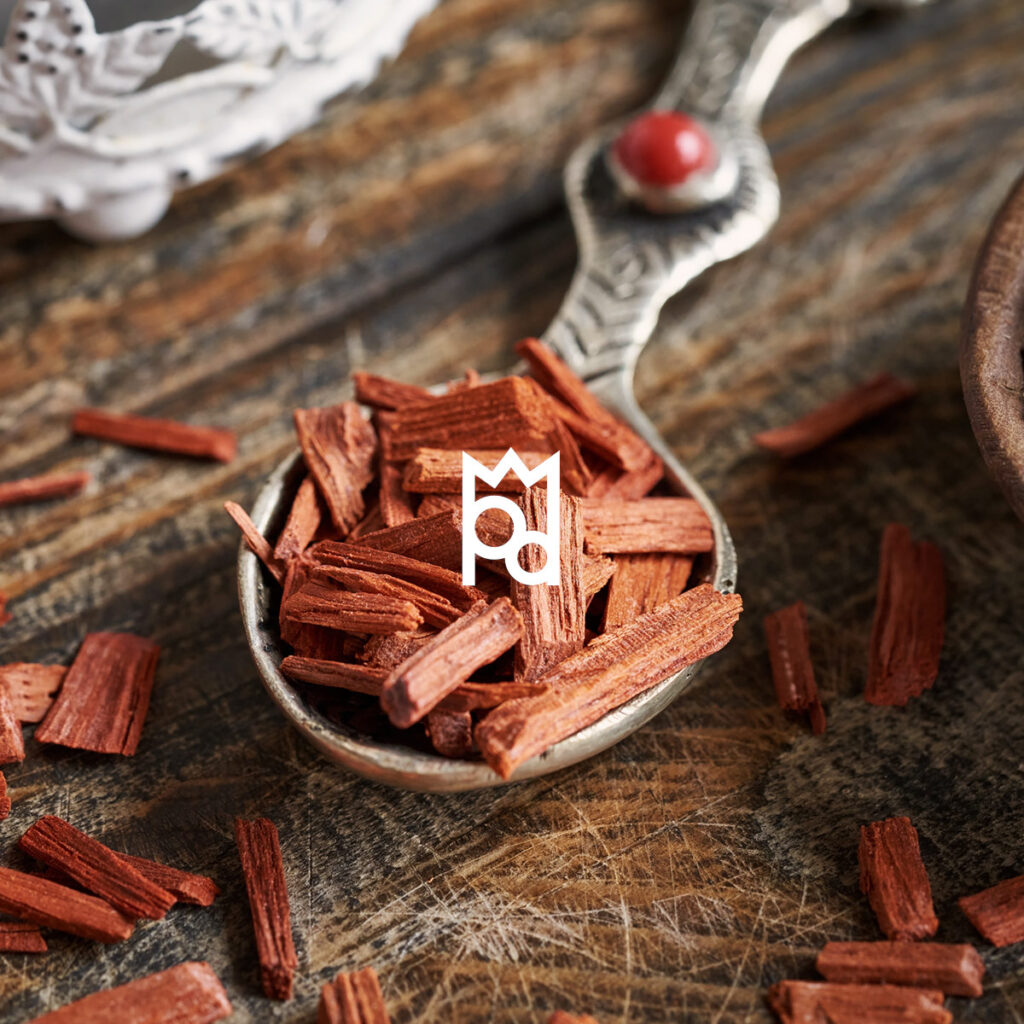
The sourcing of sandalwood and musk raises significant environmental concerns due to the ecological impact of their production. Understanding these challenges is essential for both consumers and producers in fostering a more sustainable fragrance industry.
The production of sandalwood and musk often entails unsustainable harvesting practices that threaten both the species involved and their natural habitats. Sandalwood trees, particularly Santalum album, have been overharvested in many regions, leading to drastic declines in their populations. In addition, the collection of musk from the musk deer has led to serious declines in their populations as well, due to poaching and habitat loss. Both of these practices contribute to biodiversity loss and the disruption of ecosystems where these species thrive.
Sustainability Challenges in Production
The sustainability challenges associated with sandalwood and musk production can be extensive and multifaceted. Factors contributing to these challenges include:
- Overharvesting: As demand for sandalwood and musk increases, the risk of overharvesting these resources also rises, leading to population declines.
- Habitat Destruction: The processes involved in harvesting these materials often result in the destruction of habitats for various species, further endangering ecosystems.
- Illegal Trade: The black market for sandalwood and musk products exacerbates the sustainability issues, as it encourages illegal logging and poaching of endangered species.
- Climate Change Impact: Changing climate conditions can affect the growth rates and distribution of sandalwood trees and musk deer, posing additional threats to their populations.
Eco-Friendly Alternatives and Practices
In response to the sustainability challenges posed by traditional sandalwood and musk sourcing, the fragrance industry is exploring eco-friendly alternatives and practices. Some notable options include:
- Plant-Based Alternatives: Fragrance manufacturers are increasingly turning to synthetic or plant-based substitutes for musk and sandalwood, reducing reliance on endangered species.
- Sustainable Sourcing: Some companies actively engage in sustainable harvesting practices, ensuring that sandalwood is sourced from responsibly managed forests.
- Eco-certifications: Certifications such as Fair Trade and Rainforest Alliance help consumers identify products produced with sustainability in mind.
- Reforestation Efforts: Initiatives aimed at reforesting sandalwood can help restore depleted populations and their ecosystems.
Responsible Consumer Choices
Consumers play a crucial role in the sustainability of sandalwood and musk sourcing. Making informed and responsible choices can significantly impact the market demand for these resources. Here are some insights on how consumers can contribute:
- Research Brands: Seek out brands that prioritize sustainable and ethical sourcing practices, and support those that are transparent about their supply chains.
- Choose Alternatives: Consider opting for fragrances that use synthetic or responsibly sourced ingredients instead of traditional sandalwood and musk.
- Support Conservation Initiatives: Look for products that contribute to reforestation or conservation efforts, enhancing the overall sustainability of the fragrance industry.
- Educate Others: Sharing knowledge about the impacts of sandalwood and musk sourcing can help raise awareness and encourage more consumers to make responsible choices.
The Influence of Sandalwood and Musk in Modern Perfumery
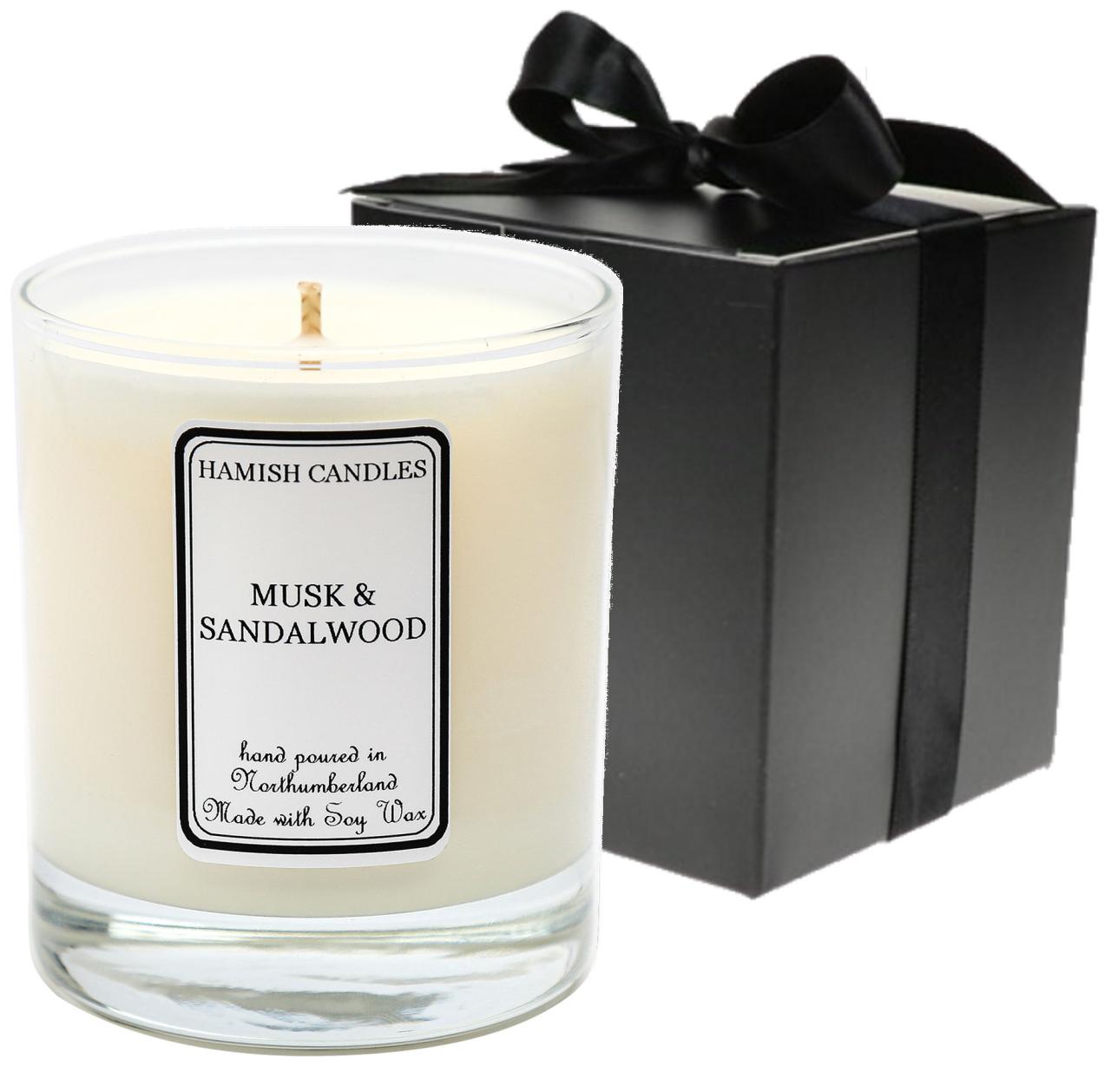
Sandalwood and musk have long been mainstays in the world of perfumery, celebrated for their deep, rich, and evocative scents. In contemporary fragrance creation, these ingredients are not merely supplementary; they are integral to the olfactory narrative that modern perfumers seek to craft. Their versatility allows them to blend harmoniously with a variety of notes, making them essential in both niche and mainstream fragrances.
One of the notable trends in modern perfumery is the innovative use of sandalwood and musk, which is evolving with consumer preferences towards sustainability and unique scent profiles. Perfumers are increasingly looking to create compositions that stand out while being mindful of environmental impacts. The resurgence of interest in natural ingredients has led to an appreciation for the authentic qualities of sandalwood and musk, pushing artisans to explore these scents in new and exciting ways.
Contemporary Applications of Sandalwood and Musk
Sandalwood and musk are employed in diverse ways in modern fragrances, serving various purposes that enhance the overall olfactory experience.
- Base Notes: Both sandalwood and musk are often used as base notes, providing depth and longevity to fragrances. Their rich, creamy textures help anchor lighter top notes, ensuring a balanced and enduring scent.
- Layering: Perfumers frequently layer sandalwood and musk with fruity, floral, and spicy notes to create complex compositions. This technique allows for the creation of unique fragrances that appeal to a broad audience.
- Natural and Synthetic Blends: The blending of natural sandalwood and synthetic musk is becoming a common practice, allowing for more accessible price points while still delivering high-quality scents. This trend is particularly evident in luxury fragrances.
- Unisex Fragrances: Musky and woody scents appeal to both men and women, contributing to the rise of unisex fragrances. This trend reflects changing societal norms around gender and scent preferences.
The current landscape of fragrance development is also influenced by an increasing focus on sustainability. Many brands are seeking ethically sourced sandalwood, exploring alternatives such as sustainable sandalwood oil, which helps to protect endangered species and promotes responsible harvesting. Furthermore, synthetic musks are being refined to mimic the qualities of natural musk while addressing ethical concerns associated with animal-derived products.
“Sandalwood and musk represent not just scents, but a bridge to the future of perfumery, where tradition and innovation coexist.”
Looking ahead, the potential for sandalwood and musk in fragrance development seems promising. As consumers continue to gravitate towards personalized and unique scents, the demand for innovative combinations of these classic elements will likely rise. Emerging trends such as the incorporation of technology in scent creation, personalized fragrance experiences, and the increasing importance of clean and sustainable practices will all shape how sandalwood and musk are utilized.
In conclusion, sandalwood and musk are not relics of the past but dynamic components of modern perfumery that are being redefined through creativity and innovation. The future of these beloved scents will be characterized by a balance of tradition and modernity, appealing to both new and veteran fragrance enthusiasts alike.
Exploring Personal Preferences for Sandalwood and Musk Fragrance
Understanding personal preferences for sandalwood and musk fragrances involves delving into several factors that shape individuals’ scent choices. These elements range from personal experiences to cultural influences, all of which contribute to the unique relationship one has with these captivating scents. By recognizing what resonates with them, individuals can identify fragrances that align with their personal style.
Scent preferences are deeply personal and are often influenced by a combination of factors including individual personality, emotional responses, and environmental associations. Personal experiences such as memories linked to specific scents can significantly impact one’s attraction to sandalwood and musk. Cultural background plays a crucial role, as different cultures have varying associations and traditions surrounding these fragrances. For instance, in some cultures, sandalwood is revered for its calming properties and is often used in religious ceremonies, while musk may be associated with sensuality and allure.
Factors Influencing Personal Preferences
Several key factors can influence how individuals perceive and choose sandalwood and musk fragrances. Recognizing these factors can help in selecting a scent that truly resonates.
- Emotional Associations: Scents often evoke memories and feelings. A person might prefer a particular fragrance because it reminds them of a loved one or a cherished moment.
- Cultural Significance: Cultural heritage shapes scent preferences, where certain fragrances may be favored due to their historical or spiritual importance.
- Personality Traits: Introverted individuals may gravitate towards softer sandalwood notes, while extroverted personalities might enjoy more potent musk fragrances.
- Environmental Influences: The surroundings in which one grew up can shape preferences; for instance, a person raised in a region abundant with sandalwood might have a natural affinity for its scent.
Finding the Perfect Sandalwood and Musk Fragrance
The journey to discovering the ideal sandalwood and musk fragrance that resonates with one’s personal style can be both enjoyable and rewarding. Here are some tips to consider during the selection process:
When seeking a fragrance, it’s essential to explore various options and consider how each scent interacts with your skin chemistry. Different body types and skin pH levels can alter fragrance notes, making the same scent smell distinct on different people.
- Sample Before Purchase: Always test fragrances on your skin rather than just smelling them from a bottle. Give it time to settle and evolve.
- Seek Recommendations: Consult knowledgeable staff at fragrance counters or explore online reviews for insights on specific sandalwood and musk blends that align with your preferences.
- Consider Seasonal Changes: Choose scents that complement the seasons. Lighter sandalwood and musk blends may be preferable in warmer months, while richer, deeper aromas may suit colder climates.
- Mix and Match: Don’t hesitate to layer fragrances. Combining sandalwood with other complementary notes like vanilla or amber can create a unique signature scent.
“The essence of a fragrance is not just in its notes, but in the memories and emotions it evokes.”
Ultimately, personal preferences for sandalwood and musk fragrances are shaped by a tapestry of experiences and cultural influences. Taking the time to explore and reflect on these aspects can elevate one’s fragrance journey into a deeply personal and meaningful experience.
Crafting DIY Sandalwood and Musk Scented Products
Creating your own scented products at home can be a rewarding experience, especially with the enchanting aromas of sandalwood and musk. These fragrances not only provide a sense of calm and relaxation but also make for delightful gifts or personal indulgences. Whether you are looking to light up your space with homemade candles or pamper your skin with fragrant scrubs and lotions, the following guide will walk you through the process step-by-step.
Crafting your own scented products allows for creativity and personalization, ensuring that you can adjust the scents to your preference. With the right ingredients and a few simple tools, you can easily recreate the warm, earthy notes of sandalwood combined with the deep, musky undertones. Here’s how you can get started.
DIY Sandalwood and Musk Scented Candles
Making scented candles at home is an enjoyable activity that can elevate your ambiance. Below is a simple recipe that guides you through creating your own sandalwood and musk scented candles.
1. Gather your materials: You will need:
– Soy wax or beeswax (approx. 1 pound)
– Candle wicks
– Candle containers (jars or tins)
– Sandalwood essential oil (10-15 drops)
– Musk fragrance oil (10-15 drops)
– Double boiler or a microwave-safe container
– Stirring utensil
2. Melt the wax:
– If using a double boiler, fill the bottom pot with water and heat on low. Place the wax in the top pot, allowing it to melt slowly.
– If using a microwave, place the wax in a microwave-safe container and heat in 30-second intervals until fully melted.
3. Add the fragrances:
– Once melted, remove from heat and let it cool slightly before adding the sandalwood and musk oils. Stir well to distribute the fragrances evenly.
4. Prepare the containers:
– Secure the candle wicks to the bottom of your containers using a bit of melted wax or a wick sticker.
5. Pour the wax:
– Carefully pour the wax mixture into the prepared containers, ensuring the wick stays centered.
6. Let the candles set:
– Allow the candles to cool and harden completely, which may take several hours.
7. Trim the wick:
– Once solidified, trim the wick to about 1/4 inch above the wax.
8. Enjoy your creation:
– Light your candle and enjoy the soothing aroma of sandalwood and musk filling your space.
DIY Sandalwood and Musk Body Scrubs and Lotions
Creating body scrubs and lotions infused with sandalwood and musk fragrances can provide both nourishment and relaxation for your skin. Below are some simple recipes.
Sandalwood and Musk Body Scrub:
– Ingredients:
– 1 cup brown sugar or sea salt
– 1/2 cup coconut oil
– 10 drops sandalwood essential oil
– 10 drops musk fragrance oil
– Instructions:
1. In a mixing bowl, combine the brown sugar or salt with coconut oil.
2. Add the sandalwood and musk oils, mixing thoroughly until well combined.
3. Store in an airtight jar and use in the shower for exfoliation.
Sandalwood and Musk Lotion:
– Ingredients:
– 1/2 cup shea butter
– 1/4 cup coconut oil
– 10 drops sandalwood essential oil
– 10 drops musk fragrance oil
– Instructions:
1. In a double boiler, melt shea butter and coconut oil together until liquid.
2. Remove from heat and allow to cool slightly before adding the essential oils.
3. Whip with a mixer until fluffy and creamy.
4. Transfer to a jar and apply liberally to skin as needed.
Safety Considerations and Best Practices
When crafting scented products at home, it is crucial to prioritize safety. Here are some best practices to ensure a safe and enjoyable experience:
– Use high-quality ingredients: Opt for pure essential oils and skin-safe fragrance oils to minimize irritation.
– Perform a patch test: Before applying any product to your skin, conduct a patch test by applying a small amount to your inner arm to check for any reactions.
– Ventilation: Ensure that your workspace is well-ventilated, especially when melting wax or mixing oils, to avoid inhalation of fumes.
– Proper measurements: Accurately measure your ingredients to maintain balance and effectiveness in scent and consistency.
– Storage: Keep all your materials and finished products stored safely out of reach of children and pets.
By following these guidelines, you can create your own DIY sandalwood and musk scented products that not only smell delightful but also enhance your self-care routines with safety in mind.
End of Discussion
In conclusion, sandalwood and musk fragrance serves as a bridge between the past and present, highlighting the timeless allure of these aromas. As we embrace their historical significance, their role in modern perfumery, and the art of blending, we also recognize the importance of sustainable practices in sourcing these beloved scents. Whether you’re creating a calming atmosphere at home or searching for your signature fragrance, let sandalwood and musk lead you on a fragrant journey of discovery.
Popular Questions
What are the primary uses of sandalwood and musk fragrances?
Sandalwood and musk fragrances are primarily used in perfumery, aromatherapy, and personal care products for their soothing and grounding properties.
Are sandalwood and musk safe for all skin types?
While generally safe, some individuals may experience allergies or sensitivities; it’s advisable to perform a patch test before use.
Can sandalwood and musk fragrances be worn together?
Yes, they blend beautifully, enhancing each other’s depth and complexity, making them popular choices for a rich, layered scent.
How can I make my sandalwood and musk fragrance last longer?
Applying fragrance to pulse points, layering with body lotion, and storing in a cool, dark place can help extend the scent’s longevity.
What are some eco-friendly alternatives to traditional sandalwood and musk?
Alternatives include synthetic musks and sustainably sourced sandalwood oils, which help reduce environmental impact while preserving the fragrance.