
 Penelope Hailey
Revitalizing scents have fascinated humanity for centuries, acting as key players in cultural rituals and personal well-being. These aromas not only evoke memories but have also been celebrated for their profound influence on our mental and physical states.
From ancient civilizations that revered specific scents in their ceremonies to modern-day practices that leverage aromatherapy for relaxation and rejuvenation, revitalizing scents hold a unique position in our lives. This exploration will take you through their rich history, the science behind their effects, and practical ways to incorporate them into your everyday routine.
Exploring the history and cultural significance of revitalizing scents in different societies
Throughout history, scents have held a significant place in various cultures, often associated with rejuvenation and revitalization. From ancient rituals to modern practices, the use of scents has transcended mere fragrance to become an integral part of cultural identity and healing traditions. Different societies have harnessed the power of nature’s aromas to enhance physical, emotional, and spiritual well-being, cultivating an enduring bond with the scents around them.
The role of scents in ancient rituals and ceremonies has been pivotal, with many cultures incorporating fragrant materials into their religious and healing practices. For example, the ancient Egyptians used incense in their temples to purify the air and promote a connection with the divine. Similarly, in Asia, scents like sandalwood and jasmine have been used in meditation rituals to enhance focus and clarity. Such practices underline the universal understanding of scents as tools for revitalization, reflecting a deep appreciation of their transformative power.
Specific scents linked to revitalization in various regions
Certain scents have been historically recognized for their rejuvenating properties, often linked to the local flora and traditional practices. The following are noteworthy examples from different regions:
- Lavender: Celebrated in European cultures, lavender is known for its calming effects. It has been used in aromatherapy to relieve stress and promote relaxation, making it a staple in revitalizing practices.
- Rose: In Middle Eastern traditions, rose is not only a symbol of beauty but also of rejuvenation. Its oil is often used in skincare and rituals aimed at refreshing the spirit.
- Peppermint: In North American and European folk medicine, peppermint has been valued for its invigorating scent, believed to enhance mental clarity and physical energy.
- Frankincense: Used in ancient Mediterranean cultures, this resin was integral to religious rituals. Its aroma is thought to elevate the spirit and is commonly associated with rejuvenation of mind and body.
- Eucalyptus: Indigenous Australian cultures have utilized eucalyptus for its invigorating scent, known to clear the mind and refresh the body, particularly in steam inhalation practices.
The significance of these scents extends beyond their pleasant aromas; they symbolize the connection between humans and nature, providing a sense of grounding and vitality. Each region’s unique combination of scents reflects its environmental resources and cultural identity, demonstrating the universal quest for revitalization through the power of smell.
Understanding the science behind how scents can rejuvenate the mind and body
Scents have a profound impact on our overall well-being, influencing both our mental health and physical vitality. The relationship between scent and health is rooted in the physiological responses that various aromas elicit, which can lead to rejuvenation and a sense of renewed energy. By delving into the science behind scents, we can better appreciate their contributions to enhancing our lives, particularly through aromatherapy.
Aromatherapy integrates the use of essential oils and scents to promote physical and emotional health. When we inhale specific aromas, they interact with the olfactory receptors in our nose, which send signals to the brain’s limbic system—the area responsible for emotions and memories. Different scents trigger unique responses, which can reduce stress, enhance mood, and even alleviate physical discomfort. For instance, lavender is known for its calming properties, often used to relieve anxiety and promote sleep, while citrus scents like orange and lemon can invigorate and uplift one’s mood.
Physiological effects of specific scents on mental health and physical well-being
Understanding how certain scents influence our body and mind reveals their potential therapeutic benefits. Research shows that scents can activate the brain’s reward centers, leading to the release of neurotransmitters such as serotonin and dopamine, which are crucial for regulating mood and emotional health. Some key scents and their effects include:
- Lavender: Known for its relaxing properties, lavender scent can decrease heart rate and blood pressure, promoting a sense of calm and reducing anxiety levels.
- Peppermint: This invigorating scent can enhance focus and concentration while also alleviating symptoms of headaches and fatigue.
- Citrus: Scents like lemon and orange are associated with increased energy levels and improved mood, making them ideal for combating feelings of lethargy.
- Eucalyptus: Often used for respiratory issues, eucalyptus can help clear the airways and boost energy, contributing to a feeling of invigoration.
The impact of these scents extends beyond mere perception, as studies highlight their ability to improve cognitive performance and emotional resilience. For example, a study published in the *International Journal of Neuroscience* found that participants exposed to peppermint scent performed better on tasks requiring sustained attention compared to those in a neutral scent environment.
“The connection between scent and mood is not just anecdotal; scientific evidence supports the powerful role of smells in enhancing our mental states.”
Aromatherapy harnesses these effects by utilizing essential oils through various methods, including inhalation and topical application. The benefits of aromatherapy are supported by multiple studies, indicating its efficacy in reducing stress, enhancing relaxation, and even improving sleep quality. For instance, a study conducted by the *Journal of Alternative and Complementary Medicine* demonstrated that participants who engaged in aromatherapy sessions reported significant reductions in anxiety and improvements in overall well-being.
As we explore the rejuvenating power of scents, it becomes clear that they are not merely pleasant experiences but rather potent tools for enhancing our mental and physical health. Integrating these aromas into daily routines can lead to a more balanced and vibrant lifestyle.
Identifying popular revitalizing scents and their unique characteristics
Revitalizing scents play a significant role in enhancing mood, improving focus, and promoting overall well-being. These fragrances are often derived from natural sources and have unique characteristics that make them particularly effective in stimulating the senses and uplifting spirits. Understanding these scents and their properties can greatly enhance daily wellness practices.
Several popular revitalizing scents are commonly utilized in aromatherapy, personal care products, and everyday life. Each scent is known for its distinct benefits and origins. Here are some of the most effective revitalizing scents along with descriptions of their characteristics:
List of Popular Revitalizing Scents
The following scents are recognized for their refreshing properties and are widely used in various wellness practices.
- Lavender: Known for its calming effects, lavender has a floral, herbaceous aroma. It is often used to reduce stress and promote relaxation.
- Peppermint: With its strong, cool scent, peppermint is invigorating and stimulating. It is beneficial for enhancing concentration and boosting energy levels.
- Citrus (e.g., Lemon, Orange): Citrus scents are bright and zesty, known to uplift mood and create a sense of freshness. They are often associated with clarity and positivity.
- Eucalyptus: This scent has a fresh, clean aroma that is refreshing and helps in clearing the mind. It is often used in respiratory therapies and to promote mental clarity.
- Tea Tree: Recognized for its medicinal properties, tea tree oil has a sharp, camphorous scent. It is often used in skincare for its purifying qualities.
- Bergamot: With a sweet, floral fragrance, bergamot is known for its uplifting and mood-enhancing properties. It is a common ingredient in aromatherapy blends.
The sources of these scents vary widely, with many being derived from plants, flowers, or fruits. Extraction methods differ based on the material and desired oil quality:
– Steam Distillation: This is the most common extraction method for essential oils, where steam is passed through plant material to separate the oil from the plant.
– Cold Pressing: Typically used for citrus fruits, this method involves pressing the peels to extract their oils without using heat.
– Solvent Extraction: This method is often used for delicate flowers that cannot withstand high heat. A solvent is used to dissolve the oils, which are then separated from the solvent.
These revitalizing scents have diverse applications in daily life. They are often incorporated into:
– Aromatherapy: Essential oils are diffused to create a calming or invigorating atmosphere, enhancing mood and focus.
– Personal Care Products: Scents are added to lotions, shampoos, and soaps to provide not just fragrance but also therapeutic benefits.
– Home Fragrance: Candles and room sprays featuring these scents can transform living spaces, making them more inviting and refreshing.
– Wellness Practices: Many use these scents in meditation and yoga to enhance the experience and promote deeper relaxation or focus.
Incorporating revitalizing scents into daily routines can lead to improved mental clarity, reduced anxiety, and enhanced overall well-being.
Creating a DIY guide for incorporating revitalizing scents into everyday routines
Incorporating revitalizing scents into daily routines can significantly enhance mood, productivity, and overall well-being. With a DIY approach, you can personalize these scents to suit your preferences and create an invigorating atmosphere at home or work. This guide will provide you with methods to blend essential oils, make homemade candles, and effectively use scents in various environments.
Essential Oil Blends Using Revitalizing Scents
Creating essential oil blends is a delightful way to experience the benefits of revitalizing scents. Here are some popular blends you can make at home that are both easy and effective:
- Citrus Fresh Blend: Combine 5 drops of lemon oil, 5 drops of orange oil, and 3 drops of lime oil. This blend is uplifting and energizing, perfect for morning use.
- Minty Revive Blend: Mix 4 drops of peppermint oil, 4 drops of spearmint oil, and 2 drops of eucalyptus oil. This blend is refreshing and can help improve focus.
- Herbal Invigorate Blend: Blend 5 drops of rosemary oil, 3 drops of basil oil, and 2 drops of lavender oil. This combination promotes mental clarity and relaxation simultaneously.
To create your blend, simply add the desired number of drops into a small glass bottle and shake gently to combine. Store it in a cool, dark place to preserve its aromatic properties.
Recipes for Homemade Candles and Diffusers
Making homemade candles or diffusers infused with revitalizing scents not only adds a personal touch to your space but also allows for control over the ingredients used. Here are straightforward recipes for both:
Homemade Candle Recipe:
1. Gather materials: natural wax (like soy or beeswax), essential oils of choice, a candle wick, and a heat-resistant container.
2. Melt the wax in a double boiler until fully liquefied.
3. Once melted, remove from heat and add 10-15 drops of essential oil per cup of wax.
4. Secure the wick in the center of the container, pour in the wax, and let it cool completely before use.
Scented Diffuser Recipe:
1. Use a small glass jar, carrier oil (like almond or jojoba), essential oils, and reed sticks.
2. Fill the jar with ½ cup of carrier oil and add 20-30 drops of essential oil of your choice.
3. Insert reed sticks into the jar, allowing them to soak up the oil. Flip the sticks every few days for a stronger scent.
Best Practices for Using Scents in Different Environments
Using scents effectively requires considering the environment in which they will be used. Different settings benefit from different approaches to scent application.
- Home: Use energizing scents like citrus in the kitchen or living areas to uplift the ambiance. Incorporate calming scents like lavender in bedrooms for relaxation.
- Office: Scents such as peppermint or rosemary are great for enhancing focus and productivity. Consider using a diffuser to maintain a subtle aroma without being overpowering.
- Public Spaces: In areas like waiting rooms or cafes, a neutral scent, such as vanilla or sandalwood, can create a welcoming atmosphere without distracting visitors.
By thoughtfully choosing and applying scents based on your environment, you can enhance the overall experience and create a more pleasant atmosphere for yourself and those around you.
Analyzing the impact of revitalizing scents on productivity and creativity
Revitalizing scents can play a significant role in shaping our work environment, enhancing both productivity and creativity. Studies have shown that specific aromas can stimulate certain areas of the brain, which leads to improved focus and increased creative output. By incorporating these scents into the workplace, organizations can create a more engaging and productive atmosphere for their employees.
Certain scents are widely recognized for their ability to enhance cognitive function and inspire innovative thinking. These scents, often derived from natural sources, can be strategically used to transform a mundane work environment into a vibrant hub of creativity and efficiency. Notable examples include citrus scents, such as lemon and orange, which are known to invigorate the mind and boost energy levels, making them perfect for brainstorming sessions or tasks requiring intense concentration.
Scents that enhance focus and creative thinking
The use of specific fragrances has been linked to improved cognitive performance. Below is a selection of scents that have been found to positively impact focus and creativity:
- Lavender: Known for its calming properties, lavender can help reduce anxiety and stress, allowing for clearer thinking and better focus.
- Peppermint: This invigorating scent has been shown to enhance concentration, making it ideal for tasks that require sustained attention.
- Citrus (Lemon and Orange): These bright scents can uplift mood and increase energy, encouraging creative thinking and problem-solving.
- Eucalyptus: With its refreshing aroma, eucalyptus can aid in mental clarity, promoting a focused and alert state of mind.
- Rosemary: Often associated with memory enhancement, rosemary can help stimulate mental activity and creativity.
The incorporation of these scents into workplace environments can have transformative effects. By creating a sensory-rich atmosphere, employees can experience a boost in their overall productivity and creativity. The right scent can evoke positive emotions that lead to enhanced collaboration and innovative ideas.
Workplaces that have successfully utilized scents to improve employee performance include companies like Google and Airbnb. Google has incorporated various essential oils and natural scents in their office spaces to foster creativity and relaxation among employees. Similarly, Airbnb has adopted scent marketing strategies in their offices, using delightful fragrances to create a welcoming and inspiring environment. These examples illustrate how a carefully curated scent experience can lead to a more dynamic and effective workspace, ultimately benefiting both employees and the organization as a whole.
“The right scent can evoke positive emotions that lead to enhanced collaboration and innovative ideas.”
Exploring the relationship between seasonal changes and preferred revitalizing scents
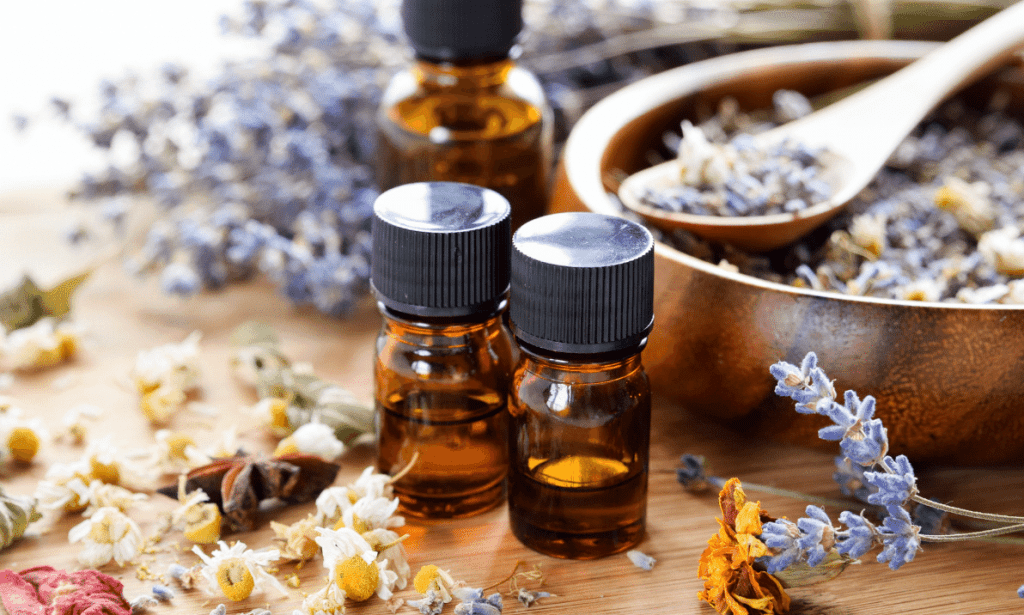
The changing seasons bring about shifts not only in our environment but also in our preferences for scents that rejuvenate and inspire. Each season carries its unique essence, which can significantly influence our mood and energy levels. Understanding how seasonal changes affect our choice of revitalizing scents can enhance our well-being and enrich our daily experiences.
Different seasons evoke different feelings and associations, leading us to prefer specific scents that align with these changes. For instance, during spring, fresh and floral fragrances dominate, while summer invites fruity and tropical notes. Autumn brings in warm spices, and winter often calls for rich, comforting aromas. The psychological effects of these seasonal scents are profound, affecting our mood, mental clarity, and overall energy.
Seasonal Scents and Their Revitalizing Properties
Exploring the popular scents associated with each season reveals their specific revitalizing properties and the unique experiences they offer. Here’s a closer look at the scents that resonate with each season:
- Spring: Scents like jasmine, lavender, and fresh-cut grass symbolize renewal and growth.
These fragrances can uplift your spirit and evoke a sense of optimism and clarity.
- Summer: Bright and fruity notes such as citrus (lemon, orange) and tropical scents (coconut, pineapple) energize and refresh.
They not only invoke feelings of joy but also enhance vitality and sociability.
- Autumn: Warm spices like cinnamon, nutmeg, and clove resonate with comfort and nostalgia.
These scents can promote relaxation and encourage a sense of coziness as the days grow shorter.
- Winter: Rich and deep aromas like pine, cedarwood, and vanilla provide warmth and comfort.
These scents can lift the spirits during dreary days, fostering a feeling of safety and contentment.
Each season’s scents not only reflect the natural changes around us but also play a crucial role in enhancing our mental and emotional states. By aligning our scent choices with the seasons, we can create a harmonious atmosphere that revitalizes our mood and energy levels throughout the year.
Discussing the role of revitalizing scents in holistic wellness practices
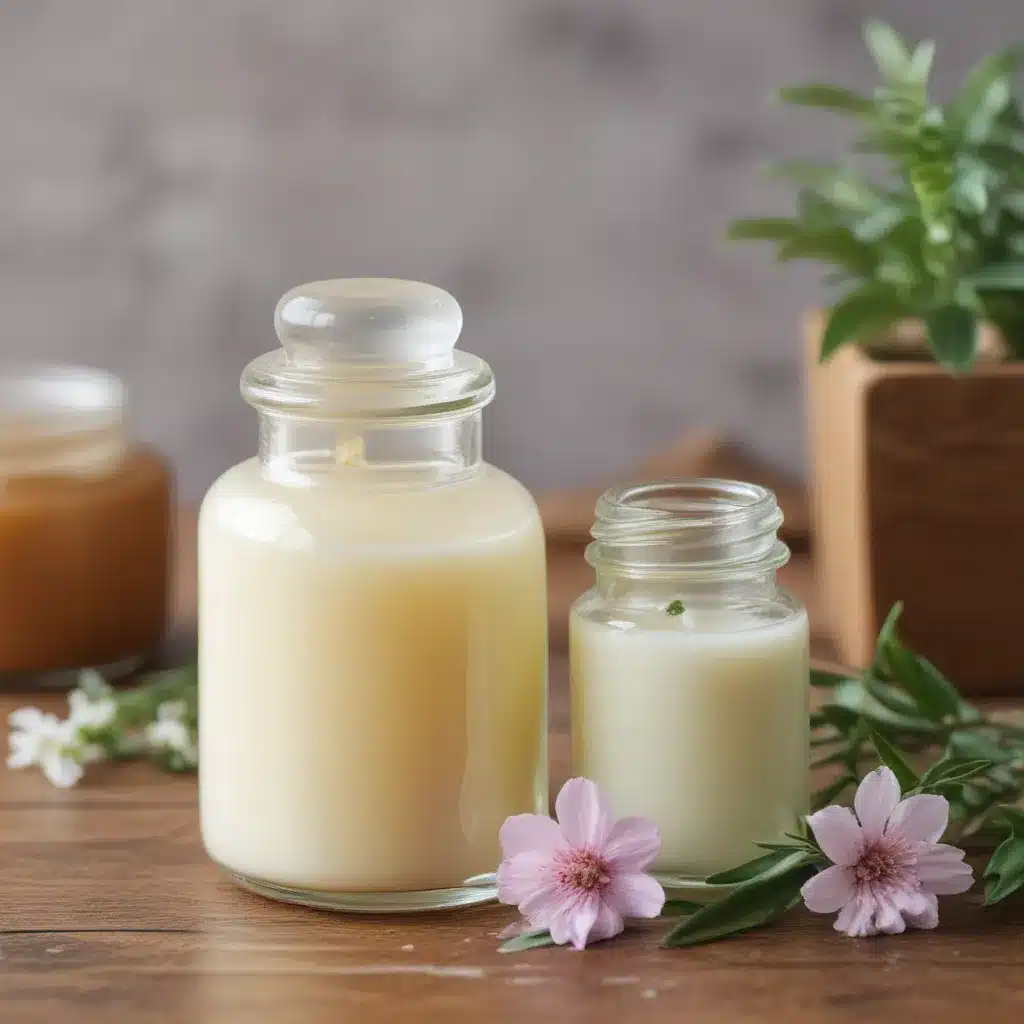
Revitalizing scents play an integral role in enhancing holistic wellness practices, offering a sensory avenue to elevate both mental and physical health. When combined with techniques such as meditation and yoga, these scents can deepen relaxation, increase mindfulness, and foster a greater sense of balance. The synergy between scent and these practices allows individuals to tap into their emotional and spiritual realms, exploring a more profound sense of well-being.
Essential oils and natural fragrances are known to affect the limbic system, the part of the brain that deals with emotions and memory, making them powerful tools in enhancing wellness practices. By incorporating scents into meditation and yoga routines, practitioners can create a calming environment that enhances focus and promotes a deeper connection to the self. The following guide Artikels how to effectively integrate scents into mindfulness practices, maximizing their benefits for holistic wellness.
Guide to Integrating Scents into Mindfulness Practices
Creating an environment enriched with revitalizing scents can significantly enhance the mindfulness experience. Below are some effective strategies to seamlessly incorporate scents into meditation and yoga sessions:
- Selecting Essential Oils: Choose essential oils that resonate with your desired outcome. Lavender promotes relaxation, while citrus scents like lemon and orange invigorate and uplift the spirit.
- Diffusion Techniques: Use a diffuser to disperse essential oils into the air. Start your practice by diffusing your chosen scent for 10-15 minutes to establish a calming atmosphere.
- Topical Application: Dilute essential oils with a carrier oil and apply them to pulse points. This method ensures that the scent stays with you throughout your practice, enhancing focus.
- Scented Candles or Incense: Burning candles or incense made from natural ingredients can create an ambiance conducive to meditation. Choose scents that are calming and grounding, such as sandalwood or frankincense.
- Breath and Awareness: As you breathe deeply during your practice, consciously focus on the scent. Allow it to anchor your thoughts, leading you into a deeper state of mindfulness.
The integration of scents can transform a routine practice into a profound experience. Personal testimonials highlight the significant impact this combination can have on individuals seeking holistic wellness solutions.
“Incorporating lavender oil into my evening meditation has changed my entire routine. I feel more at peace, and the scent helps me let go of the day’s stresses.” – Sarah, Wellness Enthusiast
Case studies show that participants in yoga classes that incorporate aromatherapy report higher levels of relaxation and satisfaction. For instance, during a six-week pilot study, participants who engaged in yoga with essential oil integration exhibited a 30% increase in reported stress relief compared to those who practiced without scents.
By understanding the role of scent in wellness practices, individuals can harness these revitalizing aromas to enhance their journey towards holistic health.
Comparing commercial products and natural alternatives for revitalizing scents
Revitalizing scents are widely used in various commercial products, from air fresheners to personal care items. These scents are designed to uplift moods and create a fresh atmosphere. As consumers become more health-conscious and environmentally aware, the comparison between commercial products and natural alternatives has become increasingly relevant. This discussion will explore the effectiveness of popular commercial products, the pros and cons of synthetic versus natural scents, and provide detailed recipes for creating natural alternatives.
Popular commercial products utilizing revitalizing scents
Several commercial products are known for their revitalizing scents. These products often contain synthetic fragrances that mimic natural scents but may come with their own set of concerns regarding health and environmental impact. Some examples include:
- Air Fresheners: Brands like Febreze and Glade offer air fresheners that promise to eliminate odors and provide long-lasting freshness. They often utilize synthetic fragrances that can mask odors effectively, though they may contain chemicals that are harmful to indoor air quality.
- Body Sprays: Products such as Axe and Bath & Body Works sprays offer a burst of refreshing scents, primarily composed of synthetic compounds. While they can create an immediate invigorating effect, their long-term safety remains a topic of debate.
- Candles: Scented candles from companies like Yankee Candle and Bath & Body Works provide a pleasant aroma, often using synthetic fragrances. While they can enhance a space’s ambiance, some studies suggest that burning synthetic scents may release harmful chemicals into the air.
Advantages and disadvantages of synthetic versus natural scents
When considering revitalizing scents, it’s crucial to understand the differences between synthetic and natural options. Each type has its advantages and disadvantages that can affect consumer choice.
- Advantages of Synthetic Scents:
- Consistency: Synthetic scents offer a stable and uniform fragrance profile, ensuring the same scent experience every time.
- Longevity: Often designed to last longer than natural scents, synthetic fragrances can provide extended freshness without reapplication.
- Disadvantages of Synthetic Scents:
- Health Concerns: Many synthetic fragrances are linked to allergies, skin sensitivities, and respiratory issues.
- Environmental Impact: The production of synthetic fragrances can contribute to environmental pollution and the depletion of natural resources.
- Advantages of Natural Scents:
- Health Benefits: Natural scents, derived from plants, often have therapeutic properties that can promote well-being and relaxation.
- Eco-Friendly: Using natural ingredients reduces the carbon footprint and supports sustainable practices.
- Disadvantages of Natural Scents:
- Variability: Natural scents can vary in intensity and quality due to factors like harvest conditions and plant maturity.
- Shorter Shelf Life: Natural fragrances may not have the same longevity as synthetic options and may require more frequent application.
Creating natural alternatives to popular commercial products
Crafting your own natural alternatives can be a rewarding endeavor, providing both a custom aromatic experience and peace of mind regarding ingredient safety. Below are recipes for creating natural alternatives to popular commercial products:
- Natural Air Freshener:
“Combine water, vinegar, and essential oils (like lemon or lavender) in a spray bottle for a refreshing room spray.”
- 1 cup of water
- 1/4 cup of white vinegar
- 10-15 drops of your favorite essential oil
- DIY Body Spray:
“Use a mix of distilled water, witch hazel, and essential oils for a gentle and refreshing body spray.”
- 1 cup of distilled water
- 1/2 cup of witch hazel
- 15-20 drops of essential oil (such as eucalyptus or peppermint)
- Homemade Scented Candles:
“Melt beeswax or soy wax and add essential oils to create a natural scented candle that can enhance your living space.”
- 1 cup of beeswax or soy wax
- 30 drops of essential oil of your choice
- Candle wicks and containers for pouring
Final Wrap-Up
In conclusion, embracing revitalizing scents can significantly enhance our overall well-being and productivity. By understanding their historical significance, scientific basis, and practical applications, we can harness these powerful aromas to enrich our daily lives and promote a sense of calm and creativity.
Helpful Answers
What are some examples of revitalizing scents?
Common examples include citrus scents like lemon and orange, peppermint, lavender, and eucalyptus, known for their invigorating properties.
How can I use scents to improve my productivity?
Incorporating scents like rosemary or citrus in your workspace can enhance focus and alertness, making it easier to tackle tasks efficiently.
Are there any safety concerns with using essential oils?
Yes, certain essential oils can cause skin irritation or allergic reactions; it’s crucial to dilute them properly and conduct patch tests before use.
Can I create my own revitalizing scents at home?
Absolutely! You can blend essential oils to create personalized scents or make homemade candles and diffusers that suit your preferences.
How do seasonal changes affect our scent preferences?
Seasonal changes can influence mood and energy levels, leading people to prefer refreshing scents like floral in spring or warm spices in autumn.