 Penelope Hailey
Pure essential oil serves as a bridge connecting ancient wisdom with modern wellness, inviting us to explore the rich heritage and practical benefits of these natural extracts. From the fragrant gardens of ancient civilizations to today’s holistic practices, essential oils have played a pivotal role in promoting health and harmony across cultures.
This exploration delves into the fascinating journey of pure essential oils, revealing their extraction methods, chemical compositions, and therapeutic properties. More than just scents, they embody a comprehensive approach to well-being, showcasing their significance in self-care routines and sustainability.
The Historical Significance of Pure Essential Oil in Traditional Medicine
Throughout history, pure essential oils have played a pivotal role in traditional medicine across various cultures. These concentrated plant extracts, known for their therapeutic properties, were utilized not only for healing but also for spiritual and ritualistic practices. Ancient civilizations recognized the potential of these oils, integrating them into their daily lives and healthcare systems.
In ancient Egypt, essential oils were widely employed for embalming, skincare, and as part of religious ceremonies. Oils like myrrh and frankincense were highly valued, not only for their fragrance but for their healing properties. Similarly, in Chinese medicine, essential oils derived from plants have been utilized for centuries to promote balance and wellness. The Indian Ayurvedic tradition also embraced essential oils, using them to harmonize body, mind, and spirit.
Medicinal Uses in Ancient Civilizations
Essential oils served numerous medicinal purposes in various ancient cultures, showcasing their diverse applications. The following points highlight the significance of these oils in traditional healing practices:
- In ancient Greece, Hippocrates, known as the father of medicine, advocated the use of essential oils for treating various ailments, emphasizing their importance in health and wellness.
- Traditional Indian practices often incorporated essential oils for their soothing and restorative properties, particularly in treatments for respiratory issues and digestive disorders.
- In the Middle Ages, essential oils became essential components of herbal medicine, with practitioners using them to treat infections and to purify the air, especially during times of plague.
The transition of knowledge regarding pure essential oils from traditional medicine to modern practices reflects a significant shift in understanding their benefits. Today, the use of essential oils has been validated through scientific research, leading to their incorporation into aromatherapy, massage therapy, and holistic health practices.
The healing practices of ancient civilizations laid the foundation for the modern appreciation and utilization of pure essential oils in health and wellness.
As modern practitioners continue to explore the therapeutic potential of essential oils, the rich history of their use in traditional medicine serves as a valuable resource, informing contemporary applications and enhancing our understanding of natural healing methodologies.
The Process of Extracting Pure Essential Oils from Plants
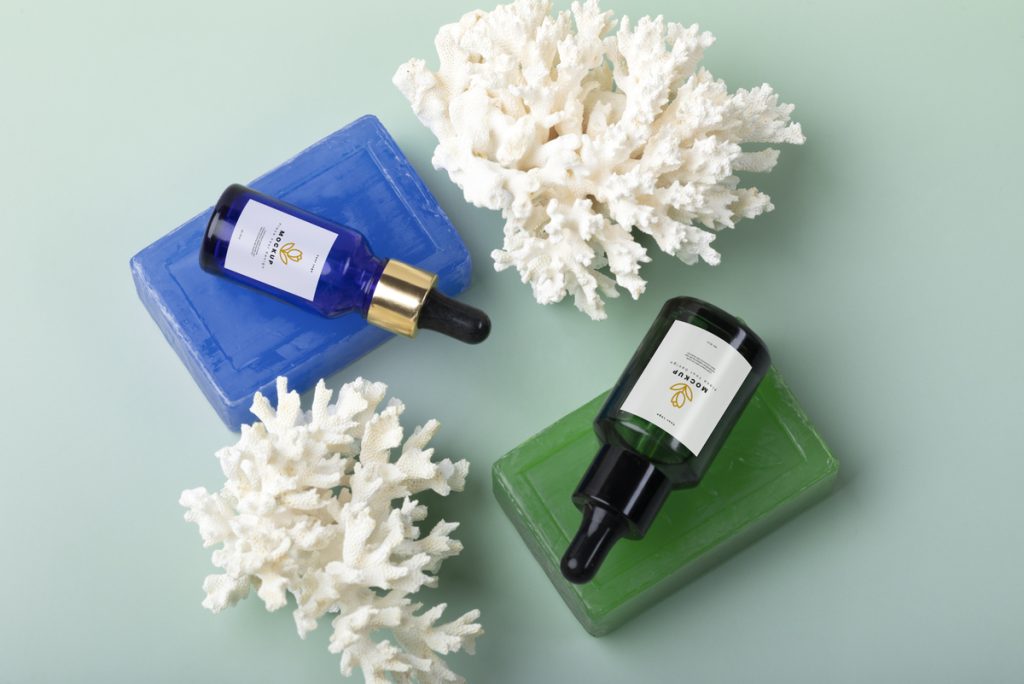
The extraction of pure essential oils from plants is a nuanced art that combines traditional methods with modern technology. It involves isolating the aromatic compounds that give plants their unique fragrances and therapeutic properties. This process not only highlights the plants’ natural essence but also influences the quality and purity of the essential oils produced.
Various methods are employed to extract essential oils, each with its own effectiveness and purity levels. Two of the most common techniques are steam distillation and cold pressing. Understanding these methods provides insight into how different oils are obtained and their respective qualities.
Steam Distillation
Steam distillation is the most widely used method for extracting essential oils from aromatic plants. This process involves passing steam through plant material, which vaporizes the essential oils. The steam carrying the vaporized oils is then cooled, allowing the oils to condense and separate from the water.
The effectiveness of steam distillation can be attributed to its ability to extract oils from a variety of plant materials, including leaves, flowers, and stems. This method typically results in high purity levels, as the oils are extracted without the use of chemical solvents. However, the temperature and duration of the distillation can affect the oil’s quality.
“Steam distillation preserves the delicate aroma compounds that are essential for therapeutic properties.”
The equipment used in steam distillation includes a boiler to generate steam, a distillation unit to hold the plant material, and a condenser to cool and collect the vapor. Modern advancements have introduced sophisticated distillation units that allow for precise control over temperature and pressure, enhancing oil quality.
Cold Pressing
Cold pressing is another common method, particularly used for citrus oils. This technique involves mechanically pressing the peels of fruits to extract the essential oils without the application of heat. The process is straightforward: the outer peel is punctured or pressed, releasing the essential oils stored in tiny sacs.
Cold pressing generally yields oils that are highly aromatic and retains the natural characteristics of the fruit. The purity of oils extracted through this method is high, as there are no chemicals or heat involved that could alter the oil’s properties. However, cold pressing is limited to certain types of plants, primarily citrus fruits.
“Cold pressing allows for the preservation of the fruit’s natural aroma and beneficial properties.”
The equipment for cold pressing includes hydraulic presses that apply significant pressure to the fruit peels. These machines can vary in size, from small manual presses for home use to large industrial presses capable of processing significant quantities.
Comparison of Extraction Methods
When comparing steam distillation and cold pressing, several factors come into play regarding effectiveness and purity levels. Each method has its strengths and limitations, impacting the final quality of the essential oils.
– Steam Distillation:
– Suitable for a wide range of plant materials.
– Produces high-purity oils but may require careful monitoring of temperature and duration.
– Potential for loss of some delicate aroma compounds.
– Cold Pressing:
– Ideal for citrus oils, capturing the full aromatic essence.
– High purity with minimal alteration of the oil’s natural properties.
– Limited to specific plant types, thus not as versatile as steam distillation.
In summary, the choice of extraction method can significantly influence the quality and characteristics of essential oils. The advancements in equipment and technology continue to improve the extraction processes, aiming for higher yields and better quality oils that retain the natural benefits of the plants from which they are derived.
The Chemical Composition of Pure Essential Oils and Their Effects
The chemical composition of pure essential oils plays a fundamental role in determining their therapeutic properties and aromatic profiles. Each essential oil is a complex mixture of volatile compounds, including terpenes, alcohols, esters, aldehydes, and phenols, which work synergistically to produce various effects on the body and mind. Understanding these constituents is essential for harnessing the full potential of essential oils in aromatherapy and holistic health practices.
The intricate blend of chemical constituents in essential oils not only influences their therapeutic effects but also their scent. For example, the presence of certain terpenes can lend a sweet, uplifting aroma, while phenolic compounds may provide a spicy or medicinal scent. This relationship between chemical composition and aroma underpins the selection and application of essential oils in various settings, from relaxation to rejuvenation.
Chemical Constituents and Their Therapeutic Properties
The therapeutic properties of essential oils are largely attributed to their unique chemical profiles. Here are several key constituents and the specific oils that contain them:
- Limonene: Found in oils like lemon and orange, limonene is known for its uplifting and energizing properties. It has been shown to reduce stress and improve mood.
- Linalool: Present in lavender and basil, linalool possesses calming effects, making it effective in alleviating anxiety and promoting relaxation.
- Thujone: Found in mugwort and wormwood, thujone can have stimulating effects on the nervous system and is often used for its potential digestive benefits.
- Menthol: A primary component of peppermint oil, menthol provides a cooling sensation and can aid in relieving headaches and muscle pain.
- Geraniol: Present in geranium oil, geraniol is recognized for its anti-inflammatory and antimicrobial properties, making it beneficial for skin care.
Each of these constituents not only contributes to the aroma of the oil but also enhances its efficacy for specific therapeutic uses.
“The synergy of chemical compounds in essential oils is what makes them powerful tools for holistic healing.”
Understanding the specific chemical profiles of essential oils allows practitioners to choose the right oils for various applications, tailoring their use to target specific physical or emotional needs. For example, selecting oils high in linalool for a calming blend can create an effective environment for relaxation and stress relief, while oils rich in limonene may be chosen for their uplifting and energizing properties.
By delving into the chemical composition of essential oils, individuals can better appreciate the intricacies of their therapeutic effects and harness their full potential in everyday life.
The Benefits of Integrating Pure Essential Oils into Daily Life
Integrating pure essential oils into daily routines can significantly enhance both mental and physical well-being. These natural extracts, derived from various plants, offer a plethora of benefits that can improve mood, promote relaxation, and even support overall health. By incorporating essential oils into our day-to-day activities, we can create an environment that fosters wellness and balance.
Essential oils possess unique therapeutic properties that can elevate our daily experiences. From improving concentration during work to promoting restful sleep at night, the applications are vast. Integrating these oils into your routine is not only simple but can also lead to profound changes in your mental and physical health. Below are several practical ways to incorporate essential oils into your everyday life for maximum impact.
Ways to Incorporate Essential Oils in Daily Routines
To optimize the benefits of essential oils, consider the following practical applications throughout your day:
- Morning Rituals: Begin your day by diffusing essential oils like peppermint or citrus oils to boost energy and mental clarity. This sets a positive tone for the day ahead.
- Workplace Productivity: Utilize essential oils such as rosemary or lavender in a diffuser at your workspace. These oils are known to enhance focus and reduce stress during busy work hours.
- Exercise Enhancement: Apply a mix of eucalyptus and tea tree oils before and after workouts. These oils can help open airways and soothe sore muscles, enhancing overall physical performance.
- Skincare Routine: Incorporate essential oils like tea tree or frankincense into your skincare products. They can aid in healing skin conditions and promote a healthy complexion.
- Bedtime Routine: Diffuse calming oils like chamomile or lavender in the evening to promote relaxation and improve sleep quality. A simple drop on your pillow can enhance your sleep environment.
The versatility of essential oils allows them to fit seamlessly into various aspects of your life. Each application not only serves a distinct purpose but also contributes to a holistic approach to health and wellness.
“Integrating essential oils into daily life offers a pathway to improved mental and physical health, promoting balance and well-being.”
Testimonials Showcasing Positive Effects
Numerous individuals have experienced remarkable benefits from incorporating essential oils into their daily routines. Here are a few testimonials that highlight the transformative power of these natural extracts:
- Emma, a busy professional: “Since I started using lavender oil in my diffuser during work hours, I’ve noticed a significant drop in my stress levels. It helps me stay focused and calm, even on the busiest days.”
- Mark, a fitness enthusiast: “Using eucalyptus oil before my workouts has changed the game for me. It opens up my airways and helps me breathe easier, which improves my performance.”
- Sara, a skincare advocate: “I added tea tree oil to my skincare routine, and I can’t believe the difference! My skin has cleared up so much, and it feels healthier and more radiant.”
- John, a sleep-deprived parent: “Diffusing chamomile oil at night has been a game changer for my sleep. I fall asleep faster and wake up feeling refreshed, which is a miracle for any parent!”
Each of these testimonials reflects the positive impact that pure essential oils can have when integrated thoughtfully into daily life. The experiences shared by individuals illustrate the broad array of benefits that these oils can offer, making them valuable allies in the journey toward improved wellness.
Safety Considerations When Using Pure Essential Oils
When incorporating pure essential oils into your daily routine, it’s crucial to understand the safety considerations involved. While these oils offer numerous benefits, improper use can lead to various risks and side effects. Proper education on application, dosage, and dilution is essential for enjoying the advantages of essential oils without adverse effects.
The improper use of essential oils can result in skin irritation, allergic reactions, and even systemic toxicity. It’s vital to be aware of how certain oils interact with the body and other substances. Understanding safety guidelines will help in preventing these adverse effects and promoting a more beneficial experience.
Potential Risks and Side Effects
There are several risks associated with the misuse of essential oils that individuals should be aware of. Common side effects include:
- Skin irritation or burns, particularly if oils are applied undiluted.
- Allergic reactions, which may manifest as rashes or respiratory issues.
- Hormonal imbalances, as some oils may act like hormones in the body.
- Phototoxic reactions, particularly with citrus oils when exposed to sunlight.
- Interactions with medications, potentially altering their effectiveness.
It is essential to perform a patch test before using a new essential oil to determine any adverse reactions. Furthermore, individuals with certain health conditions, pregnant or breastfeeding women, and those on specific medications should consult a healthcare professional before using essential oils.
Guidelines for Safe Application and Dosage
To ensure the safe application of pure essential oils, adhere to the following guidelines:
- Always dilute essential oils with a carrier oil before topical application. A common ratio is 1-2 drops of essential oil per teaspoon of carrier oil.
- Limit the use of essential oils to a few drops in a diffuser, as excessive diffusion can lead to overexposure.
- Consult with a qualified aromatherapist or healthcare provider for personalized dosage recommendations.
- Store essential oils in a cool, dark place, away from children and pets.
- Avoid using essential oils on broken or sensitive skin.
These guidelines help mitigate risks and enhance the benefits of essential oils.
Essential Oils to Avoid by Certain Individuals
Certain essential oils can pose risks to specific groups of people. Here’s a list of essential oils that should be avoided by certain individuals:
- Wintergreen oil: Should be avoided by individuals with aspirin allergies or those on blood thinners.
- Peppermint oil: Not recommended for infants and young children due to potential respiratory issues.
- Clove oil: Should be avoided by pregnant women as it may stimulate uterine contractions.
- Rosemary oil: Not advisable for people with hypertension or epilepsy.
- Cinnamon oil: Can cause skin irritation and should be used with caution by individuals with sensitive skin.
Understanding the unique properties of essential oils is crucial for safe usage. Always prioritize safety and consult professionals when necessary to fully enjoy the benefits of pure essential oils while minimizing risks.
The Role of Pure Essential Oils in Aromatherapy
Aromatherapy, a holistic healing treatment, utilizes pure essential oils extracted from plants for therapeutic benefits, primarily focusing on the mind and body connection. With the ability to influence mood and promote relaxation, these oils play a significant role in enhancing emotional and psychological well-being. Through various application methods, aromatherapy provides a diverse approach to self-care and wellness.
The principles of aromatherapy are based on the concept that certain scents can evoke emotional responses and physiological changes in the body. Essential oils, which are highly concentrated plant extracts, are believed to contain unique properties that can influence mood, relieve stress, and support overall health. By integrating the sense of smell into therapeutic practices, aromatherapy helps harmonize the body’s systems and promotes a state of balance.
Methods of Application
There are several effective methods to apply pure essential oils in aromatherapy, each catering to different preferences and situations. Understanding these methods can enhance the experience and benefits derived from essential oils. The main application methods include:
- Diffusers: These devices disperse essential oils into the air, creating an aromatic environment. Diffusers can vary from electric models that use ultrasonic vibrations to traditional candle-based options. The aroma can fill a room, helping to uplift mood and purify the air.
- Massage: Essential oils can be blended with carrier oils and used during massages. This application not only provides the benefits of aroma but also promotes relaxation through physical touch, alleviating tension in muscles and enhancing circulation.
- Inhalation: Direct inhalation of essential oils can be done by placing a drop on a tissue or inhaling from a bottle. This method allows for quick absorption through the olfactory system, providing immediate relief from stress or anxiety.
- Baths: Adding essential oils to bathwater creates a soothing experience. The warm water helps to release the oils into the air and allows for skin absorption, providing a comprehensive relaxation effect while bathing.
The psychological and emotional impacts of aroma are profound, with pure essential oils capable of influencing mental health significantly. Studies have shown that certain scents can trigger specific emotional responses, promoting feelings of calm, happiness, or energy. For instance, lavender is renowned for its calming properties, often used to reduce anxiety and improve sleep quality. In contrast, citrus oils like lemon and orange can invigorate and uplift mood.
The use of aromatherapy can empower individuals to take control of their emotional and mental well-being, fostering resilience and promoting a positive mindset.
Incorporating pure essential oils into daily routines can lead to a noticeable enhancement in emotional health. By understanding the various methods of application and the psychological effects of scents, individuals can tailor their aromatherapy practices to suit their personal wellness goals, fostering a more balanced and harmonious life.
Pure Essential Oils in Skincare and Beauty Products
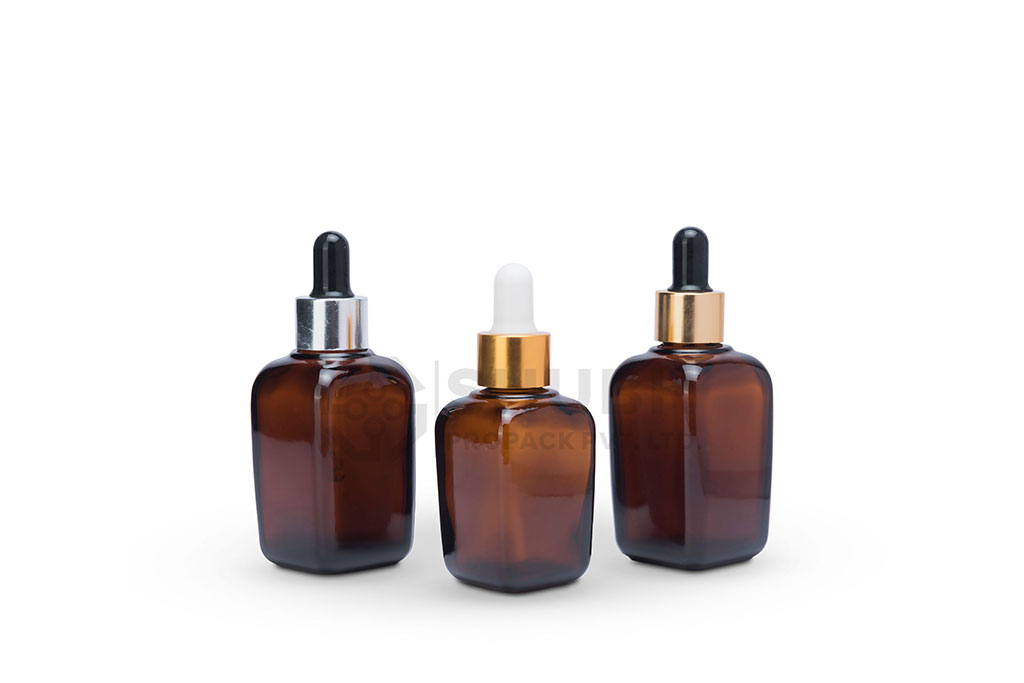
Pure essential oils have carved a significant niche in the skincare and beauty industry, celebrated for their natural properties and versatility. These concentrated extracts from plants enhance our skincare routines, providing a holistic approach to beauty that resonates with many consumers seeking cleaner, eco-friendly options. By incorporating pure essential oils, individuals can tailor their skincare regimens to meet specific needs, benefiting from the unique characteristics of each oil.
Essential oils can be blended into various skincare products, allowing for customized solutions catering to different skin types and conditions. For those with oily skin, oils like tea tree and lavender can help balance sebum production and combat acne. Conversely, dry skin can benefit from the hydrating properties of oils such as jojoba and rose. Here are specific essential oils and their benefits for different skin types and conditions:
Benefits of Specific Essential Oils
Understanding the unique properties of pure essential oils is key to utilizing them effectively in skincare. Below are essential oils known for their beneficial properties, categorized by skin type and condition:
- Tea Tree Oil: Renowned for its antibacterial and anti-inflammatory properties, it’s ideal for oily and acne-prone skin. Its effectiveness in reducing breakouts and soothing redness makes it a staple in many skincare routines.
- Lavender Oil: This calming oil not only smells delightful but is also beneficial for sensitive skin. It helps in reducing irritation and redness, promoting a more even skin tone.
- Rose Oil: Perfect for dry or mature skin, rose oil provides deep hydration while also improving skin elasticity. It’s known for its anti-aging properties and ability to boost overall skin radiance.
- Frankincense Oil: Often used in anti-aging formulations, frankincense promotes cell regeneration and helps reduce the appearance of scars and blemishes, making it suitable for aging skin.
- Geranium Oil: This oil is excellent for balancing all skin types. It helps regulate oil production, making it suitable for oily, dry, and combination skin while also enhancing circulation for a healthy glow.
Integrating pure essential oils into DIY skincare products is a straightforward process that allows for personalized beauty care. Below are some simple recipes and methods to create effective and natural skincare products at home:
DIY Skincare Recipes with Essential Oils
Crafting your skincare products not only ensures purity but also allows for creativity in formulation. Here are a few easy recipes that use pure essential oils:
- Essential Oil Facial Serum: Combine 2 tablespoons of jojoba oil, 1 tablespoon of rosehip oil, and 5 drops each of lavender and frankincense essential oils. Mix well and store in a glass dropper bottle. Apply a few drops to the face after cleansing for an extra boost of hydration.
- Scented Body Scrub: Mix 1 cup of brown sugar, ½ cup of coconut oil, and 10 drops of peppermint essential oil. Use this scrub in the shower to exfoliate and invigorate the skin, leaving it refreshed and smooth.
- Relaxing Bath Oil: Blend ½ cup of sweet almond oil with 10 drops of lavender and 5 drops of chamomile essential oils. Add this mixture to your bath for a calming and soothing experience.
- Acne Treatment Roll-On: In a small roller bottle, combine 2 tablespoons of fractionated coconut oil with 5 drops of tea tree oil and 3 drops of lavender oil. Apply directly to blemishes to reduce inflammation and promote healing.
“Pure essential oils provide a natural and effective way to enhance skincare routines, promoting health and well-being through the power of nature.”
Using pure essential oils in skincare not only enhances the efficacy of the products but also contributes to a healthier, more radiant complexion. The versatile nature of these oils allows for tailored solutions based on individual skin types, making them an essential component of modern beauty practices.
The Environmental Impact of Sourcing Pure Essential Oils
The cultivation of plants for essential oil production brings various ecological considerations to the forefront. The demand for pure essential oils has surged in recent years, leading to increased agricultural activity across different regions. However, this growth can come at a cost to the environment if not managed sustainably. Understanding the environmental implications of sourcing these oils is crucial for both producers and consumers.
To mitigate negative ecological effects, sustainable practices can be adopted throughout the essential oil industry. These practices not only help in preserving biodiversity but also ensure that the quality of essential oils remains high. Sustainable sourcing is rooted in principles that emphasize the health of ecosystems, the welfare of local communities, and the maintenance of the integrity of plant species.
Sustainable Agricultural Practices in Essential Oil Production
Implementing sustainable agricultural practices is vital for minimizing the environmental footprint of essential oil production. These practices can include:
- Crop Rotation: Alternating crops to maintain soil fertility and lower pest populations.
- Organic Farming: Using natural fertilizers and pesticides to reduce chemical runoff and promote biodiversity.
- Water Conservation: Employing drip irrigation and rainwater harvesting to minimize water usage.
- Reforestation: Planting trees to restore habitats and enhance carbon sequestration.
By employing these methods, the essential oil industry can potentially reduce its environmental impact while still meeting consumer demand.
The Role of Ethical Sourcing
Ethical sourcing plays a significant role in the quality of pure essential oils. When producers prioritize ethical practices, they not only contribute to environmental sustainability but also enhance the overall quality and reputation of their products. Key components of ethical sourcing include:
- Fair Trade Practices: Ensuring that farmers receive fair compensation for their labor and crops.
- Transparency: Providing clear information about sourcing methods and production processes to consumers.
- Community Engagement: Involving local communities in decision-making processes and benefits-sharing.
By focusing on ethical sourcing, producers can build trust with consumers and promote a more sustainable industry overall.
“Ethical sourcing not only enhances product quality but also fosters a sense of responsibility towards the environment and local communities.”
The adoption of sustainable practices and the commitment to ethical sourcing are essential for the future of the essential oil industry. By being mindful of these aspects, stakeholders can help ensure that the cultivation of plants for essential oils contributes positively to the planet and its inhabitants.
Final Summary
In conclusion, pure essential oils represent a harmonious blend of tradition and innovation, offering a wealth of benefits that enhance our physical, mental, and emotional health. By understanding their origins, properties, and responsible usage, we can fully appreciate the transformative powers these natural wonders hold in our daily lives.
Expert Answers
What are pure essential oils?
Pure essential oils are concentrated extracts derived from plants, capturing their natural fragrance and therapeutic properties.
Can essential oils be ingested?
While some essential oils are safe for ingestion in small amounts, it’s crucial to consult a healthcare professional before doing so.
How should I store essential oils?
Essential oils should be stored in a cool, dark place in tightly sealed bottles to maintain their potency and prevent degradation.
Are all essential oils safe for children?
No, some essential oils can be harmful to children; it’s essential to research and consult guidelines for safe usage.
How can I tell if an essential oil is pure?
Look for oils that are labeled as 100% pure, and check for third-party testing or certification for authenticity.