 Penelope Hailey
Positive emotions aromatherapy invites you to explore the delightful interplay between scents and feelings, enhancing well-being through nature’s fragrant gifts. By tapping into the power of essential oils, you can cultivate positivity and uplift your mood, making each day a bit brighter.
As we delve deeper into this topic, we’ll uncover how specific essential oils can foster positive emotional states, supported by scientific studies that highlight the profound connection between scent and emotional well-being. From the invigorating aroma of citrus to the calming notes of lavender, these natural essences offer a pathway to emotional resilience and joy.
The Psychological Impact of Positive Emotions in Aromatherapy
Aromatherapy harnesses the power of scents to evoke positive emotions and foster overall well-being. The psychological impact of positive emotions cultivated through specific essential oils can be profound, influencing mood and emotional state. By selecting the right essential oils, individuals can create an environment conducive to happiness, relaxation, and emotional balance. This practice draws on the intricate connection between scent and emotional well-being, supported by various scientific studies.
The cultivation of positive emotions through aromatherapy is largely attributed to the limbic system in the brain, which is responsible for emotions and memory. Scents can trigger emotional responses, creating associations that can uplift moods and enhance feelings of happiness. For instance, certain essential oils are scientifically proven to influence psychological states, as demonstrated in studies examining their effects on mood and anxiety levels.
Scientific Studies on Scent and Emotional Well-Being
Research has consistently highlighted the relationship between scent and emotional responses. A few key studies illustrate this connection:
1. Lavender and Anxiety Reduction: A study published in the International Journal of Psychiatry in Clinical Practice found that inhaling lavender essential oil significantly reduced anxiety levels among participants during stressful situations. This effect was attributed to lavender’s calming properties, promoting relaxation and emotional stability.
2. Citrus Scents and Mood Elevation: Research featured in the Journal of Nutritional Science and Vitaminology revealed that citrus scents, particularly from orange and lemon oils, could elevate mood and reduce feelings of depression. The uplifting properties of these fragrances are believed to stimulate serotonin production, a neurotransmitter linked to happiness.
3. Rose Oil and Emotional Resilience: A study in the Journal of Alternative and Complementary Medicine showed that rose oil not only facilitated emotional well-being but also enhanced overall mood. Participants reported feeling more positive and less stressed after exposure to the aroma of rose, suggesting its effectiveness in combating negative emotions.
Incorporating certain essential oils into daily routines can effectively uplift moods and enhance emotional well-being. Some commonly used essential oils known for their positive effects include:
– Lemon: Known for its invigorating and uplifting properties, lemon oil can enhance mood and promote a sense of clarity.
– Bergamot: Often used for its calming effects, bergamot oil has been shown to alleviate feelings of stress and anxiety, contributing to emotional balance.
– Ylang Ylang: This floral scent is revered for its ability to reduce stress and boost mood, promoting feelings of joy and relaxation.
In conclusion, the psychological impact of positive emotions in aromatherapy is profound, with specific essential oils playing a crucial role in enhancing emotional well-being. By understanding the connection between scent and emotions, individuals can effectively utilize aromatherapy to cultivate a positive environment and foster happiness.
Techniques for Enhancing Positive Emotions Using Aromatherapy
Aromatherapy is a powerful tool for enhancing positive emotions through the use of essential oils and various application techniques. These methods not only promote relaxation but also uplift moods and create an overall sense of well-being. Understanding how to effectively use aromatherapy can significantly enhance emotional health and resilience.
One of the most popular techniques for using aromatherapy is diffusing essential oils. A diffuser disperses the aromatic compounds of essential oils into the air, allowing for easy inhalation. This method can create a calming atmosphere, making it perfect for meditation or relaxation. Common essential oils for diffusing include lavender for tranquility, citrus oils like lemon or orange for energizing effects, and peppermint for mental clarity. Diffusers can be electric or candle-based, and using them for 30 minutes to an hour can help maximize their positive effects.
Topical application is another effective technique for enhancing positive emotions. When essential oils are diluted with a carrier oil, they can be applied directly to the skin. This method allows for the oils to be absorbed into the bloodstream, providing both emotional and physical benefits. For example, applying a blend of bergamot and frankincense to pulse points can help alleviate anxiety and promote feelings of happiness. It’s essential to perform a patch test before applying essential oils to the skin to avoid any allergic reactions.
Inhalation is a direct and straightforward method that involves smelling essential oils directly from the bottle or placing a few drops on a tissue. This technique can provide immediate emotional relief, especially in stressful situations. Inhalation is particularly effective with oils such as rosemary for enhancing focus or chamomile for calming the mind.
To enhance the effectiveness of aromatherapy for emotional health, incorporating mindfulness practices can be beneficial. Mindful breathing while inhaling essential oils can deepen relaxation and emotional release. Additionally, setting intentions before using aromatherapy can help focus the mind on positive outcomes.
Establishing rituals or routines that include aromatherapy can further elevate emotional well-being. Here are some common practices:
- Morning Routine: Start the day with a few drops of uplifting citrus oil in a diffuser to promote positivity and energy.
- Midday Refresh: Use a roll-on blend of lavender and peppermint on the wrists for a calming yet energizing boost during work hours.
- Evening Wind Down: Create a relaxing environment with a diffuser containing chamomile and cedarwood oils to prepare for restful sleep.
- Self-Care Bath: Add several drops of rose or ylang-ylang oil to bathwater for a luxurious, mood-lifting experience.
These rituals can become anchors for emotional upliftment, reinforcing positive feelings and creating a soothing routine that nurtures well-being.
The Role of Aromatherapy in Stress Reduction and Emotional Resilience
Aromatherapy has gained significant recognition as a holistic approach to enhancing well-being, particularly in managing stress and fostering emotional resilience. By harnessing the power of essential oils, individuals can create a serene atmosphere that promotes relaxation and emotional healing. Aromatherapy serves not only as a delightful sensory experience but also as a practical tool to navigate the challenges of modern life.
The therapeutic benefits of aromatherapy stem from the unique chemical compositions of essential oils. When inhaled or absorbed through the skin, these oils interact with the body’s limbic system, the part of the brain that governs emotions and memories. This interaction can lead to reduced levels of stress hormones such as cortisol, ultimately calming the mind and body. Studies have shown that certain scents can evoke powerful emotional responses, helping to manage anxiety and alleviate feelings of stress. For instance, using lavender oil has been shown to lower heart rate and blood pressure, promoting a sense of calmness which is essential for emotional resilience.
Calming Essential Oils Versus Energizing Essential Oils
To effectively use aromatherapy for stress reduction and emotional resilience, one can categorize essential oils into those that promote relaxation and those that boost energy. Understanding the differences can help in selecting the right oil for various situations.
Calming essential oils are known for their soothing properties that help alleviate stress and anxiety. Some of the most popular calming essential oils include:
- Lavender: Widely recognized for its relaxing effects, lavender oil is often used to improve sleep quality and reduce anxiety.
- Chamomile: Known for its calming attributes, chamomile oil can assist in promoting a peaceful mood and reducing feelings of nervousness.
- Bergamot: This citrus oil offers a unique ability to uplift the spirit while also providing calming effects, making it ideal for reducing stress.
- Ylang Ylang: This exotic oil is often used to alleviate tension and promote a sense of relaxation, contributing to emotional balance.
On the other hand, energizing essential oils can invigorate the mind and body, helping to combat fatigue and enhance focus. Some noteworthy energizing essential oils include:
- Peppermint: Known for its refreshing and stimulating properties, peppermint oil can enhance mental clarity and increase energy levels.
- Rosemary: This oil not only promotes alertness but also supports cognitive function, making it a great choice for overcoming mental fatigue.
- Grapefruit: The uplifting scent of grapefruit oil can boost mood and energy, making it an excellent choice for a mid-afternoon pick-me-up.
- Eucalyptus: Often used to clear the mind, eucalyptus oil can help with mental clarity and focus, providing a revitalizing boost.
Personal experiences highlight the transformative power of aromatherapy in everyday life. One individual shared that diffusing lavender oil during stressful work hours drastically improved her ability to concentrate and manage anxiety. Another testimonial from a yoga instructor mentioned that incorporating eucalyptus oil into her sessions helped her students maintain focus and energy throughout their practice. These anecdotes illustrate how aromatherapy can cultivate a supportive environment for emotional resilience, enabling individuals to face stressors with greater ease.
Customizing Aromatherapy Blends for Positive Emotional States
Creating personalized aromatherapy blends is a wonderful way to harness the benefits of essential oils for enhancing emotional well-being. Each individual’s response to scents can vary widely based on personal experiences and preferences. To craft a blend that truly resonates, it’s essential to consider the specific emotional states you wish to evoke, whether it’s joy, tranquility, or motivation. This tailored approach allows you to not only select oils that align with your desired emotional outcome but also enjoy the process of creating a blend that reflects your unique personality.
When customizing aromatherapy blends, start by identifying the essential oils that are known to promote specific positive emotions. For instance, citrus oils like lemon and orange are often uplifting, while lavender and chamomile can instill a sense of calm. It’s also crucial to consider individual scent preferences, as an oil that promotes happiness for one person may evoke negative memories for another. Thus, personal preference plays a significant role in the effectiveness of an aromatherapy blend. Engaging in a scent exploration can help you discover which fragrances elevate your mood and resonate with your experiences.
To provide a clearer understanding of effective essential oil combinations for various positive emotions, the following table Artikels suggested blends. These combinations are designed to evoke specific emotional states:
| Emotion | Essential Oil Blend |
|---|---|
| Joy | Sweet Orange, Ylang Ylang, Bergamot |
| Peace | Lavender, Frankincense, Cedarwood |
| Motivation | Peppermint, Rosemary, Lemon |
| Calm | Chamomile, Sandalwood, Geranium |
| Confidence | Grapefruit, Basil, Jasmine |
These combinations serve as a starting point for your own creations. By blending oils according to your preferences and emotional needs, you can create unique aromatherapy experiences that uplift your spirit and enhance your overall mood. As you experiment, remember to keep notes on your blends and their effects, as this will help you refine your personal aromatherapy repertoire.
Cultural Perspectives on Positive Emotions and Aromatherapy
Aromatherapy, the use of essential oils to enhance physical and emotional well-being, has deeply rooted traditions that vary widely across cultures. As societies have developed their unique relationships with scents, the practice of aromatherapy has evolved, intertwining with cultural beliefs and rituals. Different cultures harness the power of scents to evoke positive emotions, healing, and spiritual connections, showcasing a rich tapestry of aromatic practices that have been passed down through generations.
Various cultures utilize essential oils in distinct ways, influenced by their unique traditions and environments. In many Indigenous cultures, plant-based medicines have been used for centuries, with aromatic herbs playing a crucial role in rituals and healing practices. For instance, Native American tribes often use sage, cedar, and sweetgrass in smudging ceremonies. These natural elements are believed to cleanse the spirit and create a positive environment. The smoke from these sacred plants carries the intention of purification, fostering emotional balance and harmony within the community.
Traditional Practices of Aromatherapy
The use of essential oils extends beyond healing; it is often embedded in ceremonial practices. In Indian Ayurveda, a holistic health system, essential oils such as sandalwood and jasmine are celebrated for their uplifting properties. Aromatherapy is integrated into daily life, promoting balance and emotional clarity. The ritual of Abhyanga, a self-massage with warm oils, not only nourishes the skin but also enhances mood and reduces stress, showcasing the harmonious blend of physical and emotional healing.
Additionally, in the Mediterranean region, particularly in Greece and Italy, the tradition of using essential oils in culinary practices highlights the close relationship between taste and scent. Olive oil infused with herbs like rosemary and thyme not only enhances flavor but also promotes joy and well-being. The Mediterranean lifestyle, rich in communal meals and the enjoyment of nature, reinforces the emotional benefits of these aromatic practices, showing that scent can be experienced in multiple dimensions.
In Japan, the practice of Kodo, or the “way of fragrance,” has been a revered art form for centuries. This traditional practice involves the appreciation of incense and natural scents, often during tea ceremonies or cultural gatherings. Kodo focuses on mindfulness and the emotional response to different scents, encouraging practitioners to reflect on their feelings and thoughts as they engage with the aromas. The influence of cultural beliefs on scent perception is evident, as different fragrances are associated with specific emotions and moments in life, such as joy, tranquility, or nostalgia.
The emotional impact of scents is not uniform across cultures; it is shaped by historical, environmental, and social factors. In Middle Eastern cultures, for example, rose water is commonly used in both cooking and beauty rituals. It is regarded as a symbol of love and compassion, evoking positive emotions associated with romance and connection. Conversely, in some Western cultures, citrus scents are often linked to freshness and invigoration, utilized in cleaning products and personal care to uplift mood and promote a sense of cleanliness.
“The understanding of scent and its emotional impact varies significantly across societies, showcasing the profound connection between culture and aroma.”
These examples illustrate how cultural perspectives inform the ways in which aromatherapy is embraced, offering pathways to nurture positive emotions through scent. As these practices continue to evolve, they highlight the universal desire to harness the power of nature to enhance our emotional experiences and foster well-being.
The Science Behind Aromatherapy and Positive Emotions

Aromatherapy is not just a pleasant pastime; it is deeply rooted in the science of how our brain processes scents and experiences emotions. This fascinating interplay between aroma and emotion can significantly influence our mental well-being, creating pathways to enhance positive feelings. Understanding the neurological mechanisms involved in this process reveals why certain scents can uplift our spirits or help alleviate stress.
The limbic system plays a central role in how we experience emotions and process sensory information. This complex set of structures in the brain includes the amygdala, hippocampus, and hypothalamus, all of which are involved in emotional responses. When we inhale a scent, olfactory receptors in the nasal cavity send signals directly to the limbic system, bypassing the thalamus, which is usually the relay station for sensory information. This direct connection explains why certain aromas can evoke vivid memories or strong emotional responses almost instantaneously. For instance, the smell of lavender is often associated with relaxation due to its calming effects on the amygdala, reducing anxiety and promoting tranquility.
The impact of essential oils on positive emotions can be attributed to various key chemicals that have been identified in numerous studies. These compounds interact with brain receptors and can induce changes in mood and emotional states. The following list Artikels significant chemicals found in essential oils known for their ability to enhance positive emotions:
– Linalool: Commonly found in lavender oil, linalool has been shown to reduce stress and promote relaxation.
– Limonene: Present in citrus oils like orange and lemon, limonene is often associated with uplifting feelings and can enhance mood.
– Borneol: Found in oils like rosemary, borneol may improve cognitive function and promote a sense of well-being.
– Pinene: This compound, found in pine and cedar oils, is linked to improved focus and mental clarity, which can elevate mood.
– Geraniol: Present in geranium and rose oils, geraniol is known for its calming properties and ability to uplift the spirit.
– Caryophyllene: Found in black pepper and clove oil, caryophyllene has potential anti-anxiety effects and can enhance overall mood.
These essential oil components not only support emotional health but also invite a holistic approach to well-being through their influence on our brain’s emotional processing centers. Understanding these elements can help individuals make informed choices regarding aromatherapy for emotional enhancement.
Integrating Aromatherapy into Daily Life for Enhancing Emotional Health
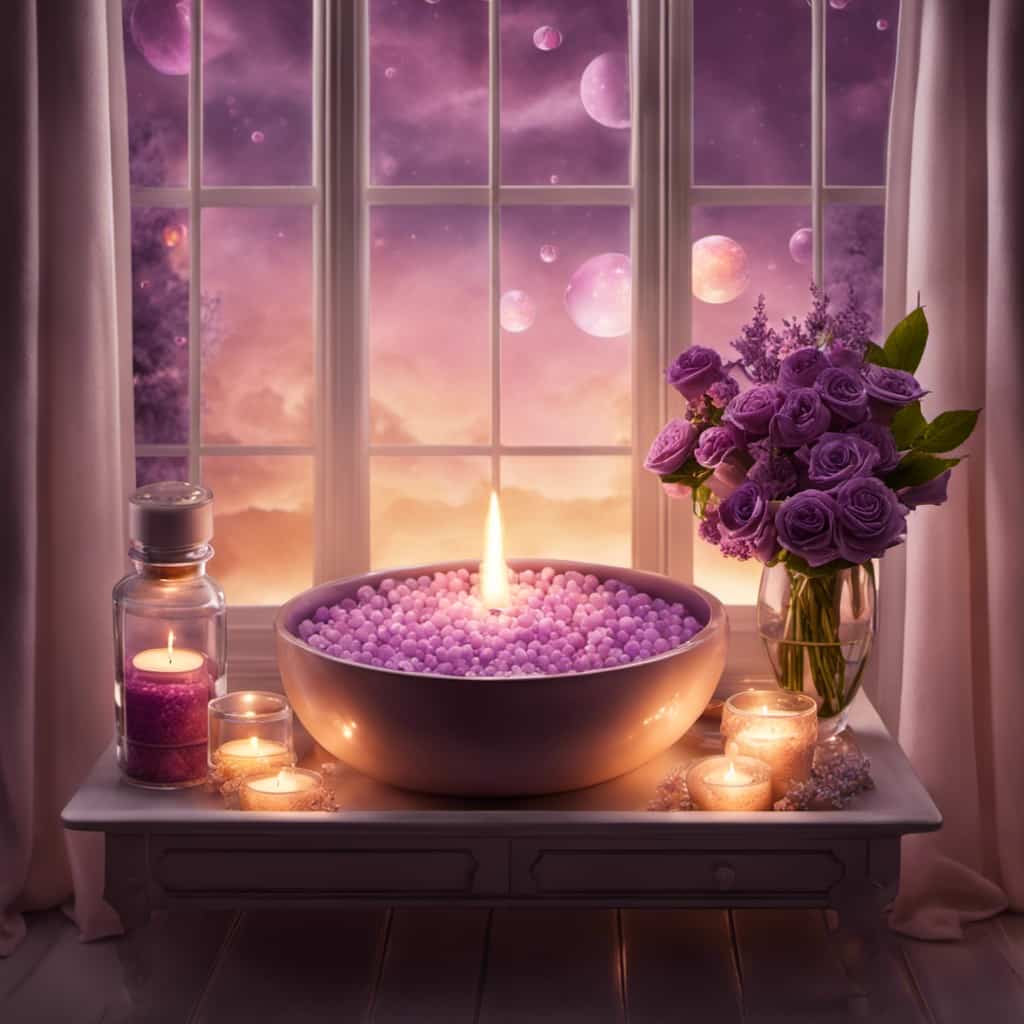
Incorporating aromatherapy into daily routines can significantly enhance emotional health and well-being. By strategically using essential oils, individuals can create positive emotional shifts and improve their overall atmosphere both at home and in the workplace. The following guide provides practical ways to make aromatherapy a seamless part of everyday life.
Practical Ways to Incorporate Aromatherapy
To effectively integrate aromatherapy into daily life, consider these practical approaches that cater to various routines and environments.
- Morning Rituals: Start your day by diffusing energizing essential oils like citrus or peppermint in your bedroom or kitchen. This simple act can uplift your mood and prepare you for the day ahead.
- Workplace Integration: Use a personal essential oil roller or a small diffuser at your desk. Oils like lavender or bergamot promote relaxation and focus during stressful work hours.
- Mindful Moments: Incorporate aromatherapy into meditation or yoga practices. Using calming oils such as sandalwood or frankincense can enhance the experience and aid in emotional release.
- Evening Wind Down: In the evening, create a calming atmosphere with lavender or chamomile essential oils in your bedroom. Consider adding a few drops to your pillow or bath for relaxation before sleep.
Creating a Calming Environment at Home or Work
Establishing a peaceful space is crucial for mental clarity and emotional balance. Aromatherapy plays a vital role in achieving this ambiance.
- Choose the Right Scents: Select essential oils that resonate with your emotional needs. For a calming effect, oils like ylang-ylang and rose can be very effective.
- Utilize Diffusion: Use a diffuser in your living area or workspace to disperse essential oils throughout the air, creating a pleasant and uplifting environment.
- Incorporate Scented Candles: Use soy or beeswax candles infused with essential oils. The gentle flicker of candlelight combined with soothing scents can create a serene atmosphere.
- Regularly Clean Your Space: Ensure your environment is clutter-free and clean, as this enhances the effectiveness of essential oils, allowing for a more enjoyable aromatic experience.
Weekly Planner for Aromatherapy Practices
Designing a weekly planner can be an effective way to maintain a consistent aromatherapy practice aimed at fostering positive emotions.
| Day | Activity | Essential Oil |
|---|---|---|
| Monday | Morning diffusion for energy | Peppermint |
| Tuesday | Midday desk refresh | Grapefruit |
| Wednesday | Yoga session with oils | Sandalwood |
| Thursday | Evening bath with scent | Lavender |
| Friday | Relaxing candlelight dinner | Rose |
| Saturday | Family activity with oils | Sweet orange |
| Sunday | Self-care day with aromatherapy | Frankincense |
“Aromatherapy can be a simple yet powerful tool to uplift your emotional state and create a harmonious environment.”
Conclusive Thoughts
In conclusion, integrating positive emotions aromatherapy into your daily life can transform your emotional landscape, fostering a sense of peace and upliftment. Whether through personalized blends or cultural practices, the journey with aromatherapy is a personal one that offers unique benefits, making it a worthy exploration for anyone seeking emotional enhancement.
Questions and Answers
What essential oils are best for boosting mood?
Some of the best essential oils for boosting mood include bergamot, orange, and peppermint, known for their uplifting properties.
How can I use aromatherapy for stress relief?
Aromatherapy can be used for stress relief through methods like diffusing oils, inhaling directly from the bottle, or applying diluted oils to the skin.
Can aromatherapy help with anxiety?
Yes, certain essential oils like chamomile and frankincense are known to reduce anxiety levels and promote a sense of calm.
How often should I use essential oils for emotional health?
It’s recommended to use essential oils daily, but the frequency can vary based on personal preference and individual response.
Are there any safety concerns with using essential oils?
Yes, it’s important to dilute essential oils before applying them to the skin and to consult with a healthcare provider if you’re pregnant or have health concerns.