
 Penelope Hailey
Oily skin can be a challenge, but understanding its causes and how to manage it can lead to a healthier complexion. Factors like genetics, hormones, and even the environment all play a significant role in how much oil your skin produces. Interestingly, the foods we eat can also contribute to the oiliness of our skin, leading to common misconceptions that need to be addressed. With the right knowledge, anyone can tackle oily skin effectively.
This guide will provide you with essential tips and tricks, from creating a tailored skincare routine to exploring natural remedies and professional treatments. Whether you’re looking for makeup tips or lifestyle changes, you’ll find valuable insights to help you achieve a balanced and radiant complexion.
Understanding the causes of oily skin is essential for effective management
Oily skin can often feel like a frustrating condition to manage, but understanding its underlying causes is a pivotal step toward effective treatment. Various elements contribute to excess oil production, including genetics, hormonal fluctuations, and environmental influences. By acknowledging these factors, individuals can develop tailored skincare regimens that cater to their unique skin needs.
Genetics play a significant role in determining skin type and oil production levels. If oily skin runs in your family, you might be predisposed to it as well. The sebaceous glands, responsible for producing oil, can vary in size and activity due to genetic factors. Hormonal changes, particularly those related to puberty, menstruation, or conditions like polycystic ovary syndrome (PCOS), can lead to increased oil production. And let’s not forget environmental factors—humidity and heat can trigger the skin to produce more oil as a protective mechanism.
Diet and its Influence on Oily Skin
Diet can significantly impact oil production, with certain foods exacerbating the condition. A diet high in refined carbohydrates, sugar, and dairy may lead to increased oil production. Foods that are greasy or fried may also add to the problem, as they can stimulate sebaceous gland activity. On the other hand, a balanced diet rich in fruits, vegetables, lean proteins, and healthy fats can help manage oil levels.
In particular, consider the following dietary influences:
- Refined Sugars: Consuming high amounts of sugar can lead to inflammation and increased oil production.
- Dairy Products: Some studies suggest that dairy may exacerbate oily skin due to its hormonal content.
- Greasy Foods: Fatty meals can activate oil glands, further intensifying the condition.
Understanding these dietary factors can empower individuals to make healthier food choices that benefit their skin.
Common misconceptions about oily skin often include the belief that it is solely caused by poor hygiene or that oily skin does not require moisturization. In reality, inadequate cleansing can lead to a buildup of oil and dirt, but oily skin types also require moisture to prevent the skin from overcompensating with oil.
Furthermore, many individuals believe that harsh products will eliminate oil, but these can often strip the skin and trigger an increased oil response. A balanced skincare routine that includes gentle cleansing, appropriate exfoliation, and non-comedogenic moisturizers can help maintain healthy oil levels without over-drying the skin.
Daily skincare routine tailored for oily skin
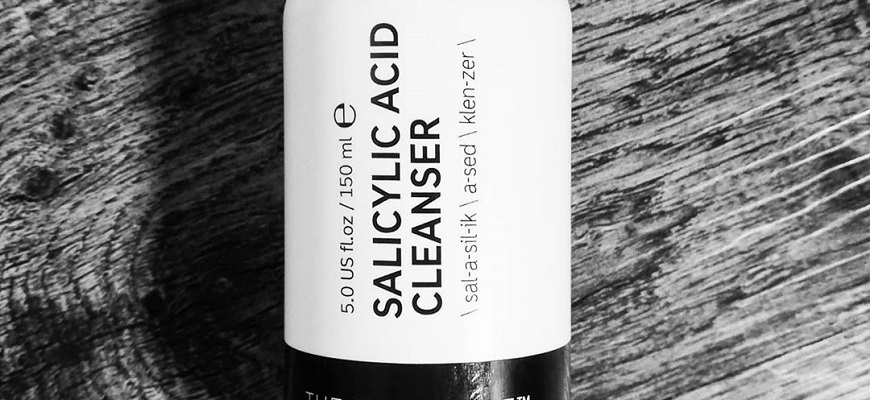
Creating an effective daily skincare routine for oily skin is crucial to manage excess sebum production while maintaining skin hydration. A well-structured regimen helps prevent breakouts, minimizes shine, and promotes a smoother complexion. The following steps ensure that oily skin receives the right care without becoming overly dry or irritated.
To effectively address oily skin issues, start your daily skincare routine with the following essential steps that focus on cleansing, toning, and moisturizing. Each step is vital in balancing oil production and keeping the skin healthy.
Steps for a Daily Skincare Routine
Begin your day with a gentle yet effective cleansing method. This will remove dirt, excess oil, and impurities without stripping the skin of its natural moisture.
1. Cleanser: Choose a foaming or gel-based cleanser that contains salicylic acid or tea tree oil. These ingredients help to break down excess oil and unclog pores.
– Recommended products:
– Neutrogena Oil-Free Acne Wash
– La Roche-Posay Effaclar Purifying Foaming Gel
2. Toner: Apply an alcohol-free toner that contains witch hazel or rose water to tighten pores and restore skin balance.
– Recommended products:
– Thayers Witch Hazel Toner
– Paula’s Choice Skin Balancing Pore-Reducing Toner
3. Moisturizer: Use a lightweight, oil-free moisturizer that hydrates without adding extra shine. Look for gel-based formulas that absorb quickly into the skin.
– Recommended products:
– Neutrogena Hydro Boost Gel-Cream
– Clinique Dramatically Different Hydrating Jelly
4. Sunscreen: In the daytime, apply a broad-spectrum SPF specifically formulated for oily skin to protect from UV damage while controlling oil.
– Recommended products:
– EltaMD UV Clear Broad-Spectrum SPF 46
– La Roche-Posay Anthelios Clear Skin Oil-Free Sunscreen
To properly cleanse and hydrate oily skin without over-drying, follow these tips:
– Frequency: Cleanse your face twice daily—once in the morning and once before bed. Over-cleansing can lead to irritation and increased oil production.
– Warm Water: Use lukewarm water instead of hot water, which can strip the skin of its natural oils.
– Gentle Pat Dry: After cleansing, gently pat your face dry with a clean towel instead of rubbing it, which can irritate the skin.
– Hydration: Even oily skin needs moisture; consider using a hydrating mist or serum throughout the day to maintain hydration levels without adding excess oil.
By incorporating these practices into your daily skincare routine, you can effectively manage oily skin and achieve a balanced, healthy complexion.
Natural remedies to manage oily skin
Managing oily skin can be a challenge, but nature offers a wealth of ingredients that can help control excess oil and keep your complexion balanced. By incorporating natural remedies into your skincare routine, you can harness the power of botanical extracts and essential oils to achieve healthier skin without relying on harsh chemicals. Let’s explore some effective natural ingredients and how to use them in your daily regimen.
Key Natural Ingredients for Oily Skin
Understanding which natural ingredients are effective in reducing oiliness is essential for crafting your skincare routine. The following ingredients are renowned for their oil-controlling properties:
- Tea Tree Oil: Known for its antibacterial and anti-inflammatory properties, tea tree oil can help reduce the acne and blemishes often associated with oily skin.
- Witch Hazel: This astringent derived from the witch hazel plant helps tighten pores and control oil production, making it ideal for oily skin types.
- Aloe Vera: With its soothing and hydrating qualities, aloe vera can balance skin moisture without adding excess oil, providing a calming effect on irritated skin.
DIY Face Masks and Treatments
Creating your own face masks using these natural ingredients is a simple and effective way to treat oily skin. Here are a few easy recipes:
- Tea Tree Oil and Clay Mask: Mix one tablespoon of green clay with a few drops of tea tree oil and enough water to form a paste. Apply to the face, leave it on for 10-15 minutes, and rinse with warm water. This mask helps absorb excess oil and draw out impurities.
- Witch Hazel Toner: Combine witch hazel with equal parts distilled water in a spray bottle. Use it after cleansing to tighten pores and reduce shine throughout the day.
- Aloe Vera Gel Treatment: Apply pure aloe vera gel directly to the skin as a lightweight moisturizer after cleansing. It hydrates the skin while helping to control oil production.
Benefits of Natural Remedies
Using natural remedies for oily skin offers several advantages over commercial products. Many commercial products can contain harsh chemicals that may irritate and strip the skin of its natural moisture. In contrast, natural remedies provide gentler, more nourishing options that can help maintain the skin’s balance.
Natural ingredients not only treat oily skin but also support overall skin health, reducing the risk of future breakouts.
Natural remedies often come with fewer side effects, making them suitable for sensitive skin. Additionally, they can be more cost-effective and environmentally friendly, aligning with a sustainable lifestyle. In embracing these natural approaches, you can achieve a clearer, healthier complexion while minimizing the use of synthetic ingredients.
Makeup tips for individuals with oily skin
Managing oily skin can be challenging, especially when it comes to makeup. The right products and techniques can help you achieve a flawless look that lasts all day. Here are some essential tips and recommendations for makeup application tailored specifically for oily skin.
Recommended makeup products
Choosing the right makeup products is crucial for those with oily skin. Look for formulations that are labeled as oil-free or mattifying, as these help to control shine and keep your makeup intact.
- Foundations: Opt for liquid foundations with a matte finish or powder foundations that absorb excess oil. Brands like Estée Lauder Double Wear and Fenty Beauty Pro Filt’r Matte Foundation are excellent choices.
- Primers: Use a mattifying primer to create a smooth base. Primers containing silicone can help fill in pores and keep oil at bay. Consider using products like Benefit POREfessional or Smashbox Photo Finish Oil & Shine Control Primer.
- Setting powders: A good translucent setting powder is essential. Look for lightweight options that don’t add extra color but effectively control shine. Laura Mercier Translucent Loose Setting Powder is a popular choice among makeup enthusiasts.
- Setting sprays: Finish your look with a setting spray that controls oil and moisture. Urban Decay All Nighter Setting Spray is renowned for its long-lasting effects.
Application techniques for oil control
Applying makeup correctly can make a significant difference in how it wears throughout the day. Employing the right techniques can help reduce shine and ensure your makeup stays put.
- Start with a clean and moisturized face using an oil-free moisturizer suitable for oily skin.
- Apply your mattifying primer using your fingers or a makeup sponge, focusing on areas that tend to get oily, such as the T-zone.
- For foundation, use a beauty blender for an airbrushed finish. Apply in thin layers to avoid cakiness, allowing each layer to set before applying the next.
- Dust a light layer of setting powder over your foundation, concentrating on oily areas. A fluffy brush can help distribute the product evenly.
Setting makeup for long-lasting wear
To prevent your makeup from sliding off during the day, it’s important to set it properly. Here are some effective methods:
- After your makeup application, lightly mist your face with a mattifying setting spray to lock everything in place.
- Carry oil-absorbing sheets to touch up throughout the day. Press them against your skin to remove excess shine without disturbing your makeup.
- Consider using a translucent powder for quick touch-ups if you notice any shine peeking through. This can help keep your look fresh without adding more layers of product.
Lifestyle changes to reduce oil production
Making simple lifestyle adjustments can play a significant role in managing oily skin. Understanding how hydration, stress management, exercise, and dietary choices influence oil production is essential for anyone seeking to maintain a balanced complexion. Here are some effective strategies to incorporate into your daily routine.
Impact of Hydration on Oily Skin
Staying adequately hydrated can help regulate oil production in the skin. Water intake has a direct influence on the skin’s overall health and balance. When the body is properly hydrated, it can efficiently regulate oil levels and reduce the likelihood of overproduction.
“Drinking sufficient water helps maintain skin elasticity and can diminish oiliness.”
Aim for at least eight 8-ounce glasses of water daily, but individual needs may vary based on activity level, climate, and overall health. Hydration ensures that the skin cells function optimally, preventing the sebaceous glands from compensating with excess oil.
Stress Management Techniques
Stress can significantly impact skin health by triggering hormonal fluctuations that lead to increased oil production. Implementing stress management techniques is crucial for maintaining a clear complexion.
Incorporating practices such as:
- Meditation and mindfulness exercises
- Engaging in hobbies or creative activities
- Spending time in nature
- Practicing yoga or deep-breathing exercises
These strategies can help alleviate stress and, in turn, reduce oil production.
Regular Exercise and Its Benefits
Regular physical activity isn’t just good for your body; it also benefits your skin. Exercise promotes healthy blood circulation, which can help deliver oxygen and nutrients to skin cells. Additionally, sweating can help clear out dirt and impurities from the skin.
Establishing a routine that includes at least 150 minutes of moderate aerobic activity weekly can enhance skin health. Activities such as:
- Jogging or running
- Cycling
- Swimming
- Group fitness classes
These activities not only improve overall health but also assist in oil control by promoting a balanced skin environment.
Dietary Influences on Oily Skin
Diet can play a crucial role in skin health, particularly for those with oily skin. Different dietary patterns may influence oil production differently.
For instance, a ketogenic diet, which is high in fats and low in carbohydrates, may help reduce insulin levels and, consequently, oil production in some individuals. It often leads to improved skin conditions for those who are sensitive to sugars and refined carbohydrates.
Conversely, a diet high in processed foods, sugars, and dairy products can exacerbate oiliness and acne. A balanced diet rich in whole foods, including:
- Fruits and vegetables
- Whole grains
- Lean proteins
- Healthy fats from sources like avocados and nuts
can promote healthier skin. Maintaining a food diary may help identify specific foods that trigger oil production, allowing for more personalized dietary adjustments.
The role of professional treatments for oily skin
Professional treatments can significantly enhance the management of oily skin, especially for those struggling with persistent issues like acne or excessive shine. These treatments are designed to penetrate deeper layers of the skin and provide more intensive care than over-the-counter products. Understanding the options available is crucial for anyone looking to improve their skincare routine effectively.
There are various professional treatments available for oily skin, each with unique benefits and potential risks. Some of the most common treatments include chemical peels, facials, and laser therapy. These options can help manage oil production, reduce the appearance of pores, and improve overall skin texture.
Chemical Peels
Chemical peels involve applying a solution that exfoliates the outer layers of skin, helping to clear clogged pores and reduce oiliness. This treatment can vary in intensity, with superficial peels targeting only the outer layer and deeper peels affecting more layers.
“Chemical peels can dramatically improve skin texture and decrease oiliness.”
The benefits of chemical peels include:
- Improved skin texture and tone
- Reduced acne breakout frequency
- Minimized appearance of large pores
- Even skin complexion
However, potential risks involve redness, peeling, or irritation, particularly with deeper peels. It’s essential to follow pre- and post-treatment care as advised by the skincare professional.
Facials
Facials designed specifically for oily skin often include deep cleansing, exfoliation, and the application of masks that help absorb excess oil. These treatments can also incorporate ingredients like salicylic acid, which is known for its acne-fighting properties.
“Regular facials can maintain a balanced complexion and keep oil production in check.”
Benefits of professional facials include:
- Customized treatment based on individual skin needs
- Immediate improvement in skin appearance
- Relaxation and stress relief
While facials are generally safe, clients should communicate their skin type and concerns clearly to avoid any adverse reactions.
Laser Therapy
Laser therapy can effectively treat oily skin by targeting sebaceous glands to reduce oil production. This treatment can also help with acne scars and uneven skin tone.
“Laser therapy offers a long-term solution for managing oiliness and improving skin clarity.”
Key benefits of laser therapy include:
- Long-lasting results with fewer maintenance treatments needed
- Reduced oiliness and minimized pore size
- Improvement in skin firmness and elasticity
Potential risks consist of skin irritation, discoloration, or sensitivity post-treatment. Proper aftercare is crucial for the best results.
Choosing a Reputable Skincare Professional
Selecting the right skincare professional is essential to ensure safe and effective treatment. Look for providers who are licensed and experienced in treating oily skin specifically.
Consider the following factors when choosing a professional:
- Check qualifications and certifications
- Read reviews and testimonials from previous clients
- Schedule a consultation to discuss treatment options and expectations
- Inquire about the products and technology used in treatments
A reputable professional will provide a thorough assessment, tailor treatments to individual skin conditions, and prioritize client safety. Opting for a certified dermatologist or a licensed aesthetician can greatly enhance treatment outcomes and overall satisfaction.
Long-term strategies for managing oily skin
Developing a long-term skincare routine is essential for individuals with oily skin. This skin type often requires consistent attention and tailored strategies to maintain its balance, prevent breakouts, and promote overall skin health. Over time, factors such as environmental changes, hormonal fluctuations, and aging can influence your skin’s needs. Hence, a dynamic approach is necessary for effective management.
Regular skin assessments are a key component of a successful oily skin management plan. Understanding how your skin reacts to different products and environmental conditions allows you to adapt your routine accordingly. This ensures that your skincare regimen remains effective and suitable for your evolving skin needs.
Scheduled skin evaluations
Establishing a timeline for evaluating the effectiveness of your skincare products is crucial. This structured approach helps you identify what works best for your skin while allowing for timely adjustments. Consider the following points for effective evaluations:
- Monthly check-ins: Review your skincare routine every month to observe any changes in your skin’s texture, oiliness, or breakout frequency. This is particularly important after introducing new products.
- Quarterly assessments: Every three months, take a more detailed look at your skin’s overall health. Are there new concerns? Has your oily skin improved or worsened? This is a good time to think about seasonal adjustments, as skin may react differently in varying climates.
- Biannual product reviews: Every six months, analyze the products you are using. Are they still effective? Are there newer formulations or ingredients that might serve your needs better? Research current trends and scientific advancements in skincare.
“Regular assessments lead to informed decisions about skincare, ensuring your routine evolves with your skin’s unique requirements.”
Long-term management also involves being aware of potential triggers that could exacerbate oiliness or breakouts. This includes diet, stress levels, and skincare product ingredients. Keeping a journal to note any correlations between these factors and your skin’s behavior can be incredibly useful.
Additionally, incorporating professional consultations with a dermatologist can provide personalized insights. A dermatologist can assist in identifying the most effective ingredients and treatments tailored to your unique skin concerns, thus optimizing your long-term plan.
By being proactive and adaptable in your approach, you cultivate a skincare routine that not only addresses current issues but also anticipates future changes, ensuring healthy and balanced skin in the long run.
Conclusive Thoughts
In conclusion, managing oily skin doesn’t have to be overwhelming. By adopting the right skincare practices, incorporating natural ingredients, and making thoughtful lifestyle choices, you can effectively reduce excess oil and enhance your skin’s overall health. Remember, the journey to perfect skin is ongoing, so keep experimenting and adjusting your routine as necessary to find what works best for you.
Key Questions Answered
What is the best cleanser for oily skin?
A gentle foaming cleanser with salicylic acid or tea tree oil is effective for oily skin, helping to remove excess oil without over-drying.
Can diet really affect oily skin?
Yes, certain foods can contribute to oil production; a diet high in sugar and refined carbs may increase oiliness.
How often should I wash my face if I have oily skin?
Washing your face twice a day is generally recommended to keep oil levels balanced.
Are there any specific makeup products for oily skin?
Look for oil-free foundations and mattifying primers to help control shine throughout the day.
Can stress make oily skin worse?
Yes, stress can lead to hormonal changes that may increase oil production, so managing stress is crucial for skin health.
Is it safe to use natural remedies on oily skin?
Many natural remedies are safe, but it’s essential to perform a patch test first to avoid irritation.