
 Penelope Hailey
Oily skin routine is essential for anyone looking to manage excess shine while promoting a healthy complexion. Oily skin, often caused by overactive sebaceous glands, can lead to a plethora of skin issues including acne and enlarged pores. Understanding the biological factors, lifestyle influences, and effective skincare ingredients can empower individuals to take control of their skin health.
In this guide, we will delve into the causes of oily skin, the essential ingredients you should incorporate into your skincare routine, and the common mistakes to avoid. From tailored daily routines to dietary considerations, we’ll provide a comprehensive approach to maintaining balance and clarity in oily skin.
Understanding Oily Skin and Its Causes

Oily skin is a common skin type characterized by excess sebum production, leading to a shiny complexion and a propensity for acne. Understanding the biological reasons behind oily skin is essential for developing an effective skincare routine. Oily skin can result from various factors, including genetic predisposition, hormonal changes, and environmental influences. By examining these elements, individuals can better manage their skin’s oiliness and make informed choices regarding their skincare products.
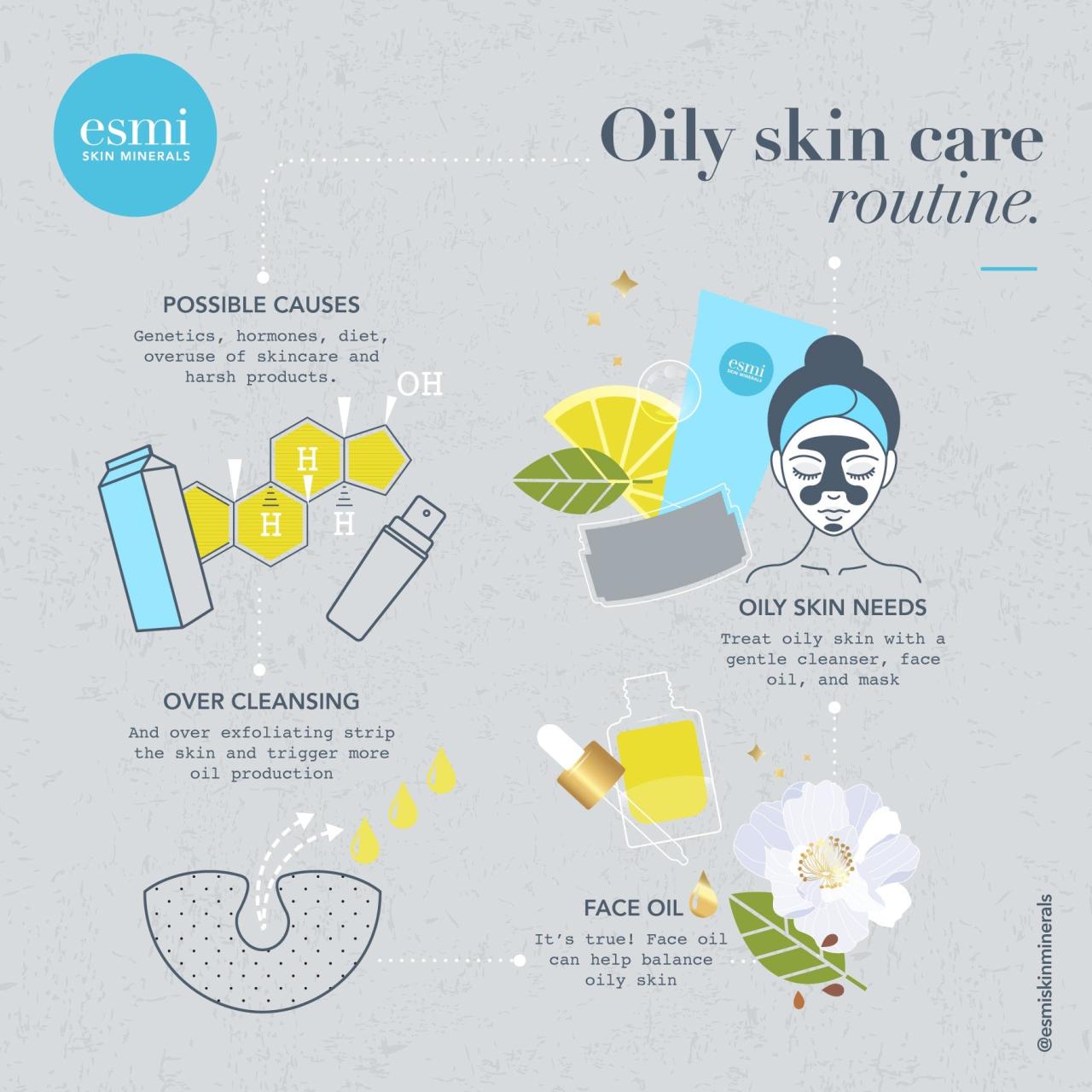
Sebum is a natural oil produced by sebaceous glands located in the skin. The primary biological reason for oily skin lies in the overactivity of these glands, which can be triggered by several factors. Hormones, particularly androgens, play a significant role in regulating sebum production. During puberty, for example, an increase in androgen levels leads to heightened oil production, often resulting in acne. Similarly, hormonal fluctuations during menstruation or pregnancy can also cause the skin to become oilier due to the surge in androgen levels.
Common Triggers of Excessive Oil Production
Several triggers can contribute to excessive oiliness, which individuals should be aware of. Identifying these factors can guide choices about skincare and lifestyle to help manage oily skin effectively.
- Genetics: A family history of oily skin can significantly influence an individual’s skin type. If parents had oily skin, it is more likely their offspring will experience the same condition.
- Hormonal Changes: Fluctuations in hormones, particularly during puberty, menstrual cycles, or pregnancy, can lead to increased sebum production.
- Diet: A diet high in refined carbohydrates and sugars can exacerbate oiliness. Foods that promote inflammation, such as dairy and processed foods, may also influence oil production.
- Environmental Factors: Humidity and heat can stimulate sebaceous glands, leading to increased oiliness. Pollution can also clog pores and contribute to an oily appearance.
- Improper Skincare: Over-cleansing or using harsh products can strip the skin of natural oils, prompting the sebaceous glands to produce more oil in compensation.
Environmental factors and lifestyle choices can further complicate the management of oily skin. Stress, for instance, can trigger hormonal changes that increase oil production. A holistic approach to skincare that considers both biological and environmental influences is crucial. A better understanding of these triggers empowers individuals to take proactive steps in their skincare journey, allowing for a more balanced and healthier complexion.
Maintaining a proper skincare regimen tailored to oily skin can greatly reduce excess oil and improve overall skin health.
Essential Ingredients for an Oily Skin Routine
Oily skin can be a challenge, but the right ingredients in your skincare routine can make all the difference. Understanding how specific components interact with your skin can help you manage oil production and reduce the risk of breakouts. Here are some essential ingredients that are particularly beneficial for those with oily skin.
Key Ingredients
To ensure an effective oily skin routine, incorporating ingredients that balance oiliness and fight acne is crucial. The following ingredients are widely recognized for their efficacy in managing oily skin:
- Salicylic Acid: This beta-hydroxy acid (BHA) is renowned for its ability to penetrate deep into pores, effectively dissolving excess sebum and dead skin cells. By doing so, it helps prevent clogged pores, which can lead to acne. Products like Neutrogena Oil-Free Acne Wash and Paula’s Choice Skin Perfecting 2% BHA Liquid Exfoliant showcase salicylic acid’s power in treating oily skin.
- Niacinamide: Also known as Vitamin B3, niacinamide is celebrated for its anti-inflammatory properties. It helps regulate oil production while improving the skin’s barrier function. This means it not only reduces shine but also fortifies the skin against environmental stressors. The Ordinary Niacinamide 10% + Zinc 1% is a popular choice that effectively targets excess oil and blemishes.
- Tea Tree Oil: This essential oil is praised for its natural antibacterial and anti-inflammatory properties. It aids in reducing acne-causing bacteria on the skin, making it a great ingredient for oily skin types. Products such as The Body Shop Tea Tree Oil and Mario Badescu Drying Lotion leverage tea tree oil to provide a calming effect on breakouts.
Incorporating these ingredients into your skincare routine not only helps control excessive oil but also prevents future breakouts. Salicylic acid effectively exfoliates the skin and unblocks pores, managing the primary cause of acne. Niacinamide balances oil production while soothing irritation and redness, making it a versatile option for oily skin. Lastly, tea tree oil offers a natural solution to fight bacteria, making it easier to maintain a clear complexion without harsh chemicals.
Combining these beneficial ingredients can lead to a well-rounded skincare routine that addresses oiliness while promoting a healthier skin barrier.
Experimenting with products containing these ingredients can significantly enhance your skincare game. However, always patch-test new products and consult a dermatologist if you’re unsure what works best for your skin type. Finding the right balance is essential, and these powerful ingredients can guide you toward achieving the clear, matte complexion you desire.
Step-by-Step Daily Skincare Routine for Oily Skin
Developing a tailored skincare routine for oily skin is essential in managing excess oil, preventing breakouts, and maintaining a healthy complexion. Oily skin can be a challenge, but with the right products and steps, it’s entirely manageable. This guide Artikels an effective morning and evening routine designed specifically for those with oily skin, highlighting crucial products and emphasizing the importance of sun protection.
Morning Routine for Oily Skin
Starting your day with a proper skincare routine sets the tone for healthy skin. The morning routine focuses on cleansing, toning, and moisturizing, while ensuring your skin is protected throughout the day. Below is a detailed list of essential steps and recommended products:
1. Cleansing: Use a gentle foaming cleanser that effectively removes excess oil without stripping the skin of its natural moisture.
– Recommended Product: CeraVe Foaming Facial Cleanser or La Roche-Posay Effaclar Purifying Foaming Gel.
2. Toning: A toner is crucial for balancing skin’s pH and minimizing the appearance of pores. Opt for a toner that contains witch hazel or salicylic acid.
– Recommended Product: Thayers Witch Hazel Toner or Paula’s Choice Skin Balancing Pore-Reducing Toner.
3. Moisturizing: Even oily skin needs hydration. Choose a lightweight, oil-free moisturizer to keep your skin hydrated without adding extra oil.
– Recommended Product: Neutrogena Hydro Boost Water Gel or Clinique Dramatically Different Hydrating Jelly.
4. Sunscreen: Applying sunscreen is vital, even for oily skin. Use a broad-spectrum sunscreen with SPF 30 or higher. Look for gel-based formulations that are non-comedogenic.
– Recommended Product: EltaMD UV Clear Broad-Spectrum SPF 46 or Neutrogena Ultra Sheer Dry-Touch Sunscreen SPF 50.
Daily sunscreen application is essential for protecting your skin from harmful UV rays, which can worsen oily skin conditions and contribute to premature aging.
Evening Routine for Oily Skin
An effective evening routine helps to repair and rejuvenate the skin while you sleep. This routine typically includes cleansing, treatment, and moisturizing to address any issues caused throughout the day.
1. Cleansing: At night, a double-cleansing method can be beneficial. Start with an oil-based cleanser followed by a foaming cleanser to thoroughly remove makeup and impurities.
– Recommended Product: Banila Co Clean It Zero Cleansing Balm followed by CeraVe Foaming Facial Cleanser.
2. Toning: Use the same toner from your morning routine to maintain consistency. This step helps in prepping the skin for better absorption of subsequent products.
– Recommended Product: Thayers Witch Hazel Toner or Paula’s Choice Skin Balancing Pore-Reducing Toner.
3. Treatment: Apply a targeted treatment, such as a BHA product like salicylic acid or a retinoid to help with acne and oil control.
– Recommended Product: The Ordinary Salicylic Acid 2% Solution or Differin Gel (Adapalene).
4. Moisturizing: Finish with a lightweight, oil-free moisturizer as you did in the morning.
– Recommended Product: Neutrogena Hydro Boost Water Gel or Clinique Dramatically Different Hydrating Jelly.
Consistent use of the right products in your evening routine aids in reducing excess oil and preventing breakouts while promoting skin cell turnover.
Common Mistakes in Oily Skin Care and How to Avoid Them
Caring for oily skin can be challenging, and many people inadvertently make mistakes that can worsen their skin condition. Understanding these common errors and how to avoid them is crucial for achieving a balanced and healthy complexion.
Frequent Errors in Oily Skin Care
Several common mistakes can hinder the effectiveness of an oily skin care routine. Recognizing these errors can lead to better management of oily skin.
- Overusing Heavy Moisturizers
Using heavy, non-comedogenic products can clog pores and exacerbate oiliness. It’s essential to choose lightweight, oil-free moisturizers that hydrate without adding excess grease.
- Neglecting Exfoliation
Skipping exfoliation altogether can lead to the buildup of dead skin cells, which may contribute to clogged pores and increased oil production. Regular exfoliation helps clear away this buildup, promoting a smoother texture and preventing breakouts.
- Over-Exfoliating
In contrast, over-exfoliating can strip the skin of its natural oils, causing it to overcompensate by producing even more oil. This can lead to irritation and sensitivity, creating a vicious cycle of oiliness and breakouts. Finding the right balance is crucial.
“Proper exfoliation can help balance oil production, while excess exfoliation can trigger more oiliness and problems.”
Consequences of Using Heavy, Non-Comedogenic Products
Opting for heavy skincare products can lead to a myriad of issues for those with oily skin. These products often contain ingredients that are not formulated for oily skin types, which can cause:
- Clogged Pores
This can result in blackheads, whiteheads, and breakouts, as excess oil gets trapped along with the heavy ingredients.
- Increased Shine
Heavy products can contribute to a shinier appearance, which may be undesired for individuals already dealing with oily skin.
- Skin Irritation
In many cases, heavy formulations can irritate the skin, leading to redness and sensitivity, further complicating an oily skin care regimen.
“Choosing the right products, especially non-comedogenic ones, is vital for managing oily skin effectively.”
Impact of Skipping Exfoliation Versus Over-Exfoliating
Finding the right exfoliation routine is key for those with oily skin, as both skipping it and overdoing it can be detrimental to skin health.
- Skipping Exfoliation
When exfoliation is neglected, dead skin cells accumulate, which can lead to clogged pores and a dull complexion. This lack of renewal may also trigger the skin to produce more oil in an effort to compensate for the lack of moisture and smoothness.
- Over-Exfoliating
Conversely, over-exfoliating can damage the skin barrier, leading to excessive dryness and irritation. This reaction prompts an increase in oil production, causing more breakouts and an uneven skin tone.
“Moderation is key: regular exfoliation can promote a healthier skin surface, while too much can lead to exacerbated oiliness and irritation.”
The Role of Diet in Managing Oily Skin
Diet plays an integral role in how our skin behaves, particularly for those with oily skin. Certain dietary choices can either contribute to excess oil production or help maintain a balanced complexion. Understanding the connection between what we eat and our skin can be a game-changer for managing oiliness effectively.
The connection between diet and skin health is rooted in the fact that the foods we consume influence hormone levels, inflammation, and oil production. High-glycemic foods, dairy, and unhealthy fats can exacerbate oily skin, while a balanced diet rich in whole foods can promote healthier skin. Making mindful choices about what to include in your meals can pave the way for clearer, less oily skin.
Foods That May Exacerbate Oily Skin
Certain foods can lead to increased oil production and exacerbate oily skin. Understanding which items to limit or avoid is essential for achieving a healthier complexion. Here are some examples:
- Refined Carbohydrates: White bread, pastries, and sugary snacks can spike insulin levels, leading to more oil production.
- Dairy Products: Milk and cheese may increase oiliness due to hormones present in dairy.
- Fried and Greasy Foods: High-fat foods can affect the skin’s oil balance, making it greasier.
- Processed Sugars: Sweets and sugary drinks can contribute to inflammation and excess oil secretion.
Foods That Can Help Manage Oily Skin
Incorporating specific foods into your diet can help balance oil production and promote healthier skin. Consider adding these options to your meals:
- Fruits and Vegetables: Foods rich in vitamins A and C, such as carrots and oranges, can help control oil production and improve skin health.
- Omega-3 Fatty Acids: Fatty fish like salmon and walnuts help reduce inflammation, which can in turn balance oil levels.
- Whole Grains: Foods like brown rice and oats can help stabilize blood sugar levels, reducing the likelihood of excessive oil production.
- Green Tea: Rich in antioxidants, green tea can help reduce inflammation and may help control oiliness.
Hydration and Its Significance for Maintaining Skin Balance
Staying hydrated is crucial for maintaining skin health, especially for those with oily skin. Adequate water intake helps regulate oil production by maintaining the skin’s moisture balance. Dehydration can lead to an overproduction of oil as the skin tries to compensate for lack of moisture.
Drinking sufficient water not only aids in skin hydration but also supports overall bodily functions, including digestion and detoxification. Aim for at least eight glasses of water a day, and consider consuming hydrating foods such as cucumbers, tomatoes, and watermelon to further support your skin’s needs.
“A well-hydrated body reflects in healthier skin, helping to manage oiliness effectively.”
Effective DIY Treatments for Oily Skin
For those struggling with oily skin, finding the right treatments can feel overwhelming. Fortunately, there are numerous effective DIY treatments that can help manage excessive oil production, unclog pores, and promote a clearer complexion. Using natural ingredients not only allows for easy customization but also helps avoid the harsh chemicals often found in commercial products.
Natural remedies can be highly effective for oily skin due to their inherent properties that help balance oil levels. Below are several homemade masks and treatments that can effectively benefit oily skin. Each recipe is designed to be straightforward and utilizes ingredients that are typically easy to find.
Homemade Masks and Treatments for Oily Skin
Among the various DIY treatments, the following masks are particularly beneficial:
1. Clay Mask
– Ingredients: 2 tablespoons bentonite clay, 1 tablespoon apple cider vinegar, and water as needed.
– Preparation and Application: Mix the clay and apple cider vinegar in a bowl until smooth. Add water gradually to achieve a spreadable consistency. Apply the mixture evenly across your face and leave it on for 10-15 minutes or until it dries. Rinse thoroughly with warm water.
– Benefits: Clay masks are great for absorbing excess oil and impurities while tightening pores.
2. Egg White and Lemon Mask
– Ingredients: 1 egg white and 1 teaspoon fresh lemon juice.
– Preparation and Application: Whisk the egg white until frothy, then mix in the lemon juice. Apply the mixture to your face, avoiding the eye area. Let it sit for 10-15 minutes before rinsing with cool water.
– Benefits: Egg whites help tighten the skin and reduce oil, while lemon juice acts as a natural astringent.
3. Aloe Vera Gel
– Ingredients: Fresh aloe vera leaf.
– Preparation and Application: Cut the aloe vera leaf and scoop out the gel. Apply the gel directly to your face, leaving it on for about 20 minutes before rinsing with water.
– Benefits: Aloe vera is known for its soothing and anti-inflammatory properties, which can help calm oily skin and reduce breakouts.
Using natural ingredients does come with some considerations. While many people benefit from DIY treatments, those with sensitive skin should exercise caution, as some natural components can cause irritation or allergic reactions. Always perform a patch test before trying a new treatment, and consult with a dermatologist if you have concerns about specific ingredients.
Natural ingredients can effectively balance oil levels while being gentle on the skin.
Lifestyle Changes to Support Oily Skin Management
Managing oily skin goes beyond just a skincare routine; it requires a holistic approach that includes lifestyle changes. Factors like stress, sleep quality, and physical activity play significant roles in regulating oil production and overall skin health. By adopting specific habits, individuals with oily skin can enhance their skin clarity and feel more confident.
Stress and sleep patterns are directly linked to oil production and skin health. When a person experiences high levels of stress, the body releases cortisol, a hormone that can lead to increased oil production in the skin glands. Additionally, poor sleep can disrupt the skin’s natural repair processes, exacerbating oily skin and leading to breakouts. Prioritizing stress management and good sleep hygiene can help stabilize oil production and improve skin clarity.
Stress-Relief Techniques and Their Impact on Skin Clarity
Implementing effective stress-relief techniques can have a significant positive effect on oily skin. Here are some methods to consider, alongside their skin benefits:
- Meditation: Regular meditation practice can lower cortisol levels, leading to reduced oiliness in the skin.
- Yoga: Engaging in yoga not only alleviates stress but also enhances blood circulation, promoting healthier skin.
- Deep Breathing Exercises: Simple deep breathing can calm the mind, helping to control stress and its impacts on skin health.
- Hobbies and Leisure Activities: Pursuing enjoyable activities can serve as a great distraction from daily stressors, benefiting both mental and skin health.
Incorporating these techniques into your daily routine can contribute to a more balanced lifestyle and improve overall skin clarity.
The Relationship Between Exercise and Oily Skin
Regular physical activity plays a crucial role in managing oily skin by promoting circulation and reducing stress. Exercise helps to regulate hormones, which can prevent spikes in oil production. Moreover, sweating during workouts can cleanse pores of excess oil and impurities, although it’s essential to follow up with proper skincare to avoid breakouts.
For optimal benefits, consider the following recommendations:
- Consistency: Aim for at least 30 minutes of moderate exercise most days of the week.
- Post-Workout Skincare: Always cleanse your face after exercising to remove sweat and oil buildup.
- Short, Intense Workouts: High-intensity interval training (HIIT) can be particularly effective in balancing hormones and managing stress.
- Hydration: Maintain proper hydration levels before, during, and after exercise to support skin health.
By integrating exercise into a daily routine, individuals can not only enhance their physical fitness but also contribute positively to their skin’s health.
Understanding the Importance of Regular Dermatologist Visits
Visiting a dermatologist regularly is vital for anyone, particularly those with oily skin, to maintain skin health and address specific concerns effectively. Consulting a dermatologist can provide personalized skincare advice tailored to individual needs, which is essential for achieving the best results in managing oily skin.
During a skin consultation focused on oily skin issues, patients can expect a comprehensive assessment of their skin type, concerns, and lifestyle. The dermatologist will likely ask about skincare routines, environmental factors, and any underlying health conditions that may contribute to oiliness. This thorough approach ensures that the advice given is grounded in a full understanding of the patient’s situation.
Personalized Skincare Advice for Oily Skin
Personalized skincare advice from a dermatologist can significantly enhance the management of oily skin. The dermatologist will provide insights that are specific to the individual’s skin type, including product recommendations and lifestyle changes that can minimize oil production and prevent breakouts. The following points illustrate the importance of tailored advice:
- Customized product recommendations can help avoid irritation and excessive oiliness.
- Targeted treatment options, such as prescription medications, can address specific concerns like acne or enlarged pores.
- Guidance on proper cleansing and exfoliation techniques can promote skin clarity.
Treatments and Therapies for Oily Skin Concerns
Dermatologists offer a range of treatments and therapies designed for oily skin concerns, ensuring that patients have access to effective solutions. Some common options include:
- Topical retinoids help regulate oil production and prevent clogged pores, reducing the likelihood of acne breakouts.
- Chemical peels remove dead skin cells and excess oil, improving skin texture and appearance.
- Oral medications, such as antibiotics or hormonal treatments, may be prescribed for more severe cases of acne.
- Professional facials tailored for oily skin can provide deep cleansing and hydration without exacerbating oiliness.
These treatments are often combined with ongoing monitoring by the dermatologist to ensure that the chosen strategy is effective and adjusted as necessary. Regular visits allow for timely interventions that can significantly improve skin health and overall well-being.
Ultimate Conclusion
In conclusion, managing oily skin requires a thoughtful approach that combines effective products, lifestyle choices, and regular dermatologist consultations. By understanding the intricacies of your skin and following a well-rounded routine, you can minimize excess oil and promote a clearer, healthier complexion. Remember, consistency is key, and with the right strategies, you can achieve the balanced skin you’ve always desired.
Quick FAQs
What are some common signs of oily skin?
Common signs include a shiny appearance, enlarged pores, and frequent breakouts, particularly in the T-zone.
Can oily skin be dehydrated?
Yes, oily skin can be dehydrated, leading to an imbalance where the skin produces more oil to compensate.
How often should I exfoliate oily skin?
Exfoliating about 1-3 times a week is generally recommended to remove dead skin cells without overdoing it.
Are there any foods that can help with oily skin?
Foods rich in omega-3 fatty acids, such as salmon and walnuts, as well as fruits and vegetables high in antioxidants, can benefit oily skin.
How does stress affect oily skin?
Stress can trigger hormonal fluctuations that may increase oil production, leading to breakouts and a greasy appearance.