
 Penelope Hailey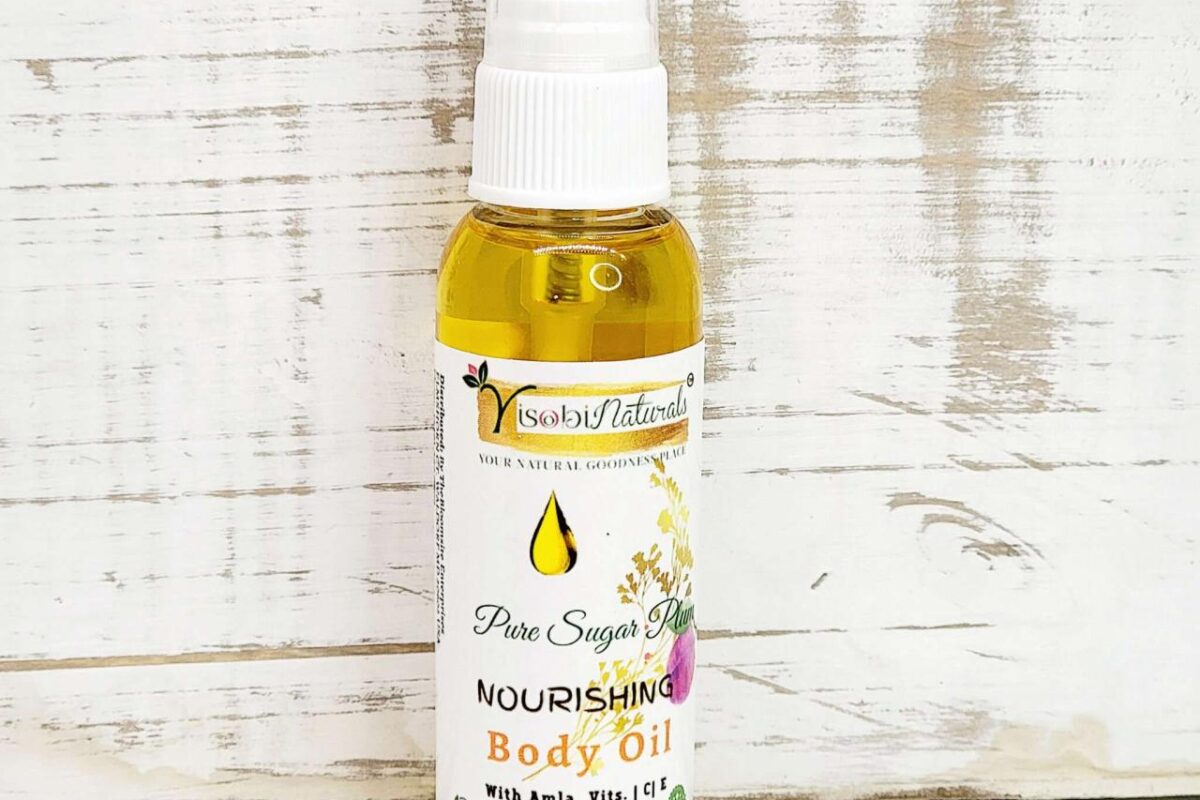
Nourishing body oil is gaining traction as a must-have in skincare routines, and for good reason. These oils not only provide a deep level of hydration but also help maintain the skin’s natural barrier, promoting overall skin health. With a variety of options available, it’s easy to find the right blend tailored to individual skin types, whether you’re dealing with dryness, sensitivity, or looking to enhance your glow.
Incorporating nourishing body oils into your daily regimen can transform your skin by offering essential fatty acids, vitamins, and antioxidants. These benefits promote smoother, more radiant skin while also enhancing the effectiveness of other skincare products. From choosing the right oil to understanding its unique properties, embracing nourishing body oils can elevate your skincare game.
The Importance of Nourishing Body Oils in Skincare Routines
Nourishing body oils have become a staple in many skincare routines, celebrated not only for their moisturizing properties but also for their ability to enhance the overall health and appearance of the skin. These oils are formulated to penetrate deeply, providing essential nutrients and hydration that help to maintain the skin’s natural barrier function. They play a vital role in ensuring skin remains supple, smooth, and radiant.
Incorporating body oils into daily skincare practices can significantly elevate one’s routine. Unlike traditional lotions and creams that may sit on the surface, body oils are absorbed more readily, delivering hydration and nourishment where it’s needed most. This deep penetration helps to seal in moisture, making them especially beneficial for individuals with dry or sensitive skin. Additionally, body oils can contain a variety of beneficial ingredients, such as vitamins, antioxidants, and essential fatty acids, which help to combat signs of aging, improve elasticity, and promote an even skin tone.
Choosing the Right Body Oil for Different Skin Types
Selecting the appropriate body oil requires understanding your skin type and its unique needs. Here’s a guide to help you make the right choice:
– Dry Skin: Look for oils rich in fatty acids, such as jojoba oil or avocado oil. These oils provide intense hydration and help restore the skin’s moisture barrier.
– Oily Skin: Opt for lightweight oils like grape seed oil or hemp seed oil, which are non-comedogenic and won’t clog pores. These oils can help regulate sebum production without leaving a greasy residue.
– Sensitive Skin: Choose oils like chamomile oil or calendula oil, known for their soothing properties. These oils can help calm inflammation and irritation while providing nourishment.
– Combination Skin: A versatile oil such as sweet almond oil can balance the needs of both dry and oily areas, providing hydration without overwhelming the skin.
Regular use of the right nourishing body oil can lead to visibly healthier skin. Over time, the skin becomes resilient, maintaining its moisture balance and elasticity. By understanding your skin type and incorporating suitable body oils, you ensure that your skincare routine is both effective and enjoyable.
Key Ingredients Found in Nourishing Body Oils and Their Benefits
Nourishing body oils are formulated with a variety of key ingredients that work together to provide intense hydration and skin benefits. Understanding these ingredients can help you choose the right oil for your skin type and concerns. Below, we explore five commonly found ingredients in body oils and their unique advantages for maintaining healthy skin.
Key Ingredients and Their Benefits
The effectiveness of body oils greatly relies on their key ingredients. Here’s a closer look at five notable components and the specific skin benefits they offer:
- Jojoba Oil: Jojoba oil closely mimics the natural oils of the skin, making it an excellent moisturizer. It helps to regulate sebum production, ensuring hydration without clogging pores. Rich in vitamin E and antioxidants, it also aids in repairing the skin barrier.
- Argan Oil: Known for its high vitamin E content and fatty acids, argan oil provides deep hydration and helps to reduce inflammation. It is particularly beneficial for dry skin, as it improves elasticity and promotes a healthier complexion.
- Sweet Almond Oil: This oil is packed with vitamins A, E, and B, which nourish the skin and promote a smooth texture. Its lightweight nature allows for easy absorption and helps to soothe irritation and redness.
- Fractionated Coconut Oil: Unlike regular coconut oil, fractionated coconut oil remains liquid at room temperature and penetrates the skin easily. It provides excellent hydration and has antimicrobial properties that can help with acne-prone skin.
- Grapeseed Oil: Grapeseed oil is rich in linoleic acid, which helps to strengthen the skin’s barrier and maintain moisture. It is also known for its anti-aging benefits, as it promotes collagen production and improves skin texture.
These ingredients not only provide nourishment but work synergistically to enhance hydration levels in the skin. They penetrate deeply, allowing for long-lasting moisture and improved skin health.
While these oils offer numerous benefits, it’s essential to be aware of potential allergens or irritants. Users with sensitive skin should perform a patch test before full application, especially for oils with a higher likelihood of causing reactions, such as essential oils or nut-based oils like sweet almond oil. Reading ingredient labels carefully can help avoid unwanted irritations and ensure a safe and enjoyable experience with nourishing body oils.
DIY Nourishing Body Oil Recipes for Natural Skincare Enthusiasts
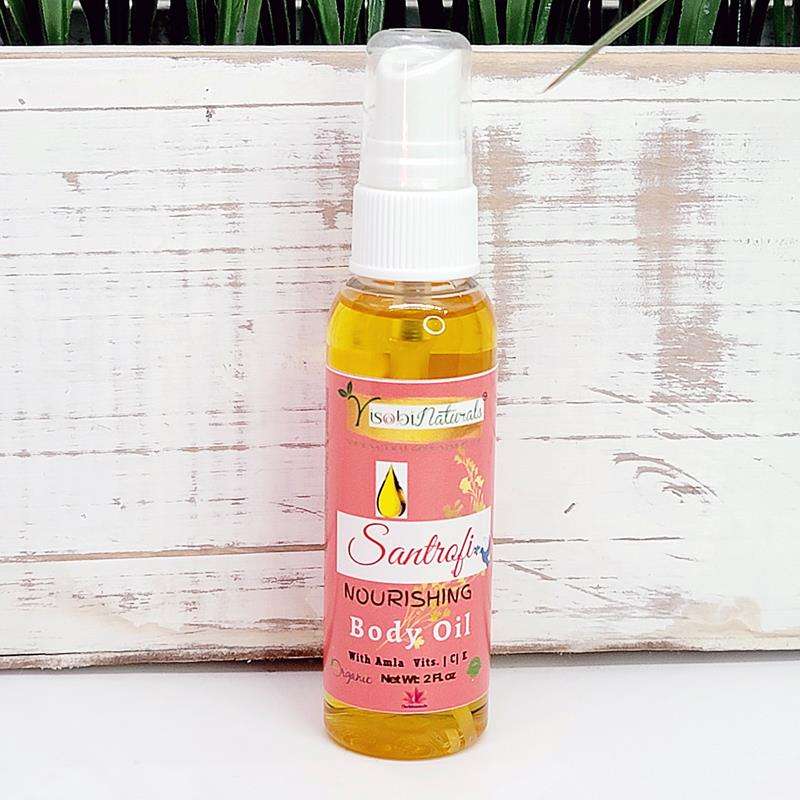
Creating your own nourishing body oils at home can be a rewarding experience, allowing you to customize blends that cater specifically to your skin’s needs. By selecting high-quality, natural oils, you not only save money but also ensure that your skin receives the best possible nutrients. Here, we’ll explore three DIY nourishing body oil recipes that harness the power of nature to hydrate, soothe, and rejuvenate your skin.
Recipe 1: Lavender & Jojoba Oil Blend
This calming body oil is perfect for those looking to relax and unwind. Jojoba oil is known for its skin-replenishing properties and closely mimics the skin’s natural oils, making it an excellent moisturizer. Lavender essential oil adds a soothing aroma and possesses anti-inflammatory properties.
- Ingredients:
- 1/2 cup Jojoba oil
- 10 drops Lavender essential oil
- Benefits:
- Hydrates and nourishes dry skin.
- Promotes relaxation and aids in better sleep.
- Soothes skin irritations and reduces redness.
- Instructions:
- In a clean glass bottle, combine jojoba oil and lavender essential oil.
- Shake well to blend the oils.
- Apply after a shower for best results, focusing on dry areas.
Recipe 2: Coconut & Sweet Almond Oil Moisturizer
This tropical blend is great for deep hydration and skin nourishment. Coconut oil is renowned for its moisturizing properties, while sweet almond oil is rich in vitamins A and E, helping to maintain skin elasticity.
- Ingredients:
- 1/2 cup Coconut oil (solid)
- 1/4 cup Sweet almond oil
- Optional: 5 drops of your favorite essential oil (e.g., vanilla or orange)
- Benefits:
- Locks in moisture and combats dryness.
- Improves skin texture and tone.
- Provides antioxidant protection against free radicals.
- Instructions:
- In a mixing bowl, soften coconut oil slightly (not melted).
- Add sweet almond oil and any essential oil, then mix until well combined.
- Transfer to a clean jar or bottle and apply generously to the skin.
Recipe 3: Grapeseed & Rosemary Oil Elixir
This invigorating oil is ideal for oily or combination skin. Grapeseed oil is light and absorbs quickly, providing hydration without clogging pores. Rosemary essential oil stimulates circulation and provides a fresh, herbal scent.
- Ingredients:
- 1/2 cup Grapeseed oil
- 5 drops Rosemary essential oil
- Benefits:
- Balances oil production in the skin.
- Promotes circulation, which can enhance skin appearance.
- Antimicrobial properties can help prevent breakouts.
- Instructions:
- Combine grapeseed oil and rosemary oil in a small glass bottle.
- Shake to blend and allow to sit for a few hours for optimal infusion.
- Massage into skin as needed, focusing on oily areas.
Cost and Benefits Comparison of DIY Oils Versus Store-Bought Options
When considering whether to craft your own nourishing body oils or purchase ready-made ones, it’s essential to evaluate both the financial and health benefits. Below is a comparison table that illustrates these factors.
| Aspect | DIY Oils | Store-Bought Oils |
|---|---|---|
| Cost | Approximately $10 – $20 per batch | Typically $20 – $50 per bottle |
| Customization | Fully customizable based on personal preferences | Limited to available scents and formulations |
| Ingredients | Natural, high-quality oils without fillers | May contain synthetic fragrances and preservatives |
| Control Over Allergens | Full control over potential allergens | Possible allergens present in formulations |
| Time Investment | Minimal time to prepare | No time investment for convenience |
The advantages of DIY nourishing body oils, such as cost-effectiveness, customization, and control over ingredients, often outweigh the convenience of purchasing pre-made products. Each recipe offers distinct benefits, ensuring that your skincare routine aligns perfectly with your natural preferences and skin needs.
Techniques for Effectively Applying Nourishing Body Oils
Applying nourishing body oils can transform your skincare routine into a luxurious experience while providing numerous benefits to your skin. To ensure maximum absorption and effectiveness, it’s essential to adopt the right techniques during application. Incorporating body oils thoughtfully into your self-care routine not only enhances your skincare but also promotes relaxation and well-being.
Best Methods for Applying Body Oils
Utilizing effective application methods will maximize the benefits of body oils. The right technique ensures that the oil penetrates the skin deeply and provides optimal hydration. Here are some recommended practices:
- Warm the Oil: Rubbing the oil between your palms before application helps to warm it up, which can enhance absorption into the skin.
- Apply on Damp Skin: For best results, apply body oil immediately after your shower, when your skin is still damp. This method traps moisture and allows the oil to penetrate more effectively.
- Use Gentle Massaging Motions: Applying the oil using gentle, circular motions stimulates blood flow and enhances absorption. Focus on areas that are particularly dry or require extra attention.
- Target Specific Areas: Use body oil on specific problem areas, such as elbows, knees, and heels, to provide intense hydration where it’s needed most.
Incorporating Body Oil into a Self-Care Routine
Integrating body oil into your self-care routine can elevate your relaxation experience. Here are some tips to make it a soothing ritual:
- Create a Calm Environment: Dim the lights, play soft music, and use aromatherapy to create a tranquil atmosphere before starting your body oil application.
- Set Aside Time: Treat body oil application as a dedicated self-care time. Set aside 10-15 minutes for yourself without interruptions.
- Focus on Breath: As you apply the oil, take deep breaths to relax your mind and body. This mindfulness practice can amplify the calming effects of the oil.
- Combine with Other Relaxation Techniques: Pair the application with stretching or light yoga to further enhance relaxation and improve circulation.
Layering Body Oils with Other Skincare Products
Layering body oils with other skincare products amplifies their effects, leading to healthier skin. Understanding how to combine these products effectively is crucial.
- Use After Moisturizers: Applying body oil after a lotion or cream can lock in moisture and provide an additional barrier against dryness.
- Mix with Body Cream: For a richer application, mix a few drops of body oil into your regular body cream. This combination delivers enhanced hydration and nourishment.
- Apply Before Sunscreen: If using oils during the day, ensure they’re applied before sunscreen. This allows the skin to benefit from the oil while still being protected from UV rays.
- Choose Complementary Ingredients: Layer oils with products that have complementary ingredients, such as oils rich in antioxidants with creams that contain vitamins A and C, to maximize skin health.
The Role of Nourishing Body Oils in Massage Therapy
Nourishing body oils play a vital role in enhancing the overall experience and benefits of massage therapy. These oils not only facilitate smoother movement of the therapist’s hands over the skin but also provide essential nutrients to the skin, promoting hydration and overall well-being. When incorporated into massage practices, these oils can transform a standard massage into a deeply relaxing and therapeutic experience for both the client and the practitioner.
The selection of appropriate body oils is crucial for maximizing the benefits of massage therapy. Each oil possesses unique properties that can influence the massage experience, from aroma to absorption rate. The following are some body oils that are particularly well-suited for massage practices:
Best Body Oils for Massage Therapy
When choosing a body oil for massage, it is important to consider its texture, scent, and skin benefits. Here are some exemplary oils commonly used in massage therapy:
- Sweet Almond Oil: Known for its light texture and nourishing properties, sweet almond oil is easily absorbed into the skin. It is rich in vitamins A and E, making it an excellent choice for sensitive skin.
- Jojoba Oil: With a composition similar to our skin’s natural oils, jojoba oil offers a non-greasy feel and provides deep hydration. It is ideal for people with oily or acne-prone skin.
- Coconut Oil: Valued for its moisturizing capabilities, coconut oil is often used in massage for its soothing properties and delightful, tropical aroma. It is solid at room temperature but melts upon contact with the skin.
- Grapeseed Oil: A lightweight oil that is rich in linoleic acid, grapeseed oil is often chosen for its ability to hydrate without clogging pores. It has a neutral scent, making it an excellent carrier oil for essential oil blends.
- Argan Oil: Packed with antioxidants and essential fatty acids, argan oil is known for its anti-aging benefits. Its rich texture makes it perfect for deep tissue massages.
The use of nourishing body oils during massages brings forth a multitude of physical and emotional benefits. Firstly, these oils can significantly enhance skin hydration and elasticity, leading to improved skin health. Massaging with oils helps to increase blood circulation, promoting the transport of nutrients and oxygen to skin cells.
Emotionally, the scent of the oils can have a profound effect on the mind and body. For instance, lavender oil is known for its calming properties, which can help reduce anxiety and stress levels, promoting relaxation. The act of massage itself, coupled with the use of nourishing oils, can release endorphins, providing a sense of well-being and promoting emotional balance.
The integration of nourishing body oils not only elevates the physical aspects of massage but also enriches the emotional experience, making every session uniquely beneficial.
In summary, nourishing body oils are essential for enhancing the effectiveness and enjoyment of massage therapy. By selecting the right oil, therapists can tailor the experience to meet the individual needs of their clients, promoting both physical comfort and emotional tranquility.
Seasonal Considerations for Using Nourishing Body Oils
As the seasons change, so do our skin’s needs. Nourishing body oils play a pivotal role in maintaining skin health throughout the year, adapting to the varying external conditions and internal requirements of our bodies. Understanding how to effectively incorporate these oils into your skincare routine can significantly enhance your skin’s hydration, texture, and overall appearance, making it essential to consider seasonal adjustments.
The effectiveness of body oils can greatly differ between summer and winter months. During the hot, dry summer, lighter oils that absorb quickly and provide hydration without a greasy residue are most beneficial. In contrast, winter demands richer, more emollient oils that create a barrier to prevent moisture loss and protect against harsh weather.
Summer Body Oil Choices
In the summer, the focus should be on lightweight and non-comedogenic oils that hydrate without clogging pores. Here are some oils that work best during this season:
- Jojoba Oil: Known for its similarity to the skin’s natural sebum, jojoba oil is excellent for hydration and is non-greasy, making it ideal for hot weather.
- Grapeseed Oil: This light oil is easily absorbed and rich in antioxidants, helping to protect the skin from sun damage while keeping it moisturized.
- Sweet Almond Oil: With its high vitamin E content, sweet almond oil nourishes the skin without leaving a heavy feeling, perfect for summer use.
Winter Body Oil Choices
Winter brings cold, dry air that can sap moisture from the skin, necessitating the use of richer, more protective body oils. The following oils can provide the necessary hydration during colder months:
- Coconut Oil: Renowned for its deep moisturizing properties, coconut oil creates a protective barrier on the skin, preventing moisture loss in cold conditions.
- Avocado Oil: High in fatty acids and vitamins, avocado oil penetrates deeply and nourishes the skin, making it a great option for dry winter skin.
- Argan Oil: Often referred to as “liquid gold,” argan oil is rich in essential fatty acids and antioxidants, providing intense hydration and repair for winter skin.
Transitioning Skincare Routines for Seasonal Changes
To effectively transition your skincare routine with the seasons, it is essential to recognize the specific requirements your skin may have. Here are some practical steps to ensure your skin remains healthy year-round:
- Adjust the oil consistency: Start incorporating lighter oils in spring and summer, and switch to richer oils as fall and winter approach.
- Incorporate layering: Use a hydrating serum or lotion under your body oil in colder months to add an extra layer of moisture.
- Pay attention to exposure: During summer, apply oils after sun exposure to soothe and replenish the skin, while in winter, use them post-bathing to lock in moisture.
“Understanding your skin’s needs throughout the seasons is the key to maintaining its health and radiance.”
The Influence of Aromatherapy and Essential Oils in Nourishing Body Oils
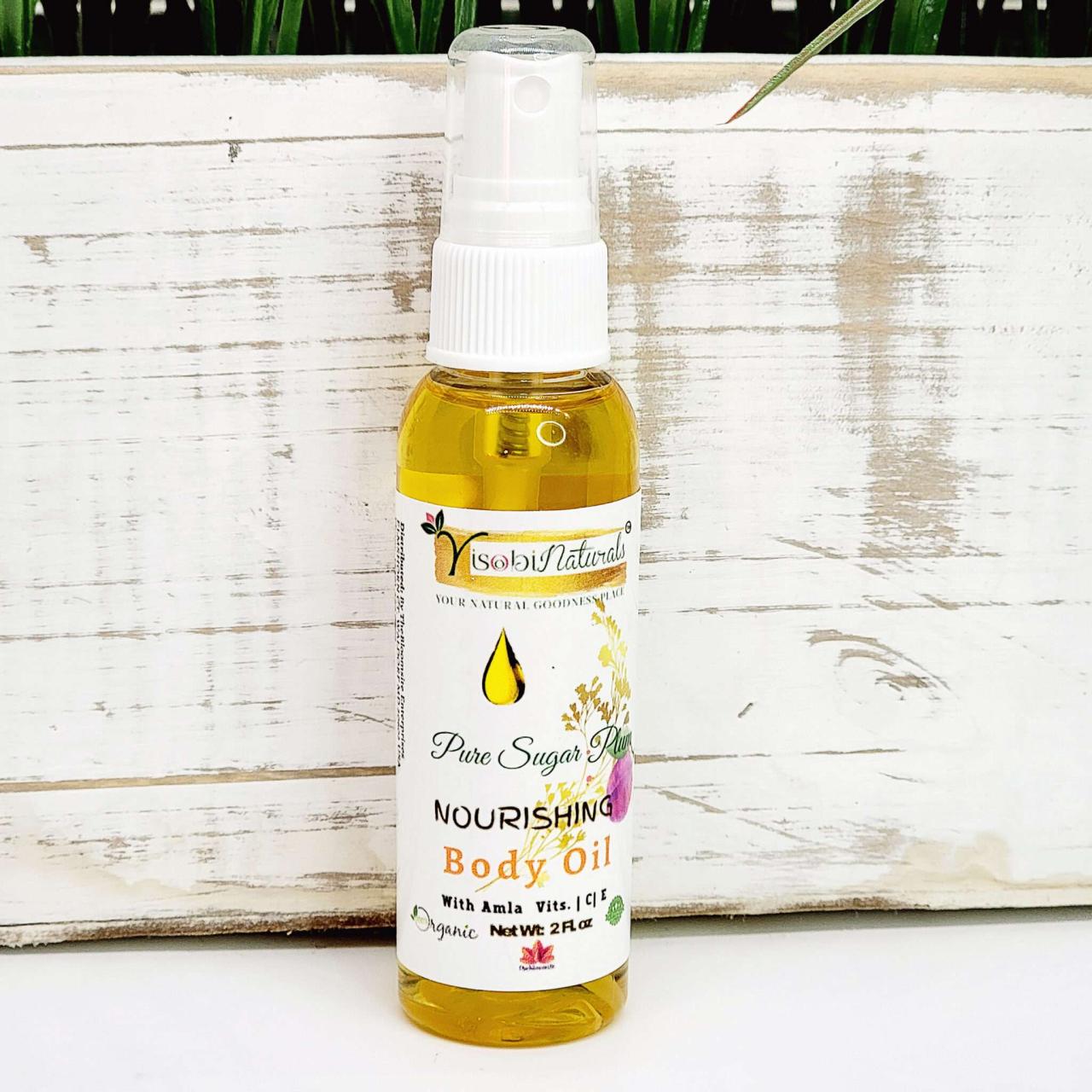
The incorporation of essential oils into nourishing body oils dramatically enhances their overall benefits, providing not only physical nourishment but also emotional and psychological wellness. Aromatherapy has been practiced for centuries, utilizing the natural properties of plant extracts to promote healing and relaxation. By blending essential oils with carrier oils, individuals can create personalized body oils that cater to their specific needs, turning an everyday routine into a holistic self-care ritual.
Essential oils are concentrated plant extracts known for their therapeutic properties. When added to nourishing body oils, they can elevate the product’s effectiveness, offering a range of benefits from soothing inflammation to improving skin texture. Each essential oil has unique characteristics that contribute to its effectiveness, making their selection crucial when formulating body oils.
Enhancement of Benefits through Essential Oils
The inclusion of essential oils in nourishing body oils can amplify their effects on the skin and overall well-being. Here are some of the key benefits of essential oils:
- Anti-inflammatory Properties: Oils like lavender and chamomile help reduce skin irritation and redness, promoting a more even complexion.
- Moisturizing Effects: Essential oils such as geranium and rose are known to balance skin moisture, preventing dryness and enhancing skin elasticity.
- Healing Capabilities: Tea tree oil is renowned for its antibacterial properties, making it effective for acne-prone skin.
- Stress Relief: Scents like bergamot and ylang-ylang are known to promote relaxation and reduce anxiety when applied or inhaled.
The emotional and psychological impact of scents can significantly influence one’s mood and mental state. The olfactory system is closely linked to the limbic system, which governs emotions. Different scents can evoke a variety of feelings and memories, helping to create a soothing environment.
Emotional and Psychological Effects of Scents
The scents found in nourishing body oils can have profound effects on mood and mental health. For example, citrus scents such as lemon and sweet orange can invigorate and uplift the spirit, making them ideal for morning use. Conversely, earthy scents like sandalwood and vetiver are grounding and can promote a sense of calm.
- Lavender: Associated with relaxation, it helps reduce stress and anxiety.
- Peppermint: Known for its refreshing properties, it can help with mental clarity and focus.
- Frankincense: Often used in meditation practices, it promotes tranquility and spiritual awareness.
- Rose: This scent can evoke feelings of love and comfort, enhancing emotional well-being.
When blending essential oils with carrier oils, it is vital to ensure safety and effectiveness. Carrier oils dilute the concentrated nature of essential oils, allowing for safe application on the skin.
Methods for Safely Blending Essential Oils
Creating a nourishing body oil requires proper knowledge of essential oil dilution ratios and safe blending practices. Here are essential points to consider:
- Dilution Ratio: A standard guideline is to use a 2% dilution for topical application, which equates to about 12 drops of essential oil per ounce of carrier oil.
- Patch Testing: Before full application, perform a patch test to check for allergic reactions or skin sensitivity.
- Choice of Carrier Oil: Opt for skin-friendly carrier oils like jojoba, sweet almond, or coconut oil, which nourish the skin while carrying the essential oils.
- Storage: Store your blended oils in dark glass bottles to protect them from light and prolong their shelf life.
Incorporating aromatherapy into your body care routine not only nurtures the skin but also supports mental and emotional health, creating a well-rounded self-care experience.
Common Misconceptions About Using Body Oils
Many individuals hesitate to incorporate body oils into their skincare routines due to prevalent misconceptions. Understanding these myths is essential for making informed decisions about nourishing our skin. This discussion aims to clarify some of the most common misunderstandings surrounding body oils, empowering consumers to embrace their benefits fully.
Myth: Body Oils Are Only for Dry Skin
A significant misconception is that body oils are exclusively beneficial for those with dry skin. This belief can discourage individuals with oily or combination skin from considering body oils in their skincare regimen. However, body oils can be advantageous for all skin types. They help to maintain skin’s moisture balance by providing nourishment and preventing the skin from overcompensating with excess oil production.
Myth: Body Oils Make Skin Greasy
Another common belief is that using body oils will leave the skin feeling greasy and heavy. While some oils can feel heavier, many nourishing body oils are formulated to absorb quickly into the skin, providing hydration without leaving an oily residue. Products like jojoba oil and argan oil are known for their lightweight textures, which allow them to penetrate the skin effectively without a greasy finish.
Myth: All Body Oils Are the Same
It is a widespread misconception that all body oils offer the same benefits. The truth is that different oils have unique properties based on their composition. For example, coconut oil is renowned for its antibacterial properties and is suitable for hydrating the skin, while rosehip oil is packed with vitamins A and C, making it excellent for anti-aging and improving skin texture. Understanding the specific benefits of various oils can help consumers choose products that meet their individual skin care needs.
The impact of misinformation can lead to poor choices in skincare, causing individuals to miss out on the benefits of nurturing skin with body oils. By debunking these myths, consumers are better equipped to make educated decisions, ultimately leading to healthier, more radiant skin. The key is to research and choose high-quality oils based on personal skin types and concerns.
The right body oils can enhance your skincare routine, offering hydration, nourishment, and protection tailored to your unique skin needs.
Last Recap
In summary, nourishing body oils are more than just a trend; they are a holistic approach to skincare that combines nourishment with self-care. By understanding their benefits, choosing the right ingredients, and exploring DIY options, anyone can enhance their skin health. As you make body oils a regular part of your routine, you’ll find that the journey to healthier skin is as rewarding as the results.
Top FAQs
What skin types benefit from nourishing body oils?
Nourishing body oils are beneficial for all skin types, including dry, sensitive, and even oily skin, as they provide hydration and balance.
Can I use body oils on my face?
Yes, some body oils are safe for facial use; however, it’s essential to choose oils that are non-comedogenic and suitable for your skin type.
How often should I apply nourishing body oil?
It’s recommended to apply nourishing body oil daily, especially after bathing, to lock in moisture and keep skin hydrated.
Are there any side effects to using body oils?
While generally safe, some individuals may experience allergic reactions or breakouts; it’s best to perform a patch test before full application.
Can nourishing body oils help with stretch marks?
Yes, nourishing body oils can improve skin elasticity and moisture, which may help reduce the appearance of stretch marks over time.