
 Penelope Hailey
Natural remedies have captured the attention of many, blending age-old wisdom with modern wellness trends. These alternatives to conventional medicine often draw from the rich tapestry of cultures that have relied on nature for healing throughout history.
As more people seek holistic approaches to health, understanding the science, applications, and safety of natural remedies is crucial. The journey into this realm reveals not only how to alleviate common ailments but also how to embrace a lifestyle that harmonizes with our natural world.
Understanding the Concept of Natural Remedies
Natural remedies represent a holistic approach to health and wellness, utilizing naturally occurring substances to treat ailments and support overall well-being. Unlike conventional medicine, which often relies on synthetic drugs and invasive procedures, natural remedies focus on the intrinsic healing potential of nature. This distinction highlights a fundamental difference in philosophy: while conventional medicine may prioritize symptom relief, natural remedies aim to address the root causes of health issues.
The historical context of natural remedies reveals a rich tapestry of practices across various cultures. Ancient civilizations such as the Egyptians and Chinese utilized herbs, plants, and minerals for medicinal purposes, laying the groundwork for today’s herbal medicine. In cultures like Ayurveda, which dates back thousands of years in India, a comprehensive understanding of health incorporates physical, mental, and spiritual well-being, emphasizing balance and prevention. These time-tested practices continue to influence modern holistic health movements, showcasing the enduring legacy of natural remedies.
Contemporary Relevance of Natural Remedies
The rising popularity of natural remedies in modern wellness movements reflects a broader shift in consumer preferences towards more organic and sustainable lifestyles. People are increasingly seeking alternatives to traditional pharmaceuticals due to concerns about side effects, the desire for preventative care, and a growing interest in the health benefits of herbal ingredients.
Several factors contribute to this trend:
- Increased Awareness: Awareness of the potential side effects of conventional medications drives individuals to explore safer options.
- Access to Information: The internet and social media have made it easier for individuals to research and share knowledge about natural remedies.
- Holistic Health Trends: A focus on holistic health encourages the integration of mind, body, and spirit, which is often facilitated by natural treatments.
- Environmental Consciousness: The demand for sustainable practices leads consumers to favor natural products over synthetic alternatives.
The integration of natural remedies into everyday health regimens is also supported by anecdotal evidence, where individuals report positive experiences with herbs like turmeric for inflammation or ginger for digestive health. These herbal treatments are not just folklore; they are increasingly backed by scientific studies that validate their efficacy.
“Natural remedies serve as a bridge to a more integrated approach to health, blending ancient wisdom with modern understanding.”
In summary, natural remedies encompass a broad spectrum of practices that prioritize the use of nature for healing. Their historical significance, coupled with their rising popularity in contemporary wellness movements, reflects a significant shift towards embracing holistic approaches to health and well-being.
The Science Behind Natural Remedies
Natural remedies have been utilized for centuries, often passed down through generations, and their underlying effectiveness is backed by scientific principles. While many might view these remedies as mere folklore, research has increasingly demonstrated their potential in promoting health and treating various ailments. Understanding the science behind these natural substances helps validate their use and illustrates the importance of integrating traditional knowledge with contemporary scientific methods.
The effectiveness of natural remedies can often be attributed to their active compounds, which interact with the body’s biological systems to produce desired health effects. These interactions can involve complex biochemical pathways, including anti-inflammatory responses, antioxidant activities, and modulation of the immune system.
Commonly Used Natural Substances and Their Medicinal Properties
Numerous natural substances are recognized for their medicinal properties, each supported by research that highlights their therapeutic benefits. Here’s a look at some commonly used natural remedies and their effects:
- Turmeric (Curcumin): Known for its anti-inflammatory and antioxidant properties, curcumin is the active compound in turmeric. Studies suggest that it may help alleviate symptoms of arthritis and reduce inflammation in various chronic diseases.
- Ginger (Zingiber officinale): Often used to treat nausea and digestive issues, ginger has been shown to possess anti-inflammatory effects and may even help reduce muscle pain and soreness.
- Echinacea: This herb is commonly used to boost the immune system. Research indicates that it may shorten the duration of colds and lower the risk of respiratory infections.
- Garlic (Allium sativum): Recognized for its cardiovascular benefits, garlic can help lower blood pressure and cholesterol levels, contributing to heart health.
- Chamomile: Frequently consumed as tea, chamomile is noted for its calming effects, with studies supporting its use in reducing anxiety and improving sleep quality.
Each of these substances has undergone rigorous testing in various studies, showcasing the importance of clinical research in validating their effectiveness and safety.
The Role of Research and Clinical Studies
Research plays a pivotal role in substantiating the claims surrounding natural remedies. Clinical studies not only help in understanding the mechanisms through which these remedies exert their effects but also provide evidence regarding appropriate dosages and potential side effects.
It is essential for scientific inquiry to focus on:
- Randomized Controlled Trials (RCTs): These studies are the gold standard in clinical research. RCTs involving natural remedies can effectively determine their efficacy compared to placebos.
- Systematic Reviews and Meta-Analyses: These studies compile data from multiple trials, providing a comprehensive overview of a remedy’s effectiveness, allowing for more reliable conclusions.
- Mechanistic Studies: These studies delve into the biochemical pathways involved when natural substances are administered, helping to clarify how they interact with the human body.
In conclusion, the integration of traditional knowledge with scientific inquiry enhances our understanding of natural remedies. With continued research and clinical validation, the potential of these remedies to improve health outcomes becomes increasingly recognized and accepted within the medical community.
Popular Natural Remedies for Common Ailments
Natural remedies offer a holistic approach to managing common ailments, often with minimal side effects. Many people are increasingly turning to these alternatives for relief, seeking natural solutions that have been passed down through generations. This section explores popular natural remedies for headaches, colds, and digestive problems, highlighting their preparation methods, dosages, and personal experiences from those who have used them.
Headaches
Headaches can be debilitating and often require immediate relief. One effective natural remedy is peppermint oil. This essential oil contains menthol, which has soothing properties that can help alleviate headache pain.
– Preparation: To use peppermint oil, simply dilute a few drops in a carrier oil, such as coconut or almond oil, and gently massage it onto your temples and the back of your neck.
– Dosage: Start with 2-3 drops diluted in a teaspoon of carrier oil, and adjust according to your sensitivity.
Many users report positive experiences with peppermint oil. One testimonial states, “I rubbed peppermint oil on my temples during a migraine, and within minutes, I felt a significant reduction in pain.”
Colds
Colds can be uncomfortable, but certain natural remedies can help alleviate symptoms. Elderberry syrup is a popular option known for its immune-boosting properties.
– Preparation: To make elderberry syrup, combine 1 cup of dried elderberries with 4 cups of water in a saucepan. Simmer for about 20-30 minutes until the liquid reduces by half. Strain the mixture and add 1 cup of honey for sweetness.
– Dosage: For adults, take 1-2 tablespoons daily during cold season, while children can take 1-2 teaspoons.
Users have praised elderberry syrup for its effectiveness. One user shared, “I started taking elderberry syrup at the first sign of a cold, and it really seemed to shorten my illness.”
Digestive Problems
For digestive issues like bloating or indigestion, ginger tea is a well-known remedy that can provide relief due to its anti-inflammatory properties.
– Preparation: To prepare ginger tea, slice a 1-2 inch piece of fresh ginger root and boil it in 4 cups of water for about 10 minutes. You can add honey or lemon for flavor.
– Dosage: Drink 1-2 cups of ginger tea after meals or whenever you experience digestive discomfort.
Users have shared their experiences with ginger tea, stating that it is not only effective but also enjoyable. One individual noted, “After drinking ginger tea, I felt my stomach settle, and it was much easier to digest my food.”
The Role of Herbal Medicine in Natural Remedies
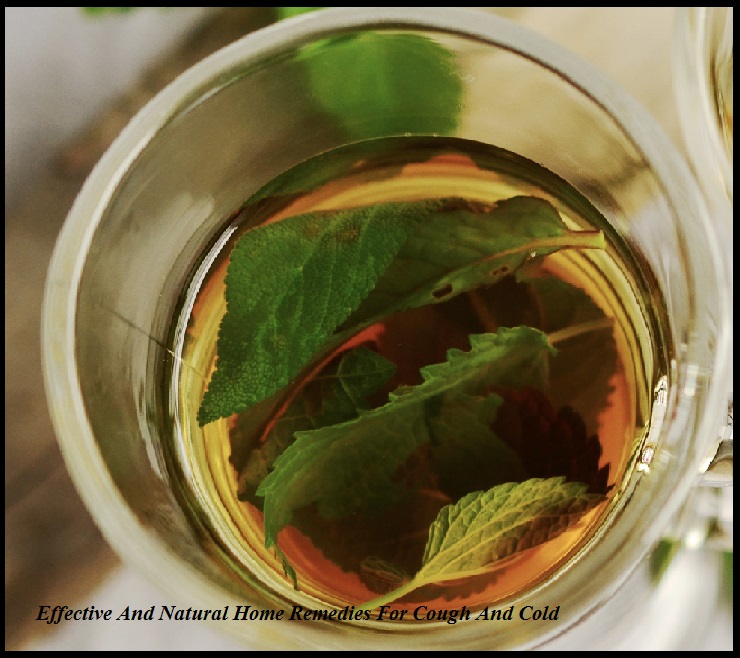
Herbal medicine is a cornerstone of natural remedies, providing a holistic approach to health and wellness. Derived from plants, herbs have been utilized for centuries across various cultures, offering a natural alternative to synthetic pharmaceuticals. Their significance lies not only in their therapeutic benefits but also in their ability to promote overall well-being and balance within the body.
Herbal medicine serves as a key component of natural remedies due to its extensive range of applications, from alleviating minor ailments to managing chronic conditions. The effectiveness of herbs often stems from their complex chemical compositions that interact with the body in myriad ways. Additionally, herbal medicine emphasizes the importance of individual constitution and conditions, tailoring treatments to the unique needs of each person. It is crucial to understand how to safely identify, harvest, and prepare herbs to harness their benefits effectively.
Safe Identification, Harvesting, and Preparation of Herbs
The safe use of herbal medicine begins with the proper identification and harvesting of herbs. This process is critical to ensure that the correct plants are used and to avoid potential toxic look-alikes. Many resources are available for learning about local plants, including field guides and herbal workshops. Key points for safe identification and harvesting include:
- Know Your Herbs: Familiarize yourself with the specific characteristics of the herbs you intend to use, including their appearance, habitat, and smell.
- Choose Safe Locations: Harvest herbs from areas that are free from pesticides, pollutants, and contaminants to ensure purity.
- Seasonal Considerations: Understand the best time to harvest each herb, as potency can vary throughout the year.
- Correct Harvesting Techniques: Use proper techniques such as cutting rather than uprooting to maintain the plant’s health for future use.
After harvesting, preparing herbs for medicinal use involves various methods such as drying, tincturing, or making herbal teas. Each preparation method may extract different compounds, influencing the herb’s efficacy.
Comparative Analysis of Herbal Traditions
Herbal traditions vary significantly across cultures, with rich histories and practices unique to their origins. Two of the most well-known systems are Traditional Chinese Medicine (TCM) and Ayurveda from India.
In TCM, the focus is on balancing the body’s energy, or “Qi,” through the use of herbs that aim to correct imbalances. Common herbs in TCM include Ginseng, Ginger, and Licorice, each selected for their specific properties and actions on the body’s systems. TCM practitioners often combine multiple herbs to create synergistic effects that enhance the overall efficacy of the treatment.
Ayurveda, on the other hand, emphasizes the balance of three doshas—Vata, Pitta, and Kapha—which correspond to different bodily functions and temperaments. Herbal remedies in Ayurveda often include Turmeric, Ashwagandha, and Tulsi, known for their health-promoting qualities. In Ayurvedic practice, herbs are chosen based on the individual’s constitution and current health conditions, highlighting the personalized nature of this tradition.
Both TCM and Ayurveda showcase the importance of understanding the body’s needs and the holistic nature of herbal medicine, offering valuable insights for modern natural remedy practices.
Essential Oils and Their Therapeutic Benefits
Essential oils have gained significant attention in recent years for their therapeutic benefits and versatility in natural remedies. Extracted from various parts of plants, these concentrated liquids are known for their aromatic properties and potential health benefits. Understanding how essential oils are obtained and utilized can enhance our approach to holistic health and wellness.
Essential oils are typically extracted through methods such as steam distillation or cold pressing. In steam distillation, steam is passed through plant material, causing the oil to evaporate. The steam is then cooled, allowing the oil to separate from the water. Cold pressing, often used for citrus fruits, involves mechanically pressing the peels to release the oil. The resulting essential oils can be used in aromatherapy, topical applications, and even in household cleaning products, showcasing their versatility.
Incorporating Essential Oils into Daily Health Routines
Integrating essential oils into daily life can enhance overall well-being. There are various methods to incorporate these oils into health routines effectively.
- Aromatherapy Diffusion: Using a diffuser to disperse essential oils into the air creates a calming environment and promotes relaxation or focus.
- Topical Application: Diluting essential oils with a carrier oil and applying them to the skin can provide targeted relief for issues like headaches or muscle pain.
- Bath Additive: Adding a few drops of essential oil to bathwater can enhance relaxation and rejuvenation.
- Homemade Products: Essential oils can be used in crafting homemade cleaning products, skincare items, or even natural insect repellents.
When incorporating essential oils, it’s essential to consider their potency and the method of application to maximize benefits and minimize risks.
Safety Guidelines for Using Essential Oils
While essential oils offer numerous advantages, certain safety guidelines should be followed to avoid adverse reactions. Understanding the potential side effects and contraindications is crucial for safe usage.
- Patch Testing: Always conduct a patch test with diluted essential oils on a small area of skin to check for allergic reactions.
- Proper Dilution: Essential oils should always be diluted with a carrier oil before topical application to prevent skin irritation.
- Pregnancy and Medical Conditions: Pregnant women and individuals with specific medical conditions or those taking medications should consult healthcare professionals before using essential oils.
- Storage: Store essential oils in dark glass bottles away from direct sunlight to maintain their potency and longevity.
Always prioritize safety when using essential oils, as their concentrated nature can lead to adverse effects if not used properly.
By following these guidelines and incorporating essential oils mindfully into daily routines, one can enjoy their therapeutic benefits while minimizing risks.
The Importance of Lifestyle Changes Alongside Natural Remedies
Natural remedies can be a significant component of a holistic approach to health, but their effectiveness can be greatly enhanced when combined with thoughtful lifestyle changes. Modifications in diet, exercise, and stress management not only promote overall well-being but also create an environment where natural remedies can thrive and yield better results.
Lifestyle changes play a pivotal role in supporting health, as they can complement the benefits of natural remedies. By adopting a balanced diet rich in whole foods, engaging in regular physical activity, and incorporating stress-reducing techniques, individuals can optimize their health outcomes. These changes can lead to improvements in chronic conditions, enhanced immune function, and greater emotional resilience.
Key Lifestyle Changes Supporting Health
Implementing certain lifestyle changes can significantly enhance health and the efficacy of natural remedies. Below are crucial aspects to consider:
- Balanced Diet: A diet rich in fruits, vegetables, whole grains, lean proteins, and healthy fats provides the nutrients essential for bodily functions. For example, antioxidants found in berries can boost the body’s defense mechanisms, making natural remedies more effective.
- Regular Exercise: Engaging in physical activity not only strengthens the body but also promotes the release of endorphins, which can improve mood and reduce stress. Activities such as walking, yoga, or swimming can enhance circulation and nutrient absorption, amplifying the benefits of herbal supplements.
- Stress Management: Chronic stress can undermine health and impede the efficacy of natural remedies. Techniques such as mindfulness, meditation, and deep breathing exercises promote relaxation and mental clarity, allowing the body to heal more effectively.
Mental wellness is deeply interconnected with physical health and the effectiveness of natural remedies. When individuals prioritize their psychological well-being, they are more likely to experience positive health outcomes. Stress and anxiety can hinder the body’s healing processes, making it essential to address mental health proactively.
“Improving mental wellness creates a synergistic effect with natural remedies, enabling a more holistic healing experience.”
In summary, adopting a healthy lifestyle through dietary improvements, regular exercise, and effective stress management can significantly bolster the effectiveness of natural remedies. This multifaceted approach ensures not only physical healing but also nurtures mental resilience, contributing to overall health and well-being.
Safety Considerations When Using Natural Remedies
Natural remedies can offer various health benefits, but it’s essential to approach their use with caution. Understanding the potential risks and side effects associated with these remedies is crucial for anyone considering them as alternatives or complements to conventional medicine. This section delves into the safety considerations you should keep in mind when using natural remedies.
Potential Risks and Side Effects of Natural Remedies
While many natural remedies are generally regarded as safe, they can still pose risks, particularly if used improperly. Common side effects can include allergic reactions, gastrointestinal upset, or interactions with other medications. It’s important to recognize that individual responses may vary based on a person’s unique health profile.
- Herbal Supplements: Some herbs can cause adverse reactions. For instance, St. John’s Wort can lead to increased sensitivity to sunlight and gastrointestinal issues.
- Essential Oils: Direct application of essential oils can cause skin irritation or allergic reactions in sensitive individuals. Proper dilution is vital.
- Interactions: Natural remedies can interact with prescription medications, potentially enhancing or diminishing their effects, leading to unexpected results.
Interactions Between Natural Remedies and Prescription Medications
Natural remedies can have significant interactions with prescription medications, making it essential to approach them cautiously. Some ingredients in natural products may affect the metabolism of pharmaceutical drugs, leading to either toxicity or reduced efficacy.
- Blood Thinners: Natural remedies like garlic and ginkgo biloba may enhance the effects of blood-thinning medications, increasing the risk of bleeding.
- Antidepressants: The herb St. John’s Wort can interact with antidepressants, potentially leading to serotonin syndrome, a serious condition.
- Antidiabetic Drugs: Some natural supplements, such as cinnamon, may lower blood sugar levels and could lead to hypoglycemia when combined with diabetes medications.
Best Practices for Consulting Healthcare Professionals
Consulting a healthcare professional before incorporating natural remedies into your health regimen is a critical step. This ensures that you receive personalized guidance that considers your medical history, current medications, and overall health.
- Provide Comprehensive Information: Share detailed information about all remedies you are considering, including dosages and forms.
- Ask About Safety: Inquire specifically about any potential interactions with your current medications and any side effects you should be aware of.
- Follow Recommendations: Adhere to the advice given by your healthcare provider regarding the use of natural remedies and monitor your health accordingly.
“Always prioritize safety by consulting a healthcare professional when considering natural remedies.”
Developing a Personal Natural Remedies Toolkit
Creating a personal toolkit for natural remedies can empower individuals to manage their health and wellness more effectively. By assembling a collection of essential items, you can tailor remedies to suit your unique needs, making it easier to address common ailments with natural solutions. This guide will cover how to put together your own remedies toolkit, source quality ingredients, and evaluate the effectiveness of your chosen remedies.
Sourcing quality ingredients is fundamental to ensuring the effectiveness of your natural remedies. When building your toolkit, consider the following recommendations for obtaining the best supplies:
Quality Sources for Ingredients and Supplies
It’s crucial to choose reliable sources when gathering your natural remedy supplies. Here are some ways to ensure you’re getting top-notch ingredients:
- Local Farmers’ Markets: These markets often provide fresh, organic herbs and produce. Building relationships with local farmers can lead to insights about the best practices for growing and using these ingredients.
- Herbal Shops: Specialty stores that focus on herbal remedies typically offer a wide variety of dried herbs, essential oils, and other products. Look for shops that provide information on the sourcing and quality of their items.
- Online Retailers: Trusted online platforms can provide a vast selection of organic and wildcrafted herbs. Verify the credibility of the seller by checking reviews and ensuring they adhere to quality standards.
- Community Supported Agriculture (CSA): Joining a CSA can give you direct access to seasonal herbs and plants, often harvested just before you receive them, ensuring freshness and potency.
Documenting and evaluating the effectiveness of your natural remedies is essential for understanding what works best for you. Keeping track of your experiences allows you to refine your toolkit over time. Here are some strategies for effective documentation:
Documenting and Evaluating Remedies
Maintaining a detailed log of your natural remedies will help you assess their effectiveness and tailor your approach as needed. Consider the following aspects when documenting:
- Remedy Log: Create a dedicated notebook or digital document where you can record details about each remedy you try, including the ingredients, preparation methods, and dosage.
- Effectiveness Rating: After using a remedy, rate its effectiveness on a scale (e.g., 1-5) and note specific outcomes. This will help you discern patterns in what works for different conditions.
- Side Effects: Document any side effects experienced, whether positive or negative. Understanding how your body responds to each remedy will aid in future decision-making.
- Duration of Use: Note how long you used a remedy before evaluating its effectiveness. Some remedies may take time to show results, while others may provide immediate relief.
“A well-maintained remedy log is a key tool for personalizing your approach to natural health.”
Incorporating these elements into your natural remedies toolkit can enhance your ability to manage health and wellness naturally. By sourcing quality ingredients, documenting your experiences, and evaluating the remedies you use, you can create a personalized and effective approach to your health journey.
Debunking Myths Surrounding Natural Remedies
The world of natural remedies is often shrouded in both fascination and skepticism. While many individuals turn to these alternatives for health and wellness, misconceptions abound. This discussion aims to clarify common myths and emphasize the importance of a balanced approach when considering natural remedies.
Common Misconceptions About Natural Remedies
There are several prevalent myths about natural remedies that can mislead individuals seeking alternative health solutions. Understanding these misconceptions can help in making informed decisions.
- Natural Equals Safe: One major myth is the belief that all natural remedies are inherently safe. However, some natural substances can interact with medications or cause adverse reactions. For example, St. John’s Wort is known to affect the metabolism of certain prescription drugs.
- Quick Fix Solutions: Another misconception is that natural remedies provide immediate results, similar to pharmaceutical drugs. In reality, many natural approaches require time and consistency to show effects, such as herbal teas for digestive health.
- All Natural Remedies Are Effective: The efficacy of natural remedies varies significantly. While some have undergone scientific validation, others lack substantial evidence. For instance, turmeric has promising anti-inflammatory properties supported by research, whereas the benefits of some lesser-known herbs are yet to be established.
The Balance Between Skepticism and Openness
Maintaining a healthy balance between skepticism and openness is crucial when exploring natural remedies. While it’s important to approach these alternatives with a critical mindset, being overly skeptical can prevent individuals from experiencing beneficial outcomes.
- Embrace Evidence-Based Practices: It’s essential to research remedies that have credible scientific backing. For instance, peppermint oil has shown effectiveness in easing headaches in some studies, making it a worthy consideration for natural pain relief.
- Listen to Your Body: Personal experiences can provide valuable insights. Many individuals find that certain natural remedies work for them, while others do not. Keeping a journal of what remedies are tried and the corresponding effects can help identify what works best.
- Consult Healthcare Professionals: Engaging in discussions with healthcare providers can bridge the gap between skepticism and openness. Professionals can offer guidance based on individual health needs and inform about possible interactions with conventional treatments.
The Importance of Critical Thinking and Personal Research
Critical thinking and personal research play vital roles in the exploration of natural remedies. Individuals should not solely rely on anecdotal evidence or popular trends but should engage in thorough research to understand the implications of using these alternatives.
- Verify Sources: Seek information from reputable sources such as peer-reviewed journals and health organizations. This practice ensures that the information is accurate and trustworthy.
- Assess Personal Health Conditions: Different remedies may have varying effects based on individual health profiles. For example, those with diabetes should approach certain herbal supplements cautiously, as they could affect blood sugar levels.
- Stay Informed About New Research: The field of natural remedies is constantly evolving with new studies emerging. Staying updated on the latest findings can enhance decision-making regarding which remedies to try.
“A well-researched approach to natural remedies can empower individuals to make informed health decisions.”
Conclusion
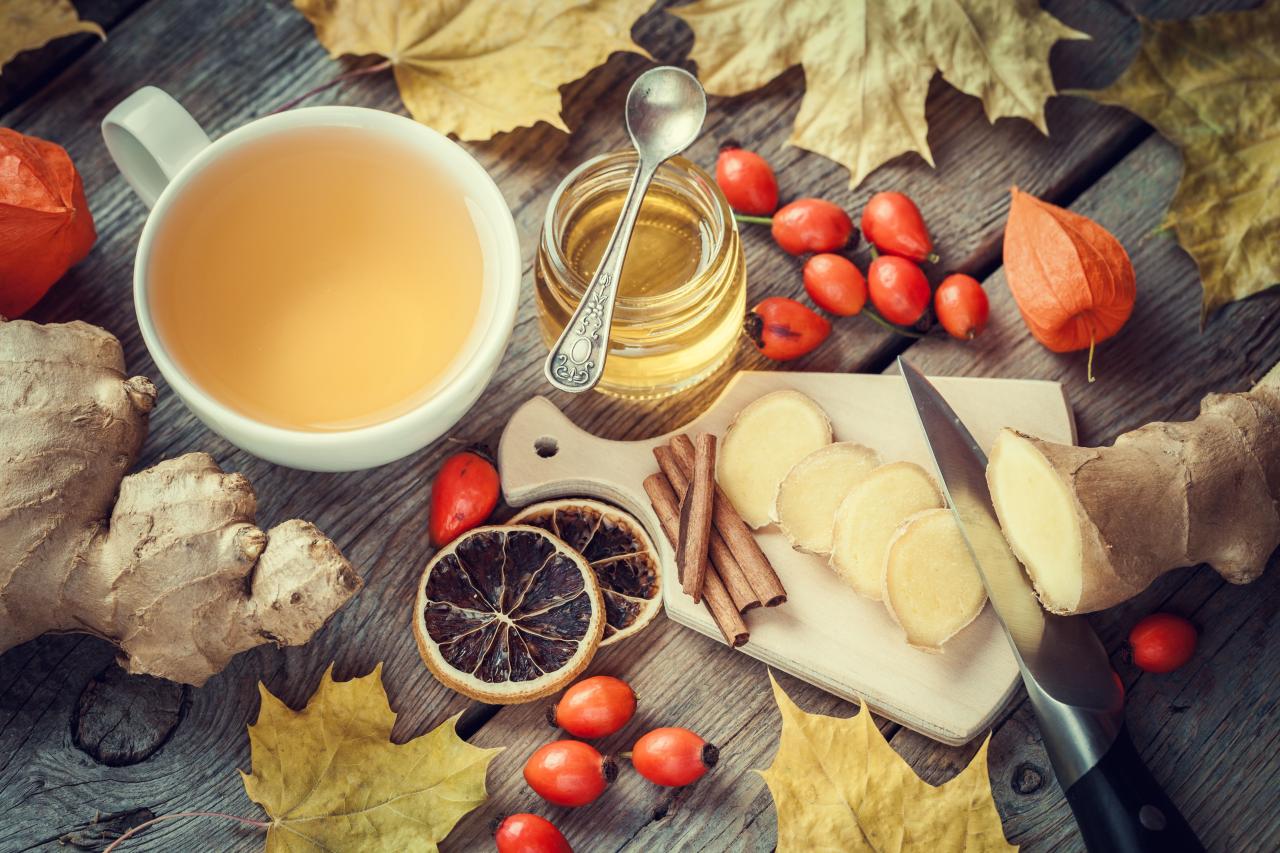
In conclusion, natural remedies offer a fascinating approach to health that complements modern medicine. With an understanding of their benefits, safe practices, and the importance of lifestyle changes, individuals can create a personal toolkit that supports their wellness journey.
FAQ Insights
What are natural remedies?
Natural remedies are treatments derived from natural sources, such as plants and minerals, used to alleviate health issues.
Are natural remedies safe for everyone?
While many natural remedies are safe, individual reactions can vary; it’s important to consult a healthcare professional.
Can I use natural remedies with prescription medications?
Yes, but some natural remedies can interact with medications, so it’s essential to discuss with your doctor.
How do I know which natural remedy to choose?
Research, personal experiences, and healthcare advice can guide you in selecting the most appropriate remedy for your needs.
How can I source quality natural remedy ingredients?
Look for trusted suppliers, local health stores, or reputable online retailers to ensure quality and authenticity.