
 Penelope Hailey
Natural body oil has been cherished for centuries, weaving its way through the tapestry of cultures and traditions. From the fragrant oils of ancient Egypt to the nourishing botanicals cherished by indigenous tribes, these oils have played a crucial role not just in skincare, but also in health and wellness practices. As we dive deeper, we’ll explore the fascinating journey of natural body oils, their medicinal applications, and the timeless allure that continues to captivate us today.
In recent years, the shift towards natural products has gained momentum, prompting many to reconsider the ingredients they apply to their skin. With a plethora of options available, understanding the distinct characteristics and benefits of various natural oils is essential. This exploration will provide insights into selecting the right oil tailored to individual skin types, the art of crafting homemade blends, and the eco-conscious practices surrounding sourcing these oils.
The historical significance of natural body oils in ancient cultures
Natural body oils have held a significant role in the daily lives of ancient civilizations, serving various practical and cultural purposes. From the aromatic oils of the Egyptians to the nourishing blends used by the Indigenous peoples of the Americas, these natural substances were more than just skincare products; they were integral to rituals, medicinal practices, and personal grooming. Each culture harnessed the unique properties of oils derived from plants, seeds, and nuts, reflecting a deep understanding of nature’s gifts.
In ancient Egypt, for instance, natural oils like myrrh and frankincense were not only used for their fragrance but also for their medicinal properties. Egyptians infused oils with herbs and flowers to create remedies for skin ailments, respiratory issues, and even for the preservation of mummies. The use of such oils was often tied to religious practices, with priests anointing themselves and offerings made to the gods. Similarly, in the cultures of the Middle East, olive oil has been a staple not just in cuisine but for skincare and hair care, revered for its moisturizing qualities and believed to enhance beauty.
Medicinal and cosmetic applications of natural oils
Natural oils have been embraced for their diverse applications in both medicinal and cosmetic realms throughout history. The effectiveness of these oils can be attributed to their rich nutrient profiles, which made them valuable in treating various ailments and enhancing physical appearance.
Many ancient cultures recognized the importance of utilizing specific oils for their unique benefits:
- Olive oil: Used extensively in ancient Greece, it was known for its hydrating properties, making it a popular choice for skin care and a key ingredient in massage therapies to promote relaxation and relieve muscle tension. It was also consumed for its health benefits, aiding in digestion and providing essential fatty acids.
- Jojoba oil: The Native Americans were known to use jojoba oil for its emollient properties, applying it to their skin to protect against harsh environmental conditions and for treating wounds. This oil closely resembles the natural sebum of human skin, making it particularly effective in moisturizing.
- Coconut oil: In tropical cultures, coconut oil was treasured not only for cooking but also as a remedy for skin conditions and hair care. Its antimicrobial properties helped prevent infections, while its soothing qualities provided relief from sunburn.
- Avocado oil: In ancient Aztec culture, avocado oil was believed to have rejuvenating effects on the skin and was used as a treatment for dryness and irritation. Rich in vitamins A, D, and E, it promoted healthy skin and was often mixed with other natural ingredients for enhanced benefits.
- Argan oil: Originating from Morocco, argan oil has been used for centuries for both culinary and cosmetic purposes. It is rich in antioxidants and fatty acids, making it a go-to oil for hydrating skin and hair, thus promoting overall health.
The applications of these natural oils highlight their historical significance, illustrating how ancient peoples not only utilized them for beauty but also understood their medicinal properties. As a testament to their efficacy, many of these oils continue to be valued in contemporary skincare and wellness practices today.
The benefits of using natural body oils over synthetic alternatives
Natural body oils have gained popularity for their skin-nourishing properties and holistic benefits. Unlike synthetic lotions, which often contain chemical additives, fragrances, and preservatives, natural oils are derived from plants and are free from harsh synthetic ingredients. This makes them a preferred choice for individuals seeking healthier skincare options. The pure and unrefined nature of these oils ensures that the skin receives essential nutrients without the risk of irritation commonly associated with chemical components.
Skin benefits of natural oils versus synthetic lotions
Natural body oils deliver a plethora of skin benefits that far exceed those offered by synthetic alternatives. They are rich in vitamins, fatty acids, and antioxidants that work in harmony with the skin’s natural functions. The moisture-retaining properties of oils like jojoba, almond, and argan penetrate deeply, enhancing hydration and elasticity. In contrast, synthetic lotions often create a temporary barrier, leading to a cycle of dryness as they can strip the skin of its natural moisture.
Moreover, natural oils facilitate the skin’s ability to repair itself. For instance, rosehip oil is known for its high content of vitamin A, which rejuvenates the skin and reduces the appearance of scars and fine lines. Additionally, the anti-inflammatory properties of oils like tea tree and lavender can help soothe conditions such as eczema and acne without the side effects that synthetic ingredients may cause.
Synthetic products, while sometimes effective in the short term, come with potential side effects such as allergic reactions, skin irritation, and disruption of the skin’s natural microbiome. Many synthetic lotions contain parabens and phthalates, which have been linked to hormone disruption and other health concerns. These ingredients can accumulate in the body over time, leading to various health issues.
Natural oils nourish the skin in several impactful ways. They not only hydrate but also provide a protective barrier that locks in moisture. These oils often contain essential fatty acids, such as omega-3 and omega-6, which are crucial for maintaining the skin’s lipid barrier. This barrier is essential for keeping the skin hydrated and protected against environmental aggressors.
Additionally, natural oils have anti-aging properties due to their rich antioxidant content. Antioxidants help neutralize free radicals, which can cause premature aging. For instance, vitamin E, found in many oils, is renowned for its ability to protect skin cells from oxidative stress and promote healing. Furthermore, the application of natural oils can enhance blood circulation, promoting a healthy glow and improved skin texture.
In summary, the use of natural body oils not only provides superior hydration but also supports skin health, reduces the risk of adverse reactions, and contributes to long-term skin vitality through nourishing properties that synthetic lotions simply cannot match.
Popular natural oils and their unique properties
Natural oils have gained significant attention for their numerous benefits to skin health. As more individuals lean towards holistic and organic skincare solutions, these oils present a natural alternative to commercial products, often infused with synthetic ingredients. By understanding the unique properties of various natural oils, users can select the right oil to meet their specific skin needs. Below, we explore five popular natural oils, focusing on their individual characteristics and the specific benefits they offer for skin health.
Characteristics and Benefits of Common Natural Oils
Several natural oils have made a name for themselves in the skincare industry, each bringing forth unique attributes that cater to diverse skin types and concerns. Here are five noteworthy oils:
1. Jojoba Oil
Jojoba oil closely resembles the natural sebum produced by our skin, making it an excellent moisturizer. It is rich in vitamin E, which aids in skin repair and promotes healing. Its lightweight texture ensures it doesn’t clog pores, making it suitable for all skin types, including oily and acne-prone skin.
*Benefits:*
– Balances oil production
– Reduces acne breakouts
– Hydrates without greasiness
2. Coconut Oil
Renowned for its deep moisturizing properties, coconut oil contains medium-chain fatty acids that can penetrate the skin effectively. It possesses antimicrobial properties, making it beneficial for treating minor cuts and infections.
*Benefits:*
– Provides intense hydration
– Soothes irritated skin
– May help reduce the appearance of fine lines
3. Argan Oil
Often referred to as “liquid gold,” argan oil is packed with essential fatty acids and antioxidants. It is lauded for its anti-aging properties and ability to improve skin elasticity. Argan oil is also beneficial for healing scars and reducing inflammation.
*Benefits:*
– Improves skin texture
– Provides anti-aging benefits
– Reduces inflammation and redness
4. Tea Tree Oil
Known for its strong antiseptic properties, tea tree oil is a go-to for treating acne. It helps to control excess oil and unclogs pores. Due to its potent nature, it is usually used in diluted forms to prevent skin irritation.
*Benefits:*
– Fights acne and blemishes
– Soothes inflamed skin
– Acts as a natural disinfectant
5. Rosehip Oil
This oil is rich in vitamins A, C, and essential fatty acids, making it fantastic for skin rejuvenation. Rosehip oil is known for its ability to fade scars, reduce hyperpigmentation, and boost collagen production.
*Benefits:*
– Reduces signs of aging
– Evens skin tone
– Enhances skin hydration
To summarize the primary uses and advantages of these oils, the following table provides a clear overview:
| Natural Oil | Primary Uses | Advantages |
|---|---|---|
| Jojoba Oil | Moisturizing, balancing oil production | Non-comedogenic, suitable for all skin types |
| Coconut Oil | Deep hydration, soothing skin | Antimicrobial properties, effective for dry skin |
| Argan Oil | Improving skin elasticity, reducing scars | Rich in vitamins and antioxidants |
| Tea Tree Oil | Treating acne, controlling oil | Strong antiseptic properties, effective for blemish-prone skin |
| Rosehip Oil | Skin rejuvenation, fading scars | Rich in vitamins, enhances skin hydration |
How to choose the right natural body oil for your skin type
Selecting the right natural body oil for your skin type is essential to achieve maximum benefits and nourishment. Different oils serve different purposes, and understanding your skin’s unique characteristics is the first step in making an informed choice. Natural body oils can hydrate, balance, and protect your skin, but using the wrong type can lead to issues such as breakouts or excessive dryness. This guide will help you identify your skin needs and match them with suitable oils for optimal results.
Identifying Your Skin Type
Understanding your skin type is crucial when choosing a natural body oil. Generally, skin can be classified into five main types: normal, oily, dry, combination, and sensitive. Each of these types has specific needs and requires different oil characteristics to maintain balance and health.
1. Normal Skin: This type has a balanced moisture level and is less prone to breakouts. Lightweight oils like jojoba or sweet almond are ideal for maintaining its natural balance without overwhelming the skin.
2. Oily Skin: Characterized by excess sebum production, oily skin benefits from oils that are non-comedogenic and help regulate oil production. Grapeseed oil and tea tree oil are excellent choices as they have a lightweight texture and antibacterial properties.
3. Dry Skin: This skin type lacks moisture and often feels tight or flaky. Heavier oils such as avocado oil or coconut oil can provide deep hydration and create a barrier to prevent moisture loss.
4. Combination Skin: A mix of oily and dry areas, combination skin needs versatile oils that can cater to both extremes. Argan oil is a great option as it balances moisture without being overly greasy.
5. Sensitive Skin: Prone to irritation and allergic reactions, sensitive skin requires gentle oils that soothe and calm. Look for oils like chamomile or calendula that are known for their anti-inflammatory properties.
Steps to Test and Select Oils
Choosing the right oil involves a simple yet effective testing process. Start by assessing your skin’s immediate needs and preferences.
– Patch Test: Before fully applying any oil, conduct a patch test. Apply a small amount on your wrist or inner arm and wait for 24 hours to check for any adverse reactions.
– Consistency Preference: Consider how you prefer the feel of your oil. Some people favor lighter oils that absorb quickly, while others may enjoy a thicker oil that provides lasting moisture.
– Scent Sensitivity: Natural oils can have distinct scents. Choose a fragrance that you find pleasant and soothing, as this will enhance your overall experience during application.
– Seasonal Adjustments: Be aware that your skin’s needs can change with the seasons. Opt for lighter oils in warmer months and richer oils during colder, dryer months.
Following these steps ensures that the natural body oil you choose will effectively meet your skin’s unique requirements, promoting health and radiance.
The process of making homemade natural body oils
Creating your own natural body oils is a rewarding and enjoyable process that allows you to customize scents and benefits according to your preferences. Using natural ingredients ensures that your skin receives nourishing elements without harmful chemicals. This guide will take you through the steps of making your own body oil blends while emphasizing the selection of quality ingredients and proper storage methods.
Step-by-step guide to creating body oil blends
Making your own body oil blend involves a few simple steps. Follow this guide to create a personalized body oil that suits your skin’s needs:
1. Choose Your Base Oil: The first step is selecting a base oil which forms the foundation of your blend. Popular choices include sweet almond oil, jojoba oil, and coconut oil. These oils provide hydration and have skin-loving properties.
2. Select Essential Oils: After choosing your base oil, pick essential oils to add fragrance and additional benefits. Lavender for relaxation, tea tree for its antiseptic properties, and citrus oils for an uplifting aroma are great options.
3. Mixing the Oils: In a clean glass bottle, add about 1 ounce of your chosen base oil. Then, incorporate 10-15 drops of essential oils. You can adjust the quantity based on your scent preference.
4. Shake Well: Close the bottle and gently shake it to blend the oils thoroughly. This step helps to ensure that the essential oils are evenly distributed throughout the base oil.
5. Allow to Rest: Let your blend rest for a few hours or overnight. This allows the oils to synergize and enhances the scent.
Importance of selecting quality ingredients and sourcing
Using quality ingredients is vital for creating effective body oils. Look for organic and cold-pressed oils, which maintain their nutritional properties. Reliable sources for sourcing these oils include health food stores, specialty shops, and reputable online retailers. Always check labels to verify the purity of essential oils, ensuring no synthetic additives are included.
Preservation and storage of homemade oils
Storing your homemade natural body oils properly is essential to maintain their integrity and extend their shelf life. Here are important considerations for preservation:
– Use Dark Glass Containers: Light can degrade essential oils over time. Opt for dark glass bottles to minimize light exposure.
– Keep in a Cool, Dry Place: Store your oils away from direct sunlight and heat sources. A cool, dark cabinet or drawer is ideal.
– Label Your Blends: Remember to label your bottles with the blend name and the date of preparation. Generally, homemade oils can last from 6 months to 1 year, depending on the ingredients used.
– Monitor for Changes: Regularly check your oils for any changes in smell or consistency. If you notice an off smell or an unusual texture, it’s best to discard the blend.
Proper storage and careful selection of ingredients are key to enjoying the full benefits of your homemade natural body oils.
The role of essential oils in enhancing natural body oils
Essential oils have long been celebrated for their therapeutic properties and aromatic benefits. When blended with carrier oils, these concentrated plant extracts can elevate the efficacy of natural body oils, creating a more holistic approach to skincare. Carrier oils, such as jojoba, sweet almond, or coconut oil, serve as the base for essential oils, delivering their benefits while ensuring safe application on the skin. The combination of these oils not only nourishes the skin but can also provide a sensory experience that enhances mood and well-being.
Combining Essential Oils with Carrier Oils
Combining essential oils with carrier oils is crucial for maximizing their benefits while ensuring safety for skin application. Essential oils are potent and often require dilution to avoid skin irritation. The recommended dilution ratio for essential oils in carrier oils varies based on the intended use, typically ranging from 1% to 5%. For general topical application, a 2% dilution is common, equating to about 12 drops of essential oil per ounce (30 mL) of carrier oil.
When preparing blends, consider the following safe usage guidelines:
- For sensitive skin or children, a 1% dilution is advisable, using 6 drops of essential oil per ounce of carrier oil.
- For therapeutic purposes, such as muscle relief, a 3% dilution may be effective, which translates into 18 drops of essential oil per ounce.
- Always conduct a patch test before full application to check for any allergic reactions.
In addition to their skin benefits, essential oils can significantly impact our mood and emotional state. The aromatic properties of these oils can create a calming environment or stimulate energy, depending on the blend. For example, combining lavender essential oil with sweet almond oil not only hydrates the skin but also promotes relaxation, making it ideal for use in evening routines or before sleep.
Conversely, a blend of peppermint and coconut oil can evoke feelings of freshness and invigoration, perfect for morning use or during a mid-afternoon slump. The olfactory system plays a crucial role in our emotional responses, and thus, the scents from these blends can enhance mood, reduce stress, or even uplift spirits.
“The combination of essential oils in natural body oils can transform your skincare routine into an aromatic experience that nourishes both skin and soul.”
In summary, the integration of essential oils with carrier oils not only ensures safe and effective application but also enhances the overall sensory experience, providing both physical and emotional benefits. The right blend can turn daily skincare into a delightful ritual, promoting wellness and relaxation.
Environmental considerations of sourcing natural body oils
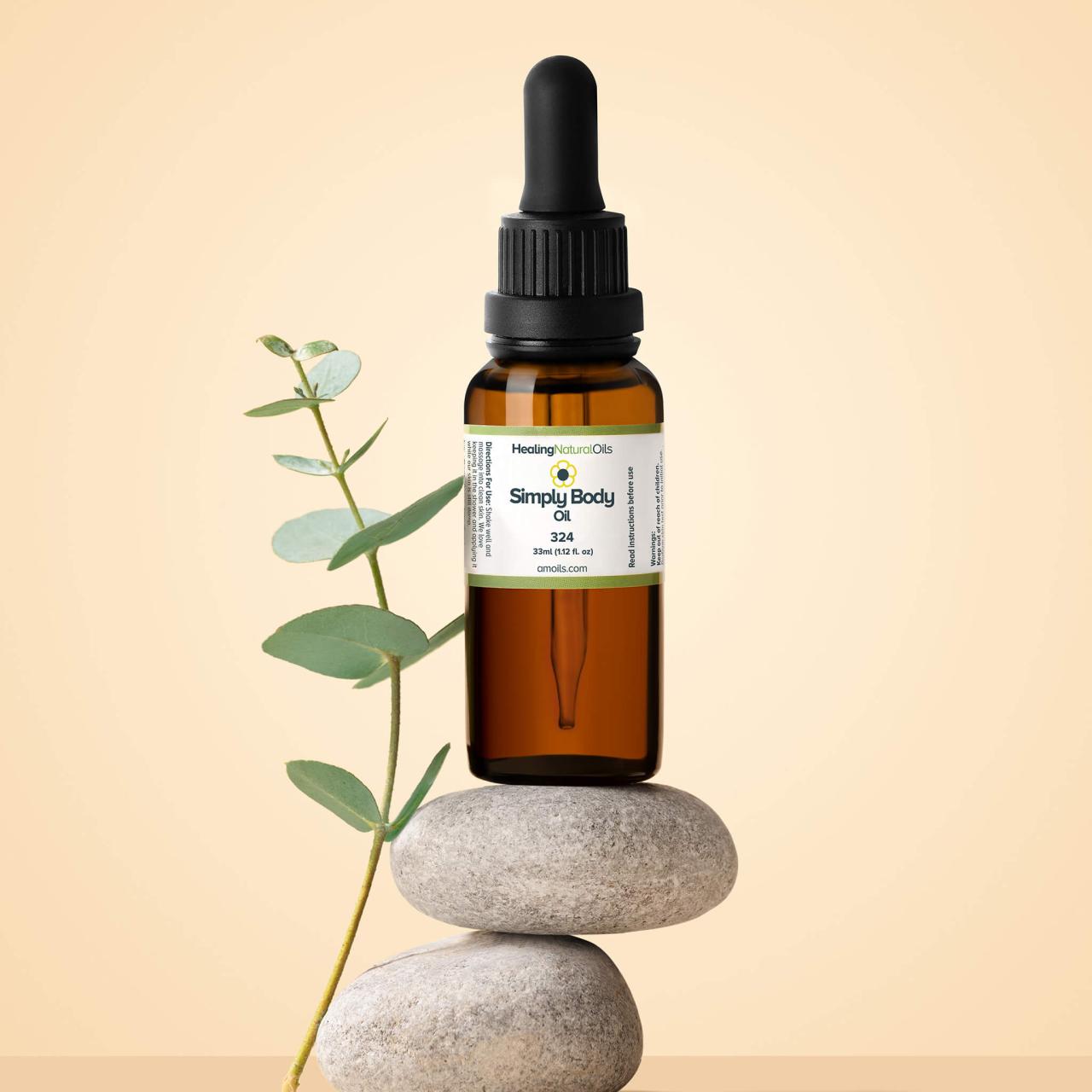
The sourcing of natural body oils has significant implications for the environment. While these oils provide numerous benefits for skin care and overall wellness, their extraction processes can impact ecosystems, biodiversity, and local communities. Understanding these environmental considerations is crucial for promoting sustainable practices in the industry.
The ecological impact of harvesting oils from plants can be profound. Deforestation is often a consequence of increased demand for certain oils, particularly in tropical regions where biodiversity is rich. The methods used for extraction, such as heavy machinery for large-scale operations, can lead to soil degradation and disruption of local fauna and flora. Additionally, monoculture farming practices can threaten the genetic diversity of plant species and contribute to the depletion of essential resources.
Sustainable practices for obtaining natural oils
Implementing sustainable practices is essential to mitigate the environmental impact of natural oil sourcing. These practices not only protect ecosystems but also ensure that local communities benefit from the cultivation of these resources.
One critical approach involves the use of organic farming methods, which avoid synthetic fertilizers and pesticides that can harm the environment. Crop rotation and intercropping can enhance soil health and reduce disease prevalence, fostering a more resilient agricultural system. Additionally, fair trade practices ensure that farmers receive equitable compensation, promoting social sustainability alongside environmental responsibility.
The importance of sourcing oils from companies committed to sustainable practices cannot be overstated. Below is a list of eco-friendly brands recognized for their responsible sourcing methods:
- RMS Beauty: This brand focuses on organic, wildcrafted ingredients sourced from sustainable farms. They prioritize biodiversity and support local communities.
- Herbivore Botanicals: Known for their ethical sourcing, Herbivore Botanicals uses plant-based ingredients that are sustainably harvested, ensuring minimal environmental impact.
- Dr. Bronner’s: This brand is a pioneer in fair trade and organic practices, working directly with farmers to promote sustainable agriculture and protect ecosystems.
- Alima Pure: Alima Pure emphasizes sourcing from companies that adhere to eco-friendly and ethical practices, supporting regenerative farming methods.
“Sustainable sourcing is not just a trend; it’s a necessity for maintaining the balance of our ecosystems and supporting the communities that help nurture these valuable resources.”
By choosing brands that prioritize sustainable practices, consumers can contribute to a healthier planet while enjoying the benefits of natural body oils.
The influence of seasonal changes on the effectiveness of natural body oils
Seasonal changes significantly affect our skin’s hydration levels and oil absorption, highlighting the importance of adjusting our skincare routines accordingly. As the environment shifts from the humidity of summer to the dryness of winter, our skin responds in various ways, influencing how effective natural body oils can be.
Different seasons present unique challenges for skin hydration. In the summer, high temperatures and humidity allow the skin to retain moisture more easily, minimizing the need for heavy oils. However, during winter months, the air becomes drier, leading to loss of moisture and increased skin flakiness. This necessitates a more diligent approach to oil application to combat dryness and maintain skin elasticity.
Adjusting Oil Usage According to Climate Conditions
Understanding how to adjust your oil usage based on seasonal changes is crucial for maintaining healthy skin. During lighter months, a lighter oil such as jojoba or grape seed oil can suffice. In contrast, richer oils—like avocado or olive oil—may be more beneficial during colder months when skin tends to be drier.
When transitioning between seasons, consider the following strategies to enhance oil effectiveness:
- During fall and spring, maintain a balanced oil routine, focusing on oils with a good absorption rate to prevent a greasy feel.
- In winter, layer oils over a hydrating serum or moisturizer to trap moisture and create a protective barrier against harsh winds.
- In summer, apply oil sparingly after a shower when skin is damp to lock in moisture without feeling heavy.
- Monitor humidity levels and adjust oil types as needed; for instance, switch to lighter formulas when humidity is high.
To cope with seasonal skin challenges, it is essential to pay attention to skin signals. If your skin feels tight or looks dull, it may be time to switch to a more nourishing oil. Engaging in regular exfoliation during transitional seasons can also help clear away dead skin cells, allowing oils to absorb more effectively. Maintaining hydration through diet—incorporating foods rich in omega-3 fatty acids and antioxidants—will support skin health from within, ensuring that your natural body oils can work their best regardless of the season.
Common misconceptions about natural body oils
Many people are increasingly turning to natural body oils as part of their skincare routines. However, several misconceptions persist that can hinder their benefits. It’s important to dispel these myths to fully appreciate the advantages of incorporating natural oils into daily life. Understanding the truth behind these misconceptions not only enhances personal care but also empowers consumers to make informed choices.
Misconceptions About Natural Body Oils
Several misconceptions about natural body oils can lead consumers to either dismiss their effectiveness or misapply them. Here are a few common myths:
- Natural oils are too greasy for skin: A prevalent belief is that natural oils leave a heavy, greasy residue. In reality, many natural oils, such as jojoba and argan oil, absorb easily into the skin, providing hydration without a greasy feel.
- Natural oils can cause breakouts: While it’s true that some oils may clog pores, many natural oils are non-comedogenic. For instance, grapeseed oil is lightweight and helps balance skin’s oil production, making it suitable even for acne-prone skin.
- All natural oils are the same: Different oils serve varying purposes and have distinct properties. For example, tea tree oil is known for its antibacterial properties, while coconut oil is praised for its moisturizing effects. It’s essential to choose the right oil for specific skin needs.
Promoting education and awareness about natural body oils is essential to combat these misconceptions. Misinformation can significantly impact purchasing decisions, often leading consumers to opt for synthetic products that may contain harsh chemicals. When faced with misleading claims, consumers may miss out on the nourishing benefits that natural oils provide.
Understanding the facts about natural oils not only allows individuals to make informed choices but also encourages a shift towards more sustainable and holistic skincare options. For instance, consider a consumer who believes that all body oils are greasy and unsuitable for their skin type. This belief may lead them to continue using commercial products laden with synthetic ingredients, potentially causing irritation or dryness. Conversely, if they receive accurate information about lightweight, non-greasy oils, they can make a more informed decision to try alternatives that align with their skin needs.
Moreover, awareness campaigns, educational workshops, and credible online resources can bridge the gap between misconceptions and facts. By fostering a well-informed community, we can inspire individuals to embrace the transformative potential of natural body oils, ultimately enhancing their overall skincare experience.
Innovative trends in the natural body oil industry
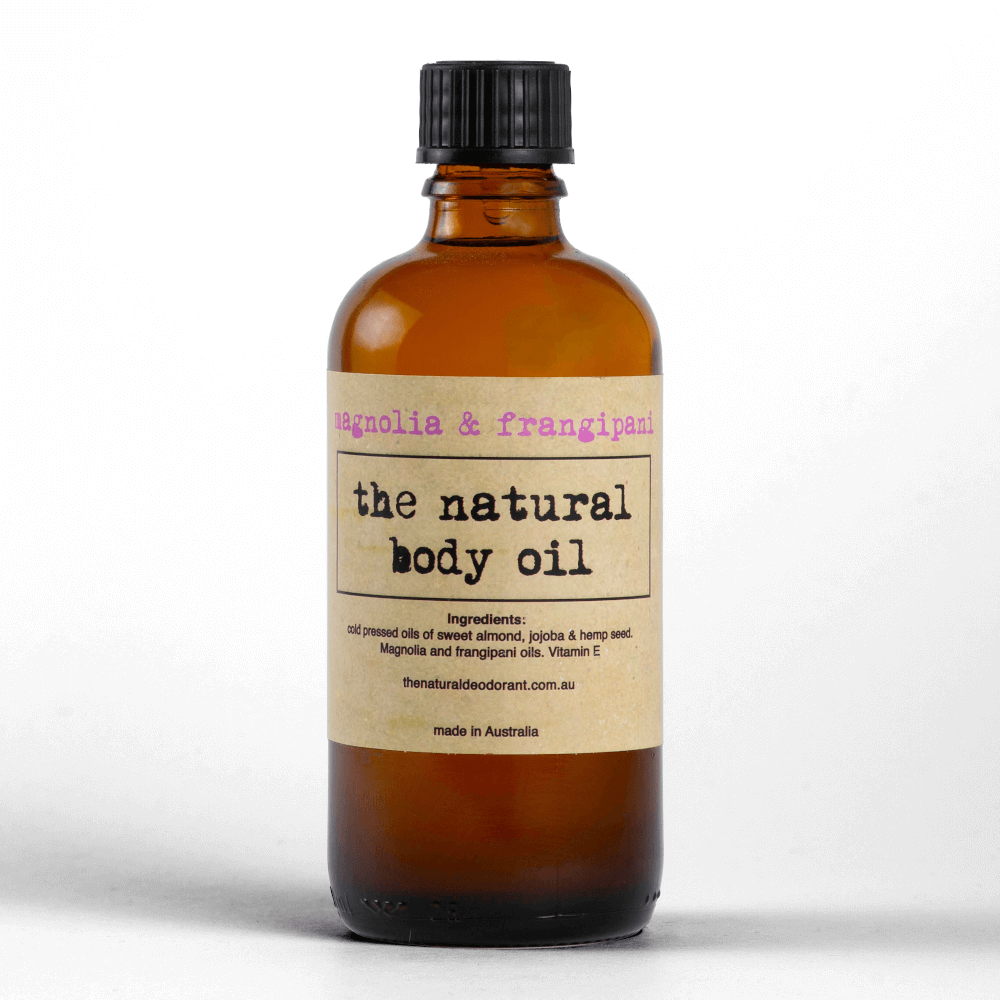
The natural body oil industry is witnessing a remarkable transformation, driven by innovative trends that cater to the evolving preferences of consumers. As the demand for clean beauty products increases, brands are focusing on sustainable practices and unique formulations that enhance the user experience. The market is increasingly shaped by the desire for multifunctional products that align with holistic wellness.
The emergence of new formulations highlights the creativity within the industry. Brands are experimenting with blending traditional oils with novel ingredients, such as plant extracts, essential oils, and even superfoods like adaptogens. These combinations not only improve the efficacy of the oils but also create textures and scents that appeal to a wider audience. For instance, oils infused with CBD have gained traction due to their purported calming effects, appealing particularly to health-conscious consumers looking for relaxation in their skincare routines.
Consumer Preferences and Market Shifts
Consumer preferences in the body oil market are shifting towards transparency, sustainability, and multifunctionality. A growing number of consumers prioritize products that are ethically sourced and packaged, leading to an increase in brands that focus on eco-friendly practices. This shift reflects a broader trend towards environmental consciousness, where consumers seek products that minimize their carbon footprint.
The following points illustrate key shifts in consumer preferences and market trends:
- Clean and Green Ingredients: The demand for natural, organic, and non-toxic ingredients is at an all-time high. Consumers are more inclined to choose body oils that contain no synthetic fragrances or harsh chemicals.
- Multi-Purpose Products: Products that serve multiple functions, such as moisturizing, soothing, and even acting as a light fragrance, are increasingly popular. Consumers appreciate the convenience of using fewer products.
- Customizable Options: Brands are offering customizable body oil blends, allowing consumers to create personalized formulations that cater to their specific skin needs or preferences.
Looking towards the future, the potential applications of natural body oils continue to expand. Emerging trends suggest that body oils may soon be integrated into wellness rituals, such as aromatherapy and massage therapy, further enhancing their appeal. Additionally, advancements in technology could lead to innovative delivery systems that enhance absorption and efficacy, making natural body oils an integral part of holistic health regimens. As the market evolves, it is clear that natural body oils will play an increasingly significant role in beauty and wellness, adapting to the needs of a discerning consumer base.
Final Conclusion
In conclusion, embracing natural body oils is not just a return to ancient wisdom but a step towards a more sustainable and health-conscious lifestyle. By understanding their origins, benefits, and the best ways to incorporate them into daily routines, we can truly appreciate the role of these oils in enhancing our well-being. So, whether you seek hydration, nourishment, or simply a touch of luxury, natural body oils hold the key to a more radiant and healthy skin.
Questions Often Asked
What are carrier oils and how are they used?
Carrier oils are base oils used to dilute essential oils and carry them onto the skin. They help to nourish and moisturize the skin while enhancing the benefits of essential oils.
Can natural body oils cause allergic reactions?
Yes, although natural body oils are generally safe, some individuals may experience allergic reactions. It’s advised to perform a patch test before using a new oil.
How often should I apply natural body oils?
Application frequency depends on skin type and personal preference, but typically, using natural body oils once or twice daily is beneficial for maintaining skin hydration.
Are natural body oils suitable for all skin types?
Yes, there are specific natural oils that cater to various skin types, including oily, dry, and sensitive skin. Choosing the right oil is key to maximizing benefits.
How can I store homemade natural body oils?
Homemade natural body oils should be stored in a cool, dark place in glass containers to preserve their potency and extend shelf life.