
 Penelope Hailey
Moisturizing body oil with vitamin E is more than just a beauty product; it’s a nurturing elixir for your skin. In a world where hydration is key to maintaining skin health, oils infused with vitamin E offer a unique blend of nourishment and protection. They not only lock in moisture but also provide essential antioxidants that combat damage from environmental stressors. This introduction sets the stage for a deeper exploration into how these oils can revolutionize your skincare routine.
From improving skin texture to alleviating dryness, incorporating moisturizing body oil with vitamin E into your daily regimen can lead to remarkable results. Whether you’re dealing with specific skin conditions or simply looking to enhance your overall glow, understanding the power of these oils will empower you to make informed skincare choices.
The Importance of Hydration for the Skin

Maintaining proper hydration is crucial for overall skin health. Skin is the body’s largest organ, and when it is adequately hydrated, it appears plump, elastic, and radiant. Conversely, dehydration can lead to a range of issues, including dryness, flakiness, and premature aging. Hydration is not just about drinking water; it involves using effective moisturizing products that lock in moisture and nourish the skin. Utilizing products rich in beneficial ingredients, like vitamin E, can enhance hydration and improve the skin’s barrier function.
Hydration significantly impacts skin health by maintaining its natural balance. Moisturizing products play a vital role in this process. They create a protective layer on the skin’s surface, preventing moisture loss and promoting hydration retention. Moisturizers can vary widely in their formulation, with oils, creams, and lotions each having unique properties. Oils, in particular, possess several advantages over traditional creams and lotions. Oils are typically more occlusive, meaning they trap moisture effectively, and are packed with vitamins and fatty acids that boost skin health. They penetrate deeply into the skin, providing nourishment that can help repair the skin barrier.
There are several skin conditions that can benefit from adequate hydration. For example:
Skin Conditions Benefiting from Hydration
Many common skin conditions can improve with proper hydration. Here are a few key examples:
- Eczema: This chronic condition leads to dry, inflamed skin. Adequate hydration can relieve itching and reduce flare-ups, often requiring the use of emollient-rich oils to soothe the skin.
- Psoriasis: Characterized by thick, red, scaly patches, psoriasis can be managed with moisturizing oils that help reduce scaling and soothe irritation.
- Dry Skin: General dryness can lead to discomfort and irritation. Daily application of moisturizing oils can restore moisture levels, leaving the skin feeling smooth and supple.
- Aging Skin: As skin ages, it loses its ability to retain moisture, leading to fine lines and wrinkles. Hydrating oils can stimulate collagen production and enhance elasticity, resulting in a more youthful appearance.
Incorporating oils into your skincare routine can yield remarkable results in addressing these conditions. By maintaining optimal hydration levels, you can significantly enhance your skin’s health and appearance.
Hydration is the foundation of healthy skin; neglecting it can lead to a cascade of issues that affect not only appearance but also skin function.
Understanding the Role of Vitamin E in Skincare
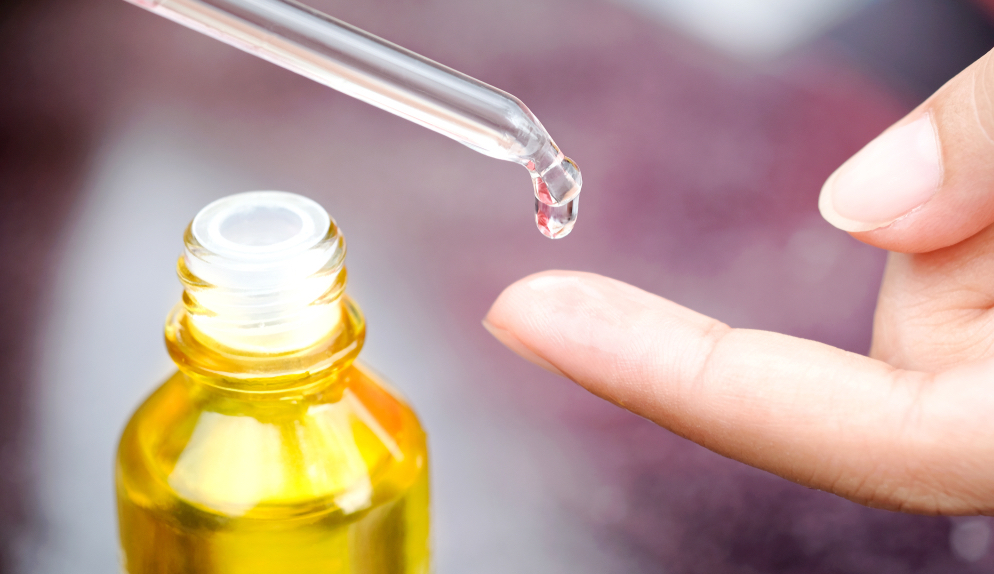
Vitamin E is more than just a vitamin; it’s a powerhouse when it comes to skincare. Known for its nourishing and protective properties, vitamin E is vital for maintaining healthy skin. It plays a crucial role in various skincare formulations, especially in moisturizing body oils. This essential nutrient combines antioxidant benefits with hydrating qualities, making it a staple in many beauty routines.
Vitamin E acts primarily as an antioxidant, a substance that helps combat free radicals—unstable molecules that can cause oxidative stress and damage to skin cells. This oxidative stress is often a result of environmental factors such as UV radiation, pollution, and even everyday stress. By neutralizing these free radicals, vitamin E contributes to the prevention of premature aging, reducing the appearance of fine lines and wrinkles. Furthermore, its anti-inflammatory properties help soothe irritated skin, making it beneficial for those with conditions like eczema or psoriasis.
Benefits of Vitamin E for Skin Health
The advantages of incorporating vitamin E into your skincare regimen are numerous. Here are some key benefits that highlight its importance:
- Moisturization: Vitamin E is known for its ability to lock in moisture, providing a hydrating effect that keeps the skin supple and soft. This is particularly important for dry skin types, as it helps maintain the skin’s natural barrier.
- Healing Properties: Vitamin E supports skin healing by promoting cell regeneration, which can help improve the appearance of scars and blemishes over time.
- Protection Against Sun Damage: While vitamin E should not replace sunscreen, it can enhance the skin’s defense against UV rays and reduce the risk of sunburn and skin cancer when used alongside sun protection.
- Improvement of Skin Texture: Regular use of vitamin E can lead to a smoother, more refined skin texture, enhancing overall skin appearance.
In addition to these benefits, vitamin E can significantly enhance the effectiveness of moisturizing body oils. When combined with other oils, such as jojoba or coconut oil, it boosts their hydrating effects and increases absorption into the skin. The synergy of vitamin E with these oils allows for deeper penetration, ensuring that moisture reaches the lower layers of the skin where it is needed most. This combination not only provides hydration but also imparts a protective layer that locks in moisture, preventing trans-epidermal water loss.
“Vitamin E is essential for maintaining healthy skin, acting as both an antioxidant and a moisturizer.”
Different Types of Oils for Body Moisturization
Body moisturization is essential for maintaining healthy skin, and various oils play a crucial role in this process. Each oil comes with unique properties that enhance skin hydration, nourishment, and protection. In this discussion, we will explore several oils commonly used in body moisturizers, focusing on their benefits, properties, and any potential drawbacks. Understanding these differences can help you choose the right oil for your skin type and needs.
Natural oils such as coconut oil, jojoba oil, and almond oil have gained popularity due to their skin-friendly attributes. Each of these oils possesses distinct properties, making them suitable for various skin concerns. On the other hand, synthetic oils, often found in commercial products, may offer certain advantages, like enhanced shelf life, but can also lead to skin irritation or allergic reactions in some individuals. Below, we delve deeper into the characteristics of these oils.
Properties and Benefits of Commonly Used Oils
In this section, we will compare and contrast natural oils with synthetic alternatives, highlighting their unique attributes. The following table Artikels various oils, their benefits, and potential drawbacks, providing a clear overview for consumers.
| Oil Type | Benefits | Potential Drawbacks |
|---|---|---|
| Coconut Oil |
|
|
| Jojoba Oil |
|
|
| Almond Oil |
|
|
| Synthetic Oils |
|
|
Natural oils provide not only hydration but also additional skin benefits due to their nutrient-rich compositions. While synthetic oils may offer convenience and stability, they often lack the holistic benefits of their natural counterparts. Each oil has its place in the realm of body moisturization, and understanding their unique qualities allows for better-informed choices in skincare.
How to Choose the Right Moisturizing Body Oil with Vitamin E
Selecting the right moisturizing body oil enriched with vitamin E can be a transformative experience for your skin. With an abundance of options available, knowing what to look for can help ensure that you choose a product that not only nourishes but also enhances your skin’s health. Vitamin E is known for its powerful antioxidant properties, but when combined with other key ingredients, it can deliver even more significant benefits.
Key Ingredients to Look For
When searching for a moisturizing body oil, it’s crucial to identify complementary ingredients that work synergistically with vitamin E to provide maximum hydration and skin protection. Some of these ingredients include:
- Jojoba Oil: Known for its similarity to the skin’s natural oils, jojoba oil provides deep hydration and helps maintain the skin’s moisture barrier.
- Argan Oil: Rich in essential fatty acids and vitamin A, argan oil helps improve skin elasticity and can reduce the appearance of fine lines.
- Sweet Almond Oil: This oil is great for softening the skin and contains high amounts of vitamin A, which is beneficial for dry skin.
- Coconut Oil: With its antibacterial properties, coconut oil not only moisturizes but also protects the skin from harmful bacteria.
- Grapeseed Oil: High in omega-6 fatty acids, grapeseed oil is lightweight and absorbs quickly, making it ideal for oily or combination skin types.
These ingredients, when combined with vitamin E, create a powerful blend that helps moisturize, protect, and improve the overall texture of your skin.
Evaluation Checklist for Moisturizing Products
To effectively evaluate moisturizing body oils, consider the following checklist. This will help you make an informed decision and choose a product that best suits your skin’s needs:
- Ingredient List: Look for natural oils and avoid products with artificial fragrances, parabens, and sulfates.
- Vitamin E Concentration: Check if the oil contains a sufficient amount of vitamin E for effective skin benefits.
- Skin Type Compatibility: Ensure the oil is suitable for your specific skin type (oily, dry, sensitive, etc.).
- Texture and Absorbency: Consider how quickly the oil absorbs into the skin; some oils are heavier and take longer to absorb, while others are lightweight.
- Brand Reputation: Opt for reputable brands that prioritize quality and transparency in their ingredient sourcing.
Using this checklist will guide you to choose the right moisturizing body oil that not only nourishes your skin but also enhances its natural radiance. Remember to patch test any new product to ensure it suits your skin before regular use.
Application Techniques for Optimal Results
Applying moisturizing body oil with vitamin E effectively can elevate your skincare routine and enhance the hydration of your skin. Understanding the right techniques for application can significantly impact absorption and overall results, ensuring that your skin reaps the maximum benefits from the nourishing properties of the oil.
One of the most effective times to apply body oil is right after a shower when your skin is still damp. This allows the oil to lock in moisture, creating a barrier that keeps your skin hydrated. Begin by patting your skin gently with a towel, leaving it slightly wet. Pour a small amount of body oil into your hands, rubbing them together to warm it up. Then, apply the oil using long, sweeping motions, moving from your ankles upward toward your heart. This technique not only promotes better absorption but also stimulates circulation.
Methods of Application
Different methods of applying body oil can enhance its benefits. Here are some popular techniques:
Incorporating body oil into your routine can be done in various ways, each with its unique advantages:
- After Showering: The most effective time to apply body oil is immediately post-shower. The warm water opens up your pores, allowing the oil to penetrate deeper.
- During Massages: Adding body oil to your massage routine can not only relax your muscles but also provide deep hydration. The oil allows for smooth movement, enhancing the overall experience.
- Mixing with Lotion: For those who prefer a lighter texture, mixing a few drops of body oil with your regular moisturizer can boost hydration without feeling heavy on the skin.
- Before Bed: Applying body oil as a part of your nighttime skincare ritual can help lock in moisture overnight, allowing your skin to repair and rejuvenate while you sleep.
To further enhance the moisturizing effects when using body oil with vitamin E, consider the following tips:
- Use a Humidifier: Adding moisture to the air, especially in dry climates, can help keep your skin hydrated for longer.
- Exfoliate Regularly: Exfoliating your skin before applying body oil removes dead skin cells, allowing for better absorption.
- Apply in Layers: For extremely dry skin, applying a layer of body oil followed by a layer of cream or lotion can create a protective barrier.
- Warm the Oil: Warming the oil slightly before application can enhance its absorption and make it feel more luxurious on the skin.
This multi-faceted approach to application not only maximizes absorption but also enhances the overall sensory experience, making body oil an essential part of your skincare routine.
DIY Recipes for Moisturizing Body Oil with Vitamin E
Creating your own moisturizing body oil at home is not only cost-effective but also allows you to customize the formulation to suit your specific skin needs. Vitamin E is renowned for its nourishing properties, making it an essential ingredient in these recipes. It acts as an antioxidant, helping to combat free radicals and keeping your skin healthy and hydrated. Let’s explore some easy-to-follow recipes tailored for various skin types and concerns.
Moisturizing Body Oil for Dry Skin
Dry skin often requires extra nourishment and hydration. This recipe combines the moisturizing benefits of carrier oils with vitamin E to create a soothing body oil.
– Ingredients:
– 1/2 cup sweet almond oil
– 1/4 cup coconut oil
– 1 tablespoon vitamin E oil
– 10 drops lavender essential oil (for aroma and additional skin benefits)
This blend is rich in fatty acids that help lock in moisture, making it perfect for those with parched skin. Sweet almond oil is lightweight yet deeply hydrating, while coconut oil provides an extra barrier to prevent moisture loss. The soothing scent of lavender also promotes relaxation, making it ideal for a bedtime routine.
Moisturizing Body Oil for Sensitive Skin
For sensitive skin, using gentle and calming ingredients is key. This recipe minimizes the risk of irritation while ensuring hydration.
– Ingredients:
– 1/2 cup jojoba oil
– 1/4 cup grapeseed oil
– 1 tablespoon vitamin E oil
– 5 drops chamomile essential oil (known for its soothing properties)
Jojoba oil closely resembles the skin’s natural oils, making it an excellent choice for sensitive skin. Grapeseed oil is lightweight and rich in linoleic acid, providing moisture without clogging pores. Chamomile essential oil adds an additional level of calmness, helping to soothe irritated skin.
Moisturizing Body Oil for Oily Skin
Even oily skin can benefit from oil-based products when the right oils are used. This recipe is specifically formulated to hydrate without adding excess shine.
– Ingredients:
– 1/2 cup fractionated coconut oil
– 1/4 cup rosehip oil
– 1 tablespoon vitamin E oil
– 5 drops tea tree essential oil (for its antibacterial properties)
Fractionated coconut oil is non-comedogenic, making it suitable for oily skin types. Rosehip oil is known for its skin-repairing qualities and can help reduce the appearance of blemishes. The addition of tea tree oil provides a natural way to keep skin clear, making this recipe perfect for those prone to breakouts.
Moisturizing Body Oil for Mature Skin
Mature skin often requires ingredients that promote elasticity and firmness. This luxurious blend enhances skin vitality.
– Ingredients:
– 1/2 cup argan oil
– 1/4 cup avocado oil
– 1 tablespoon vitamin E oil
– 10 drops frankincense essential oil (known for its anti-aging properties)
Argan oil is rich in antioxidants and fatty acids, making it ideal for rejuvenating mature skin. Avocado oil penetrates deeply, promoting hydration and elasticity. Frankincense not only adds a lovely scent but also helps improve skin tone and reduce the appearance of fine lines.
Each recipe can be easily adapted based on personal preferences or ingredient availability. Always perform a patch test when trying new oils or essential oils to ensure compatibility with your skin. Remember, crafting your own moisturizing body oil is a rewarding process that allows you to tailor the experience to what your skin truly craves.
Common Myths About Moisturizing Oils
Moisturizing body oils are gaining popularity in skincare routines, but several misconceptions hinder their acceptance. Understanding these myths helps consumers make informed choices for their skin health. By clearing up these common misunderstandings, users can better appreciate the benefits of incorporating moisturizing oils, especially those enriched with vitamin E, into their daily routines.
Body oils face skepticism, often viewed as greasy or suitable only for dry skin. However, these beliefs lack substantial backing. Many people think that using oil on their skin will lead to clogged pores and acne. In reality, the formulation of body oils, especially those containing non-comedogenic ingredients, can provide hydration without causing breakouts. A study published in the *Journal of Cosmetic Dermatology* noted that oils like jojoba and argan can mimic skin’s natural sebum, thus providing moisture without clogging pores.
Another prevalent myth is that oils are solely for dry skin types. While those with dry skin certainly benefit from oils’ occlusive properties, individuals with oily or combination skin can also enjoy their advantages. Oils can help balance skin’s oil production, leading to a healthier complexion. Research suggests that applying oils can help normalize sebum levels, making them beneficial for all skin types.
Additionally, there is a misconception that oils don’t offer any protective or healing properties. On the contrary, many moisturizing oils are rich in antioxidants and vitamins, such as vitamin E, which support skin barrier function and combat oxidative stress. A 2020 study in the *American Journal of Clinical Dermatology* indicated that vitamin E can improve skin elasticity and reduce the appearance of scars.
The following table Artikels the common myths versus the facts surrounding moisturizing oils:
| Myths | Facts |
|---|---|
| Oils clog pores and cause acne. | Many oils are non-comedogenic and can enhance skin hydration without causing breakouts. |
| Oils can benefit all skin types by balancing oil production and providing hydration. | |
| Many oils contain antioxidants and vitamins that support skin health and healing. |
Understanding these myths and their truths empowers consumers to embrace moisturizing oils as versatile and beneficial components of their skincare routines.
The Environmental Impact of Choosing Body Oils
Using body oils in skincare routines has become increasingly popular, but the choices we make can significantly impact the environment. The decision to use natural versus synthetic oils not only affects our skin but also plays a crucial role in the sustainability of our planet. Natural oils, derived from plants, are often seen as a more eco-friendly alternative to synthetic oils, which are frequently produced through complex chemical processes. Understanding the sustainability of these products can help consumers make informed choices that benefit both their skin and the Earth.
The sourcing practices of oils directly influence the sustainability of body oils. Natural oils can be harvested from renewable resources, but poor agricultural practices can lead to deforestation, loss of biodiversity, and harm to local communities. In contrast, synthetic oils, while often cheaper and more readily available, can contribute to pollution and depletion of non-renewable resources. Ethical sourcing of natural oils emphasizes fair trade practices and supports local farmers, ensuring that the communities involved benefit from the cultivation and sale of their products. For instance, sustainable palm oil initiatives aim to reduce deforestation and promote biodiversity by certifying palm oil that is produced without harming rainforests or displacing indigenous peoples.
Brands That Prioritize Sustainable Practices
Choosing brands that prioritize sustainability in their moisturizing body oil production can significantly impact the environment and promote ethical practices in the industry. Here are a few brands that stand out for their commitment to sustainability:
- Herbivore Botanicals: This brand focuses on natural ingredients and sustainable sourcing. They use a variety of plant-based oils and ensure that their products are cruelty-free and environmentally friendly.
- Alima Pure: Alima Pure emphasizes minimalism and sustainability, sourcing their ingredients responsibly while maintaining a commitment to ethical practices and recyclable packaging.
- Weleda: Known for its holistic approach, Weleda uses biodynamic farming methods, ensuring that their ingredients are grown sustainably and harvested ethically. Their body oils reflect their commitment to the environment.
- Rituals: Rituals integrates sustainability into its business model by using natural, high-quality ingredients and aiming for eco-friendly packaging, promoting a more responsible skincare routine.
- Drunk Elephant: With a focus on clean ingredients, Drunk Elephant prioritizes sustainable sourcing and transparent practices, ensuring that each product is as beneficial for the environment as it is for the skin.
By supporting these brands, consumers can contribute to a more sustainable future while enjoying the benefits of moisturizing body oils enriched with natural and effective ingredients. Adopting sustainable skin care habits not only nourishes the skin but also fosters a healthier planet for generations to come.
Customer Reviews and Testimonials
The effectiveness of moisturizing body oils with vitamin E is often best illustrated through the personal experiences of customers who have incorporated these products into their daily routines. Their stories not only highlight the benefits of using such oils but also establish a genuine connection with potential buyers, building trust and credibility around the product.
Customer testimonials provide invaluable insight into how moisturizing body oils have transformed skin health and overall well-being. Real user experiences can significantly boost consumer confidence, reassuring potential buyers that they are making a smart choice.
Summarized Customer Testimonials
Below is a summary of various customer testimonials that capture the essence of their experiences with moisturizing body oils enriched with vitamin E. These testimonials emphasize the satisfaction and positive changes users have witnessed, making them a powerful tool for influencing purchasing decisions.
| Customer Name | Experience Summary | Key Benefits |
|---|---|---|
| Jessica R. | After using this oil for a month, my dry skin has transformed into silky softness. | Deep hydration, improved skin texture. |
| Mark T. | As someone with sensitive skin, I was hesitant, but this product has soothed my irritation. | Calming properties, reduced redness. |
| Linda K. | I noticed a significant reduction in stretch marks after consistent use. | Improved skin elasticity, reduced appearance of scars. |
| James L. | This oil absorbs quickly without a greasy feel, making it perfect for everyday use. | Non-greasy formula, quick absorption. |
| Anna M. | My skin feels more youthful and radiant, and I love the subtle fragrance. | Radiant glow, pleasant scent. |
“Using this moisturizing body oil has been a game changer for me; I can’t recommend it enough!” – Jessica R.
These reviews not only reflect individual satisfaction but also illustrate the diverse benefits that moisturizing body oils can offer. From hydration to skin elasticity, the shared experiences underscore the potential of vitamin E-infused oils to enhance skin health and boost confidence in one’s appearance.
The Future of Moisturizing Body Oils in Skincare
As the skincare industry continues to evolve, so do the formulations and applications of moisturizing body oils. Rich in emollients, body oils are not just a luxury but are increasingly recognized for their multifaceted benefits. With growing consumer demand for clean and effective beauty products, the future of moisturizing body oils is set to be innovative, sustainable, and aligned with holistic wellness.
Emerging trends in body oil formulations are shaping the landscape of skincare. Consumers are leaning towards products that are not only effective but also environmentally friendly. This shift is prompting brands to explore novel ingredients and sustainable sourcing practices. For instance, many companies are now prioritizing plant-based oils over synthetic alternatives, introducing formulations rich in antioxidants and vitamins that promote skin health while minimizing environmental impact.
Innovative Ingredients in Body Oils
The quest for perfect moisturizing body oils is leading to the exploration of a diverse range of ingredients that enhance their effectiveness. Here are some noteworthy trends and potential future ingredients that could reshape the formulation of body oils:
- Adaptogenic Botanicals: Ingredients like ashwagandha and reishi mushroom are gaining traction for their ability to help the skin adapt to stress. These adaptogens may enhance skin resilience and hydration, serving as a soothing element for stressed skin.
- Biotech-derived Oils: Innovations in biotechnology are leading to the creation of oils that are bioengineered for optimal skin compatibility. For example, oils derived from yeast fermentation could offer unique fatty acid profiles, contributing to better skin absorption and nourishment.
- Probiotics and Prebiotics: Incorporating probiotics into body oils can help balance the skin microbiome, promoting overall skin health. Prebiotics can complement these effects by nourishing beneficial skin bacteria, improving skin barrier function and hydration.
- Clean Beauty Standards: The clean beauty movement is influencing the ingredients used in body oils. Consumers are increasingly seeking formulations free from harmful chemicals, parabens, and synthetic fragrances. Brands are responding with transparency in their ingredient sourcing and formulation practices, often embracing organic and non-GMO oils.
- Enhanced Essential Oils: Essential oils are being reformulated to ensure they are both effective and safe for all skin types. Innovations in extraction techniques are leading to more concentrated and purer oil options, heightening their aromatic and therapeutic benefits.
The evolution of consumer preferences is a significant driving force behind these innovations. With a focus on sustainable living and wellness, consumers now demand transparency from brands regarding ingredient sourcing and environmental impact. The rise of DIY skincare has also prompted manufacturers to create products that are customizable and versatile, catering to individual skin types and concerns.
In conclusion, the future of moisturizing body oils in skincare looks bright, with a focus on clean, effective formulations that respect both consumer needs and environmental sustainability. As the industry continues to innovate, we can expect to see a range of exciting products that not only hydrate but also enhance the overall health of the skin through the use of innovative and natural ingredients.
Summary
In summary, moisturizing body oil with vitamin E is a versatile and beneficial addition to any skincare routine. Its hydrating properties, combined with the protective advantages of vitamin E, make it a compelling choice for anyone looking to improve their skin’s health and appearance. As we’ve discussed, the right application techniques and knowledge of ingredients can further enhance its effectiveness, ensuring you enjoy all the benefits it has to offer.
Frequently Asked Questions
What are the benefits of using body oil over lotion?
Body oils penetrate the skin more deeply and lock in moisture better than lotions, providing a longer-lasting hydration effect.
Can I use moisturizing body oil on my face?
While body oils can be beneficial for the face, it’s essential to choose a non-comedogenic oil to avoid clogging pores.
How often should I apply moisturizing body oil?
For best results, apply body oil after showering or bathing daily to maintain hydration and softness.
Is vitamin E oil safe for all skin types?
Vitamin E oil is generally safe for most skin types, but those with sensitive skin should do a patch test to ensure there’s no irritation.
Can I mix moisturizing body oil with my existing lotion?
Yes, blending body oil with lotion can enhance hydration and improve the overall texture of the product.