
 Penelope Hailey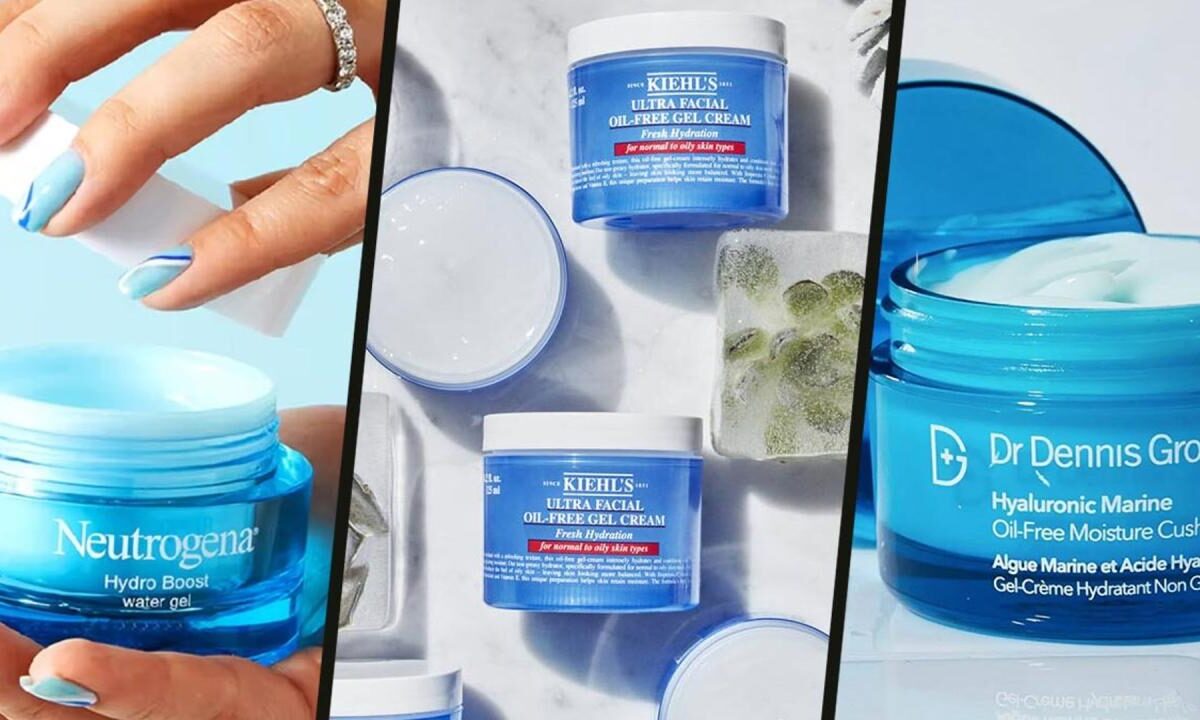
Moisturizer for oily skin plays a crucial role in maintaining balance and health. Oily skin can often be misunderstood, leading many to believe that hydration is unnecessary. However, the right moisturizer can help regulate oil production while keeping your skin hydrated and fresh.
Understanding the unique characteristics of oily skin—such as enlarged pores, shine, and potential acne—helps in selecting the appropriate moisturizer. Lightweight, non-comedogenic formulas are essential as they provide hydration without clogging pores. This guide explores ingredients, application techniques, and common mistakes to avoid, ensuring you achieve the best results for your skin.
Understanding the Unique Needs of Oily Skin
Oily skin is a common skin type characterized by an overproduction of sebum, which often leads to a shiny appearance and may contribute to various skincare concerns. To effectively manage oily skin, it’s essential to understand its unique characteristics and how they influence the choice of moisturizers. Unlike dry or normal skin types, oily skin requires specific formulations that balance hydration without exacerbating oiliness.
Oily skin typically presents several defining traits. These include enlarged pores, a shiny complexion, and an increased likelihood of developing acne or blemishes. The presence of excess oil can lead to a feeling of heaviness on the skin, often prompting individuals to shy away from moisturizing altogether. However, this approach can backfire, as neglecting hydration can signal the skin to produce even more oil. Therefore, selecting the right moisturizer is crucial, as it should provide adequate hydration while remaining lightweight and non-comedogenic.
Characteristics and Contributing Factors of Oily Skin
Understanding the characteristics of oily skin is vital for making informed decisions about moisturizer selection. The primary characteristics of oily skin include:
- Shiny Appearance: Oily skin often has a noticeable sheen, especially in the T-zone (forehead, nose, and chin), due to excess oil production.
- Enlarged Pores: The overproduction of sebum can cause the pores to appear larger, making the skin more prone to blackheads and whiteheads.
- Acne-Prone: Oily skin is frequently associated with acne and breakouts, as excess oil can trap dirt and bacteria within the pores.
- Fluctuating Texture: Individuals with oily skin may experience varying skin textures, from smooth to bumpy, depending on the oil levels and the presence of acne.
Several factors contribute to the oiliness of the skin, including hormonal changes, genetics, and environmental conditions. Hormones, particularly androgens, can stimulate oil glands, leading to increased sebum production. Genetics plays a role as well, with individuals inheriting skin types from their parents. Additionally, environmental factors such as humidity and pollution can exacerbate the condition. Understanding these factors helps guide the selection of moisturizers that can effectively manage oiliness while ensuring the skin remains hydrated.
“Choosing the right moisturizer for oily skin is about finding a balance—hydration without heaviness.”
Ingredients to Look for in Moisturizers for Oily Skin
Finding the right moisturizer for oily skin can significantly enhance your skincare routine. With the right ingredients, you can achieve hydration without clogging your pores or adding unnecessary shine. Let’s delve into the essential components to seek out in moisturizers specifically formulated for oily skin types.
Beneficial Ingredients
When searching for moisturizers tailored to oily skin, it’s essential to focus on lightweight and non-comedogenic ingredients. These components help maintain moisture balance while preventing excess oil production and breakouts. The following is a list of beneficial ingredients to keep an eye out for:
- Hyaluronic Acid: This powerful humectant draws moisture into the skin without adding oil, making it ideal for oily skin types.
- Glycerin: Like hyaluronic acid, glycerin is a humectant that attracts water to the skin, providing hydration without clogging pores.
- Aloe Vera: Known for its soothing properties, aloe vera hydrates the skin while keeping it cool and oil-free.
- Niacinamide: This form of Vitamin B3 helps to regulate oil production, minimize the appearance of pores, and improve skin texture.
- Salicylic Acid: A beta-hydroxy acid that penetrates into the pores to help clear out excess oil and prevent breakouts.
- Tea Tree Oil: With natural antibacterial properties, tea tree oil helps to combat acne and keep the skin clear without the need for heavy formulations.
- Witch Hazel: This natural astringent helps to reduce oiliness and tighten pores, promoting a smoother skin surface.
Importance of Lightweight Formulas
For oily skin, lightweight formulas are essential to ensure that the moisturizer does not exacerbate oil production or lead to a greasy appearance. Lightweight moisturizers typically have a gel or water-based consistency, which provides hydration without heaviness. Some examples of such formulations include gel creams or oil-free lotions that absorb quickly into the skin. These types of products allow for moisture retention while keeping your skin feeling fresh and non-greasy.
Lightweight moisturizers are crucial for oily skin as they provide hydration without the risk of clogging pores or contributing to excess oil production.
Role of Non-Comedogenic Ingredients
Non-comedogenic ingredients are specifically designed to prevent blockage of hair follicles, which can lead to breakouts. Choosing moisturizers labeled as non-comedogenic ensures that the product will not clog pores, making it ideal for oily and acne-prone skin. Many of the beneficial ingredients mentioned earlier, like hyaluronic acid and glycerin, are naturally non-comedogenic.
By incorporating non-comedogenic formulations into your skincare routine, you can keep your skin hydrated, reduce the risk of acne, and maintain a balanced, healthy complexion.
Non-comedogenic products are essential for oily skin as they prevent breakouts and ensure a clear, healthy appearance.
The Importance of Hydration in Oily Skin Care
Maintaining proper hydration is a crucial aspect of oily skin care. While it may seem counterintuitive, using a moisturizer can significantly benefit those with oily skin. It’s essential to understand how hydration interacts with oil production and the misconceptions that often arise regarding moisture in skin care routines.
The relationship between hydration and oily skin is often misunderstood. Many believe that oily skin doesn’t require additional moisture, leading to the assumption that skipping moisturizers is beneficial. In reality, oily skin can suffer from dehydration, which can trigger increased oil production as a compensatory mechanism. By nourishing the skin with the right moisturizer, you help lock in moisture and create a balanced environment, preventing the skin from overproducing oil.
Effects of Moisture Retention on Oil Production
Moisture retention is vital for maintaining healthy skin, particularly for those with oily skin. The following points elucidate the positive impact of adequate hydration:
- Hydrated skin maintains a balanced oil level, preventing the skin from becoming excessively oily.
- Moisture helps fortify the skin barrier, reducing the likelihood of breakouts caused by clogged pores.
- Using lightweight, non-comedogenic moisturizers ensures hydration without adding excess oil.
- Hydration can lead to improved overall skin texture, making it appear smoother and more radiant.
The difference between using a moisturizer and not using one is stark. Without proper hydration, oily skin may feel greasy but can become tight and uncomfortable, prompting a cycle of uneven oil production. This imbalance may lead to an increase in acne and other skin issues. On the other hand, incorporating a suitable moisturizer can result in a more controlled oil environment, fostering healthier skin and minimizing breakouts.
“Proper hydration is the cornerstone of a balanced skin care routine, especially for oily skin.”
In summary, hydration is not just about avoiding dryness; it plays a pivotal role in regulating oil production and enhancing skin health. Fostering this balance through effective moisturizing practices leads to a clearer and more vibrant complexion for those with oily skin.
Application Techniques for Maximizing Moisturizer Efficacy
Applying moisturizer correctly is crucial for individuals with oily skin to achieve the desired hydration without exacerbating excess oil production. The right techniques can enhance the efficacy of your moisturizer while ensuring that it absorbs properly into the skin. This guide will provide you with the best practices and methods for applying moisturizer effectively.
Understanding the significance of layering products in your skincare routine is essential for optimal results. When it comes to oily skin, it is important to apply products in the correct order, allowing each one to perform its function effectively. The ideal skincare routine typically follows this order: cleanser, toner, treatment, and then moisturizer. Each step prepares the skin for the next, ensuring that the moisturizer can penetrate deeply without blocking pores.
Best Practices for Applying Moisturizer
To maximize the benefits of your moisturizer, follow these effective application techniques that cater specifically to oily skin.
Start with a clean face, ensuring that any remnants of dirt and oil are removed. After cleansing, apply a toner suited for oily skin types. This prep step helps balance the skin’s pH levels and removes any leftover impurities.
1. Use the Right Amount: A pea-sized amount of moisturizer is generally sufficient for the entire face. Using too much product can lead to a greasy feel and may clog pores.
2. Warm the Product: Before applying the moisturizer, warm it between your fingertips. This helps in distributing the product evenly and improving absorption into the skin.
3. Apply with Gentle Pressure: Using your fingertips, apply the moisturizer starting from the center of your face and moving outward. This technique promotes even distribution while avoiding excessive rubbing that might irritate the skin.
4. Focus on Problem Areas: Pay extra attention to areas that tend to feel drier or are prone to irritation. However, avoid the T-zone if you find it particularly oily, as this may just add to the oiliness.
Incorporating these techniques into your daily skincare routine can lead to improved hydration without the unwanted shine typically associated with oily skin.
“A little goes a long way; less is more when it comes to moisturizing oily skin.”
Maintaining a consistent routine is key to achieving and sustaining optimum skin health. Each step in your routine not only prepares your skin for the next but also enhances the effectiveness of your chosen products.
Common Mistakes to Avoid When Choosing a Moisturizer for Oily Skin
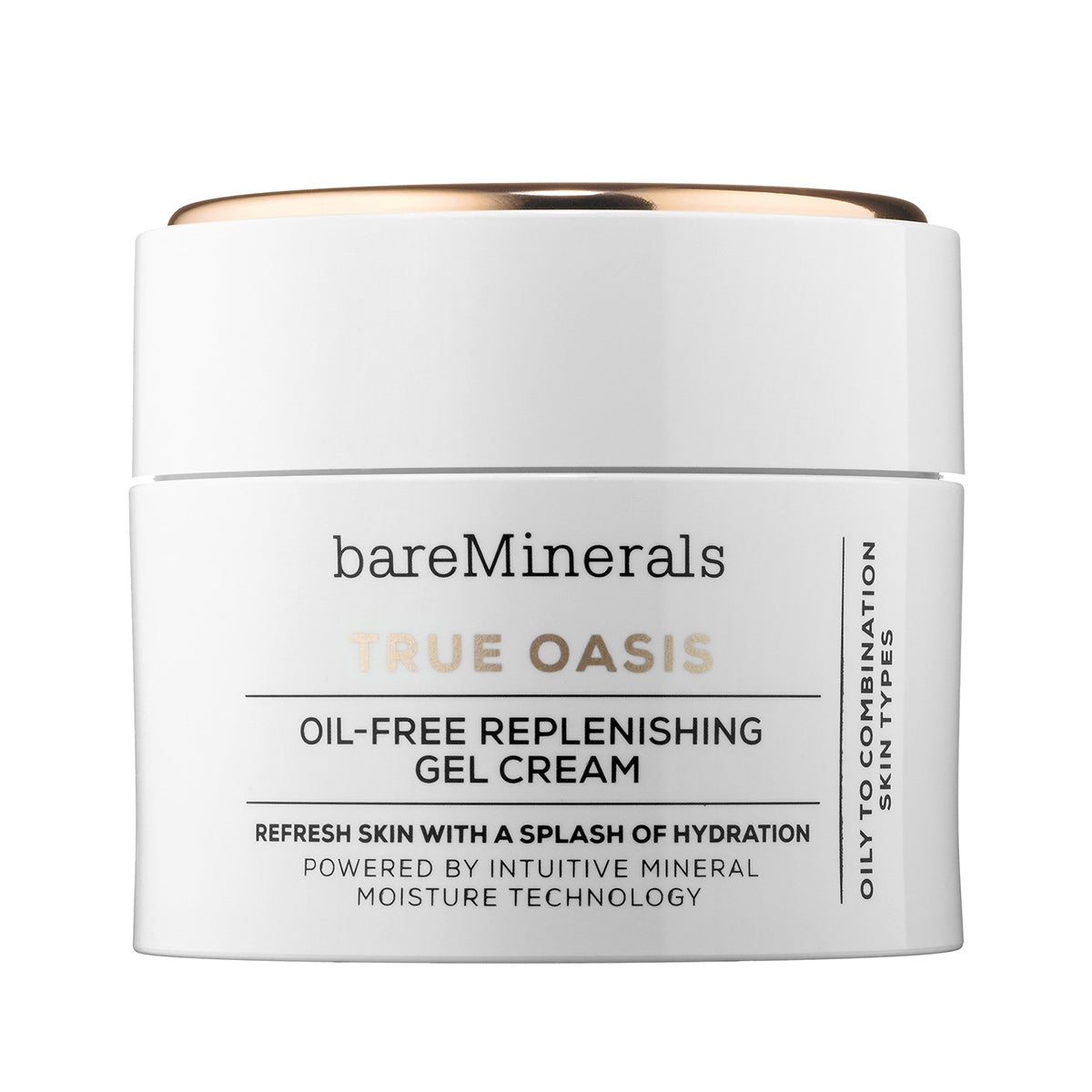
Selecting the right moisturizer can be a daunting task, especially for those with oily skin. Many individuals make common mistakes that can lead to increased oiliness, breakouts, or other skin issues. Understanding these pitfalls is crucial for maintaining a balanced, healthy complexion.
Choosing the wrong moisturizer can exacerbate existing skin problems. For instance, heavy creams or products high in oils can clog pores and lead to breakouts. Similarly, using products that are too drying can prompt the skin to produce even more oil in compensation. Thus, knowing what to avoid is essential in making an informed choice.
Identifying Common Mistakes
Awareness of common mistakes is the first step toward choosing the right product. Understanding these missteps can help steer you in the right direction.
- Opting for Heavy Creams: Many people mistakenly choose thick, rich creams that are designed for dry skin, thinking they will provide sufficient moisture. However, these products can lead to clogged pores and increased oiliness.
- Ignoring Non-Comedogenic Labels: Failing to look for products specifically labeled as non-comedogenic is a frequent error. Non-comedogenic products are formulated to avoid clogging pores, making them suitable for oily skin types.
- Overlooking Ingredients: Some individuals neglect to check the ingredient list. Ingredients like alcohol can be overly drying, while heavy oils can make the skin greasier. Understanding which ingredients work for your skin type is critical.
- Choosing Products with Harsh Exfoliants: While exfoliation is essential for oily skin, using products with overly harsh exfoliants can disrupt the skin barrier. This may lead to irritation and increased oil production.
- Neglecting Sunscreen: Some people assume that oily skin doesn’t require sunscreen. However, UV protection is essential for all skin types. Failing to use a suitable sunscreen can lead to sun damage and worsen skin problems.
“Choosing the right moisturizer is crucial for maintaining balance in oily skin; the wrong product can trigger a cycle of excess oil and breakouts.”
Understanding these mistakes allows for better decision-making when selecting a moisturizer for oily skin. Be sure to read product labels effectively, and familiarize yourself with ingredients that suit your skin type. This knowledge can lead to a more enjoyable and effective skincare routine.
Exploring Popular Moisturizers Formulated for Oily Skin
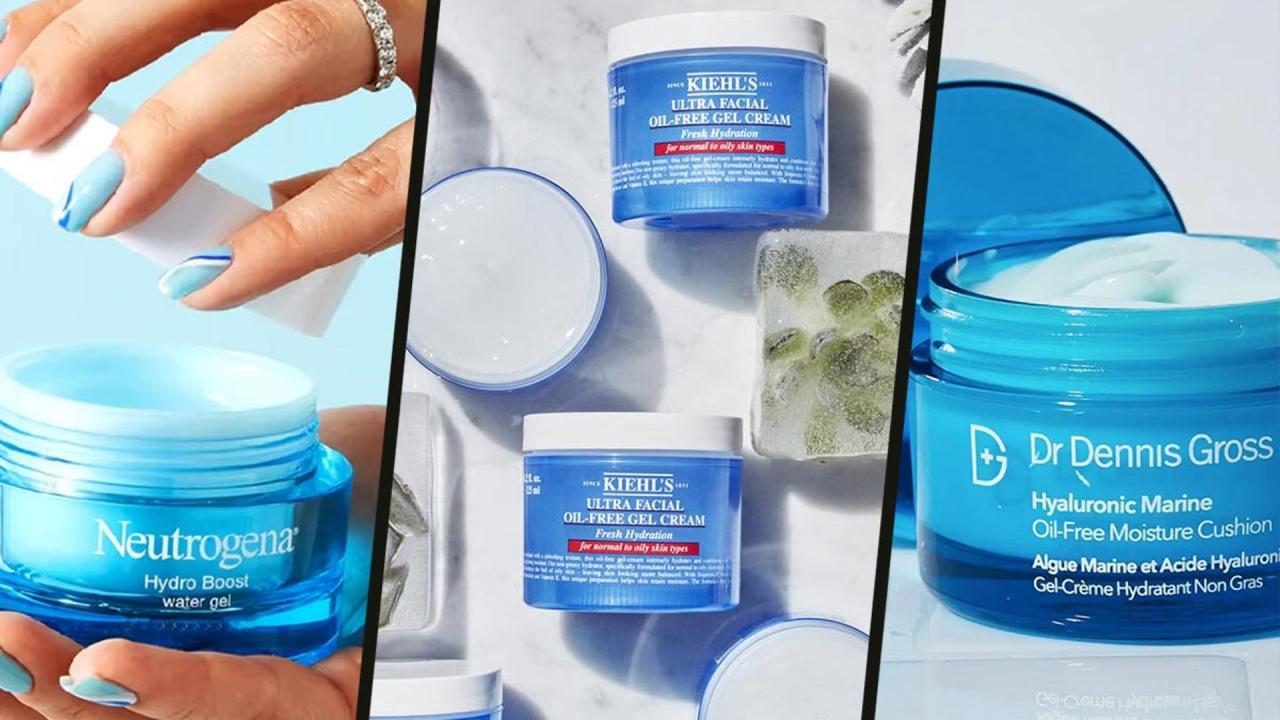
Finding the right moisturizer for oily skin can be a challenge, given the tendency of such skin types to produce excess sebum. Effective moisturizers for oily skin should hydrate without clogging pores or exacerbating the oiliness. Fortunately, several brands have formulated products that strike the right balance, providing hydration while maintaining a matte finish and controlling shine.
Popular Moisturizers for Oily Skin
Several brands have become favorites among those with oily skin, thanks to their lightweight and non-comedogenic formulations. Here’s a detailed look at some of the most popular options:
-
Neutrogena Hydro Boost Water Gel:
This gel-based moisturizer features hyaluronic acid, which ensures intense hydration without a greasy feel. The lightweight formula absorbs quickly, leaving skin feeling refreshed and smooth. User feedback commonly highlights its ability to maintain moisture without weighing down the skin. -
Clinique Dramatically Different Moisturizing Gel:
Formulated specifically for oily skin, this gel moisturizer provides all-day hydration while controlling shine. Its oil-free formulation helps to minimize the appearance of pores, leading to a smoother complexion. Many users appreciate its lightweight texture and effectiveness in maintaining skin balance. -
La Roche-Posay Effaclar Mat:
This moisturizer not only hydrates but also offers oil control and minimizes the appearance of pores. With a matte finish, it’s particularly well-suited for those who struggle with shine throughout the day. Reviews often commend its ability to keep skin looking fresh and non-greasy. -
Biore UV Aqua Rich Watery Essence:
Although primarily a sunscreen, this product acts as an excellent moisturizer for oily skin. Its water-based formula provides hydration while protecting from UV rays. Users frequently note its lightweight, non-greasy feel and its effectiveness in layering under makeup. -
CeraVe PM Facial Moisturizing Lotion:
Ideal for nighttime use, this lotion contains ceramides and niacinamide to restore the skin barrier while providing necessary hydration. It is non-comedogenic and oil-free, making it perfect for oily skin types. Feedback from users often highlights improved skin texture and a decrease in breakouts.
The effectiveness of these moisturizers varies based on individual skin needs and preferences. Factors such as formulation, texture, and user experiences play a crucial role in determining the best fit for oily skin. Each of these products offers unique benefits, but what remains consistent is their commitment to providing hydration without compromising on skin clarity.
Seasonal Adjustments in Moisturizer Choices for Oily Skin
The needs of oily skin can significantly change with the seasons, requiring adjustments to moisturizer selection. Understanding these changes is crucial for maintaining healthy, balanced skin throughout the year. By tailoring your skincare routine to seasonal variations, you can effectively manage oil production and prevent issues like breakouts or excessive dryness.
As the weather shifts, so do the humidity levels and temperatures, which directly influence how your skin behaves. In warmer months, oily skin often produces more sebum due to heat and humidity, while cooler months can lead to dehydration despite excess oil. This dynamic requires different formulations to meet the specific needs of your skin in each season.
Formulation Choices for Different Seasons
Choosing the right moisturizer involves recognizing the specific challenges posed by summer and winter. During summer months, lightweight, oil-free, and gel-based moisturizers are often more suitable. These formulations provide hydration without overwhelming the skin, offering a refreshing feel in hot weather. Ingredients like hyaluronic acid and aloe vera can help maintain moisture without adding excess oil.
In contrast, winter often brings drier air and indoor heating, which can strip moisture from the skin. During this season, opting for a slightly richer, cream-based moisturizer that still caters to oily skin can be beneficial. Look for products containing emollients such as shea butter or glycerin, which can help lock in moisture while still being non-comedogenic.
When transitioning between products based on climate changes, consider the following guidelines:
- Monitor Humidity: Keep an eye on local humidity levels. When the humidity drops below 50%, it may be time to switch to a richer formulation.
- Adjust Product Consistency: Use gel-based products in summer and cream-based products in winter to match skin needs effectively.
- Test New Products: Introduce new moisturizers gradually, patch testing first to avoid adverse reactions, especially when switching formulations.
- Consider SPF: In summer, prioritize moisturizers with adequate sun protection to shield against UV rays, whereas in winter, this may be less of a priority.
Maintaining a flexible approach to your moisturizer routine, in response to seasonal changes, is key to keeping oily skin healthy and balanced throughout the year.
DIY Moisturizers for Oily Skin
Creating a homemade moisturizer for oily skin can be both fun and rewarding. Many individuals with oily skin find it challenging to find products that hydrate without making their skin feel greasy or causing breakouts. DIY moisturizers offer a tailored approach, allowing you to select the ingredients that work best for your skin type while avoiding potentially harmful additives commonly found in commercial products.
When crafting your own moisturizer, it is essential to consider both the benefits and drawbacks of DIY options compared to their commercial counterparts. DIY moisturizers often contain natural ingredients that are free from preservatives, artificial fragrances, and harmful chemicals, making them a great choice for those with sensitive skin. However, they may require more time and knowledge to create and may not have the same shelf-life as store-bought products.
Homemade Recipes for Oily Skin
Here are some effective recipes that can help hydrate oily skin without adding excess oiliness:
1. Aloe Vera Gel Moisturizer
– Combine fresh aloe vera gel with a few drops of tea tree oil.
– Benefits: Aloe vera is hydrating and soothing, while tea tree oil has antibacterial properties.
2. Cucumber and Yogurt Moisturizer
– Blend half a cucumber with two tablespoons of plain yogurt.
– Benefits: Cucumber hydrates and cools the skin, while yogurt provides probiotics that can help balance skin’s natural oils.
3. Chamomile and Green Tea Moisturizer
– Brew chamomile and green tea together, let it cool, and mix with a tablespoon of honey.
– Benefits: Chamomile calms inflammation, and green tea is rich in antioxidants, perfect for oily skin.
4. Jojoba Oil and Lavender Essential Oil Blend
– Mix two tablespoons of jojoba oil with a few drops of lavender essential oil.
– Benefits: Jojoba oil mimics the skin’s natural oils, helping to regulate oil production. Lavender offers calming properties.
It’s important to note that while these recipes can be effective, they may not provide the same long-lasting results as some commercial products specifically designed for oily skin.
Benefits and Drawbacks of DIY Products
Choosing between DIY moisturizers and commercial options involves weighing several factors.
– Benefits of DIY Moisturizers:
– Control over ingredients: You can customize the formulation to suit your skin’s specific needs.
– Natural ingredients: Many DIY recipes use organic and unprocessed components, reducing exposure to harmful chemicals.
– Cost-effective: Homemade moisturizers can often be made at a lower cost than commercial products.
– Drawbacks of DIY Moisturizers:
– Shorter shelf life: Homemade products usually don’t contain preservatives, which means they can spoil quickly.
– Time-consuming: Creating your own moisturizer requires time for preparation and testing to find the right mix.
– Variable results: The effectiveness of DIY products can vary depending on the quality of ingredients and individual skin reactions.
Safety Tips and Ingredient Sourcing
For those eager to embark on the DIY moisturizer journey, safety is paramount. Here are some key tips to ensure a successful and safe experience:
– Always perform a patch test: Before applying any new ingredient or recipe to your skin, conduct a patch test to check for allergic reactions.
– Use high-quality ingredients: Source organic and high-quality oils, butters, and extracts to ensure efficacy and safety. Purchase from reputable suppliers to guarantee freshness.
– Store properly: Keep homemade moisturizers in clean, sterilized containers, and store them in a cool, dark place to extend shelf life.
– Label your creations: Include the date of creation on your jars. This will help you track freshness and avoid using expired products.
By following these guidelines and experimenting with the recipes provided, you can create effective moisturizers that cater to the unique needs of oily skin, all from the comfort of your home.
End of Discussion
Choosing the right moisturizer for oily skin is a vital step in any skincare routine. By understanding your skin’s needs and avoiding common pitfalls, you can effectively hydrate while controlling excess oil. Whether you opt for a commercial product or decide to try DIY recipes, the key is to find what works best for your skin type, ensuring a healthy and balanced complexion.
Question Bank
Can oily skin skip moisturizer?
No, even oily skin needs moisture to maintain balance and prevent overproduction of oil.
What type of moisturizer is best for oily skin?
Lightweight, oil-free, and non-comedogenic moisturizers are ideal for oily skin.
How often should I apply moisturizer on oily skin?
It is best to apply moisturizer twice a day, in the morning and evening, for optimal hydration.
Can I use a gel-based moisturizer on oily skin?
Yes, gel-based moisturizers are often great for oily skin due to their lightweight and refreshing texture.
Are there any ingredients to avoid in moisturizers for oily skin?
Avoid heavy oils and butters that can clog pores and exacerbate oiliness.