
 Penelope Hailey
Massage oil is more than just a silky substance; it’s a gateway to relaxation, wellness, and self-care. As you explore the diverse world of massage oils, you’ll uncover a variety of types, each with its unique benefits and uses, tailored to enhance your massage experience. Whether you’re seeking relief from stress, aiming for better skin health, or just looking to indulge in a little pampering, understanding the nuances of massage oils can make all the difference.
From nourishing carrier oils to fragrant essential oils, the options are vast and varied. Each type of massage oil carries its own set of characteristics, benefits, and drawbacks, making it essential for anyone interested in massage therapy to know what suits their needs. This journey not only covers the practical aspects of massage oils but also delves into their cultural significance across different traditions, ensuring a well-rounded understanding of their place in self-care practices.
Understanding the Different Types of Massage Oils
In the world of massage therapy, the choice of massage oil can significantly influence the overall experience. Each type of oil comes with its unique properties, benefits, and drawbacks. Understanding these differences not only helps in selecting the right oil for specific needs but also enhances the effectiveness of the therapy session. This guide delves into the various types of massage oils available in the market, highlighting their characteristics, as well as their pros and cons.
Common Types of Massage Oils
Choosing the right massage oil is essential for both the therapist and the recipient. The following are some of the most common types of massage oils, along with their distinctive features and effects.
- Sweet Almond Oil: A favorite among massage therapists due to its light consistency and excellent glide. Rich in vitamins A and E, it nourishes the skin but may cause allergic reactions in some individuals.
- Coconut Oil: Known for its solid state at room temperature, it melts upon contact with the skin. Coconut oil has moisturizing properties and is antibacterial, though its thick texture can make it harder to work with.
- Jojoba Oil: Actually a wax ester, jojoba oil closely resembles the skin’s natural oils, making it highly compatible for all skin types. Its non-greasy feel and long shelf life are advantages, but it can be more expensive than other oils.
- Grapeseed Oil: This oil is light and non-greasy, making it an ideal choice for those who prefer a less oily feel. It’s rich in linoleic acid but may have a shorter shelf life, leading to rancidity if not stored properly.
- Olive Oil: While not as commonly used, olive oil provides deep hydration and is rich in antioxidants. Its heavy consistency may not be suitable for all types of massage, and it can leave a greasy residue.
Benefits and Drawbacks of Each Oil
Each massage oil brings specific benefits and potential drawbacks that should be considered before selection. The following table summarizes these aspects for quick reference.
| Type of Oil | Benefits | Drawbacks |
|---|---|---|
| Sweet Almond Oil | Moisturizing, light, good for all skin types. | Potential for allergic reactions. |
| Coconut Oil | Deeply moisturizing, antibacterial properties. | Thick consistency can be challenging to work with. |
| Jojoba Oil | Non-greasy, mimics skin oils, long shelf life. | Higher cost compared to other oils. |
| Grapeseed Oil | Lightweight, non-greasy, rich in essential fatty acids. | Short shelf life, can go rancid. |
| Olive Oil | Rich in antioxidants, deeply hydrating. | Heavier feel, can leave a greasy residue. |
“The right massage oil enhances the therapeutic effects, making the experience more enjoyable and beneficial.”
Understanding the various types of massage oils and their respective characteristics allows for a more tailored approach to massage therapy, ensuring that the needs and preferences of each individual are met.
The Role of Essential Oils in Massage Therapy
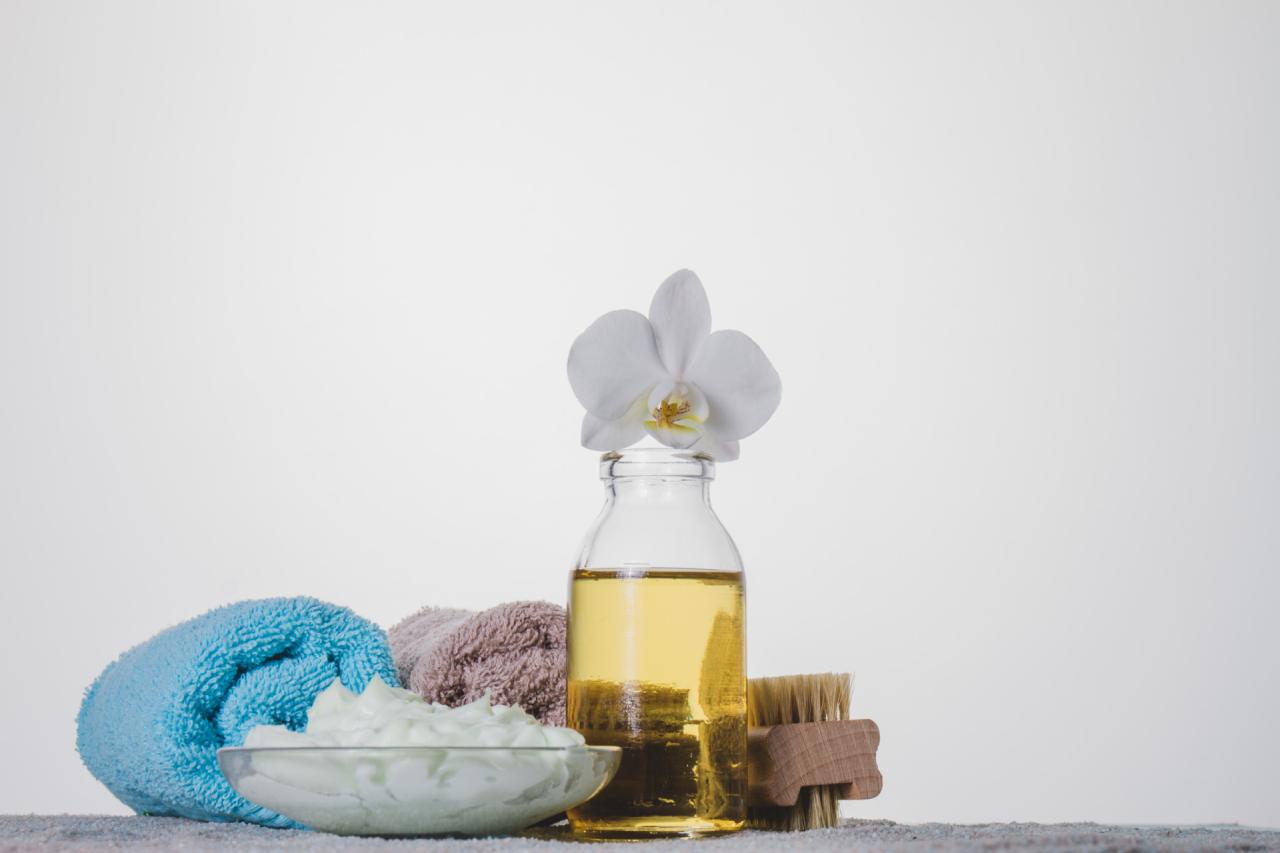
Essential oils have carved a significant niche in the realm of massage therapy, transforming a simple relaxation technique into a multi-sensory experience. By harnessing the therapeutic properties of these natural extracts, massage therapists can enhance the physical and emotional benefits of their treatments. The incorporation of essential oils not only contributes to relaxation but also promotes healing and rejuvenation, making each session a holistic journey toward well-being.
The significance of essential oils in massage therapy lies in their ability to influence both the body and mind. When blended with carrier oils, essential oils can penetrate the skin and enter the bloodstream, facilitating various therapeutic effects. For example, lavender essential oil is renowned for its calming properties, which can help alleviate stress and anxiety, making it an ideal choice for relaxation-focused massages. Similarly, peppermint oil can invigorate the senses and provide relief from tension headaches, enhancing the overall massage experience.
Common Essential Oils and Their Properties
Understanding the common essential oils used in massage therapy and their unique properties can help clients select the right oils for their specific needs. Below is a list of some popular essential oils and their benefits:
- Lavender: Known for its calming effects, lavender essential oil promotes relaxation and stress relief. It can help improve sleep quality and alleviate tension.
- Peppermint: This invigorating oil stimulates the senses and can relieve headaches and muscle pain. It also helps in reducing fatigue and improving focus.
- Eucalyptus: With its refreshing aroma, eucalyptus oil is effective in easing respiratory issues and promoting mental clarity. It’s also known for its anti-inflammatory properties.
- Tea Tree: Renowned for its antiseptic qualities, tea tree oil can help heal minor cuts and skin irritations. It can also purify the air and enhance emotional well-being.
- Frankincense: This oil is celebrated for its grounding properties and ability to promote deep relaxation. It is also associated with spiritual wellness and meditation.
The way essential oils affect mood and relaxation during a massage is profound and multi-dimensional. For instance, the soothing scent of chamomile can create a serene atmosphere, allowing for deeper relaxation and emotional release. In contrast, citrus oils like orange and lemon can uplift the spirit, creating a cheerful and energized environment.
“The right blend of essential oils can transform a massage from a physical experience into a journey for the senses.”
Incorporating these oils into massage therapy not only enhances the physical benefits but also provides a powerful emotional support system, making each session a uniquely enriching experience for clients.
Creating Your Own Homemade Massage Oil
Creating your own massage oil can be an enjoyable and rewarding experience, allowing you to tailor the scent and properties to your needs. Making a personalized blend not only enhances relaxation and skin benefits, but also provides a unique touch to your self-care routine. With a few simple ingredients, you can craft an aromatic oil that soothes the body and uplifts the spirit.
When making homemade massage oil, it’s essential to choose the right base oils and essential oils that suit your skin type and preferences. Base oils serve as the carrier for essential oils and provide hydration, while essential oils offer therapeutic benefits. Here’s a list of some common ingredients and their benefits:
Ingredients for Your Massage Oil
Understanding the properties of each ingredient is vital for maximizing their benefits. The following list details some popular base and essential oils:
- Sweet Almond Oil: Rich in vitamins E and D, this oil hydrates the skin and improves complexion.
- Jojoba Oil: Mimics the skin’s natural oils, making it excellent for all skin types, including sensitive skin.
- Coconut Oil: Moisturizes and has antibacterial properties; it solidifies at room temperature but melts upon contact with the skin.
- Lavender Essential Oil: Known for its calming properties, it helps relieve stress and promotes restful sleep.
- Peppermint Essential Oil: Provides a cooling sensation that can soothe sore muscles and invigorate the mind.
- Eucalyptus Essential Oil: This oil helps clear the mind and respiratory passages, perfect for a refreshing massage experience.
To create your own massage oil, follow these straightforward steps that ensure quality and longevity of your blend:
1. Choose Your Base Oil: Select one or a combination of base oils (e.g., sweet almond, jojoba, or coconut oil) as your main ingredient. Aim for approximately 1 cup of base oil.
2. Select Essential Oils: Decide on essential oils based on desired effects. For a soothing blend, consider 10-15 drops of lavender and 5 drops of eucalyptus.
3. Mix Ingredients: In a clean glass bottle, pour in the base oil. Then, add the essential oils drop by drop. Use a funnel if necessary to avoid spills.
4. Shake Well: Cap the bottle tightly and shake gently to mix the oils thoroughly. This ensures that the therapeutic properties blend well together.
5. Test for Sensitivity: Before using the oil on larger areas, perform a patch test on a small area of skin to check for any allergic reactions.
6. Storage: Store your homemade massage oil in a cool, dark place, preferably in a dark glass bottle to protect it from light. Proper storage can extend its shelf life to about 6 months.
By creating your own massage oil, you not only customize your relaxation experience but also gain the satisfaction of knowing exactly what goes into your body care routine.
The Cultural Significance of Massage Oils in Different Traditions
Throughout history, massage oils have held profound cultural significance across various traditions, often intertwined with rituals and holistic healing practices. In both Eastern and Western societies, these oils serve not only as a medium for physical relaxation but also as a conduit for emotional and spiritual well-being. Their utilization reflects broader cultural values and beliefs about health, healing, and connection.
In Eastern cultures, such as in traditional Chinese medicine, massage oils are often infused with herbs and natural extracts to enhance their therapeutic properties. For instance, essential oils like ginger or eucalyptus are commonly used in practices like Tuina, a form of Chinese therapeutic massage. This practice emphasizes the balance of Qi (energy) and aims to stimulate circulation and relieve tension. Similarly, Ayurveda, an ancient Indian system of medicine, employs a variety of oils, including sesame and coconut oil, which are believed to have unique benefits based on an individual’s dosha (body constitution). Rituals often accompany these practices, where the application of oil is considered a sacred act of nurturing oneself.
Comparative Analysis of Eastern and Western Practices
The use of massage oils in Western cultures typically emphasizes relaxation and stress relief, often lacking the deep-rooted spiritual context seen in Eastern traditions. Aromatherapy is a popular practice where essential oils are diffused or applied topically to promote mental clarity and emotional balance. While oils such as lavender and chamomile are favored for their calming effects, they are used more for their scents than their medicinal properties.
Despite these differences, both traditions acknowledge the importance of touch in healing. In the West, massage therapy may incorporate oil as simply a means to facilitate smoother movements during a massage session, while in the East, oils are often seen as an integral part of a holistic treatment plan. The cultural divergence is evident in the rituals surrounding their use.
In Eastern practices, rituals may involve elaborate ceremonies, such as the Ayurvedic Abhyanga, where warm oil is poured over the body in a rhythmic manner, promoting detoxification and relaxation. This ritual can also include chanting or meditative practices, enhancing the spiritual experience. In contrast, Western practices tend to focus more on the physical aspects, with less emphasis on ritualistic components.
Rituals and Ceremonies Involving Massage Oils
Several specific rituals highlight the cultural significance of massage oils, demonstrating their roles beyond mere relaxation. In Thai culture, for example, traditional Thai massage incorporates herbal compresses infused with essential oils, which are applied to tense areas of the body. This practice is not merely therapeutic but also a form of communal bonding within families and communities.
In the realm of religious ceremonies, oils are often utilized in blessing rituals. In Christianity, for instance, anointing oils are used during baptism or healing services, symbolizing divine grace and healing. Similarly, in many Indigenous cultures, oils derived from local plants are employed in traditional healing ceremonies to connect individuals with their ancestral roots and the spiritual world.
In conclusion, the cultural significance of massage oils transcends geographical boundaries, embodying both healing practices and rituals that connect individuals to their heritage. These oils represent a union of physical and spiritual well-being, making them a vital component of cultural traditions.
Safety Considerations When Using Massage Oils
When it comes to the soothing experience of massage oils, safety should always be a priority. Understanding potential allergens and the necessary precautions can help ensure a pleasant and safe session. Some massage oils may contain ingredients that can cause allergic reactions in sensitive individuals, making it crucial to identify these components before use. This section will cover essential safety considerations, including how to test oils on the skin and the importance of sourcing quality products.
Identifying Allergens and Safety Precautions
Massage oils can contain various ingredients, some of which may trigger allergies in certain individuals. Common allergens include essential oils, nut oils, and synthetic fragrances. Here are some safety precautions to consider when choosing and using massage oils:
- Read Ingredient Labels: Always check the ingredient list on massage oil products. Look for potential allergens such as almond oil, coconut oil, and essential oils like lavender or eucalyptus, which can be problematic for some people.
- Consult a Professional: If you have a history of skin sensitivities or allergies, it’s advisable to consult with a healthcare professional before trying a new product.
- Avoid Mixing Oils: Combining different oils can lead to unpredictable reactions. Stick to one type of oil at a time, especially when trying a new one.
- Store Properly: Ensure oils are stored in a cool, dark place to prevent spoilage, which can lead to skin irritation.
Testing Oils on Skin
Properly testing massage oils before full application can help prevent adverse reactions. Conducting a patch test is a recommended practice to ensure the oil is safe for your skin type. Here are steps to follow for an effective test:
1. Choose a Small Area: Select a less visible area of skin, such as the inner forearm.
2. Apply a Small Amount: Place a small drop of the oil on the skin and gently rub it in.
3. Wait 24 Hours: Observe the area for any signs of irritation, redness, or itching.
4. Assess Response: If no reaction occurs within 24 hours, the oil is likely safe for use on larger areas.
Quality and Sourcing of Massage Oils
The quality of massage oils significantly impacts their safety and effectiveness. It is essential to choose oils that are sourced responsibly and manufactured under strict quality control. Here are key points to consider when evaluating the quality of massage oils:
- Look for Organic Certification: Organic oils are less likely to contain harmful chemicals or pesticides, making them a safer choice for skin application.
- Check for Purity: Ensure the oil is 100% pure and free from fillers or additives. This can often be found on the product label.
- Research the Brand: Choose reputable brands known for their commitment to quality and safety. Reading reviews and seeking recommendations can be beneficial.
- Understand Extraction Methods: Cold-pressed oils retain more nutrients and are typically safer than those extracted using chemical solvents.
“The safest and most effective massage oils are those that prioritize purity, quality, and the absence of potential allergens.”
The Benefits of Using Massage Oils for Therapeutic Purposes
Massage oils have been a staple in therapeutic practices for centuries, providing not only relaxation but also a myriad of health benefits. The careful application of these oils during a massage can enhance physical comfort and promote mental well-being. With their soothing properties, massage oils serve as vehicles for delivering essential nutrients to the skin and can significantly improve overall health.
The use of massage oils can offer numerous health benefits that contribute to both physical and mental well-being. Primarily, these oils help to moisturize the skin, making it feel soft and supple. Some oils, such as coconut or almond oil, have anti-inflammatory properties that can alleviate skin irritations and support healing. Furthermore, the act of massage itself, combined with these oils, can aid in the relief of muscle tension, improve circulation, and reduce pain.
Specific Conditions Improved by Massage Oils
Massage oils can be particularly beneficial for a variety of conditions. The therapeutic effects are amplified when combined with targeted massage techniques, allowing for enhanced recovery and comfort. Here are some specific conditions that can see improvement through the use of massage oils:
- Muscle Strain: Massage oils can help relieve soreness and tightness associated with muscle strains. Oils infused with arnica or peppermint can be especially effective due to their natural analgesic properties.
- Stress and Anxiety: The calming scents of certain oils like lavender or chamomile can significantly reduce stress and anxiety levels. Incorporating these oils into a massage routine can lead to a more peaceful mental state.
- Insomnia: Using massage oils with soothing properties before bedtime can enhance the quality of sleep. Lavender oil, known for its relaxing effects, can help calm the mind, making it easier to fall asleep.
- Joint Pain: Essential oils such as eucalyptus or ginger can be beneficial for those suffering from arthritis or chronic joint pain. Their warming effects help to soothe inflammation and discomfort.
- Headaches: Essential oils like peppermint contain menthol, which can help relieve tension headaches when massaged into the temples and neck area.
In addition to these specific conditions, regular use of massage oils can improve circulation, which is crucial for overall health. Good circulation ensures that oxygen and nutrients are effectively transported throughout the body, promoting healing and vitality. Moreover, the sensory experience of receiving a massage with aromatic oils can trigger the release of endorphins, enhancing mood and reducing feelings of pain.
“Massage with essential oils does not just provide temporary relief; it can also promote long-term health benefits and emotional stability.”
The combination of therapeutic massage techniques with high-quality oils can create a holistic approach to wellness. When selecting massage oils, it’s essential to choose those with natural ingredients that align with personal preferences and therapeutic goals. This thoughtful selection not only ensures better results but also enhances the overall experience of the massage.
Choosing the Right Massage Oil for Your Needs

Selecting the perfect massage oil can greatly enhance your experience, whether it’s for relaxation, pain relief, or therapeutic purposes. With so many options available, understanding the key factors to consider can streamline your decision-making process. The right massage oil not only improves the efficacy of the massage but also contributes positively to your skin health and overall wellness.
When choosing a massage oil, several factors should be taken into account, including skin type, desired therapeutic benefits, and personal preferences. Here are the main aspects to help guide your choice:
Factors to Consider When Selecting Massage Oils
It’s essential to understand various factors that can influence your choice of massage oil. Here are some key considerations:
- Skin Type: Different oils cater to different skin needs. For example, dry skin may benefit from heavier oils like avocado or olive oil, while oily skin might prefer lighter options such as grapeseed or jojoba oil.
- Therapeutic Purpose: Oils infused with essential oils like lavender can be calming, while those with peppermint may invigorate. Understanding your goal can direct your selection.
- Allergies and Sensitivities: Always check the ingredients for potential allergens. Natural oils often have fewer additives, making them suitable for sensitive skin.
- Consistency and Absorption: The thickness of the oil can affect how well it absorbs into the skin. Thicker oils may provide a more luxurious feel, while lighter oils can be quickly absorbed, making them ideal for quick sessions.
Natural Vs. Synthetic Oils and Their Impact on Skin Health
The debate between natural and synthetic massage oils is significant, particularly concerning their effects on skin health. Natural oils, derived from plants, often contain beneficial nutrients that can nourish the skin and promote healing. They tend to be less irritating and more compatible with the body’s natural chemistry. For example, coconut oil is known for its moisturizing properties and can help in skin repair.
Conversely, synthetic oils may contain chemicals that can lead to skin irritation or allergic reactions. While they may offer certain benefits like longer shelf life and enhanced scent, they lack the myriad of supportive properties found in natural oils. Ultimately, for those prioritizing skin health, natural oils typically stand out as the preferable choice.
The Role of Personal Preferences in Choosing Oil
Choosing a massage oil often boils down to personal preferences, which can significantly influence your experience. The aroma, texture, and even the brand can affect your enjoyment and relaxation levels during a massage. Some individuals may prefer the earthy smell of essential oils, while others might lean towards more neutral or fragrance-free options.
Additionally, the feel of the oil on the skin plays a crucial role; some may enjoy a silky finish, while others prefer an oil that absorbs quickly. Ultimately, it’s important to explore different oils to find what feels and smells best for you, ensuring a more enjoyable and beneficial massage experience.
Closing Summary
In conclusion, the world of massage oils is rich with possibilities, offering something for everyone. Whether you opt for store-bought blends or decide to create your own customized concoction, the right massage oil can elevate your relaxation routine and contribute to your overall well-being. With careful consideration of safety and personal preferences, you’re now equipped to choose the perfect massage oil to enhance your experience and promote healing.
Helpful Answers
What is the best type of massage oil for sensitive skin?
For sensitive skin, it’s best to choose hypoallergenic oils like sweet almond or jojoba oil, as they are gentle and less likely to cause irritation.
Can I use cooking oils for massage?
While some cooking oils can be used, they may not provide the same benefits or absorb as well as oils specifically formulated for massage.
How do I store homemade massage oil?
Homemade massage oils should be stored in a cool, dark place in a glass container to prevent degradation from light and heat.
How often should I use massage oil?
You can use massage oil as often as you like, whether during a professional massage session or as part of your self-care routine at home.
Are there any oils I should avoid using for massage?
Avoid oils that are overly fragrant, irritating, or those that you are allergic to, such as certain essential oils or synthetic blends.