
 Penelope Hailey
Grape seed body oil is gaining popularity not just for its luxurious feel, but also for its remarkable benefits in skincare and wellness. Extracted from the seeds of grapes, this oil has a rich history and a broad range of applications that cater to various skin types and wellness routines. Whether you’re looking to enhance your skincare regimen or explore innovative uses, grape seed oil is a fantastic addition to your collection.
This oil boasts a wealth of essential fatty acids and vitamins, along with potent antioxidants that support skin health and overall vitality. With its lightweight texture and quick absorption, grape seed oil serves as an excellent carrier oil, making it a favorite choice in massage therapy and DIY beauty treatments. Let’s dive deeper into the wonders of grape seed body oil.
The origins and extraction process of grape seed body oil
Grape seed oil has a rich history that dates back centuries, originating from the winemaking regions of Europe. Historically, grape seeds were often discarded as waste during the wine production process. However, their potential as a valuable source of oil was recognized over time, leading to its usage in culinary, cosmetic, and medicinal applications. Today, grape seed oil is celebrated for its nourishing properties and is commonly used in skincare products due to its high content of essential fatty acids and antioxidants.
The extraction of oil from grape seeds is a meticulous process that ensures the preservation of its beneficial properties. Two primary methods are used to extract the oil: cold-pressed extraction and refined extraction. Each method has distinct characteristics that influence the quality and purity of the final product.
Cold-pressed extraction technique
Cold-pressed extraction is a mechanical method that maintains the integrity of the oil’s nutrients by avoiding excessive heat. This technique involves the following steps:
1. Harvesting: Fresh grape seeds are collected after the winemaking process.
2. Cleaning: The seeds are thoroughly cleaned to remove any impurities.
3. Pressing: The seeds are mechanically pressed to extract the oil. This process typically involves using a hydraulic press or a screw press.
4. Filtration: After pressing, the oil is filtered to remove solid particles, resulting in a clear oil.
Cold-pressed grape seed oil retains a vibrant color and a mild, nutty flavor. It is rich in polyunsaturated fatty acids, mainly linoleic acid, and is often used in its raw form in cosmetics for its skin benefits.
Refined extraction technique
Refined extraction, on the other hand, involves a more industrialized approach to yield a larger quantity of oil. The process includes:
1. Solvent extraction: Grape seeds are usually treated with a solvent like hexane to dissolve the oil from the seeds.
2. Evaporation: The solvent is then evaporated, leaving behind the crude oil.
3. Refining: The crude oil undergoes further refinement processes, including degumming, neutralization, bleaching, and deodorization, to improve its color and stability.
While refined grape seed oil has a higher smoke point and longer shelf life, it may lose some of its nutritional benefits during the refining process. This oil is often used in cooking and food production due to its neutral flavor and light texture.
The choice between cold-pressed and refined grape seed oil depends on the intended use, with cold-pressed oils favored for cosmetic applications and refined oils preferred for cooking.
The nutritional profile and benefits of grape seed body oil
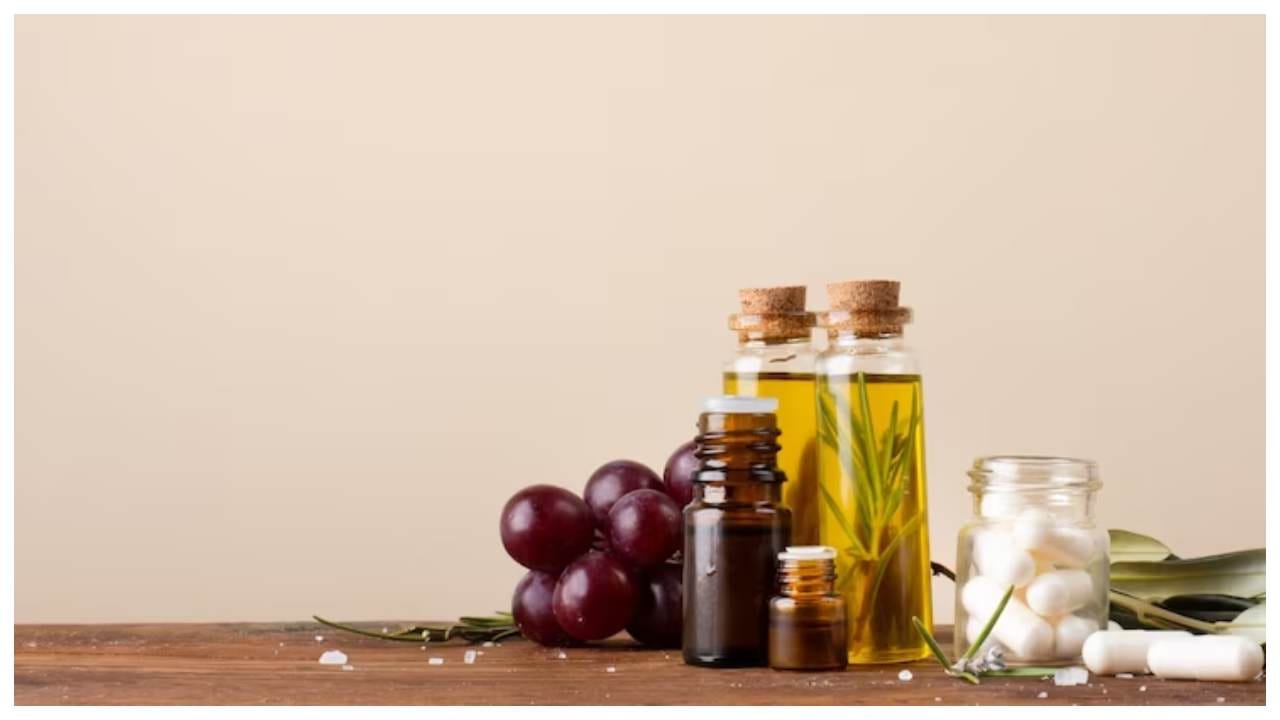
Grape seed body oil is not just a versatile beauty product; it boasts a remarkable nutritional profile that contributes significantly to skin health and overall wellness. Extracted from the seeds of grapes, this oil is rich in essential fatty acids, vitamins, and antioxidants, making it an excellent addition to any skincare routine.
The main components of grape seed oil include linoleic acid, oleic acid, and palmitic acid, alongside a variety of vitamins and antioxidants. These elements work together to promote skin nourishment and protection.
Essential fatty acids and vitamins in grape seed oil
Grape seed oil is particularly noted for its high content of essential fatty acids, which play a crucial role in maintaining skin health. Here’s a closer look at these components:
- Linoleic Acid: This omega-6 fatty acid helps to maintain the skin’s barrier function, preventing moisture loss and promoting hydration.
- Oleic Acid: Known for its emollient properties, oleic acid enhances the penetration of other nutrients into the skin, providing deep nourishment.
- Palmitic Acid: A saturated fatty acid that helps to maintain skin structure and integrity, also contributing to a smooth texture.
In addition to fatty acids, grape seed oil is rich in vitamins, particularly Vitamin E, which is known for its antioxidant properties.
Antioxidant properties and their importance for skin health
Grape seed oil contains powerful antioxidants, including proanthocyanidins and vitamin E, which are vital for combating oxidative stress. These compounds help to neutralize free radicals, which can lead to premature aging and skin damage.
The antioxidant properties of grape seed oil not only protect the skin but also promote a more youthful appearance by reducing the signs of aging.
The significance of these antioxidants lies in their ability to support skin regeneration and repair. Regular use of grape seed oil can lead to improved skin tone and texture, promoting a radiant complexion.
Contribution of the nutrient profile to overall wellness
Beyond skin health, the nutrient profile of grape seed oil supports overall wellness. The essential fatty acids present in the oil contribute to heart health by improving cholesterol levels and supporting cardiovascular function.
Incorporating grape seed oil into your diet or skincare routine can have various benefits:
- Heart Health: The omega-6 fatty acids help to maintain healthy cholesterol levels.
- Anti-inflammatory Effects: The antioxidants in grape seed oil can reduce inflammation, benefiting overall health.
- Skin Nourishment: Regular application of grape seed oil can lead to healthier, more resilient skin.
Grape seed body oil is a powerhouse of nutrients that not only enhances beauty but also promotes a holistic approach to health and wellness.
The versatility of grape seed body oil in skincare routines
Grape seed body oil is a powerhouse in skincare, cherished for its lightweight texture and numerous benefits. This oil, extracted from the seeds of grapes, is packed with vitamins, antioxidants, and fatty acids, making it an ideal addition to various skincare routines. Its versatility allows it to be seamlessly incorporated into daily practices, accommodating a wide range of skin types and concerns.
Grape seed oil is particularly beneficial due to its high linoleic acid content, which helps to regulate oil production and maintain skin hydration. It’s suitable for oily, combination, and dry skin types alike. The oil is non-comedogenic, meaning it won’t clog pores, making it a fantastic choice for those prone to acne. Additionally, its antioxidant properties help to combat free radical damage, promoting a more youthful appearance.
Benefits for various skin types
Understanding which skin types benefit from grape seed oil can help tailor a skincare routine effectively. Below is an overview of how different skin types can gain from its use:
- Oily Skin: Grape seed oil helps to balance oil production without feeling greasy. Its light texture absorbs quickly, providing hydration without clogging pores.
- Dry Skin: The emollient properties of grape seed oil lock in moisture, making it an excellent choice for parched skin. It nourishes and revitalizes, leaving the skin feeling smooth.
- Combination Skin: For those with mixed skin types, grape seed oil offers the perfect balance, hydrating dry areas while controlling excess oil in the T-zone.
- Sensitive Skin: Its gentle nature and anti-inflammatory properties make grape seed oil suitable for sensitive skin, reducing redness and irritation.
- Acne-prone Skin: The oil’s non-comedogenic quality helps to reduce acne breakouts while promoting healing and preventing scarring.
Implementing a skincare routine that incorporates grape seed body oil can be straightforward and rewarding. Below is a simple step-by-step guide that showcases how to use this versatile oil effectively:
Step-by-step guide to a simple skincare routine
The following routine can be easily adapted to include grape seed oil, enhancing its benefits. Here’s a structured way to do it:
- Cleansing: Begin with a gentle cleanser suited to your skin type to remove dirt, makeup, and impurities.
- Exfoliation (2-3 times a week): Use a mild exfoliant to slough off dead skin cells, promoting cell turnover and allowing for better absorption of subsequent products.
- Toning: Apply a toner to balance the skin’s pH levels and prepare it for hydration. Look for alcohol-free options to avoid dryness.
- Serum: Incorporate a serum targeting specific skin concerns, such as hydration or anti-aging, before applying the oil.
- Application of Grape Seed Oil: Take a few drops of grape seed oil and warm it between your palms. Gently press it onto your face and neck, allowing it to absorb fully. For added benefits, you can mix it with your moisturizer.
- Moisturizing: Seal in the benefits of the oil with a suitable moisturizer to lock in hydration and enhance overall softness.
- Sun Protection (morning routine): Finish your morning routine with a broad-spectrum sunscreen to protect your skin from UV damage.
By following this routine, grape seed oil can contribute significantly to the overall health and appearance of your skin. Its adaptability makes it a wonderful addition to any skincare arsenal, ensuring that your skin remains nourished, balanced, and radiant.
The role of grape seed body oil in massage therapy
Grape seed body oil has emerged as a preferred choice in the world of massage therapy due to its unique properties and benefits. As a carrier oil, it enhances the overall massage experience, allowing for smooth application and effective penetration of therapeutic elements. Its light texture and beneficial composition make it a valuable addition to both professional and home massage practices.
The significance of using grape seed oil as a carrier oil in massage lies primarily in its ability to nourish the skin while facilitating the movement of hands during the massage. This oil is rich in linoleic acid and antioxidants, providing not only a lubricant but also nourishment to the skin. The non-greasy finish ensures that the skin remains soft and hydrated without feeling heavy or oily, which is essential for client comfort.
Texture and absorption qualities
The texture of grape seed oil is light and silky, making it ideal for various massage techniques. Its absorption qualities are noteworthy; the oil is quickly absorbed by the skin without leaving a greasy residue. This property is particularly beneficial for longer massage sessions, as it allows the therapist to work effectively without frequent reapplication.
A few key points about its texture and absorption include:
- Lightweight consistency: The oil is thin and fluid, which allows for easy gliding over the skin.
- Rapid absorption: Grape seed oil penetrates the skin quickly, providing moisture without clogging pores.
- Non-greasy finish: Clients can enjoy the benefits of the massage without feeling sticky or uncomfortable afterward.
Blending grape seed oil with essential oils
To enhance the benefits of grape seed oil in massage therapy, blending it with essential oils can create personalized experiences that target specific needs. The base nature of grape seed oil allows it to carry essential oil properties effectively, amplifying the therapeutic effects.
When blending, it’s essential to keep the correct dilution ratios for safety and efficacy. A typical recommendation is to use a 2% dilution for topical applications. This translates to about 12 drops of essential oil per 30 ml (1 ounce) of grape seed oil. Some popular blends include:
- Lavender essential oil: Promotes relaxation and alleviates stress.
- Peppermint essential oil: Provides a cooling sensation and can relieve muscle tension.
- Eucalyptus essential oil: Helps to clear the airways and invigorates the senses.
In addition to these blends, consider incorporating aromatherapy techniques, such as diffusing essential oils in the space where the massage occurs, to enhance the overall ambiance and therapeutic effect.
“Grape seed oil is not just a carrier; it’s a nourishing agent that enhances the full spectrum of benefits in massage therapy.”
The environmental impact and sustainability of grape seed oil production
The production of grape seed oil comes with significant environmental considerations that can’t be overlooked. As this oil is derived from the seeds of grapes, a byproduct of winemaking, the sustainability of its sourcing is closely tied to the practices of grape cultivation. As consumers become increasingly aware of eco-friendly products, understanding the impact of grape seed oil on the environment and the importance of sustainable farming practices is essential.
Sourcing grape seed oil raises several environmental concerns, particularly regarding the agricultural practices employed in grape cultivation. Traditional farming methods can lead to soil degradation, pesticide runoff, and water scarcity. However, the shift towards sustainable farming practices can mitigate these adverse effects significantly. Sustainable vineyards often employ techniques such as crop rotation, organic farming, and integrated pest management, which not only enhance the health of the soil but also reduce chemical use and preserve local ecosystems.
Importance of sustainable farming practices in grape cultivation
Implementing sustainable farming practices is crucial for minimizing the environmental footprint of grape cultivation. These practices ensure that vineyards operate efficiently while preserving natural resources. The following points highlight the significance of these methods:
- Organic Farming: This practice avoids synthetic fertilizers and pesticides, promoting biodiversity and healthier soil.
- Water Conservation: Techniques such as drip irrigation help in reducing water consumption, ensuring that local water resources are preserved.
- Soil Health: Practices like cover cropping enhance soil fertility and prevent erosion, creating a more sustainable production cycle.
- Carbon Footprint Reduction: Sustainable farming methods often lead to lower greenhouse gas emissions, significantly contributing to climate change mitigation.
Numerous brands are committed to eco-friendly grape seed oil production, embracing sustainable practices that align with consumer values. For instance, companies like Olio Santo and Grove Square have made strides in sourcing organic grape seed oil, ensuring that their production processes are environmentally responsible. Their commitment to sustainability not only benefits the environment but also enhances product quality and consumer trust.
“The shift towards sustainability is not just a trend; it’s a necessary evolution in agriculture that benefits our planet.”
Through conscious sourcing and sustainable farming, grape seed oil production can become a model of ecological responsibility while still delivering high-quality products to consumers. As awareness grows, the push for eco-friendly practices in grape cultivation will likely continue to expand, leading to a healthier planet and a more sustainable future for the industry.
Potential side effects and precautions when using grape seed body oil
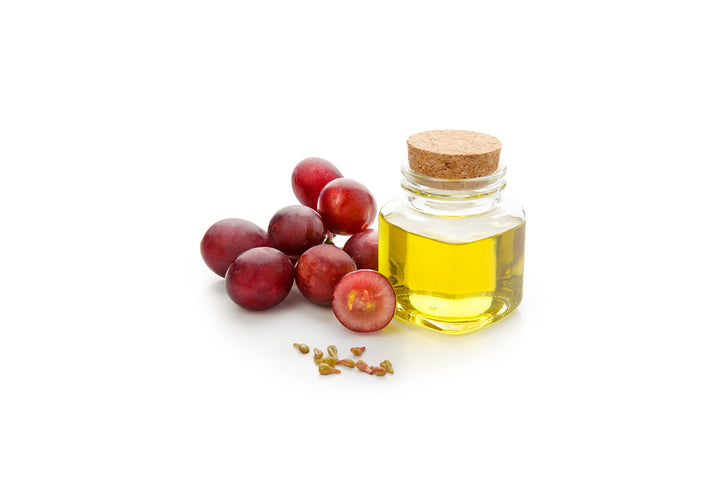
Grape seed body oil is known for its numerous benefits, but like any product, it carries the potential for side effects and requires certain precautions. Awareness of these factors is essential to ensure a safe and effective experience when incorporating this oil into your skincare routine.
One of the primary concerns when using grape seed oil is the possibility of allergic reactions or sensitivities. Some individuals may experience adverse effects due to allergies to the oil or to the grapes from which it is derived. Such reactions can manifest as skin irritations, redness, or rashes. It’s crucial to be mindful of any personal or family history of allergies to nuts or seeds, as these allergies can sometimes correlate with a sensitivity to grape seed oil.
Importance of patch testing
Before applying grape seed body oil extensively, conducting a patch test is advisable. This test helps to identify any possible allergic reactions before the oil is used on larger areas of the skin. To perform a patch test, follow these steps:
1. Clean a small area of skin on your forearm or behind your ear.
2. Apply a small amount of grape seed oil to that area.
3. Cover the spot with a bandage and leave it for 24 hours.
4. After removing the bandage, observe the area for any signs of irritation or allergic reaction.
If no adverse effects appear, it is generally safe to use the oil more broadly.
Proper usage guidelines
Using grape seed body oil properly can minimize the risk of adverse effects. Here are some key guidelines to follow:
– Always choose high-quality, cold-pressed grape seed oil to ensure purity and effectiveness.
– Use the oil in moderation; a few drops may be sufficient for moisturizing purposes.
– Avoid applying grape seed oil to broken or irritated skin, as this can exacerbate any existing conditions.
– Store the oil in a cool, dark place to preserve its shelf life and effectiveness.
– If you experience any irritation after application, discontinue use immediately and consult a healthcare professional if needed.
“Incorporating grape seed body oil into your routine while adhering to these precautions can enhance your skincare experience and minimize potential risks.”
Innovative uses of grape seed body oil beyond skincare
Grape seed body oil is a versatile product that extends its benefits well beyond just skincare. While it’s renowned for its moisturizing properties, there are numerous creative applications that make it a valuable addition to your beauty and culinary routines. Exploring these innovative uses can enhance your daily life in surprising ways.
Creative applications in hair care routines
In the realm of hair care, grape seed oil serves as an excellent natural remedy. It is rich in essential fatty acids and antioxidants, making it an ideal choice for promoting healthy hair. Here are some effective ways to incorporate grape seed oil into your hair care routine:
- Hair Moisturizer: A few drops of grape seed oil can be applied to dry ends to help seal moisture and prevent split ends. This lightweight oil doesn’t weigh hair down, making it perfect for daily use.
- Scalp Treatment: Massaging grape seed oil into the scalp can promote circulation and nourish hair follicles. Its non-greasy texture makes it suitable for all hair types.
- Heat Protectant: Applying grape seed oil before heat styling can protect hair from damage caused by styling tools. The oil forms a protective layer, reducing moisture loss during heat application.
Culinary uses and health benefits
Grape seed oil is not just for external use; it also offers a range of culinary applications. Rich in polyunsaturated fats and vitamin E, it provides numerous health benefits when included in your diet. Here are some noteworthy aspects of grape seed oil in the culinary world:
- Cooking Oil: Due to its high smoke point, grape seed oil is ideal for frying, sautéing, and baking. It enhances the flavor of dishes without overwhelming them.
- Salad Dressings: Its light flavor makes grape seed oil an excellent base for salad dressings. Blending it with vinegar or lemon juice creates a delicious and healthy dressing option.
- Heart Health: Including grape seed oil in your diet can promote cardiovascular health, as it may help lower cholesterol levels and improve circulation.
DIY recipes incorporating grape seed oil
Creating your own products at home can be both fun and rewarding, and grape seed oil is a fantastic ingredient to use in various DIY recipes. Here are some ideas that showcase its versatility:
- Moisturizing Body Scrub: Combine 1 cup of sugar, 1/2 cup of grape seed oil, and a few drops of your favorite essential oil. Mix them together and use the scrub in the shower to exfoliate and hydrate the skin.
- Hair Mask: Blend 2 tablespoons of grape seed oil with 1 mashed banana and 1 tablespoon of honey. Apply this mixture to your hair for 30 minutes before washing for enhanced softness and shine.
- Homemade Lip Balm: Melt 1 tablespoon of beeswax with 2 tablespoons of grape seed oil. Once melted, add a few drops of essential oil for fragrance. Pour into small containers and allow to cool for a nourishing lip treatment.
Closing Notes
In conclusion, grape seed body oil is not just a beauty product; it’s a multifunctional oil that enriches your skincare, promotes wellness, and even supports sustainable practices. Its myriad uses—from massage therapy to culinary applications—make it a staple in both beauty and health routines. Embracing grape seed oil means investing in a versatile, beneficial, and environmentally-conscious choice for your everyday life.
Essential Questionnaire
What is grape seed body oil used for?
Grape seed body oil is used for skincare, massage therapy, and can also be incorporated into hair care and culinary recipes.
Is grape seed body oil suitable for all skin types?
Yes, grape seed oil is lightweight and non-comedogenic, making it suitable for all skin types, including oily and sensitive skin.
Can I use grape seed oil in cooking?
Absolutely! Grape seed oil has a high smoke point and is great for cooking, as well as for salad dressings.
How should I store grape seed body oil?
Store grape seed oil in a cool, dark place to maintain its freshness and prevent it from going rancid.
Does grape seed oil have any side effects?
Generally, grape seed oil is safe, but some individuals may experience allergic reactions. It’s best to do a patch test before extensive use.