
 Penelope Hailey
Eucalyptus oil is not just a trendy essential oil; it has a rich history and a multitude of uses that span centuries. Originally derived from eucalyptus trees, which flourish in various geographical regions, this oil has been a staple in traditional medicine and modern applications alike. From its discovery in ancient cultures to its current popularity in wellness and beauty products, eucalyptus oil has evolved significantly and continues to be valued for its therapeutic properties.
As we delve deeper into the world of eucalyptus oil, we’ll explore its extraction methods, chemical composition, health benefits, and even its role in sustainability and the beauty industry. Understanding these aspects not only enriches our knowledge but also empowers us to use eucalyptus oil safely and effectively in our daily lives.
Eucalyptus oil’s origins and historical uses are essential to understand its significance.
Eucalyptus oil, derived from the leaves of eucalyptus trees, has a rich history rooted in both geographical and cultural contexts. Native to Australia, these trees thrive in various regions, showcasing their adaptability to different climates. The indigenous peoples of Australia recognized the medicinal properties of eucalyptus leaves long before western medicine took an interest, using them for a variety of ailments. This ancient wisdom formed the basis for what we now know as eucalyptus oil.
The discovery of eucalyptus oil can be traced back to the early 19th century when European settlers began to explore the Australian landscape. The oil was extracted through steam distillation, revealing its potent antiseptic and anti-inflammatory properties. Ancient cultures, particularly those in Australia and later in Europe, utilized eucalyptus oil not only for physical ailments but also for spiritual cleansing and rituals. The aboriginal tribes would use the leaves to make poultices and infusions, showcasing the oil’s versatility in traditional medicine.
Geographical regions and historical significance
Understanding the geographical regions where eucalyptus trees flourish provides insight into the historical significance of eucalyptus oil. Predominantly found in Australia, eucalyptus trees have adapted to various environments, from coastal areas to arid inland regions. This adaptability has allowed the indigenous cultures to integrate eucalyptus into their healing practices seamlessly.
The historical importance of eucalyptus oil extends beyond Australia. As the oil began to gain popularity in the late 1800s, it spread to other parts of the world, including Europe and North America. In these regions, eucalyptus oil was quickly adopted in traditional medicine for its antibacterial and anti-inflammatory properties. It became a crucial component in treating respiratory issues, such as bronchitis and asthma, as well as for its ability to alleviate fevers.
Throughout the 20th century, eucalyptus oil’s applications continued to evolve. It was utilized in various medicinal products, such as ointments, lozenges, and cough syrups. The rise of aromatherapy in the 1980s further popularized eucalyptus oil, as it was often blended with other essential oils for its calming and invigorating effects. Today, eucalyptus oil is celebrated not only for its health benefits but also for its role in natural cleaning products and personal care items, highlighting its versatile nature.
As we trace the lineage of eucalyptus oil from ancient medicinal practices to modern applications, it becomes evident that its historical and geographical roots are integral to understanding its significance in both traditional and contemporary contexts.
The extraction process of eucalyptus oil is a fascinating subject worth exploring.
The extraction of eucalyptus oil is a captivating blend of science and art, reflecting the intricate relationship between nature and human ingenuity. Among various methods available, steam distillation is the most commonly employed technique, celebrated for its effectiveness and ability to preserve the oil’s quality.
Steam Distillation Method
Steam distillation involves passing steam through eucalyptus leaves, allowing the volatile oil compounds to evaporate and subsequently condense back into a liquid. This process begins with the leaves being placed in a distillation chamber. As steam enters the chamber, it heats the leaves, causing the essential oils to vaporize. The vapor then travels through a cooling system where it condenses back into a liquid form, separating the oil from the water. This method is particularly effective for eucalyptus because it efficiently extracts the oil without damaging its delicate chemical structure.
The advantages of steam distillation include its simplicity and the ability to produce high yields of oil while maintaining the integrity of the oil’s aroma and therapeutic properties. This method ensures that the oil retains its characteristic properties, which include a fresh, minty scent and a range of beneficial compounds such as eucalyptol.
Alternative Extraction Methods
While steam distillation dominates the eucalyptus oil extraction landscape, other methods exist that can yield essential oils as well. These methods include cold pressing and solvent extraction, each with its unique advantages and limitations. Cold pressing involves mechanically squeezing the plant material to release the oil. While this method is efficient for citrus oils, it is less effective for eucalyptus, as the plant’s structure is not conducive to this technique.
Solvent extraction, on the other hand, utilizes chemical solvents to dissolve the essential oils from the plant material, which can then be separated from the solvent. Although this method can extract a broader range of compounds, it may also introduce unwanted residues or alter the oil’s natural characteristics.
The extraction method significantly impacts the quality and characteristics of the eucalyptus oil produced. Factors such as temperature, pressure, and duration of the extraction process can influence the concentration of active compounds and the aroma profile. For instance, higher temperatures can lead to the degradation of certain sensitive compounds, resulting in an oil that lacks the desired fragrance and therapeutic benefits.
Furthermore, steam distilled eucalyptus oil generally exhibits a more potent and aromatic profile compared to oils extracted through alternative methods. When considering the use of eucalyptus oil for therapeutic applications, choosing the right extraction method is crucial to ensure the highest quality product is obtained.
In summary, the extraction process of eucalyptus oil is not merely about obtaining a substance; it encompasses a variety of methods that can significantly influence the oil’s properties, effectiveness, and overall quality. Understanding these methods allows consumers and producers to make informed choices regarding the eucalyptus oil they select or produce.
The chemical composition of eucalyptus oil plays a crucial role in its various applications.
Eucalyptus oil is renowned for its diverse applications across various fields, from aromatherapy to medicinal uses. The distinctive scent and properties of eucalyptus oil are largely attributed to its intricate chemical composition. Understanding the compounds within this oil not only enhances its effectiveness in therapeutic applications but also ensures safety and efficacy in usage.
The primary components of eucalyptus oil include a variety of organic compounds, each contributing unique qualities to the oil’s overall profile. Key constituents such as eucalyptol (1,8-cineole), alpha-pinene, and limonene are notable for their specific functions and therapeutic benefits.
Major Compounds and Their Functions
The significance of these compounds lies in their diverse properties, which can be harnessed for various applications.
- Eucalyptol (1,8-cineole): This is the most abundant compound found in eucalyptus oil, often comprising around 70-90% of the oil’s composition. Eucalyptol is known for its anti-inflammatory and analgesic properties, making it effective in relieving respiratory issues and providing pain relief.
- Alpha-pinene: Present in smaller quantities, alpha-pinene contributes to eucalyptus oil’s fresh scent and exhibits antimicrobial properties. It has been studied for its potential benefits in respiratory health, as it can help to clear congestion.
- Limonene: This compound is primarily responsible for the citrus notes in eucalyptus oil. Limonene is recognized for its mood-enhancing properties and is often used in aromatherapy to alleviate stress and anxiety.
Understanding the chemical structure of these components significantly influences the therapeutic properties of eucalyptus oil. For instance, the functional groups within eucalyptol contribute to its ability to penetrate cell membranes effectively, allowing it to exert its anti-inflammatory effects more efficiently. Moreover, the presence of reactive double bonds in limonene allows for interactions with biological pathways that can reduce stress hormones, thus enhancing emotional well-being.
The significance of understanding the composition of eucalyptus oil goes beyond its therapeutic applications. Safe usage is paramount, especially considering the oil’s potency and concentration of active compounds. For example, while eucalyptol has recognized benefits, it may also cause irritation if used in high concentrations or improperly diluted.
“Chemical composition guides the therapeutic use and ensures safety in application.”
It is crucial to educate users about the appropriate methods of dilution and application to avoid adverse reactions. This understanding fosters responsible use in both personal and commercial settings, thus maximizing the benefits while minimizing risks. Knowledge of the composition also assists manufacturers in developing targeted formulations that enhance the efficacy of eucalyptus oil across various applications, from personal care products to household cleaners. By prioritizing safety and efficacy through a comprehensive understanding of its chemical makeup, users can fully appreciate the remarkable properties of eucalyptus oil.
Health benefits associated with eucalyptus oil are numerous and diverse.
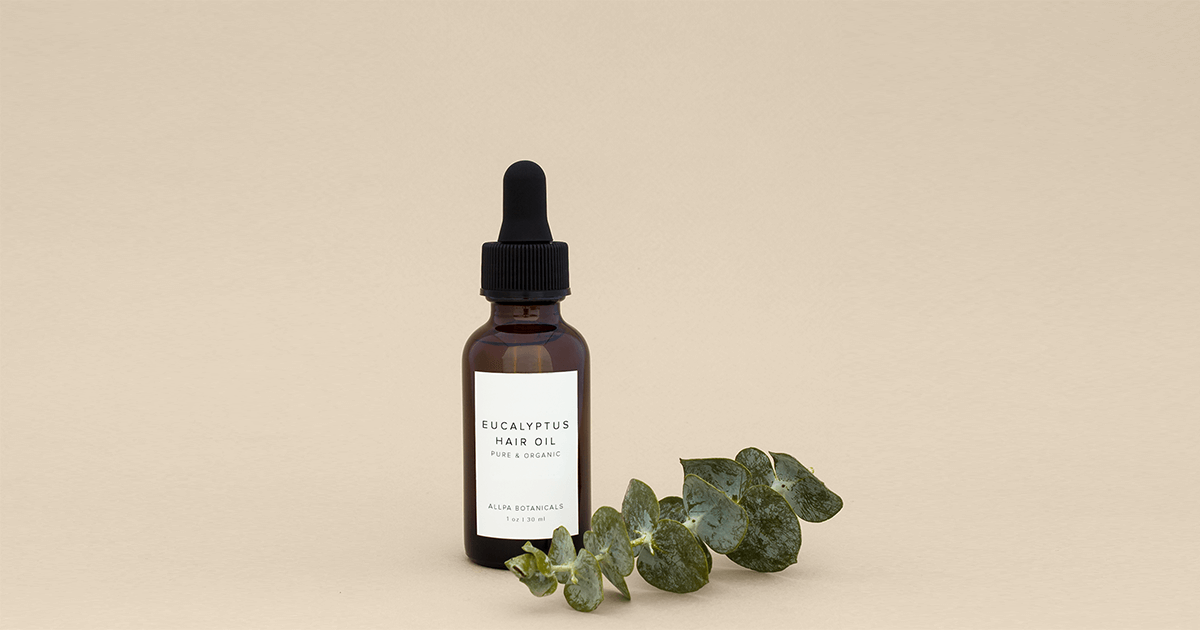
Eucalyptus oil, derived from the leaves of the eucalyptus tree, is renowned for its multifaceted health benefits. Its therapeutic properties have been utilized for centuries, particularly in traditional medicine and modern aromatherapy practices. The oil is packed with essential compounds that contribute to its effectiveness in alleviating a variety of ailments, making it a staple in both natural and holistic health remedies.
Eucalyptus oil is primarily recognized for its ability to relieve respiratory issues and muscle pain, among other health concerns. The oil contains cineole, a compound known for its anti-inflammatory and analgesic properties. This compound plays a significant role in addressing respiratory ailments such as asthma, bronchitis, and congestion. Inhaling eucalyptus oil can help clear the airways, soothe irritation, and promote easier breathing. Additionally, the oil is beneficial for muscle pain, as its analgesic properties can help reduce inflammation and provide relief from soreness and tension.
Applications of Eucalyptus Oil in Aromatherapy and Topical Treatments
The versatility of eucalyptus oil allows it to be utilized in various applications, particularly in aromatherapy and topical treatments. Its invigorating scent not only enhances mental clarity but also offers relief from physical ailments. Below are some notable applications of eucalyptus oil:
Eucalyptus oil can be effectively used in aromatherapy. The oil can be diffused in a room to create an environment that promotes relaxation and helps clear nasal passages. This practice is especially beneficial during cold and flu season, as the scent helps to open up airways and reduce feelings of congestion.
In terms of topical applications, eucalyptus oil can be mixed with carrier oils such as coconut or olive oil for massage purposes. The diluted oil can be massaged into sore muscles or applied to areas experiencing pain. It’s important to note that eucalyptus oil should always be diluted before applying to the skin to prevent irritation.
Scientific evidence supports the health claims associated with eucalyptus oil. A study published in the journal “Respiratory Medicine” demonstrated the efficacy of cineole in reducing symptoms of bronchitis and improving lung function. Participants showed significant improvement in cough frequency and quality of life after using eucalyptus oil as part of their treatment regimen.
Moreover, research published in the “International Journal of Aromatherapy” indicates that inhaling eucalyptus oil can decrease respiratory rate and improve oxygen saturation levels, supporting its use in treating respiratory conditions. The oil’s anti-inflammatory properties have also been highlighted in various studies, indicating that eucalyptus oil can aid in managing inflammation-related conditions.
Eucalyptus oil’s antibacterial properties have been extensively studied as well. It has been found effective against various strains of bacteria, including those responsible for respiratory infections. This property makes eucalyptus oil a valuable addition to natural remedies aimed at maintaining respiratory health.
In summary, eucalyptus oil serves as a natural remedy with a wide range of health benefits, particularly in alleviating respiratory issues and muscle pain. Its applications in aromatherapy and topical treatments, coupled with scientific research validating its efficacy, reinforce its status as a powerful health ally.
Safety precautions and potential side effects of eucalyptus oil are important to highlight.
Eucalyptus oil, known for its refreshing aroma and therapeutic properties, is often used in aromatherapy and natural health. However, as with any essential oil, safety precautions and potential side effects must be taken into account. It is crucial to use eucalyptus oil responsibly to avoid adverse reactions and to maximize its benefits. Understanding proper dosages and methods of application can play a significant role in ensuring safety for users.
When using eucalyptus oil, it is recommended to consider the appropriate dosages and methods of application. For topical use, diluting eucalyptus oil with a carrier oil, like coconut or jojoba oil, is essential to prevent skin irritation. A safe dilution ratio is generally 2-3 drops of eucalyptus oil per teaspoon of carrier oil for adults. For inhalation, adding a few drops to a diffuser or a bowl of steaming water can be effective. It is advisable to start with lower concentrations to gauge individual tolerance. Pregnant women, nursing mothers, and young children should exercise heightened caution and consult a healthcare provider before use.
Common side effects and allergic reactions
While eucalyptus oil is widely regarded as safe, it is important to be aware of possible side effects or allergic reactions that may occur. Some individuals may experience skin irritation, rashes, or allergic reactions when applying eucalyptus oil directly to the skin. Symptoms may include redness, burning sensations, or itching. Inhalation of eucalyptus oil in excessive amounts can lead to respiratory irritation, headaches, or dizziness, especially in sensitive individuals.
Always conduct a patch test on a small skin area before widespread application to identify any adverse reactions.
Additionally, eucalyptus oil should not be ingested unless under the supervision of a qualified healthcare professional. Ingesting large quantities can lead to serious health issues, such as nausea, vomiting, and even coma in extreme cases.
Before using eucalyptus oil or any essential oil, consulting with healthcare professionals is critical. This is particularly significant for individuals with pre-existing health conditions, those taking medication, or anyone considering use for children. Healthcare providers can offer personalized advice based on medical history, ensuring that the benefits of eucalyptus oil can be enjoyed safely. They may also provide guidance on potential interactions with other treatments, particularly for those dealing with respiratory issues or skin conditions. Ultimately, prioritizing safety through professional consultation can enhance the overall experience of using eucalyptus oil for therapeutic purposes.
Eucalyptus oil’s role in household cleaning products is a growing trend.
The increasing awareness of environmental sustainability has led many households to seek natural alternatives to conventional cleaning products. Eucalyptus oil, known for its refreshing scent and numerous health benefits, is becoming a popular choice in homemade cleaning solutions. Its effectiveness in disinfecting and deodorizing makes it a versatile ingredient that aligns with the growing trend towards eco-friendly cleaning practices.
Eucalyptus oil possesses strong antimicrobial properties, which contribute significantly to its efficacy as a cleaning agent. Research has shown that eucalyptus oil can combat various bacteria, viruses, and fungi, making it ideal for use in cleaning products intended to maintain a healthy home environment. These properties are attributed to compounds such as 1,8-cineole, which not only provide the oil’s distinctive aroma but also enhance its potential as a natural disinfectant. This makes eucalyptus oil a suitable alternative to chemical-based cleaners, often laden with harmful substances that may pose risks to both health and the environment.
Examples of homemade cleaning solutions with eucalyptus oil
Incorporating eucalyptus oil into your cleaning routine is easy and can be done with simple homemade solutions. Below are some effective examples:
- All-Purpose Cleaner: Combine 1 cup of white vinegar, 1 cup of water, and 10-15 drops of eucalyptus oil in a spray bottle. This mixture is perfect for disinfecting countertops, sinks, and bathroom surfaces.
- Floor Cleaner: Mix ½ cup of eucalyptus oil with 1 gallon of warm water. This solution works well for mopping tile or hardwood floors, leaving a fresh scent behind.
- Fabric Freshener: Combine 2 cups of water, 2 tablespoons of fabric softener, and 15 drops of eucalyptus oil in a spray bottle. This can be used on linens and upholstery to combat odors.
Using eucalyptus oil in these homemade cleaning solutions not only enhances the cleaning power but also promotes sustainability. By opting for natural ingredients over synthetic chemicals, households can reduce their environmental footprint. Eucalyptus oil is biodegradable and derived from renewable sources, making it a more sustainable option. The production of synthetic cleaning products often involves extensive manufacturing processes that contribute to pollution and resource depletion. In contrast, eucalyptus oil can be sourced sustainably, with many producers practicing responsible farming methods.
Moreover, using eucalyptus oil encourages a shift toward more environmentally-friendly consumer habits. By investing in natural cleaning solutions, families can help reduce the demand for chemical-laden products, ultimately promoting a healthier planet. As more households adopt these practices, the cumulative effect can lead to significant positive changes in waste reduction and environmental conservation.
The integration of eucalyptus oil in the beauty industry is an emerging topic.
Eucalyptus oil, derived from the leaves of the eucalyptus tree, has long been celebrated for its medicinal properties and refreshing scent. Recently, its integration into the beauty industry has gained significant traction, making it a sought-after ingredient in skincare and haircare products. As consumers become more aware of natural ingredients and their benefits, eucalyptus oil has emerged as a key player, offering a variety of benefits that enhance beauty routines.
Usage of eucalyptus oil in skincare and haircare products
Eucalyptus oil is increasingly utilized in numerous beauty products, such as facial cleansers, moisturizers, shampoos, and conditioners. Its natural antiseptic properties make it a popular choice for formulations aimed at treating acne and blemishes. In skincare, eucalyptus oil helps to reduce inflammation, soothe irritated skin, and promote healing. Additionally, it acts as a natural astringent, tightening pores and providing a refreshing sensation.
In haircare, eucalyptus oil is revered for its invigorating properties. It is often incorporated into shampoos and conditioners designed to stimulate the scalp, promoting healthy hair growth. Eucalyptus oil’s ability to alleviate dryness and flakiness makes it an ideal addition to products targeting dandruff and other scalp issues.
Benefits of using eucalyptus oil in beauty routines
The incorporation of eucalyptus oil into beauty routines offers a multitude of benefits, making it an attractive option for consumers. The following points highlight its key advantages:
- Antimicrobial properties: Eucalyptus oil is known for its ability to combat bacteria and fungi, which can help prevent breakouts and infections.
- Soothing effects: Its anti-inflammatory properties provide relief for irritated skin, making it suitable for sensitive skin types.
- Improved circulation: Eucalyptus oil promotes better blood flow to the skin, contributing to a healthy, vibrant complexion.
- Natural fragrance: The refreshing scent of eucalyptus oil enhances the sensory experience of beauty products, creating a calming atmosphere during application.
- Scalp health: In haircare, eucalyptus oil helps to soothe the scalp and reduce itchiness, promoting overall hair health.
Emerging trends around eucalyptus oil in cosmetics
The trend of incorporating eucalyptus oil into cosmetic products is rapidly growing, driven by consumer demand for natural and sustainable ingredients. This shift is evident in various aspects of the beauty industry. Many brands are now focusing on transparency and ingredient integrity, with eucalyptus oil often highlighted on labels as a star ingredient due to its many benefits.
Moreover, the rise of clean beauty—a movement prioritizing non-toxic and ethically sourced ingredients—has propelled eucalyptus oil to the forefront. Brands are formulating products that not only deliver results but also align with consumers’ values regarding sustainability and environmental responsibility. For instance, companies are increasingly offering eucalyptus-infused face masks, serums, and hair treatments, highlighting the oil’s multifaceted applications.
In addition to being featured in mainstream products, eucalyptus oil is also gaining popularity in DIY beauty recipes. Consumers are turning to homemade solutions that incorporate eucalyptus oil for skincare and haircare, driven by a desire for customization and knowledge of ingredients. This trend emphasizes the growing interest in holistic beauty practices, where natural oils like eucalyptus are used for their therapeutic properties.
As the beauty industry continues to evolve, eucalyptus oil is likely to become a staple ingredient in various product categories, from luxury skincare lines to affordable drugstore brands. The versatility and numerous benefits of eucalyptus oil, combined with the push for clean and conscious beauty, ensure that it will remain a prominent feature in the beauty landscape for years to come.
Last Word
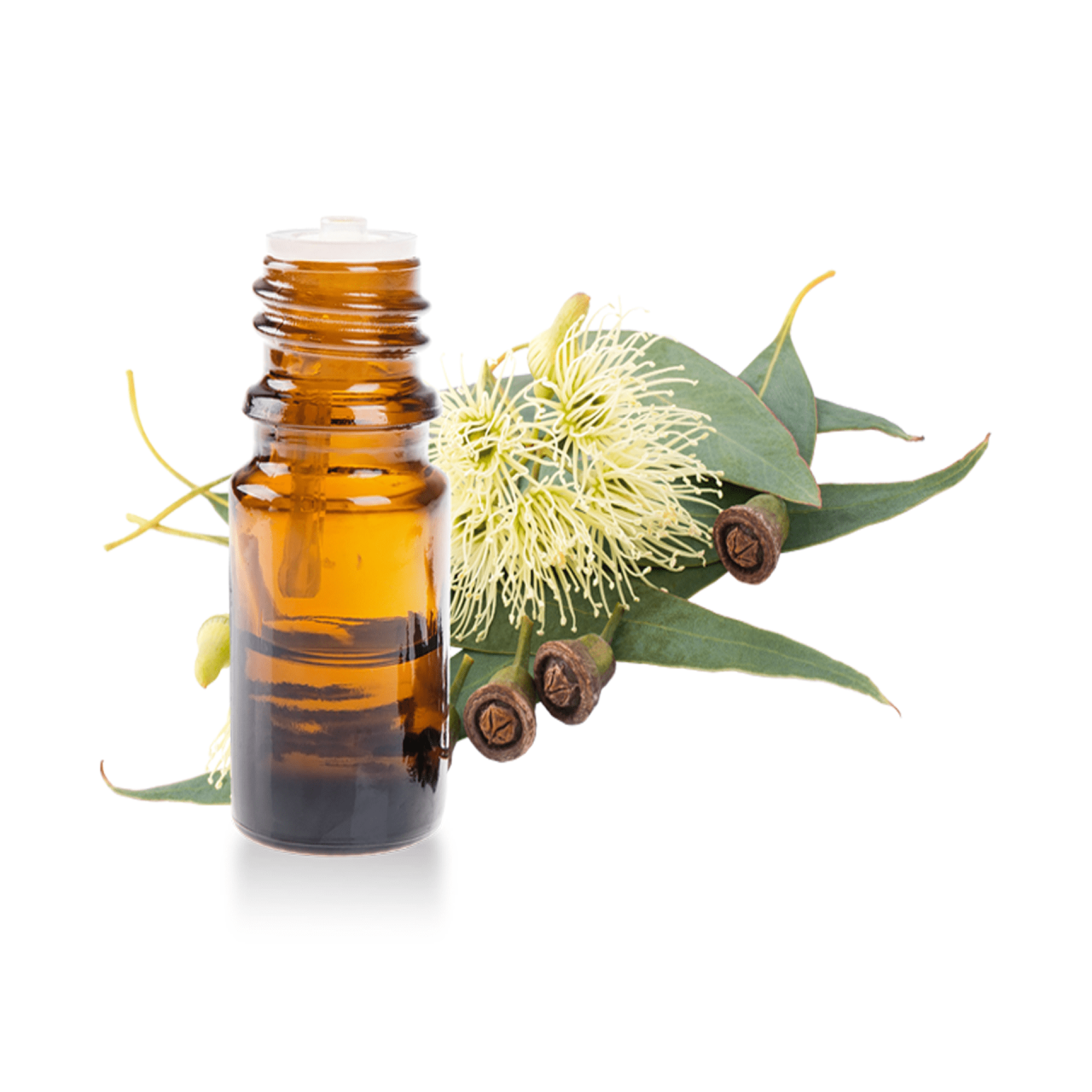
In conclusion, eucalyptus oil stands out as a remarkably versatile substance with numerous applications that can enhance our well-being and contribute to more sustainable living practices. From boosting respiratory health to serving as a natural cleaning agent, its benefits are backed by science and history. As we continue to explore its potential, responsible usage and sourcing will ensure that we can enjoy eucalyptus oil’s advantages for generations to come.
Questions Often Asked
What are the main uses of eucalyptus oil?
Eucalyptus oil is commonly used for its antiseptic properties, in aromatherapy, for respiratory relief, and as a natural insect repellent.
Can eucalyptus oil be used for pets?
No, eucalyptus oil can be toxic to pets, especially cats and dogs, so it’s best to avoid using it around them.
How should eucalyptus oil be stored?
Eucalyptus oil should be stored in a cool, dark place, tightly sealed to preserve its potency and prevent degradation.
Is eucalyptus oil safe for children?
While eucalyptus oil can be used for children over 2 years old, it should be diluted and used cautiously. Always consult a healthcare professional first.
Can eucalyptus oil be ingested?
Eucalyptus oil is not recommended for ingestion unless under the guidance of a healthcare professional, as it can be toxic in large amounts.