 Penelope Hailey
Essential oil is more than just a fragrant addition to our lives; it is a window into the past and a bridge to present wellness practices. Throughout history, various civilizations have harnessed the power of these aromatic extracts for healing, rituals, and everyday life. From ancient Egyptian embalming rituals to modern aromatherapy, essential oils have played a significant role in human culture and well-being.
This exploration not only highlights the historical significance of essential oils but also delves into their extraction methods, therapeutic benefits, and the modern wellness industry’s reliance on these potent substances. With a focus on sustainable practices and the challenges facing the industry, we invite you to discover the multifaceted world of essential oils.
Explore the historical significance of essential oils in ancient civilizations.
Essential oils have been used for thousands of years, tracing back to ancient civilizations where they played a crucial role in daily life, health, and spirituality. These aromatic compounds were not merely used for their fragrance but were integral to medicine, rituals, and wellness practices. Their significance is highlighted by their diverse applications across different cultures that valued these potent extracts from plants.
Ancient Egyptian Use of Essential Oils
The ancient Egyptians were among the first to extensively use essential oils, both in everyday life and for ceremonial purposes. They employed oils for embalming, rituals, and health, believing that these substances could connect them to divine powers. Essential oils such as myrrh and frankincense were particularly valued, not only for their aromatic qualities but also for their preservative properties in mummification.
- Myrrh: Derived from the resin of the Commiphora myrrha tree, myrrh was used in embalming practices and was thought to possess healing properties, aiding in physical and spiritual wellness.
- Frankincense: Obtained from the Boswellia tree, this oil was used in religious ceremonies and was believed to purify the air and promote healing. It was a key ingredient in incense and offerings to deities.
Chinese Civilization and Aromatherapy
In ancient China, essential oils were utilized as part of traditional medicine and aromatherapy. Chinese practitioners focused on balancing the body’s energy, or ‘Qi’, and believed that essential oils could help facilitate this balance. They used various plants to create oils that would support health and promote emotional well-being.
- Tea Tree Oil: Known for its antibacterial properties, tea tree oil was used to treat skin ailments and boost immunity.
- Ginger Oil: Often utilized for its warming properties, ginger oil was employed to aid digestion and relieve nausea.
Greek and Roman Applications
The Greeks and Romans adopted the use of essential oils, integrating them into their medicinal practices and daily routines. They were known to use these oils for a range of purposes, from health remedies to cosmetic enhancements, and even in culinary applications.
- Rose Oil: Highly prized for its fragrance, rose oil was used in perfumes, as well as for its therapeutic properties, which included alleviating stress and anxiety.
- Lavender Oil: With its calming scent, lavender oil was commonly utilized to promote relaxation and improve sleep quality, making it a staple in both medical and domestic settings.
“Essential oils served not only as remedies but as a bridge connecting the physical and spiritual realms in ancient cultures.”
The historical significance of essential oils in these ancient civilizations underscores their enduring legacy. The practices of utilizing nature’s gifts for health, spirituality, and wellness continue to influence modern approaches to holistic healing and aromatherapy today.
Identify the different extraction methods for obtaining essential oils and their impact on oil quality.
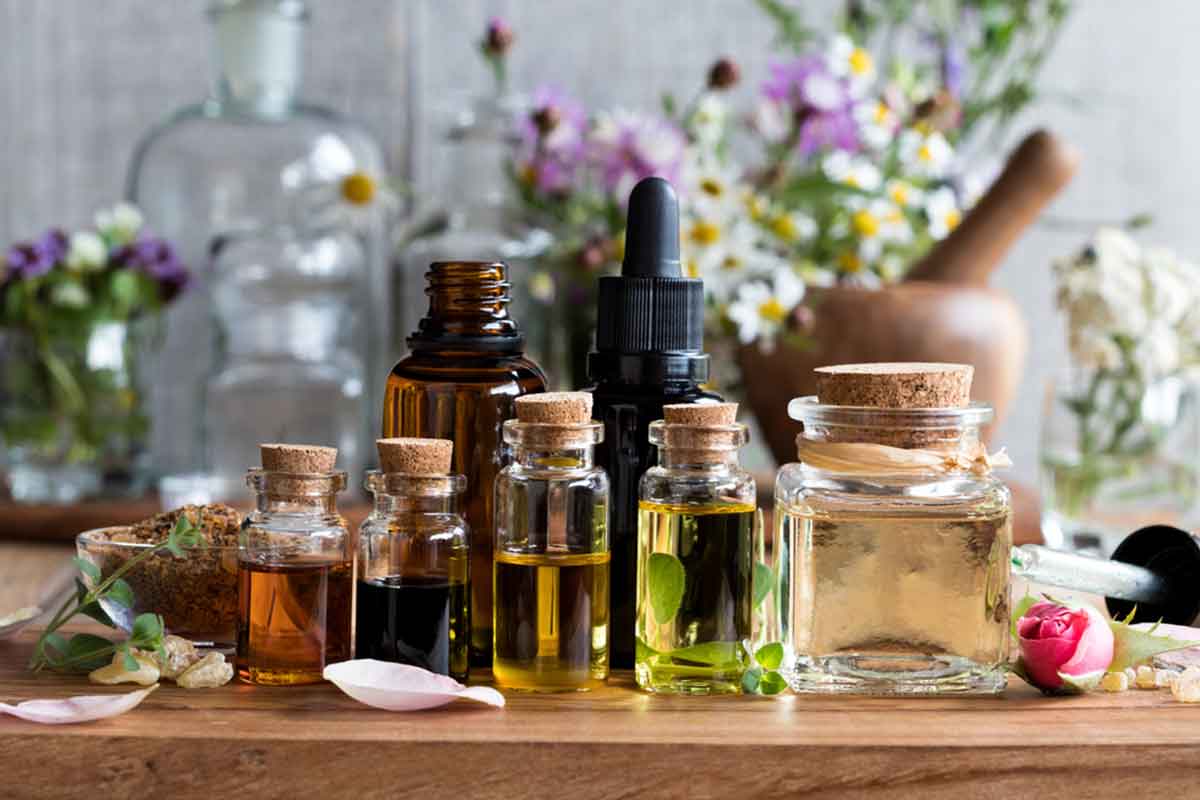
Essential oils are aromatic compounds extracted from plants, and the method of extraction plays a crucial role in the quality, yield, and characteristics of the oil. Various extraction methods can impact the chemical composition of essential oils, influencing their therapeutic properties, aroma, and overall efficacy. Understanding these methods helps in choosing the right essential oil for specific applications.
Steam Distillation
Steam distillation is the most common method for extracting essential oils. During this process, steam passes through plant material, causing the essential oils to evaporate. The steam and oils are then condensed and collected. This method preserves the integrity of the oil, capturing its full aromatic profile.
- Efficiency and Yield: Steam distillation offers a high yield, especially for oils from leaves and flowers. However, delicate plant materials may lose some aromatic compounds due to high temperatures.
- Impact on Oil Quality: The method enhances the preservation of delicate notes but can also degrade heat-sensitive components.
- Safety Considerations: High temperatures can pose risks of burns, and proper ventilation is essential to avoid steam inhalation hazards.
Sole Solvent Extraction
Sole solvent extraction uses organic solvents like hexane or ethanol to dissolve essential oils from plant material. This method is particularly useful for obtaining oils from delicate flowers that are sensitive to heat.
- Efficiency and Yield: This method can yield a higher quantity of oil compared to steam distillation, especially from flowers.
- Impact on Oil Quality: Although it captures a broader range of aromatic compounds, residual solvents may remain in the final product, affecting purity.
- Safety Considerations: The use of volatile organic solvents presents risks of fire and toxic exposure, necessitating proper handling and precautions.
Cold Press Extraction
Cold press extraction is primarily used for citrus oils, where the outer peel is mechanically pressed to extract oils. This method preserves the integrity of sensitive compounds without heat.
- Efficiency and Yield: Cold press extraction generally yields less oil compared to distillation methods but retains the natural essence of the plant.
- Impact on Oil Quality: Oils extracted using this method have vibrant aromas and higher concentrations of naturally occurring constituents.
- Safety Considerations: Minimal safety risks are associated, as the process is mechanical and does not involve chemicals or high temperatures.
CO2 Extraction
CO2 extraction involves using pressurized carbon dioxide as a solvent to extract oils. This method is known for producing high-quality oils without leaving harmful residues.
- Efficiency and Yield: CO2 extraction can result in a high yield while preserving a wide range of compounds, making it an efficient alternative to traditional methods.
- Impact on Oil Quality: The process produces oils that closely resemble their plant sources, with full-bodied scents and therapeutic properties.
- Safety Considerations: While it is a safer method overall, the pressurization equipment requires careful handling to avoid accidents.
Understanding the extraction methods is essential for acquiring quality essential oils tailored for specific uses.
Describe the therapeutic benefits of essential oils and how they are applied in modern aromatherapy.
Essential oils have gained popularity not only for their aromatic qualities but also for their therapeutic benefits. These concentrated plant extracts are used in various practices aimed at enhancing physical and emotional well-being. Modern aromatherapy incorporates these oils into holistic healing practices, making them an integral part of wellness routines.
The therapeutic benefits of essential oils are vast, addressing a range of physical and mental health concerns. They can be inhaled, applied topically after dilution, or used in diffusers. Each essential oil possesses unique properties, making them suitable for different applications in aromatherapy. Below are five essential oils that are commonly utilized for their therapeutic effects.
Commonly Used Essential Oils and Their Benefits
Understanding the specific properties of essential oils can help in their effective application in aromatherapy practices. Here are five essential oils and their therapeutic benefits:
- Lavender: Known for its calming effects, lavender oil is frequently used to alleviate anxiety, improve sleep quality, and relieve headaches. Studies have shown that inhaling lavender aroma can significantly reduce stress levels and promote relaxation.
- Tea Tree: Renowned for its antimicrobial properties, tea tree oil is commonly used to treat skin conditions, such as acne and fungal infections. Research indicates that tea tree oil can be as effective as benzoyl peroxide in reducing acne lesions.
- Peppermint: This invigorating oil is effective for relieving headaches and improving mental clarity. A study found that applying diluted peppermint oil to the temples can reduce headache severity and enhance cognitive performance.
- Eucalyptus: Eucalyptus oil is often used for respiratory issues due to its decongestant properties. Inhalation of eucalyptus oil can help relieve symptoms of colds, sinusitis, and asthma, making it a popular choice during flu seasons.
- Chamomile: Chamomile oil is primarily used for its soothing effects, particularly in relieving insomnia and digestive issues. Research supports its use for enhancing sleep quality and reducing anxiety levels.
The practical applications of these essential oils in aromatherapy can vary. For instance, lavender oil may be included in bedtime rituals, either through diffusing in the bedroom or adding a few drops to a warm bath. In contrast, tea tree oil is often incorporated into skincare routines as a diluted topical treatment. Similarly, eucalyptus oil can be added to steam inhalation practices to ease respiratory congestion.
Evidence supporting the therapeutic claims of essential oils is extensive. For example, a review published in the journal “Evidence-Based Complementary and Alternative Medicine” highlights various studies that show the beneficial effects of aromatherapy on anxiety and stress relief. Moreover, a report from the International Journal of Aromatherapy discusses how inhalation of certain essential oils can lead to physiological changes that promote relaxation and reduce pain perception.
Overall, the therapeutic benefits of essential oils in modern aromatherapy are well-documented, and their applications continue to evolve, providing individuals with natural solutions for health and wellness.
Create a guide on how to safely use essential oils for personal care and household applications.
Essential oils are versatile natural substances widely used for personal care and household applications. However, safe usage is paramount to maximize their benefits while minimizing risks. This guide will cover best practices for dilution and application for skin care, practical household uses, and important contraindications to consider.
Best practices for dilution and application of essential oils for skin care
Diluting essential oils is essential to prevent skin irritation and sensitivity. Pure essential oils are highly concentrated and can cause adverse reactions when applied directly to the skin. Here are some key points to keep in mind while diluting and applying essential oils:
- Carrier Oils: Always mix essential oils with a carrier oil, such as jojoba, coconut, or almond oil, before applying them to the skin. A common dilution ratio is 2-3 drops of essential oil per teaspoon (5 ml) of carrier oil.
- Patch Test: Before using a new essential oil, conduct a patch test by applying a small diluted amount on the inner forearm. Wait 24 hours to ensure there’s no adverse reaction.
- Sensitive Areas: Avoid applying essential oils to sensitive areas such as around the eyes, mucous membranes, and broken skin to prevent irritation.
Household uses for essential oils
Essential oils can enhance your home environment through their pleasant aromas and natural cleaning properties. Here are three practical household uses along with simple recipes:
- All-Purpose Cleaner: Combine 1 cup of water, 1 cup of white vinegar, and 10-15 drops of tea tree or lemon essential oil. This mixture not only cleans surfaces but also disinfects naturally.
- Air Freshener: Fill a spray bottle with 1 cup of water and add 10-15 drops of lavender or peppermint essential oil. Shake well before each use to freshen up your living space.
- Laundry Freshener: Add 4-5 drops of your favorite essential oil, such as eucalyptus or lavender, to a cotton ball and toss it in the dryer with your laundry. This adds a pleasant scent and freshness to fabrics.
Potential contraindications and precautions
While essential oils offer numerous benefits, certain precautions should be taken to ensure safe usage. Recognize the following contraindications:
- Pregnancy and Breastfeeding: Certain essential oils may not be safe during pregnancy or while breastfeeding. Consult a healthcare provider before use.
- Allergies and Asthma: Individuals with known allergies or respiratory conditions like asthma should exercise caution and consult a professional before exposure to essential oils.
- Children and Pets: Many essential oils are not suitable for young children or pets. Always research specific oils for safe usage and consider seeking advice from a veterinarian for pet safety.
Remember, safety first! Proper dilution and awareness of contraindications ensure a positive experience with essential oils.
Discuss the role of essential oils in the wellness industry and their popularity in contemporary health trends.
Essential oils have carved a significant niche in the wellness industry, becoming integral to various health trends that emphasize holistic approaches to well-being. Their versatility and natural properties have contributed to their rising popularity among consumers seeking alternative health solutions. Essential oils are now seen not only as therapeutic agents but also as lifestyle enhancements that promote physical and mental health.
The integration of essential oils into contemporary health trends is multifaceted. Here are three notable trends that prominently feature essential oils and their associated benefits:
Incorporation of Essential Oils in Aromatherapy
Aromatherapy has gained traction as a popular method for enhancing emotional and physical wellness. Utilizing essential oils, this practice aims to promote relaxation, alleviate stress, and improve overall mood.
- Lavender Essential Oil: Renowned for its calming effects, lavender oil is often used to reduce anxiety and improve sleep quality.
- Peppermint Essential Oil: Frequently employed to relieve headaches and enhance mental clarity, peppermint oil provides a refreshing boost of energy.
- Tea Tree Oil: Valued for its antibacterial and antifungal properties, tea tree oil is commonly used in skincare regimens to combat acne and promote clear skin.
The aromatherapy market is projected to grow significantly, with estimates suggesting that it could reach approximately $5.4 billion by 2028, indicating a robust interest in essential oils as wellness tools.
Essential Oils in Personal Care Products
The rise of clean beauty trends has led to an increased demand for personal care products infused with essential oils. Consumers are gravitating towards items that contain natural ingredients, which are perceived as safer and more beneficial for skin health.
- Frankincense Oil: Known for its anti-aging properties, frankincense oil is increasingly included in skincare formulations to promote skin rejuvenation.
- Rose Oil: Celebrated for its hydrating qualities, rose oil is commonly found in moisturizers and serums aimed at enhancing skin elasticity.
- Chamomile Oil: Recognized for its soothing effects, chamomile oil is often added to products designed for sensitive skin, helping to reduce irritation and redness.
This trend reflects a deeper consumer awareness about the ingredients they use, leading to a surge in the global essential oils market, estimated to reach around $13.94 billion by 2026.
Essential Oils in Wellness Practices
The wellness movement has embraced essential oils not only for personal use but also in practices like yoga, meditation, and holistic therapies. In these environments, essential oils are employed to enhance the experience and promote mental clarity.
- Frankincense and Myrrh: Often used during meditation for their grounding properties, these oils help practitioners achieve a deeper state of focus and mindfulness.
- Eucalyptus Oil: Frequently utilized in yoga studios for its refreshing aroma, eucalyptus oil aids in respiratory health and can enhance breathing techniques.
- Lemon Oil: Used to uplift mood and energize spaces, lemon oil is popular in wellness retreats and workshops.
The popularity of essential oils in these practices indicates a shift towards more natural and mindful lifestyles, aligning with the growing emphasis on mental health and self-care.
Market insights reveal a notable increase in essential oil usage across various sectors. According to research, the essential oils market is experiencing a compound annual growth rate (CAGR) of approximately 8.6%, signaling a robust demand for natural wellness products. As individuals increasingly prioritize their well-being and seek natural alternatives, essential oils are poised to play a pivotal role in shaping future trends within the wellness industry. Potential future developments may include the integration of essential oils in technology, such as diffusers that sync with smart home systems, and the rise of personalized essential oil blends tailored to individual health needs. These innovations suggest a dynamic future for essential oils, reinforcing their place in the evolving landscape of wellness.
Provide insights into sustainable sourcing of essential oils and its importance for the environment.
Sustainable sourcing of essential oils is a crucial aspect of preserving both natural ecosystems and the well-being of communities involved in their production. As demand for essential oils continues to rise, it becomes increasingly important to address how these oils are harvested and what impact these practices have on the environment. Ensuring that essential oils are sourced sustainably helps protect biodiversity, supports local economies, and promotes responsible consumption among consumers.
Overharvesting and unsustainable practices have significant negative effects on the supply of essential oils. The excessive extraction of plant materials can lead to the depletion of natural resources, disrupting ecosystems and threatening the survival of plant species. Additionally, poor agricultural practices can result in soil degradation and loss of habitat for wildlife. These practices not only jeopardize the future supply of essential oils but can also contribute to climate change as the balance of ecosystems is disturbed.
Impact of Overharvesting and Unsustainable Practices
The consequences of overharvesting and unsustainable practices on essential oil supply are profound and multi-faceted. Key impacts include:
- Loss of Biodiversity: Overexploitation of specific species can lead to their extinction, diminishing genetic diversity and disrupting ecosystems.
- Soil Degradation: Unsustainable farming methods can lead to soil erosion, nutrient depletion, and reduced agricultural productivity.
- Climate Change: Destruction of habitats through unsustainable harvesting practices contributes to increased greenhouse gas emissions.
- Economic Instability: Communities relying on essential oil production may face economic challenges as resources dwindle, affecting their livelihoods.
The importance of promoting sustainable sourcing methods cannot be overstated. Organizations around the world are working to ensure that essential oils are harvested in a way that supports ecological balance and respects local communities.
Initiatives Promoting Sustainable Sourcing
Numerous initiatives and organizations are dedicated to promoting sustainable sourcing of essential oils. These efforts often focus on certification programs, education, and community engagement. Notable examples include:
- Fair Trade Certification: This certification ensures that producers receive fair wages and that environmental practices are upheld.
- Rainforest Alliance: This organization works with farmers to promote sustainable land use and protect biodiversity.
- International Fragrance Association (IFRA): IFRA sets standards for the responsible sourcing of fragrance materials, including essential oils, emphasizing sustainability.
These initiatives not only advocate for better practices but also help to raise awareness among consumers about the importance of sustainability in the essential oil market.
Consumers play a vital role in encouraging sustainable sourcing of essential oils. By making informed choices, they can support practices that benefit the environment and local communities.
Choosing Sustainably Sourced Essential Oils
Selecting sustainably sourced essential oils comes with numerous benefits for both consumers and the environment. When consumers choose products that are certified or labeled as sustainably sourced, they contribute to:
- Environmental Protection: Supporting sustainable practices helps preserve ecosystems and protect endangered species.
- Community Support: Purchasing from ethical sources ensures that local producers receive fair compensation, fostering economic development.
- Quality Assurance: Sustainably sourced oils often undergo rigorous quality testing, resulting in a superior product.
- Awareness and Advocacy: By advocating for sustainable practices, consumers can influence companies to adopt better sourcing policies.
In summary, the sustainable sourcing of essential oils is critical for maintaining environmental balance, supporting local economies, and ensuring the longevity of these precious resources. By being conscious consumers, individuals can play an impactful role in promoting sustainability in the essential oil industry.
Examine the challenges and controversies surrounding the essential oil industry.
The essential oil industry, while growing rapidly and gaining popularity among consumers seeking natural remedies, faces several significant challenges and controversies. These issues range from sourcing practices to regulatory oversight, and they impact both consumers and producers in various ways. Understanding these challenges is crucial for anyone interested in the essential oil market, as they influence product quality, safety, and ethical practices.
Challenges of Sustainability and Sourcing
Sustainability in sourcing essential oils is a pressing concern, particularly due to the overharvesting of plants and the impact on biodiversity. Many essential oils are derived from rare or endangered species, and the demand can lead to unsustainable practices. The implications for consumers include potential loss of efficacy in products derived from compromised plants and a lack of transparency regarding sourcing.
– Key issues related to sustainability include:
- The depletion of natural resources due to high demand.
- Environmental degradation associated with unsustainable farming practices.
- Loss of biodiversity, threatening ecosystems.
To address these issues, producers can adopt sustainable farming methods and seek certification through organizations that promote ethical sourcing. Engaging in community-based sourcing initiatives can also help ensure the longevity of plant species.
Regulatory and Quality Control Issues
The essential oil industry operates with minimal regulation, leading to significant variations in product quality and safety. Without stringent oversight, consumers may encounter diluted or adulterated oils, which can pose health risks and diminish therapeutic benefits.
– The potential consequences of inadequate regulation include:
- Inconsistent product labeling and misleading claims.
- Increased risk of allergic reactions and adverse effects in consumers.
- Challenges in establishing trust between consumers and suppliers.
Implementing stricter regulations and standardizing quality control processes can help mitigate these risks. Third-party testing and certification can also provide consumers with reassurance regarding product integrity.
Market Saturation and Misinformation
The essential oil market has become increasingly saturated, leading to intense competition and sometimes misleading marketing tactics. As more products enter the market, consumers may struggle to differentiate between high-quality oils and inferior alternatives.
– Misinformation affects consumer choices and can lead to:
- Confusion about the therapeutic benefits of various oils.
- A decline in the overall reputation of essential oils due to poor-quality products.
- Reduced trust in reputable brands as consumers navigate a crowded marketplace.
Education and transparent marketing practices are essential for addressing misinformation. Companies should prioritize consumer education regarding the proper use and benefits of essential oils, helping to foster informed purchasing decisions.
Last Point
In summary, essential oils weave a rich tapestry of history, modern applications, and future possibilities. As we continue to embrace natural wellness solutions, the importance of understanding both the benefits and the sustainable practices surrounding essential oil use has never been greater. With ongoing research and a growing awareness of eco-friendly options, essential oils are poised to remain a vital part of our health and wellness journey.
Commonly Asked Questions
What are essential oils used for?
Essential oils are used for a variety of purposes, including aromatherapy, personal care, and household cleaning.
Are essential oils safe for everyone?
No, some essential oils can cause allergic reactions or skin irritation, and pregnant individuals should consult a healthcare provider before use.
Can essential oils be ingested?
While some essential oils are safe for ingestion, many should not be consumed without guidance from a qualified professional.
How can I determine the quality of essential oils?
Look for oils that provide information about their sourcing, extraction methods, and whether they are tested for purity.
What is the shelf life of essential oils?
The shelf life varies by oil, but most last from 1 to 3 years when stored properly in a cool, dark place.