
 Penelope Hailey
Dry oil is gaining popularity in various beauty and wellness industries, but what exactly is it? This lighter alternative to traditional oils is celebrated for its quick absorption and non-greasy finish. Unlike heavier oils, dry oils leave the skin feeling refreshed rather than slick, making them ideal for skincare, hair care, and even culinary applications. With a unique composition that sets it apart from other oils, dry oil has become a staple for those seeking effective hydration without the unwanted residue.
This introduction will explore the fascinating world of dry oil, examining its unique characteristics and numerous benefits. We’ll delve into how dry oil can transform your skincare routine, enhance hair health, and even elevate your cooking and massage experiences. Whether you’re a beauty enthusiast or just curious about this versatile oil, you’ll find valuable insights into its multifaceted applications.
Dry oil’s definition and characteristics

Dry oil is a term that refers to a specific category of oils characterized by their quick absorption and non-greasy texture when applied to the skin or other surfaces. Unlike conventional oils, which often leave a heavy or oily residue, dry oils are formulated to penetrate the skin swiftly without clogging pores. This unique quality allows them to provide essential moisture and nourishment without the unwanted shine associated with many traditional oils. The formulation of dry oils typically involves the use of lightweight esters and oils that have a low viscosity, enabling them to evaporate quickly.
The defining characteristic that sets dry oils apart from other oils is their absorption rate. Dry oils usually contain high levels of unsaturated fatty acids, which contribute to their rapid absorption properties. This means that they can deliver hydration and nutrients effectively while leaving a lightweight finish. In contrast, heavier oils like coconut or olive oil tend to sit on the skin longer and can leave behind a greasy feel, making them less desirable for certain applications, particularly in skincare and cosmetics. The texture of dry oils is often silky and smooth, which not only enhances the application experience but also makes them suitable for various uses across multiple industries.
Examples of common types of dry oils
Several types of dry oils are prevalent in the market today, each with its unique properties and applications. Understanding these examples allows for better utilization in both cosmetic and culinary fields. Here are a few notable mentions:
- Argan Oil: Known for its rich content of vitamin E and fatty acids, argan oil is widely used in hair and skincare products for its hydrating and nourishing properties.
- Grapeseed Oil: This oil is light and has a high smoke point, making it ideal for cooking as well as for use in massage oils and lotions.
- Camellia Oil: Often used in cosmetics, camellia oil is prized for its ability to absorb quickly and provide a non-greasy finish, making it a favorite in facial serums.
- Jojoba Oil: Structurally similar to the natural oils of human skin, jojoba oil is a versatile option that hydrates without leaving a greasy residue, suitable for all skin types.
The efficacy of dry oils is enhanced by their non-comedogenic nature, which means they do not block pores, making them suitable for oily and acne-prone skin. They are also commonly utilized in the hair care industry for their smoothing properties, offering a lightweight alternative to traditional hair oils. Their versatility extends to cooking as well, where dry oils can add flavor without overwhelming a dish.
“Dry oils present a lightweight and non-greasy solution for hydration and nourishment across various applications.”
The benefits of using dry oil in skincare
Dry oils have gained significant popularity in the skincare routine of many individuals, primarily due to their numerous benefits. Unlike traditional oils, dry oils absorb quickly into the skin, leaving behind no greasy residue. This characteristic makes them particularly appealing for those seeking hydration without the heavy feel of typical oil-based products. Let’s explore the advantages of incorporating dry oil into your skincare regimen.
Hydration without Greasiness
One of the standout features of dry oils is their ability to hydrate the skin effectively while maintaining a light texture. Traditional oils can often leave a heavy, oily layer on the skin, which some people find uncomfortable. Dry oils, on the other hand, penetrate quickly, providing moisture and nourishment without that greasy sensation.
– Dry oils are formulated to have a higher concentration of fatty acids and other beneficial compounds that enhance skin hydration.
– They contain lightweight oils, such as jojoba, grapeseed, or argan oil, which mimic the skin’s natural oils, allowing for better absorption.
– The quick-absorbing nature of dry oils helps in locking in moisture, making them ideal for individuals with dry or dehydrated skin.
For those who are concerned about breakouts, using dry oils can be a game-changer. They hydrate the skin without clogging pores, making them suitable for acne-prone skin. Many dry oils have additional properties that can help balance oil production and reduce inflammation.
Suitability for Various Skin Types and Conditions
The versatility of dry oils extends to their compatibility with numerous skin types and conditions. Their unique formulation allows different skin types to benefit from their properties without adverse effects.
– For Oily Skin: Dry oils can help regulate sebum production while ensuring adequate hydration. The lightweight formula does not exacerbate oiliness, making them an excellent choice for oily and combination skin types.
– For Dry Skin: Rich in essential fatty acids and antioxidants, dry oils provide deep hydration, improving skin texture and elasticity. They can replace heavier creams, especially in warmer climates where lighter formulations are preferred.
– For Sensitive Skin: Many dry oils are hypoallergenic and free from irritants, making them suitable for sensitive skin. Oils like chamomile or rosehip can soothe inflammation and enhance skin barrier function.
– For Mature Skin: The anti-aging properties of ingredients found in dry oils, such as vitamin E and omega fatty acids, can help improve skin firmness and reduce the appearance of fine lines.
Incorporating dry oils into your skincare routine can be as simple as adding a few drops to your moisturizer or using them as a standalone product. They can be applied morning or night, providing flexibility depending on personal preference.
“Dry oils hydrate the skin without the greasy feel, making them a preferred choice for a diverse range of skin types.”
In conclusion, the benefits of dry oils go beyond just hydration. They offer a lightweight texture that accommodates various skin needs, making them an essential addition to any skincare routine.
The role of dry oil in hair care
Dry oil has emerged as a popular choice in hair care routines, celebrated for its lightweight texture and nourishing properties. Unlike traditional oils that can leave a greasy residue, dry oils absorb quickly into the hair, offering hydration without weighing it down. This makes them an ideal solution for individuals seeking to enhance the health and appearance of their hair without the heavy feel that often accompanies standard oils. The unique formulation of dry oils, which often includes natural oils such as argan, jojoba, or coconut oil, allows for a multitude of benefits, making them a staple in modern hair care.
One of the primary advantages of using dry oil is its ability to promote hair health. Due to its high concentration of essential fatty acids and vitamins, dry oil helps to strengthen hair strands, reduce breakage, and add a natural shine. The hydrating properties of dry oils also play a significant role in improving the overall texture of the hair. It can smooth frizz, tame flyaways, and enhance manageability, resulting in a sleek and polished look. Furthermore, dry oils can protect hair from environmental damage, such as UV rays and pollution, aiding in maintaining vibrant and healthy locks.
Specific hair types that benefit from dry oil
Different hair types can experience unique advantages when integrating dry oil into their care routines.
- Curly Hair: Curly hair often requires additional moisture and can be prone to dryness. Dry oil can provide hydration while reducing curl frizz, helping to define curls without weighing them down.
- Fine Hair: Those with fine hair may shy away from traditional oils due to the fear of heaviness. Dry oil is perfect for this hair type as it delivers moisture and shine without adding excess weight.
- Color-treated Hair: Hair that has been colored often needs extra care to maintain its vibrancy. Dry oil not only hydrates but also seals in color, protecting against fading caused by environmental factors.
- Damaged Hair: For individuals with damaged or heat-treated hair, dry oil can be a restorative treatment that helps to seal split ends and nourish weakened strands.
Applying dry oil correctly can maximize its benefits. To ensure optimal results, it is essential to use dry oil after washing and conditioning hair. A few drops can be warmed in the palms and applied to damp hair, focusing on the ends where moisture is needed most. For added shine and softness, it can also be used on dry hair, sparingly, to tame frizz and enhance luster. Additionally, incorporating dry oil into hair masks or treatments can further amplify its nourishing properties, providing a deep conditioning effect that can rejuvenate tired, lifeless hair.
Using dry oil effectively can transform your hair care routine, offering hydration, shine, and protection without the heaviness of traditional oils.
Popular dry oils for cooking and their uses
Dry oils have gained popularity in the culinary world due to their unique characteristics and health benefits. Unlike traditional oils, dry oils absorb quickly without leaving a greasy residue, making them ideal for cooking, dressing salads, or even baking. Let’s explore some of the most favored dry oils for culinary uses, comparing their flavor profiles and health benefits.
Comparison of dry oils
When it comes to cooking with dry oils, flavor and health benefits play crucial roles in selecting the right oil for your dish. Here’s a look at some popular dry oils and their distinctive features:
- Grapeseed Oil: Known for its light flavor and high smoke point, grapeseed oil is perfect for frying and sautéing. It’s also rich in polyunsaturated fats and vitamin E, making it a heart-healthy choice.
- Sunflower Oil: With a mild taste, sunflower oil is often used in dressings and marinades. It contains a high amount of vitamin E and low levels of saturated fat, promoting good health.
- Sesame Oil: This oil comes in two varieties: light (for cooking) and dark (for flavoring). Light sesame oil has a high smoke point, while dark sesame oil adds a nutty flavor to dishes. Both are rich in antioxidants and beneficial fatty acids.
- Canola Oil: This oil has a neutral flavor and a high smoke point, making it suitable for various cooking methods. It is low in saturated fat and contains omega-3 fatty acids, which provide heart health benefits.
- Rice Bran Oil: With a mild flavor and high smoke point, rice bran oil is excellent for frying. It is rich in antioxidants and has been linked to various health benefits, including cholesterol reduction.
The following table Artikels the smoke points of these popular dry oils, helping chefs make informed choices based on their cooking methods:
| Oil Type | Smoke Point (°F) |
|---|---|
| Grapeseed Oil | 420 |
| Sunflower Oil | 440 |
| Light Sesame Oil | 410 |
| Canola Oil | 400 |
| Rice Bran Oil | 450 |
Incorporating these dry oils into your cooking can enhance both flavor and nutritional value. Each oil brings its unique properties to the table, allowing for a diverse and healthy culinary experience.
The impact of dry oil on massage therapy
Dry oil is a unique type of massage oil that has gained popularity in therapeutic practices due to its distinctive properties and benefits. Unlike traditional oils that may leave a heavy or greasy residue on the skin, dry oils are designed to absorb quickly, providing a smooth and non-greasy finish. This not only enhances the overall massage experience but also brings a variety of benefits to both the therapist and the client during massage therapy sessions.
Dry oil is commonly used in massage therapy as it allows for effective glide and movement without compromising the skin’s ability to breathe. The lightweight texture of dry oils makes them ideal for techniques requiring fluid motion, such as Swedish or deep tissue massage. The rapid absorption of these oils leads to a deep hydration of the skin, enhancing its elasticity and softness while preventing moisture loss. As a result, clients often experience improved skin texture and a nourished feeling post-treatment.
Sensory experience of dry oil in massage therapy
The sensory experience of using dry oil is markedly different from that of traditional massage oils. Clients often report a feeling of lightness, as dry oils do not cling to the skin in the same way heavier oils do. This quality allows clients to feel relaxed and rejuvenated without the lingering sensation of an oily residue. The fragrance of dry oils, often derived from essential oils, contributes to the overall sensory experience, providing calming or invigorating aromas that enhance relaxation and well-being during the session.
Using dry oil effectively in massage therapy involves specific techniques that maximize its benefits. First, therapists should warm the oil slightly in their hands before application. This not only enhances the sensory experience but also helps the oil to penetrate the skin more effectively. During the massage, therapists can use long, sweeping strokes to promote relaxation, ensuring that the oil is evenly distributed across the skin. For targeted areas, such as knots or tense muscles, a combination of kneading and circular motions can be employed, allowing the oil to facilitate deeper tissue work without causing discomfort.
In addition, it’s essential to apply the right amount of dry oil; an adequate but not excessive amount ensures optimal glide without overwhelming the skin. Regularly checking in with clients about their comfort and preferences can guide therapists in adjusting their techniques, ensuring a tailored and effective massage experience. Overall, the integration of dry oil in massage therapy not only elevates the practice but also enhances the therapeutic outcomes for clients.
Dry oil in aromatherapy and essential oil blending
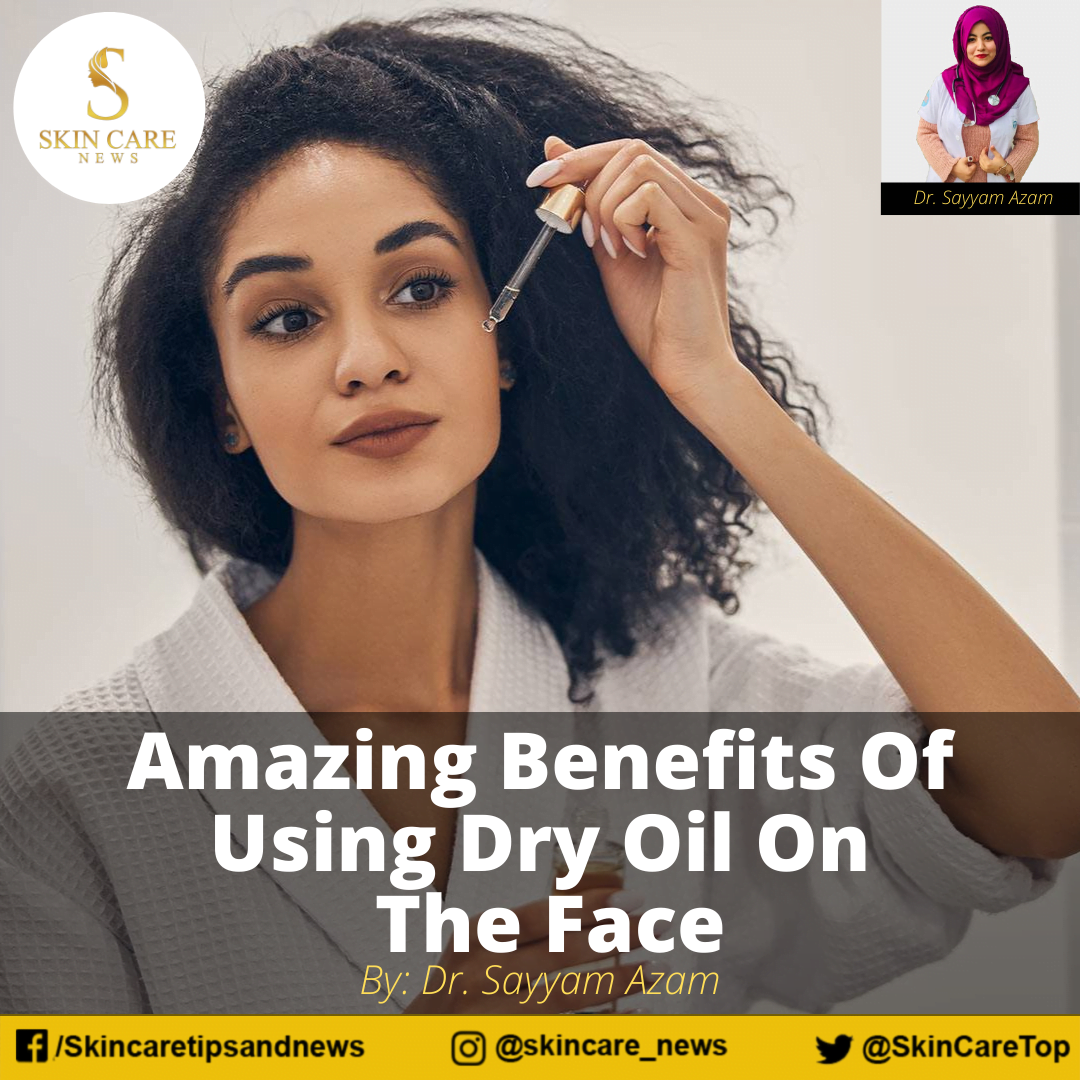
Dry oils are a unique category of oils that absorb quickly into the skin without leaving a greasy residue, making them popular choices for aromatherapy and essential oil blending. Their lightweight nature allows for seamless integration with various essential oils, enhancing both their therapeutic effects and the overall sensory experience. This makes dry oils a versatile option for practitioners and enthusiasts alike, providing benefits such as hydration, nourishment, and a delightful aromatic profile.
In aromatherapy, dry oils can be utilized as carriers for essential oils, which are highly concentrated plant extracts known for their therapeutic properties. The characteristic of dry oils to absorb swiftly into the skin makes them ideal for massage applications or skin treatments, as they allow the essential oils to penetrate deeply without clogging pores. Integrating dry oils into your aromatherapy practices can elevate the overall effectiveness of your blends, offering an experience that is not only beneficial for your skin but also for your mood and well-being.
Essential oils that blend well with dry oils
When creating custom blends with dry oils, it’s essential to choose essential oils that complement their characteristics and therapeutic properties. Here’s a list of essential oils that work harmoniously with various dry oils, enhancing their effects:
- Lavender: Known for its calming effects, lavender essential oil pairs well with dry oils like jojoba and argan oil, making it perfect for relaxation and stress relief.
- Tea Tree: Famous for its antiseptic properties, tea tree oil blends effectively with dry oils such as grapeseed oil, supporting skin health.
- Rosemary: This invigorating essential oil can enhance dry oils like hempseed oil, promoting mental clarity and focus.
Each of these essential oils offers unique therapeutic benefits, and when combined with dry oils, they create powerful blends that cater to various needs.
Creating custom blends with dry oils is a straightforward yet rewarding process. Below are some simple steps and guidelines to help you craft your own unique mixtures for different purposes:
1. Choose Your Base Dry Oil: Start by selecting a dry oil that suits your skin type and desired effect. For example, if you have oily skin, consider using grapeseed oil; for dry skin, argan oil may be a better option.
2. Select Essential Oils: Based on your desired outcome (relaxation, energizing, skin healing), choose one or two essential oils to blend with your base oil. For instance, to promote relaxation, you might select lavender and chamomile oils.
3. Blend Ratios: A general guideline is to use a 2% dilution for topical applications, which translates to about 12 drops of essential oil per ounce of dry oil. Adjust according to personal preference and sensitivity.
4. Mixing Process: In a clean glass bottle, combine your base dry oil and essential oils. Shake gently to mix well. Allow the blend to sit for a day to let the scents meld together.
5. Application: Use your custom blend for massage, skincare, or in a diffuser to enjoy the aromatic benefits.
Custom blends of dry oils with essential oils not only provide therapeutic effects but also enhance the overall sensory experience, making your aromatherapy practice more enjoyable and effective.
Environmental sustainability of dry oil production
The rise of dry oils in various industries, particularly in cosmetics and culinary applications, has brought to light significant aspects of environmental sustainability in their production. Dry oils, characterized by their quick absorption and lightweight nature, often boast eco-friendly properties compared to traditional oil production methods. Understanding the sustainability of sourcing dry oils involves exploring the practices that support environmental integrity while meeting market demands.
Sourcing dry oils can significantly minimize the ecological footprint associated with oil production. Dry oils are typically derived from seeds and nuts, such as jojoba, argan, and grapeseed, which are often cultivated in regions where traditional oil crops might not flourish. This diversification of crops can enhance soil health and reduce the need for synthetic fertilizers and pesticides, which are common in conventional oil production. Additionally, dry oil crops often require less water compared to traditional oil crops, making them more suitable for arid regions.
Eco-friendly practices in the production of dry oils
Several eco-friendly practices are employed in the production of dry oils that promote environmental sustainability. These practices not only contribute to the conservation of natural resources but also enhance the overall quality of the oils. Some notable practices include:
- Organic farming methods: Many producers use organic techniques to grow dry oil crops, avoiding harmful chemicals and promoting biodiversity.
- Water conservation: Efficient irrigation practices, such as drip irrigation, help minimize water usage, ensuring that crops thrive without exhausting local water supplies.
- Crop rotation: This practice helps maintain soil fertility and structure, reducing disease risks and promoting a balanced ecosystem.
- Renewable energy sources: Some producers harness solar or wind energy for processing operations, reducing reliance on fossil fuels and lowering greenhouse gas emissions.
Dry oil production often demonstrates a lower environmental impact than traditional oil production. Traditional oil extraction methods, especially those involving heavy machinery and extensive land clearing, can lead to deforestation, soil degradation, and water pollution. In contrast, the cultivation of dry oils frequently aligns with sustainable agricultural practices that prioritize environmental health.
The holistic approach to sourcing dry oils not only benefits the environment but also supports local economies and communities.
Moreover, the processing of dry oils typically involves less energy-intensive methods, further contributing to reduced carbon footprints. For example, cold-pressed techniques used in extracting dry oils minimize energy consumption while retaining the beneficial properties of the oils. This sustainable approach not only fosters environmental conservation but also appeals to conscious consumers seeking products with minimal ecological impact.
How to choose the right dry oil for your needs
Selecting the right dry oil can be a game-changer for your skincare routine. With various options available, understanding your specific needs and preferences is essential to make an informed choice. This guide will help you identify the best dry oil for your individual requirements, ensuring you reap all the benefits of these luxurious oils.
When choosing a dry oil, consider the following criteria to make the right selection:
Criteria for Selecting Dry Oil
Evaluating the right dry oil requires a thoughtful approach, as various factors contribute to how well the oil will work for you. Here are key elements to consider:
- Skin Type: Different oils cater to specific skin types. For oily skin, lightweight oils like jojoba or grapeseed are ideal, while dry or sensitive skin may benefit from richer oils, such as argan or marula.
- Purpose: Determine the primary reason for using dry oil. Are you looking for hydration, anti-aging benefits, or nourishment? Oils like rosehip oil are excellent for anti-aging, while sweet almond oil is great for moisturizing.
- Scent: Personal preference plays a significant role in your choice. Some oils, like coconut or sweet almond, have a mild, pleasant scent, while others might be fragrance-free or have a stronger aroma, such as lavender or eucalyptus.
- Absorption Rate: If you prefer an oil that absorbs quickly, look for lighter oils. Oils like squalane and sunflower oil are known for their fast absorption, leaving no greasy residue.
- Allergies or Sensitivities: Always check for any known allergies or sensitivities. Avoid oils that may irritate your skin, especially if you have a history of reactions.
To provide further clarity, here are some examples of specific dry oils suitable for various applications:
- Jojoba Oil: Best for oily and combination skin, helps regulate sebum production.
- Argan Oil: Known for its nourishing properties, ideal for dry and aging skin types.
- Grapeseed Oil: Lightweight and suitable for normal to oily skin; it’s also great for hair and nail care.
- Rosehip Oil: Packed with essential fatty acids and antioxidants, perfect for anti-aging and scar treatment.
- Sweet Almond Oil: A versatile oil excellent for dry skin and massage therapy, with a sweet, comforting scent.
Understanding your unique skin needs will guide you in selecting the perfect dry oil to enhance your skincare routine.
Final Thoughts
In summary, dry oil is more than just a trendy ingredient; it’s a versatile solution that caters to a variety of needs. From skincare to cooking and wellness practices, the benefits of dry oil are immense and undeniable. As we continue to prioritize products that offer efficiency and sustainability, dry oil stands out as a front-runner in providing hydration and nourishment without compromise. Explore the endless possibilities of integrating dry oil into your daily routine, and discover how it can enhance your lifestyle.
Common Queries
What is the difference between dry oil and regular oil?
Unlike regular oils, which can feel greasy and thick, dry oils absorb quickly into the skin, leaving a lightweight finish without residue.
Can dry oil be used on all skin types?
Yes, dry oil is suitable for all skin types, including oily, dry, and combination skin, thanks to its lightweight formula.
Is dry oil safe for sensitive skin?
Generally, dry oils are safe for sensitive skin; however, it’s advisable to perform a patch test first to ensure no adverse reactions.
Can I use dry oil for cooking?
Yes, many dry oils are excellent for cooking, offering unique flavors and health benefits while being less greasy.
How should I store dry oil?
Store dry oil in a cool, dark place to maintain its quality and extend shelf life, away from direct sunlight.
Can dry oil help with acne?
Yes, dry oils can help balance skin hydration without clogging pores, which can be beneficial for acne-prone skin.