
 Penelope Hailey
Coconut oil for body care has emerged as a popular choice for those seeking natural and effective solutions for their skincare needs. With its rich history rooted in various cultures, coconut oil has been treasured for centuries, particularly in tropical regions where it was used for hydration and nourishment. Today, this versatile oil is recognized worldwide not just for its culinary applications but also for its exceptional benefits for skin health, making it a staple in many body care routines.
This article explores the nutritional composition of coconut oil, its uses in daily body care, and its role in addressing common skin issues. From the antioxidants that promote skin rejuvenation to its incorporation in natural remedies, coconut oil stands out as a multifaceted solution for enhancing your body’s health and appearance.
The History and Cultural Significance of Coconut Oil for Body Care
Coconut oil, often referred to as the “tree of life,” has a rich history steeped in cultural practices across the globe, especially in tropical regions. Its versatility has allowed it to flourish as a cornerstone in traditional body care routines for many communities. From ancient rituals to modern-day skincare trends, coconut oil continues to hold significant value in promoting health and wellness.
Historically, coconut oil has been utilized by various cultures for centuries due to its unique properties. In India, for instance, it has long been a staple in Ayurvedic practices, where it was used for oil pulling, massage, and nourishing the skin. Similarly, in the Philippines, coconut oil has been employed as a natural moisturizer and hair treatment, reflecting its deep-seated cultural roots. The oil’s antimicrobial properties and rich fatty acid content have made it a go-to remedy for maintaining skin and hair health, highlighting its historical significance as both a beauty and medicinal product.
Traditional Uses of Coconut Oil in Tropical Regions
The traditional applications of coconut oil in tropical regions underscore its importance in daily life and body care practices. These uses include:
- Moisturizing the skin: Coconut oil has been used for centuries as a natural moisturizer to combat dryness and maintain skin elasticity, especially in areas with high humidity.
- Hair care: It has been commonly applied as a hair conditioner to promote shine, reduce frizz, and protect against damage caused by sun exposure and seawater.
- Massage oil: In many cultures, coconut oil is a preferred choice for massage due to its soothing texture and warming properties, enhancing relaxation and skin nourishment.
- Sun protection: Traditionally, coconut oil has been used to provide a natural barrier against the sun’s harmful rays, offering some level of sun protection while keeping the skin hydrated.
The evolution of coconut oil from a local remedy to a global health trend reflects changing perceptions and growing awareness of its benefits. As health-conscious consumers increasingly seek natural alternatives to synthetic products, coconut oil has gained traction worldwide. Its endorsement by beauty experts and wellness advocates has further propelled its popularity, leading to a surge in its availability in retail markets.
The transition of coconut oil into mainstream beauty products illustrates a rising appreciation for natural ingredients and holistic health practices.
In recent years, various studies have documented the health benefits of coconut oil, reinforcing its status as a desirable ingredient in body care. Its rich composition, including medium-chain triglycerides (MCTs), has been linked to anti-inflammatory and antioxidant properties, further validating its traditional uses. The cultural significance of coconut oil continues to resonate as it bridges the gap between historical practices and contemporary lifestyle choices.
The Nutritional Composition of Coconut Oil and Its Benefits for Skin
Coconut oil is not just a popular cooking ingredient; its unique nutritional profile offers a plethora of benefits for skin health. Rich in essential fatty acids and a host of beneficial compounds, coconut oil has garnered attention for its ability to nourish, hydrate, and rejuvenate the skin.
One of the standout components of coconut oil is its high concentration of medium-chain triglycerides (MCTs). These fats play a crucial role in maintaining skin hydration by quickly penetrating the skin barrier. MCTs help to lock in moisture and create an effective barrier against external elements. This ensures that the skin remains soft and supple, reducing the likelihood of dryness and irritation. Additionally, the lightweight nature of MCTs means they are absorbed easily, providing rapid hydration without leaving a greasy residue.
Key Nutrients in Coconut Oil for Skin Health
Coconut oil is packed with several key nutrients that contribute significantly to skin health. Understanding these nutrients can help appreciate how coconut oil works to enhance and protect our skin.
- Lauric Acid: This fatty acid, constituting about 50% of coconut oil’s composition, exhibits antibacterial and anti-inflammatory properties, making it effective against acne and skin infections.
- Vitamin E: Known for its antioxidant properties, Vitamin E helps in protecting skin cells from damage caused by free radicals, promoting skin healing and rejuvenation.
- Vitamin K: This vitamin aids in the healing of wounds and helps reduce dark circles, enhancing overall skin appearance and tone.
- Antioxidants: Coconut oil contains natural antioxidants that combat oxidative stress, supporting skin elasticity and minimizing signs of aging.
The presence of these essential nutrients not only nourishes the skin but also supports its overall functionality. The synergistic effect of these components helps in achieving a vibrant and healthy skin appearance.
Coconut oil, with its unique blend of MCTs, antioxidants, and vitamins, stands out as a powerhouse for skin nourishment and protection.
Coconut oil’s hydrating properties are further enhanced by its ability to foster a healthy skin microbiome, thanks to the MCTs that provide nourishment to beneficial skin bacteria. This balance promotes not only hydration but also skin resilience against environmental aggressors. Overall, the nutritional composition of coconut oil makes it a versatile and invaluable option for anyone looking to enhance their skincare routine.
Methods for Incorporating Coconut Oil into Your Daily Body Care Routine
Coconut oil has gained popularity as a versatile ingredient in body care routines due to its nourishing properties and rich texture. Incorporating coconut oil into your daily regimen can enhance skin hydration, promote scalp health, and elevate your overall skincare experience. Here are effective methods to seamlessly integrate coconut oil into your body care practices.
Using Coconut Oil in Body Moisturizers and Scrubs
Coconut oil serves as an excellent base for both moisturizers and scrubs, providing deep hydration and a silky finish. Below are some creative ways to utilize coconut oil in these applications:
- Moisturizer: Simply apply a small amount of coconut oil directly to dry areas of your skin, such as elbows and knees, after your shower. This helps to lock in moisture and keep your skin feeling soft all day.
- Body Scrub: Combine coconut oil with sugar or sea salt to create a natural exfoliating scrub. Mix 1 cup of sugar or salt with ½ cup of melted coconut oil and a few drops of your favorite essential oil for added fragrance and benefits.
- After-Sun Lotion: Coconut oil can soothe sunburned skin. Apply it generously to affected areas to hydrate and promote healing.
Step-by-Step Guide for Hair and Scalp Treatments
Coconut oil is not just for the body; it can also work wonders for your hair. Here’s how to apply it effectively:
- Choose the Right Amount: Depending on your hair length, scoop out a small amount of coconut oil. For short hair, about a teaspoon is sufficient; for long hair, use 1-2 tablespoons.
- Warm the Oil: Rub the coconut oil between your palms to warm it up, making it easier to apply and allowing for better absorption.
- Apply to Dry Hair: Starting from the ends of your hair, work your way up to the scalp, massaging the oil into your roots. This helps to nourish both the hair and the scalp.
- Leave It On: Allow the oil to sit for at least 30 minutes. For deeper conditioning, consider wrapping your hair in a warm towel or using a shower cap overnight.
- Wash It Out: Rinse thoroughly with warm water and follow up with your regular shampoo and conditioner.
Combining Coconut Oil with Essential Oils
Enhancing the benefits of coconut oil by blending it with essential oils can provide added nourishment and aromatic experiences. Here are tips for effective combinations:
- Lavender Oil: Mixing coconut oil with a few drops of lavender essential oil creates a calming body moisturizer perfect for nighttime use.
- Tea Tree Oil: Adding tea tree oil can help combat acne when used in facial moisturizers or scrubs, as it possesses natural antibacterial properties.
- Peppermint Oil: For an invigorating experience, combine coconut oil with peppermint oil for a refreshing body scrub that also stimulates circulation.
The Role of Coconut Oil in Natural Remedies for Common Skin Issues
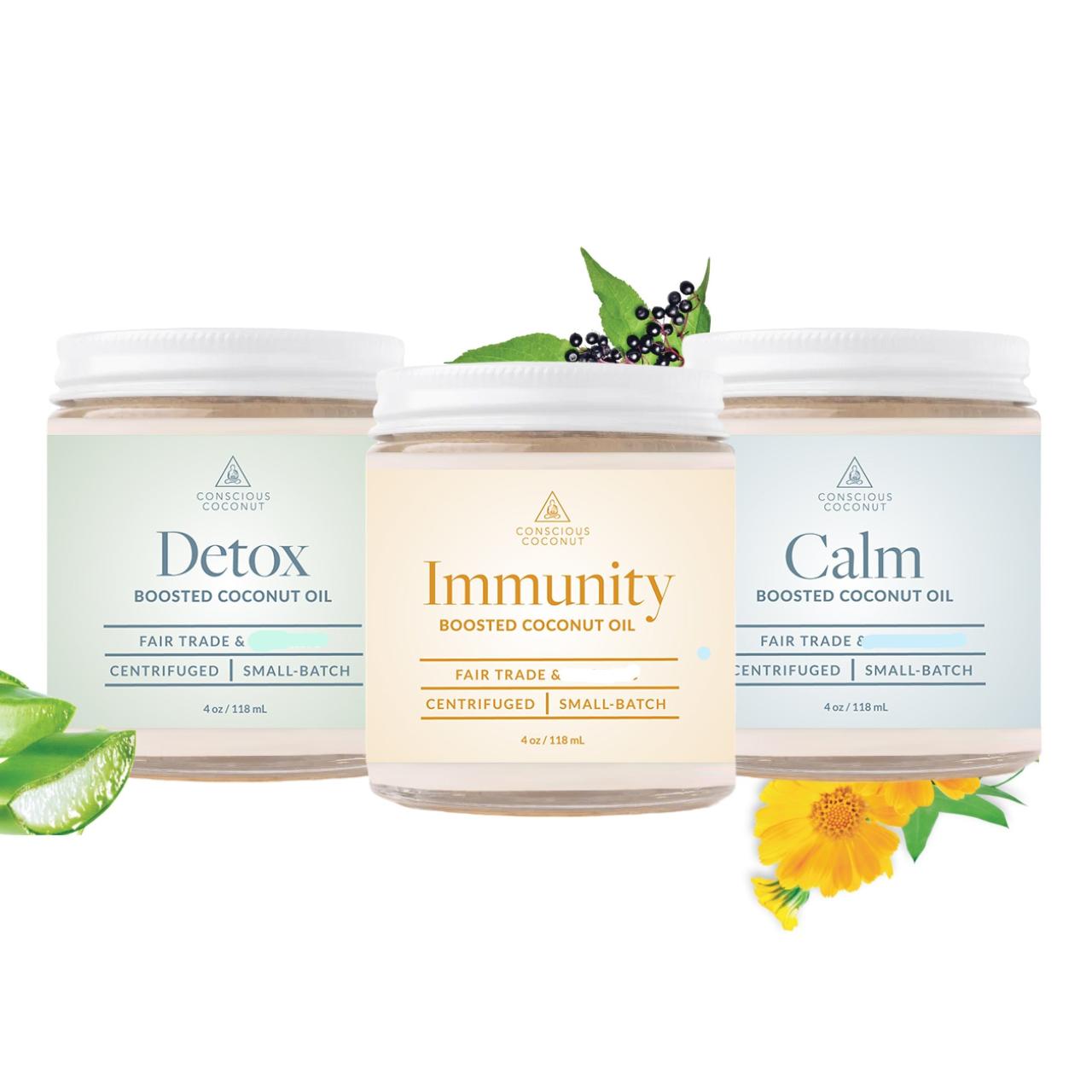
Coconut oil has gained immense popularity as a natural remedy for various skin issues due to its moisturizing, antibacterial, and anti-inflammatory properties. Commonly, individuals seek out coconut oil for help with skin dryness, irritation, and even conditions like eczema or psoriasis. Its versatility makes it a staple in many households, offering a natural approach to skin care that is both effective and easy to incorporate into daily routines.
Coconut oil can be utilized effectively in conjunction with other natural ingredients to enhance its benefits for skin care. Combining coconut oil with ingredients like honey, aloe vera, or essential oils can create powerful remedies for common skin problems. For instance, mixing coconut oil with honey can provide an antibacterial effect, perfect for treating minor cuts or acne. Similarly, blending coconut oil with aloe vera can soothe sunburns and deeply hydrate dry skin, making it a great combination for summertime skincare.
Common Skin Issues Addressed by Coconut Oil
Coconut oil is particularly effective against several skin issues, each requiring a tailored approach for treatment. Understanding these conditions can help individuals use coconut oil more effectively. Here are some common skin issues and how coconut oil can assist with their management:
- Dry Skin: Coconut oil acts as a natural moisturizer, providing intense hydration that can alleviate dryness. Its fatty acids help to lock in moisture, making it suitable for daily use on dry patches.
- Skin Irritation: With its anti-inflammatory properties, coconut oil can reduce redness and soothe irritated skin. Applying it directly can help calm reactions from allergens or irritants.
- Sunburn: The cooling effect of coconut oil can aid in healing sunburnt skin. Its moisturizing properties prevent peeling and promote quicker recovery.
- Acne: While coconut oil is comedogenic, its antibacterial qualities can help combat acne when used in moderation. Mixing it with tea tree oil can enhance its effectiveness against breakouts.
- Eczema and Psoriasis: Coconut oil’s ability to reduce inflammation and hydrate the skin makes it a viable option for managing flares associated with eczema and psoriasis.
When using coconut oil, especially on sensitive skin, it is crucial to conduct a patch test. This simple precaution involves applying a small amount of coconut oil on a discreet area of skin, typically the inner forearm, and monitoring for any adverse reactions over 24 hours. Observing for any signs of irritation or allergic response can ensure that coconut oil is suitable for individual skin types, minimizing the risk of discomfort or worsening skin issues.
“Patch testing is a vital step in ensuring the compatibility of coconut oil with your skin, particularly for those with sensitivities.”
Comparing Coconut Oil to Other Natural Oils in Body Care

Coconut oil has gained significant popularity in the realm of body care, but how does it stack up against other natural oils like olive oil, almond oil, and jojoba oil? Each of these oils comes with unique properties and benefits that can influence your choice depending on your skin type and care needs. This section delves into the characteristics of these oils, the advantages and disadvantages of coconut oil in comparison, and provides a clear comparison table for easy reference.
Comparison of Properties
Coconut oil is known for its medium-chain fatty acids, particularly lauric acid, which offers antimicrobial properties and makes it an excellent moisturizer. On the other hand, olive oil is rich in oleic acid and antioxidants, providing deep hydration and skin barrier protection. Almond oil is prized for its vitamin E content and emollient properties, making it great for soothing sensitive skin. Jojoba oil, structurally similar to human sebum, balances oil production and is suitable for all skin types.
| Oil | Main Components | Key Benefits | Ideal Skin Types |
|---|---|---|---|
| Coconut Oil | Medium-chain fatty acids (mainly lauric acid) | Antimicrobial, deeply moisturizing | Dry to normal skin |
| Olive Oil | Oleic acid, antioxidants | Deep hydration, anti-aging | Dry and mature skin |
| Almond Oil | Vitamin E, fatty acids | Soothing, emollient properties | Sensitive and dry skin |
| Jojoba Oil | Long-chain fatty acids | Balances oil production, non-comedogenic | All skin types |
Advantages and Disadvantages of Coconut Oil
When analyzing coconut oil in comparison to other natural oils, several advantages and disadvantages arise. Its high levels of lauric acid make it particularly effective for acne-prone skin, as it helps to eliminate bacteria. Additionally, its solid state at room temperature allows for easy application and storage. However, it’s essential to note that coconut oil may not be suitable for everyone, especially those with oily or acne-prone skin, as it can potentially clog pores.
The following points Artikel the advantages and disadvantages of using coconut oil versus other oils:
-
Advantage: Strong antimicrobial properties that help fight skin infections and acne.
-
Advantage: Excellent moisture retention properties, ideal for dry skin.
-
Disadvantage: Can be comedogenic, leading to breakouts in some individuals.
-
Disadvantage: Heavier texture compared to lighter oils like jojoba or almond oil.
In summary, while coconut oil is a versatile and effective oil for many, those with specific skin care needs may find that olive oil, almond oil, or jojoba oil better suit their requirements. Each oil has its unique properties and benefits, allowing for a variety of choices in natural body care.
The Environmental Impact of Coconut Oil Production
The production of coconut oil has gained immense popularity over the years, particularly in the health and beauty industries. However, this surge in demand raises significant concerns regarding the environmental sustainability of coconut farming and its broader impact on ecosystems and communities.
One major sustainability concern surrounds the deforestation associated with coconut plantations. In some regions, particularly in Southeast Asia, large areas of rainforest are cleared to make way for coconut trees. This not only leads to a loss of biodiversity but also contributes to increased carbon emissions, which aggravate climate change. Additionally, the monoculture practices often employed in coconut farming deplete soil nutrients, leading to a decline in soil health and increased reliance on chemical fertilizers.
Sustainability Concerns in Coconut Farming
The environmental footprint of coconut oil production can be attributed to several factors that impact sustainability. These include:
- Deforestation: The expansion of coconut plantations can lead to the destruction of critical habitats, endangering wildlife and plant species.
- Water Usage: Coconut farming can be water-intensive, leading to depletion of local water supplies, affecting both agricultural and local communities.
- Pesticide and Fertilizer Use: The reliance on chemical inputs can pollute surrounding ecosystems, harming flora and fauna and contaminating water sources.
- Land Rights Issues: The establishment of coconut plantations can often lead to conflicts over land rights, particularly in indigenous territories.
Ethical Considerations in Sourcing Coconut Oil
When sourcing coconut oil for body care products, ethical considerations are paramount. Ensuring that the coconut oil is produced in a manner that respects both the environment and the rights of local communities is crucial. Key ethical issues include:
- Fair Trade Practices: Supporting producers who adhere to fair labor practices ensures that workers receive fair wages and work in safe conditions.
- Community Engagement: Ethical sourcing involves collaborating with local communities to ensure their needs and rights are respected.
- Transparency in Supply Chains: Consumers are encouraged to seek brands that provide information about their sourcing practices and the origins of their coconut oil.
Choosing Sustainable and Ethically Sourced Coconut Oil
Consumers can play a vital role in promoting sustainability by making informed choices when purchasing coconut oil. Here are effective ways to ensure the coconut oil you buy is sustainable and ethically sourced:
- Look for Certifications: Choose products that come with certifications such as Fair Trade, Rainforest Alliance, or USDA Organic, which indicate adherence to sustainable practices.
- Research Brands: Investigate brands to find those committed to ethical sourcing and environmental stewardship. Reviews and company policies can provide insight into their practices.
- Support Local Farmers: When possible, buy coconut oil directly from local producers or cooperatives that utilize sustainable farming practices.
- Reduce Consumption: Consider minimizing your use of coconut oil in favor of other sustainably sourced oils, thus decreasing demand and pressure on coconut farming.
“By making conscious choices in our purchases, we can influence the market towards sustainability and ethical practices in coconut oil production.”
Personal Experiences and Testimonials on Using Coconut Oil for Body Care
Coconut oil has gained a reputation as a versatile and effective product for body care, and many users have shared their positive experiences. From moisturizing dry skin to soothing irritation, the testimonials reflect a diverse range of benefits. These personal stories not only highlight the oil’s powers but also showcase how individual skin types and conditions can influence results.
Many users report that coconut oil has transformed their skincare routines. However, it’s essential to recognize that results can vary significantly based on skin type and conditions. For instance, individuals with dry skin often praise coconut oil for its deep moisturizing properties, while those with oily or acne-prone skin may experience different outcomes. It’s crucial to consider these factors when evaluating the effectiveness of coconut oil.
Personal Anecdotes of Coconut Oil Success
Here are some firsthand accounts from users who have incorporated coconut oil into their body care regimen. These experiences illustrate both the diverse benefits and the individual variability that can arise with its use.
- Moisturizing Dry Skin: One user shared that after using coconut oil as a body moisturizer for a month, their dry patches disappeared completely. They noted that the oil’s absorption was fast, leaving their skin feeling soft without a greasy residue.
- Soothing Irritations: Another individual used coconut oil to soothe eczema flare-ups. They found that applying the oil daily helped reduce redness and itching, providing relief where other creams had failed.
- After-Sun Care: A beachgoer reported applying coconut oil post-sun exposure to prevent peeling. They found that the oil not only kept their skin hydrated but also improved their tan, making it look healthier.
- Massage Oil: A wellness enthusiast highlighted using coconut oil for massages, stating that it provided excellent slip while also moisturizing the skin. They appreciated the subtle coconut scent, which added to the relaxation experience.
These testimonials show that while many people find success with coconut oil, others may need to adjust their approach based on their unique skin conditions. For instance, individuals with oily or sensitive skin might want to conduct a patch test to avoid potential breakouts.
Encouraging readers to document their own journeys with coconut oil can lead to a rich repository of experiences. Keeping track of any changes in skin condition, reactions, and overall satisfaction can help others make informed decisions about incorporating this natural oil into their routines. Sharing these personal accounts fosters a community of support and knowledge, allowing individuals to learn from one another.
Outcome Summary
In conclusion, coconut oil for body care offers a wealth of benefits, making it a fantastic addition to anyone’s skincare routine. Its rich nutritional profile and versatility in application underscore its significance in both historical and modern contexts. Whether you’re tackling dryness, looking to enhance hydration, or simply indulging in a luxurious moisturizer, coconut oil proves to be an invaluable ally in your quest for healthy, glowing skin.
Answers to Common Questions
Can coconut oil clog pores?
Yes, coconut oil can clog pores for some people, especially those with oily or acne-prone skin. It’s advisable to patch-test before full application.
Is coconut oil suitable for all skin types?
Coconut oil is generally beneficial for dry and normal skin. However, individuals with sensitive or oily skin should use it with caution.
How should I store coconut oil for body use?
Store coconut oil in a cool, dark place to maintain its quality. It can solidify at lower temperatures, which is normal.
Can I use coconut oil as a makeup remover?
Yes, coconut oil can effectively remove makeup while moisturizing the skin, making it a great natural alternative to commercial removers.
How often should I apply coconut oil to my skin?
You can apply coconut oil daily or as needed, especially after bathing, to lock in moisture and keep your skin hydrated.