
 Penelope Hailey
Carrier oil is essential in the world of aromatherapy, serving as the foundation upon which fragrant essential oils are blended and utilized. These oils not only enhance the absorption and effectiveness of essential oils but also ensure safe application on the skin, making them indispensable for therapeutic practices.
As we delve deeper into the nuances of carrier oils, we’ll explore their unique properties, various extraction methods, nutritional benefits, and their historical significance across cultures. Understanding these elements can elevate your experience with aromatherapy, allowing you to make informed choices in both personal care and wellness.
The Role of Carrier Oils in Aromatherapy Practices
Carrier oils play a vital role in aromatherapy, serving as the foundation for the effective use of essential oils. These oils are derived from the fatty parts of plants, such as seeds, nuts, and kernels, and are crucial for diluting essential oils to ensure safe application on the skin. Beyond serving as a diluent, carrier oils also enhance the therapeutic benefits of essential oils, making them an indispensable part of aromatherapy practices.
The significance of carrier oils extends beyond simple dilution; they possess unique properties that can influence the absorption and efficacy of the essential oils they carry. Each carrier oil is characterized by its own set of fatty acids, vitamins, and minerals, which can enhance the overall experience of aromatherapy. For instance, oils like jojoba and sweet almond provide moisturizing benefits, while others like coconut oil may offer a more penetrating effect. This variability allows practitioners to tailor blends to specific needs and preferences, ensuring a customized aromatherapy experience.
Impact of Different Carrier Oils on Essential Oil Absorption
When selecting a carrier oil, it’s important to consider how it can affect the absorption of essential oils, as this can significantly impact their therapeutic effects. Different carrier oils have varying molecular weights and viscosities, which play a crucial role in how quickly and effectively they can deliver essential oils to the skin.
The following points illustrate how various carrier oils can influence absorption:
- Jojoba Oil: Mimics the skin’s natural oils, facilitating quick absorption without leaving a greasy residue.
- Coconut Oil: Solid at room temperature but melts upon contact with skin, allowing for deep penetration of essential oils.
- Sweet Almond Oil: Known for its lightweight texture and moderate absorption rate, making it ideal for general use.
- Grapeseed Oil: A lighter oil that absorbs quickly, suitable for oily skin types and promoting a non-greasy feel.
- Avocado Oil: Rich in nutrients, it penetrates deeply and is excellent for dry or mature skin.
Safety and Skin Compatibility of Carrier Oils
Understanding the safety aspects and compatibility of carrier oils is essential for effective and safe aromatherapy practices. Different oils have different properties that can affect skin reactions and overall safety.
Many carrier oils are considered safe for topical use; however, some individuals may experience sensitivities or allergic reactions. Factors such as skin type, pre-existing conditions, and the presence of essential oils can influence compatibility.
The following are key points to consider regarding safety and skin compatibility:
- Patch Testing: Always perform a patch test when using a new carrier oil or essential oil blend to check for any adverse reactions.
- Comedogenic Ratings: Some oils, like coconut oil, have a higher comedogenic rating, which may clog pores for certain skin types.
- Allergenic Potential: Oils such as walnut or peanut can trigger allergies in sensitive individuals, necessitating caution.
- Storage and Shelf Life: Carrier oils can go rancid, affecting their safety and effectiveness; proper storage in a cool, dark place is essential.
- Oil Quality: Using high-quality, cold-pressed or organic carrier oils ensures better safety and therapeutic properties.
Selecting the Right Carrier Oil for Essential Oil Blends
Choosing the appropriate carrier oil is essential for enhancing the therapeutic benefits of essential oils. Carrier oils serve as a base that helps to dilute essential oils, making them safe for application on the skin. Selecting the right carrier oil can significantly impact the effectiveness, absorption, and overall experience when using essential oil blends.
When it comes to choosing a carrier oil, several key factors should be considered, including skin type, desired absorption rate, and specific therapeutic properties. The right carrier oil can enhance the properties of the essential oils being used, while also providing additional skin benefits.
Key Factors for Selecting Carrier Oils
Understanding the factors that impact the selection of carrier oils can lead to more effective essential oil applications. Here are the primary considerations:
- Skin Type: Different carrier oils suit different skin types. For example, jojoba oil is excellent for oily skin, while coconut oil is more suitable for dry skin.
- Absorption Rate: Some oils penetrate the skin more quickly than others. Sweet almond oil absorbs easily, making it a good choice for quick applications, while olive oil has a slower absorption rate.
- Allergenic Potential: Certain oils may cause allergic reactions in sensitive individuals. It’s important to choose carrier oils that are less likely to cause irritation, such as grapeseed oil.
- Therapeutic Properties: Each carrier oil has unique benefits. For instance, avocado oil is rich in vitamins and great for nourishing the skin, while argan oil is known for its anti-aging properties.
Comparison of Popular Carrier Oils
A comparison of some popular carrier oils reveals their unique properties and uses, enabling informed decision-making for specific applications. Here’s a brief overview:
| Carrier Oil | Properties | Best For |
|---|---|---|
| Jojoba Oil | Closely resembles skin’s natural sebum; balances oil production | Oily and acne-prone skin |
| Coconut Oil | Moisturizing; antibacterial properties | Dry skin and hair |
| Sweet Almond Oil | Lightweight; rich in vitamins E and A | All skin types; massage blends |
| Avocado Oil | Nourishing; high in vitamins; good for deep hydration | Mature or dry skin |
| Grapeseed Oil | Light and non-greasy; astringent properties | Oily and sensitive skin |
Importance of Purity and Quality in Carrier Oils
The purity and quality of carrier oils play a crucial role in the effectiveness of essential oil blends. High-quality, pure carrier oils ensure that no harmful additives or contaminants interfere with the therapeutic benefits of essential oils.
“The effectiveness of essential oil blends is significantly compromised when mixed with low-quality carrier oils.”
When selecting carrier oils, it is vital to look for oils that are cold-pressed and unrefined, as these processes retain the natural benefits of the oil. Checking for certifications, such as organic labeling, can also offer assurance about the product’s purity.
By considering these factors and choosing high-quality carrier oils, users can maximize the benefits of their essential oil blends, ensuring a more effective and enjoyable experience.
The Extraction Methods of Carrier Oils
Carrier oils, essential for diluting essential oils and other concentrated substances, undergo various extraction methods that directly affect their quality, purity, and therapeutic properties. Understanding these methods is essential for selecting the right carrier oil for specific uses, whether in aromatherapy, cosmetics, or culinary applications. Different techniques yield oils with distinct characteristics, influencing their efficacy and safety.
Cold Pressing
Cold pressing is a widely used method for extracting carrier oils, especially from seeds and nuts. This technique involves mechanically pressing the seeds or nuts without the application of heat, preserving the oil’s natural properties and nutrients. The process typically results in high-quality oils that retain their aroma and flavor.
- Advantages: Retains natural antioxidants and vitamins, resulting in oils that are richer in nutritional value.
- Disadvantages: Lower oil yield compared to other methods; the process can be labor-intensive and costly.
Solvent Extraction
Solvent extraction involves using chemical solvents, such as hexane, to dissolve the oil from plant materials. After extraction, the solvent is removed, leaving behind the oil. This method is often used for delicate plant materials that cannot withstand high temperatures.
- Advantages: Higher yield than cold pressing; effective for extracting aromatic compounds.
- Disadvantages: Potential residual solvents can affect oil purity; may alter the oil’s therapeutic properties.
Steam Distillation
Steam distillation is a common technique for extracting essential oils but can also be applied to certain carrier oils. In this method, steam passes through plant materials, causing the oils to evaporate. The steam is then condensed back into liquid form, separating the oil from water.
- Advantages: Produces high-purity oils; effectively isolates volatile compounds.
- Disadvantages: Heat can degrade sensitive components; may not be suitable for all plant materials.
CO2 Extraction
Supercritical carbon dioxide (CO2) extraction is a modern technique that uses CO2 in its supercritical state—between gas and liquid—to extract oils. This method allows for precise control over the extraction process and can capture a wide range of compounds.
- Advantages: Produces high-quality oils with a full spectrum of beneficial compounds; no solvent residues.
- Disadvantages: High equipment cost and operational complexity; may not be widely accessible for small producers.
Impact on Therapeutic Properties
The extraction method significantly impacts the therapeutic properties of carrier oils. Cold-pressed oils generally retain more of their natural benefits, making them ideal for topical applications. On the other hand, oils extracted with solvents may lack some therapeutic efficacy due to potential contamination or degradation of sensitive compounds.
Choosing the right extraction method is crucial for ensuring the quality and effectiveness of carrier oils in therapeutic applications.
The Nutritional Benefits of Common Carrier Oils
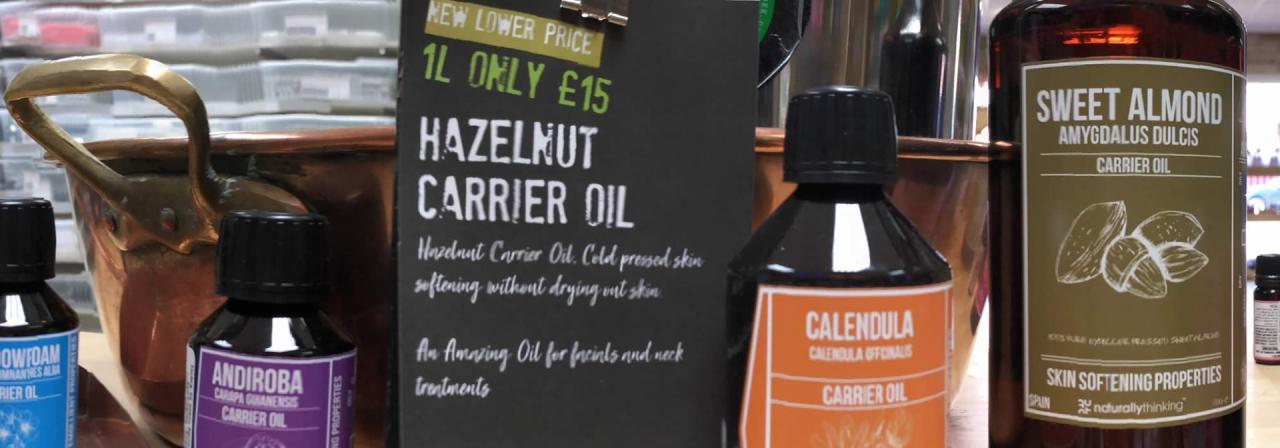
Carrier oils are not just beneficial for their use in diluting essential oils; they also pack a punch when it comes to nutritional value. Many common carrier oils are derived from seeds, nuts, and fruits and contain a variety of fatty acids, vitamins, and antioxidants that contribute to overall health. Exploring the nutritional profiles of these oils can provide insight into how they can be incorporated into a balanced diet.
The nutritional profiles of carrier oils vary significantly, offering different health benefits depending on their composition. For instance, oils like olive and avocado are rich in monounsaturated fats, which are known to support heart health. Other oils, such as coconut oil, contain medium-chain triglycerides (MCTs) that are easily metabolized for energy. Each type of carrier oil can play a unique role in enhancing both skin health and overall wellness due to the presence of essential fatty acids like omega-3, omega-6, and omega-9.
Health Benefits of Key Fatty Acids in Carrier Oils
Understanding the role of specific fatty acids in carrier oils reveals their contributions to skincare and health. The following oils are commonly recognized for their superior fatty acid profiles and the associated benefits:
- Argan Oil: Rich in oleic and linoleic acids, argan oil helps to hydrate skin and reduce inflammation. It is also packed with vitamin E, which promotes skin elasticity.
- Flaxseed Oil: Contains a high concentration of alpha-linolenic acid (ALA), an omega-3 fatty acid known for its anti-inflammatory properties and benefits for heart health.
- Hemp Seed Oil: Features a perfect omega-6 to omega-3 ratio, which supports skin health and helps manage conditions like eczema and psoriasis.
- Jojoba Oil: Mimics the skin’s natural oils and is excellent for moisturizing without clogging pores. Its fatty acid composition helps maintain the skin’s barrier.
Incorporating carrier oils into your diet can enhance your nutritional intake and provide health benefits. Here are some practical ways to add them to your meals:
- Salad Dressings: Use olive oil or hemp seed oil as a base for homemade salad dressings. Combine with vinegar, herbs, and spices for a nutritious dressing.
- Smoothies: Add a tablespoon of flaxseed oil or avocado oil to your morning smoothie for a dose of healthy fats.
- Baking: Substitute butter or other fats in baking recipes with coconut oil for a unique flavor and a boost of medium-chain triglycerides.
- Cooking: Use oils like grapeseed oil or avocado oil for sautéing and frying due to their high smoke points and health benefits.
Incorporating these carrier oils into your diet not only enhances flavors but also contributes to a healthier lifestyle.
The Historical Uses of Carrier Oils in Different Cultures
Carrier oils have been a significant part of human history, woven into the practices and traditions of various cultures around the globe. From ancient civilizations to modern societies, these oils have served multiple purposes, ranging from medicinal applications to ritualistic uses. Their versatility and beneficial properties have made them staples in personal care, cooking, and spiritual practices throughout time.
The traditional uses of carrier oils can be traced back to several cultures, each integrating them into their daily lives and rituals. Historically, these oils were not only valued for their ability to dilute and enhance the effects of essential oils but also for their individual therapeutic properties. The knowledge of their benefits was often passed down through generations, leading to an evolving understanding of their roles in contemporary practices influenced by historical significance.
Traditional Uses Across Cultures
Carrier oils have played crucial roles in various cultural rituals and practices. Here are some notable examples illustrating their significance:
- Olive Oil in Mediterranean Cultures: In ancient Greece and Rome, olive oil was not just a staple in cooking but also a vital component in religious ceremonies and athletic events. Athletes were anointed with olive oil before competitions, signifying its importance in promoting strength and health.
- Coconut Oil in South Asian Cultures: Cultures in India and Southeast Asia have utilized coconut oil for centuries in cooking, hair care, and traditional medicine. It is often used in Ayurvedic practices, believed to balance body energies and enhance skin health.
- Jojoba Oil in Native American Traditions: Indigenous tribes in the Americas have used jojoba oil for its moisturizing and healing properties. The oil is applied to the skin to treat various ailments and is also used in rituals celebrating the changing seasons.
- Sesame Oil in Asian Practices: In Chinese and Indian cultures, sesame oil is widely recognized for its health benefits and culinary uses. It is also an essential part of traditional massage therapies, promoting relaxation and muscle relief.
- Sunflower Oil in European Folk Practices: Historically, sunflower oil has been used in Europe for cooking and as a base for herbal infusions. Its vibrant association with the sunflower plant made it a symbol of happiness and positivity in various folk traditions.
The roles of carrier oils have evolved in modern practices, drawing heavily from their historical context. Today, they serve as foundational elements in aromatherapy, skincare, and holistic health, reflecting the ancient wisdom that recognized their potent benefits. By blending traditional knowledge with contemporary applications, the legacy of carrier oils continues to thrive, proving their timeless relevance in enhancing well-being and enriching cultural practices.
DIY Recipes Using Carrier Oils for Skincare
Creating your own skincare products at home can be both fun and rewarding. By utilizing carrier oils, you can craft a variety of nourishing recipes tailored to your skin’s needs. Carrier oils serve as a base for essential oils and other active ingredients, allowing your skin to benefit from their unique properties. This collection of DIY recipes showcases how to harness the power of different carrier oils for effective skincare solutions.
The following recipes not only highlight the versatility of carrier oils but also offer insights into the benefits of each ingredient. Each recipe can be adjusted to accommodate various skin types and preferences, ensuring that everyone can enjoy a personalized skincare experience.
Moisturizing Face Oil
This simple yet effective face oil is perfect for providing deep hydration. The combination of jojoba oil and sweet almond oil creates a lightweight blend that absorbs quickly into the skin.
- Jojoba Oil: Mimics the skin’s natural sebum, making it suitable for all skin types, particularly oily and acne-prone skin.
- Sweet Almond Oil: Rich in vitamins A and E, it helps to soothe and nourish dry skin, promoting a healthy glow.
To create this blend, mix equal parts jojoba oil and sweet almond oil in a small dropper bottle. Shake well before each use and apply a few drops to clean skin, massaging gently until absorbed.
Soothing Body Butter
This body butter is perfect for dry or sensitive skin, featuring shea butter as the base, complemented by coconut oil and lavender essential oil for added calming properties.
- Shea Butter: Known for its deep moisturizing qualities, it helps to repair and protect the skin barrier.
- Coconut Oil: Acts as an antibacterial agent and provides intense hydration.
- Lavender Essential Oil: Offers a gentle, soothing scent while promoting relaxation and skin healing.
Melt 1/2 cup of shea butter and 1/4 cup of coconut oil in a double boiler until fully combined. Remove from heat and allow to cool slightly before adding 10 drops of lavender essential oil. Whip the mixture until fluffy and store it in an airtight container.
Exfoliating Scrub
A nourishing scrub can help to remove dead skin cells while hydrating the skin. This recipe combines olive oil and brown sugar for a gentle yet effective exfoliation.
- Olive Oil: High in antioxidants, it moisturizes the skin and provides anti-inflammatory benefits.
- Brown Sugar: Acts as a natural exfoliant, removing dead skin without causing irritation.
Combine 1/2 cup of brown sugar with 1/4 cup of olive oil in a bowl. Mix until it forms a paste, then apply it to damp skin in circular motions. Rinse thoroughly with warm water to reveal smooth, refreshed skin.
Customizing Your DIY Recipes
Customization is key when creating your own skincare products. Here are some tips for tailoring these recipes to your specific skin type:
- For Oily Skin: Use lighter oils like grapeseed or jojoba oil, and add essential oils like tea tree or rosemary for their antibacterial properties.
- For Dry Skin: Incorporate heavier oils such as avocado or coconut oil, and consider adding vitamin E oil for extra nourishment.
- For Sensitive Skin: Stick to gentle oils like sweet almond or chamomile oil, and avoid strong fragrances.
Remember to perform a patch test with any new ingredients to ensure they won’t irritate your skin. By taking the time to customize these recipes, you’ll create products that cater to your unique skincare needs.
The Environmental Impact of Carrier Oil Production
Carrier oils, essential in the world of aromatherapy and natural skin care, often come with an ecological footprint that deserves attention. Their production involves various agricultural and extraction methods that can significantly affect the environment. Understanding these impacts is crucial for consumers and producers alike, as it informs choices towards a more sustainable future.
The cultivation and extraction of carrier oils raise several ecological considerations. Many carrier oils, such as coconut, olive, and almond, require extensive land and water use, leading to potential deforestation, habitat destruction, and soil degradation. For instance, the rapid expansion of coconut plantations has been linked to the loss of biodiversity in tropical regions. Additionally, the use of pesticides and fertilizers in conventional farming practices can result in soil and water pollution, affecting local ecosystems.
Sustainable Practices in Carrier Oil Production
Adopting sustainable practices in the production of carrier oils is essential for mitigating environmental impacts. Here are several strategies that can be implemented:
- Organic Farming: Utilizing organic farming techniques eliminates harmful pesticides and fertilizers, promoting healthier ecosystems and reducing chemical runoff.
- Agroforestry: Integrating trees and shrubs into agricultural landscapes can enhance biodiversity, improve soil health, and provide additional income sources for farmers.
- Water Conservation: Implementing efficient irrigation systems and rainwater harvesting can significantly reduce water usage in oil production, preserving vital water resources.
- Fair Trade Practices: Supporting fair trade initiatives ensures that producers receive fair compensation while also adhering to environmentally friendly practices.
- Local Sourcing: Sourcing oils locally can reduce carbon footprints associated with transportation, while also supporting local economies and communities.
Several potential environmental issues are linked to the sourcing of popular carrier oils. For example, the demand for palm oil, which is often used as a carrier oil, has led to extensive deforestation in Southeast Asia, threatening endangered species like orangutans and tigers. Similarly, the almond industry in California consumes massive amounts of water, exacerbating water scarcity issues in the region.
“Shifting towards sustainable production methods not only benefits the environment but also enhances the quality and appeal of carrier oils to eco-conscious consumers.”
By being aware of these environmental impacts and advocating for sustainable practices, both producers and consumers can contribute to the preservation of our planet. Making informed choices in the carrier oil market not only helps protect ecosystems but also promotes a healthier and more sustainable future for all.
Common Misconceptions About Carrier Oils
Carrier oils play a crucial role in the world of aromatherapy, skincare, and holistic health. However, several misconceptions have emerged surrounding their use and benefits. Understanding these myths is essential for anyone looking to utilize carrier oils effectively and safely. Misinformation can lead to ineffective practices and dissatisfaction with natural remedies, highlighting the need for accurate and reliable information in their marketing.
Misconceptions Surrounding Carrier Oils
Several myths persist regarding carrier oils that can mislead consumers. It is vital to clarify these misconceptions to ensure that users can make informed decisions. Below are some of the most common myths about carrier oils:
- All carrier oils are the same: This is a widespread belief that overlooks the unique properties of each oil. For instance, jojoba oil closely resembles human sebum, making it ideal for oily skin, while coconut oil is more suitable for dry skin due to its moisturizing properties.
- Carrier oils do not have therapeutic benefits: Contrary to this myth, many carrier oils possess their own health benefits. For example, argan oil is rich in antioxidants and can improve skin elasticity, while sweet almond oil is known for its anti-inflammatory properties.
- Carrier oils can be used interchangeably: While some carrier oils may share similar benefits, not all oils are compatible with every application. For example, using olive oil in a massage blend may not provide the same therapeutic effects as using grapeseed oil, which absorbs quickly into the skin.
- Carrier oils are only for diluting essential oils: While the primary role of carrier oils is indeed to dilute essential oils for safe topical application, they can also be used alone for skincare or haircare purposes, enhancing hydration and nourishment.
“Misinformation can lead to ineffective practices and dissatisfaction with natural remedies.”
Accurate information is crucial in the marketing of carrier oils. Misleading claims can result in consumer disillusionment and skepticism regarding natural products. Companies that prioritize transparency and provide evidence-based insights about their products can build trust and foster a more knowledgeable consumer base. It is essential to rely on scientific studies and expert opinions rather than anecdotal evidence when evaluating the efficacy and safety of various carrier oils.
In summary, dispelling the myths surrounding carrier oils allows for a better understanding of their uses and benefits. By arming consumers with accurate information, they can make informed decisions about which carrier oils to incorporate into their wellness routines, maximizing their potential for holistic health.
The Interactions Between Carrier Oils and Essential Oils
The combination of carrier oils and essential oils is a cornerstone of aromatherapy and holistic wellness. Understanding how these oils interact can enhance their effectiveness and maximize benefits. The chemical profiles of carrier oils can significantly influence the absorption and efficacy of essential oils, shaping the outcomes of various applications.
The chemical compositions of carrier oils, which include fatty acids, vitamins, and antioxidants, play a crucial role in how essential oils perform when blended. Carrier oils act as diluents, enabling essential oils to be safely applied to the skin while enhancing their absorption. The unique properties of each carrier oil can either amplify or diminish the effects of the essential oils, depending on their compatibility. For instance, oils rich in linoleic acid, like grapeseed oil, may help deliver essential oils deeply into the skin, while heavier oils, such as coconut oil, can create an occlusive barrier that retains moisture.
Optimal Mixing Practices for Carrier Oils and Essential Oils
To achieve the best results when combining carrier oils with essential oils, certain practices should be observed. These practices ensure that the therapeutic properties of essential oils are effectively preserved and enhanced.
When mixing, consider the following guidelines:
- Dilution Ratios: Generally, a safe dilution is 2-3 drops of essential oil per teaspoon of carrier oil for topical applications. This ratio helps prevent skin irritation while ensuring the oils remain effective.
- Quality of Oils: Always use high-quality, pure oils to maximize benefits. Low-quality oils may contain impurities that can alter the efficacy of essential oils.
- Testing for Sensitivity: Conduct a patch test before using a new blend on larger skin areas. This precaution helps identify any allergic reactions or sensitivities.
- Storage Conditions: Store your blended oils in dark glass bottles to protect them from light and heat, which can degrade their quality over time.
Examples of successful combinations illustrate the practical benefits of these interactions. For instance, mixing lavender essential oil with sweet almond oil can promote relaxation and skin hydration, making it perfect for massage therapy. Another effective combination is peppermint essential oil with fractionated coconut oil, which can provide a cooling sensation and alleviate headaches when applied to the temples. Each blend’s effectiveness is enhanced by the characteristics of the carrier oil used, illustrating the importance of careful selection and preparation.
“The synergy achieved between carrier oils and essential oils can significantly elevate the overall wellness experience.”
In conclusion, understanding the interactions between carrier oils and essential oils allows for informed choices in blending. This knowledge not only enhances the therapeutic effects of essential oils but also ensures safe and effective application in various holistic practices.
Innovations in Carrier Oil Formulations
The realm of carrier oils is evolving, influenced by advancements in technology and a growing understanding of their benefits. Innovations in production techniques and formulation methods are not only enhancing the quality of carrier oils but also broadening their applications in skincare, aromatherapy, and wellness. As consumers become more conscious about ingredients, the demand for high-quality, sustainable carrier oils has surged, leading to exciting developments in this field.
Emerging technologies have significantly improved the extraction processes, ensuring that the beneficial properties of the oils are retained while minimizing waste. Techniques such as cold pressing, supercritical CO2 extraction, and molecular distillation are becoming more mainstream, allowing for the production of purer and more potent carrier oils. Furthermore, advancements in bioengineering are paving the way for genetically modified crops specifically tailored for oil extraction, enhancing yield and quality.
Current Trends in Carrier Oil Blends
Innovative blends of carrier oils are gaining traction in the market, as formulators experiment with combinations that enhance performance and deliver unique benefits. The following trends highlight some of the most notable formulations currently popular among consumers:
- Multi-functional Carrier Oils: Blends that combine multiple carrier oils to address various skin concerns are increasingly sought after. For example, a mix of jojoba oil and argan oil can provide a rich source of hydration while balancing oil production.
- Infused Oils: The infusion of carrier oils with botanicals such as chamomile, calendula, or lavender is becoming common. These infused oils not only carry the benefits of the carrier but also impart additional therapeutic properties, enhancing their appeal for holistic wellness.
- CBD-Infused Carrier Oils: With the rise of CBD’s popularity, blends that incorporate CBD oil with traditional carrier oils like coconut or hemp seed oil are emerging. These combinations are marketed for their anti-inflammatory and soothing properties, catering to a health-conscious audience.
- Sustainable and Organic Blends: As consumers prioritize sustainability, formulations utilizing organic and ethically sourced carrier oils are on the rise. For instance, blends featuring marula oil and baobab oil from Africa are gaining attention for their skin-nourishing properties and sustainable harvesting practices.
The innovation in carrier oil formulations reflects a growing trend towards customization and personalization in the beauty and wellness industries. As more consumers seek tailored solutions for their specific needs, the market will continue to evolve, driven by creativity and scientific advancements.
Last Recap
In summary, the exploration of carrier oils reveals their multifaceted roles in enhancing the efficacy of essential oils, nourishing the skin, and contributing to holistic wellness. By understanding the various types and their applications, you can harness the full potential of these oils, enriching your aromatherapy practices and daily life.
FAQs
What are carrier oils used for?
Carrier oils are used to dilute essential oils for safe application on the skin, providing a medium to enhance absorption and efficacy.
Can I use any oil as a carrier oil?
Not all oils can be used as carrier oils; it is best to choose those that are safe for skin application, such as jojoba, almond, or coconut oil.
How do I choose the right carrier oil?
Consider factors such as skin type, desired benefits, and the properties of the oil when selecting the right carrier oil for your needs.
Are there any allergies to carrier oils?
Yes, some individuals may be allergic to certain carrier oils, so it’s important to perform a patch test before widespread use.
Can carrier oils expire?
Yes, carrier oils can spoil; check for changes in smell, texture, or color, and store them properly to extend their shelf life.