
 Penelope Hailey
Basil oil, a cherished essence derived from the timeless basil plant, carries with it a rich legacy that spans cultures and centuries. Known for its aromatic properties and health benefits, this versatile oil has played a significant role in traditional medicine, culinary delights, and holistic practices. From ancient healing rituals to modern culinary applications, basil oil continues to captivate our senses and well-being.
As we delve into the fascinating world of basil oil, we explore its historical significance, extraction techniques, chemical properties, and various uses in cooking and aromatherapy. Each aspect unveils how this remarkable oil not only enhances our meals but also supports our emotional and physical health.
The historical significance of basil oil in traditional medicine
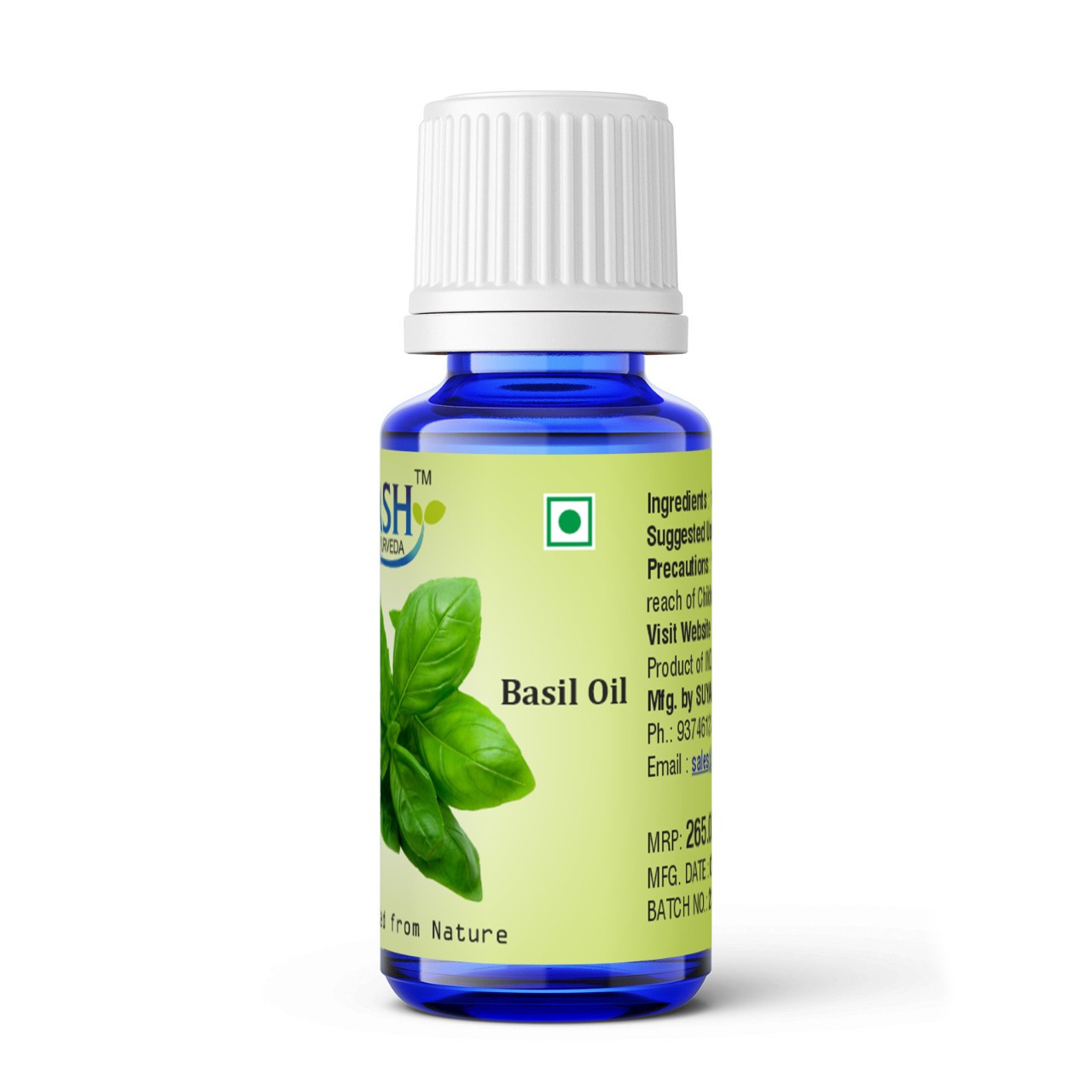
Basil oil, derived from the leaves of the basil plant (Ocimum basilicum), has been revered across various cultures for centuries. Its historical significance in traditional medicine highlights its role not just as a culinary herb but as a vital component of healing practices, rituals, and daily life. Originating from regions in Southeast Asia and India, basil’s aromatic qualities and therapeutic benefits were recognized early on, making it a staple in various ancient civilizations.
Ancient texts and records reveal that basil oil was utilized in traditional medicine due to its numerous health benefits, including antimicrobial, anti-inflammatory, and antioxidant properties. In Ayurveda, the traditional system of medicine in India, basil is considered a sacred herb, known as “Tulsi.” It was often used to treat respiratory disorders, digestive problems, and skin conditions. The Egyptians used basil in their embalming processes, viewing it as a protector of the body in the afterlife. The Greeks and Romans also incorporated basil into their daily lives, using it in various medicinal concoctions and rituals to promote health and wellbeing.
Historical Uses in Various Cultures
Basil has been integrated into the healing practices of numerous civilizations throughout history. Its versatility and potent properties made it a preferred choice in many traditional medicinal systems. Below are some key historical uses of basil oil across different cultures:
- Ayurvedic Medicine: In Ayurveda, basil oil is celebrated for its adaptogenic qualities, supporting the body’s natural response to stress and promoting overall wellness. It is often transformed into herbal teas, tinctures, and oils for enhanced therapeutic effects.
- Ancient Egypt: Egyptians utilized basil oil for its preservative properties in the mummification process, believing it offered protection against decay and evil spirits. Additionally, it was used in various medicinal applications to treat ailments.
- Greek and Roman Traditions: The Greeks and Romans regarded basil as a symbol of love and fertility, often integrating it into rituals and recipes. Medicinally, it was used for its digestive and anti-inflammatory benefits, often combined with other herbs to enhance effects.
- Traditional Chinese Medicine: In Chinese culture, basil was used to improve circulation and digestion. It was often included in herbal formulas aimed at balancing the body’s energies.
“Basil oil’s historical significance reflects its deep-rooted presence in the healing traditions of ancient societies, showcasing its diverse applications spanning from culinary to medicinal.”
Throughout history, basil oil has maintained its relevance in wellness practices, illustrating how ancient beliefs and knowledge continue to influence modern holistic approaches to health.
The extraction methods of basil oil and their impact on quality
Basil oil, known for its aromatic and therapeutic properties, is derived from the leaves of the basil plant (Ocimum basilicum). The quality of the oil significantly depends on the extraction method employed, as each technique can influence the composition of the oil, its fragrance, and its medicinal benefits. Understanding these extraction methods is essential for those interested in maximizing the quality of basil oil for culinary, therapeutic, and cosmetic applications.
Several methods are commonly used to extract basil oil, each with its unique impact on the final product. The primary extraction methods include steam distillation, cold pressing, and solvent extraction. Each method varies in terms of efficiency, quality, and the preservation of the oil’s essential properties.
Extraction Methods of Basil Oil
The extraction methods employed in obtaining basil oil play a crucial role in determining its quality and characteristics. Here is a brief overview of the most prevalent methods:
- Steam Distillation: This is the most widely used method for extracting basil oil. In this process, steam is passed through the plant material, causing the essential oils to evaporate. The steam and oil vapors are then cooled, and the oil is separated from the water. This method is known for producing a high-quality oil with a rich aroma, preserving most of the therapeutic properties of basil.
- Cold Pressing: Primarily used for citrus oils, cold pressing involves mechanically pressing the plant material to extract the oil without heat. While basil oil can be extracted this way, it is less common. Cold pressing typically yields a fresher aroma but may result in lower quantities of oil and possibly reduced therapeutic qualities compared to steam distillation.
- Solvent Extraction: This method uses a solvent, such as hexane, to dissolve the essential oils from the plant material. The solvent is then evaporated, leaving behind the oil. While this technique can extract a larger quantity of oil, it may compromise the quality by leaving chemical residues and altering the oil’s natural fragrance and properties.
The efficiency and quality differences between steam distillation and cold pressing are noteworthy. Steam distillation is the preferred method for basil oil due to its ability to produce a concentrated oil that retains the aromatic compounds and therapeutic properties characteristic of basil. In contrast, while cold pressing may yield a fragrant oil, it often lacks the depth of aroma and the spectrum of beneficial properties found in steam-distilled basil oil.
The extraction techniques significantly influence the oil’s aroma and therapeutic properties. The delicate balance of chemical constituents in basil oil is best preserved through gentle extraction methods like steam distillation. This method ensures that the oil maintains its antimicrobial, anti-inflammatory, and antioxidant properties, essential for both health and wellness applications. On the other hand, oils produced through more aggressive methods, such as solvent extraction, might have altered aromas and reduced effectiveness due to the presence of residual solvents or the degradation of sensitive compounds.
In conclusion, the choice of extraction method for basil oil is crucial in determining the quality, aroma, and therapeutic efficacy of the final product. Steam distillation remains the gold standard for producing high-quality basil oil, while cold pressing and solvent extraction methods each have their own advantages and limitations. Understanding these differences can guide consumers and manufacturers alike in selecting the best method for their needs.
The chemical composition of basil oil and its potential health benefits
Basil oil, derived from the leaves of the Ocimum basilicum plant, is renowned for its aromatic properties and numerous health benefits. The essential oil is rich in various chemical compounds that contribute to its therapeutic effects, making it a valuable resource in aromatherapy, traditional medicine, and culinary practices.
The primary constituents of basil oil include eugenol, linalool, and methyl chavicol, each playing a significant role in the oil’s characteristics and benefits. Understanding these compounds can shed light on the oil’s potential health advantages.
Key Chemical Constituents and Their Functions
Basil oil contains a variety of chemical constituents that are responsible for its unique aroma and therapeutic properties. The following are some of the most significant compounds present in basil oil:
- Eugenol: This compound has anti-inflammatory, analgesic, and antibacterial properties. Eugenol can help reduce pain and inflammation, making it useful for treating conditions like arthritis or muscle soreness.
- Linalool: Known for its calming effects, linalool acts as an antidepressant and has been linked to reduced anxiety symptoms. It also has antimicrobial properties, aiding in the defense against infections.
- Methyl Chavicol: This compound possesses anti-inflammatory and antioxidant properties, contributing to overall health by reducing oxidative stress in the body.
- Camphor: Recognized for its ability to relieve respiratory issues, camphor can be beneficial in treating colds, coughs, and bronchitis due to its expectorant qualities.
- Beta-caryophyllene: This compound acts as a natural anti-inflammatory agent and has potential analgesic effects, making it useful in pain relief formulations.
The interaction of these compounds contributes to the overall therapeutic potential of basil oil, making it a versatile addition to health and wellness regimes.
Potential Therapeutic Benefits of Basil Oil
The therapeutic effects of basil oil have been widely studied, particularly focusing on its impact on physical and mental health. The following points summarize some of the notable benefits attributed to its chemical constituents:
- Stress Reduction: A study published in the Journal of Essential Oil Research highlighted that inhalation of basil oil significantly reduced stress levels among participants, suggesting its efficacy as an aromatherapy agent.
- Antimicrobial Activity: Research has demonstrated that basil oil exhibits strong antibacterial and antifungal properties. A study in the African Journal of Microbiology Research found that it effectively inhibited the growth of various pathogens, including E. coli and Staphylococcus aureus.
- Digestive Health: Basil oil can aid in digestion by helping to alleviate symptoms of indigestion and bloating. A clinical study revealed that its carminative properties could reduce digestive complaints.
- Anti-inflammatory Effects: Multiple studies have indicated that the eugenol content in basil oil can lower inflammation markers in the body, which may be beneficial for individuals suffering from chronic inflammatory diseases.
- Respiratory Benefits: The presence of camphor in basil oil provides relief from respiratory ailments. Inhalation can help clear respiratory congestion and ease symptoms of asthma.
Research findings consistently support the health benefits attributed to basil oil, making it a promising natural remedy for various ailments. Its bioactive compounds play a key role in promoting health and wellness, underscoring the significance of this essential oil in holistic health practices.
The culinary uses of basil oil and its flavor profile
Basil oil is a versatile ingredient prized in various culinary traditions for its unique flavor and aromatic qualities. Known for its sweet, slightly peppery notes, basil oil can elevate a range of dishes, enhancing both taste and presentation. Its concentrated nature allows it to impart a delightful aroma and flavor without overwhelming the other ingredients in a dish.
Basil oil enhances the flavor of foods and beverages by infusing them with its aromatic profile, which includes hints of mint, clove, and anise. This complex flavor profile makes it an excellent addition to a variety of dishes, from salads to sauces. When used sparingly, basil oil can transform simple preparations into gourmet experiences, offering a fresh burst of flavor that resonates with the palate.
Popular dishes and cuisines using basil oil
Several cuisines around the world prominently feature basil oil, showcasing its versatility and appealing taste. Here are a few examples of dishes and culinary applications where basil oil shines:
- Pesto: A classic Italian sauce made with fresh basil, garlic, pine nuts, Parmesan cheese, and olive oil. Basil oil can be used to enhance the flavor profile of traditional pesto, creating a more intense basil experience.
- Caprese Salad: A refreshing combination of fresh mozzarella, tomatoes, and basil. Drizzling basil oil over the salad adds depth to the dish and complements the creaminess of the cheese.
- Bruschetta: Toasted bread topped with a mixture of diced tomatoes, garlic, and herbs. Incorporating basil oil into the topping can amplify its flavor.
- Grilled Vegetables: A medley of seasonal vegetables can be brushed with basil oil before grilling, enhancing their natural sweetness and adding a delightful aromatic layer.
- Pasta Dishes: Basil oil can serve as a finishing touch on pasta dishes, particularly those with light sauces. Its infusion provides a fragrant backdrop that perfectly complements the dish.
Comparison of culinary applications: basil oil, fresh basil, and dried basil
When considering the use of basil oil, it’s essential to compare it with fresh and dried basil, as each form brings a unique set of characteristics to culinary applications.
Basil oil is concentrated and has a potent flavor, making it ideal for infusing oils, marinades, and dressings where a strong basil presence is desired. In contrast, fresh basil provides a vibrant, bright flavor and a pleasing texture that can enhance the presentation of dishes. Fresh basil is often used as a garnish or in salads due to its appealing look and aromatic qualities. Dried basil, while convenient, tends to lose some of the fresh herb’s aromatic compounds, resulting in a more subdued flavor. It is often utilized in cooking processes that require longer cooking times, as the flavors will have time to develop.
Basil oil offers a concentrated burst of flavor, while fresh basil adds a vibrant touch, and dried basil provides convenience with a milder flavor.
In summary, basil oil excels in applications needing a robust flavor infusion, while fresh and dried basil serve their purposes in enhancing texture and flavor in different ways. Understanding these differences allows chefs and home cooks alike to choose the right form of basil for their culinary creations.
The role of basil oil in aromatherapy and emotional well-being
Basil oil, derived from the leaves of the Ocimum basilicum plant, is renowned for its therapeutic properties in aromatherapy. Its unique blend of compounds contributes to a variety of health benefits, making it a favored choice for both practitioners and enthusiasts. In the realm of emotional well-being, basil oil stands out for its ability to uplift the spirit, enhance mood, and reduce feelings of stress and anxiety.
The therapeutic properties of basil oil make it an effective tool in aromatherapy practices. Its chemical composition includes eugenol, linalool, and other potent compounds that have been shown to possess calming and mood-enhancing effects. When diffused into the air or used in massage oils, basil oil can create a serene environment, which encourages relaxation and emotional balance. The refreshing scent of basil oil stimulates the mind, helping to clear mental fog and promote clarity, which is essential for emotional health.
Essential oil blends including basil oil for emotional balance
Creating effective blends with basil oil can enhance its emotional benefits, making them a powerful addition to any aromatherapy practice. Below are some essential oil blends that incorporate basil oil for emotional balance:
- Basil and Lavender Blend: Combine 3 drops of basil oil with 2 drops of lavender oil. This blend promotes relaxation while alleviating feelings of anxiety, creating a calming atmosphere perfect for stress relief.
- Basil and Bergamot Blend: Mix 4 drops of basil oil with 3 drops of bergamot oil. This uplifting combination enhances mood and fosters a sense of well-being while balancing emotions.
- Basil and Peppermint Blend: Blend 3 drops of basil oil with 2 drops of peppermint oil. This invigorating mix can help clear the mind and boost energy levels, making it ideal for moments of fatigue or mental sluggishness.
Incorporating these blends into your daily routine, whether through diffusion, topical application, or bath rituals, can significantly improve emotional well-being. The refreshing scent of basil oil paired with other essential oils creates a harmonious balance that supports mental clarity and emotional stability.
“Basil oil not only enhances mood but also acts as a natural stress reliever, making it essential for emotional well-being.”
Safety considerations and potential side effects of using basil oil
Using basil oil can offer various benefits, but it is crucial to be aware of safety considerations and potential side effects that might arise from its use. Proper knowledge will help ensure that you can enjoy the advantages of this essential oil without encountering adverse effects.
Basil oil, derived from the leaves of the Ocimum basilicum plant, is known for its uplifting aroma and therapeutic properties. However, as with any essential oil, safety guidelines must be adhered to in various applications to minimize risks.
Safety guidelines for using basil oil in different applications
When using basil oil, it is essential to follow specific safety guidelines to ensure its safe application. The following points highlight critical considerations:
- Topical Use: Always dilute basil oil with a carrier oil, such as coconut or jojoba oil, before applying it to the skin. A typical dilution ratio is one drop of basil oil to every teaspoon of carrier oil to prevent skin irritation.
- Aromatherapy: Use basil oil in a diffuser with caution. Ensure the area is well-ventilated, and limit use to a few drops to avoid overwhelming the senses.
- Ingestion: Consult a healthcare professional before ingesting basil oil, as it is potent and can cause digestive disturbances if taken inappropriately.
- Pregnancy and Nursing: Pregnant or nursing women should consult their healthcare provider before using basil oil, as it may have effects on hormonal balance.
Potential allergic reactions and interactions with other substances
Understanding potential allergic reactions and interactions is crucial when using basil oil. Some individuals may experience allergies, leading to skin irritations or respiratory issues.
Always perform a patch test before applying basil oil topically to identify potential allergic reactions.
Certain substances may interact negatively with basil oil. For instance, individuals taking anticoagulant medications should use basil oil cautiously, as it may enhance the effects of these drugs, leading to an increased risk of bleeding.
Importance of dilution and proper usage
Dilution is an essential practice when using essential oils like basil oil. Undiluted essential oils can cause skin burns or irritation. By mixing basil oil with a carrier oil, you not only enhance its safety but also improve its absorption into the skin.
Proper usage also involves understanding your body’s responses. If you notice any adverse effects such as headaches, nausea, or skin irritation, discontinue use immediately.
Using essential oils responsibly ensures you can reap their benefits while minimizing the risk of negative side effects.
In summary, being mindful of safety guidelines, potential allergic reactions, and the importance of dilution will help ensure a safe and enjoyable experience when using basil oil.
The environmental impact of basil oil production and sustainability practices
Basil oil production has gained popularity due to its aromatic properties and potential health benefits. However, its cultivation can significantly affect local ecosystems and biodiversity. Understanding the environmental impact and exploring sustainable farming practices is essential for a balanced approach to production.
Effects of basil oil farming on local ecosystems and biodiversity
The cultivation of basil for oil production can lead to various ecological consequences. Large-scale basil farming often results in habitat destruction, which can threaten local flora and fauna. The transformation of diverse ecosystems into monocultures reduces biodiversity, making the environment more susceptible to pests and diseases. Additionally, chemical inputs used in conventional farming can contaminate soil and water resources, further impairing local ecosystems.
Key environmental impacts include:
- Habitat loss: Conversion of forests or natural landscapes into basil farms displaces native species and disrupts ecological balance.
- Pesticide use: The reliance on chemical pesticides can lead to soil degradation and water pollution, affecting surrounding wildlife.
- Soil degradation: Continuous farming of basil can deplete soil nutrients, reducing its fertility and increasing the need for chemical fertilizers.
Sustainable farming practices in basil oil production
Implementing sustainable farming practices is crucial for minimizing the environmental impact of basil oil production. These practices focus on preserving biodiversity, improving soil health, and reducing chemical inputs. Some effective strategies include:
- Organic farming: Utilizing organic fertilizers and natural pest control methods promotes a healthier ecosystem and protects biodiversity.
- Crop rotation: Rotating basil with other crops can enhance soil fertility and reduce pest populations, preventing monoculture issues.
- Agroforestry: Integrating basil cultivation with tree planting can create habitats for wildlife and improve soil structure and health.
Environmental footprint comparison of basil oil with other essential oils
Comparing the environmental footprint of basil oil with other essential oils helps illustrate the ecological consequences of different production methods. Basil oil generally has a lighter environmental impact than some other essential oils due to its lower water usage and ability to thrive in diverse soils. However, practices such as monoculture in basil farming can still lead to significant ecological damage, particularly when compared to sustainably produced oils like lavender or tea tree.
Important points of comparison include:
- Water usage: Basil oil production typically requires less water than oils like jasmine or rose, making it a more water-efficient crop.
- Land use: While basil can be grown in various environments, oils such as sandalwood require specific soils and conditions, often leading to deforestation.
- Biodiversity impact: Oils derived from wild-harvested plants, like frankincense, can sometimes contribute to conserving biodiversity compared to mass-produced basil oil.
“Sustainable practices in basil oil production not only protect the environment but also ensure the longevity of the industry and the health of future generations.”
Closing Summary
In conclusion, basil oil stands out as more than just a flavorful ingredient; it embodies a blend of history, nature, and well-being. Whether used in a recipe, enjoyed in aromatherapy, or appreciated for its health benefits, basil oil offers a unique experience that connects us to traditions while enriching our modern lives. Embracing this oil can lead to a deeper appreciation of its various roles, inspiring us to incorporate its goodness into our daily routines.
User Queries
What are the different uses of basil oil?
Basil oil is used in cooking, aromatherapy, and natural remedies, enhancing flavor, promoting relaxation, and supporting overall health.
Can basil oil be ingested safely?
Yes, but it should be diluted appropriately and used in moderation, as concentrated essential oils can be potent.
Is basil oil suitable for all skin types?
Basil oil may not be suitable for sensitive skin; it is recommended to conduct a patch test before applying it topically.
How should basil oil be stored?
Basil oil should be stored in a cool, dark place in a tightly sealed container to maintain its potency and aroma.
Are there any contraindications for using basil oil?
Pregnant women and individuals with certain health conditions should consult a healthcare professional before using basil oil.