
 Penelope Hailey
Attar, a fragrant essence steeped in history, invites us into a realm where ancient traditions meet modern sensibilities. This unique perfume has transcended time and culture, weaving its way through rituals, art, and personal expression across the globe. From its origins on ancient trade routes to its therapeutic benefits in today’s aromatherapy practices, Attar remains a symbol of identity and connection, capturing the senses in ways that resonate deeply with our memories and emotions.
As we explore the rich tapestry of Attar, we will uncover its historical significance, the meticulous processes involved in its creation, and the cultural impacts it has had on various societies. Delving into its modern-day market and environmental considerations, we aim to appreciate Attar not just as a fragrance but as an enduring part of human experience and well-being.
The historical significance of Attar in ancient cultures
Attar, or natural perfume, has a rich and fascinating history that spans various ancient civilizations. Originating from the Arabic word “itr,” attar has been an integral part of social and cultural practices throughout history. Its significance extends beyond mere fragrance, playing a vital role in trade, rituals, and daily lives of people in ancient cultures.
The origins of Attar date back thousands of years, primarily in the regions of the Middle East and South Asia, where it was traded along famous routes like the Silk Road. This trade facilitated the flow of not only goods but also cultural exchanges, allowing the art of perfume-making to flourish. Different civilizations infused their unique traditions into the production and usage of attar, further enhancing its value.
Attar in Rituals and Daily Life
Attar was not just an aromatic substance but a sacred element in various rituals and daily practices. Ancient Egyptians, for instance, used it in religious ceremonies, believing it facilitated communication with the gods. The art of perfume-making was highly regarded, with practitioners often dedicating their lives to the craft.
The use of attar can be traced in several ancient texts and artifacts. Notable examples include:
-
The Ebers Papyrus (circa 1550 BCE):
This ancient Egyptian medical text references various scented oils and attars used for therapeutic purposes, indicating their importance in health and wellness.
-
Perfume Bottles from the Tomb of Tutankhamun:
Discovered in 1922, these artifacts contained residues of attar, showcasing how integral fragrances were to burial rites and the afterlife.
-
References in Persian Poetry:
Works by poets like Rumi and Hafez mention attar, illustrating its deep-rooted presence in cultural expressions and literary traditions.
-
Aristotle’s Writings:
The philosopher discussed the significance of fragrances in his works, indicating that even in ancient Greece, attar played a role in social and philosophical contexts.
Through these texts and artifacts, we can see how attar transcended its role as a mere scent, becoming a significant cultural and spiritual component in ancient societies. Its legacy continues to influence modern perfumery and cultural practices around the world.
The process of making Attar and its ingredients
Attar, also known as ittars, is a traditional perfume derived from natural sources. The art of creating attar is steeped in history, combining age-old techniques with a selection of fragrant ingredients. This process not only reflects cultural heritage but also highlights the importance of natural elements in perfumery.
The traditional methods of distillation for attar focus on extracting aromatic compounds from flowers, herbs, and spices without the use of alcohol. This makes attar a popular choice for those seeking natural fragrances. The key ingredients used in attar production are often sourced from various parts of the world, each bringing unique scents and characteristics to the final product.
Traditional and Modern Distillation Methods
The distillation of attar involves several intricate methods that can be categorized as traditional and modern. Understanding these methods is essential for appreciating the craftsmanship behind attar.
Traditional methods typically involve the following steps:
- Harvesting: Fresh flowers, herbs, or spices are handpicked at the right time, usually early in the morning when their aromatic properties are at their peak.
- Steam Distillation: The picked materials are placed in a still over water. As the water is heated, steam passes through the botanicals, carrying essential oils with it.
- Condensation: The steam enters a cooling chamber, where it condenses back into liquid form, separating the water from the essential oils.
- Separation: The oil and water are collected in different containers, with the oil being the desired product for attar.
- Aging: The extracted oil is often aged in wooden barrels, allowing the fragrance to develop and mature over time.
Modern methods can include the use of more advanced equipment, such as vacuum distillation, which operates at lower temperatures to preserve the delicate fragrance profiles. However, many artisans prefer traditional techniques for their authenticity and the rich aromas they produce.
Key Natural Ingredients and Their Sources
The ingredients used in attar production are primarily derived from natural sources, each contributing to the distinctive scent. Here are some of the key ingredients and their origins:
- Rose: Known as one of the most prized ingredients, rose oil is predominantly sourced from the Damask rose (Rosa damascena) cultivated in Turkey, Iran, and Bulgaria.
- Jasmine: Jasmine oil, derived from Jasmine sambac, is typically harvested in India and Indonesia, valued for its sweet and intoxicating aroma.
- Oud: This luxurious ingredient comes from the resin of the Aquilaria tree, primarily found in Southeast Asia, particularly in countries like Bhutan and Thailand.
- Sandalwood: The oil extracted from sandalwood trees is significant in attar for its warm, woody scent, with its major sources being India and Australia.
- Civet: Obtained from the glands of the civet cat, this ingredient adds a musky note and is sourced mainly in Africa and parts of Asia.
Each ingredient plays a vital role in defining the character of the attar. The combination of these natural elements, along with the meticulous distillation process, results in a product that is not only fragrant but also a reflection of cultural traditions and artisanal craftsmanship.
The cultural impact of Attar on various societies
Attar, a fragrant essence derived from flowers, herbs, and spices, plays a significant role in various cultures around the world. Its influence extends beyond mere scent, permeating art, literature, music, and spiritual practices. This exploration delves into the multifaceted impact of Attar on societies, showcasing its importance in cultural expressions and rituals.
Influence on Art, Literature, and Music
Attar has found its way into various artistic expressions, significantly shaping the cultural landscape across different regions. The aromatic essence has inspired countless artists and writers, often symbolizing beauty, love, and spirituality.
Many poets, especially in Persian literature, have incorporated the imagery of Attar into their works, reflecting its significance in their lives. For instance, Rumi and Hafez, two prominent Persian poets, often used the essence as a metaphor for divine love and the pursuit of beauty. Their poems frequently evoke the sensory experience of scent, illustrating how Attar connects the physical and spiritual realms.
In the realm of visual arts, artists have depicted scenes of Attar production and usage, showcasing its integration into daily life and ceremonial practices. Paintings that celebrate the vibrant colors of flowers used in Attar production create a rich tapestry of cultural identity.
Music has also been influenced by the themes surrounding Attar. Many traditional songs and compositions celebrate the beauty and significance of fragrance, often linking it to themes of love and devotion. The melodies resonate with the sensual nature of Attar, enhancing the emotional experience for listeners.
Role in Spiritual and Religious Practices
Attar holds a revered place in various spiritual and religious practices across cultures. Its use in rituals often symbolizes purity, devotion, and connection to the divine.
In Islamic traditions, Attar is frequently used during prayers and worship, believed to enhance spiritual experiences. The act of applying Attar before prayers is commonplace, as it is thought to purify the individual and create an atmosphere conducive to devotion. The fragrance serves as a reminder of the divine presence and the beauty of creation.
In Hinduism, floral Attars are used during pujas (rituals) and festivals, enhancing the spiritual ambiance. The scents are thought to attract divine energies and promote positive vibrations during worship.
The use of Attar in meditation practices is also prevalent, as specific fragrances can aid in achieving a state of calm and focus. Different cultures utilize various scents to align with their spiritual beliefs, reinforcing the universal desire for connection and transcendence.
Significance in Social Gatherings and Celebrations
Attar plays a vital role in social gatherings and celebrations, marking special occasions with its delightful fragrances. Its presence enhances the festive atmosphere, making events more memorable and meaningful.
Weddings across cultures often involve the use of Attar, symbolizing love and commitment. In many Middle Eastern and South Asian weddings, the bride and groom are adorned with floral Attar, which signifies purity and joy. The scent lingers, creating lasting memories associated with the celebration.
Cultural festivals frequently feature Attar as a means of welcoming guests and creating an inviting atmosphere. During events such as Eid, Diwali, and Mela, the use of Attar is customary, elevating the celebratory spirit.
Communal gatherings also feature Attar, fostering connections among participants. Sharing scents can signify hospitality and goodwill, reinforcing social bonds and cultural identity. The act of gifting Attar is a gesture of affection, symbolizing blessings and warmth shared among friends and family.
The therapeutic benefits of Attar and its use in aromatherapy
Attar, a traditional perfume made from natural plant materials, is renowned for its aromatic qualities and therapeutic benefits. This ancient practice of distilling flowers, herbs, and spices into concentrated oils not only delights the senses but also serves as a powerful tool in holistic healing. As an integral part of aromatherapy, Attar harnesses the healing properties of various botanicals to promote physical, emotional, and spiritual well-being.
The health benefits attributed to the use of Attar in holistic healing are diverse. These oils are believed to enhance emotional balance, alleviate stress, and promote relaxation. They can also support immune function and aid in physical healing processes. For instance, certain Attars are known for their antiseptic properties, making them beneficial for skin ailments, while others may assist in respiratory health. The choice of Attar often depends on the specific needs of an individual, as different scents evoke varied responses in the mind and body.
Comparative properties of different types of Attar
Different types of Attar possess unique properties that cater to specific therapeutic needs in aromatherapy. For example:
- Roses Attar: Known for its ability to uplift mood and reduce anxiety, rose oil supports emotional healing and is often used in meditation practices.
- Jasmine Attar: Renowned for its aphrodisiac qualities, jasmine promotes feelings of love and connection while also aiding in emotional stability.
- Sandalwood Attar: This oil has calming properties that can improve focus and clarity, making it a popular choice for mindfulness and concentration practices.
- Oudh Attar: Often used in spiritual rituals, oud is believed to ground the spirit and enhance meditation, fostering a deep sense of peace.
- Lavender Attar: Widely recognized for its soothing qualities, lavender helps to relieve stress and insomnia, aiding in better sleep and relaxation.
The therapeutic effects of these Attars can vary significantly based on the botanical components used. For instance, floral Attars like rose and jasmine tend to focus on emotional healing, while wood-based Attars like sandalwood offer grounding and calming effects.
Common essential oils used in Attar blends and their therapeutic effects
The use of various essential oils in Attar blends enhances their therapeutic profile. The following essential oils are commonly incorporated, each with distinct therapeutic effects:
- Patchouli: This essential oil is known for its grounding properties and ability to alleviate feelings of anxiety and depression.
- Ylang-Ylang: Often used for its uplifting scent, ylang-ylang can help improve mood and promote relaxation.
- Tea Tree: Known for its antiseptic properties, tea tree oil is effective in treating various skin conditions and boosting immune responses.
- Frankincense: This oil is revered for its ability to reduce stress and anxiety while also supporting respiratory health.
- Pine: With its refreshing scent, pine oil promotes clarity of thought and is often used to enhance focus and concentration.
Each of these oils contributes to the overall effectiveness of Attar blends, creating synergistic effects that can improve physical health and emotional well-being.
The modern market for Attar and its global reach
The market for Attar, a traditional form of perfume derived from natural sources, has witnessed a significant transformation in recent years. As consumers increasingly seek natural and sustainable alternatives to synthetic fragrances, Attar has gained traction worldwide. This demand has led to an expansion in production and export activities, positioning Attar as a global player in the fragrance industry.
Among the leading countries in the production and export of Attar, several key players have established themselves as hubs of this aromatic craft. Primarily, India, the United Arab Emirates (UAE), and Saudi Arabia are recognized for their rich heritage and extensive experience in Attar manufacturing. These countries not only produce a variety of Attar but also export to markets across Europe, Asia, and North America, contributing to the global reach of this traditional fragrance.
Current trends in the Attar market and consumer preferences
The Attar market is currently shaped by several notable trends that reflect changing consumer preferences. As awareness of the environmental impact of synthetic fragrances grows, many consumers are gravitating towards natural, alcohol-free options like Attar. This shift is driven by a desire for products that are both eco-friendly and beneficial for the skin.
The following factors illustrate the current trends in the Attar market:
- Increased demand for natural fragrances: Consumers are prioritizing products made from natural ingredients over synthetic ones, leading to a rise in the popularity of Attar.
- Emergence of niche brands: Smaller, artisanal Attar brands are gaining popularity, offering unique blends and personalized experiences that resonate with a growing audience.
- Online sales growth: The shift to e-commerce has enabled consumers to access a wider variety of Attar brands and products, contributing to increased visibility and sales.
- Cultural and regional appeal: Attar is deeply rooted in cultural practices, especially in Middle Eastern countries, where it is often gifted during special occasions, further driving its use and popularity.
To provide a clearer understanding of the market dynamics, the following table compares various Attar brands based on price, popularity, and availability across different regions:
| Brand | Price Range (USD) | Popularity | Availability |
|---|---|---|---|
| Al Haramain | 30 – 150 | High | Global |
| Ajmal | 20 – 100 | High | Regional (Middle East, Asia) |
| Rasasi | 25 – 120 | Moderate | Global |
| Swiss Arabian | 40 – 200 | Moderate to High | Global |
| Al-Rehab | 10 – 40 | High | Global |
As the market for Attar continues to evolve, these trends and consumer preferences showcase the fragrance’s enduring appeal and adaptability in a rapidly shifting global landscape.
The environmental impact of Attar production
The production of Attar, a traditional perfume made from natural ingredients, poses significant environmental challenges. As demand for these fragrances increases, so does the pressure on ecosystems that provide the necessary raw materials. This segment explores the sustainability challenges associated with sourcing natural ingredients for Attar, as well as initiatives taken by producers to promote environmentally friendly practices and successful case studies of sustainable production methods.
Sustainability challenges in sourcing natural ingredients
The sourcing of natural ingredients for Attar often leads to environmental degradation. The most notable challenges include:
- Overharvesting: Many plants used in Attar are harvested from the wild, which can lead to population declines and threaten biodiversity.
- Deforestation: The expansion of plantations for ingredient cultivation can result in deforestation, disrupting wildlife habitats and contributing to climate change.
- Soil degradation: Intensive farming practices without sustainable methods can lead to soil erosion and nutrient depletion, impacting future crop yields.
- Water usage: The cultivation of certain aromatic plants requires significant amounts of water, which can strain local water resources, especially in arid regions.
Initiatives for environmentally friendly practices
To counteract the environmental impact of Attar production, many producers have embraced sustainable practices. These initiatives aim to balance the demand for natural fragrances with ecological conservation. Notable practices include:
- Certification programs: Producers are increasingly participating in certification schemes like Fair Trade and Organic, which promote sustainable farming and fair labor practices.
- Community-based sourcing: Collaborating with local communities helps ensure that harvesting methods are sustainable and beneficial to those involved in the supply chain.
- Agroforestry: Integrating Attar-producing plants into forest ecosystems enhances biodiversity and improves the health of the surrounding environment.
- Research and development: Investing in sustainable agricultural practices is crucial. Some companies are working with botanists and environmental scientists to cultivate plants that require fewer resources and are hardier in changing climates.
Successful sustainable Attar production methods
Several producers exemplify successful sustainable practices in Attar production. These case studies showcase innovative approaches that mitigate environmental impacts while still producing high-quality fragrances.
- The Green Attar Project: This initiative focuses on organic farming and sustainable harvesting methods in India, where local farmers are trained to cultivate rare herbs while maintaining healthy ecosystems. By promoting agro-biodiversity, the project not only protects the environment but also supports farmers’ livelihoods.
- Eco-Conscious Distillation: A company based in the Middle East employs eco-friendly distillation techniques that minimize energy use and reduce waste. Their process involves using renewable energy sources and recycling water, significantly lowering their carbon footprint.
- Wild Harvesting with Care: In Morocco, some Attar producers collaborate with indigenous tribes to gather essential oils from wild plants. This method ensures that the plants are harvested sustainably, allowing ecosystems to thrive while providing a unique product that carries cultural significance.
The differences between Attar and other forms of perfumes
Attar, an age-old form of fragrance derived from natural ingredients, stands in contrast to contemporary synthetic perfumes in several key ways. Understanding these differences not only highlights the unique qualities of Attar but also sheds light on cultural perceptions and user experiences.
Comparison of Composition and Scent Longevity
Attar is typically composed of natural essential oils derived from flowers, spices, and other botanical sources, whereas synthetic perfumes often contain a blend of chemical compounds. This fundamental difference in composition influences both the scent profile and longevity of the fragrances.
- Natural Ingredients: Attars are made from pure, natural ingredients, resulting in a more complex and evolving scent over time. They often provide a richer olfactory experience that can change subtly throughout the day.
- Scent Longevity: Due to the oil-based nature of Attar, these perfumes tend to last longer on the skin compared to many synthetic options, which can evaporate quickly. Users often report that Attar can last from several hours to even days, depending on skin chemistry.
- Synthetic Compounds: On the other hand, synthetic perfumes may offer immediate strong scents but can lack the depth and character found in Attar. The longevity of synthetic fragrances can vary widely, often requiring reapplication throughout the day.
Cultural Perceptions of Attar Versus Western Perfume Brands
Attar holds a significant place in various cultures, particularly in the Middle East and South Asia, where it is often associated with tradition, spirituality, and personal expression. In contrast, Western perfume brands typically emphasize luxury, marketing, and commercial appeal.
- Traditional Significance: In many cultures, Attar is not just a fragrance but a part of cultural rituals and personal identity, making it deeply meaningful for users. It is often used in religious ceremonies and special occasions.
- Modern Marketing: Western perfumes are frequently promoted through celebrity endorsements and advertising campaigns, creating a perception that luxury and exclusivity are paramount. This can sometimes overshadow the traditional aspects of scent.
- Accessibility: While synthetic perfumes are widely available globally, Attar is often found in specialized shops or local markets, giving it a unique allure for those seeking authenticity in their fragrance choices.
User Experiences with Switching to Attar from Traditional Perfumes
Many individuals share transformative experiences after switching from synthetic perfumes to Attar. The feedback often highlights personal satisfaction and a renewed appreciation for fragrance.
- Health Benefits: Users frequently report fewer allergic reactions and skin irritations with Attar, attributing this to the absence of synthetic chemicals.
- Unique Scents: Customers express delight in the distinctive scents offered by Attar, often remarking that they receive more compliments and inquiries about their fragrance choices when wearing Attar.
- Connection to Heritage: Many find a stronger connection to their cultural roots or personal heritage when using Attar, providing a sense of identity and belonging that synthetic perfumes do not offer.
“Switching to Attar felt like rediscovering the art of fragrance—each scent tells a story, not just a market trend.” – A user testimonial
The role of Attar in personal identity and expression
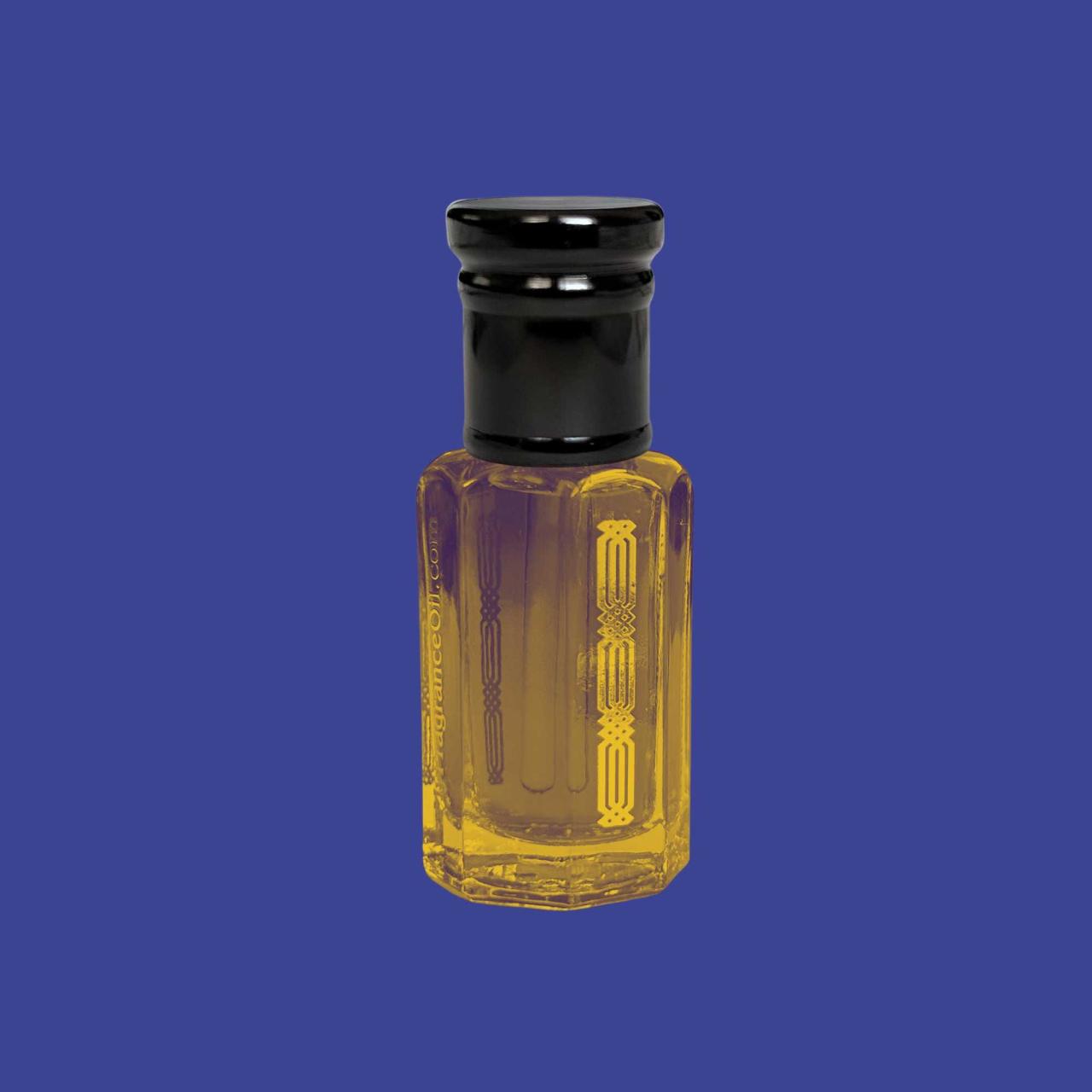
Attar, or traditional perfume derived from natural sources, plays a significant role in how individuals express their personal identity and style. The deep-rooted cultural and historical significance of attar transcends mere fragrance; it encapsulates personal stories, cultural heritage, and emotional connections. This unique form of scent not only enhances one’s presence but also serves as a canvas for self-expression, reflecting individual personalities and preferences.
Individuals often select attar to not only complement their fashion choices but also to communicate aspects of their identity. For many, the fragrance becomes a signature element that resonates with their character and disposition. Unlike commercial perfumes, attar allows for a more intimate and personalized experience, as it is often handmade and can be tailored to suit personal tastes. From floral notes to woody undertones, each individual’s choice reveals a narrative of who they are and what they value.
Community rituals and attar usage
Attar is deeply embedded in various cultural rituals and personal practices across communities. It plays a critical role in celebrations, religious ceremonies, and even daily routines. Each community has unique ways of incorporating attar, reflecting their beliefs and traditions.
Individuals may wear attar during significant life events such as weddings, where specific scents symbolize joy, love, or prosperity. In many cultures, it’s customary to apply attar as a part of daily grooming habits, creating a sense of comfort and belonging. For instance, in Middle Eastern cultures, applying attar before entering a mosque is a common practice, symbolizing cleanliness and respect.
The significance of scent in memory and emotional connections is profound. Scents have the unique ability to evoke vivid memories and emotions. For many, the smell of a particular attar may remind them of family gatherings, childhood experiences, or moments of happiness. This olfactory memory forms a bridge between individuals and their past, reinforcing a sense of identity.
“Fragrance is the silent ambassador of your personality.”
Communities often pass down traditional attars through generations, creating a legacy tied to familial and cultural identity. The act of sharing attar can foster connections among community members, as they bond over shared scents that remind them of their heritage. The emotional resonance linked to these fragrances often enhances personal identity—infusing daily life with a sense of continuity and belonging.
End of Discussion
In conclusion, Attar is more than just a scent; it encapsulates a journey through time and culture, reflecting the values and beliefs of the societies that embrace it. Whether used in spiritual rituals or as a personal signature, the significance of Attar lies in its ability to foster connections, evoke memories, and promote wellness. As we move forward in a world increasingly concerned with sustainability, the appreciation for Attar’s natural origins and cultural heritage continues to grow, ensuring its place in both our hearts and homes.
FAQ Guide
What is Attar made from?
Attar is primarily made from natural ingredients such as flower petals, herbs, and spices, often distilled through traditional methods.
How long does Attar last on the skin?
Attar typically lasts longer than synthetic perfumes, often providing a lingering scent for several hours or even days depending on the skin type and application.
Can Attar be used in aromatherapy?
Yes, Attar is commonly used in aromatherapy for its potential therapeutic benefits, promoting relaxation, emotional balance, and well-being.
How should Attar be stored?
Attar should be stored in a cool, dark place away from direct sunlight to preserve its fragrance and quality.
Is Attar suitable for sensitive skin?
Many types of Attar are made from natural ingredients, making them suitable for sensitive skin, but it’s always best to do a patch test first.