 Penelope Hailey
Anxiety relief essential oil can be a game-changer in our fast-paced world where stress often takes center stage. These powerful natural extracts offer a soothing touch, helping us find peace amidst the chaos. With an increasing number of people seeking alternative methods for managing anxiety, essential oils present a fascinating blend of science and tradition, providing not just relief but also a holistic approach to mental wellness.
Understanding how these oils interact with our brain’s chemistry can deepen our appreciation for their calming effects. From lavender to chamomile, a variety of essential oils have historical roots in cultures worldwide, showcasing their long-standing role in promoting relaxation. This guide will explore the science behind these oils, practical usage methods, and personalized experiences, making it easier for anyone to embark on their journey towards tranquility.
Understanding the Science Behind Essential Oils and Their Impact on Anxiety
Essential oils have been used for centuries in various cultures for their therapeutic properties. Recent scientific research has revealed that certain chemical compounds in essential oils can have a significant impact on anxiety relief. This understanding not only validates traditional practices but also opens the door to innovative applications in mental health care.
The primary components of essential oils that contribute to anxiety relief include terpenes, phenols, and esters. Terpenes, such as limonene and linalool, are known for their calming effects. When inhaled or absorbed through the skin, these compounds interact with the brain’s neurotransmitters, particularly gamma-aminobutyric acid (GABA) and serotonin. This interaction can lead to a decrease in feelings of anxiety and stress. Studies suggest that essential oils encourage the release of serotonin, promoting a sense of well-being. For example, a study published in the *Journal of Alternative and Complementary Medicine* found that inhalation of lavender oil significantly reduced anxiety levels in patients undergoing surgery.
Chemical Compounds in Essential Oils
Several key chemical compounds in essential oils have been identified as contributors to their anxiolytic properties. Understanding these compounds provides insight into how they might effectively alleviate anxiety.
- Limonene: Found in citrus oils, limonene is known for its uplifting properties. Research indicates that it can enhance mood and reduce anxiety symptoms.
- Linalool: Present in lavender oil, linalool has sedative effects and can promote relaxation. Clinical trials have shown that linalool can decrease anxiety in subjects exposed to stressful stimuli.
- Beta-caryophyllene: This compound has anti-inflammatory properties and may help reduce anxiety-related behaviors. Studies have pointed to its interaction with the endocannabinoid system, further supporting its calming effects.
These compounds work synergistically to influence brain function and emotional response. Clinical evidence supporting the efficacy of essential oils in anxiety relief continues to grow, validating their role as a complementary strategy in mental health care. A meta-analysis published in *Frontiers in Psychology* concluded that aromatherapy significantly reduces anxiety levels across various populations, highlighting the potential of essential oils as an effective therapeutic tool.
A Comprehensive Guide to Different Essential Oils for Anxiety Relief
Essential oils have gained popularity for their calming effects, particularly in managing anxiety. This guide explores various essential oils known for their soothing properties, delves into their historical uses across cultures, and provides insights on selecting the right oil for individual needs.
Essential Oils Known for Their Calming Effects
Numerous essential oils have been recognized for their ability to alleviate anxiety. Each oil possesses unique benefits that can cater to different preferences and situations. Below is a list of prominent essential oils along with their specific calming effects:
- Lavender: Renowned for its ability to reduce stress and promote relaxation, lavender oil is often used in aromatherapy to enhance sleep quality.
- Chamomile: This oil is known for its calming properties, often used to ease anxiety and promote tranquility. Its gentle scent can also aid in a better night’s sleep.
- Bergamot: Extracted from the rind of bergamot oranges, this oil is praised for its uplifting yet calming effects, making it beneficial for managing stress and anxiety.
- Ylang Ylang: Often utilized to reduce feelings of tension and stress, ylang ylang oil can also enhance mood and promote emotional balance.
- Sandalwood: With its rich, woody scent, sandalwood oil is used to calm the mind and create a peaceful environment, often incorporated in meditation practices.
Historical Use of Essential Oils for Anxiety Relief
The use of essential oils for anxiety relief spans across various cultures and historical contexts. Ancient civilizations understood the therapeutic properties of plants, often incorporating them into their daily lives.
“Essential oils have been an integral part of holistic healing practices for centuries, providing comfort and relief to anxious minds.”
For instance, in ancient Egypt, frankincense was utilized in religious rituals and believed to have calming effects. Similarly, the Romans used lavender to scent their baths, enhancing relaxation and reducing stress levels. In traditional Chinese medicine, various plant extracts have been employed for centuries to harmonize the mind and body, demonstrating the long-standing recognition of the benefits of aromatherapy.
Choosing the Right Essential Oil Based on Personal Preferences and Needs
Selecting the most suitable essential oil for anxiety relief requires consideration of individual preferences and specific needs. Factors such as personal scent preferences, desired effects, and any sensitivities play a crucial role in this decision-making process.
“Finding the right essential oil is a personal journey that involves exploring different scents and observing their effects on your mood.”
To aid in this process, individuals can start by sampling different oils, noting their reactions and feelings after use. It is also beneficial to consider the method of application, such as diffusion, topical application, or bath additives, as this can influence the effectiveness of the oil. Furthermore, consulting with a healthcare professional knowledgeable in aromatherapy can provide further guidance in selecting the right oil tailored to individual needs.
Methods of Using Essential Oils for Maximum Anxiety Relief
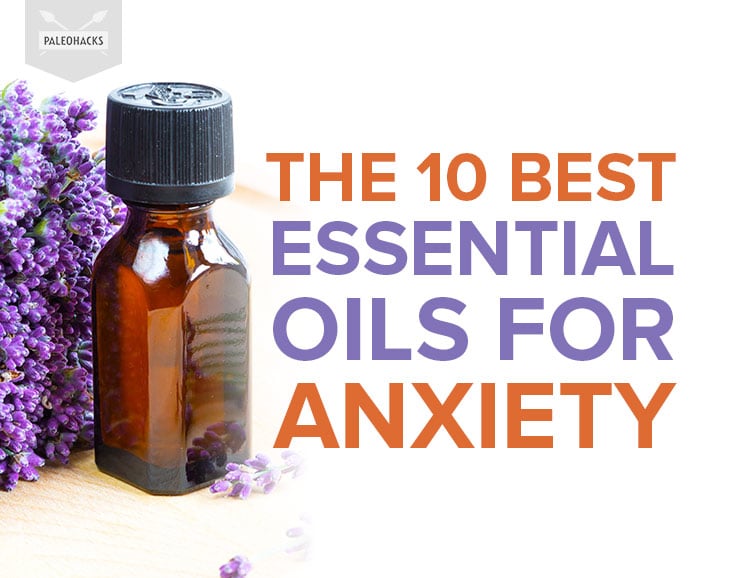
Essential oils have become a popular natural remedy for anxiety relief due to their soothing properties and versatility. Understanding the various methods of application can significantly enhance their effectiveness. By exploring diffusion, topical application, and inhalation techniques, you can tailor your use of essential oils to suit your needs and preferences.
Diffusion Techniques
Diffusion is one of the most effective ways to disperse essential oils into the air, allowing the beneficial properties to be inhaled easily. Using a diffuser not only fills your space with pleasant aromas but also helps create a calming atmosphere. Here are some popular methods of diffusion:
- Ultrasonic Diffuser: This device uses water and essential oils to create a fine mist, humidifying the air while releasing the oils. Adding just 5-10 drops of your preferred oil can help set a tranquil mood in any room.
- Reed Diffuser: A simple yet elegant option, a reed diffuser involves placing reeds in a small bottle of essential oil. The reeds absorb the oil and release the scent into the air. This method provides a continuous fragrance without the need for electricity.
- Steam Inhalation: For a quick and focused approach, add a few drops of essential oil to a bowl of hot water, cover your head with a towel, and inhale the steam deeply. This method allows for a direct inhalation experience, targeting anxiety relief swiftly.
Topical Application Guidelines
Applying essential oils directly to the skin can provide localized relief and enhance overall relaxation. However, safety is essential when using essential oils topically. Follow these guidelines to avoid any adverse effects:
- Dilution: Always dilute essential oils with a carrier oil, such as coconut or jojoba oil, before applying to the skin. A common dilution ratio is 2-3 drops of essential oil per teaspoon of carrier oil for safe application.
- Patch Test: Perform a patch test on a small area of skin to check for sensitivity. If any irritation occurs, discontinue use of that particular oil.
- Avoid Sensitive Areas: Do not apply essential oils to sensitive areas such as the eyes, mucous membranes, or broken skin to prevent irritation.
Inhalation Methods
Inhaling essential oils can provide immediate anxiety relief by targeting the olfactory system. Here are some effective inhalation methods:
- Direct Inhalation: Simply open the bottle of your chosen essential oil and take a few deep breaths directly from the bottle. This method allows for a quick sensory boost.
- Inhaler Stick: Portable inhalers are a convenient way to carry essential oils. Add a few drops of oil to a cotton wick inside the inhaler for on-the-go relief.
- Hand Method: Place a few drops of essential oil on your palms, rub them together, and then cup your hands over your nose and mouth. Take deep breaths to enjoy the calming effects.
Setting Up a Calming Environment
Creating a calming environment with essential oils can enhance their effectiveness in relieving anxiety. Here’s a step-by-step guide to set up a soothing space:
- Choose Your Space: Select a quiet area where you can relax without interruptions. Consider using a comfortable chair, sofa, or even a cozy corner of your home.
- Select Essential Oils: Pick oils known for their calming properties, such as lavender, chamomile, or bergamot. You can combine a few oils to create a personalized blend.
- Prepare Your Diffuser: If using a diffuser, fill it with water according to the manufacturer’s instructions, and add the recommended number of essential oil drops.
- Set the Mood: Dim the lights or use candles to create a serene atmosphere. Soft music or nature sounds can further enhance relaxation.
- Engage in Relaxation Techniques: While diffusing essential oils, consider practicing mindfulness, deep breathing, or gentle stretching to maximize relaxation.
Utilizing essential oils not only promotes tranquility but also can significantly improve your overall well-being.
Personalizing Your Aromatherapy Experience with Blends
Creating customized essential oil blends for anxiety relief allows for a tailored aromatherapy experience, catering to individual preferences and responses. Personalization not only enhances the effectiveness of the oils but also makes the process more enjoyable and intuitive. By exploring different combinations, individuals can discover what brings them the most comfort and relaxation.
Experimenting with various essential oils is essential in finding the perfect blend that resonates with one’s unique emotional state. The olfactory system is closely linked to emotions, and different scents can evoke varying responses. It is beneficial to start with a few essential oils known for their calming properties and then gradually add or swap oils based on personal reactions and preferences.
Creating Customized Essential Oil Blends
Begin by selecting essential oils that are known for their anxiety-relieving properties. Here are some popular choices:
- Lavender: Renowned for its calming scent, lavender is often used to reduce stress and promote relaxation.
- Chamomile: This oil has soothing qualities that can help ease tension and anxiety.
- Bergamot: Known for its uplifting scent, bergamot can help reduce feelings of stress and anxiety.
- Frankincense: This oil can promote a sense of peace and calm, making it ideal for anxiety relief.
- Ylang Ylang: With its sweet floral aroma, ylang ylang can help alleviate anxiety and promote relaxation.
Once the essential oils are chosen, it’s time to create a blend. The process involves several steps:
1. Choose a Base Oil: Begin with a carrier oil such as jojoba or sweet almond oil to dilute the essential oils.
2. Select Your Oils: Combine 3-5 essential oils based on personal preferences and their calming properties.
3. Mixing Ratios: A common ratio is 3-5 drops of essential oil per teaspoon of carrier oil. Adjust based on strength preference.
4. Test and Adjust: Apply a small amount to your skin to see how it feels and smells. Adjust ratios as necessary to find the perfect balance.
Specific Blend Recipes for Various Anxiety Levels
Depending on the situation or intensity of anxiety, different blends can be effective. Here are some tailored recipes:
- For Mild Anxiety:
Blend 2 drops of lavender, 2 drops of bergamot, and 1 drop of chamomile in 1 teaspoon of carrier oil.
- For Moderate Anxiety:
Mix 3 drops of lavender, 2 drops of frankincense, and 2 drops of ylang ylang in 1 teaspoon of carrier oil.
- For Severe Anxiety:
Combine 3 drops of bergamot, 3 drops of chamomile, and 3 drops of lavender in 1 teaspoon of carrier oil.
These blends can be used in a diffuser, added to baths, or applied topically (after ensuring skin sensitivity). Personalizing the aromatherapy experience requires patience and a willingness to explore various options. By keeping track of what works best, individuals can create a soothing ritual that effectively addresses their unique anxiety levels.
The Role of Essential Oils in Holistic Anxiety Management
Essential oils can play a vital role in managing anxiety when integrated into a holistic lifestyle. By combining these natural remedies with practices like meditation and yoga, individuals can create a balanced approach that nurtures both body and mind. This synergy not only enhances the effects of essential oils but also fosters a deeper connection to oneself, ultimately leading to a more profound state of calm and relaxation.
Integrating essential oils with holistic practices can amplify their benefits. For instance, using calming oils such as lavender or chamomile during meditation can help deepen relaxation and enhance focus, allowing the mind to settle into a tranquil state. When combined with yoga, essential oils can enhance the overall experience by creating an inviting atmosphere that encourages deeper breathing and mindfulness. The aromatic properties of oils can help ground practitioners, making it easier to release tension and connect with the body.
Synergistic Effects of Essential Oils with Lifestyle Changes
Combining essential oils with positive lifestyle changes can lead to significant improvements in mental health. A holistic approach to anxiety management emphasizes the interaction between physical, emotional, and spiritual well-being. Here are several lifestyle changes that can complement the use of essential oils in anxiety relief:
- Regular Physical Activity: Exercise helps release endorphins, and when paired with essential oils such as peppermint or eucalyptus, it can invigorate the senses and enhance mood.
- Meditation Practices: Incorporating essential oils like frankincense or sandalwood during meditation can facilitate a more profound sense of peace and clarity, supporting mental focus and a sense of calm.
- Healthy Nutrition: A balanced diet rich in antioxidants and omega-3 fatty acids can support brain health. Essential oils like lemon or ginger can be used in cooking to enhance flavor while providing uplifting effects.
- Quality Sleep: Creating a sleep-friendly environment with calming essential oils such as lavender or cedarwood can promote restful sleep, essential for managing anxiety effectively.
- Mindfulness Techniques: Practicing mindfulness with the aid of essential oils, like bergamot or ylang-ylang, can help individuals stay present, reducing feelings of overwhelm and anxiety.
The integration of essential oils within a holistic framework not only addresses anxiety but also promotes overall wellness, creating a harmonious balance in everyday life.
Real-Life Testimonials and Experiences with Essential Oils
Many individuals have turned to essential oils as a natural remedy for anxiety, sharing their journeys and experiences in various communities. These personal stories not only highlight the potential benefits but also provide insight into the emotional and mental transformations that can occur when integrating essential oils into daily routines. The stories often reflect a common theme of seeking alternative approaches to wellness amidst the challenges posed by anxiety.
When starting with essential oils, users often face challenges such as choosing the right oil, application methods, and understanding the appropriate dosages. These initial hurdles can be intimidating, but with guidance and community support, many find effective ways to overcome them. Essential oils can be particularly empowering, as they allow users to take an active role in managing their mental health.
Personal Stories of Anxiety Relief
Individuals have shared transformative experiences with various essential oils. One user recounted how lavender oil helped them manage panic attacks during stressful work situations. They described diffusing lavender at their desk, which created a calming atmosphere that significantly reduced their anxiety levels throughout the day.
Another testimonial highlighted the use of bergamot oil. A person struggling with social anxiety reported that applying bergamot oil to their wrists before events helped them feel more grounded and confident. The soothing aroma became a part of their pre-event ritual, allowing them to focus on enjoying their time with friends rather than worrying about their anxiety.
Common Challenges and Solutions
Embarking on a journey with essential oils often comes with a learning curve. Many new users experience confusion regarding how to properly use the oils or which ones to start with. The community has identified several key strategies to ease this process:
- Research and Education: Engaging with reputable resources and communities dedicated to essential oils can greatly enhance understanding and confidence.
- Testing Small Amounts: Starting with small batches or single oils allows for experimentation without overwhelming the senses.
- Mixing with Carrier Oils: For those unsure about direct application, combining essential oils with carrier oils, such as coconut or jojoba oil, can provide a gentler introduction.
- Journaling Experiences: Keeping a record of feelings and responses to different oils helps in identifying what works best for individual needs.
Trends in the Essential Oil Community
The essential oil community has seen a growing recognition of specific oils and methods that are particularly popular for anxiety management. Users frequently share their favorites and preferred practices on social media and forums. Some of the trending oils include:
- Ylang Ylang: Known for its uplifting properties, many find it effective in reducing anxiety and promoting relaxation.
- Frankincense: Often used for its grounding effects, this oil is gaining traction among those looking for deeper emotional stability.
- Chamomile: Celebrated for its calming qualities, chamomile oil is frequently mentioned in discussions about anxiety relief blends.
- DIY Blends: Users are increasingly sharing their personal blends that combine various oils to create tailored solutions for anxiety relief.
“Essential oils have not only eased my anxiety but also empowered me to take charge of my mental health.” – A satisfied user
Through these real-life testimonials, it’s clear that essential oils can offer significant support for those dealing with anxiety. Users continue to explore new methods and share their successes, fostering a vibrant community dedicated to holistic wellness.
The Future of Essential Oils in Mental Health Care
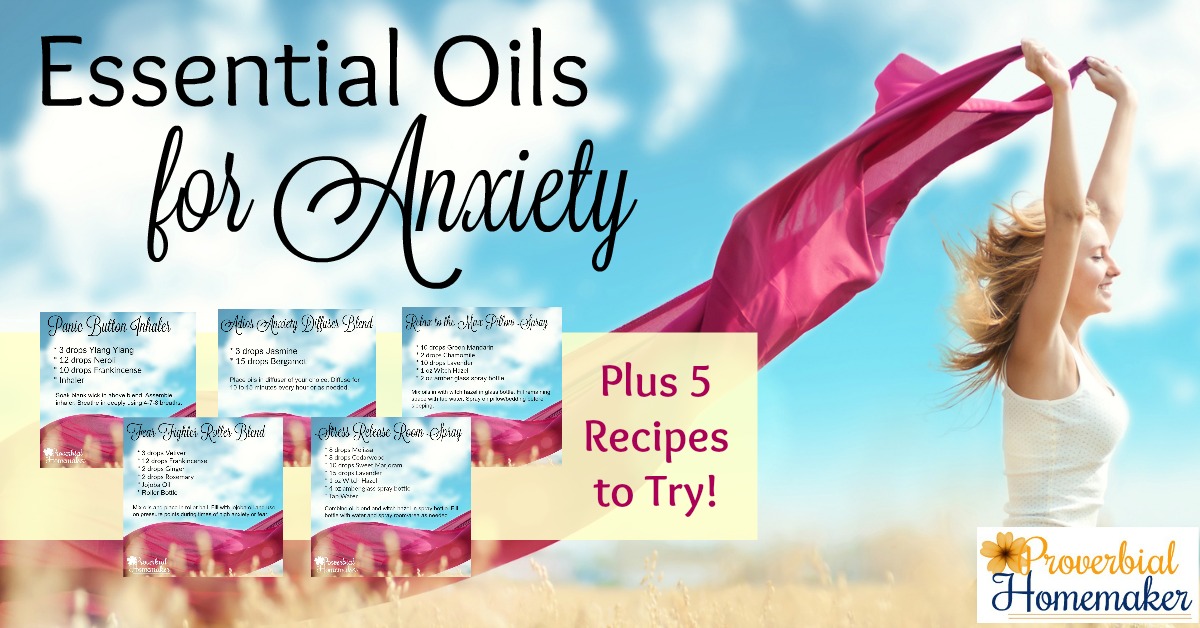
The future of essential oils in mental health care is a promising area of exploration, with emerging research highlighting their potential therapeutic applications. As more studies are conducted, we are beginning to understand how these natural substances may support mental well-being, offering alternative approaches to traditional treatments. This shift reflects a growing awareness of holistic health practices and the need for integrative strategies in mental health care.
Current research is revealing exciting insights into the use of essential oils for managing anxiety, depression, and stress-related disorders. Studies suggest that essential oils such as lavender, chamomile, and bergamot can have anxiolytic effects, potentially enhancing mood and reducing feelings of stress. Furthermore, the olfactory system’s direct connection to the brain plays a crucial role in how these scents can influence emotional states. As we delve deeper into this field, it’s essential to identify gaps in existing knowledge to guide future studies effectively.
Emerging Research and Gaps in Knowledge
While the body of research on essential oils is growing, there are still significant gaps that need to be addressed. Currently, much of the research is limited to small sample sizes or lacks rigorous methodologies, which can affect the reliability of findings. Identifying these gaps is vital for laying the groundwork for future investigations. Key areas for further research include:
- Long-term effects of essential oil use in clinical settings
- Specific mechanisms of action through which essential oils exert their effects on mental health
- Comparative studies between essential oils and conventional medications
- Patient-centered approaches that consider individual preferences and responses
“The integration of essential oils into therapeutic settings requires a robust evidence base to ensure safety, efficacy, and patient satisfaction.”
As we envision a future where essential oils play a role in mainstream mental health practices, it becomes clear that a multi-disciplinary approach is essential. Collaborations between aromatherapists, psychologists, and medical professionals can pave the way for new treatment models that incorporate essential oils alongside traditional therapies. By establishing standardized protocols for use, practitioners can ensure patients receive tailored, effective care.
In this evolving landscape, essential oils could be integrated into various therapeutic practices, such as cognitive-behavioral therapy (CBT) or mindfulness-based stress reduction (MBSR). For instance, during therapy sessions, essential oils may be diffused to create a calming environment, enhancing patients’ receptiveness to treatment. Additionally, training programs for mental health professionals could include modules on the safe and effective use of essential oils, ensuring practitioners are well-equipped to discuss these options with their clients.
The vision for essential oils in mental health care is one of collaboration, research, and innovation. By addressing existing gaps and conducting more comprehensive studies, essential oils may soon become a valuable component of holistic mental health care practices, benefiting countless individuals seeking support for their mental well-being.
End of Discussion
In conclusion, anxiety relief essential oils offer a holistic pathway to manage stress and promote emotional well-being. By harnessing the power of nature and applying it thoughtfully, individuals can create personalized routines that not only soothe anxiety but also enhance overall quality of life. As we continue to explore the benefits and applications of essential oils, there’s no doubt they will play a significant role in the future of mental health care.
User Queries
How do I choose the right essential oil for anxiety?
Start by considering your personal preferences and any specific anxiety triggers. Popular options include lavender for relaxation and bergamot for uplifting moods.
Can essential oils be used with other treatments for anxiety?
Yes, essential oils can complement other treatments like therapy or medications, but it’s best to consult a healthcare professional before combining them.
Are there any side effects of using essential oils?
While essential oils are generally safe, some may cause skin irritation or allergic reactions. Always perform a patch test and follow dilution guidelines.
How often should I use essential oils for anxiety relief?
Frequency can vary based on individual needs, but many find using them daily or during moments of heightened anxiety to be beneficial.
Can I make my own essential oil blends for anxiety relief?
Absolutely! Experimenting with different combinations of essential oils allows you to discover what works best for your unique needs.